
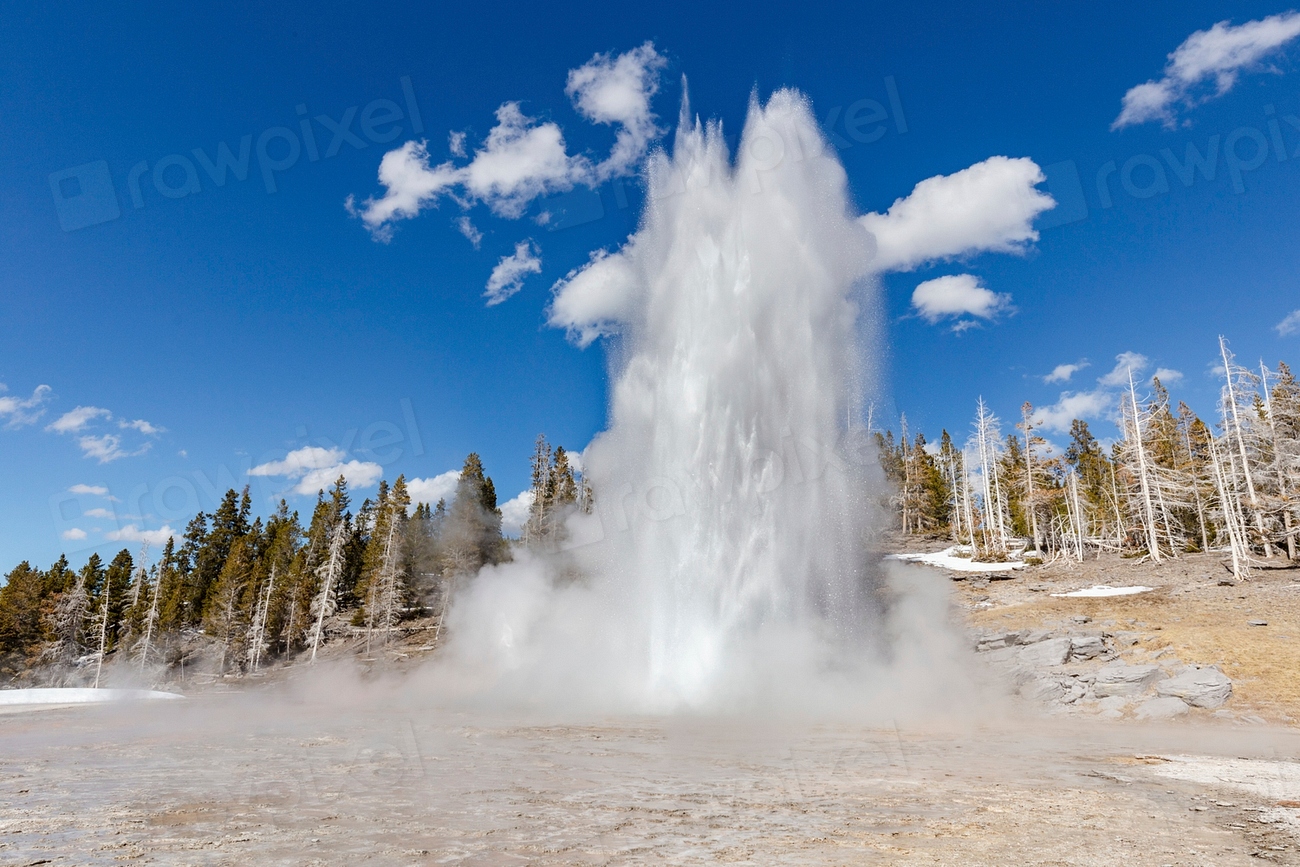

There’s a particular kind of stillness that settles over a national park trail when almost no one else is on it. No car doors slamming in the parking lot. No shuffle of boots fifty yards ahead. Just the landscape, doing exactly what it has always done, indifferent to whether anyone is watching.
For most travelers, the national parks are a summer institution. Yet the numbers tell a different story about what you actually gain by showing up in the coldest, quietest stretch of the year. January is the least busy month to visit a national park across the entire American system, and what that unlocks is something hard to replicate any other time.
A Record-Breaking System That Rarely Empties Out
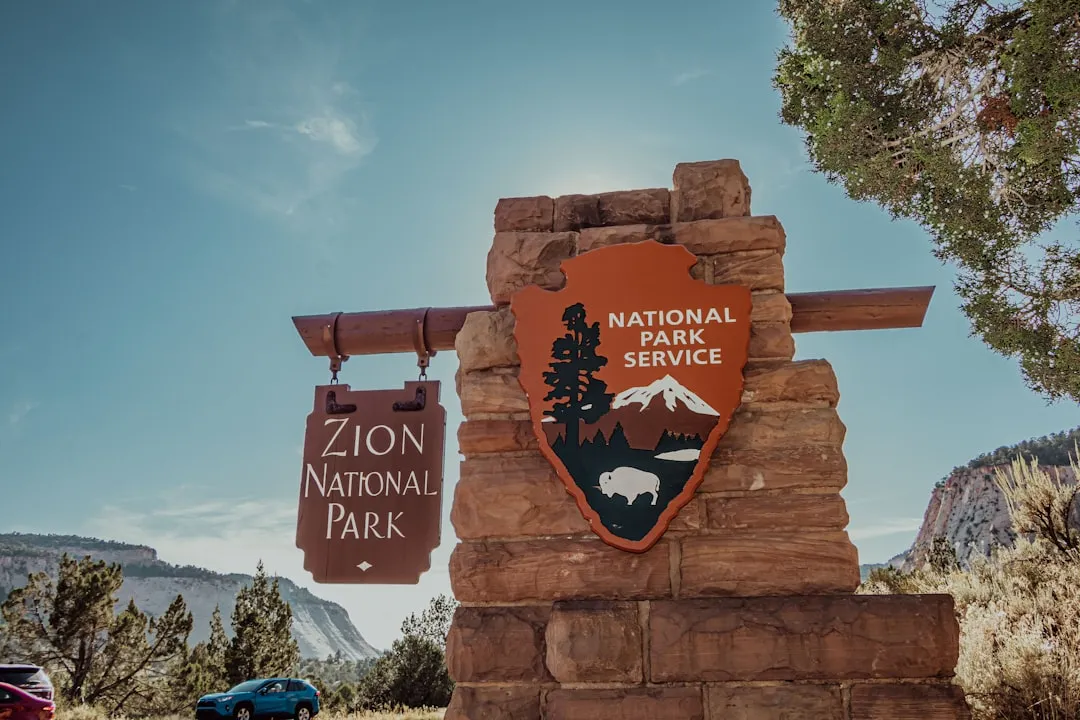
National Park Service sites were visited 331.9 million times in 2024, the highest total since tracking began in 1904. That number represents a two percent increase over 2023, and the trend has been climbing for over a decade.
The summer months of June, July, and August account for over forty percent of the national parks’ annual visitors. Understanding this concentration is what makes January so compelling. When the school calendar resets and the holiday travelers go home, the parks exhale.
June and July were the most popular months in 2024, but fifty-five percent of parks still recorded above-average visitation numbers even during the slower periods of February through June and October through December. The implication is clear: even in the off-season, demand is real. January remains the most reliable window for genuine solitude.
Yellowstone in January: Bison, Steam, and Almost Nobody
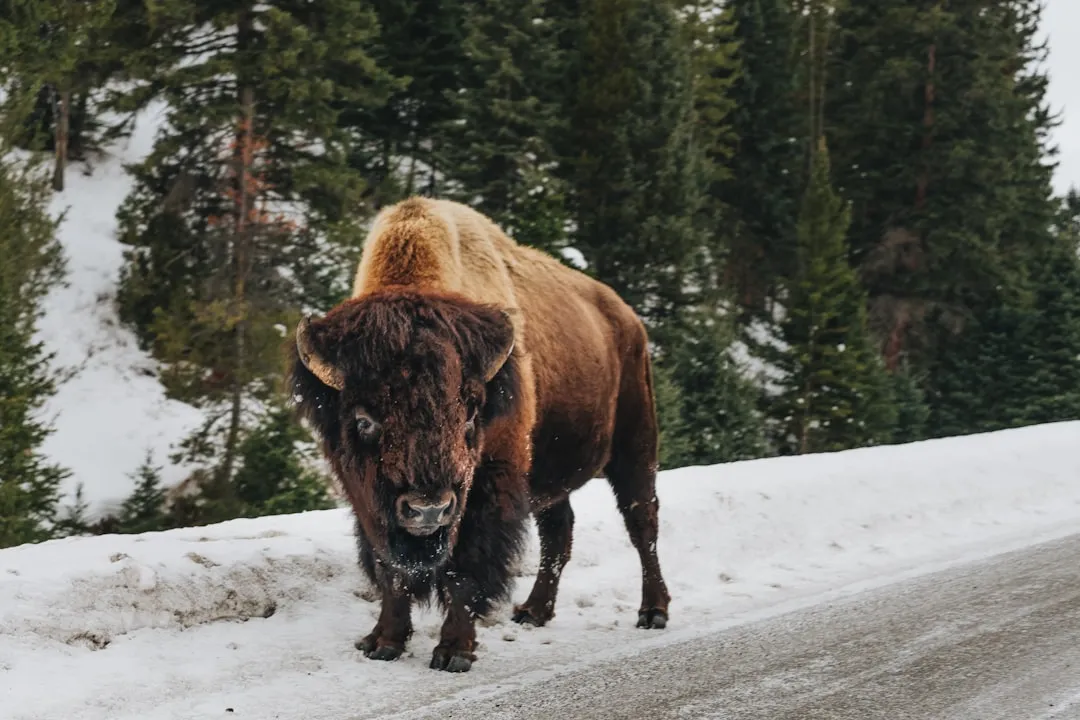
January in Yellowstone National Park is a true winter wonderland. Nothing beats the snowy meadows, frozen icicles, and hot steam from the geysers mixing with the bitterly cold air, or an ice crystal-covered bison trudging through a white plain.
The month of July sees four million visitors to Yellowstone, while the entire winter season sees only around 0.3 million. That contrast is almost difficult to picture if you’ve only ever seen the summer version of the park, with its backed-up traffic and packed boardwalks.
Half of the wolves in the park have dark coats that are much easier to see against the white snow than they are in summer against trees and dirt. Wildlife photography in January, for that reason alone, can be far more rewarding than any midsummer attempt.
Rocky Mountain National Park: Ten Times Fewer People
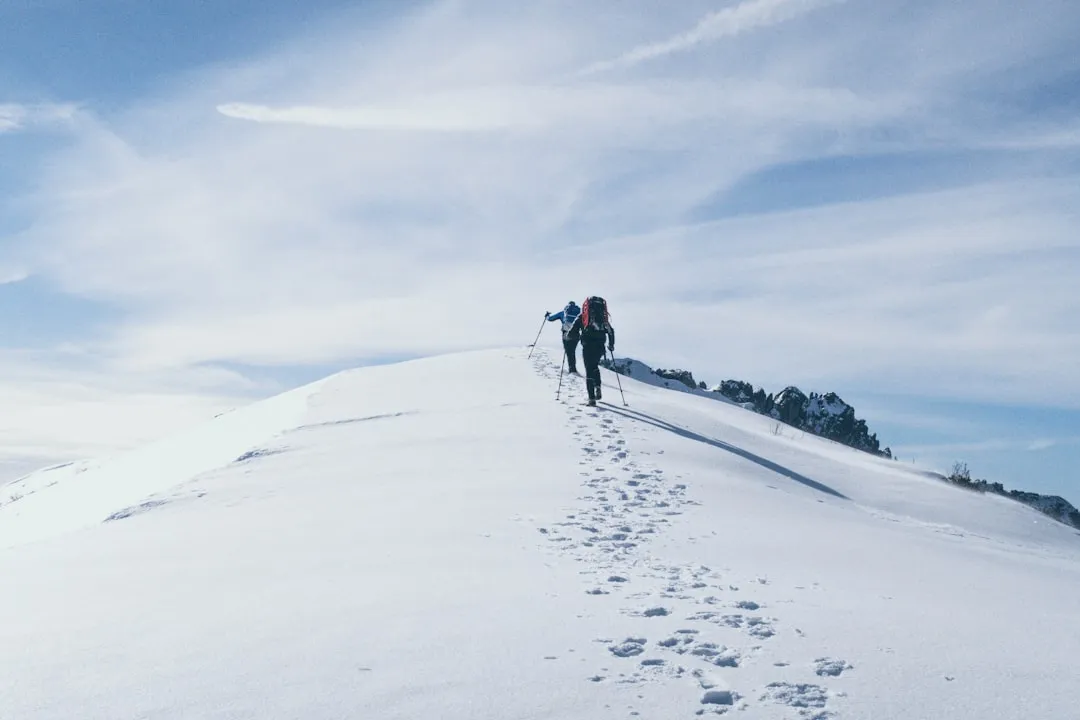
A visit to Rocky Mountain National Park in January is an opportunity to experience one of the most picturesque places in the Western United States with significantly fewer visitors. If you are the type of person who celebrates the solitude of winter, this is a spectacular time to hike on empty trails below towering snow-covered peaks.
In January, Rocky Mountain sees around 100,000 visitors, compared to July when one million people descend on the park. That tenfold difference is the kind of statistic that actually changes the texture of an experience, not just the parking situation.
The hiking trails can be explored by snowshoes or cross-country skis and are far less crowded. On the east side of the park, elk descend to the montane meadows and even into the town of Estes Park. It’s the sort of wildlife proximity that summer visitors rarely stumble into.
Yosemite’s Quiet Arithmetic
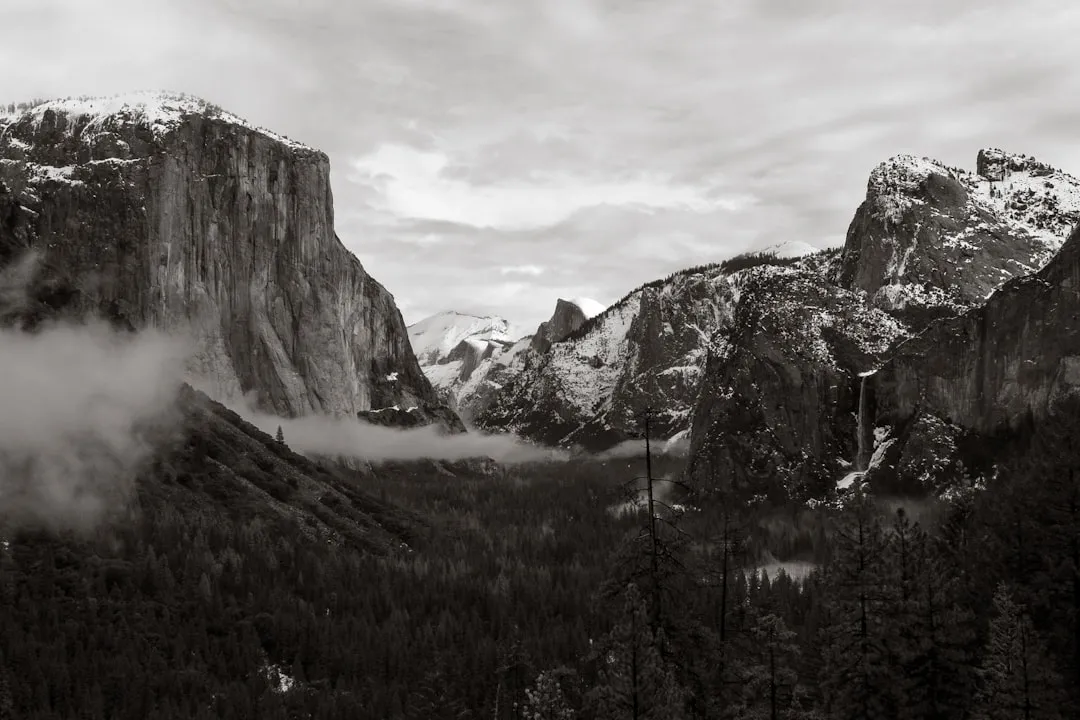
Yosemite is one of the most photographed landscapes on earth, and in summer, that shows. The valley roads can feel more like slow-moving exhibition halls than wilderness corridors. January offers a different equation entirely.
Although the park is open all year, nearly seventy-five percent of visitors come during the busiest six months, May through October. That leaves the remaining quarter of annual visitors spread across a full six months, with January absorbing only a small fraction.
In January, Yosemite averages roughly 120,000 visitors, compared to about 624,000 in July, based on figures averaged across 2010 through 2024. Waterfalls run full from snowmelt and rain, the valley walls wear fresh snow, and the light at low winter angles hits the granite in ways that summer simply cannot replicate.
Sequoia’s Winter Floor: The Numbers Behind the Silence
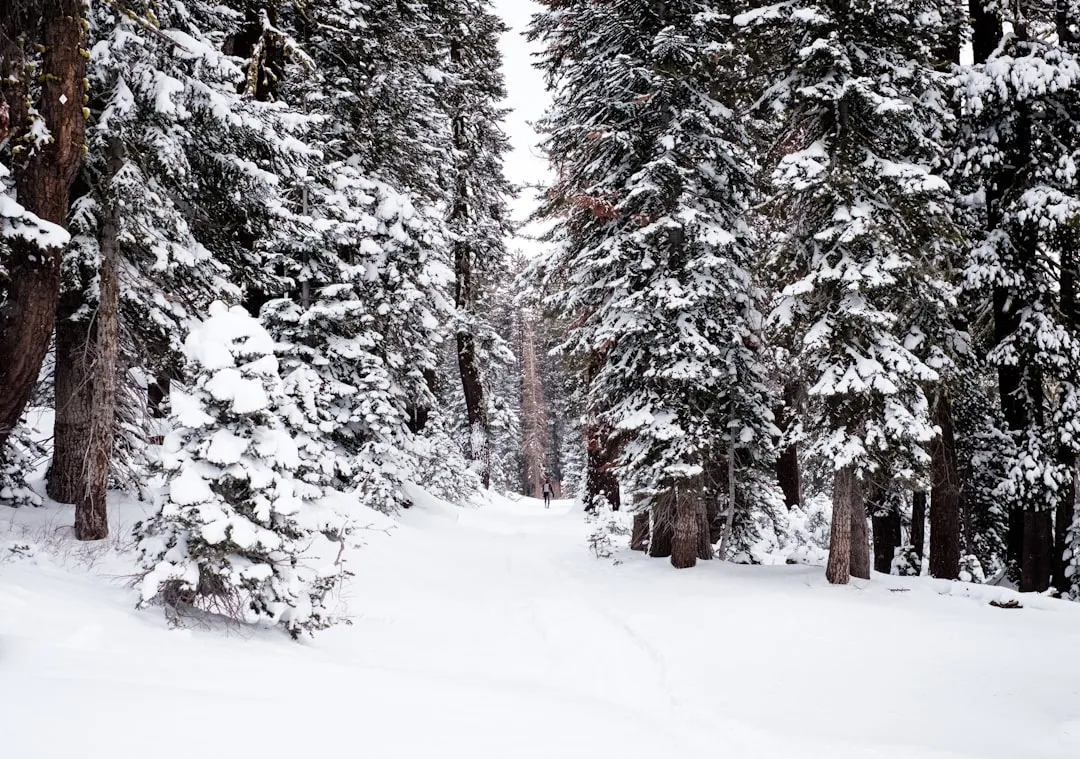
The genuinely quiet months at Sequoia are November through February, sitting in the twenty-one to thirty-one percent of peak visitation range, when snow closes the high-country roads and only the plowed Generals Highway reaches the groves.
July is Sequoia’s busiest month at about 194,000 average recreation visits, while February is the quietest at near 41,000, roughly twenty-one percent of that peak. Walking among the giant sequoias with almost no other visitors present is one of those rare experiences that genuinely resets a person’s sense of scale.
September falls to about sixty-three percent of peak and October to forty-eight percent, which makes those months appealing too. Still, nothing quite matches the depths of winter for true quiet, and the trees themselves look extraordinary under a dusting of snow.
The Everglades’ Best-Kept Secret
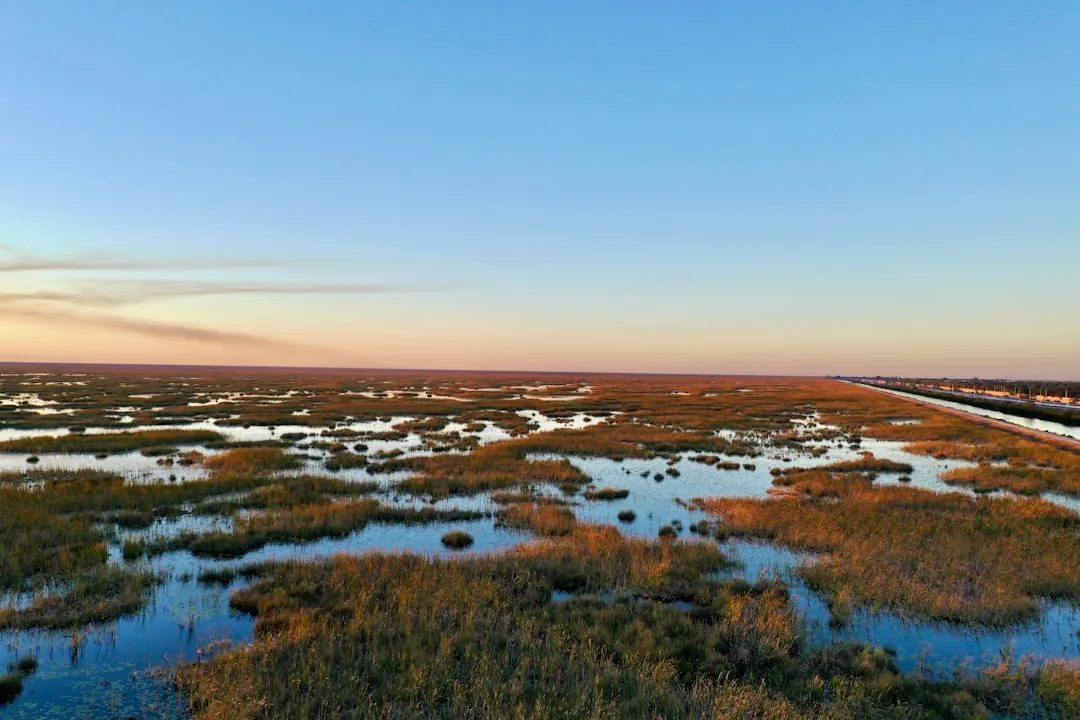
Most people associate the Everglades with summer heat, humidity, and mosquitoes thick enough to blot out the view. That association is exactly why January there is so underrated.
January is the dry season in the Everglades, which means cooler temperatures, fewer mosquitoes, and prime wildlife activity. It is arguably the best month to experience the park. Wading birds, alligators, and rare species concentrate around shrinking water sources, making wildlife viewing far more productive than in the wet season.
For a park that regularly gets dismissed as difficult or uncomfortable, January quietly rewrites that reputation. The air is genuinely pleasant, the trails are passable, and the ecosystem is performing at its most visible and dramatic.
Grand Teton: Stripped Down to Its Essentials
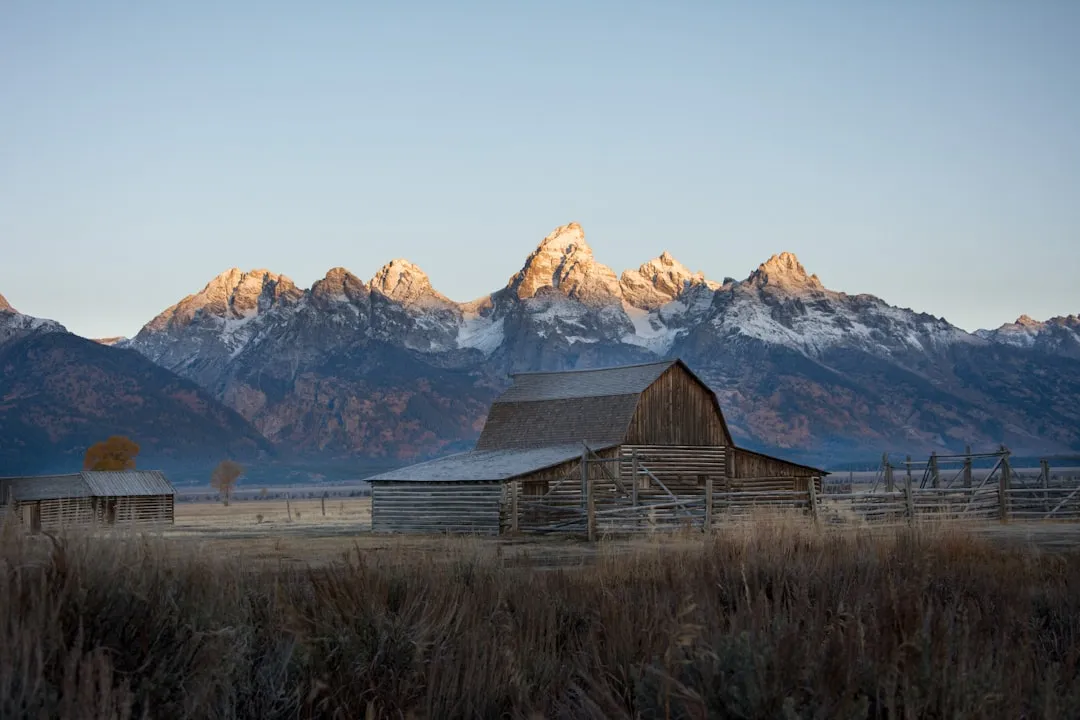
Winter strips Grand Teton down to its essentials: a white valley, gray peaks, and very few people. January highs sit in the twenties and lows drop into single digits, but the cross-country skiing and snowshoeing are superb, and wildlife stands out sharply against the snow.
The off-season offers one of the most intimate ways to experience these parks. The best winter conditions are typically January through March, when snow coverage is reliable and wildlife movement is easiest to spot.
The Tetons are among the most dramatic mountain profiles on the continent, and seeing them reflected in a frozen Snake River oxbow, with no one else in the frame, is the kind of visual that stays with you. Summer crowds rarely allow for that kind of uninterrupted stillness.
Wildlife Watching Changes Completely in the Off-Season
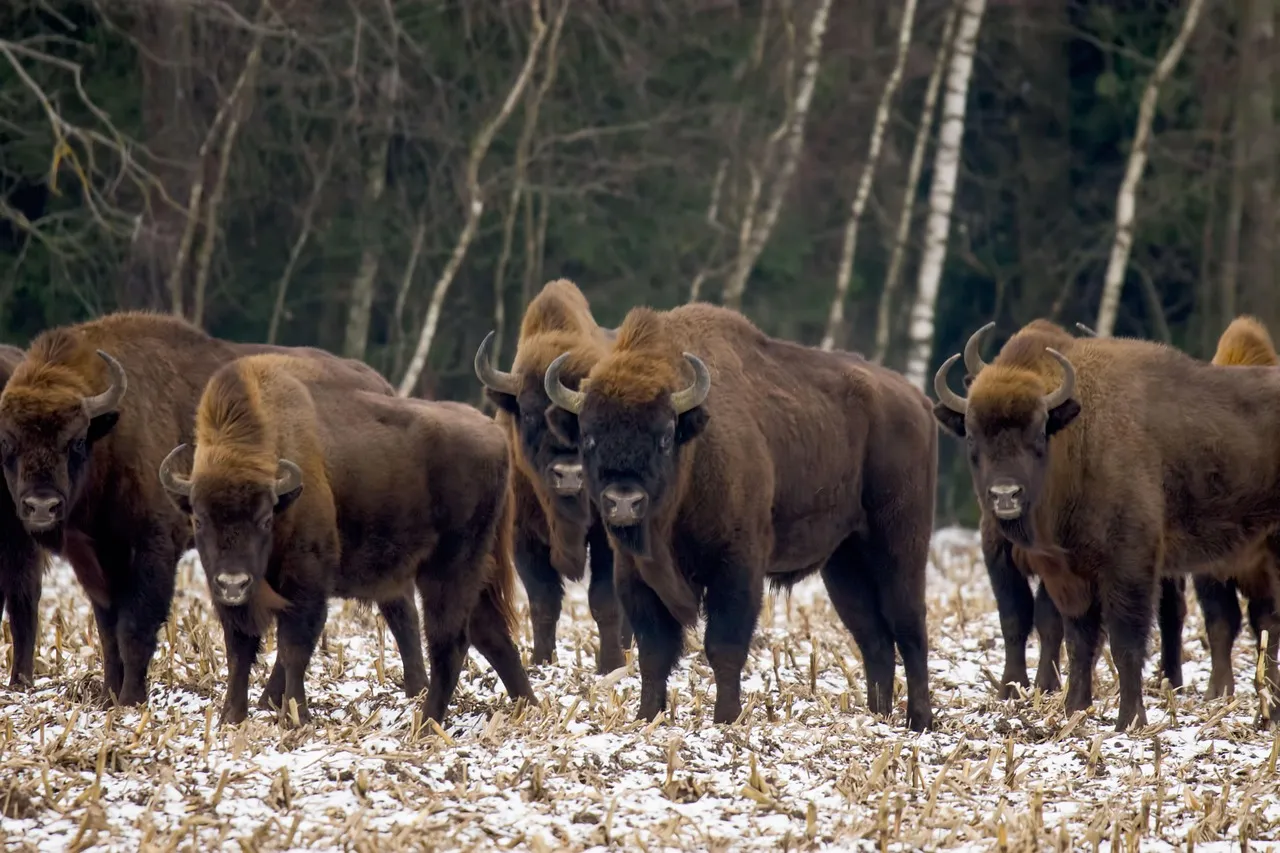
If you are looking to see or photograph wildlife in the national parks, visiting during the shoulder or off seasons may be your best bet. Many animals are shy and can be scared off by high numbers of people. Quieter trails and camping areas means you are more likely to see animals.
Witnessing a blanket of frost on a herd of bison, or the unique single-file lines wolves use to walk through deep snow to save energy, is like getting a private window into the national parks after closing time. That image captures something real about what winter visits offer: access to animal behavior that crowds effectively erase.
The irony is that many visitors assume summer is when the wildlife is most visible. In practice, prey animals move more openly in winter when vegetation is sparse, predators are easier to track against snow, and the distraction of thousands of tourists has been removed from the equation entirely.
The Parks That Barely Register on the Map Even in Summer
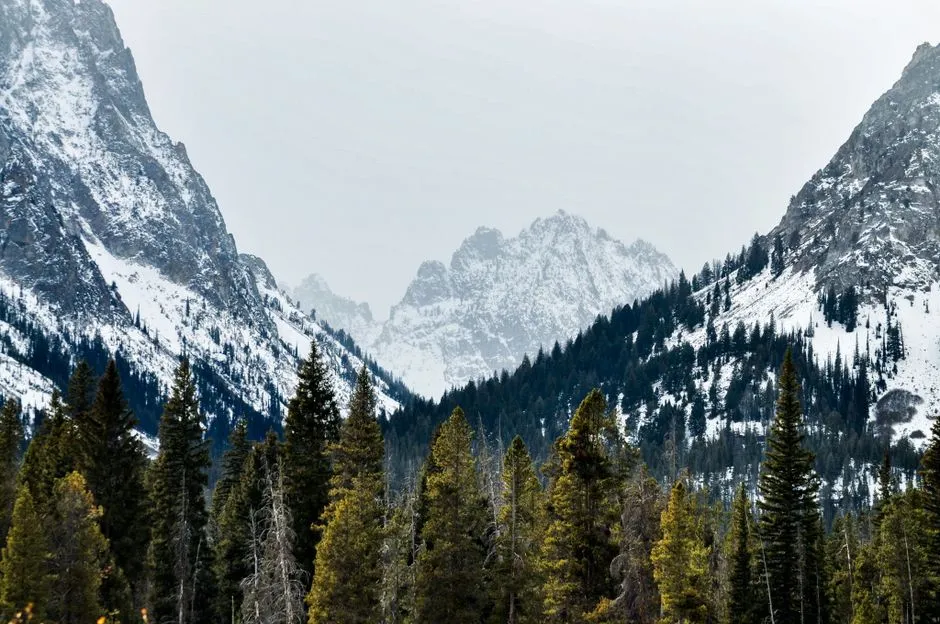
Some parks are quiet year-round, and January makes them feel almost hermetically sealed from the outside world. Isle Royale, for instance, sees fewer than 30,000 visitors each year, making it one of the quietest parks in the entire system. Most of that already thin crowd visits in summer; the park is closed entirely in winter.
The least crowded national parks in the lower 48 states include North Cascades, Great Basin, Guadalupe Mountains, Voyageurs, Isle Royale, Dry Tortugas, Channel Islands, and Congaree. These parks receive fractions of the visitors that Yellowstone or Grand Canyon draw even in their slowest months.
Most of these parks see low visitation numbers not because they are unworthy, but simply because they are incredibly difficult to access. That barrier works as a natural filter, leaving behind a visitor experience that feels genuinely remote rather than curated.
What Shoulder Season Teaches That Summer Cannot
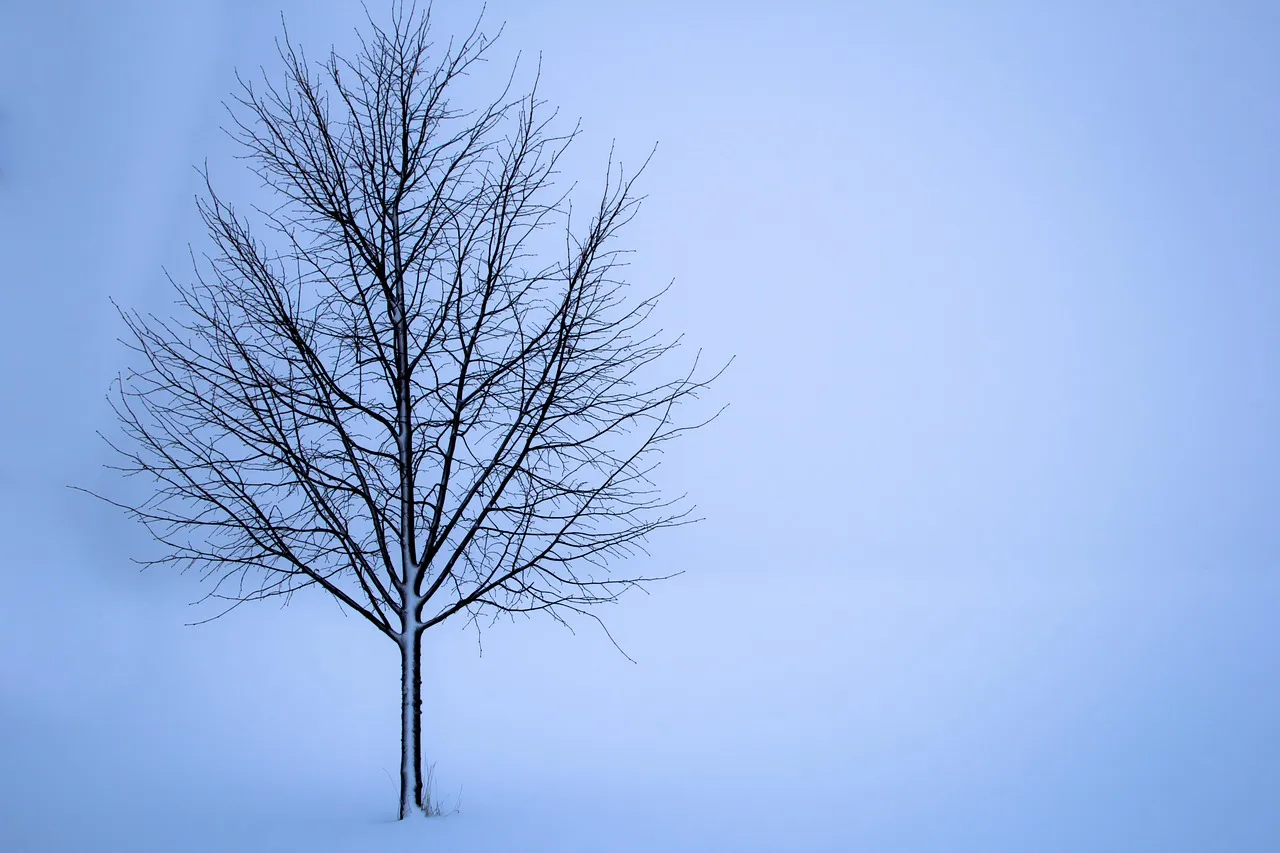
Shoulder seasons, April to May and September to October, offer the best combination of good weather and manageable crowd levels at most parks. January sits beyond even those windows, at the far end of the quiet spectrum. For many parks, it represents the only true off-season.
For most national parks, the shoulder months of April and May, and September and October are the best months. Levels of accessibility may differ depending on the park, but you’ll generally get acceptable or even good weather without the summer crowds. January asks for more flexibility but gives back something those shoulder months cannot always guarantee: the feeling of having the place entirely to yourself.
There is something important in that distinction. Shoulder season is about compromise, good weather with fewer people. January is about a different kind of commitment, trading comfort for depth, and discovering what a landscape actually sounds like when it is not performing for an audience.
The Takeaway: January Is a Decision Worth Making
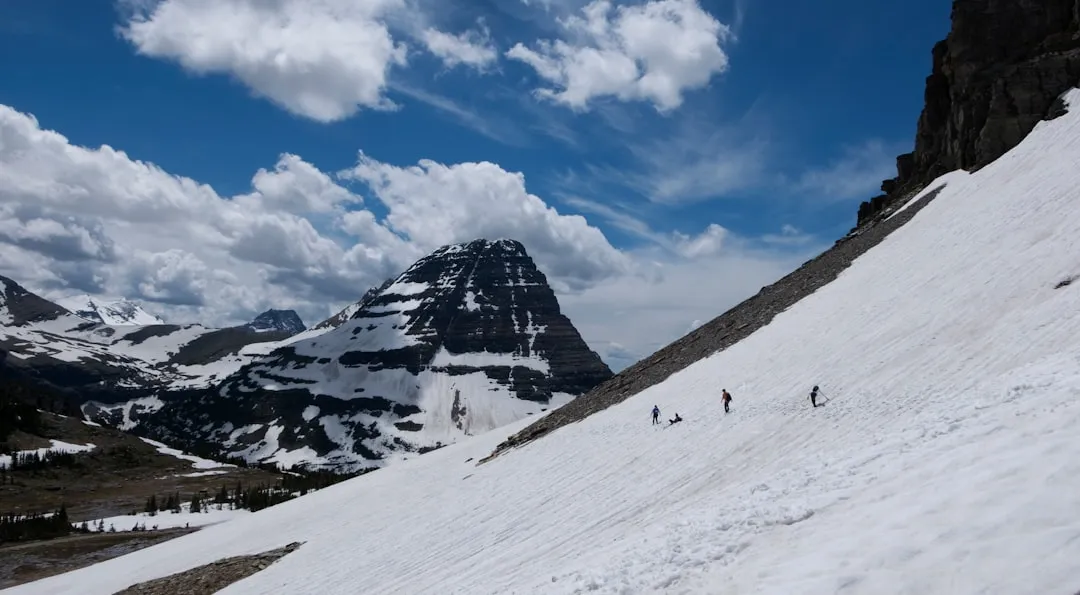
The numbers are clear and consistent. Almost forty-three percent of national parks are busiest during July, and January is the least busy month to visit across the system. The gap between those two poles is vast, and most travelers never cross it.
The parks do not disappear in January. The Grand Canyon is still there, impossibly wide and deep. The sequoias are still standing. Old Faithful still goes off, right on schedule, surrounded by steam and frost and almost no one at all. What changes is simply who else shows up to witness it.
That quiet is not emptiness. It is the park in its truest form, unfiltered by the volume of high season, and available to anyone willing to pack an extra layer and arrive when everyone else has already gone home.
AI Disclaimer: This article was created with the assistance of AI tools and reviewed by a human editor.