
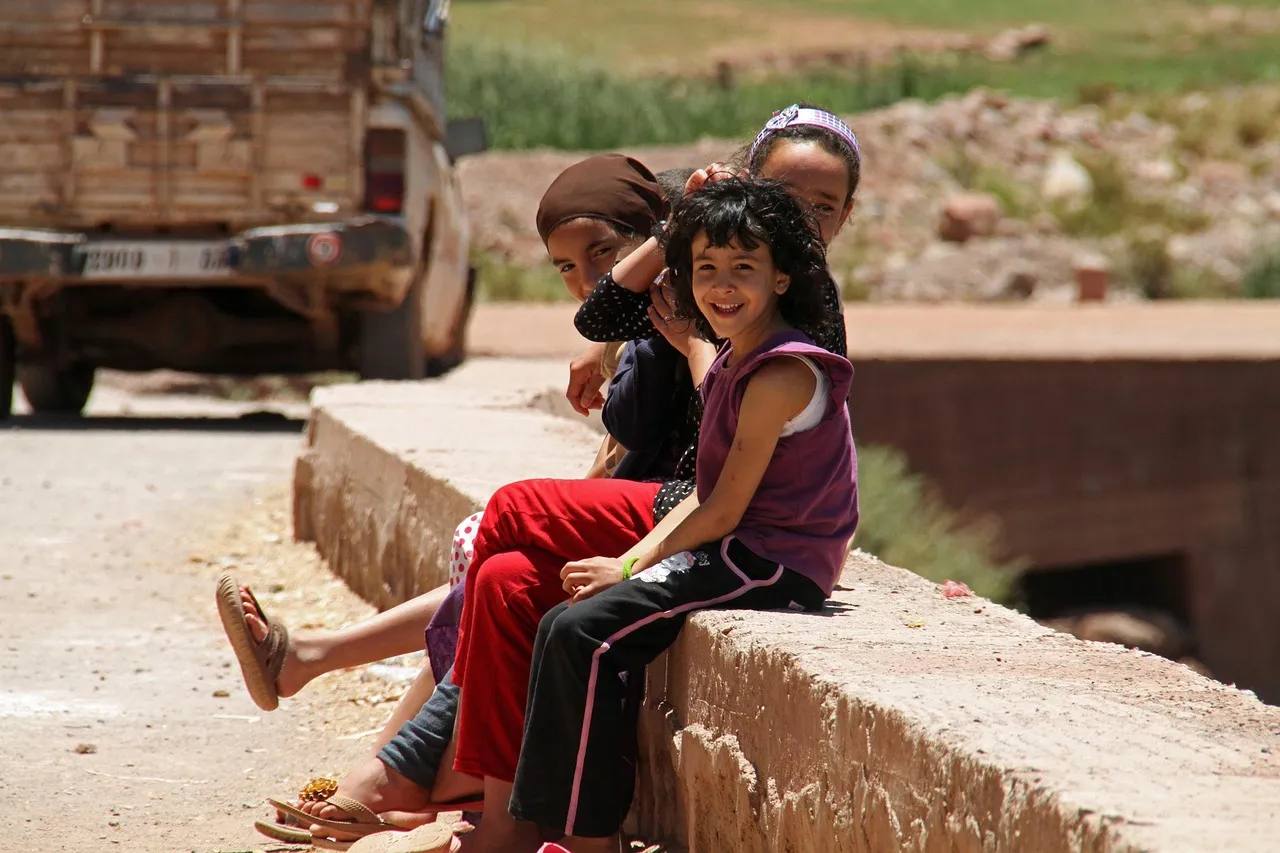
Most visitors to Morocco arrive with a well-worn script in mind: the chaos of Marrakech’s Djemaa el-Fna, ceramic-stacked medinas, and neon-lit riad courtyards. That version of Morocco is real, vivid, and worth experiencing. Still, it only tells part of the story.
There is another Morocco, slower and less photographed, living at altitude and at the desert’s edge. It’s a place where water is shared by ancient agreement, where weekly markets function as community newspapers, and where the architecture of a village has not fundamentally changed in five hundred years. Getting there takes effort, which is precisely why it still feels like somewhere.
The Three Ranges and the Worlds They Contain
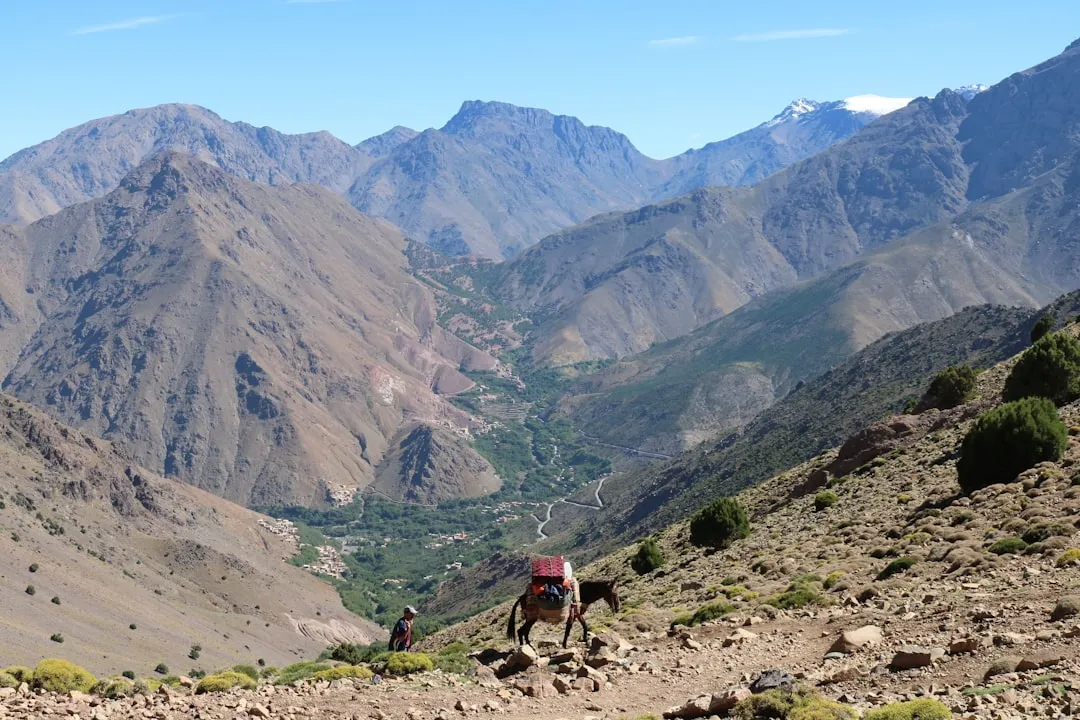
The Atlas Mountain range is divided into three main sections: the High Atlas, Middle Atlas, and Anti-Atlas. Each creates its own distinct character and way of life. The High Atlas, with its towering peaks including Mount Toubkal, attracts adventurers and nature lovers, while the Middle Atlas is known for cedar forests, lakes, and cool summers, and the Anti-Atlas feels wilder, where rugged rock formations meet desert landscapes.
Stretching across Morocco from southwest to northeast, these mountains separate the wetter western regions from the semi-arid southern and eastern areas, creating a rich diversity of climates, ecosystems, and communities. The contrast between northern and southern slopes is stark. Rainfall is much heavier on the northern slopes, feeding rivers and supporting lush green valleys, while by contrast, the southern slopes are drier and transition to semi-desert plains as you approach the Sahara desert.
The Amazigh People: Identity in a Changing Nation
The Amazigh, or Berber, peoples are the indigenous peoples of North Africa, and the last census in Morocco from 2024 estimated the number of Tamazight speakers at 24.8% of the population. The numbers are actively contested. Amazigh associations strongly contest this figure and instead claim a rate of 85%, suggesting the Amazigh-speaking population could number around 29.6 million out of a total population of 37 million in Morocco.
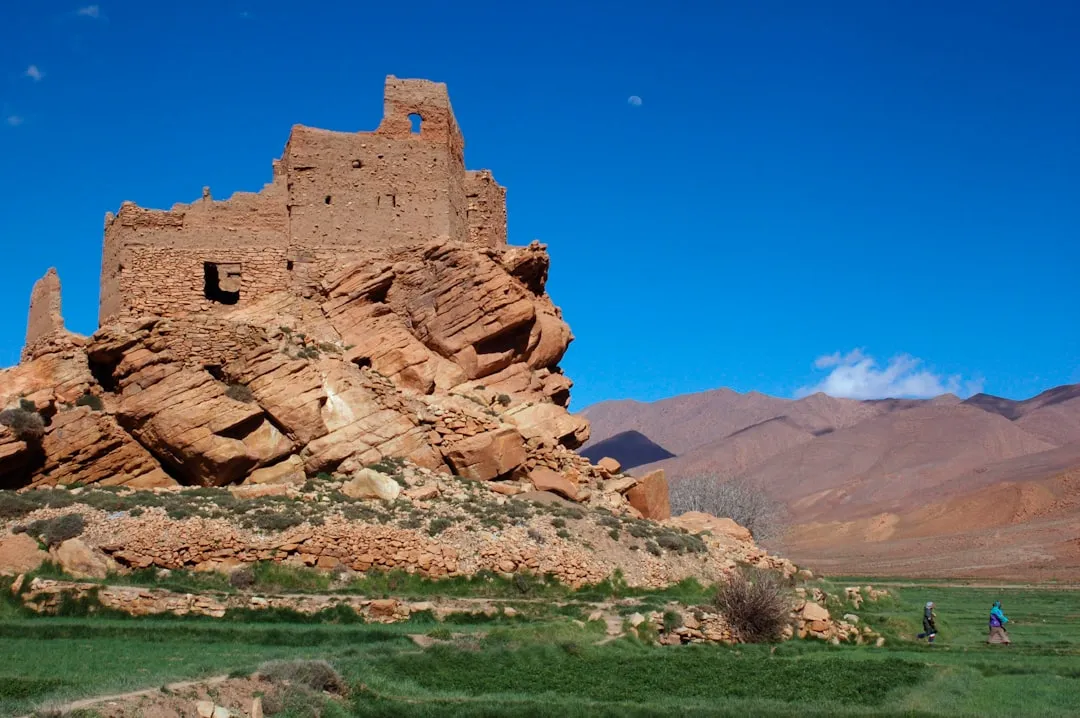
The Amazigh, who call themselves the Amazigh meaning “free people,” are the indigenous inhabitants of Morocco’s mountains, scattered in small villages perched on hillsides or tucked in valleys, maintaining a traditional way of life for centuries, with stone and mud-brick houses clustering together and blending harmoniously with the earthy tones of the mountains. That continuity goes deep. They have jealously guarded their language and identity for over 5,000 years.
Village Architecture Built for the Mountain
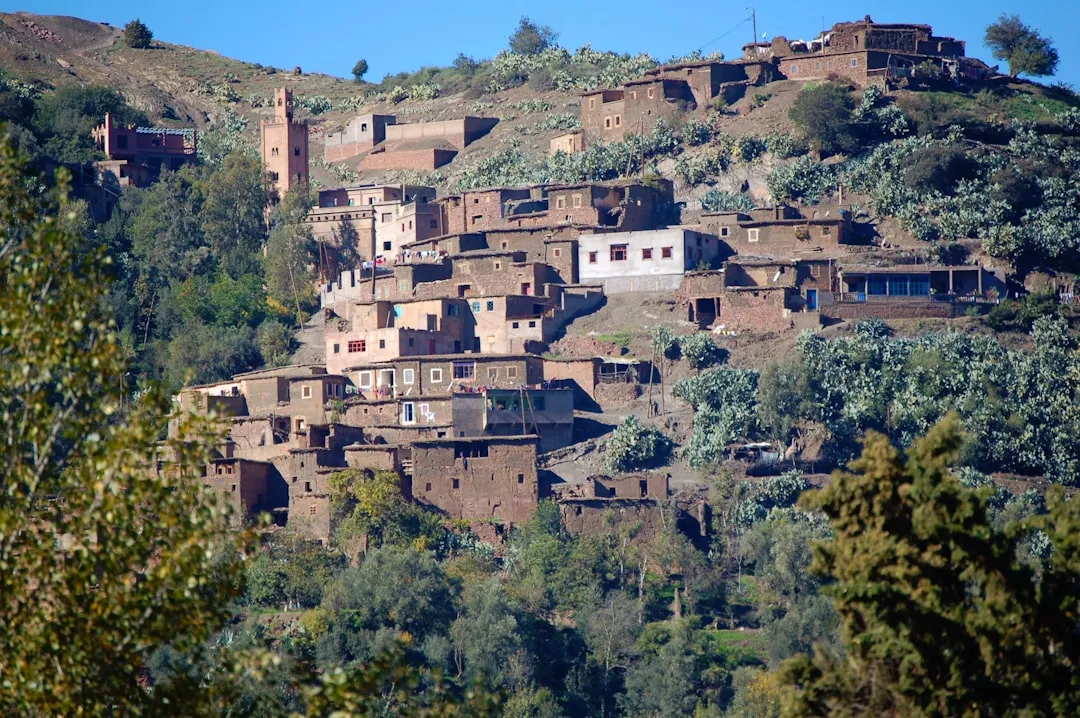
The unique architecture of Berber villages features houses made of local stone and clay. These buildings are not decorative choices; they are practical responses to an extreme environment. The stone buildings blend into the landscape, designed to withstand harsh winters.
In these villages, time-honoured customs remain strong: you’ll see terraced farming by hand, women baking bread in communal ovens, and the sounds of livestock bells echoing along the slopes. The terracing itself is a feat of engineering passed down over generations. Villagers have maintained settlements for over 800 years, using water year-round even in dry seasons.
How Water Shapes Everything
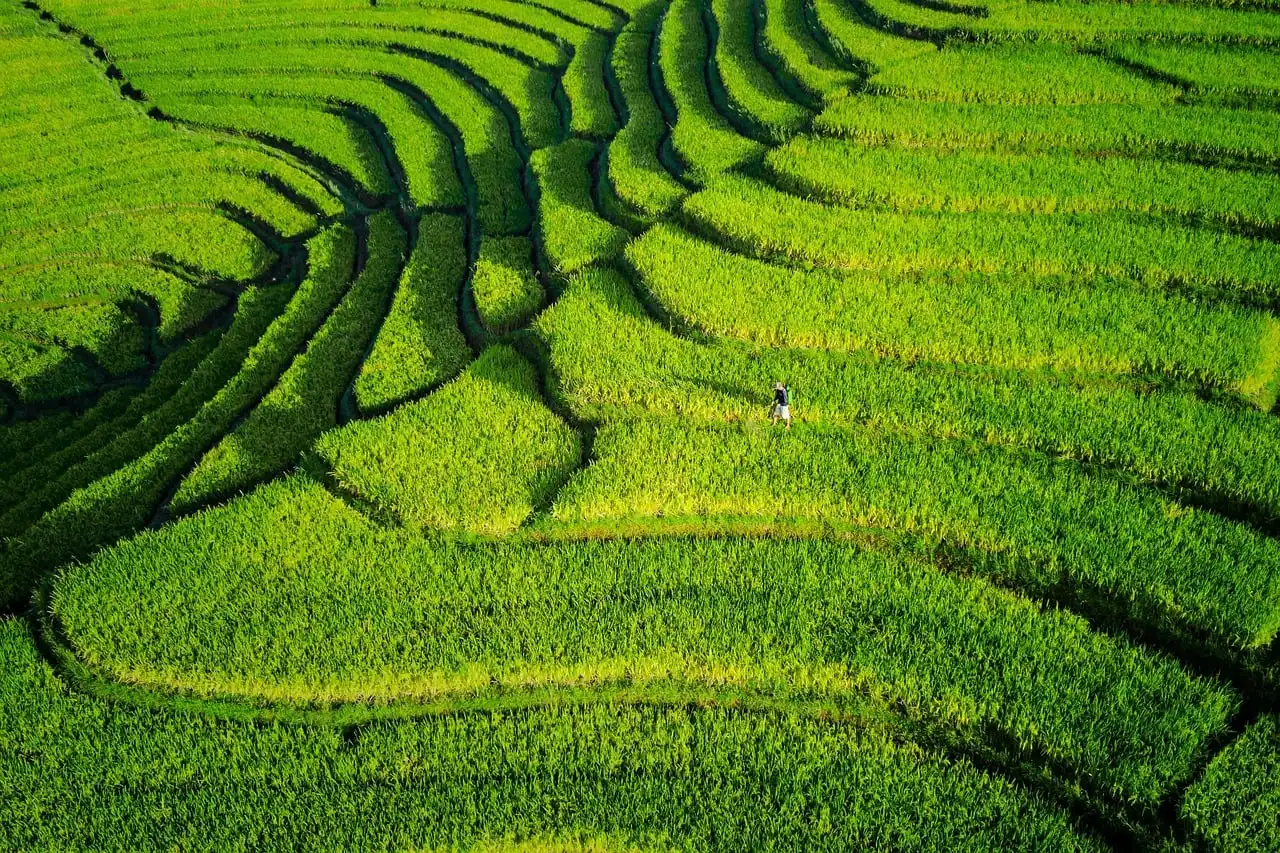
The High Atlas is a masterclass in mountain agriculture, anchored by terraced fields irrigated by targa, or main canals, and secondary channels called seguia. Access to water determines where villages sit, how large they grow, and how food is produced. The irrigated area is organized into districts with ponds built upstream, spring water continuously filling these ponds and being channeled to fields through traditional gravity canals, allowing seepage to foster forage production and tree growth, with most springs draining rainwater and snow from the mountain plateaus.
Water and pasture sharing was managed at both village and tribal levels, with tribal alliances managing larger territories and conflicts, and historically, disputes over water and pastures could be violent but alliances ensured stability. Today, the systems look quieter on the surface, but the social architecture behind them remains intricate.
The Souk as Social Institution
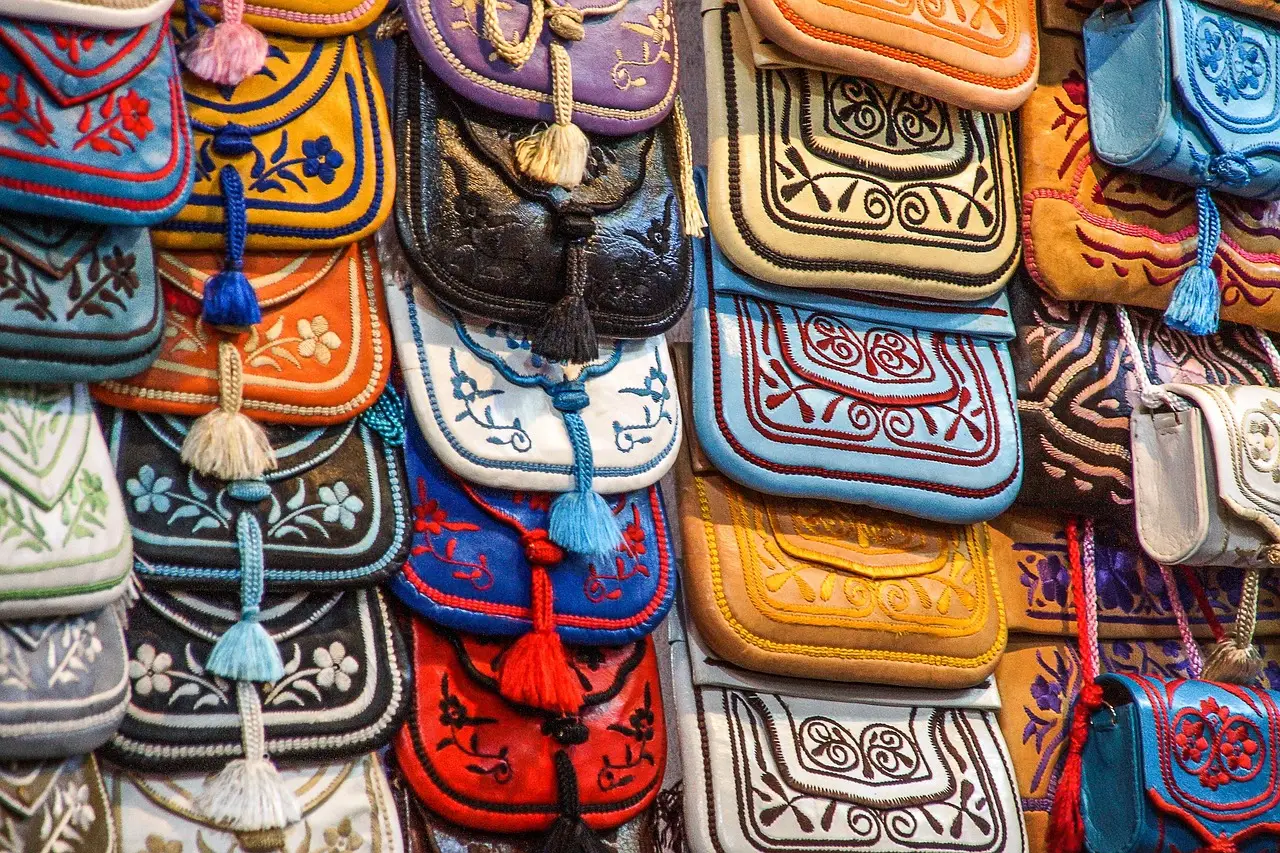
The cultural impact of souks extends well beyond their economic function, as these markets developed as essential social and economic centers within the protective walls of medieval Islamic cities, with their systematic arrangement demonstrating centuries of refined organization, with specialized quarters dedicated to individual crafts and trades. Rural weekly souks, in particular, operate differently from their urban counterparts. Rural weekly markets provided vital social occasions where women from various households could gather, purchase household necessities, and share community information, while also facilitating conflict resolution, marriage arrangements, and other crucial social activities that extended far beyond simple commerce.
One of the largest rural traditional markets in Morocco, Khemisset’s Tuesday market, buzzes with livestock, tools, produce, and crafts, set under tents and offering a raw, local shopping experience far from tourist crowds. These are working markets, not performances. The mountain village of Amizmiz transforms into the area’s premier Berber marketplace each Tuesday, while Tahanaout, nestled among olive groves and citrus orchards with the Atlas peaks as a backdrop, hosts its weekly gathering on Tuesdays.
Desert Souks: Trade at the Saharan Edge
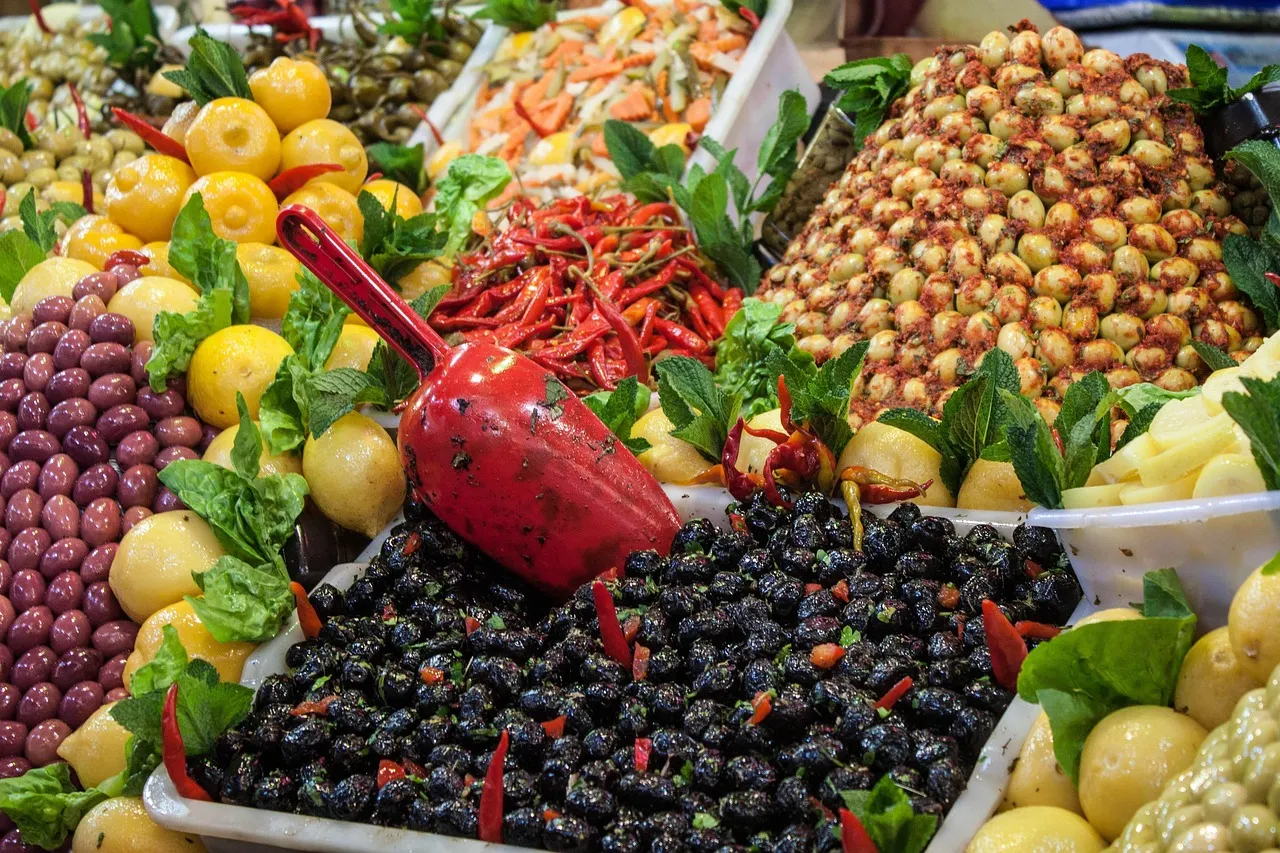
Known as the “Gateway to the Sahara,” Ouarzazate Market is one of the seasonal markets in Morocco, blending Berber and desert trade, featuring spices, fossils, dried fruits, and vibrant textiles, and is especially lively before holidays. These desert-edge souks carry a legacy of genuine commercial purpose. The Atlas Mountains have long been a crossroads for trade routes connecting the Sahara Desert to the coastal regions, with caravanserais, ancient inns, and trading posts dotting the mountain passes and providing shelter and sustenance to merchants and travelers, and the remnants of these historical structures offer a glimpse into the bustling trade activities that once defined the region.
Morocco’s retail sector reflects just how embedded informal trade remains across the country. The retail industry represents roughly 12.8% of Morocco’s GDP, and organized retail represents only a fraction of domestic trade, as shoppers rely on the country’s more than 1,100 souks, markets, and approximately 700,000 independent groceries and shops. The souk, in other words, is not a relic; it is still the backbone of daily commerce for millions of Moroccans.
Rural Farming: Resilience Under Pressure
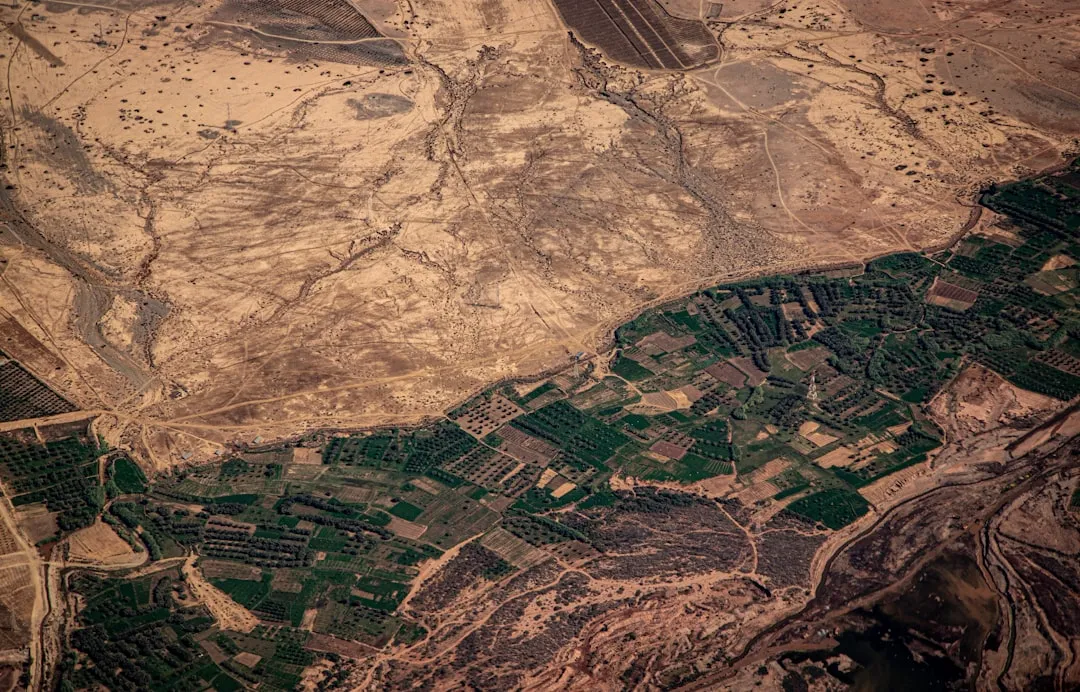
Rural areas are often characterized by widespread poverty, with smallholder farmers constituting roughly 70% of all agricultural holdings. The pressures are not new, but they have intensified. Land degradation, desertification, and recurrent droughts have pushed most farmers to search for off-farm employment or to rely on remittance payments of migrated family members, and consequently, Morocco’s typical rural livelihoods are rapidly vanishing, reflecting the increasing economic and social disparities between rural and urban spaces.
Rainfed terraces were established on narrow mountain slopes but are nowadays often poorly maintained, largely serving for the extensive production of drought-tolerant cereals such as wheat and barley. Still, in many places the work continues. Despite changes, terraces, irrigation systems, and livestock practices are maintained, keeping the tradition alive.
The 2023 Earthquake and the Mountains’ Open Wounds
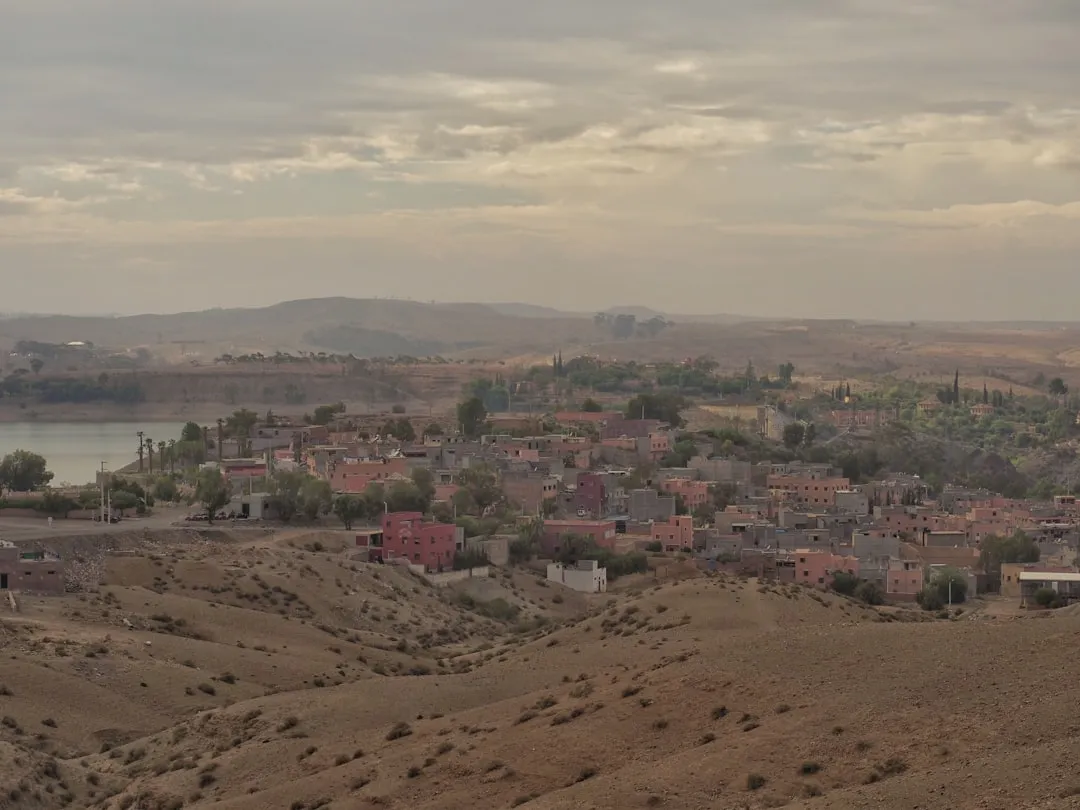
On September 8, 2023, an earthquake with a moment magnitude of 6.9 struck Morocco’s Al Haouz Province, with its epicenter 73.4 kilometers southwest of Marrakesh, near the town of Ighil and the Oukaïmeden ski resort in the Atlas Mountains. The impact on remote mountain villages was catastrophic. At least 40,759 houses and 2,930 villages were damaged, 19,095 additional houses collapsed, at least 585 schools were damaged, and more than 18,000 families were affected in Al Haouz alone.
In the many isolated mountain communities of the High Atlas Mountains, the epicenter of the disaster, they faced an agonizing wait for help as blocked roads, large distances, and landslides hampered rescue and relief efforts. Recovery has been slow and uneven. Despite an ambitious plan, progress remains slow, and by 2024 only around 1,000 of the targeted 55,000 homes had been built, with labor shortages, rising material costs, and difficult mountain terrain creating bottlenecks.
A Language Fighting to Survive

In February 2024, the Minister of Education in Morocco unveiled plans to gradually introduce the teaching of the Berber, or Amazigh, language in primary schools, marking a significant shift in educational policy, with the initiative set to impact four million pupils by 2030 and responding to longstanding demands from linguistic activists. The initiative represents a meaningful reversal of longstanding policy. The Ministry of Education aims for 50% coverage of Amazigh language teaching by the end of the 2025 to 2026 academic year, aspiring to teach Amazigh in 12,000 institutions by 2030, benefiting approximately four million students.
The administrative and legal system of Morocco has been strongly Arabized, and the Amazigh culture and way of life are under constant pressure to assimilate. Progress has been real but incomplete. While road signs now display the Tifinagh script alongside Arabic and French, and some progress has been made in integrating the language into the judicial system, many native speakers still face difficulties accessing public services.
Morocco’s Growing Tourism and What It Means for the Villages
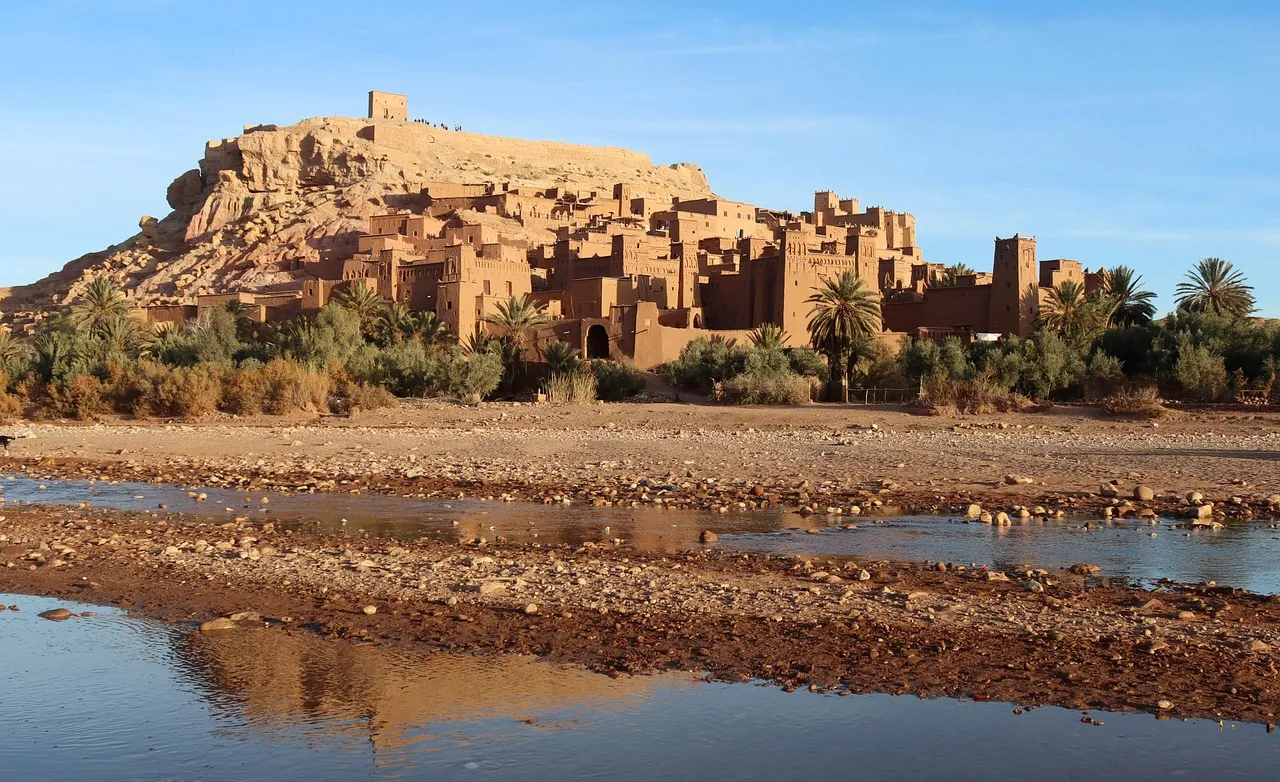
Morocco’s tourism industry achieved a historic milestone in 2024, with 17.2 million visitors arriving throughout the year, marking a substantial recovery from previous years. The numbers are impressive, though the distribution of benefit is uneven. In 2024, cultural tourism grew by 18%, with visitors keen on exploring the country’s deep historical roots and vibrant traditions.
Education, healthcare, and roads remain limited in mountain areas, agriculture remains central but imported goods are increasingly necessary, and tourism is a potential new source of income that requires investment in roads, accommodation, and services. The villages that draw travelers seeking authenticity are often the same ones that have the least infrastructure to support that attention. Eco-tourism initiatives in places like the Atlas Mountains and the Sahara Desert are expected to grow in popularity in the coming years, which could genuinely help if the revenues find their way back to the people who actually live there.
What Endures
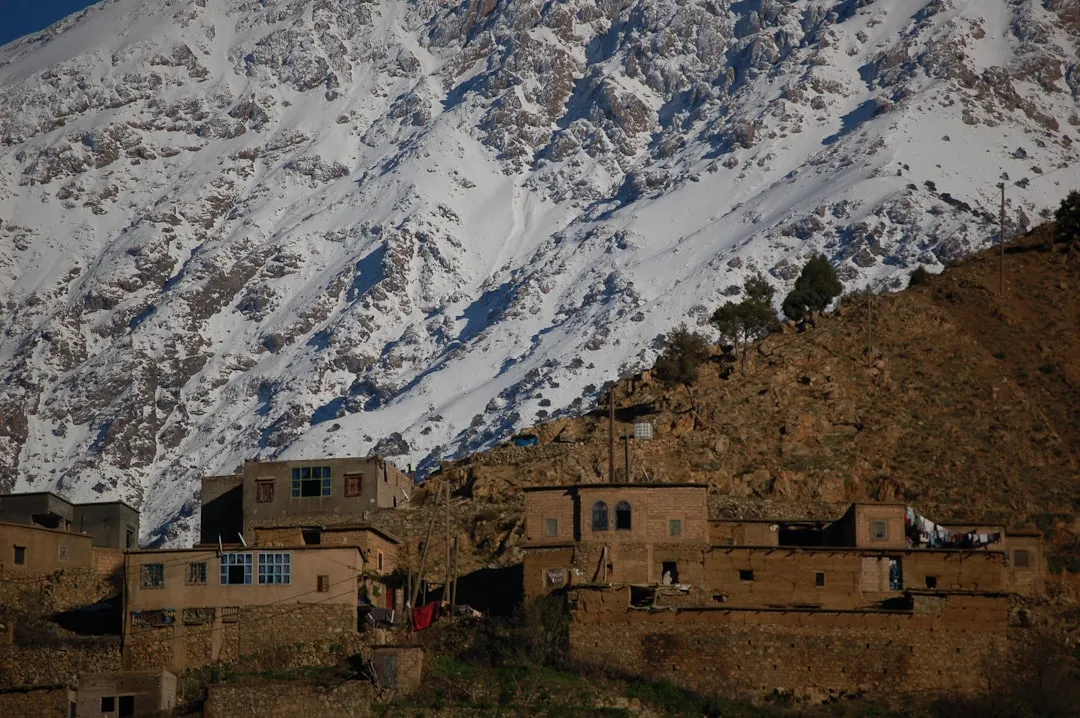
There is something quietly stubborn about these places. Villages that have absorbed earthquake, drought, migration, and urbanization continue to bake bread in communal ovens, channel snowmelt through ancient canals, and gather at weekly markets where a handshake still closes a deal. Hospitality and cooperation remain central, with visitors often greeted with milk, tea, and couscous.
Traditional agricultural activities and rural livelihoods in Morocco’s High Atlas Mountains are rapidly changing, triggered by increasing rural-urban interactions and new livelihood opportunities in cities. That change is real and accelerating. Yet the identity woven into the mountain landscape, into the souk’s rhythms and the Amazigh language’s quiet persistence, has proven harder to displace than any policy intended to erase it.
Morocco’s quieter side does not ask to be romanticized. It simply continues, on its own terms, at its own pace. The work of preserving it, honestly and practically, belongs to the people who have lived it for centuries.
AI Disclaimer: This article was created with the assistance of AI tools and reviewed by a human editor.