

What a Rabies Titer Test Actually Measures
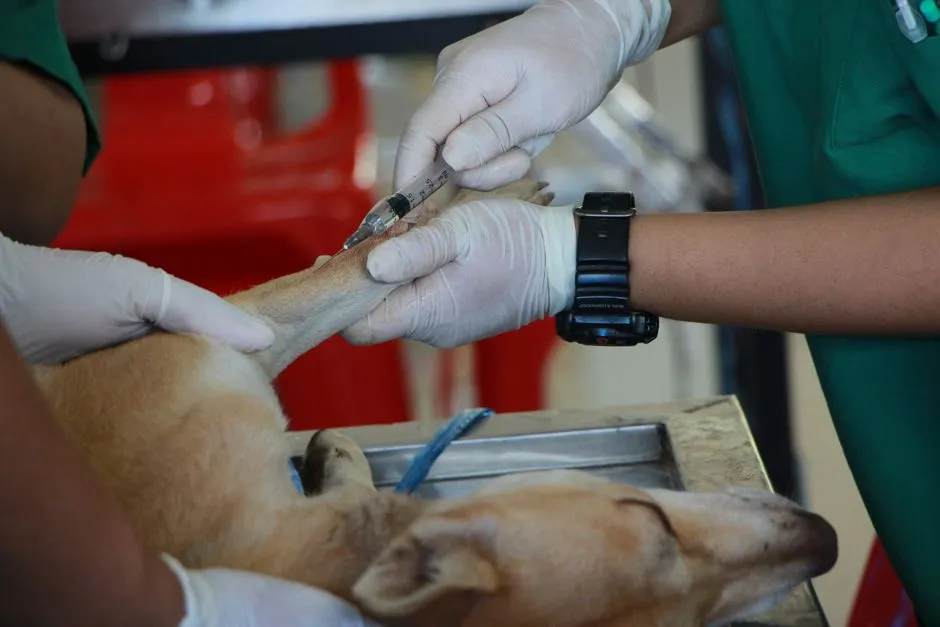
A rabies titer test is a blood test that confirms your pet has sufficient rabies antibody levels to meet the import requirements of certain countries. The internationally recognized passing level is a titer of 0.5 IU/mL or higher, a standard set by the World Organisation for Animal Health (WOAH) and used by the European Union and other regulators for pet travel and animal movement.
Vaccination introduces the immune stimulus; the titer test is a separate blood test performed afterward to confirm the vaccine produced measurable protective antibodies. Think of it as the difference between receiving a course of treatment and then proving it worked. The vaccine alone is not enough for many destinations. Countries with strict rabies-free status want documented proof that the vaccine actually took hold in your pet’s immune system.
The 30-Day Rule Most Owners Miss First
After the rabies vaccination, there is typically a 30-day wait for the antibodies to build in your pet’s blood. This is the first timing rule that surprises people, because most assume the blood can be drawn immediately after vaccination. It cannot.
The blood sample must be taken at least 30 days after the primary rabies vaccination. If your pet needed more than one rabies shot to complete their first vaccination series, the waiting period starts after the final shot in that series. That alone adds a minimum of one month to the process before the laboratory even sees a sample.
Lab Processing Takes Longer Than Expected
The blood draw itself is quick, but lab results typically take four to six weeks or more, depending on the lab. Because of this, it’s best to schedule the test as early as possible in your relocation timeline. Families who pencil in two weeks for lab turnaround often find themselves pushed back by a month.
It typically takes three to six weeks to receive the official certificate from the lab. And that certificate is not the finish line. For most destinations that require a titer test, it is closer to the starting pistol for the next waiting period.
The Post-Test Waiting Period No One Mentions
A common and costly mistake made by international travelers is assuming that the moment they receive a passing 0.5 IU/mL report, their pet is cleared to board a flight. Passing the rabies titer screening is only the first part of the process; you must still fulfill your destination country’s mandatory post-blood-draw waiting period.
For example, if you are traveling from an unlisted country like Turkey into the European Union, the law enforces a strict three calendar months waiting period that begins on the exact day the vet drew the blood sample, not the day the lab finished the test. For many regions, including the European Union, there is a mandatory three-month waiting period. This means your pet cannot enter the destination until three months have passed from the date the blood was successfully drawn.
Japan’s 180-Day Rule Is the World’s Strictest
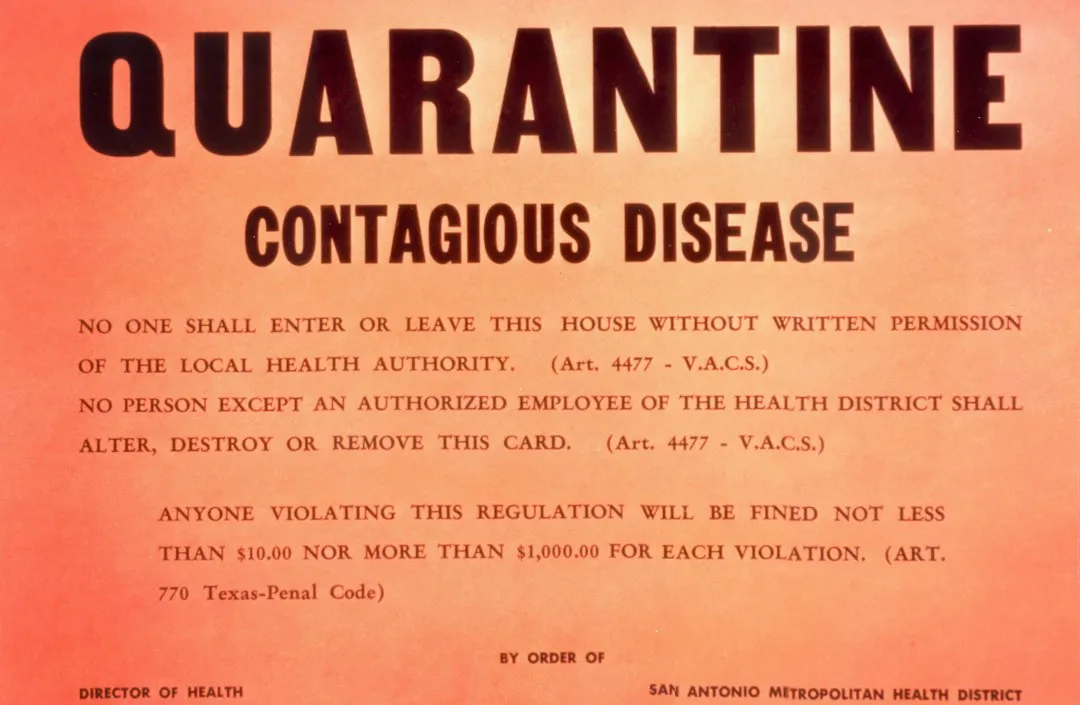
Japan is a rabies-free country and protects that status with one of the strictest import processes in the world, built around a mandatory 180-day waiting period that cannot be shortened. Japan requires an ISO-compliant microchip implanted before the first rabies vaccination, two rabies vaccinations at least 30 days apart, a titer test at 0.5 IU/mL or higher, and a 180-day wait from the blood draw date before your pet can enter.
Japan’s rule is the strictest: the blood sample must be drawn at least 180 days, about six months, before your pet arrives in Japan. If your pet arrives in Japan before completing the 180-day waiting period, it will be required to complete a quarantine period until the remaining time is met. Pets that don’t meet Japan’s entry requirements for rabies vaccinations and titer testing are subject to up to 180 days in an import quarantine facility.
Australia and New Zealand Follow the Same Six-Month Logic

Many destinations require a waiting period after receiving a satisfactory titer result before your pet is eligible to enter. For Australia and New Zealand, this waiting period is 180 days. For Australia, the earliest possible travel date from starting the process is approximately seven to eight months.
Airpets recommends a target travel date no earlier than ten months for either destination, to allow a buffer for retests and quarantine booking. That is a significant planning horizon, and it underscores why treating the titer test as a last-minute checklist item can derail an entire international move.
What Happens If the Test Fails
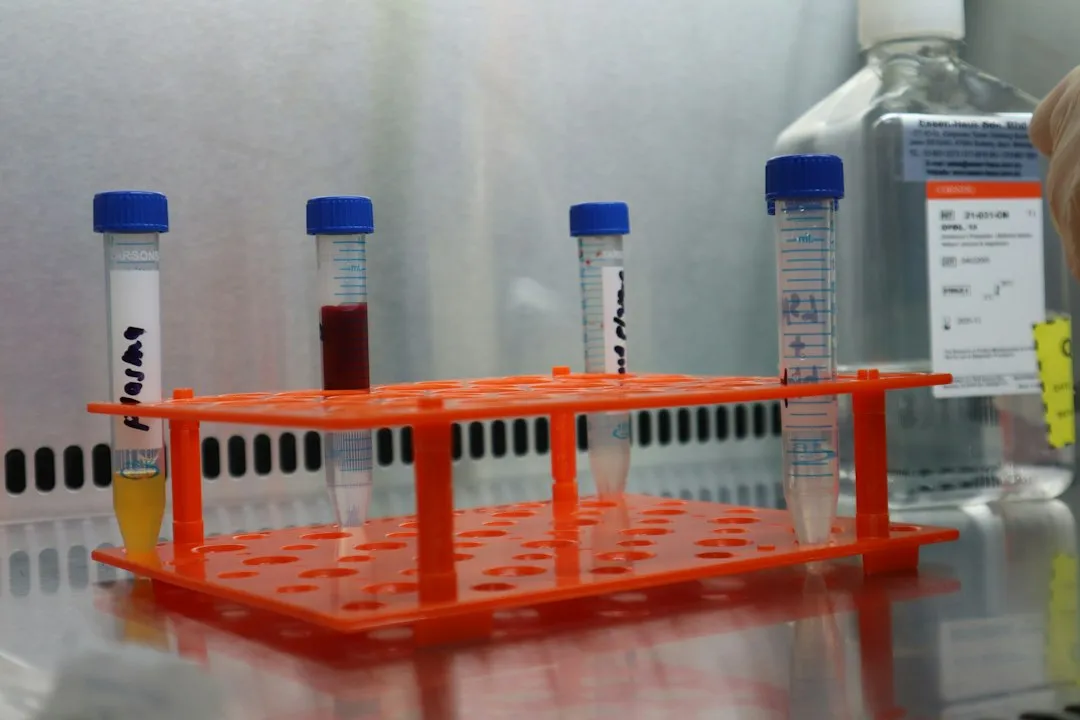
If the antibody level comes back below 0.5 IU/mL, your pet needs a rabies booster vaccination, then a new blood draw at least 30 days after the booster, and a retest. The waiting period for countries like Japan restarts from the new blood draw date. In practical terms, a failed first result can cost an owner everything they had built into their timeline.
A failed first test can add seven to eight months to your timeline for Japan, and two to three months for other destinations. This is not a rare edge case. Antibody levels vary between individual animals, and there is no way to predict the result in advance.
The Microchip Sequencing Trap
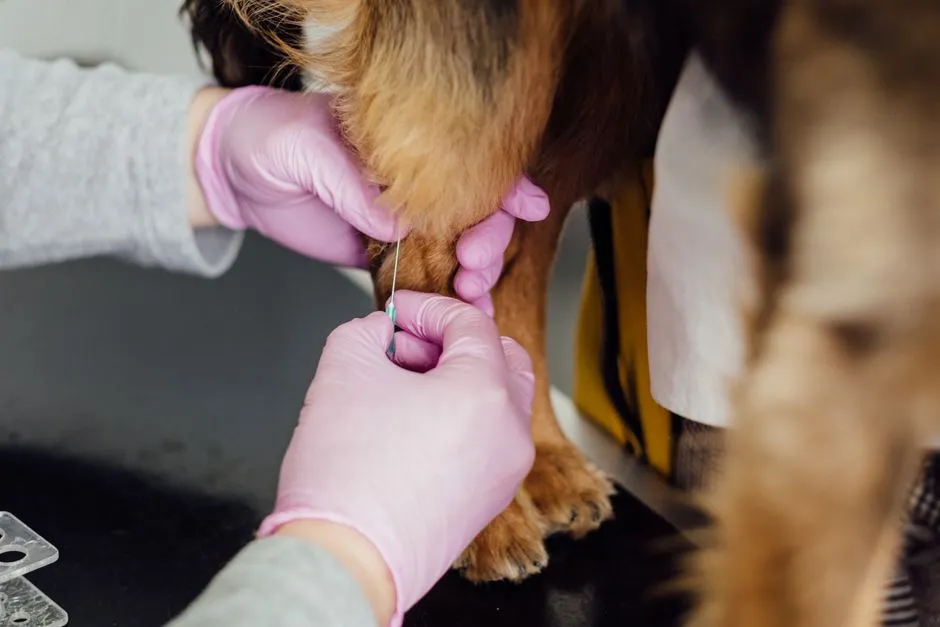
One rule that quietly invalidates an entire process is microchip sequencing. Depending on the destination, your pet may also need to be microchipped before the rabies vaccine counts for travel, and some routes require additional steps, such as a rabies blood test, which can add more time.
Japan requires an ISO-compliant microchip implanted before the first rabies vaccination. If the microchip goes in after the vaccination, that vaccination does not count. The entire vaccination sequence must begin again, and the clock on every waiting period resets to zero. This sequencing error is one of the most common and avoidable mistakes in international pet transport.
How Different Countries Stack Up on Timing

The waiting period after pet vaccination depends on two things: whether the rabies vaccination is new and whether your destination asks for a blood test. A pet with a valid rabies vaccination flying to a country without a blood test does not wait at all. A first vaccination means a wait of 21 to 30 days, and a titer test country adds three to six months after the blood draw.
Routes that need a rabies antibody titration test before EU entry can require roughly three months after a successful blood draw, according to Your Europe. For Hawaii, a titer test is required to qualify for the five-day-or-less quarantine program instead of a 120-day quarantine. The gap between knowing none of this and knowing all of it is the gap between a smooth arrival and a pet stuck in a government facility.
The Good News: One Passing Test Can Last a Lifetime
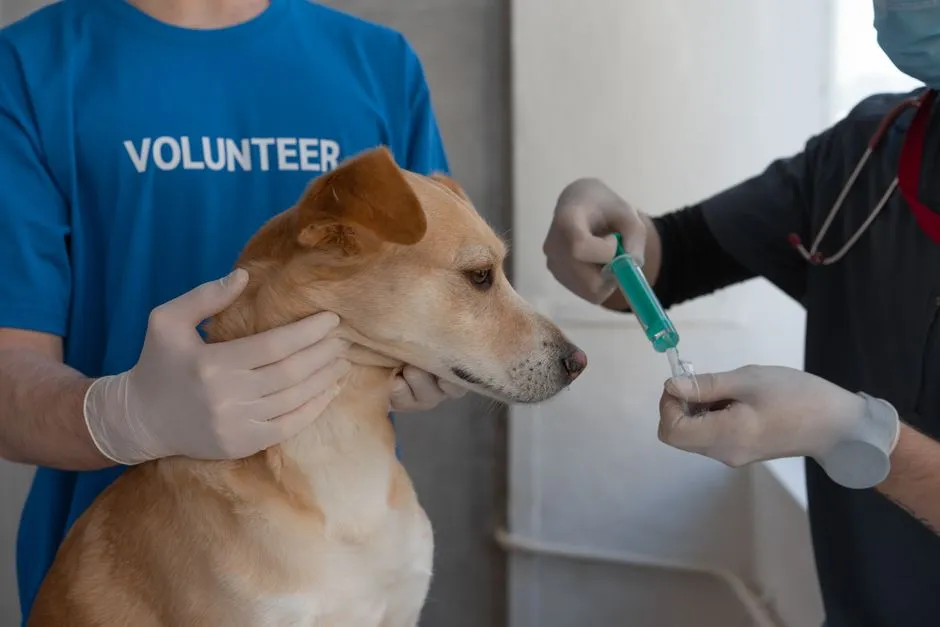
The canine titer test can last a lifetime. As long as you never let your pet’s rabies vaccination expire, most countries, like the EU, will accept the original test result for all future travel. In most cases, the rabies titer test is valid for 12 to 24 months, depending on the destination country and your pet’s vaccination schedule.
A gap in rabies vaccination coverage after a passing titer generally voids that titer’s ongoing validity. So the key discipline is simple: never let the rabies vaccine lapse. One well-timed test, kept valid through consistent booster shots, removes a major procedural hurdle for every future international trip your pet takes.
When to Start Planning: The Answer Is Almost Always “Now”

USDA APHIS states on its Pet Travel Process Overview that every destination country sets its own health requirements, which can change frequently, and that owners must verify those requirements every time they travel. USDA APHIS advises contacting a USDA-accredited veterinarian immediately because vaccinations, tests, endorsements, and destination waiting periods can take weeks to months.
The part that catches most pet owners off guard is the timeline: between the vaccination requirement, the mandatory wait before the blood draw, lab processing time, and a post-result waiting period some countries impose, this step alone can add months to your move. It’s best to start testing at least six months before travel, as some destinations like Australia and Japan require a 180-day waiting period from the blood sampling date.
The Takeaway
The rabies titer test is not a bureaucratic inconvenience tacked onto an otherwise simple process. It is the backbone of an entire sequenced timeline, one where a single missed step, a microchip placed one day late, or a vaccination that quietly lapses can restart months of waiting. The countries with the strictest requirements, Japan, Australia, and New Zealand, have designed their systems to be essentially unforgiving, because they are protecting ecosystems and public health, not just enforcing paperwork.
The travelers who navigate this smoothly are almost always the ones who started planning far earlier than felt necessary. For most destinations requiring a titer test, that means treating the blood draw date, not the departure date, as the real beginning of the journey. Everything else is built around it.
AI Disclaimer: This article was created with the assistance of AI tools and reviewed by a human editor.