

What Kind of Tree Is This, Exactly?
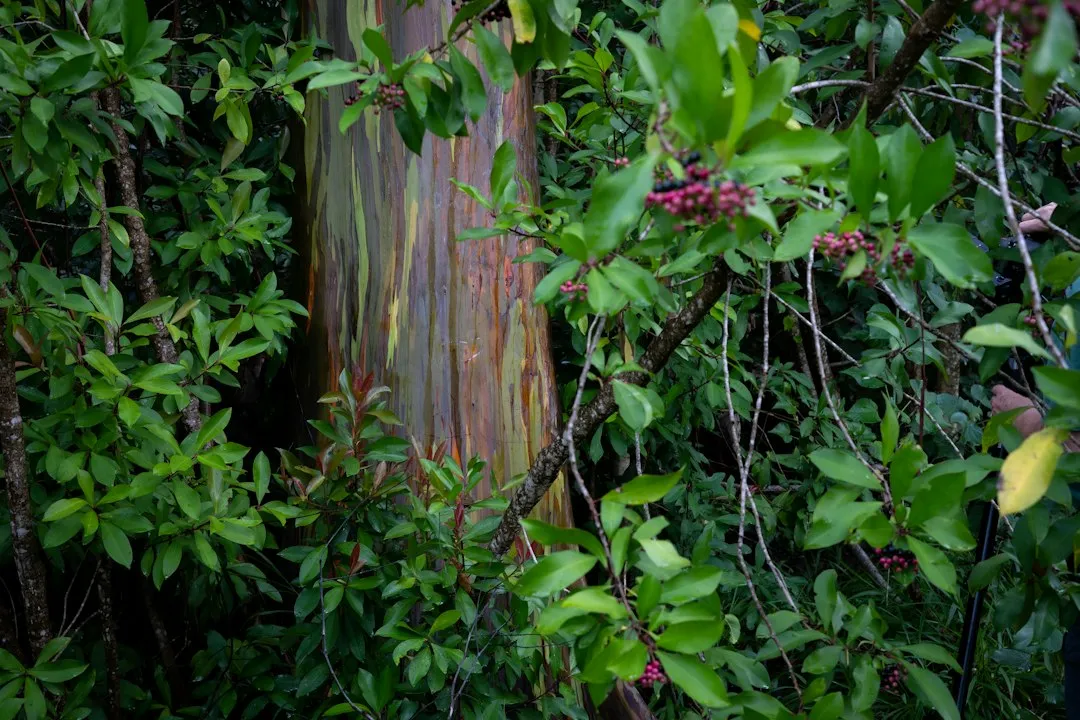
The rainbow eucalyptus, known scientifically as Eucalyptus deglupta, is the only eucalyptus species native to the Northern Hemisphere. It goes by several names depending on where you encounter it. It is also known as the Mindanao gum or rainbow gum.
It is native to moist, humid tropical forested areas with high rainfall in New Guinea, Indonesia, and the Philippine Islands, specifically the island of Mindanao. It is the only species of Eucalyptus adapted to lowland and lower montane rainforest habitats.
The rainbow eucalyptus grows in lowland and lower montane rainforest from sea level to elevations of up to 1,800 meters. That’s a remarkable altitude range for a tropical species, and it reflects just how adaptable this tree genuinely is.
The Science Behind the Colors
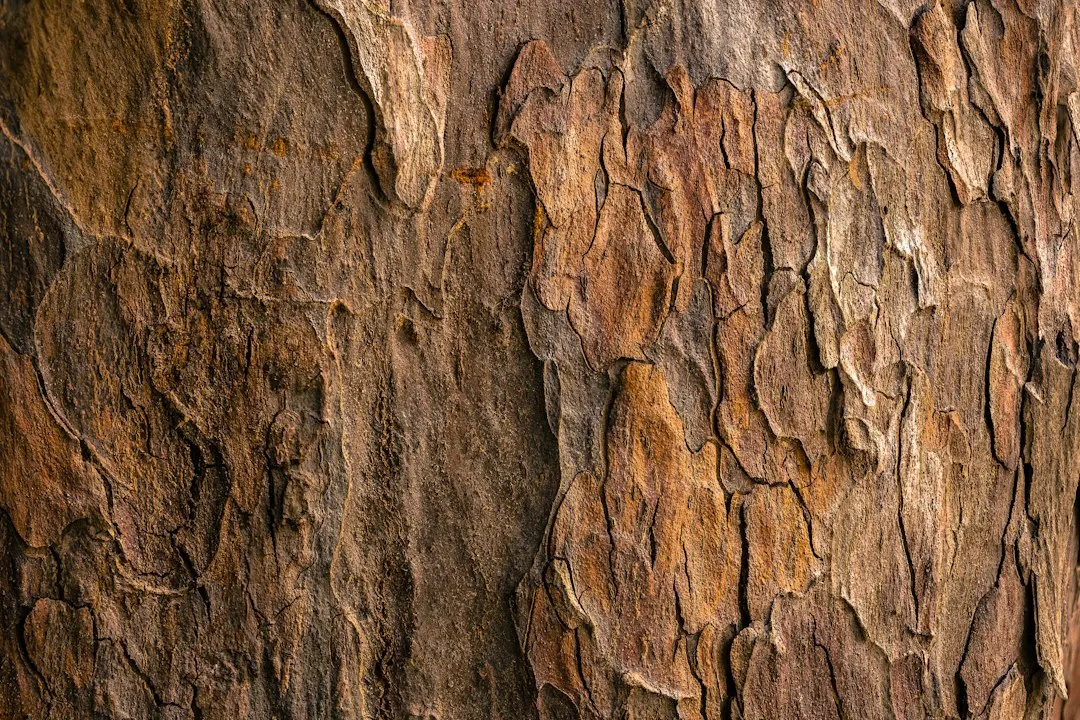
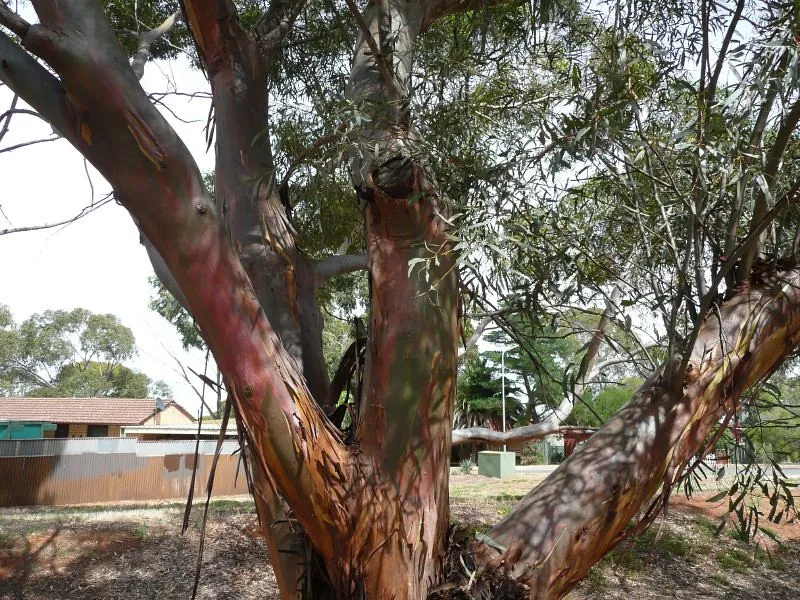
The tree sheds its peeling bark continuously, and different patches are at different stages of aging at the same time. When outer bark peels away, it exposes bright green inner bark packed with chlorophyll. As that exposed layer ages and reacts to air, tannins build up in the surface cells, and different tannins produce different colors.
Over time, as the tender bark is exposed to air, it becomes purple and blue, then gradually takes on orange, red, and yellow hues. The bark is completely brown again by the time the bark-shedding cycle is ready to repeat.
David Lee from Florida International University believes that chlorophyll is responsible. When the tree sheds, it exposes the bright green chlorophyll. Shedding is a protective mechanism by which the tree prevents the growth of harmful organisms. Exposure of the chlorophyll to air causes a build-up of tannins, which help protect the tree from fungi. These various tannins can be red, yellow, brown, blue, purple, and pink.
No Two Trees Look the Same
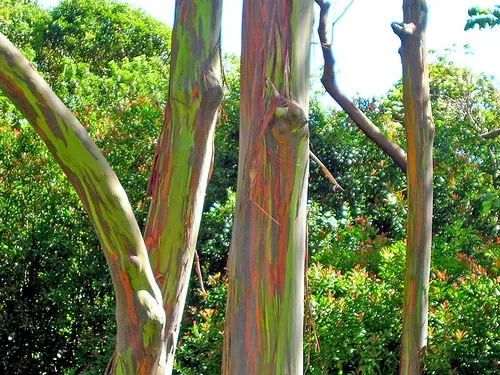
No two trees look identical, and the same tree looks different from month to month. This is one of the qualities that makes the rainbow eucalyptus genuinely unlike any other species on earth. It is not a static display. It shifts constantly.
Because the tree sheds its bark in patches and at different times, you see all these different colors and stages of maturation simultaneously, creating the famous rainbow look. The combination of colors creates the rainbow effect, especially when sunlight hits the tree’s trunk.
The bark colors are most vivid just after rain, when water enhances the pigments in the freshly exposed layers. If you ever visit a grove after a tropical downpour, the intensity of color is something most people describe as almost unreal.
A Tree of Remarkable Scale
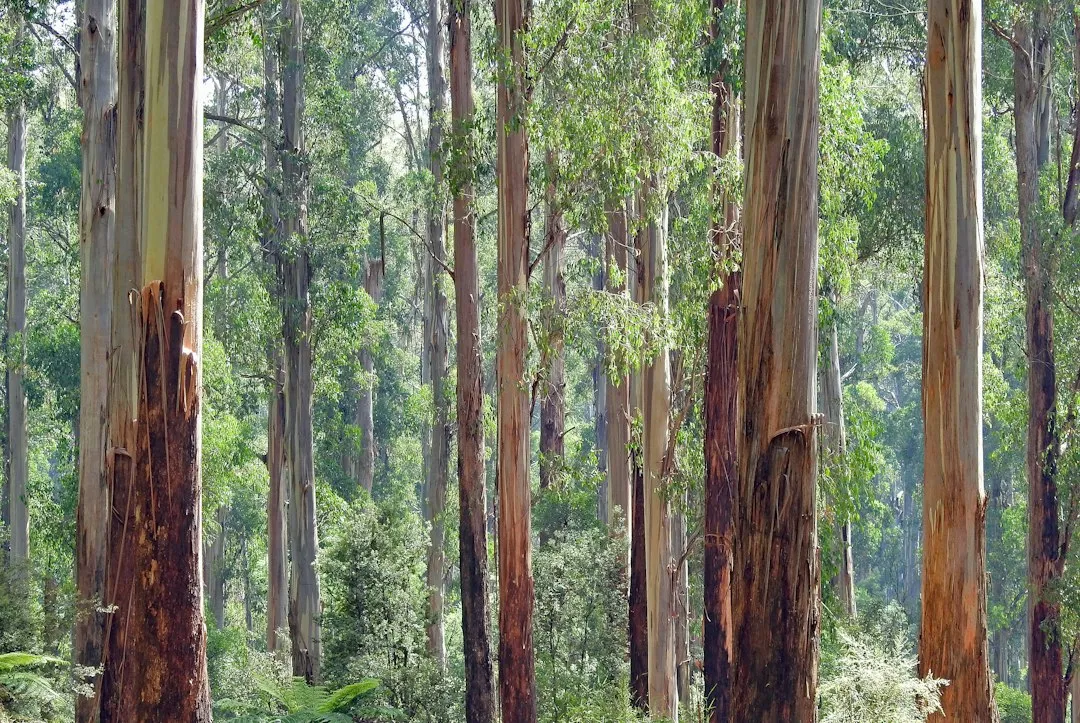
In its native habitat, the rainbow eucalyptus will mature to as much as 250 feet tall with a trunk diameter of six feet. Those are dimensions that belong in a different category from most ornamental trees entirely. It reaches heights of 60 to 75 meters and trunk diameters up to 240 centimeters.
Outside its native habitat, it will typically grow much shorter, to around 100 to 125 feet tall. It is perhaps best noted for its smooth, orange-tinted trunk bark which peels in summer to reveal a unique and sometimes stunning multi-colored bark consisting of streaks of pale green, red, orange, gray, and purple-brown.
Speed of Growth
Rainbow eucalyptus races skyward at remarkable speed. Young specimens can add seven to ten feet per season, with growth fastest during their first decade. Few trees in any climate can match that pace of vertical growth.
The bark starts developing visible color once the trunk reaches a few inches in diameter, typically two to three years from a nursery-grown tree under good conditions. The display becomes more complex and vivid as the tree matures. A well-established five to ten-year-old tree in the right climate is genuinely spectacular.
Where the Colors Are Deepest
The tree prefers full sun to grow well. The more sunlight it receives, the more vibrant the bark’s colors will be. Climate matters too. The rainbow eucalyptus thrives in tropical and subtropical climates, where temperatures stay warm year-round.
Eucalyptus deglupta is commonly planted as an ornamental tree in frost-free climates such as Hawaii, Southern California, Texas, and Florida. In botanical gardens such as Fairchild Tropical Botanic Garden in Florida, the tree does show the intense color range as seen in the tree’s normal range.
The species does not withstand prolonged flooding, is highly sensitive to fires, and although it may grow in cool environments, it does not tolerate frost. This sensitivity keeps it anchored to the tropics, which is part of why seeing one in person often feels like a privilege.
Its Role in the Rainforest Ecosystem
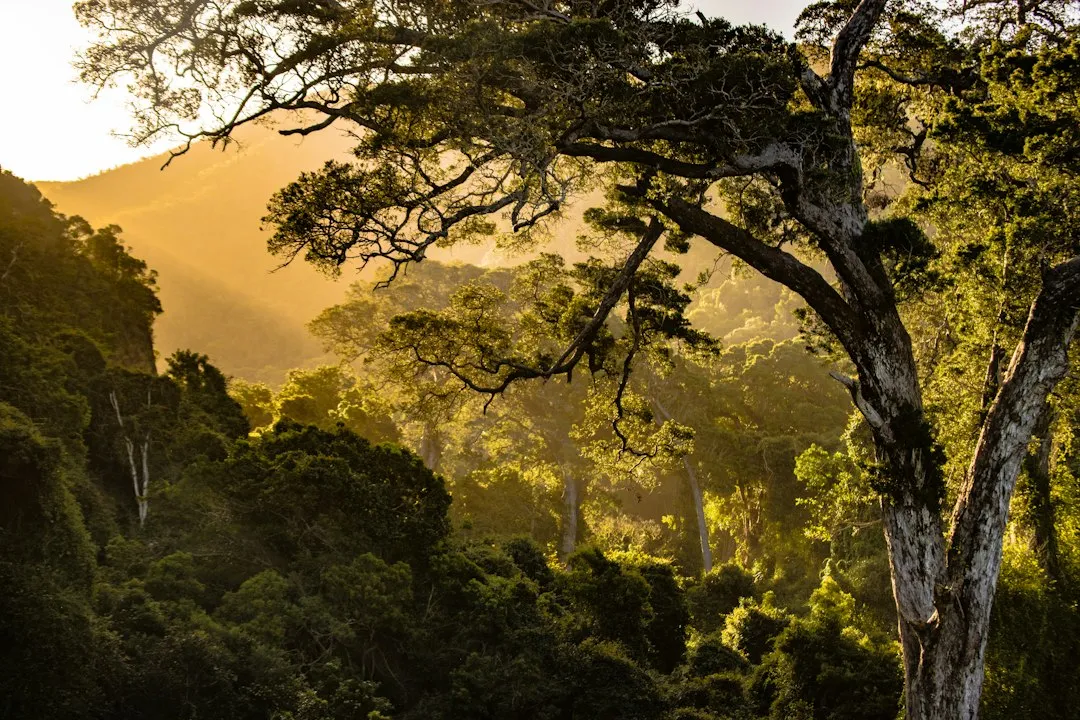
The ecological role of the rainbow eucalyptus is multifaceted. Its rapid growth and large size make it vital for maintaining the structural integrity of the rainforest. It offers habitat and nourishment to a wide range of species, from the microorganisms that feed on its decaying leaves to birds that nest in its lofty branches. Its roots help stabilize the soil, preventing erosion and maintaining watershed health.
The species is even capable of colonizing land eroded by landslides and areas of recent volcanic activity. That is a surprisingly resilient ecological role for a tree most people associate purely with visual drama.
Commercial Uses and a Quiet Irony
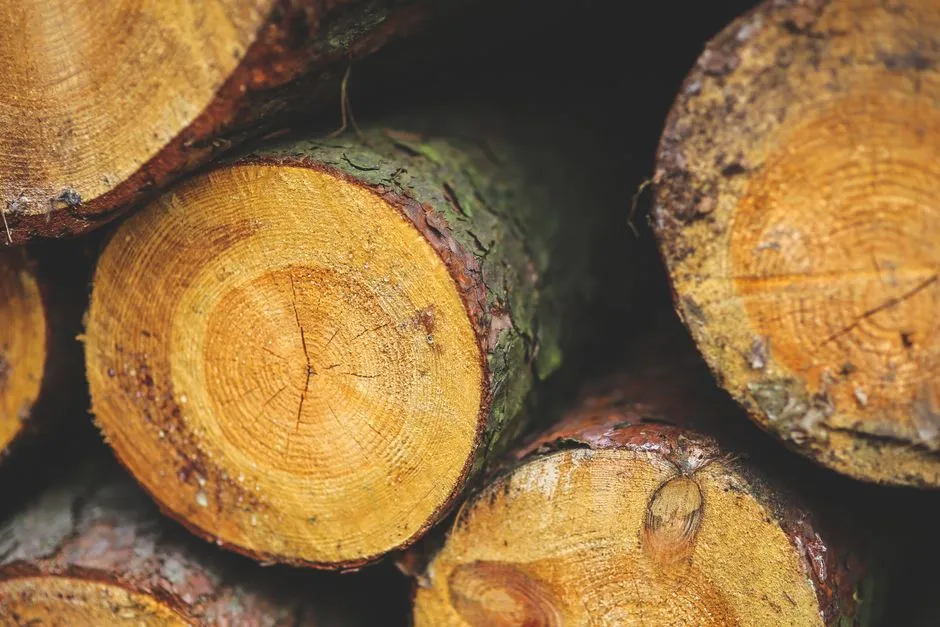
The most common purpose for Eucalyptus deglupta cultivation is pulpwood generation. Despite the colorful appearance of its living, growing form, the wood pulp derived from the tree is the primary ingredient in white paper. There is something quietly striking about that fact. The world’s most colorful tree is largely grown to produce white paper.
It is the dominant species used for pulpwood plantations in the Philippines. The dense, fast-grown wood is also used in construction, flooring, and furniture making in regions where it’s grown at scale.
Like other eucalyptus trees, the rainbow eucalyptus can be used effectively to make natural dyes used in fabrics like silk or wool. Any part of the plant can be used to make these dyes, though the most commonly used parts are the leaves and bark. The colors produced range from red to amber and gold, and they have nothing to do with the rainbow-colored trunks.
Conservation Status and Pressures
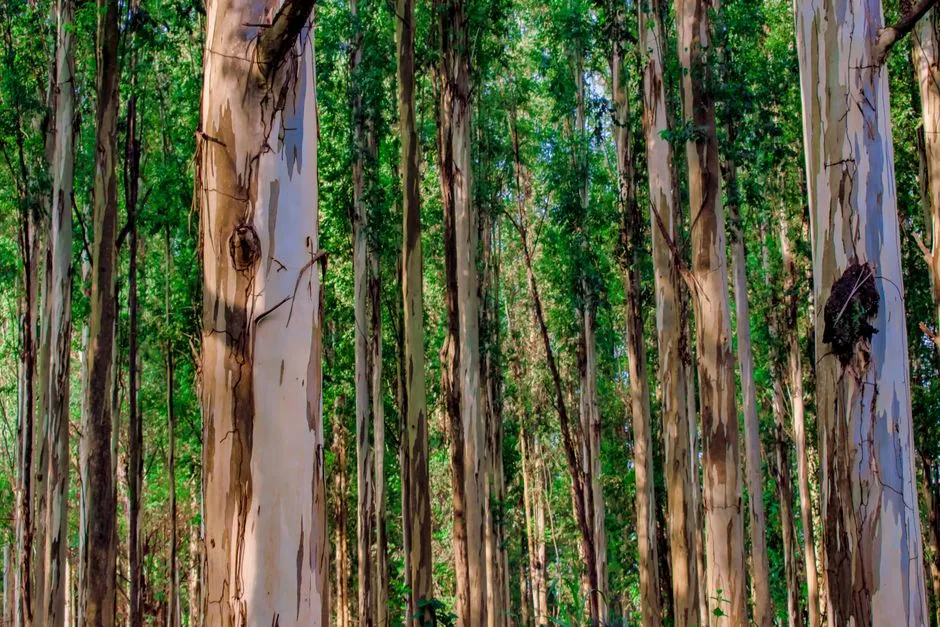
Despite its resilience and popularity, the rainbow eucalyptus faces threats in its native region from habitat destruction due to logging, agricultural expansion, and climate change. These pressures have led to a fragmented population, with a notable decline over the past two centuries. The species is now listed as vulnerable, highlighting the urgent need for protection measures.
Over the past two centuries, the species has experienced an estimated 30% population decline, earning it “vulnerable” status from the International Union for the Conservation of Nature. Conservation efforts in the Philippines, Indonesia, and Papua New Guinea focus on habitat preservation, sustainable forestry practices, and legal protections for remaining forest areas.
Outside its native range, the tree is generally non-invasive. Unlike some eucalyptus species that spread aggressively, rainbow eucalyptus doesn’t establish readily from seed in most introduced regions and hasn’t raised significant ecological concerns as a non-native species in the United States.
Growing One Outside Its Native Range
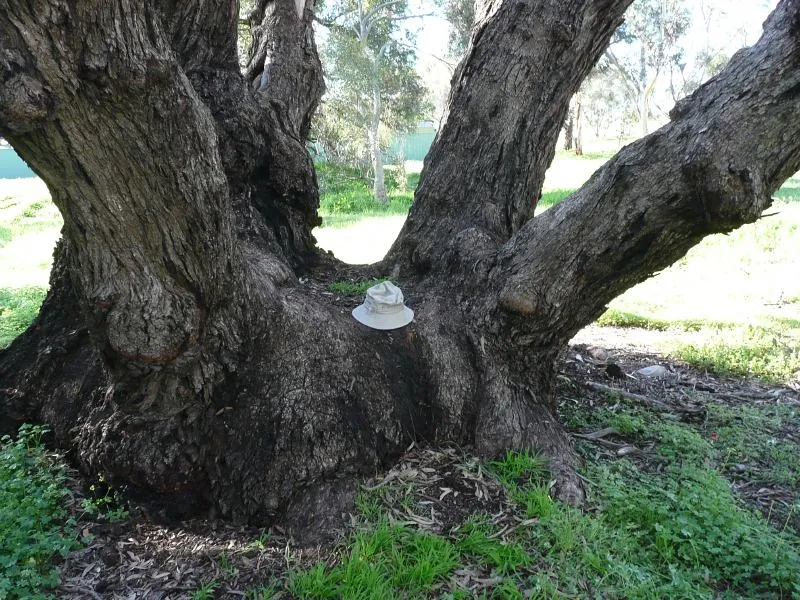
The rainbow eucalyptus is valued for its dramatic bark and is often used as a focal point in tropical landscapes. It requires consistently moist, rich soil and full sun to thrive, making it suitable for large-scale plantings in parks and gardens in frost-free regions. It is also used for reforestation projects in tropical areas due to its fast growth.
The striking, multicolored bark of the rainbow eucalyptus makes it one of the most visually stunning trees, and it is widely planted in gardens, parks, and along streets for its year-round appeal. In the right setting, a mature specimen becomes a living focal point that needs no supplementary planting around it.
A Tree That Defies Easy Description
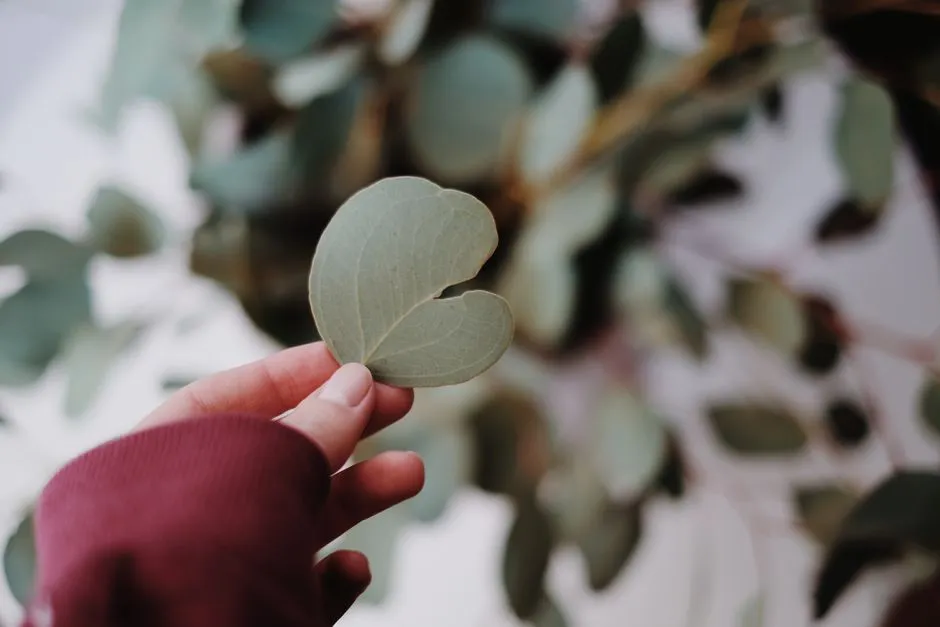
People who encounter the rainbow eucalyptus for the first time often reach for the same word: painted. When first seeing images of rainbow trees, many believe them to be works of art, deliberately splashed with paints of different colors. That reaction, repeated by countless visitors in Hawaii, Maui, and botanical gardens across the world, is probably the most honest response available.
No two rainbow eucalyptus trees display exactly the same color pattern. Each is unique. The rainbow eucalyptus is also one of only four eucalyptus species found naturally outside Australia. Both of those facts, taken together, say something important about how genuinely rare this tree’s combination of qualities really is.
Why This Tree Deserves Careful Attention
The rainbow eucalyptus sits at an unusual intersection. It is commercially valuable, ecologically important, visually extraordinary, and quietly threatened all at once. Its natural bark mosaic is unmatched in the plant kingdom, and its extreme growth rate can transform degraded land in just a few years.
Conservation efforts focus on sustainable forestry and protecting rainforest ecosystems. Initiatives in the Philippines and Indonesia aim to balance commercial use with preservation, ensuring this species survives for future generations.
What the rainbow eucalyptus offers, beyond its colors, is a reminder that the natural world can produce things that seem to exceed what nature is supposed to be capable of. The bark does not need embellishment. It is already doing something that art has spent centuries trying to replicate, and it does it again and again, season after season, entirely on its own terms.
AI Disclaimer: This article was created with the assistance of AI tools and reviewed by a human editor.