
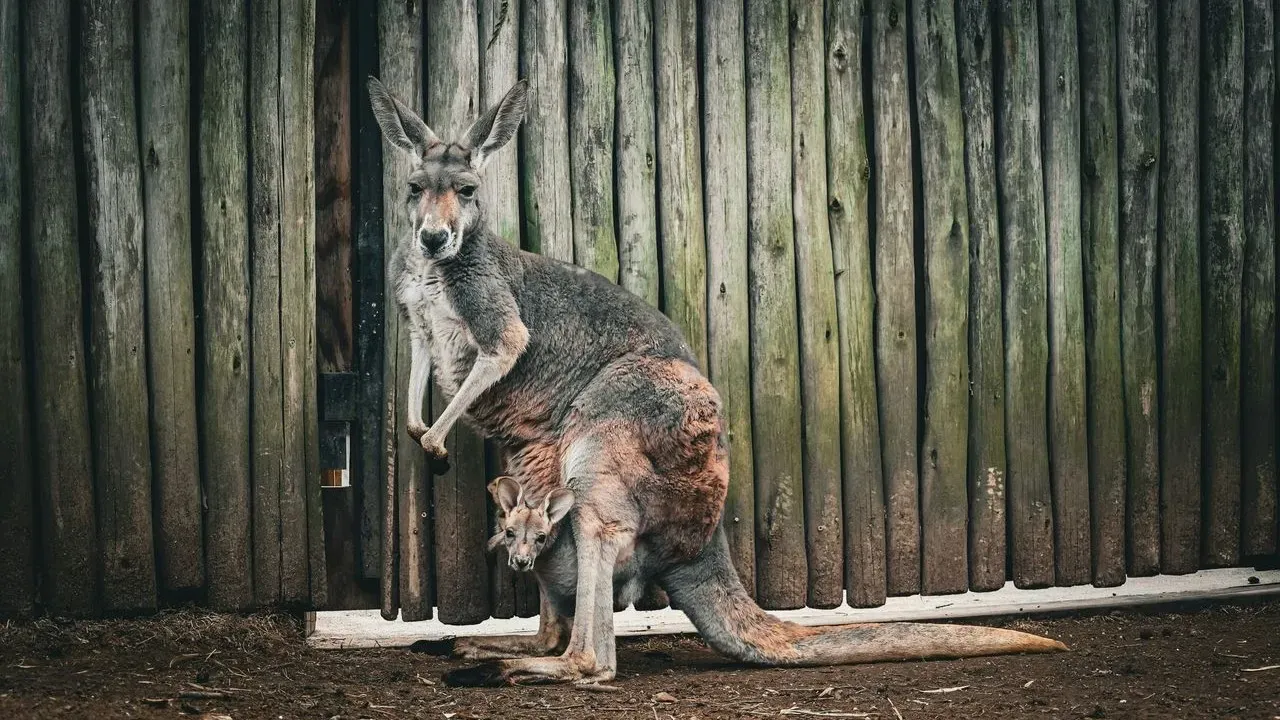

Nashville, Tennessee – A single day at Nashville Zoo can reveal far more than standard animal enclosures. Visitors who arrive early often encounter species and behaviors that stand out even among the many well-known American zoos. One such surprise is Roza, a melanistic Amur leopard whose nearly black coat still shows faint spots under the right light. **A melanistic leopard in an urban setting** Roza rotates through the Leopard Forest exhibit with other Amur leopards. The overhead passage allows her to move directly above guests on the way to the outdoor habitat. When visible, she sometimes approaches the glass and settles in for a close view. Melanism, a genetic trait that produces unusually dark pigmentation, makes her appearance striking against the more typical spotted coats of her species. The same area houses Masai giraffes and white rhinos. Interactive displays near the giraffe viewing area provide details on their natural history and conservation status. An early arrival increases the chance of seeing active animals before midday heat sets in. **Reptiles and veterinary care on display** The path toward the HCA Healthcare Veterinary Center passes the Komodo dragon habitat. These lizards, the largest living species, reach lengths of up to ten feet and weights exceeding 300 pounds. They rely on venom delivered through their bite rather than spitting, combined with powerful jaws and speed. Large windows at the veterinary center allow views into nursery and treatment areas. During one recent visit, three young Mexican spider monkeys named Miso, Matcha, and Mei were visible. The trio had been rescued from the illegal wildlife trade and now receives specialized care at the zoo. Scheduled keeper talks sometimes occur here, though animal visibility varies. **Close encounters in open habitats** Kangaroo Kickabout offers a walk-through experience with red kangaroos. Guests stay on a designated path while the animals move freely. On calmer days, a kangaroo may rest with its feet on the trail, allowing supervised contact. The nearby cassowary exhibit features double-wattled birds whose size and prehistoric appearance often draw attention. Tiger Crossroads provides another intimate moment. The indoor viewing room places visitors inches from Sumatran tigers through floor-to-ceiling glass. These critically endangered cats, the smallest tiger subspecies, sometimes approach the window directly. The air-conditioned space also serves as a welcome break from summer temperatures. **Additional highlights and practical planning** Expedition Peru includes Andean bears and a notable women’s restroom with a floor-to-ceiling window overlooking cotton-top tamarins. The mixed-species South American habitat near Flamingo Lagoon, which opened in early September 2026, now features capybaras, a giant anteater, and crested screamers. A few planning steps help maximize time with these animals. Download the zoo’s app for an interactive map before arrival, as printed maps are no longer provided. Wear comfortable shoes for the considerable walking distance. Bring refillable water bottles and plan indoor stops, such as Unseen New World or the veterinary center, during the warmest hours. General admission covers most habitats and the large Jungle Gym, while rides and certain feedings require separate tickets. Nashville Zoo rewards visitors who move slowly and watch for the unexpected. The combination of rare individuals like Roza, rescued primates, and immersive habitats creates moments that linger long after the day ends. ([1])
AI Disclaimer: This article was created with the assistance of AI tools and reviewed by a human editor.