
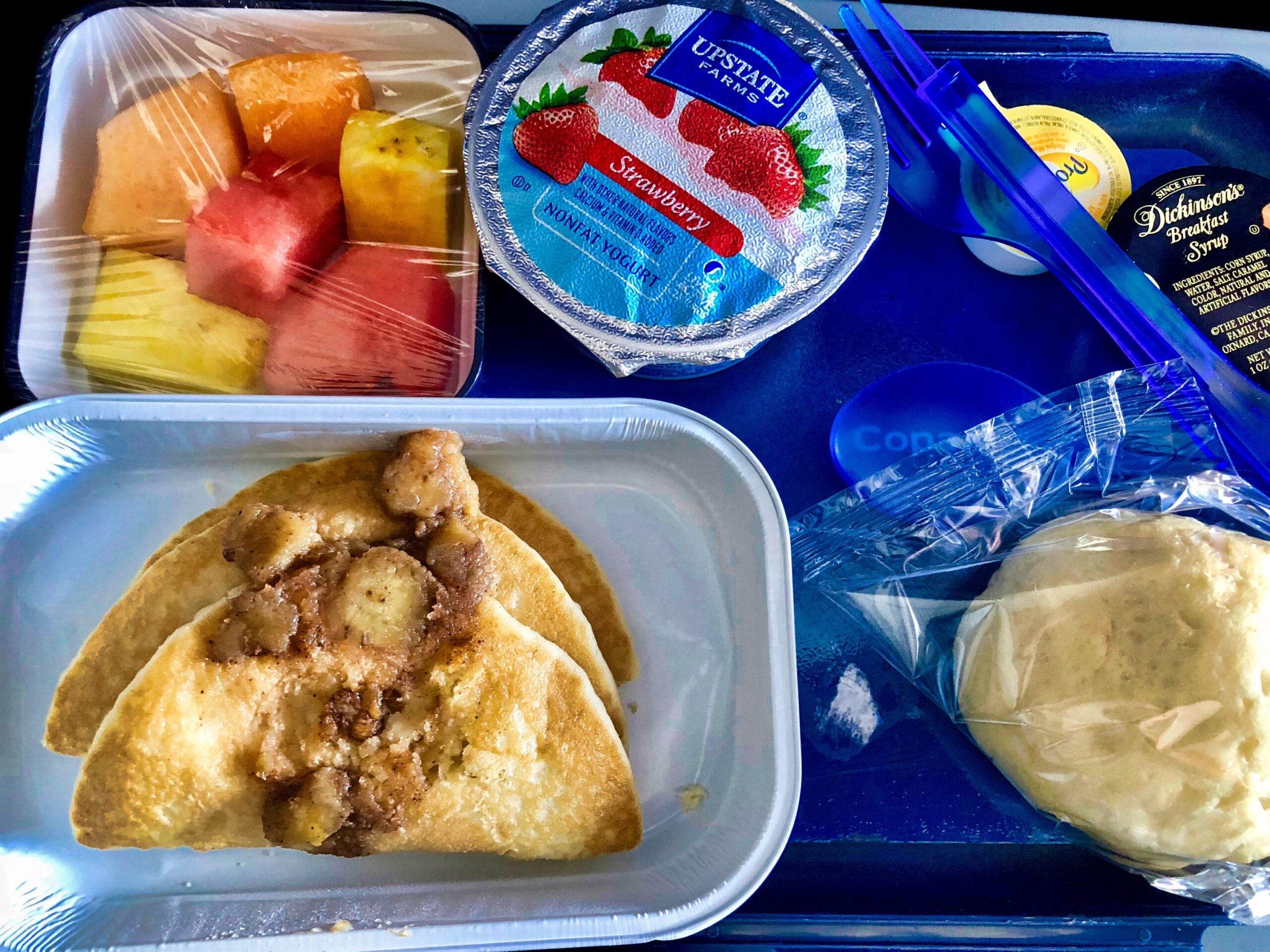

Your Taste Buds Take a 30 Percent Hit
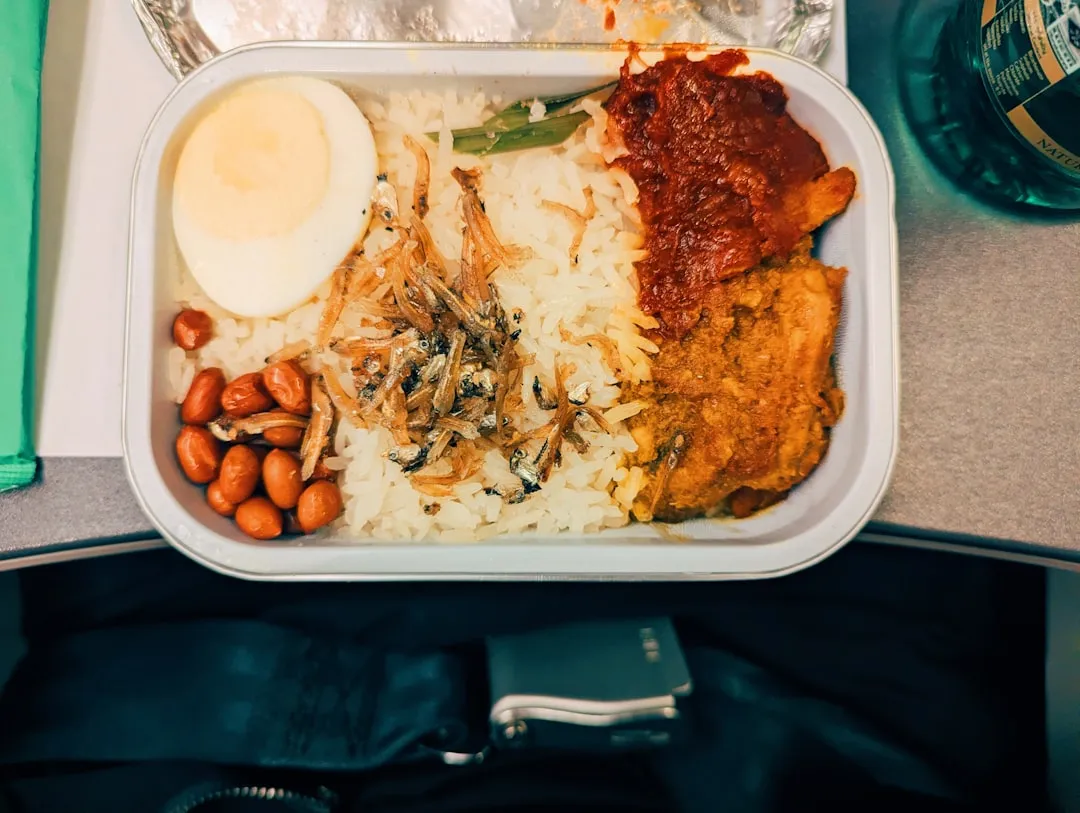
Our perception of saltiness and sweetness drops by around 30 percent at high altitude, according to a 2010 study by the German airline Lufthansa. That is a substantial loss, and it happens to virtually every passenger on board, whether they notice it or not.
In contrast, bitterness and spiciness are far less affected, which helps explain why foods such as tomato juice or spicy curries often taste better during a flight. So your palate hasn’t disappeared entirely. It’s just become selectively numb.
According to research for Lufthansa by the Fraunhofer Institute, both salt and sugar are perceived to be less intense at high altitudes, and overall almost 70 percent of your sense of taste is lost due to factors ranging from engine noise to low humidity. That figure puts the whole experience in stark perspective.
The Cabin Is Drier Than the Sahara Desert
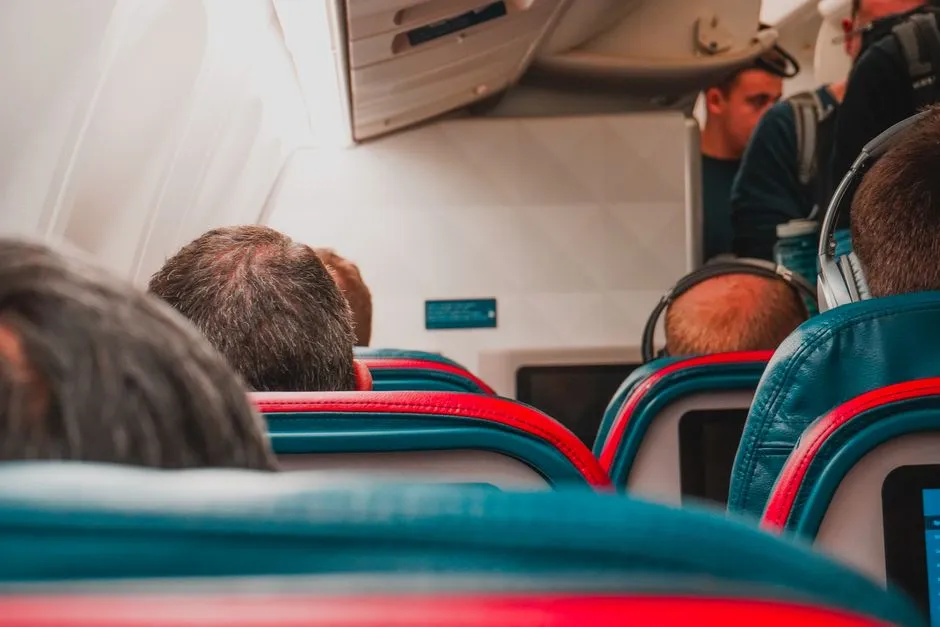
At a cruising altitude of about 30,000 feet, cabin pressure is significantly lower than at sea level, despite regulated airflow and sealed construction. Humidity levels drop to extreme lows, sometimes below 12 percent, similar to the conditions in the Sahara Desert.
Cabin humidity drops to about 12 percent even before the plane has taken off, and at 30,000 feet, the humidity levels are so low that it’s drier than most deserts inside the cabin. That dryness isn’t just uncomfortable. It directly compromises your ability to taste anything at all.
Airplane cabins have very low humidity, which causes moisture to evaporate from your mouth and palate. This dryness not only makes swallowing more difficult but also dulls your ability to taste, as saliva is essential for dissolving flavours and carrying them to your taste receptors.
Smell Does Most of the Work, and It Shuts Down First
Smell, which accounts for most of what we perceive as taste, is especially affected at altitude. Nasal passages dry out, olfactory receptors are less stimulated, and the transmission of scent information to the brain is weakened.
The higher altitude and lower air pressure can decrease your blood oxygen levels and dry out your nasal passages, hindering your olfactory receptors. This is worth sitting with for a moment. Much of what you think of as “taste” is actually smell, processed through the nose while you chew.
With a dampened sense of smell, food ends up tasting nearly twice as bland in the air. It’s one of those quiet biological facts that explains a great deal about the in-flight dining experience.
Cabin Pressure Adds Another Layer of Disruption
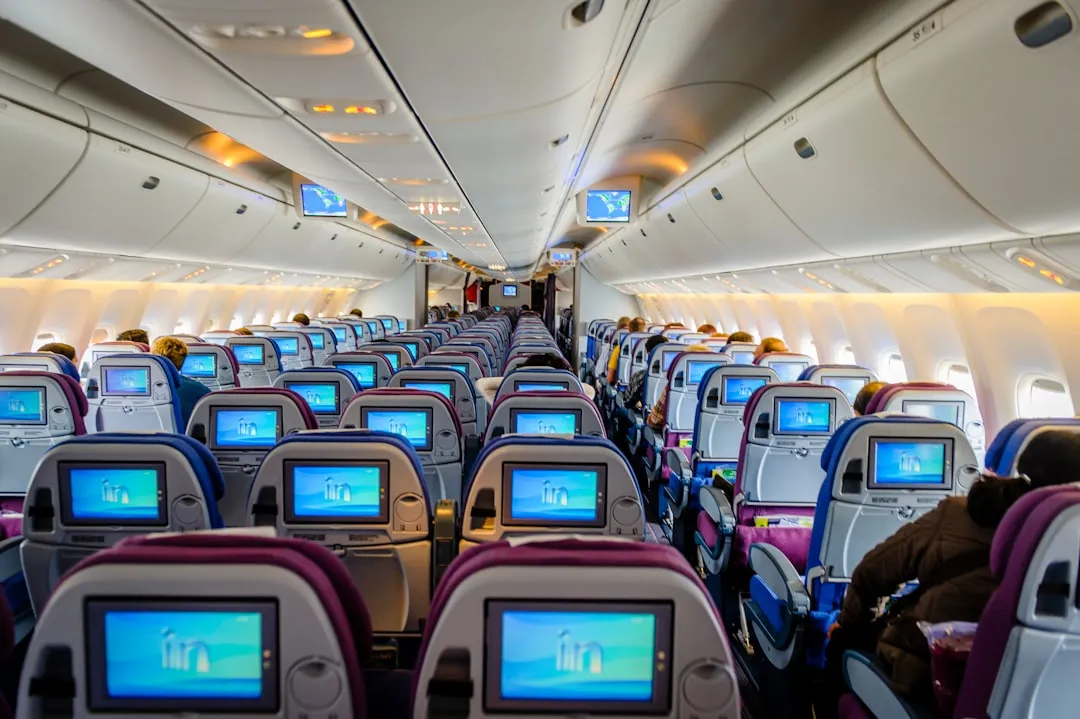
Once a plane reaches cruising altitude, the air pressure in the cabin will normally be equivalent to what one finds at approximately 6,000 to 8,000 feet above sea level. That’s a meaningful difference from sea level, even though it might not feel dramatic during a normal flight.
There is a noticeable reduction in the partial pressure of oxygen. As a result, each breath delivers less oxygen to the body, which can slightly reduce blood flow to sensory organs. These changes directly impact the senses of smell and taste.
Three of the key environmental factors that have been shown to play havoc with the passenger’s ability to taste at altitude are the reduced cabin air pressure, the lack of humidity, and the loud background noise of the plane’s engines. All three arrive together the moment the wheels leave the runway.
Engine Noise Is Quietly Ruining Your Meal
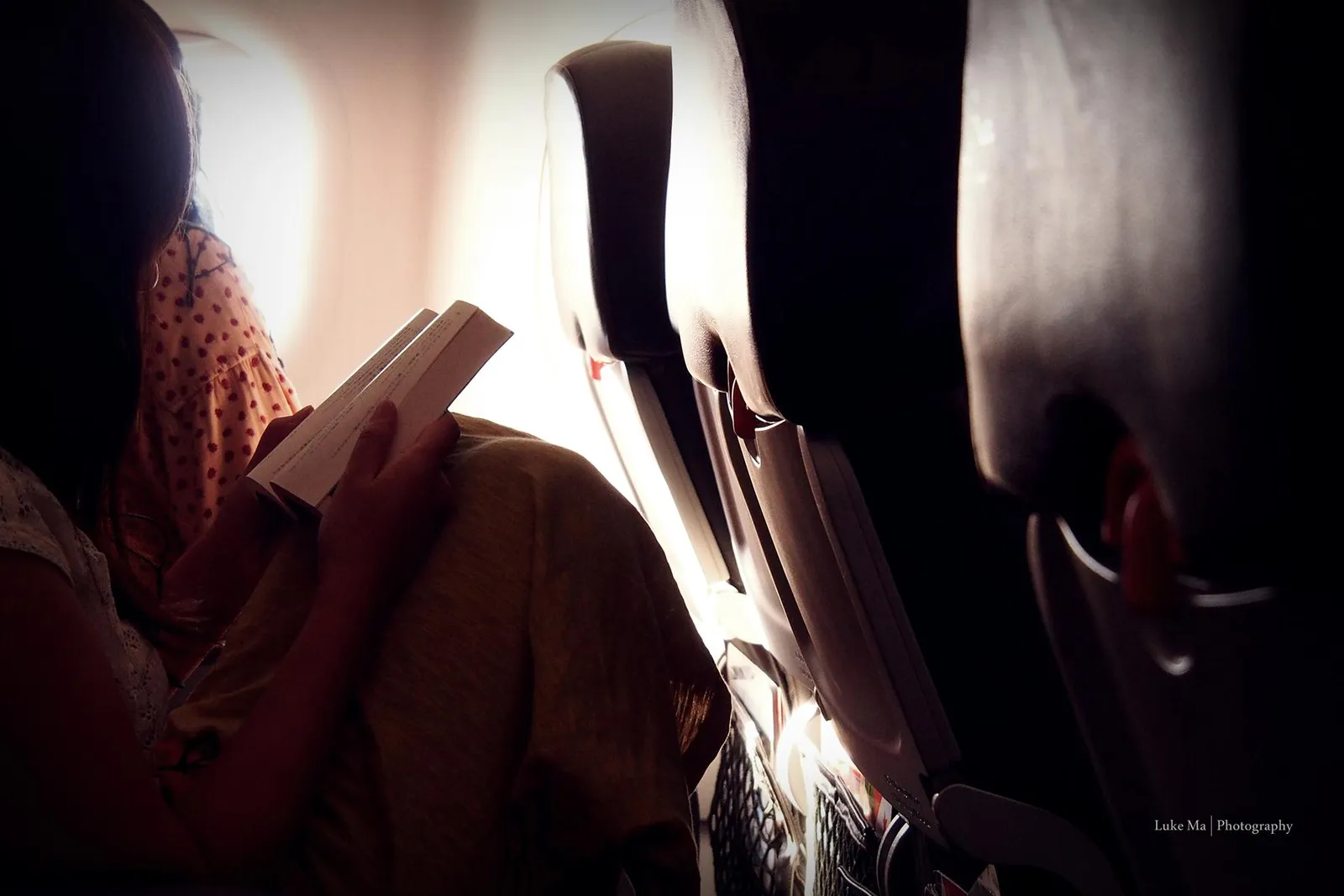
A study from 2011 suggests that the noise from the aircraft engine, which stays at a constant level of 85 dB, may contribute to the bland taste of airplane food. Participants in the study ate sweet and salty snacks while listening to either silence or white noise through headphones, and it was found that food was perceived to be less salty or less sweet with background noise than in silence.
Interestingly, the crunchiness of food was rated higher while listening to white noise, a finding that colleagues from the University of Manchester attribute to the fact that noise distracts eaters, thereby making it more difficult to focus on the food’s flavour and properties.
According to research, the noise from the engines on commercial flights is somewhere in the range of 80 to 85 dB(A). That’s roughly the sound level of a busy city street, sustained for the entire duration of your meal. It’s an invisible variable most passengers never consider.
Umami Is the Flavor That Actually Survives
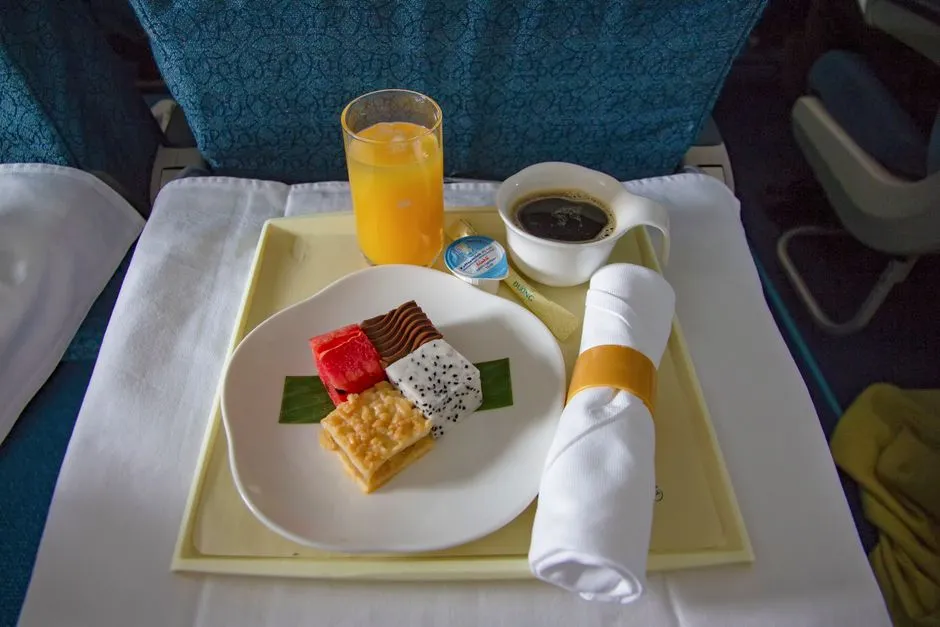
Studies conducted in pressurized cabin simulators have revealed how sweet and salty tastes become less detectable at altitude, while umami, the savory flavor found in soy sauce and tomatoes, tends to remain unaffected or even enhanced. This is perhaps the most practical piece of information a traveler can take on board.
Because research has suggested that umami flavors are actually enhanced in the flight environment, some airplane meal developers have focused on adding umami notes to their food as well. It explains why a bowl of tomato soup tastes so surprisingly satisfying at altitude.
While our sense of sweetness and saltiness decreases on a plane, our ability to taste sour, spicy, and bitter flavors is almost unchanged. Airlines that understand this science have quietly restructured their menus around it.
The Food Was Cooked Hours Before You Ate It
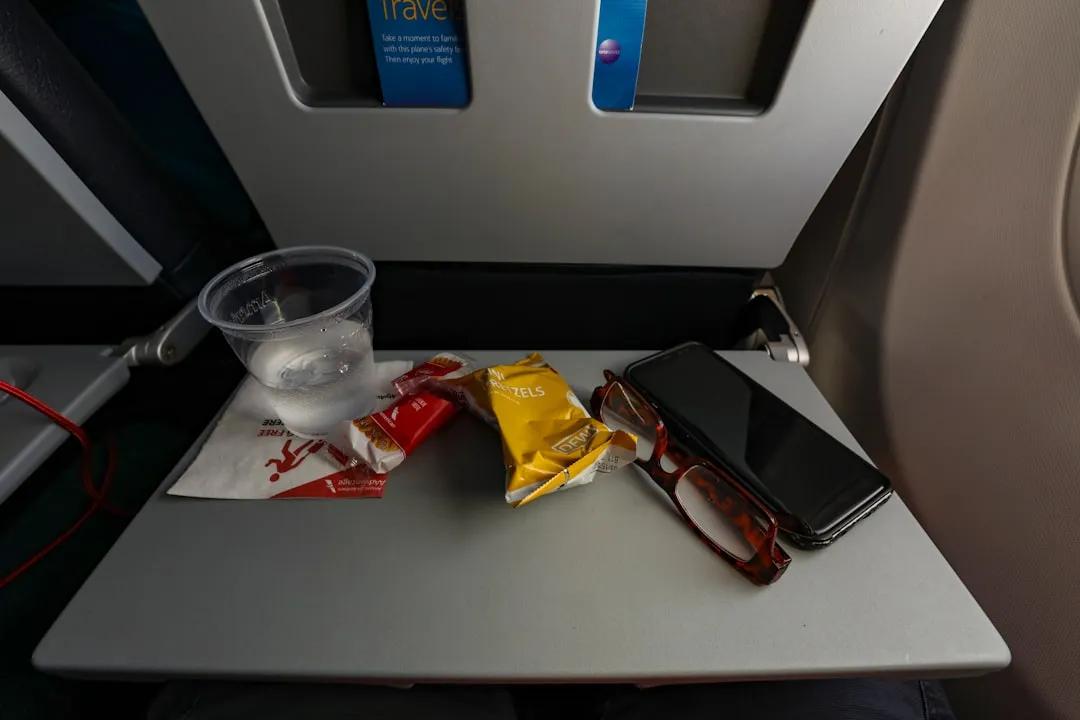
These meals are cooked hours in advance, then blast-cooled to prevent bacterial growth, and are designed to finish cooking midair during final reheating. The process must be so fast and efficient that meals are transported from the stove to cold storage in under 90 minutes.
Airline food has to be cooked to only 90 percent doneness, because the final step of heating happens onboard. This partial-cooking method is smart from a food safety standpoint, though it does limit what chefs can do with texture and freshness.
Food is prepared using a cook-chill process where ingredients are received, stored, prepared, cooked, rapidly chilled, stored again, reheated, and served. The workflow involves goods receipt, storage, preparation, cooking, portioning, chilling, assembly onto trays, and dispatch to flights. By the time a tray reaches your lap, it has traveled quite a journey.
Reheating in a Convection Oven Changes Everything
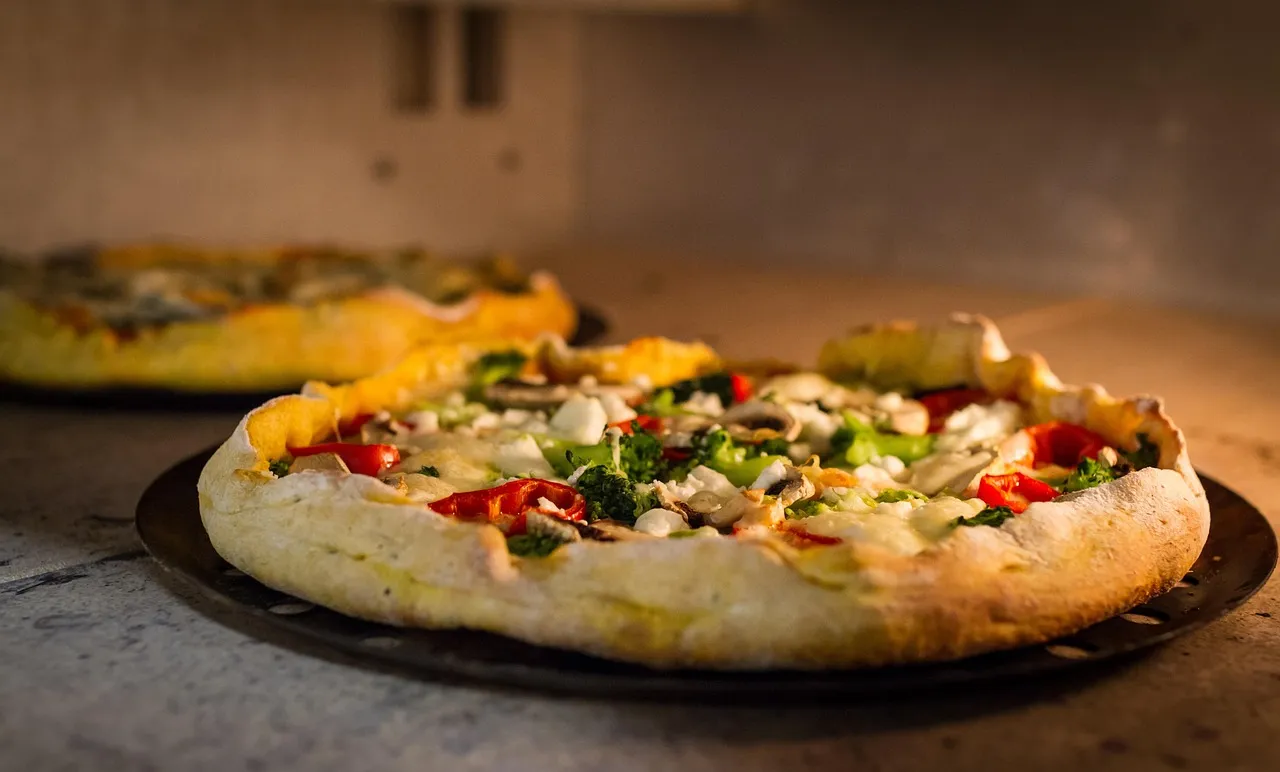
Microwaves, open flames, and stovetops won’t fly on an aircraft. Instead, a specialized convection oven reheats the food. Foods already arrive pre-frozen and partially cooked, which improves shelf-stability and alleviates worries about raw items.
Foods that remain soft, like pasta, rice, and fish, tend to retain their texture better in the dry cabin air. In contrast, fresh vegetables lose their crunch, meats dry out quickly, and sauces must be seasoned more heavily, sometimes twice as much, to achieve the same taste profile experienced on the ground.
Sous-vide cooking allows food to be cooked on the ground with incredible precision, then reheated without destroying the texture. Premium airlines have adopted this technique in recent years, and it’s one of the more meaningful upgrades in the catering world.
Airlines Are Actively Reformulating Recipes for the Sky
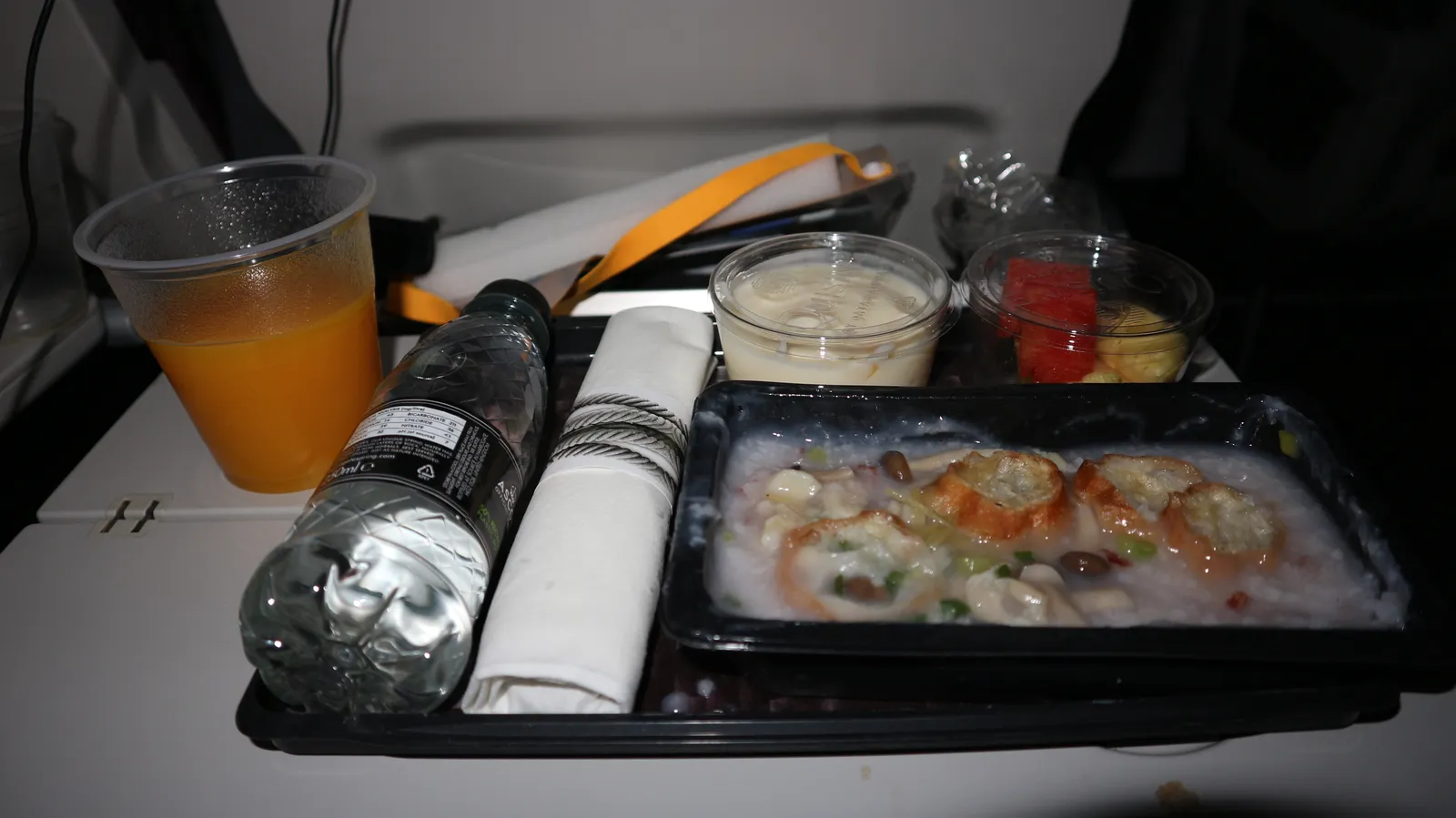
Many airlines work closely with food scientists and culinary experts to develop menus that hold up well under in-flight conditions. Lufthansa, for example, has an entire “taste lab” that replicates cabin conditions to test how food flavors evolve at altitude.
Rich stews, thick sauces, and hearty soups maintain flavor better and are therefore more commonly served, particularly in business and first class. The menu choices you see on a flight are rarely random. They reflect years of testing and reformulation.
Cathay Pacific even created its own craft beer, specifically formulated to taste great at flying altitudes. The fact that a carrier would invest in altitude-specific brewing says a great deal about how seriously the industry now takes this challenge. Most dishes go heavy on the sodium, the easiest way to compensate for the diminished flavor, while airline food also enhances acidic and savory notes, which transmit better in the air.
What Happens to Your Drinks Is Just as Surprising
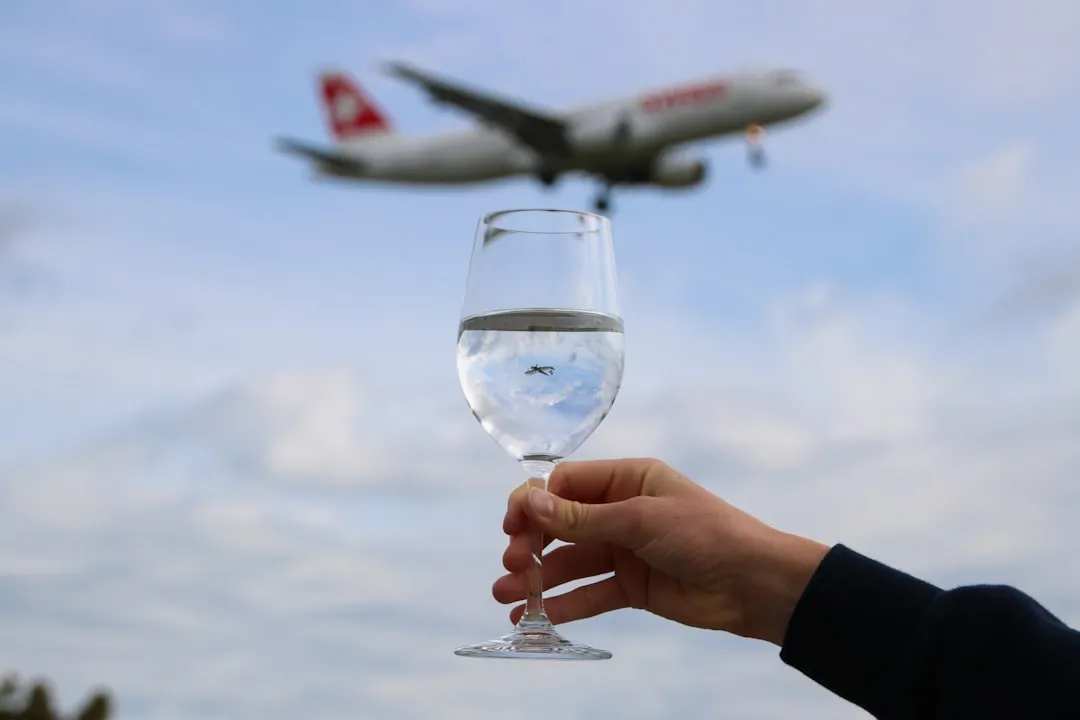
Carbonated drinks like cola or sparkling water lose their fizz more quickly due to lower pressure, as carbon dioxide escapes faster. This also makes beer more prone to spilling and alters its taste.
Wine reacts differently as well. The dry air dulls the palate, making white wine seem more acidic and red wine taste flat or metallic. To counter this, many airlines serve wine varieties that are better suited to high-altitude consumption, some of which are selected through tastings conducted in simulated cabin environments.
Even tomato juice and various wines were tasted for odor and taste qualities, intensities, and individual preferences as part of the Fraunhofer cabin simulator research. The results continue to shape how airlines curate their drink lists, particularly for long-haul routes.
The Bigger Picture: It’s Not the Food, It’s the Sky
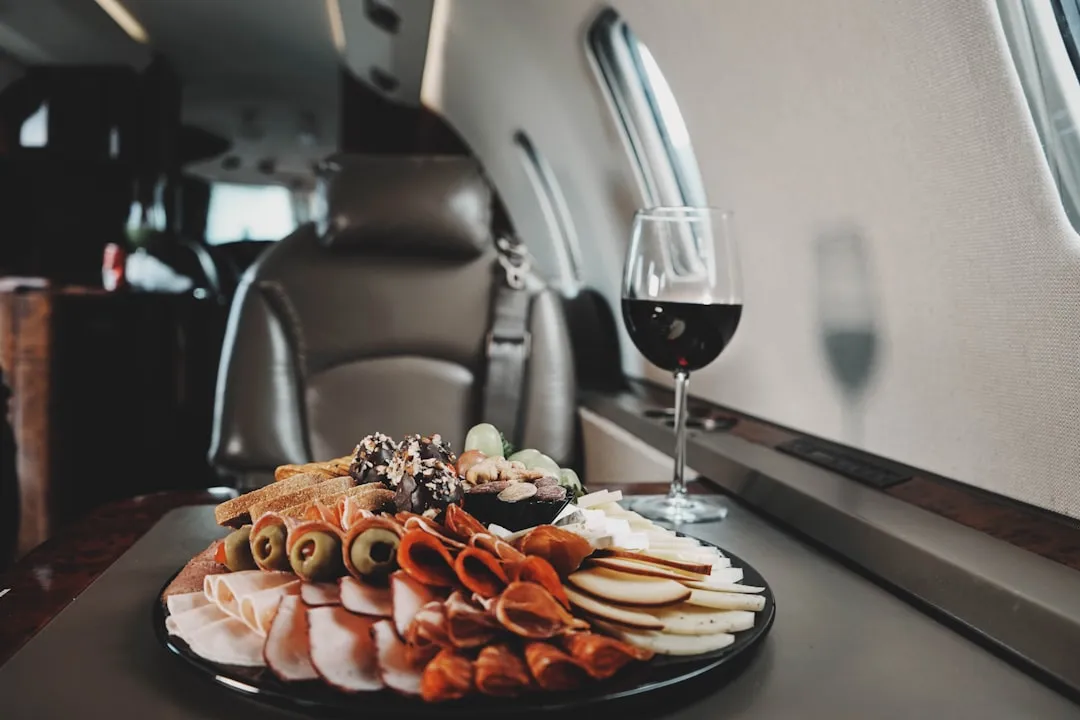
There’s a certain relief in knowing that the meal isn’t always to blame. The kitchen that prepared your chicken and rice may have done a genuinely careful job. What changed was the environment between the catering facility and your tray table.
The science here is consistent across multiple research institutions, from Oxford to the Fraunhofer Institute in Germany. Reduced pressure, extreme dryness, constant engine noise, and a blunted sense of smell all converge at once. Flying alters how we perceive food and drink. It’s not necessarily the cooking that’s subpar. Our brains simply process flavor differently at altitude.
The more interesting question for travelers might be this: now that you know which flavors survive the altitude, would you order differently? A bowl of miso broth, a tomato-based sauce, or something spiced and savory will almost always hold up better than a delicate sweet dessert or a lightly salted fillet. Your taste buds are telling you something true. It just took some science to explain it.
AI Disclaimer: This article was created with the assistance of AI tools and reviewed by a human editor.