
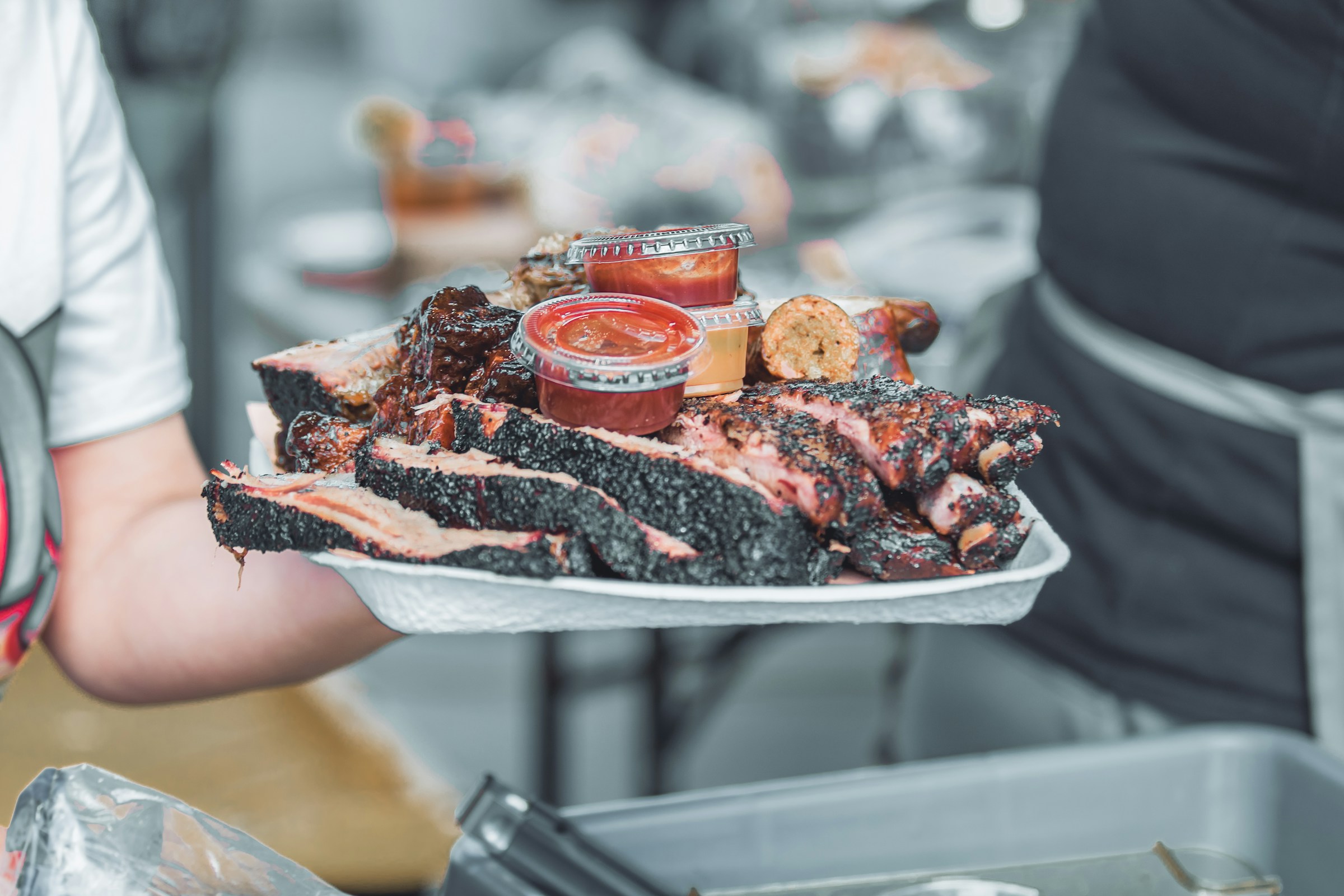

Where It All Began: German Butchers and Texas Beef
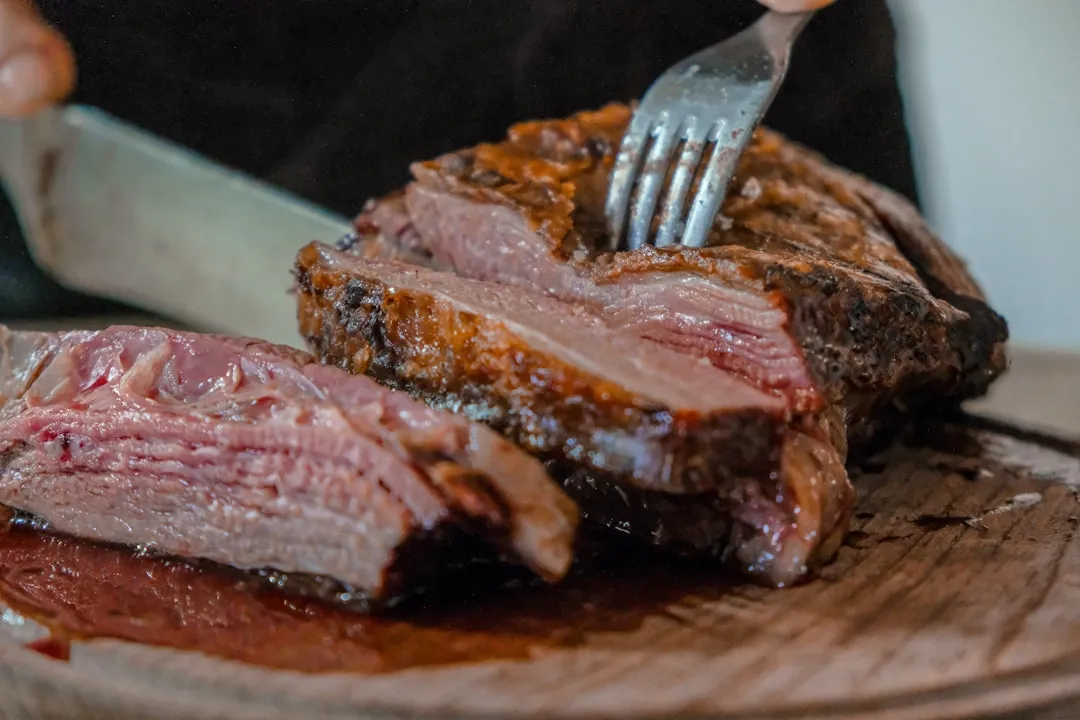
Central Texas barbecue took shape in German and Czech butcher shops in towns like Lockhart, Taylor, and Luling. Meat markets sold fresh cuts during the week, then slow-cooked tougher, unsold beef over local hardwoods on weekends. This wasn’t celebratory barbecue at first – it was thrift and preservation, a practical way to turn brisket, beef ribs, and sausages into edible, profitable food.
By the 1920s and 1930s, those markets had evolved into standalone barbecue joints, fixing the core traits we recognize today: brisket-forward cooking, post oak smoke, minimal seasoning, meat sold by the pound, and sauce strictly optional.
Mexican and African American cotton workers often ordered the ribs and sausages for lunch and ate them on butcher paper, as they were prohibited from eating in the local restaurants. Because many customers enjoyed this fare, they visited the butcher shops just to purchase smoked meat, inspiring some shops to become the barbecue restaurants Texas is now famous for.
The Holy Trinity: Brisket, Ribs, and Sausage
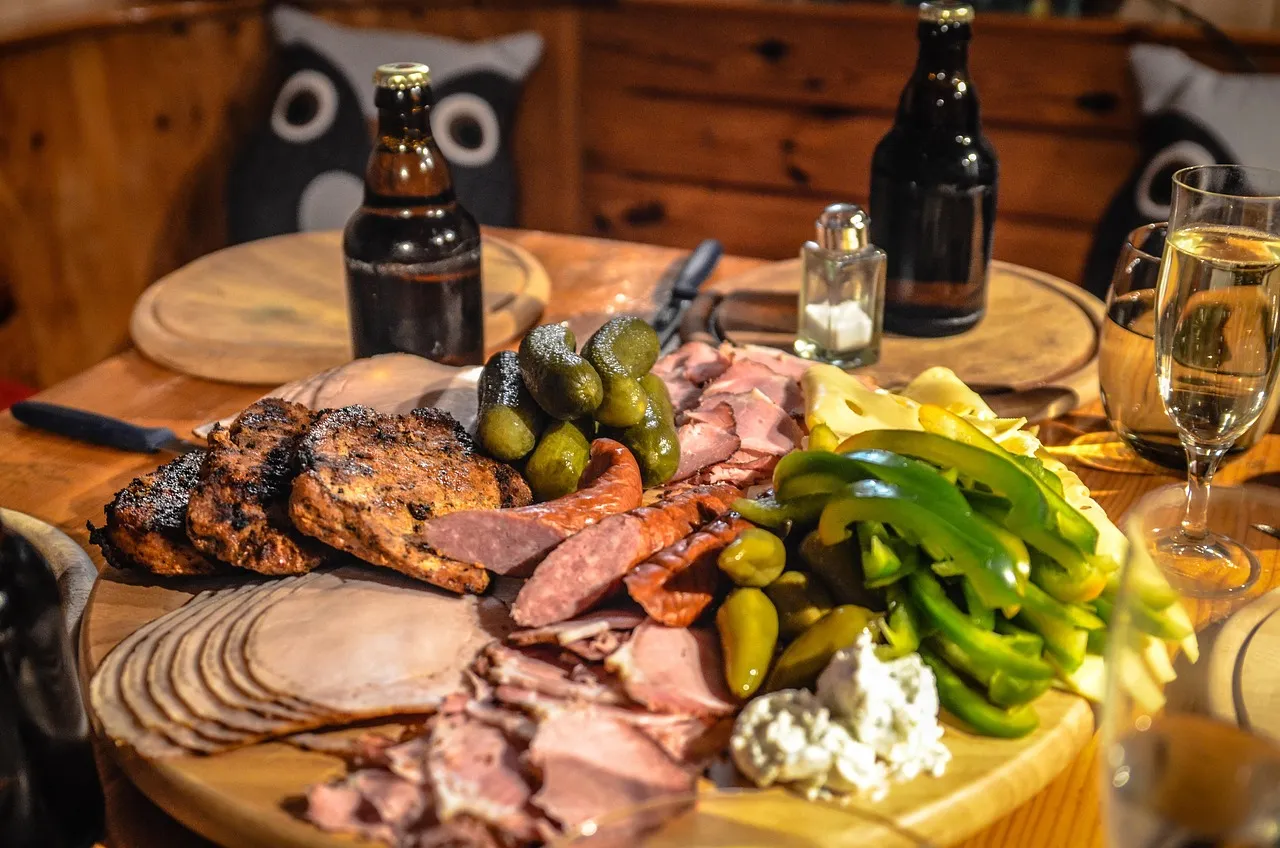
Central Texas BBQ stands out for its focus on the meat itself. The philosophy is simple: high-quality meat, minimal seasoning, and a long, slow cook over indirect heat using post oak wood. Brisket is the undisputed centerpiece, prized for its rich flavor and tender texture, achieved through hours of slow smoking.
While brisket may be the star, Central Texas BBQ also offers a variety of other meats such as pork ribs, beef ribs, and sausage. Ribs are slow-smoked until they reach a perfect balance of being tender yet holding onto the bone. Sausage, often locally made, is a nod to the German and Czech heritage of the region.
Post Oak: The Wood That Makes the Difference

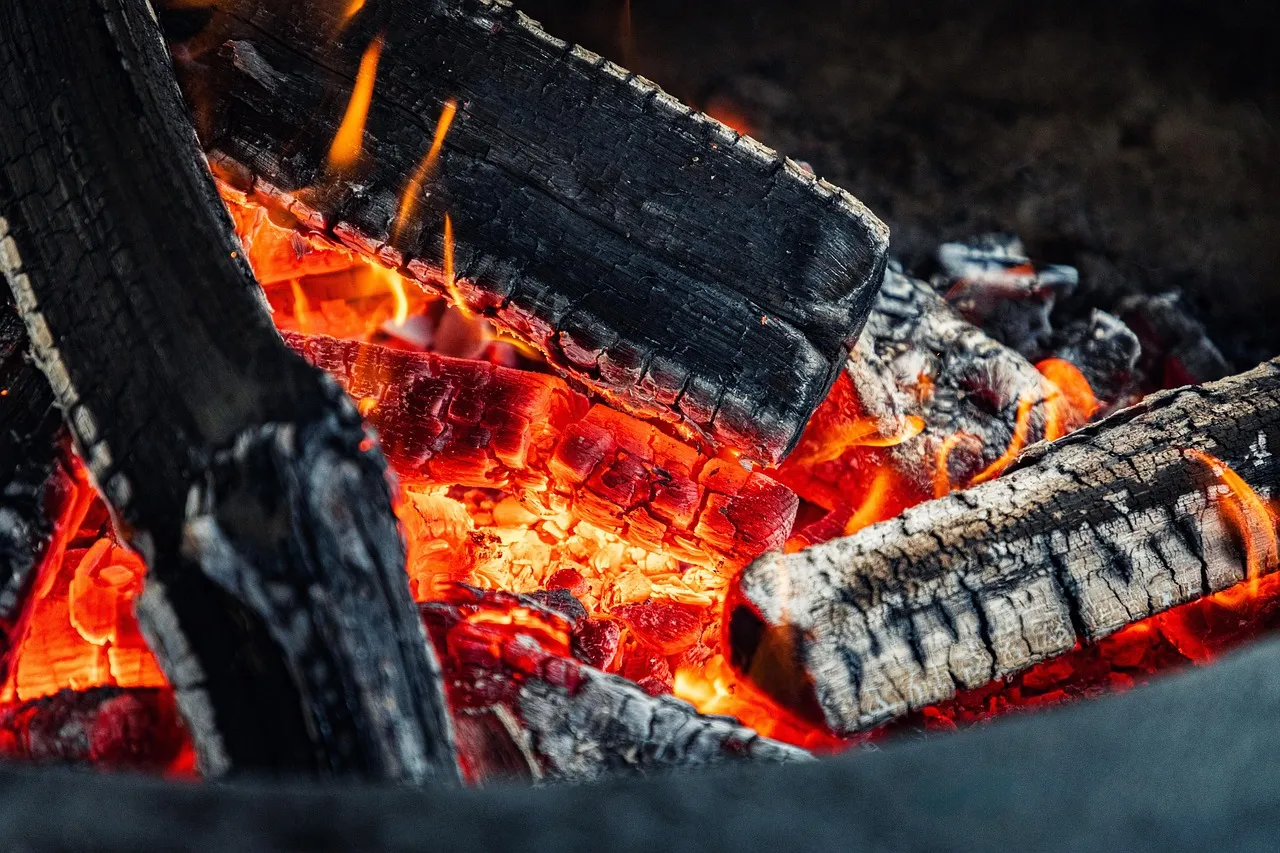
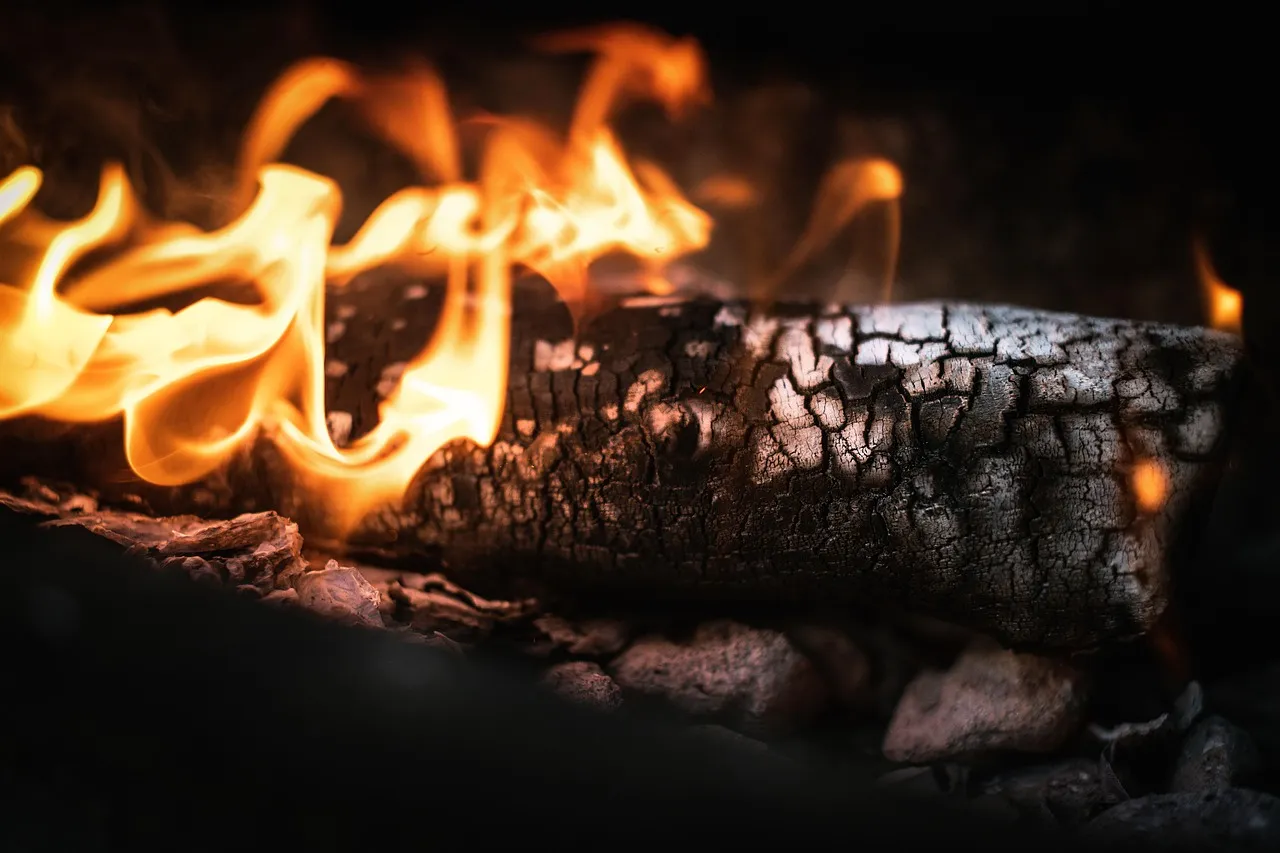
Wood is one of the most important ingredients in barbecue, even though it is never eaten. Most pitmasters choose post oak because it burns slowly and produces a clean, gentle smoke. This smoke adds flavor without overpowering the meat.
The meat is cooked low and slow over indirect heat using local post oak, which burns cleanly without overpowering beef. Meat is served by the pound on butcher paper, and sauce – if offered at all – is strictly optional.
Great barbecue cannot be rushed. Pitmasters cook meat at low temperatures for many hours. This method allows the meat to become soft while keeping its natural juices inside. As the meat cooks, it slowly absorbs the flavor of the hardwood smoke. The result is barbecue that is tender, flavorful, and easy to enjoy.
The Art of the Bark and the Minimal Rub
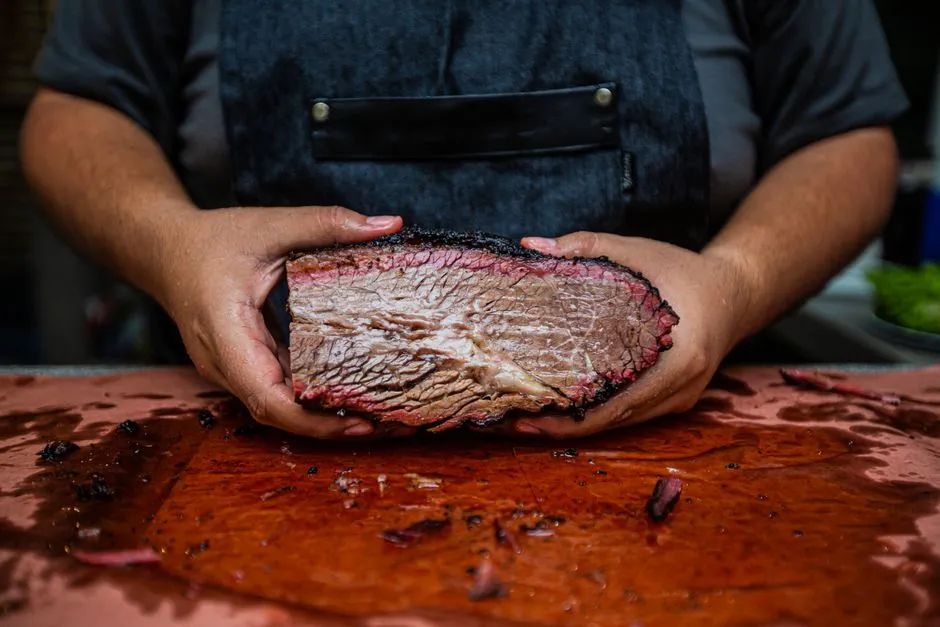
Simplicity is key in Central Texas BBQ seasoning. Typically, the meat is seasoned with just salt and black pepper. This minimalist approach allows the natural flavors of the meat and the smoke to shine through.
Brisket is cooked low and slow using indirect heat from woods like hickory and post oak, which are preferred for their contribution to the meat’s smoky flavor. This method ensures a tender brisket with a crusty, flavorful bark. That bark – the deep mahogany crust that forms on the outside of the meat – is something Central Texas pitmasters treat with near-religious seriousness. It represents hours of careful fire management, and it’s impossible to fake.
Lockhart: The Town That Became a Pilgrimage
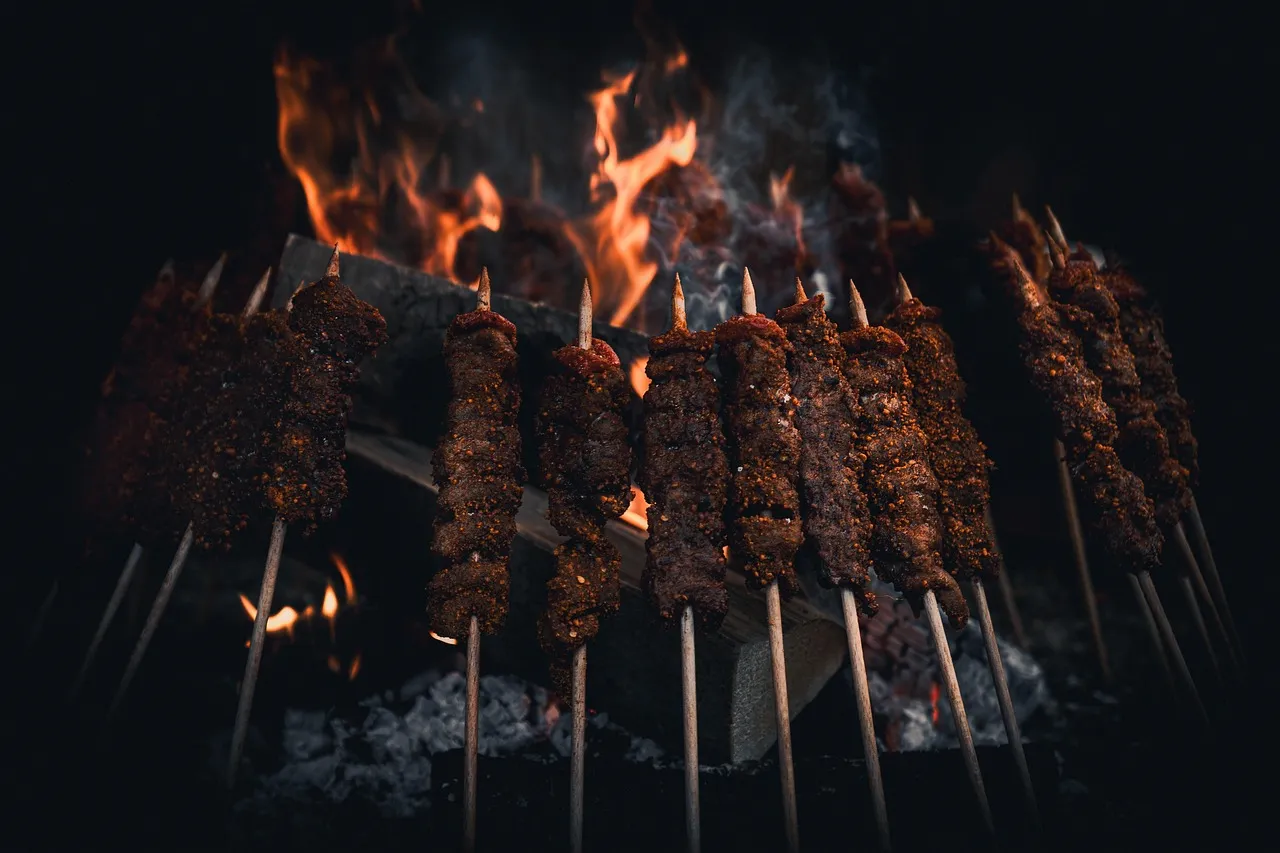
In small towns like Taylor, Elgin, Luling, and Lockhart, brisket, pork ribs, and spicy sausages are typically dry-rubbed, smoked over post oak, and served sauce-free on butcher paper with simple sides. Lockhart, officially recognized as the Barbecue Capital of Texas, has family-owned spots like Smitty’s Market that have drawn lines for over a century. Kreuz Market is another local favorite with deep local ties.
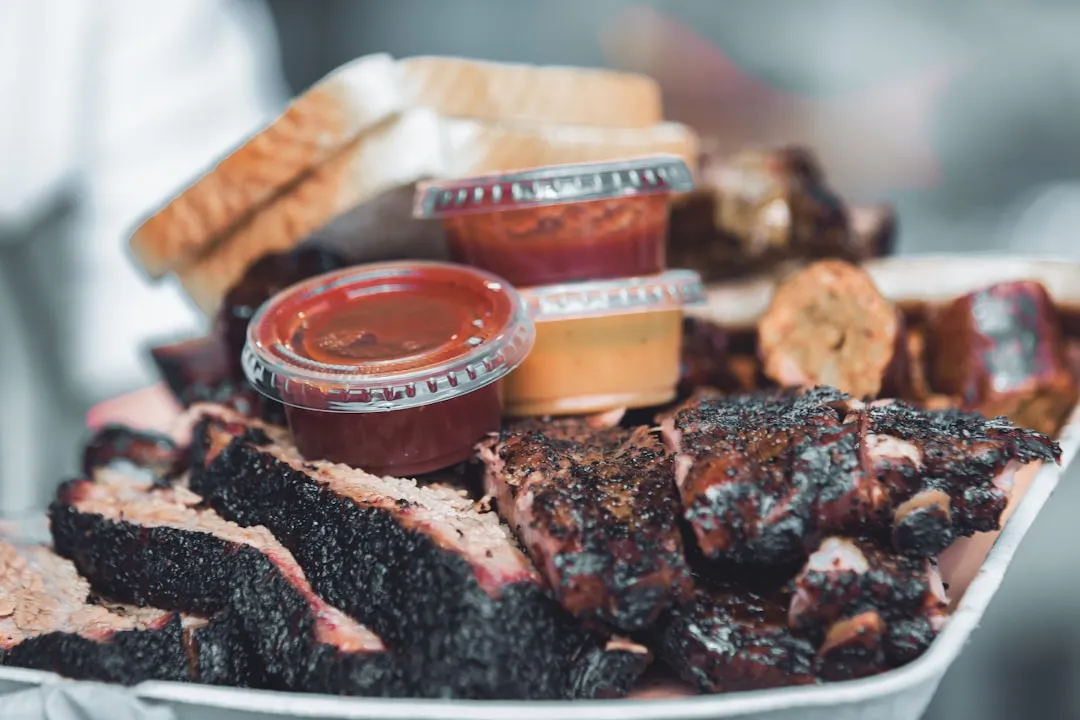
Renowned establishments like Franklin Barbecue and Louie Mueller have elevated brisket to high art, serving slices wrapped in butcher paper to emphasize their commitment to tradition. People drive hours, sometimes across state lines, specifically to eat at these places. That alone says something.
How Texas BBQ Stacks Up Against the Competition
Kansas City, Memphis, Carolina, and Texas barbecue are often considered the big four of American regional styles. Each has its passionate defenders. Carolina, Kansas City, and Memphis style all tied with about one in ten Americans naming each as their favorite, while Midwesterners lean toward Kansas City-style barbecue – known for its thick molasses and tomato sauce.
In the South, Texas style dominates, with roughly one in four Americans in the region stating it’s their favorite, followed by Carolina style at around one in six. That regional dominance, combined with its national lead, gives Central Texas a credible claim to the top spot that’s hard to dismiss as mere home-state bias.
The Science of Smoke: Why Low and Slow Works
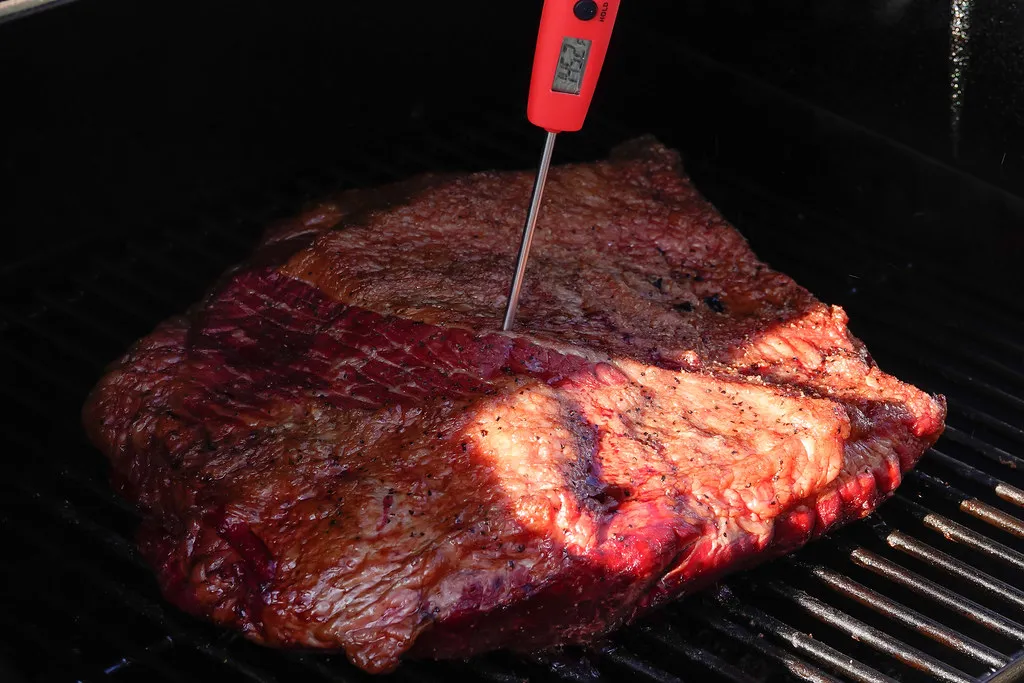
Unlike East Texas sweetness, West Texas cowboy grilling, or South Texas pit BBQ, Central Texas BBQ became a butcher’s craft elevated to ritual – where mastery of fire, time, and meat mattered more than marinades or sugar. The collagen inside a brisket needs sustained low heat to break down into gelatin, which is what gives the meat its distinctive melt-in-the-mouth quality.
Central Texas BBQ is smoked over indirect heat, usually using post oak wood. This method imparts a subtle, smoky flavor without overwhelming the meat. The result is a product that rewards restraint at every step. Less sauce. Less seasoning. More time. More smoke.
The Culture Around the Pit
These gatherings are often informal, with communal tables where people from all walks of life sit shoulder to shoulder, enjoying the food and camaraderie. The atmosphere in barbecue joints like Franklin Barbecue or Louie Mueller is convivial and buzzing, where the smoky aroma fills the air and butcher paper is commonly used to serve hefty portions of tender brisket or juicy beef ribs.
Barbecuing is not just about food; it represents social gatherings and family traditions across America. In Central Texas specifically, the communal aspect is almost inseparable from the food itself. You wait in line with strangers. You share a bench. You talk about the smoke ring on the brisket like it matters. Because, to locals, it genuinely does.
How Central Texas BBQ Went Global
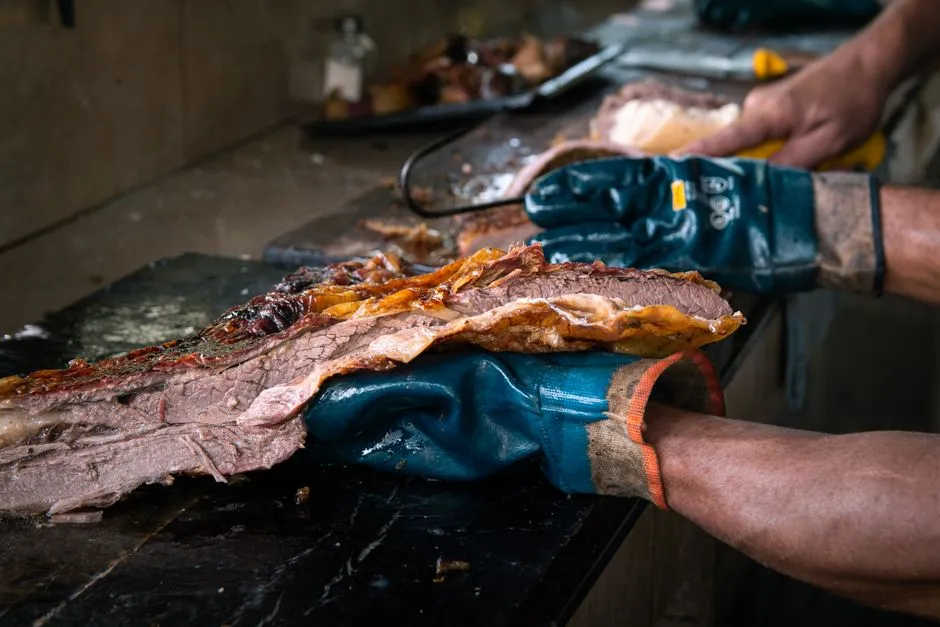
Central Texas barbecue, with its smoky brisket, peppery rubs, and minimalist approach to sauce, has transcended its regional roots to become a global culinary phenomenon. What began as a tradition forged by German and Czech immigrants in the meat markets of 19th-century Texas has evolved into a worldwide obsession, captivating food lovers from small-town America to bustling international cities. This slow-cooked, post oak-smoked art form is no longer just a Lone Star State staple – it’s a cultural export reshaping barbecue traditions across the planet.
In the United States, Central Texas barbecue has made a particularly strong impression across the South. In the United Kingdom, London’s Texas Joe’s, led by Joe Walters, smokes brisket low and slow in the Central Texas tradition. Restaurants in Sweden, South Africa, and Hong Kong have followed suit, adapting the method while staying true to its austere, smoke-forward identity.
The Numbers Behind the Obsession
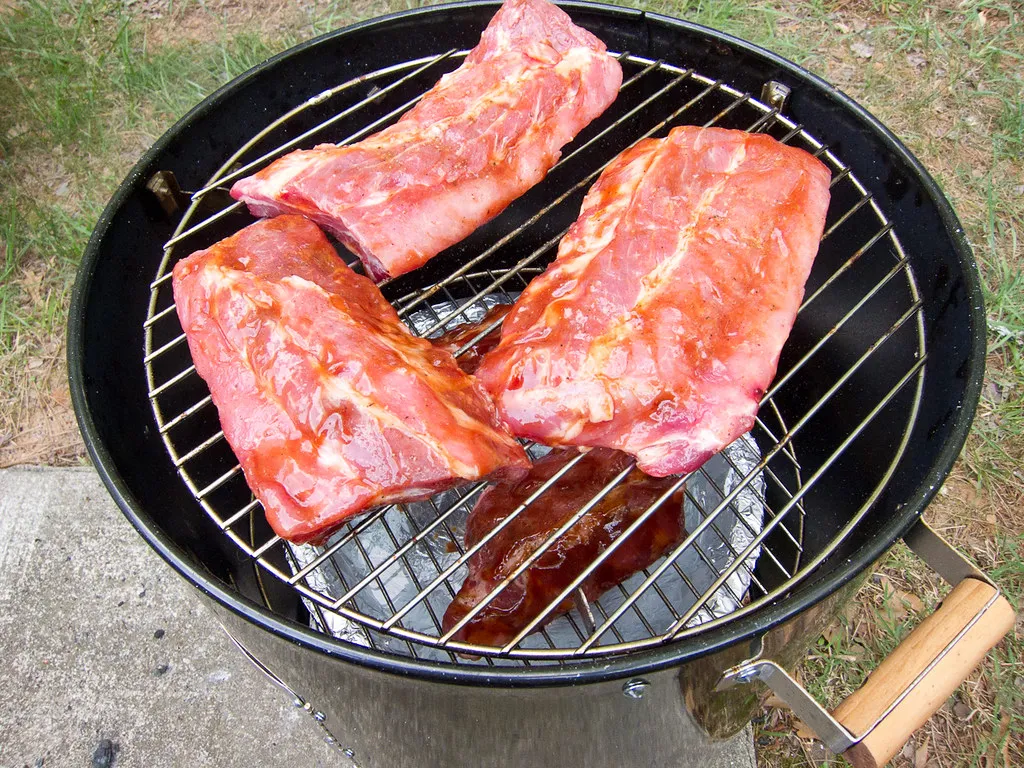
According to Statista’s worldwide survey, roughly a fifth of Americans regularly barbecued in 2024. That’s a significant slice of the population for whom the act of barbecuing is a consistent, recurring practice rather than an occasional summer ritual. The global BBQ seasoning market was estimated at nearly fifteen billion dollars in 2024, with North America accounting for a substantial portion of global BBQ seasoning revenue.
Smoking is one of the leading trends in the BBQ world and continues to grow in popularity. Consumer trends remain consistent, with smokers leading the way when it comes to investing in barbecue equipment. That investment mirrors what Central Texas has long understood: a good smoker, quality wood, and patience are worth more than any proprietary sauce.
What Makes Locals So Certain It’s the Best
What began as immigrant pragmatism became the most influential barbecue style in America. That’s a strong claim, but the evidence is difficult to argue with. No other regional style has been replicated as widely, studied as rigorously, or traveled as far while maintaining its core identity.
The elements of style in Central Texas barbecue are not complicated. The simple orthodoxy stipulates local post oak for fuel and slow, indirect heat. That restraint is precisely its power. When a style this stripped-down travels the world and still wins over new audiences, the food itself is doing all the convincing.
A Style That Keeps Earning Its Reputation
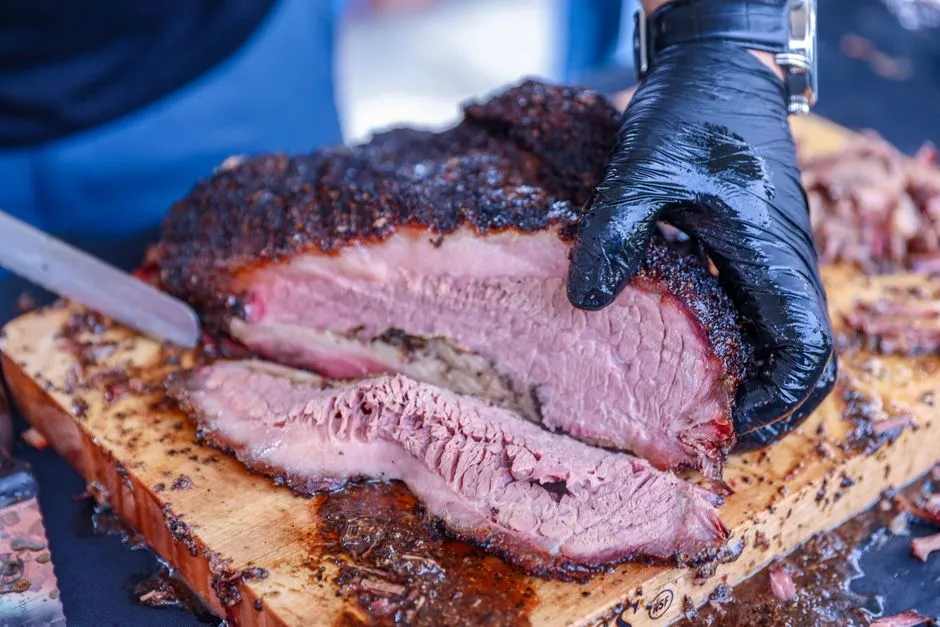
Central Texas BBQ doesn’t rely on novelty or reinvention to stay relevant. It earns its place again every morning when a pitmaster loads the firebox at four in the morning and tends the smoke for the next sixteen hours. Patience is one of the biggest reasons why Texas barbecue is respected around the world.
Regional flavors rule the American barbecue landscape, from the beef-centric briskets of Texas to Kansas City’s burnt ends and the tart or sweet pork of the Carolinas. Every style deserves its moment. Still, when the numbers are counted and the lines outside the pits are measured, Central Texas keeps finishing first – not through argument, but through the quiet, irrefutable authority of really good smoked meat.
AI Disclaimer: This article was created with the assistance of AI tools and reviewed by a human editor.