


Most of us pick up a rental car in the same way: scan the agreement, grab the keys, and head out. The lot agent waves you off, you’re running late to your first destination, and a thorough walk-around feels like it can wait. It almost never can.
What happens in those first few minutes on the rental lot can quietly determine whether your trip ends with a pleasant memory or a surprise charge on your credit card weeks later. The stakes, it turns out, are far more common than most travelers realize.
The Scale of the Problem Is Larger Than You’d Expect
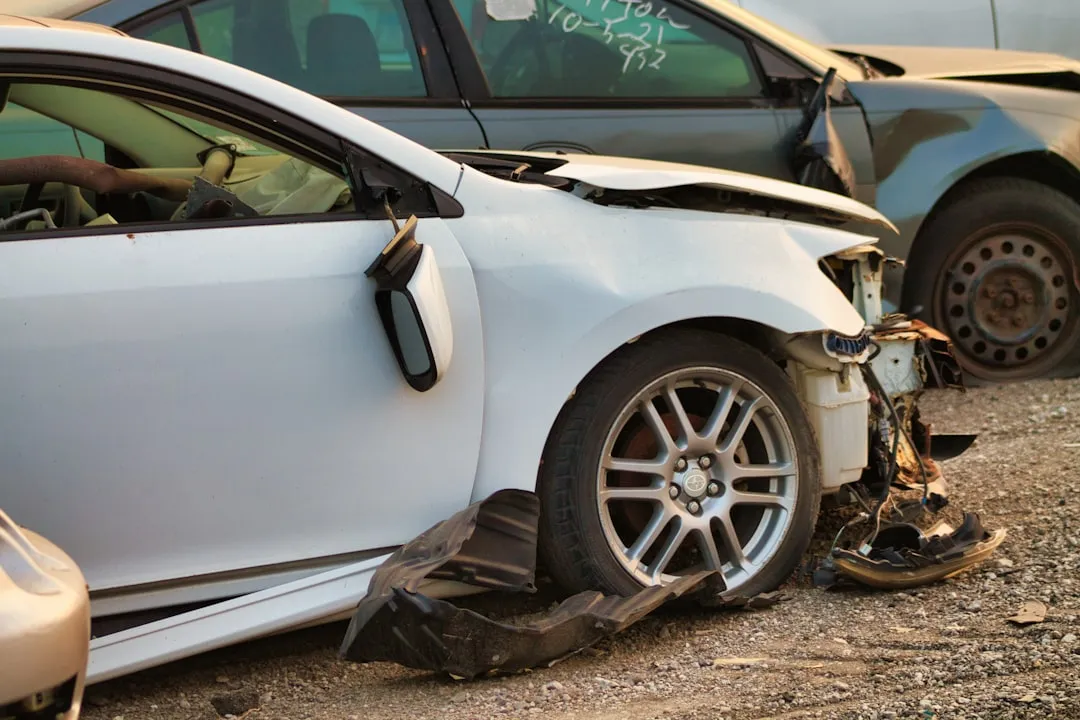
CarInsuRent released its 2025 Rental Car Insurance Claims Trends Report, analyzing 1,710 rental car damage claims submitted worldwide during 2025. The findings reveal a striking structural issue: more than 58% of damage claims were not caused by the renter. That’s a majority of disputes rooted not in reckless driving, but in documentation failures and pre-existing conditions.
The 2024 report showed that over 60% of claims were also not attributable to renter fault, reinforcing a persistent and systemic issue in the car rental ecosystem. Year after year, the same pattern holds. The problem isn’t necessarily bad luck. It’s a gap between what gets recorded and what gets charged.
Why Skipping the Walk-Around Is So Tempting
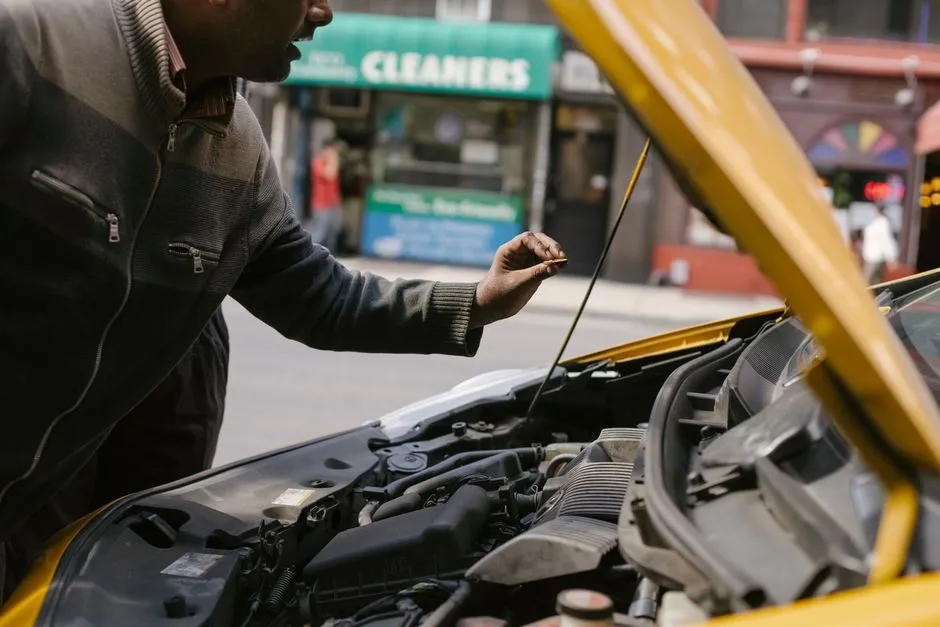
Most of us focus on reaching our destination rather than checking the vehicle’s condition when renting a car. Skipping this significant step could expose travelers to unfair damage charges or safety issues. There’s nothing mysterious about the behavior. Airports are busy, trips are exciting, and a ten-minute inspection feels like friction.
Staff might rush through the initial inspection, especially during busy times, leaving pre-existing damage undocumented. Common trouble spots include windshield chips, wheel rim scratches, undercarriage damage, and door dings. The agency’s urgency to move you along doesn’t help. A quick signature and a handshake can mask a lot of unrecorded wear.
Pre-Existing Damage Is More Common Than You Think

Many rental car damages are attributed to factors such as pre-existing issues, poor documentation at the time of rental, and even fraudulent claims made by rental companies. Rental vehicles cycle through dozens of drivers each month. Every one of those renters is a potential source of undocumented dings, scuffs, and scratches that stay with the car until someone gets blamed.
A growing share of disputes involve pre-existing or non-visible damage, including minor surface marks, micro-scratches, or inconsistencies that may only be detectable under specific lighting conditions or through image-based comparison systems. That tiny mark you missed in the shade of the parking structure is a different story under a rental company’s bright inspection lamp.
The Wheel and Rim Inspection Most Renters Overlook
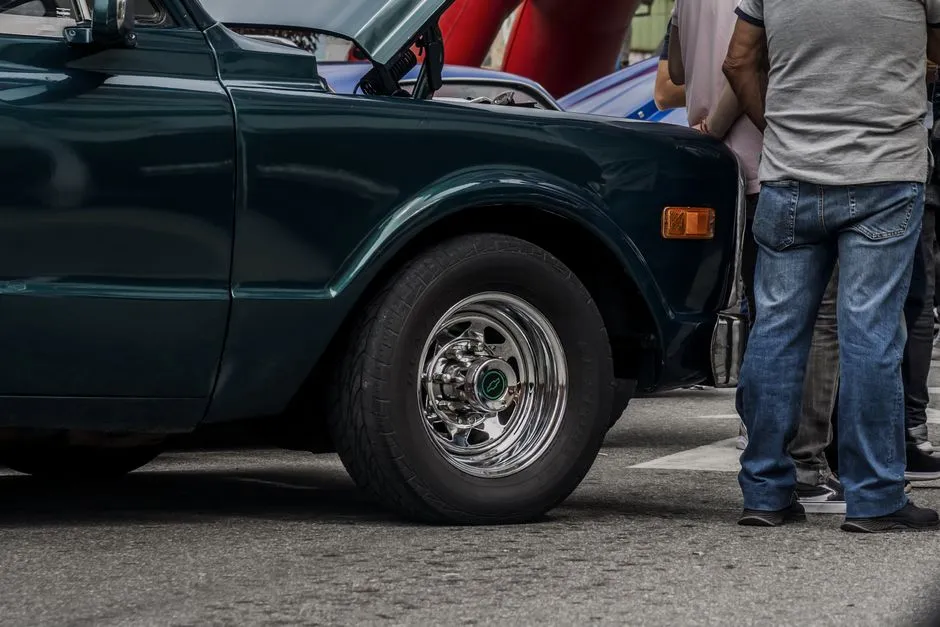
Rim and tire damage represent 14% of reported issues in rental car claims. This category includes flat tires as well as scuffs, scratches, or cracks on wheel rims, and often leads to disputes between renters and rental companies. Wheels are low to the ground, easy to ignore, and almost always overlooked during a rushed pickup inspection.
In many cases, rim damage is pre-existing and may not be clearly documented at vehicle pickup. Minor scuffs can be difficult to notice, especially in low light or when the vehicle is already worn. Damage may also occur during routine parking, such as contact with a curb, often unintentionally and at low speed. Despite the minor nature of such damage, repair or replacement costs charged by rental companies can be disproportionately high.
Windshield Damage: Small Chips, Big Bills
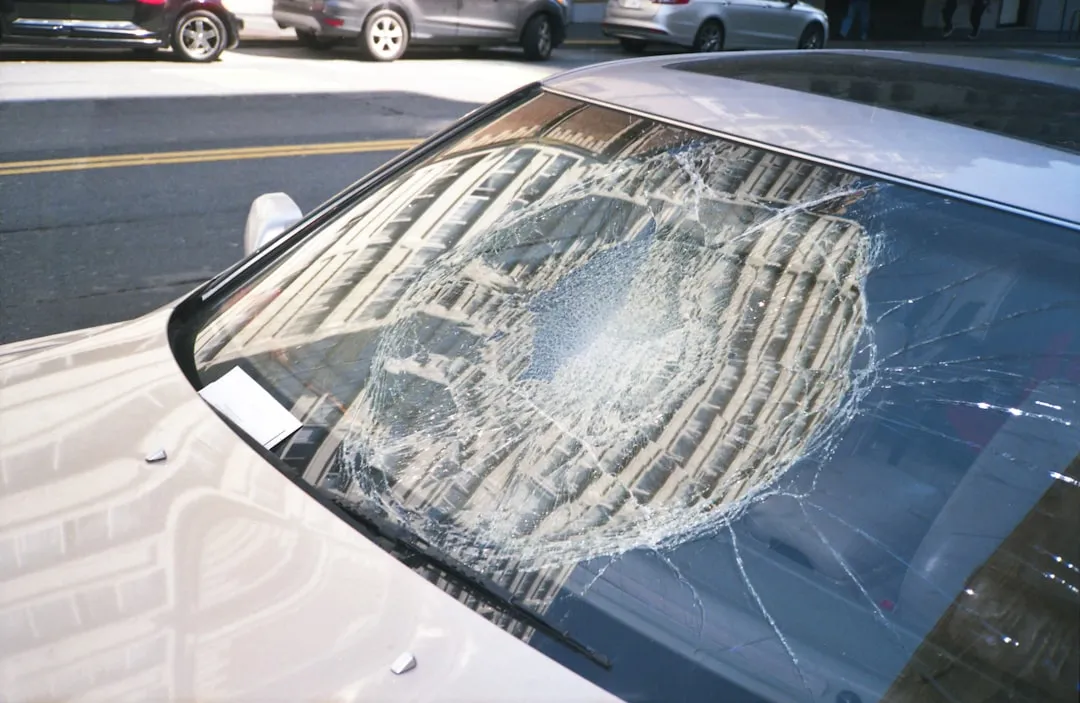
Windshield damage accounts for 6% of claims, and 99% of those cases were not the driver’s fault. That’s a remarkably consistent finding. Stone chips fly up from road surfaces whether you’re driving carefully or not, and a chip that existed before your rental can easily be attributed to you if it isn’t documented first.
Small chips in the driver’s line of sight are more serious than those near the edge, and what looks like a tiny nick can spider outward into a costly windshield replacement if ignored. A proper windshield check takes about sixty seconds. The average price charged by rental companies to fix windshield damage is around US$709. That sixty seconds is worth it.
The Financial Exposure Is Real and Specific

While the physical damage may be minor, the contractual excess applied by rental companies often ranges between €1,000 and €3,000, meaning even a small scratch can trigger a major charge. The gap between what damage actually costs to fix and what a renter is charged is one of the more frustrating realities of car rental contracts.
The cost of fixing pre-existing damage averages around US$341, while the cost of fixing real scratches caused by drivers averages US$602. If the front bumper is scratched, a renter should assume liability of US$400 to US$750. If it is scratched and deformed, the price can increase to US$800 to US$1,300. These are not hypothetical numbers. They are drawn from actual claim data.
What a Proper Inspection Actually Looks Like
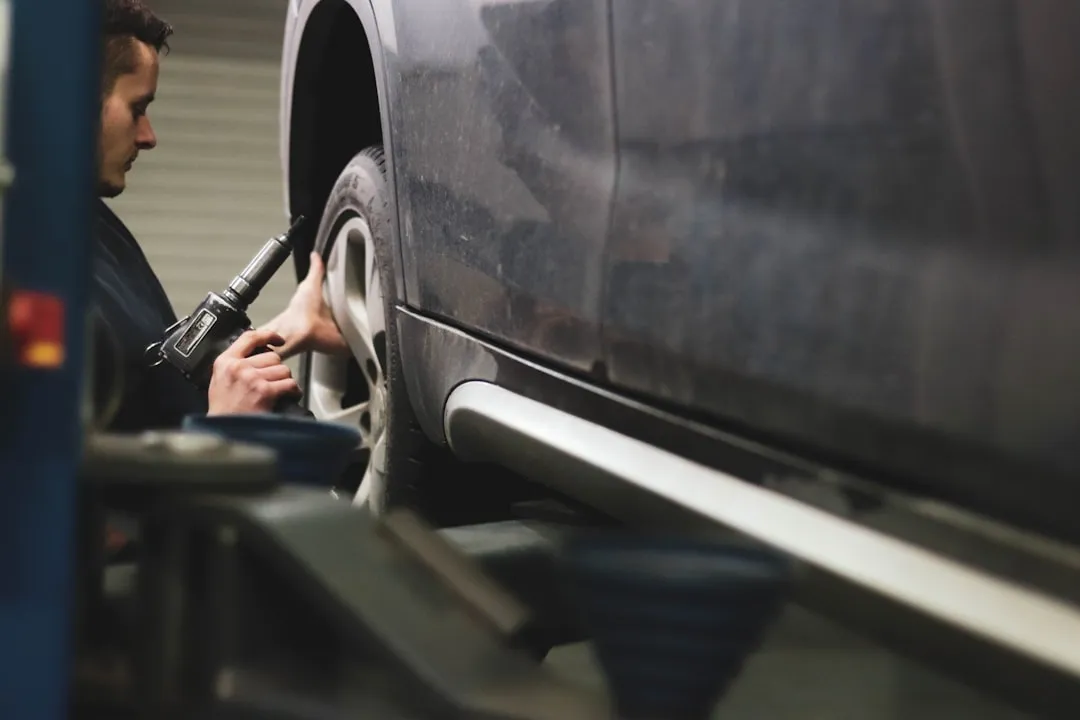
Before you drive off, inspect every surface. Walk around the vehicle, noting scratches, chips, and dents on all panels, bumpers, doors, and mirrors. Check wheels and tires for curb rash, punctures, or uneven wear. Open the hood and trunk to spot leaks or damage, and scan interior upholstery and trim for stains, rips, or tears.
Use your phone to record a single continuous video of your inspection. Show the Vehicle Identification Number, odometer reading, and fuel gauge. A continuous video is harder to dispute than individual photos because it establishes a clear, unbroken record of the car’s condition at a specific time.
How to Document It in a Way That Actually Holds Up

A 2024 Opinium survey found that nearly two in five rental car drivers discovered damage on a hire car not highlighted on the checkout sheet, and 16% had charges added to their bill that they weren’t expecting. Yet only about half take photos at pick-up and return, and fewer still take a video. The protection is available to nearly everyone with a smartphone. Most people just don’t use it.
Make sure the date and time stamp is enabled on your camera. Use broad descriptions when noting damage on the rental agreement, such as “numerous small scratches on driver side door,” rather than pinpointing each scratch individually, to cover everything. Ask the rental employee to officially record all visible damage before you leave the lot. A staff signature next to noted damage transforms your concern into a formal record.
The Return Inspection Is Just as Important

The most problematic situations often arise when damage is claimed after you’ve left the return location. Without proper documentation, you might find yourself dealing with damage charges weeks later, when it’s impossible to dispute the timing of the damage. Many travelers feel relieved when they hand back the keys and consider the rental closed. It isn’t, necessarily, until you have written confirmation.
On return, request a post-rental inspection with a signed confirmation that no new damage was found. Inspecting a rental car before you leave the lot is not an indulgence; it’s a practical habit that protects your safety, finances, and time. The few minutes you invest now yield outsized benefits if a dispute arises or a mechanical problem appears halfway through a trip.
AI-Assisted Inspections Are Changing the Game

Artificial intelligence is changing many aspects of travel, and now it’s reshaping the rental car experience. Hertz is working with a company called UVeye to inspect rental cars before and after rentals with an AI assist. These systems can detect micro-damage invisible to the naked eye, which means the documentation bar for renters is effectively rising too.
A growing share of disputes involve pre-existing or non-visible damage that may only be detectable through image-based comparison systems. When an AI scanner can flag a hairline scratch that a human agent would have missed, your own photographic record becomes even more important. The technology cuts both ways, and renters who document thoroughly are in a far stronger position.
A Simple Mindset Shift That Changes Everything
The inspection step isn’t about distrust. It’s about clarity. Rental companies process enormous volumes of vehicles, and documentation gaps are inevitable in that environment. Protecting yourself isn’t adversarial. It’s just responsible.
Whether you’re traveling for business or pleasure, a simple inspection routine can save you hundreds of dollars and hours of dispute resolution. An extra few minutes and a handful of photos may save you hundreds of dollars down the road. That’s a trade almost any traveler would take if they paused to think about it before pulling out of the lot.
The Takeaway
The rental car inspection isn’t a bureaucratic nuisance. It’s the single most practical thing you can do in the first ten minutes of any road trip. Many rental car damages are attributed to pre-existing issues, poor documentation at the time of rental, and even fraudulent claims. Your photos and a staff signature are the only reliable defense against all three.
Next time you’re standing in a rental lot, tired from a flight and eager to get moving, take the extra minutes anyway. Walk the full perimeter. Shoot the video. Get the signature. The trip begins the moment you drive through the gate, but your protection begins the moment you decide to actually look at the car.
AI Disclaimer: This article was created with the assistance of AI tools and reviewed by a human editor.