
There’s a particular quality you notice at a restaurant table when someone has been around the world a few times. It’s not about how they dress or how much they order. It’s in the small, almost invisible things: a slight pause before reaching for the bill, an instinctive glance at what the table next to them is eating before ordering, a natural ease with unfamiliar utensils. These are the quiet tells of someone who has eaten in places where the rules were completely different from home.
Cultures around the world have their own unique set of culinary traditions and customs passed down through generations, and these dining customs offer an expression of cultural identity, representing a country’s rich history, lifestyle, values, and beliefs. Frequent travelers absorb these lessons, sometimes through awkward mistakes and sometimes through deliberate curiosity. Either way, the habits stick. Here are the ten etiquette habits that give them away.
They Read the Room Before They Order
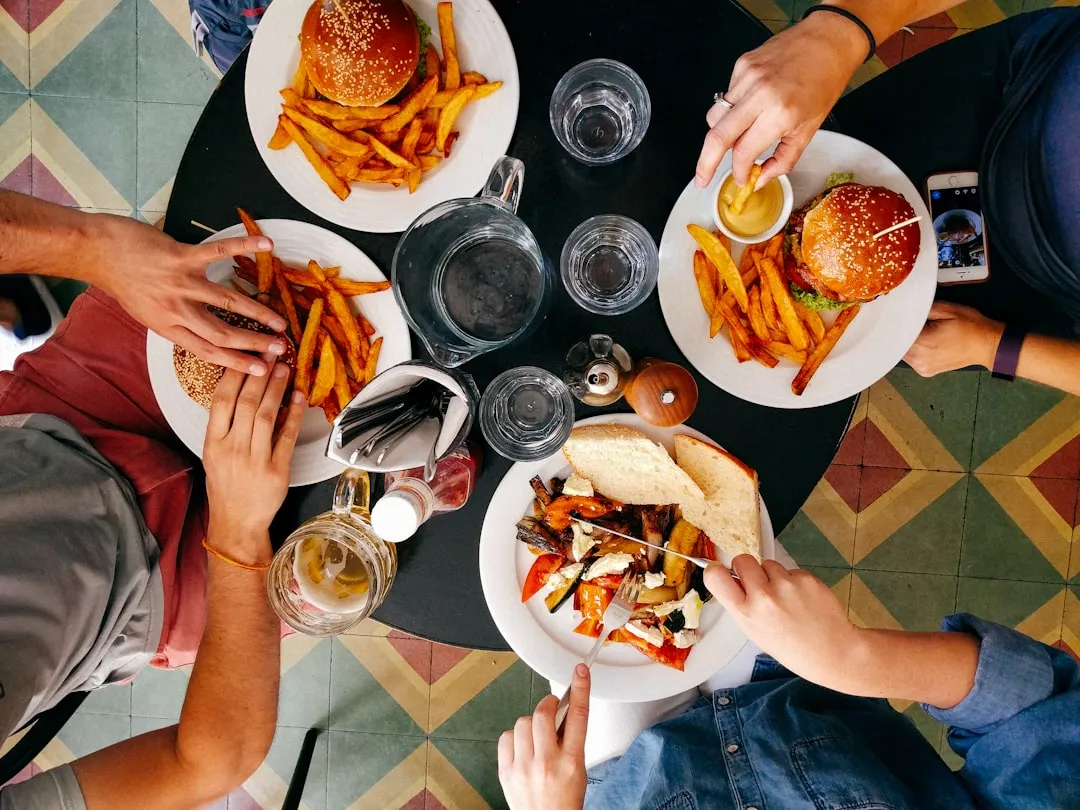
A well-traveled diner rarely opens the menu first. They scan the room, notice what locals are eating, and quietly adjust their approach. Practical considerations genuinely matter, and understanding local dining customs helps avoid disappointment before a single word is spoken to the server.
For most travelers, dining out is the default, with roughly three quarters of respondents in a 2025 survey saying they eat most of their meals at restaurants while on vacation. Seasoned travelers know this gives them genuine practice at reading a room. The dish that every local table seems to have is usually the one worth ordering.
They Never Rush the Pace of the Meal
Dining can be leisurely, especially at dinner, and rushing through courses may feel out of step in places where meals are as much about conversation as food. A frequent traveler has internalized this. They don’t flag down the server midway through a main course to ask for the bill, and they don’t check their phone every few minutes in a way that signals impatience.
This comfort with slowness is one of the clearest markers of experience. In many parts of Europe and Latin America, a two-hour dinner is not unusual; it’s expected. Seasoned food tourists pace themselves, share dishes, and mix rich meals with lighter options, understanding that the table is a place to settle into, not escape from.
They Know When to Tip and When Not To
Tipping is one of the most culturally loaded actions at any restaurant table, and getting it wrong cuts both ways. Tipping varies a great deal across the world: in much of Europe, service may be included or tipping may be modest, in the U.S. fifteen to twenty percent is typical, and in Japan, tipping is generally not expected and can feel awkward.
Research published in the Journal of Travel Research found that tourists adapt their tipping behavior to match the norms of their host country, but the adjustment is imperfect, with visitors from no-tip cultures consistently under-tipping in the U.S. not from rudeness but from a fundamentally different understanding of how service workers are compensated. The frequent traveler has made enough of those mistakes to do the research before sitting down.
They Handle Chopsticks Without Making It a Performance
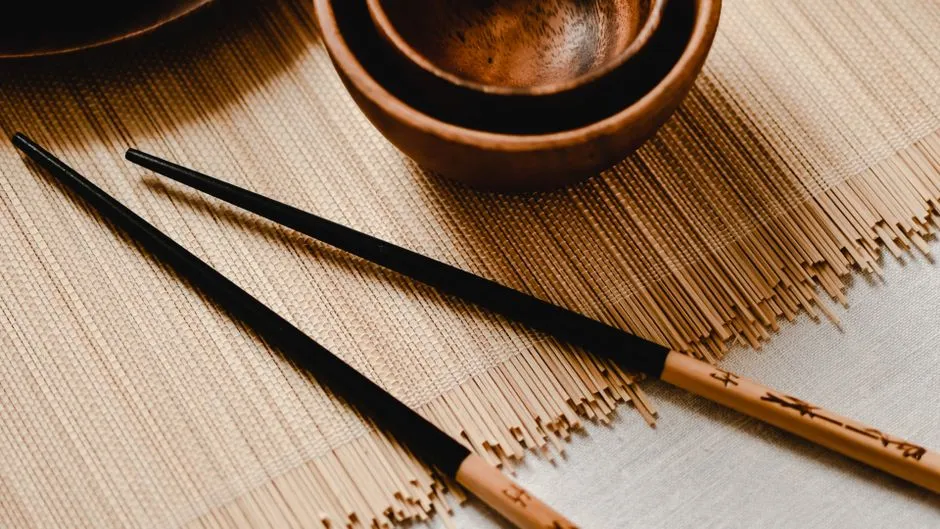
In Japan, a traveler should not cross or lick their chopsticks or pass food with them. In dining, it’s customary to use chopsticks correctly, and never stick them vertically into a bowl of rice, as this gesture is associated with funeral rites. Frequent travelers know these rules because they’ve either been corrected or did the reading beforehand.
In much of Asia, chopsticks are expected, and a few guidelines help: asking for assistance is perfectly fine, and hosts will often be flattered and pleased to help. The traveler who handles chopsticks calmly, without theatrical self-congratulation, is one who has simply done it enough times for it to feel ordinary.
They Use the Correct Hand Without Being Told
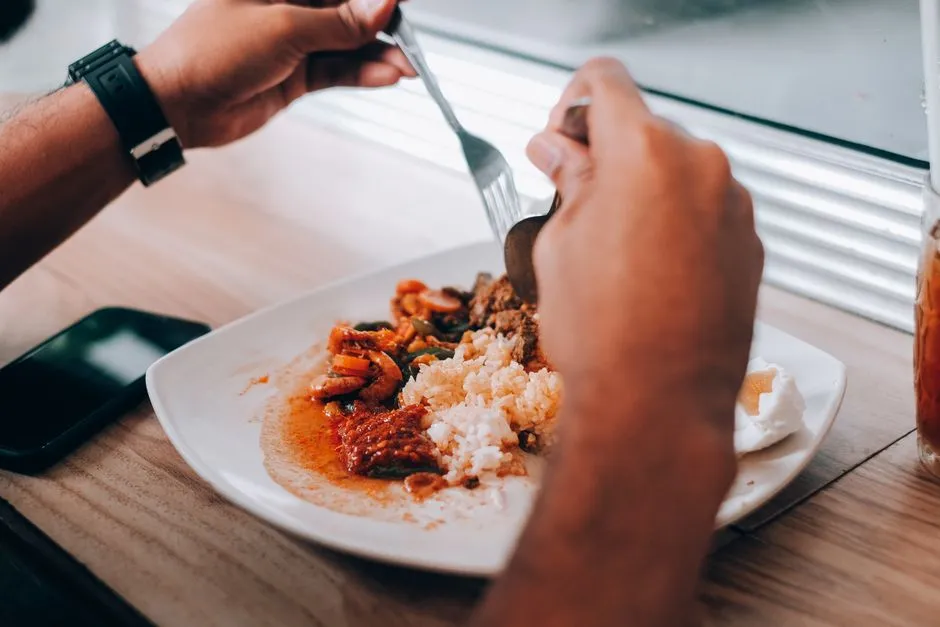
In India and across the Middle East and parts of Africa, always using the right hand to eat meals is essential, as the left hand is considered unclean. This is one of the most consistent rules across a wide range of cultures, and a seasoned traveler has it down without thinking. In many of these cultures, the right hand is used for eating, passing food, and accepting items like bread.
In India, certain areas within the Middle East, Ghana, and Ethiopia, eating with the left hand is often considered unclean, while in Chinese custom, eating anything with the hands is inappropriate. Navigating these differences gracefully, and without drawing attention to oneself, is a hallmark of a genuinely experienced traveler.
They Follow Local Drinking Customs Naturally

In France, it’s customary to wait for everyone in the group to be served before taking the first sip of wine, and it’s also customary to make eye contact when you toast. In both Japan and Egypt, it is considered impolite to pour your own drink, as someone else at the table should do it for you.
A frequent traveler picks up on these cues quickly. They don’t reach for their glass the moment it’s filled; they watch, wait, and follow the rhythm of the table. In many cultures, it’s customary to pour for others rather than yourself, and using two hands when serving elders is a sign of respect. These are the habits that locals notice and quietly appreciate.
They Adapt to the Seating and Serving Structure Without Confusion
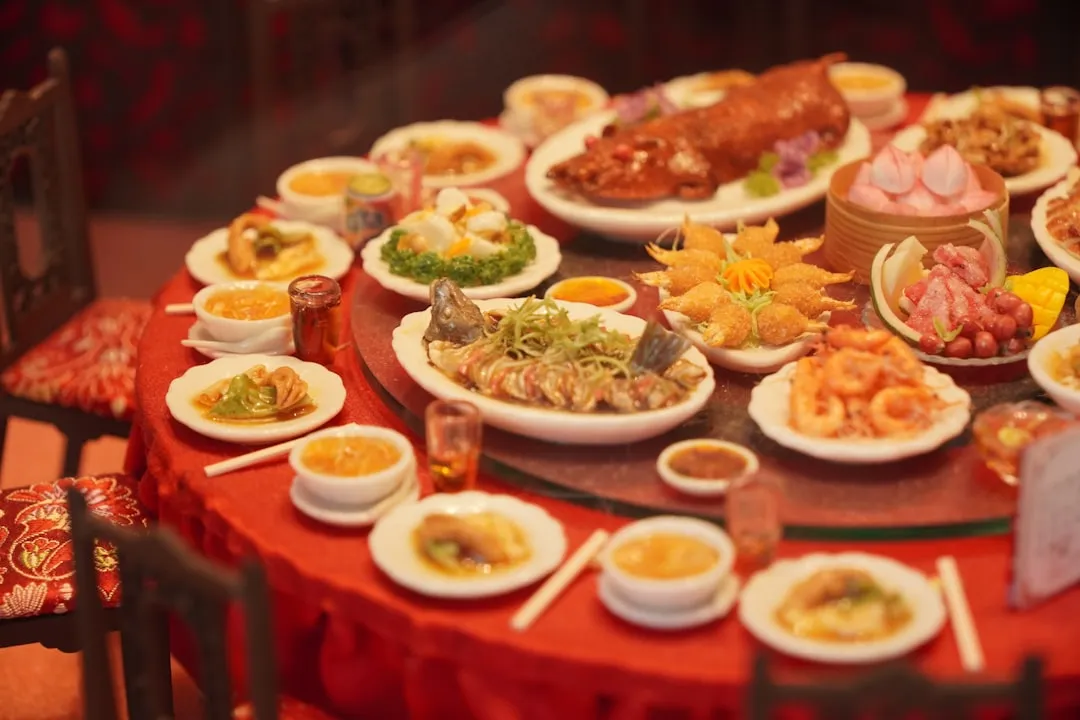
Chinese dining customs emphasize communal eating, with dishes shared among all diners rather than ordered individually, and round tables are preferred for larger groups to facilitate sharing. Seating arrangements follow a strict hierarchy based on age and social status, with the seat of honor typically facing east or the entrance, reserved for the host or eldest person.
In Thailand, dishes arrive all at once, not in any particular order. An inexperienced diner might ask why the main course arrived before the soup. A frequent traveler simply starts from wherever the meal invites them to begin. When a guide suggests a certain order for who starts eating, where to sit, or how to use utensils, it’s usually cultural etiquette, not just group logistics.
They Know When Not to Ask for Substitutions or Condiments
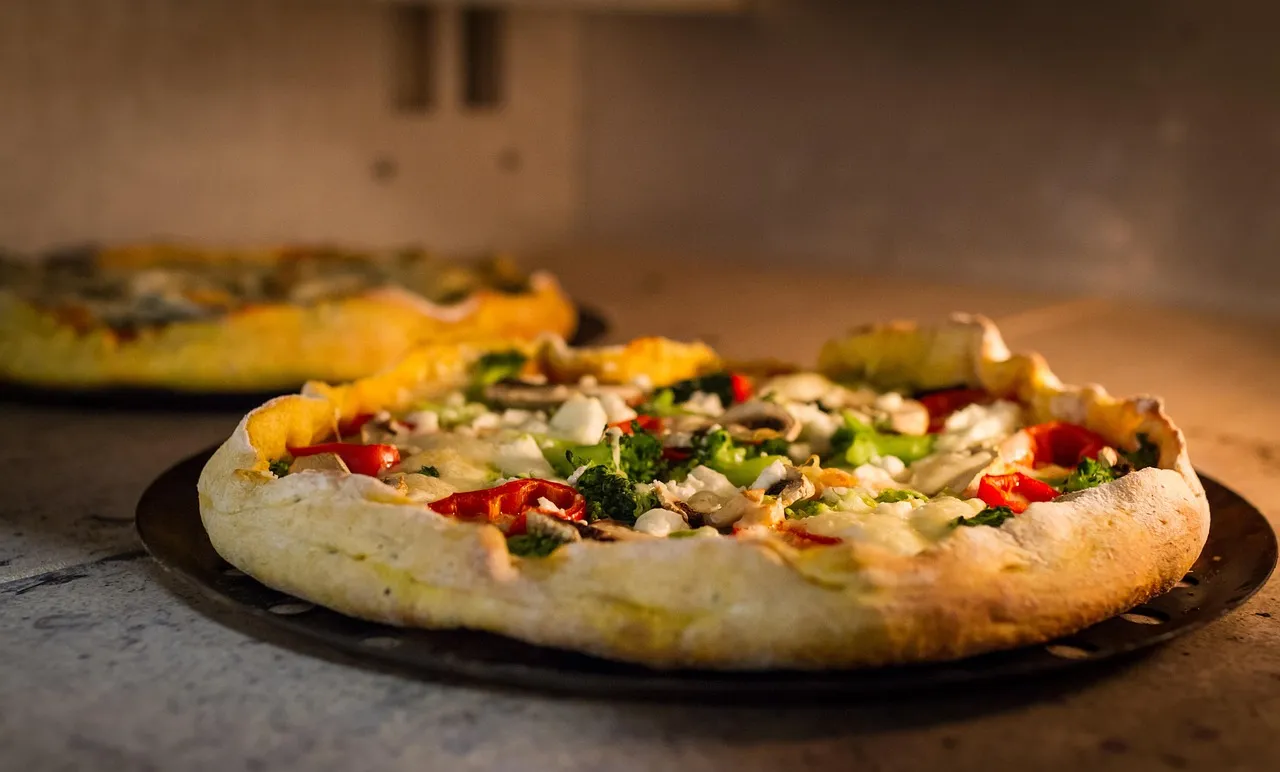
Two classic rules in Italy: don’t ask for parmesan on seafood pasta, and don’t cut spaghetti with a knife. Also in Italy, never ask for cheese, ketchup, or other condiments to put on your pizza if they aren’t offered to you. These aren’t arbitrary rules. They reflect a deep respect for how a dish was designed to be eaten, and asking to alter it signals a lack of trust in the kitchen.
Frequent travelers have learned that modifying a dish in many countries, particularly in Japan, France, and Italy, can come across as dismissive. They order what’s on offer, eat it as it arrives, and save their preferences for a cuisine more accustomed to customization. It’s a small act of deference that speaks volumes.
They Approach the Bill the Way Locals Do
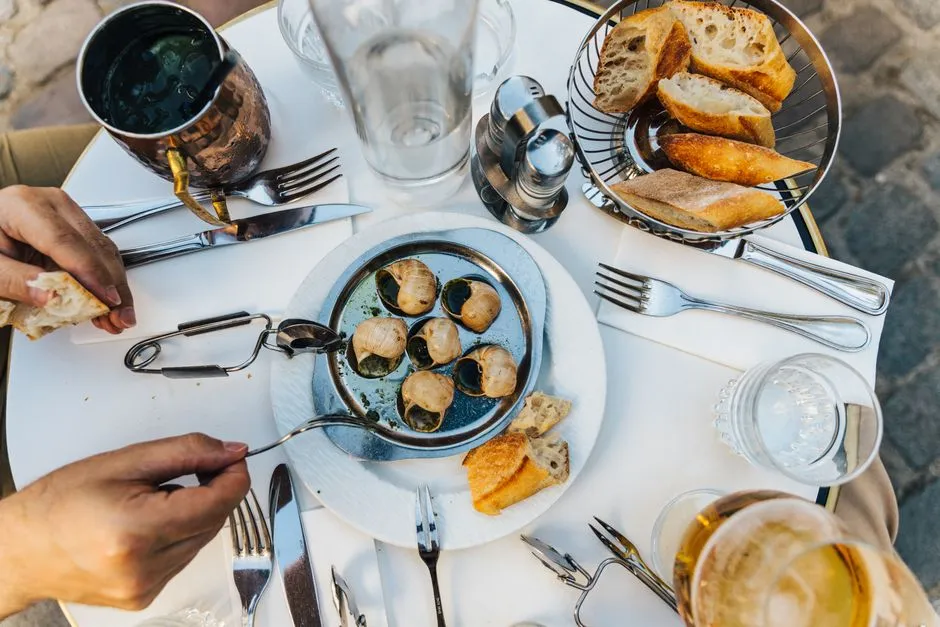
Eating out is a fairly common occurrence in France, but whether you’re out with friends or acquaintances, splitting the bill is considered highly unsophisticated, and the custom is either to offer to pay the bill fully or let someone else do so. In contrast, splitting evenly is entirely normal in many parts of Northern Europe and North America.
The rules that apply to dining ensure that you do not offend your host, dining guests, or the culinary establishment you frequent, and those rules vary significantly depending on where you are in the world. Frequent travelers don’t assume the custom they grew up with is universal. They read the situation, they offer, and they follow the lead of whoever they’re dining with.
They Treat Dining as Cultural Participation, Not Just a Meal
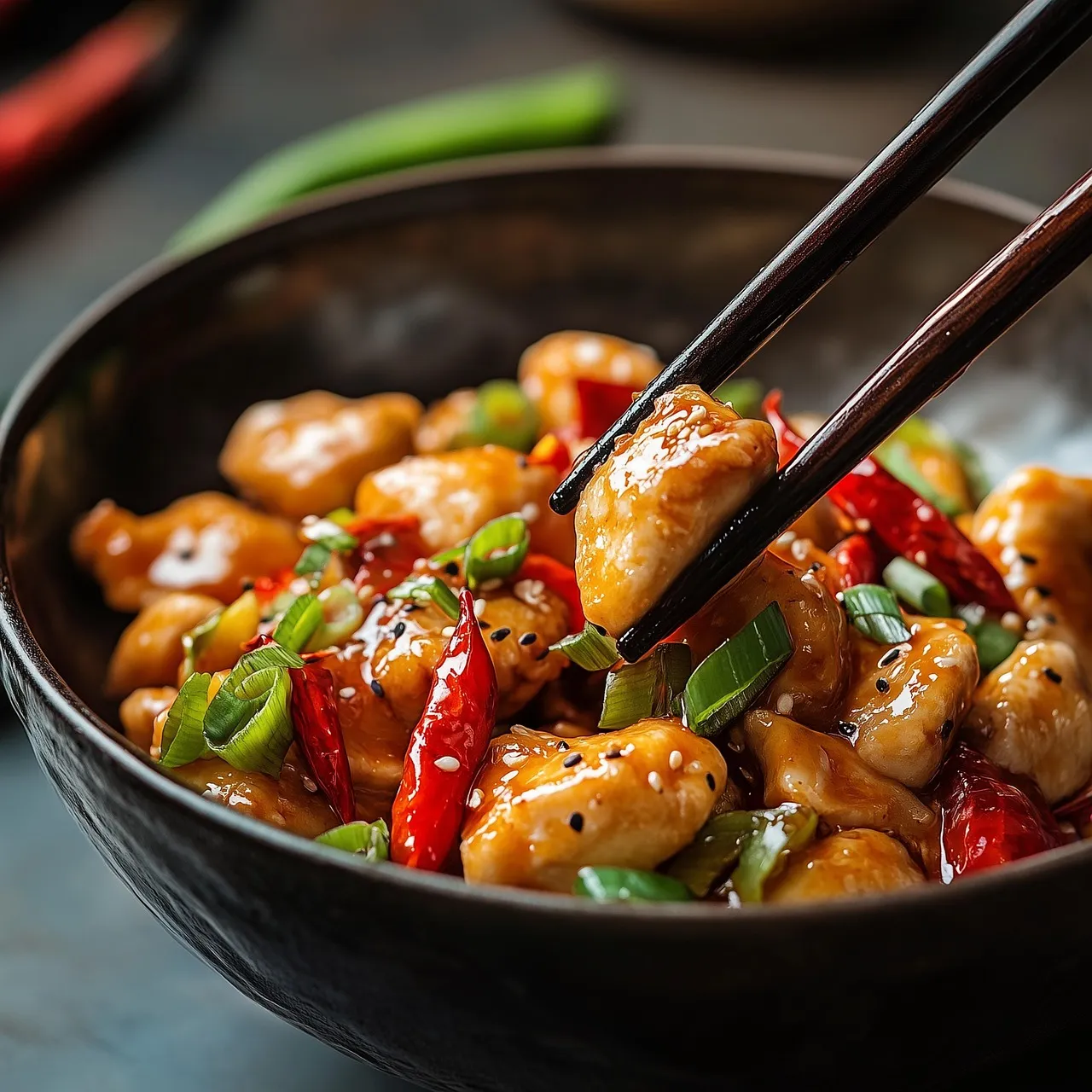
Food is an integral part of human culture and society, serving as a medium for expression, tradition, and connection, while dining etiquette varies dramatically across the globe and reflects cultural norms, social structures, and historical influences. Understanding these diverse perspectives enriches our experiences and fosters respect and appreciation for different customs.
Table manners and etiquette vary across different cultures and reflect values, traditions, and social norms of different societies, which are the core parts of cross-cultural understanding. A frequent traveler approaches every meal as a small act of participation in that culture, not just fuel, not just a photo opportunity. Cultural awareness is an ongoing process of learning and adaptation, and efforts to understand and respect local customs are appreciated by people around the world.
The Takeaway

The habit that most instantly signals a frequent traveler at a restaurant isn’t any single rule. It’s the underlying posture: attentiveness, adaptability, and a genuine willingness to follow the lead of the culture you’re in. As you venture across the world, being mindful of and respecting local customs enriches your travel experience and helps foster mutual respect and understanding, with observation, adaptability, and a respectful approach to cultural differences being key to being a good guest in any country.
The most well-traveled people at the table are often the quietest ones. They’re not performing knowledge. They’re just eating the way the place intended, and that ease, earned through years of showing up curious and a little humble, is the most recognizable signal of all.
AI Disclaimer: This article was created with the assistance of AI tools and reviewed by a human editor.