

How Much Airport Water Actually Costs You
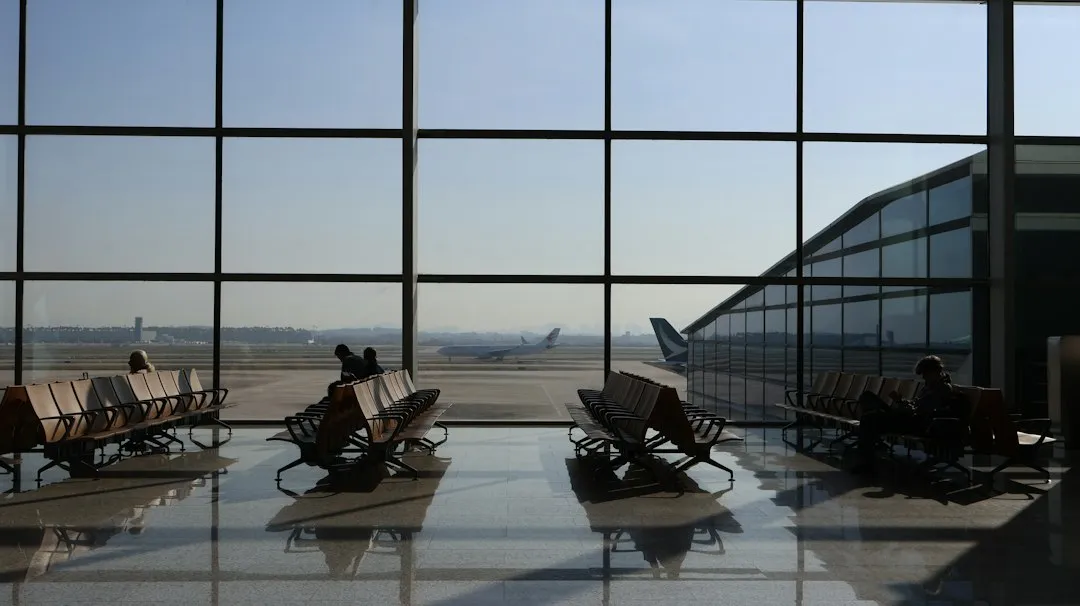
A standard 16.9-ounce bottled water often runs between $3 and $5 at US airports, even in lower cost-of-living cities. At busy international terminals and major hubs in New York, prices have been documented climbing even higher. Some travelers report paying close to $10 for a single bottle of water at airport shops.
On a single 10-day trip, buying three bottles of water a day at an average of $4 each adds up to $120. With a reusable bottle, that cost drops to essentially zero. Most people don’t do this math until they look back at a trip and wonder where the small expenses went.
The Real Annual Savings for Regular Travelers
Consumers can save an average of around $308 each year by using a reusable water bottle instead of buying bottled water. For someone who travels frequently, that figure can climb considerably higher once airport markup pricing is factored in.
Using a reusable water bottle saves roughly $309 per person annually, which translates to over $6,000 across five years. That’s a meaningful number for any budget-conscious traveler, and it comes from one of the most effortless lifestyle shifts available.
TSA Rules Are Simpler Than Most Travelers Think
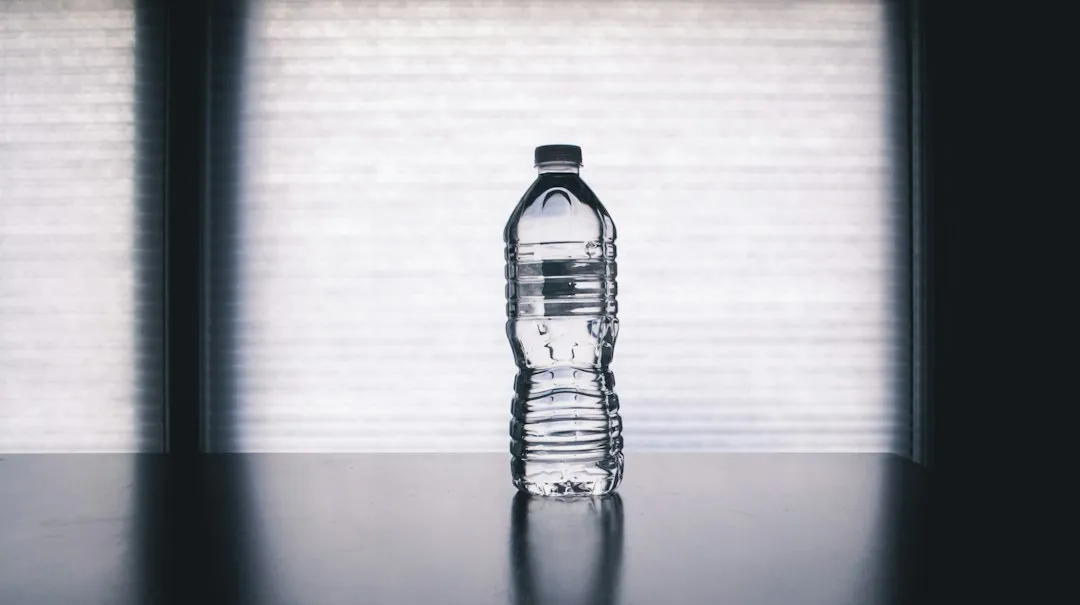
An empty reusable water bottle is allowed through TSA screening. The key is that it must be empty at the checkpoint. After clearing security, you can refill it at a water fountain, bottle filling station, or from a post-security purchase.
Empty reusable water bottles are exempt from the TSA’s 3-1-1 liquid rule and can be brought through security as long as they’re empty. You can then refill them at water fountains or bottle filling stations once past the checkpoint. The routine takes about thirty seconds of planning and saves dollars every time.
Airport Refill Stations Are More Widespread Than You’d Expect
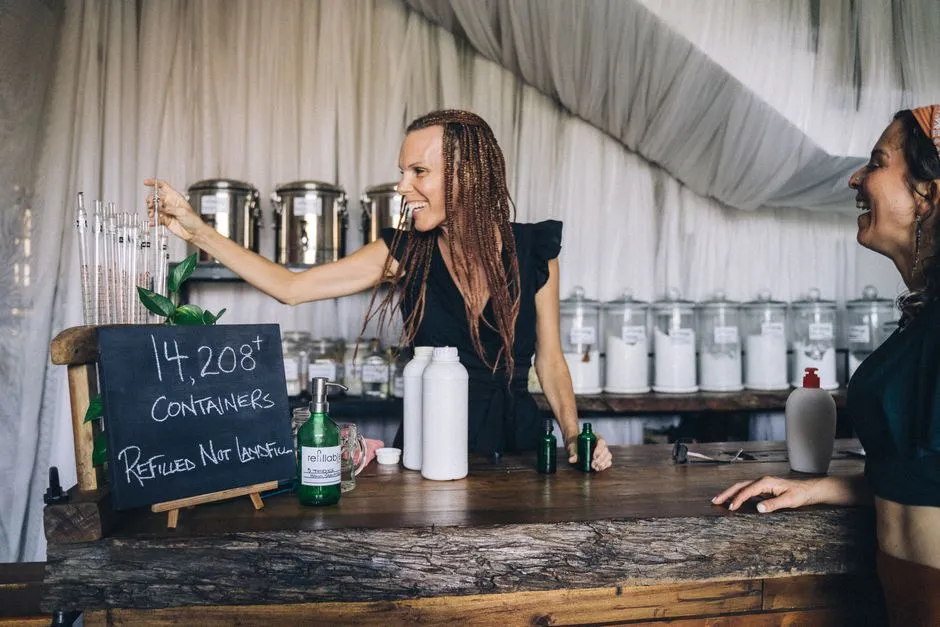
Airports, railway stations, universities, offices, national parks, and hotels increasingly provide refill points, making an empty bottle useful even after passing through security. The growth in these stations has been steady, responding to both environmental pressure and traveler demand.
After passing through the airport security checkpoint, travelers are free to fill their empty water bottles. Most airports have designated water refill stations or traditional water fountains near restrooms and food courts. Refill stations near restrooms, airport lounges, and some departure gates provide free water, and flight attendants can also refill bottles on request.
The Plastic Waste Problem Behind Every Purchase
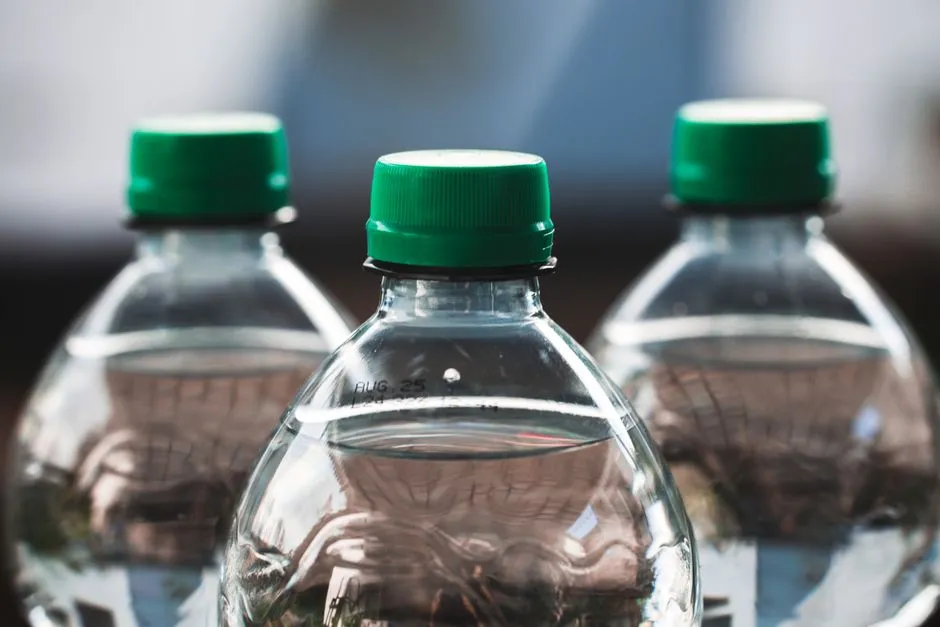
Americans buy about 50 billion disposable water bottles each year, which is roughly 156 plastic bottles per person annually. Every airport purchase contributes to that total, and the recycling rate offers little comfort.
About 77% of disposable plastic water bottles are not recycled. One reusable bottle effectively stands in for roughly 150 single-use bottles a year, which is where the environmental savings accumulate. That’s a meaningful displacement coming from a single item that fits in a carry-on side pocket.
What a Quality Bottle Actually Costs – and When It Pays Itself Off
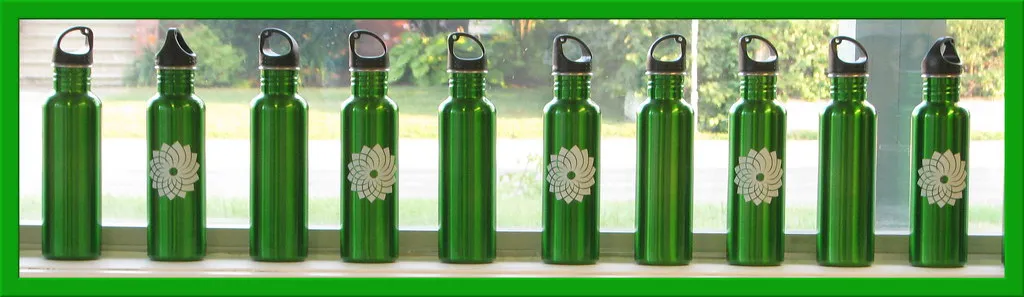
A high-quality reusable bottle can be purchased for around $20 to $50, which means you can save hundreds of dollars in just the first year of switching. Given how quickly airport water prices pile up, payoff typically happens within the first few weeks of consistent use.
A reusable water bottle can be refilled up to 800 times, significantly offsetting the cost of disposable plastic bottles. Even budget-friendly options hold up well for years of travel use. The cost-per-use math is impossible to argue with.
The Growing Market for Travel-Ready Bottles
The global reusable water bottle market has demonstrated consistent upward growth at a compound annual growth rate of 4.7%, reaching $9.3 billion in 2022 and growing to $9.7 billion in 2023. That trajectory reflects a genuine shift in how travelers think about hydration on the go.
Collapsible, travel-friendly designs made from silicone or lightweight polymer are increasingly preferred by travelers and outdoor enthusiasts. In 2024, Nomader and Hydaway reported a 28% year-over-year increase in sales of foldable models, particularly through e-commerce platforms during travel seasons. Compact designs have removed the last excuse for not packing one.
How Cabin Conditions Make Hydration More Urgent
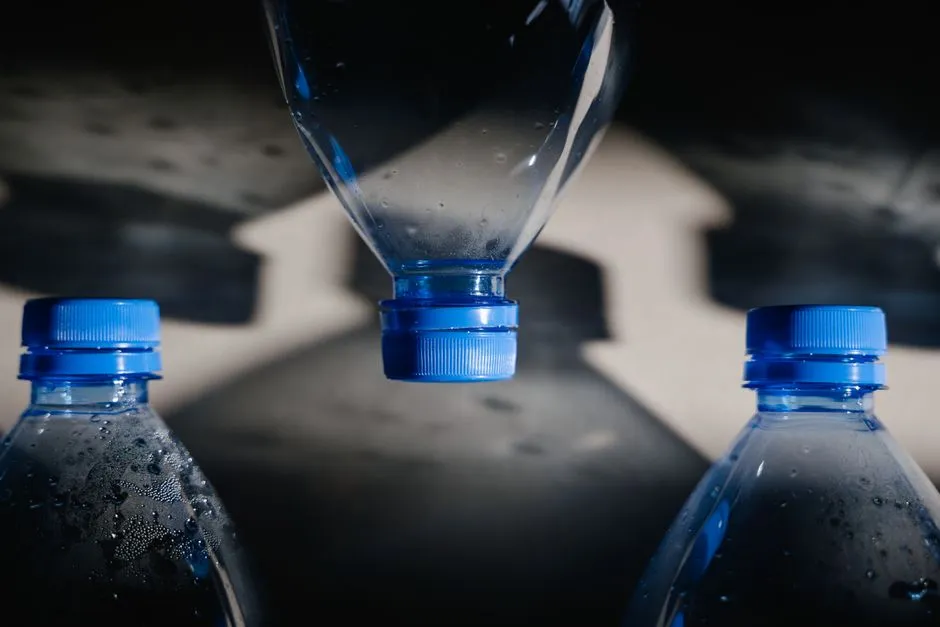
With lower cabin humidity and many airlines no longer offering complimentary beverages, bringing your own water bottle has become essential. Pressurized cabin air is notably dry, and even a short flight can leave passengers dehydrated without them noticing.
Filling your bottle before boarding and topping it off at the gate means you’re not dependent on limited in-flight service or overpriced trolley drinks at 30,000 feet. Topping off before boarding ensures you’re not relying on limited in-flight service. It’s a small act of self-sufficiency that makes a real difference on longer routes.
The Environmental Multiplier Effect
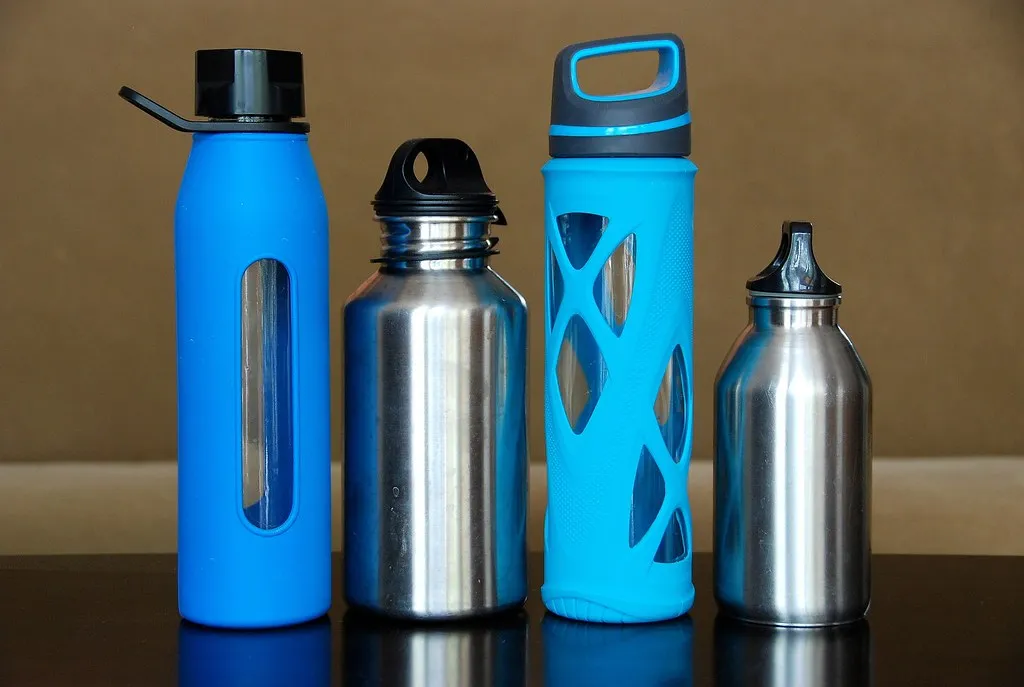
Using reusable bottles reduces carbon emissions by roughly 79% and saves approximately $309 annually per person compared to buying bottled water. When you scale that across frequent travel over a lifetime, the combined financial and environmental return is substantial.
One person with a reusable bottle prevents between 120 and 156 single-use plastic bottles from becoming waste annually. At 156 bottles a year, each person switching to a reusable bottle saves just over 1.5 kilograms of plastic from being produced in the first place. The math here is personal and immediate, not abstract.
Simple Habits That Make the System Work Every Time
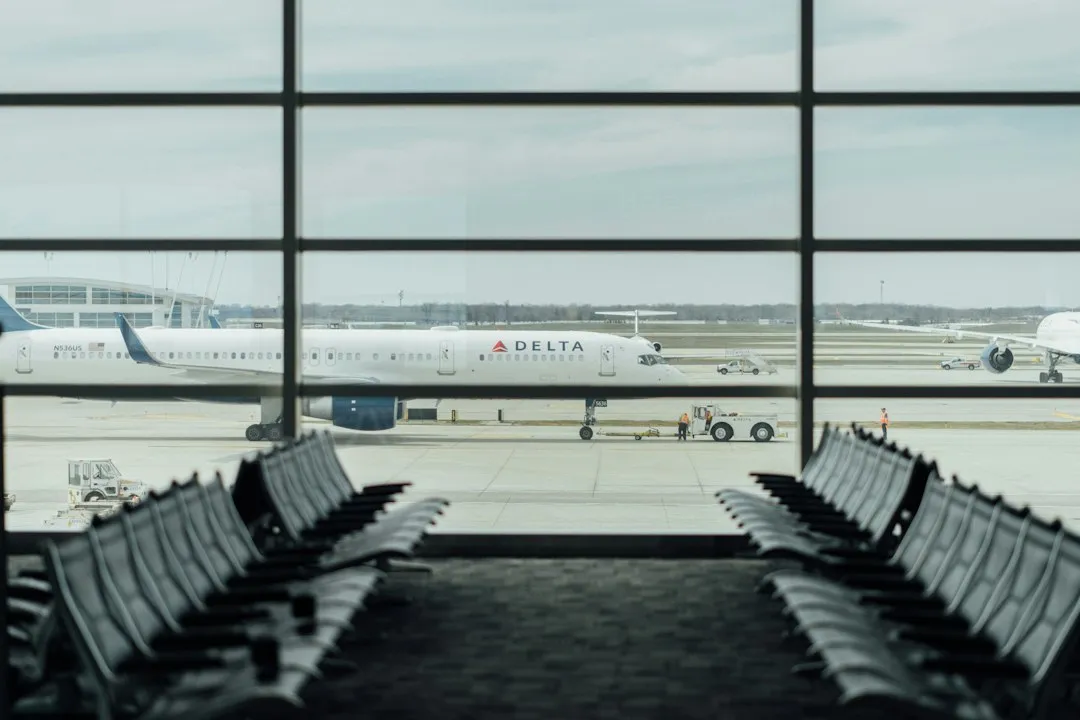
A reliable airport-day routine starts with filling the bottle at home and then drinking or emptying it before reaching TSA. After clearing security, refilling immediately rather than waiting until the gate is the smarter move, since filling stations can be busy.
Most airports now have refill stations right past security, so the routine is simple: drink or empty the water before reaching the scanner, send the empty bottle through, and fill it back up on the other side. Once the habit is locked in, it becomes completely automatic. No extra thought, no extra spending.
The Takeaway
Airport pricing is deliberately designed to catch you when your options are limited and your schedule is tight. A reusable water bottle quietly closes that gap. It costs less than a single week’s worth of airport bottles, pays for itself almost immediately, and keeps serving you across hundreds of trips to come.
The habit doesn’t require discipline or sacrifice. It just requires remembering to pack one. Considering the savings, the environmental return, and the convenience of having water on hand whenever you need it, that’s about as low-effort a travel upgrade as there is.
AI Disclaimer: This article was created with the assistance of AI tools and reviewed by a human editor.