
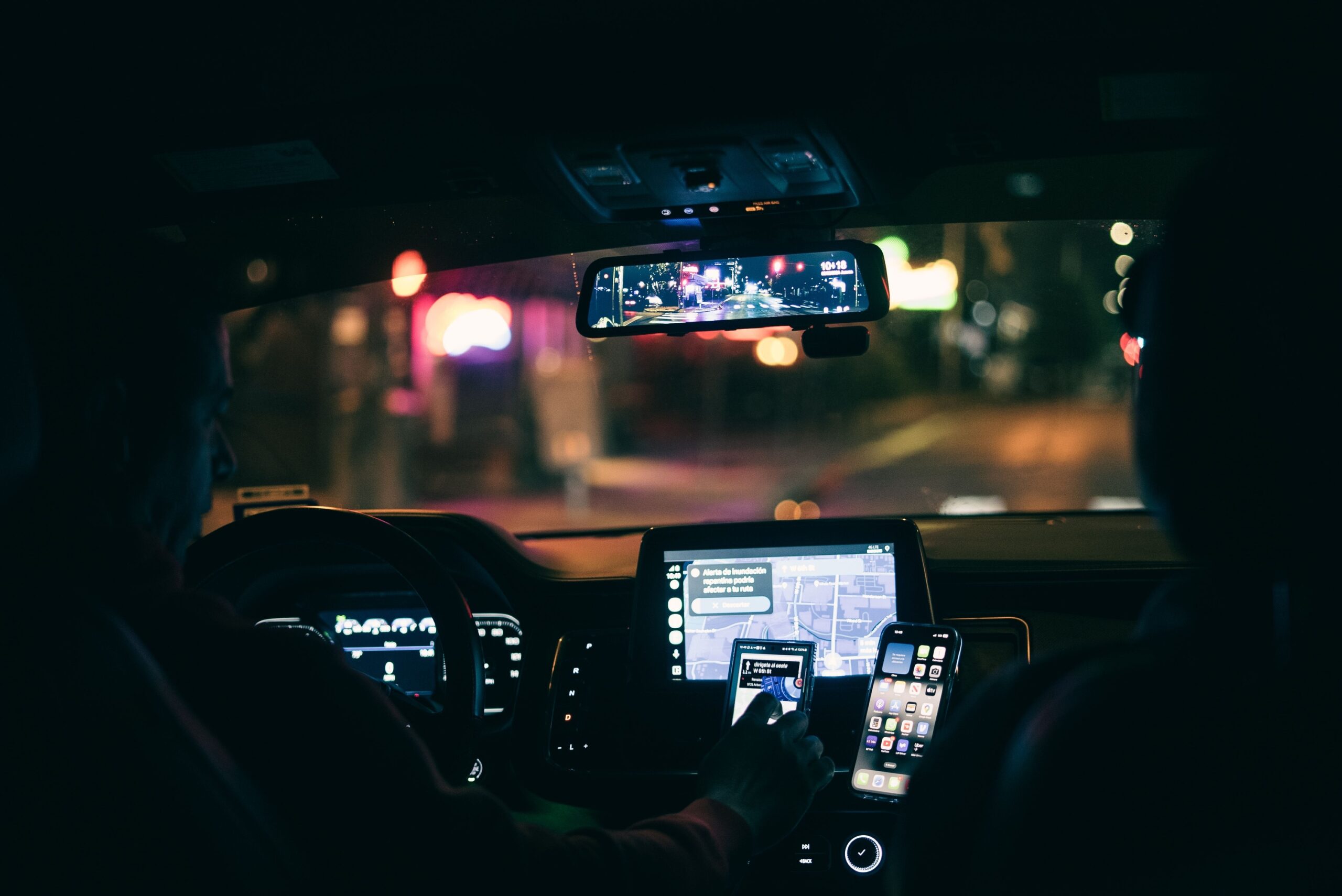

Most people climb into a rideshare and give very little thought to how their behavior lands on the other side of the seat. The app makes it feel frictionless – tap, confirm, ride, done. What gets lost in that convenience is the fact that you’re stepping into someone else’s workspace, one they’ve often cleaned, maintained, and organized before your arrival.
Roughly a quarter of rideshare app users book trips monthly, and well over a third of Americans have used the service at least once, which means passenger conduct has become a genuinely widespread issue. The habits covered below are not obscure courtesies. They’re patterns that drivers report seeing day after day, and some carry real consequences for everyone involved.
Not Being Ready at Pickup
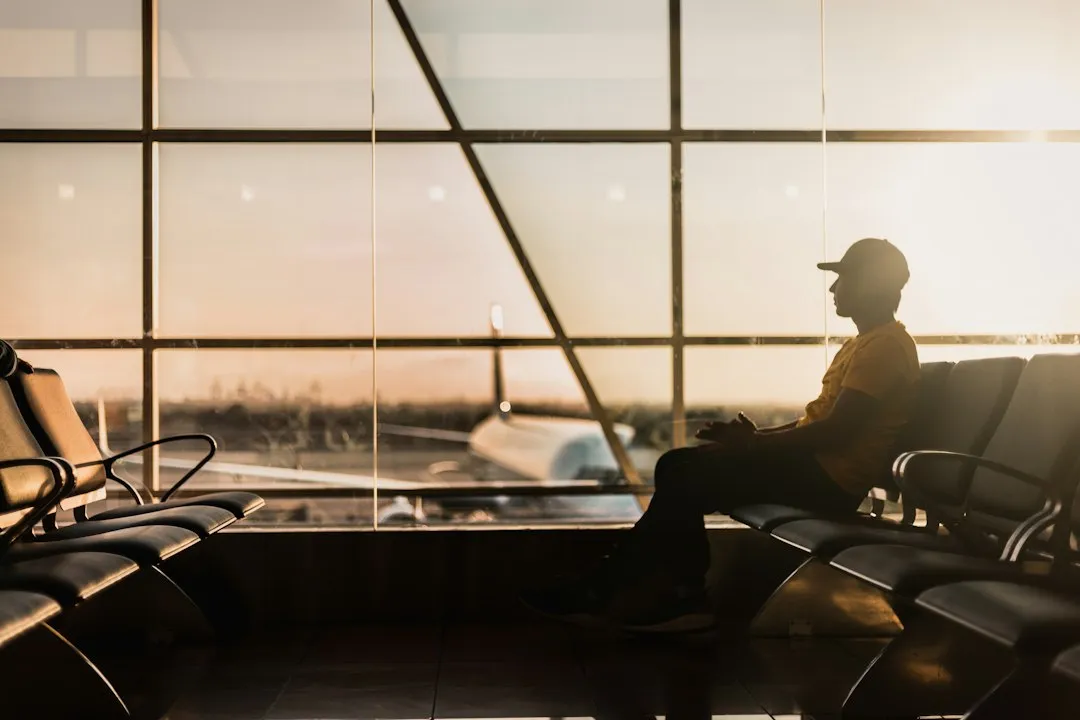
Keeping a driver waiting is one of the most commonly cited passenger misdeeds, reported by roughly one in four drivers surveyed. When you request a ride, the clock starts ticking for the driver immediately. They navigate traffic, find your address, and idle at the curb while you finish your coffee or look for your shoes.
When your driver pulls up, being ready is a courtesy they’ll appreciate, and if you’re in a safe, well-lit area, waiting outside can make pickup quicker and easier. Every wasted minute at a pickup costs a driver real earnings, since the per-minute waiting rates rarely compensate for idle time.
Skipping the Tip

Payment habits keep pressure high, with tips often skipped when handled through the app and easy to ignore after the ride ends. The in-app tip prompt appears after you’ve already stepped out and moved on, which makes it psychologically easy to dismiss.
Roughly three in five passengers say they tip their driver after every ride, though younger generations are notably less likely to tip compared to older riders. Of those who do tip, the largest share tends to leave ten percent or less. For drivers who depend on the full fare plus gratuity to make their hours profitable, those skipped tips add up fast over a day of rides.
Slamming the Car Door
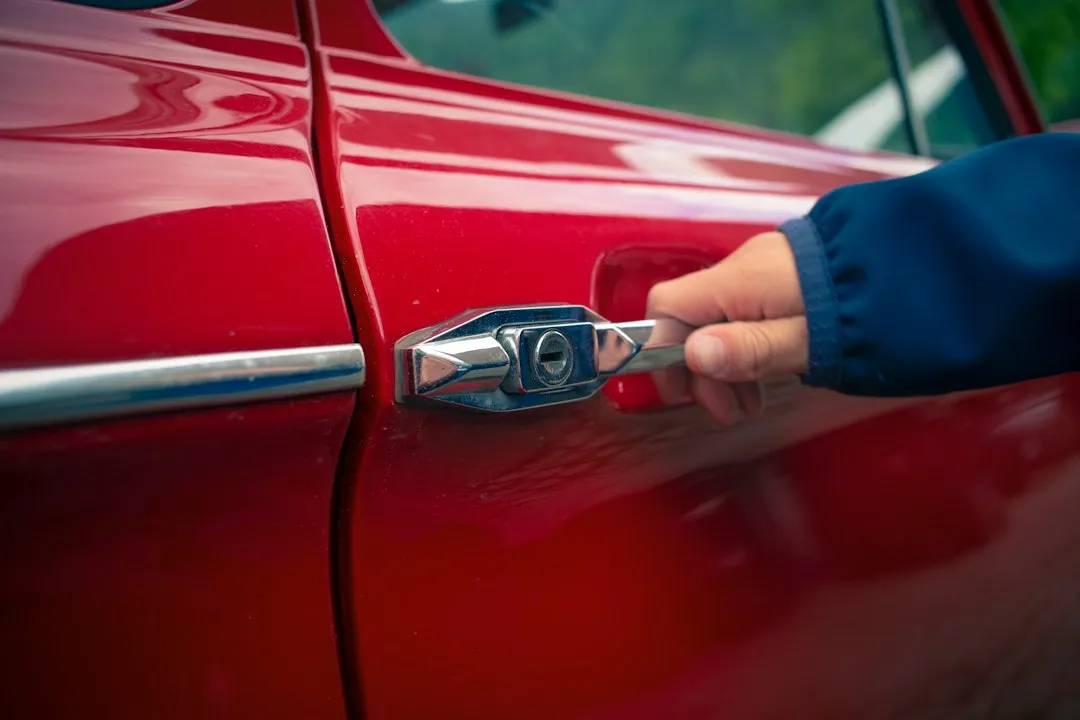
Passenger behavior such as hard door slams can wear down hinges and latches over time, leading to added maintenance or repair costs. It might feel like a minor thing in the moment, but drivers’ vehicles are their primary earning tools. Repeated impact stress genuinely shortens the lifespan of door hardware.
A firm, controlled close takes no more effort than a slam. Most drivers won’t say anything to avoid an awkward exchange, but they do notice and remember. It’s one of those habits that signals whether a passenger respects the space they’re borrowing.
Adjusting Temperature, Windows, or Music Without Asking
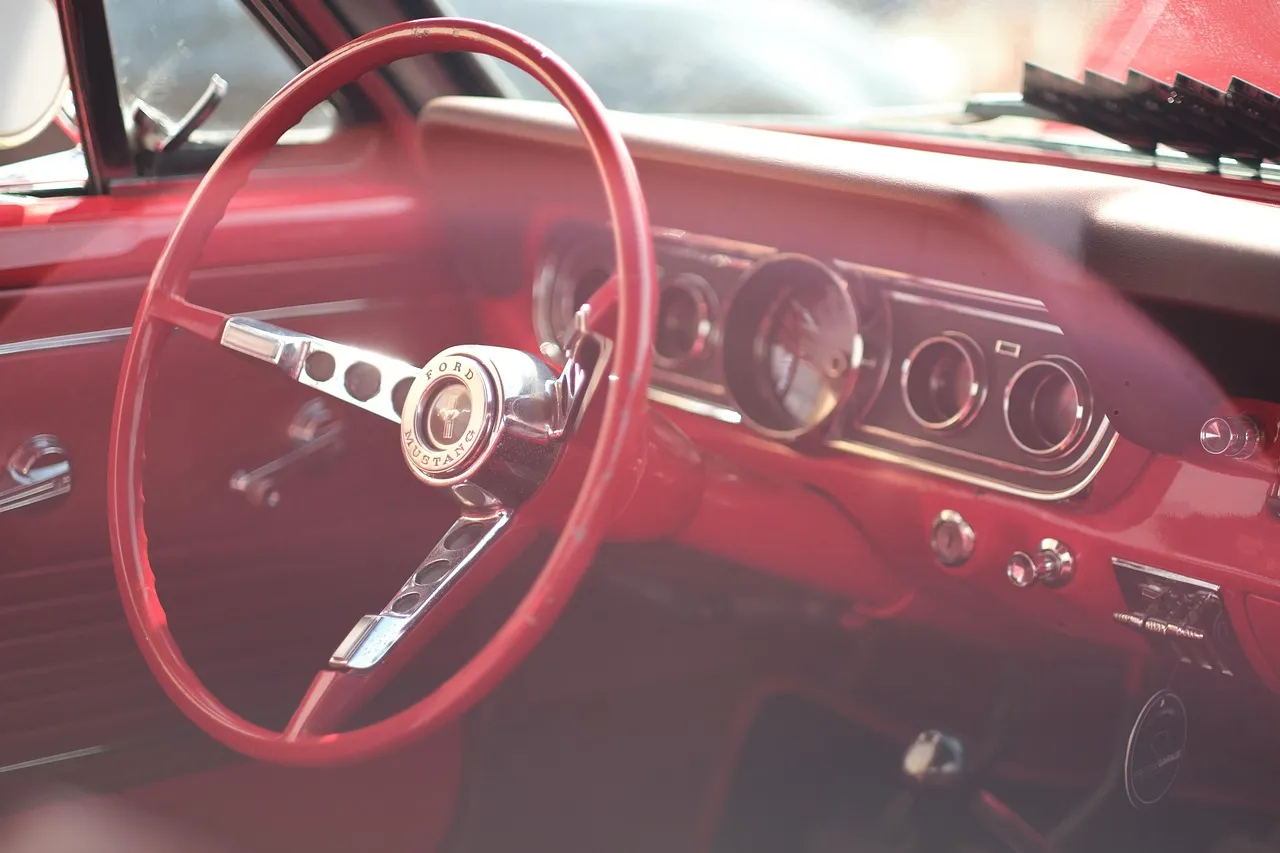
Riders commonly adjust windows, air conditioning, or audio without asking, turning a simple trip into an awkward standoff over basic boundaries. A driver may have the temperature set for comfort during a long shift, or the music chosen to keep them alert. Reaching over and changing it unilaterally, without a quick word, tends to rankle.
A simple “is it okay if I roll down the window?” reframes the moment entirely. Most drivers are genuinely happy to accommodate. It’s the assumption of control, not the request itself, that creates friction. That one small acknowledgment is really all it takes.
Bringing Extra, Unbooked Passengers
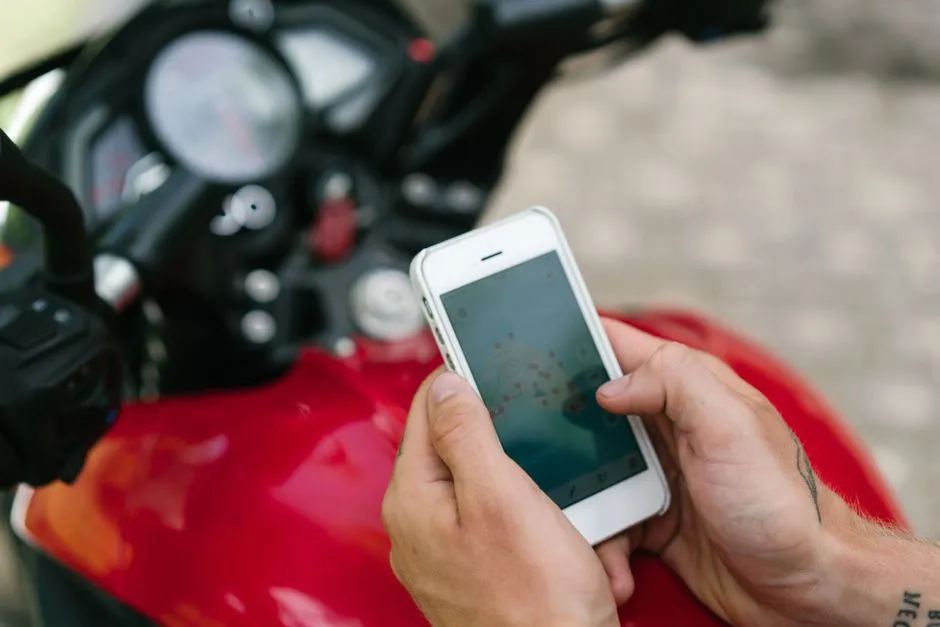
Some groups try to squeeze in extra people, which violates platform rules and puts everyone at risk if there is a crash, and drivers may have to cancel or refuse the ride on the spot, leading to arguments at pickup and wasted trips. Each platform sets capacity limits tied to insurance coverage and vehicle safety ratings. Exceeding those limits isn’t just a policy issue – it’s a liability one.
The awkwardness of that curbside standoff, with one person having to wait for a separate car, is entirely avoidable. Book correctly for your group size. It takes ten seconds in the app and prevents a genuinely uncomfortable situation for everyone.
Giving Unfair Low Ratings

Payment habits and ratings keep pressure high, and a single low rating can cut into future bookings even when delays come from traffic or route changes the driver cannot control. Drivers’ star averages directly affect their visibility within the platform and their ability to receive ride requests at all. A rating of three stars, which feels neutral to a passenger, can be algorithmically damaging to a driver.
More passengers tip their drivers than rate them at all, with only about half of passengers leaving a star rating after every ride. When ratings do come in, they often reflect frustration with things outside the driver’s control – traffic, surge pricing, a wait time caused by app routing. That’s a real and persistent unfairness baked into the system.
Telling the Driver Which Route to Take
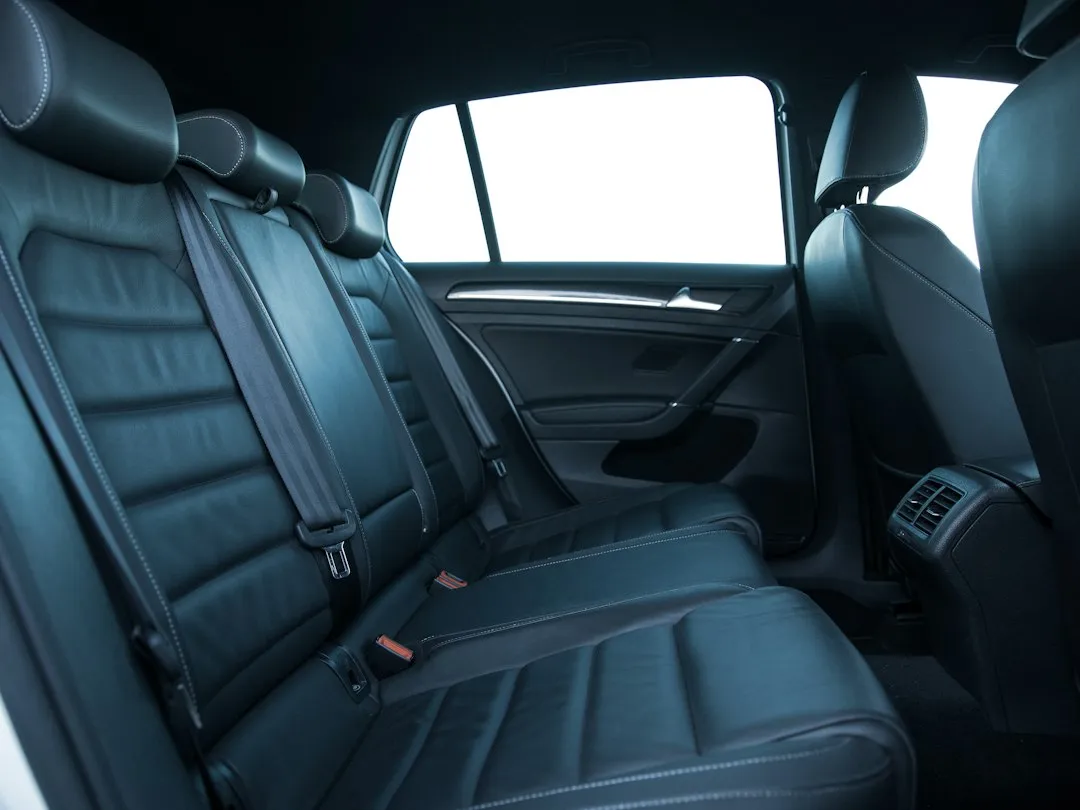
Drivers may follow traffic patterns or safer roads, while passengers insist on shortcuts that don’t match current conditions, and disagreements often center on control of the route rather than the route itself. Most experienced drivers know their city’s traffic rhythms well. Navigation apps also update in real time, accounting for accidents, lane closures, and signal timing that a passenger’s mental map can’t factor in.
If you genuinely have a strong preference for a specific route, mention it politely at the start and let the driver weigh in. That’s a conversation. Backseat directing mid-ride, especially with a frustrated tone, creates tension that makes the rest of the trip uncomfortable for both people.
Leaving the Car in Poor Condition
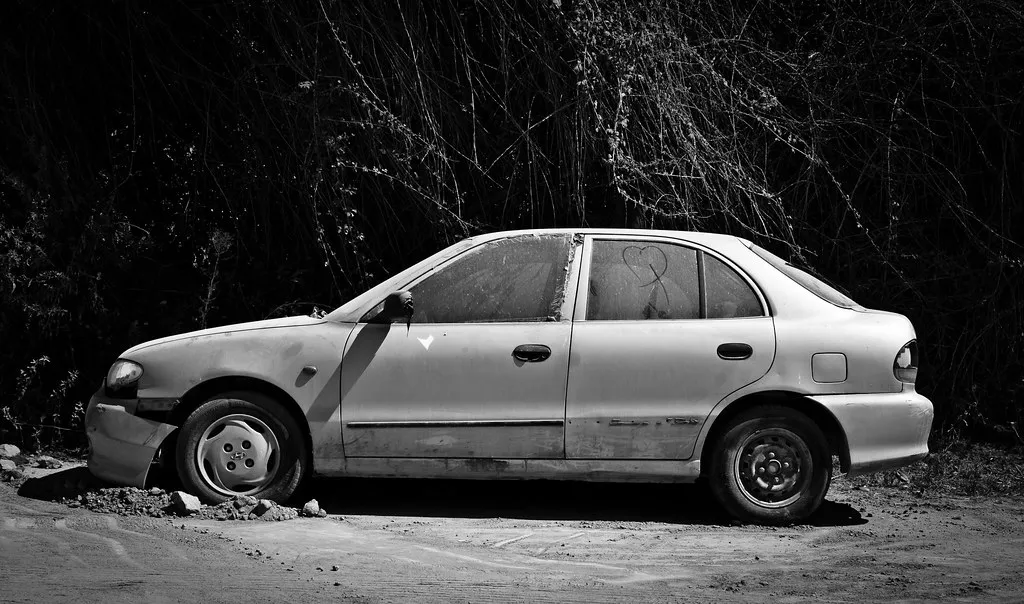
From littering to making obnoxious noises, certain annoying habits passengers exhibit go beyond basic comfort and reflect a broader disregard for shared space. Food wrappers, spilled drinks, and forgotten trash are not just a hassle – they can force a driver to take time off the platform to clean up before their next ride, which is uncompensated downtime.
Some platforms allow drivers to charge a cleaning fee for significant messes, but proving the mess came from a specific rider is not always straightforward. The simpler answer is to take your garbage with you. The car will host a dozen other passengers after you, and the driver’s ability to earn depends on it being presentable.
Being Chatty When the Driver Wants Quiet (Or Silent When They Don’t)
Being overly chatty with drivers is flagged by roughly a quarter of drivers as a common passenger misdeed. Interestingly, the reverse also happens – some drivers appreciate conversation as a way to stay alert on long shifts, and a completely silent passenger can make the environment feel cold. Reading social cues matters here.
A brief, friendly exchange at the start usually signals enough to both sides. If the driver responds warmly and keeps talking, they’re open to conversation. If they give short answers and seem focused on the road, that’s a signal too. Respecting whichever direction that goes shows more social intelligence than either forced chatter or pointed silence.
Forgetting to Wear a Seatbelt
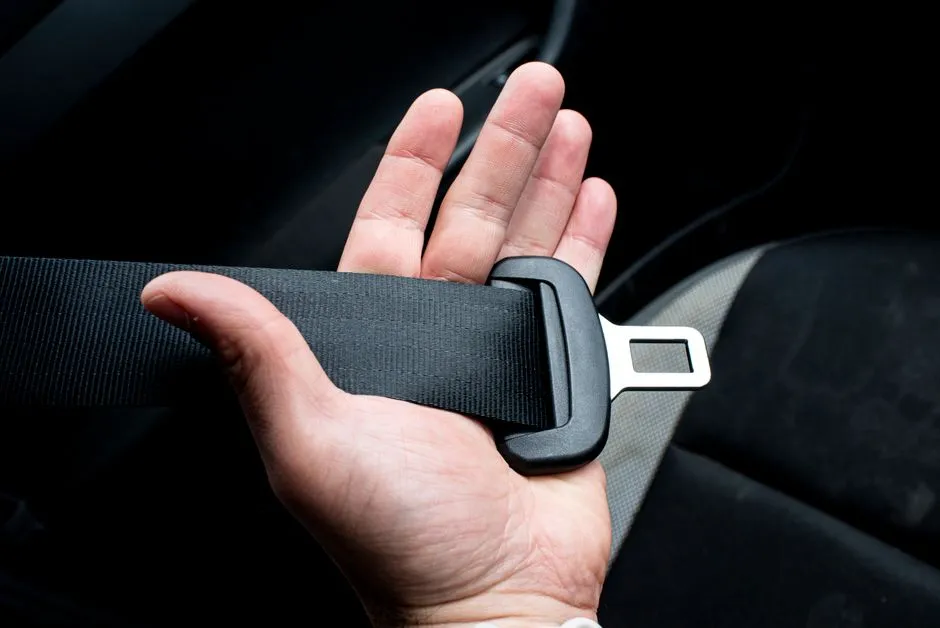
According to a survey of rideshare habits, the behavior passengers are most guilty of is forgetting to wear their seatbelts. It’s the most straightforward safety rule in any vehicle, and it gets skipped surprisingly often, perhaps because the casual nature of an app-booked ride makes it feel less like a formal trip.
For drivers, an unbelted passenger is not just a legal concern depending on the state – it’s a genuine risk in any collision. As rideshare becomes a standard part of daily travel, rider conduct affects wait times, driver income, and overall service quality across the system. Buckling up is the smallest ask of all, and it protects everyone in the car, not just the passenger who forgets.
The Bigger Picture
Rideshare apps have become second nature for getting around, but while hopping into someone else’s car might feel casual, it’s still a shared social space, and how you carry yourself matters. The ten issues above aren’t arbitrary rules. They’re practical, grounded courtesies that keep the system working well for both sides of the transaction.
In 2024, Uber reported more than 44 million active U.S. users, while Lyft reached nearly 24 million – together representing an enormous daily volume of shared trips, each one a small interaction between two strangers with different expectations. Getting those interactions right, or at least not getting them wrong, is a reasonable thing to take seriously. The driver showing up for you is doing a job. Treating that job with a basic level of respect costs nothing at all.
AI Disclaimer: This article was created with the assistance of AI tools and reviewed by a human editor.