
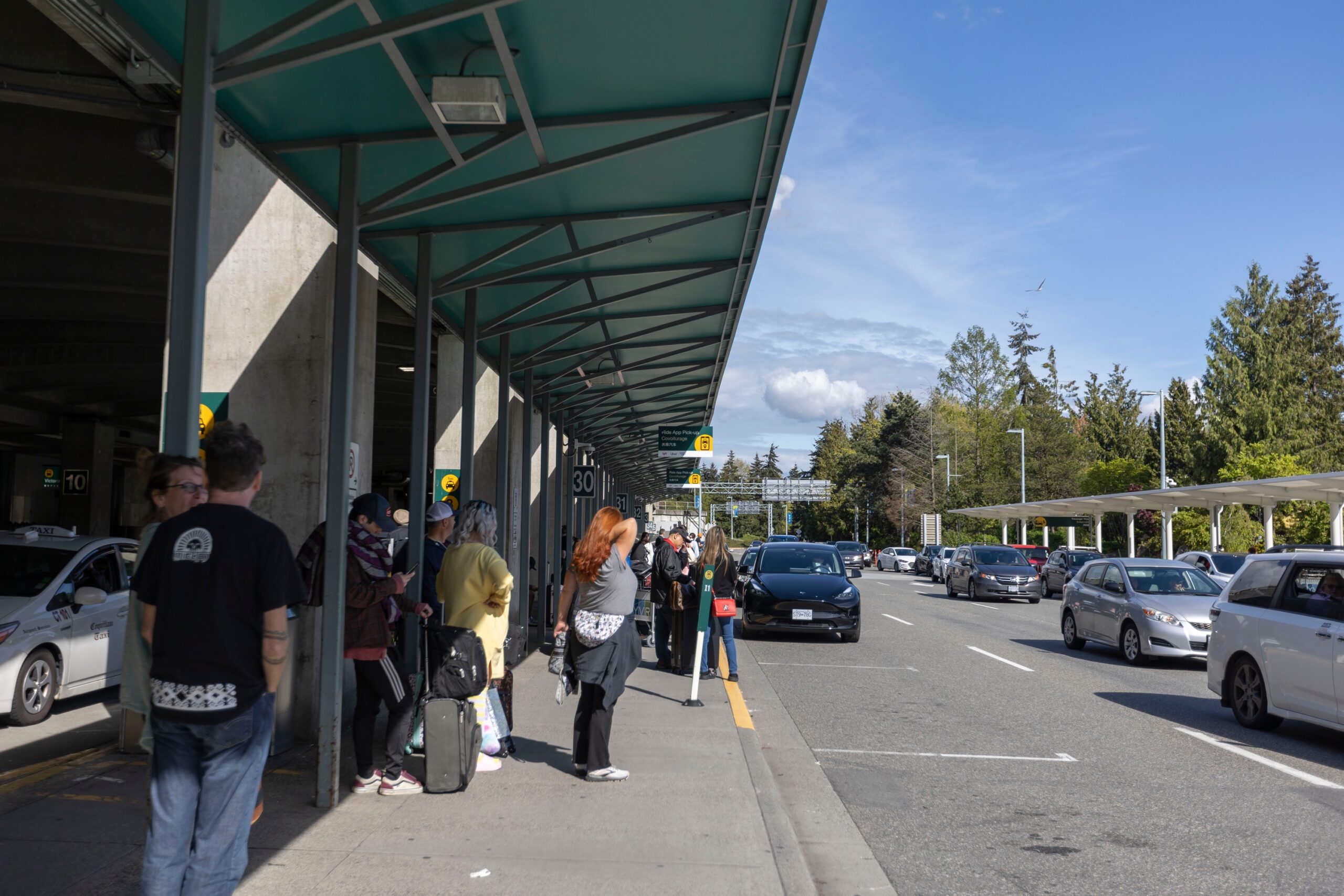

Most people don’t think twice about tapping “request ride” the moment they land. It feels seamless, almost automatic. You grab your bag, follow the signs to the rideshare pickup zone, and wait. The habit is so ingrained that very few travelers stop to check what they’re actually paying, or why the fare looks nothing like the one they paid to get to the airport two weeks ago.
The numbers tell a different story. American travelers spent an estimated $4.2 billion on rideshare trips to and from airports in 2025, according to the Bureau of Transportation Statistics, and that spending is growing at roughly twelve to fifteen percent annually. A lot of that growth comes from habit, not value. Here’s what’s actually happening to your fare.
Your Airport Fare Is Structurally More Expensive Before Surge Even Kicks In

Between mandatory airport surcharges, early-morning surge pricing, and longer distances, the average airport rideshare fare runs thirty-five to fifty percent higher than a comparable in-city trip. That premium exists even on a calm Tuesday afternoon with no traffic and no unusual demand.
Airport rideshare fees range from $2.50 to $7.00 per trip at major U.S. airports in 2026 and are passed directly to riders as a separate line item. These fees are set by the airport authority, not by Uber or Lyft. So the apps are essentially collecting on behalf of the airport, and many riders have no idea it’s happening.
Surcharges range from $2.00 at Houston’s IAH to $5.00 or more at Chicago O’Hare. On a $30 base fare, a $5.00 surcharge represents a seventeen percent hidden premium that most riders don’t notice until after booking.
The Disclosure Problem: Airports and Apps Stay Quiet
Frommer’s found that a majority of airports in the United States that force mandatory passenger pickup fees for all rides on Uber, Lyft, and other ride-hailing apps are not informing travelers of the practice, and neither are the apps. Those surcharges can reach as high as $7 per trip.
A 2024 investigation by Frommer’s found that a majority of U.S. airports that charge these fees don’t actually disclose them to travelers on their websites. The airports argue that they charge the companies, not the riders, so it’s on Uber and Lyft to disclose it. The apps, in turn, often just bundle it into the upfront price you see, so you never really know how much of your fare is just a fee to the airport.
If you think you can simply find out what extra money you paid by checking your receipt from your rideshare app, there’s an information blackout among the rideshare companies too. Frommer’s reported that Lyft refuses to provide customers with itemized receipts that disclose how much of the total payment was made up of padded fees. That’s a meaningful gap in transparency for any regular traveler trying to budget.
Specific Airports Where the Fees Hit Hardest

At the Port Authority airports, which include JFK, LaGuardia, and Newark, the $3.50 ride-hail fee approved in December 2025 and effective March 15, 2026 applies to both pickups and drop-offs, adding up to $7.00 per round trip, and is scheduled to rise to $4.50 in March 2027 and $5.00 in March 2028.
Boston Logan’s rideshare surcharge increased multiple times between 2022 and 2025 as Massport worked to manage congestion and fund an upgraded ride-hail staging facility. The 2025 increase brought Logan’s fee to $5.25, making it the third most expensive airport rideshare fee in the country. Frommer’s highlighted Logan’s fee structure as a prime example of hidden airport ride costs that catch travelers off guard, noting that the fee is not prominently displayed during the booking flow until the final fare confirmation screen.
Nashville International Airport now carries some of the highest rideshare fees in the country. Hidden in the receipt is a $5 standard fee per pick-up or drop-off at the airport, plus an additional $2 Metro Nashville tax on all rides that start at the airport. That’s $7 in fixed government and airport fees before a single mile is driven.
Surge Pricing: The Algorithm That Hits When You’re Most Tired
During high-demand periods, including early morning flight rushes, evening arrivals, bad weather, or major events, rideshare costs can jump fifty percent to five hundred percent. That range is not a typo. A moderate surge event can double your fare in under a minute.
Weekday mid-morning rideshare fares from Los Angeles International Airport to downtown might run $35 to $42 with minimal surge. On Friday nights, that same trip can hit $80 or more during surge. The route doesn’t change. Only the timing does.
Surge pricing is the single biggest factor that makes airport transportation cost unpredictable. It’s a dynamic pricing model that increases fares when demand exceeds available drivers. In theory, it balances supply and demand. In practice, it hits travelers when they’re most vulnerable. Landing exhausted after a six-hour flight is exactly when your judgment about “is this price normal?” is at its weakest.
How Driver Behavior Can Amplify the Surge
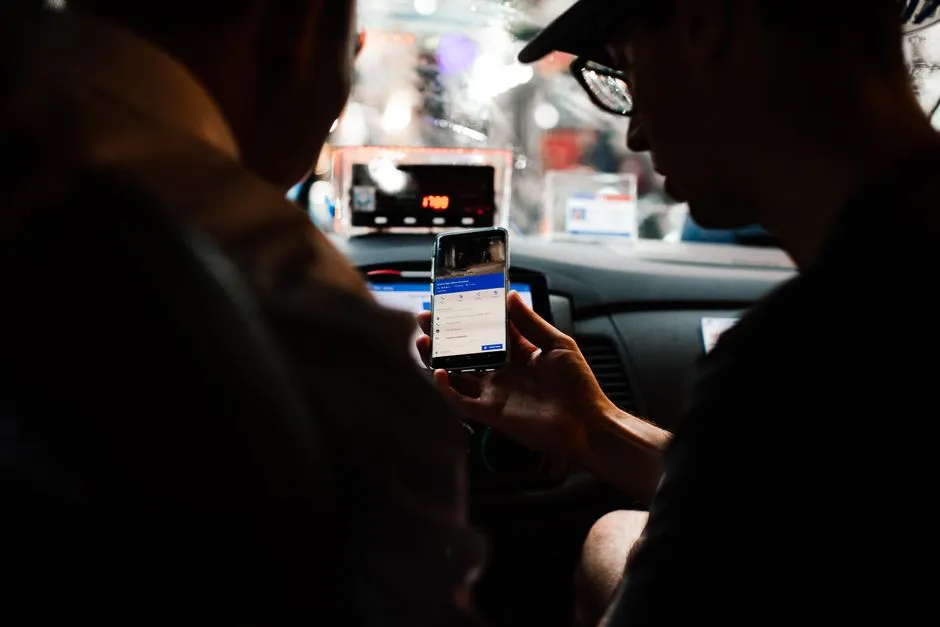
By limiting the drivers eligible to accept airport pickup requests and placing them in the same physical location, airport authorities are creating an opportunity for drivers to collude to inflate prices. The staging lot system, while designed to reduce traffic, has an unintended pricing side effect.
Drivers who go offline after finishing a ride reduce the available pool, and this temporary drop in supply against steady rider demand quickly triggers surge pricing as the algorithm raises fares to attract more drivers. The same tactics already appear at airports, where groups pause to create sharper shortages and higher payouts.
Getting a rideshare ride from an airport is almost always more expensive than getting a ride to the airport. Some of that gap is structural. Some of it, according to industry observers, reflects deliberate driver behavior in staging areas.
The Airline-Selection Trick That Changes Your Price
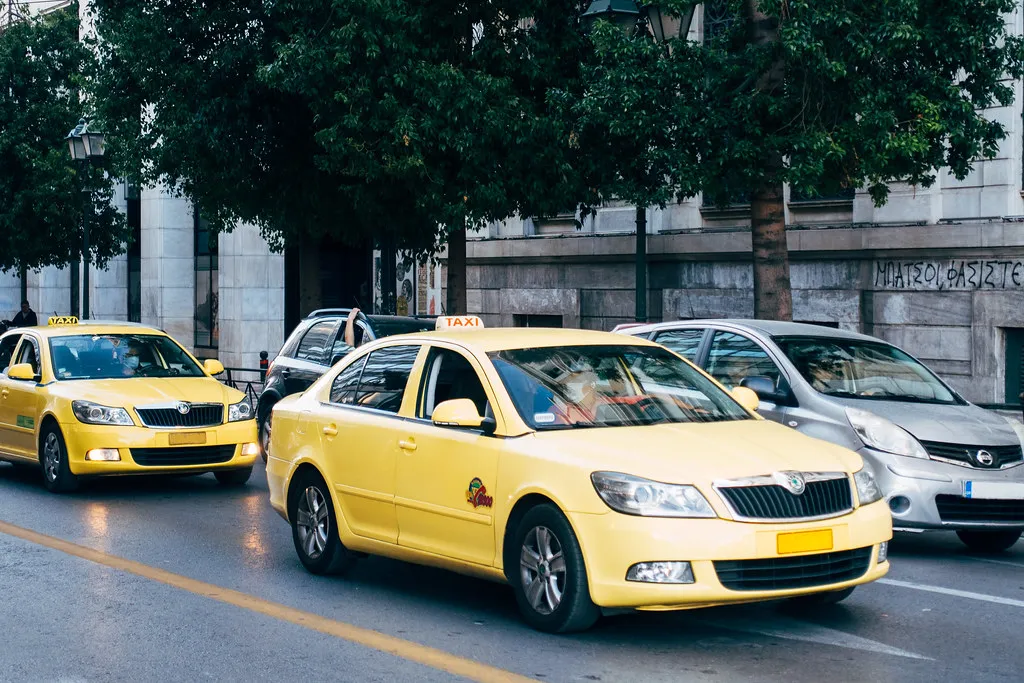
Picking a different airline in the app, even for the exact same drop-off spot, could change the cost of your ride by over thirty percent. Uber reportedly treats each airline as a location in its system, even when they share the same terminal. Most travelers have never heard of this quirk, let alone tested it.
One of the most counterintuitive discoveries about airport rideshare pricing is that your destination terminal, not just the airport, can dramatically change what you pay. This is not about routing or distance. It is about how rideshare algorithms calculate price based on the specific pickup zone within the airport, combined with real-time driver concentration at each terminal.
Trying the same ride request while selecting a different airline that uses the same terminal is a simple check that takes ten seconds and can yield meaningfully different quotes on the same trip.
The Pickup-vs-Dropoff Price Gap
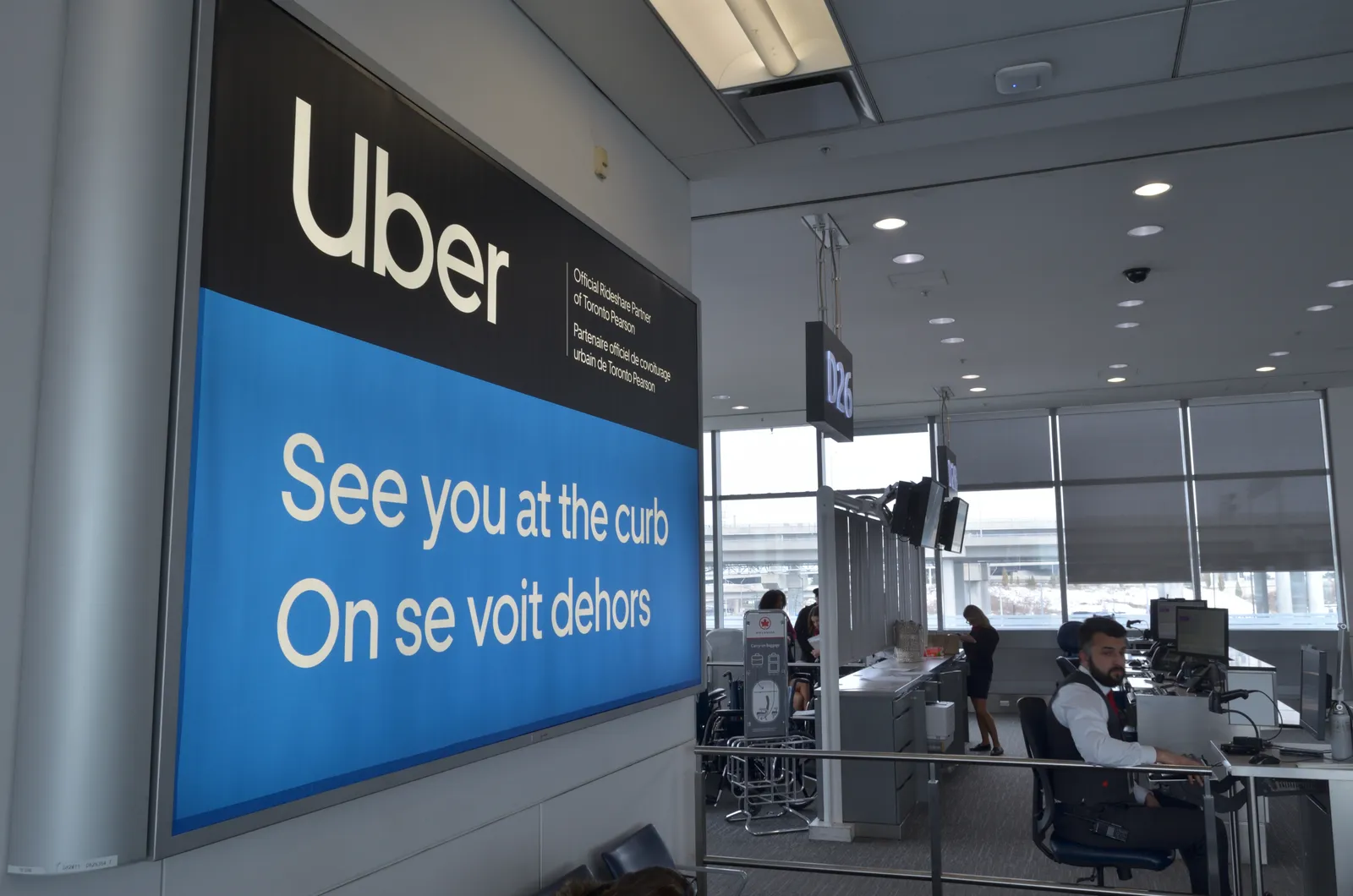
Getting a rideshare ride from an airport is almost always more expensive than getting a ride to the airport. Part of this is the mandatory surcharge structure, but the demand dynamics are also fundamentally different at each end of the trip.
When you’re heading to the airport, you’re booking from your home or hotel, where there’s a wide pool of drivers nearby. When you land, hundreds of other passengers from multiple flights are requesting rides at the same time, from the same constrained zone, served by a finite driver queue.
Unlike surge pricing, which fluctuates, airport rideshare fees are fixed, mandatory, and collected on every single ride that enters or exits the airport perimeter. So even on a slow day, you’re paying the surcharge coming and going.
The Billions Being Collected in Airport Revenue
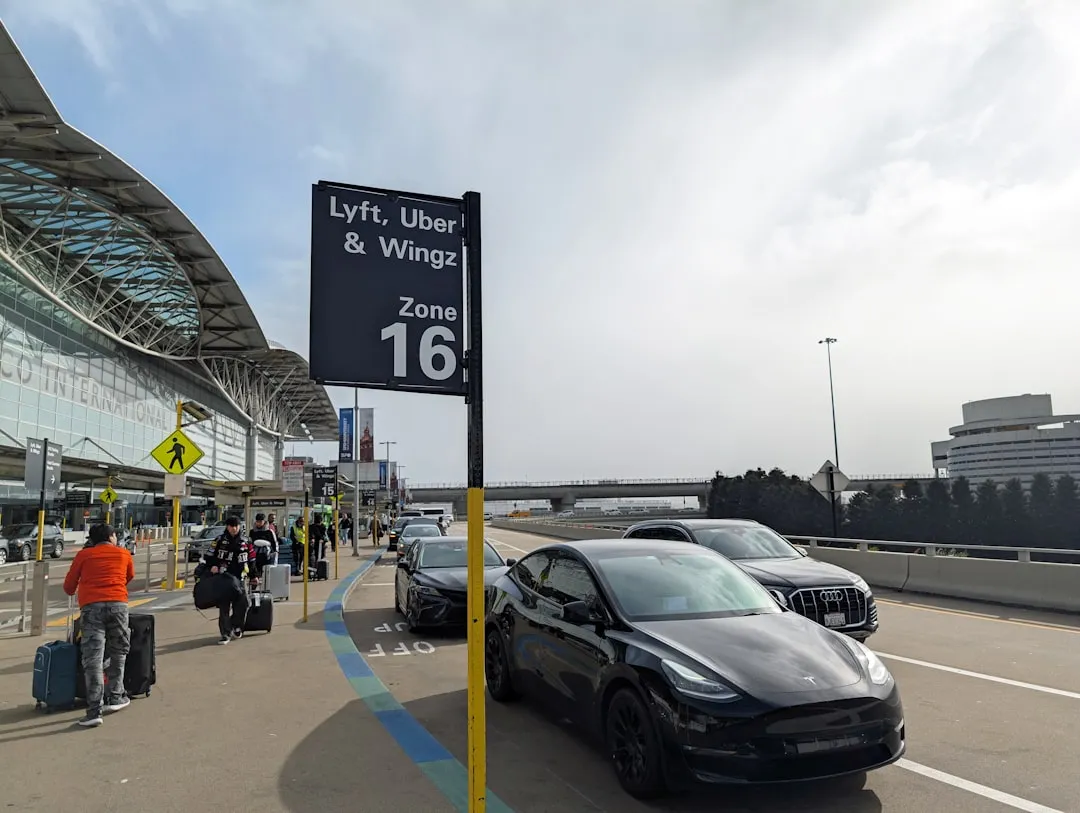
According to Hoodline, San Francisco International Airport collected more than $60 million in ride-hail fees in a single recent fiscal year. That figure represents tens of millions of individual trips, each charged $5.17 at the point of pickup or dropoff. The revenue funds airport ground transportation infrastructure, but it comes directly out of rider wallets, one trip at a time.
The pattern at Logan and SFO reflects a nationwide trend: airports have recognized ride-hail fees as a reliable, growing revenue stream and have progressively increased them as rideshare volume has grown. For airports, this is sound financial planning. For travelers on autopilot, it’s a cost that compounds across every trip.
American travelers spent an estimated $4.2 billion on rideshare trips to and from airports in 2025, and that spending is growing twelve to fifteen percent annually as rideshare displaces taxis, rental cars, and hotel shuttles at every major U.S. airport. The share going to airport authorities specifically continues to climb.
Practical Ways to Reduce What You Pay
Scheduling a ride the night before can lock in a pre-surge price, since early morning airport fares run twenty to forty percent higher than midday rates. This works well for departures, though it’s less reliable for arrivals since scheduled pickups don’t automatically adjust for flight delays.
The off-airport pickup approach, where you walk a short distance beyond the airport perimeter before requesting a ride, eliminates two to six dollars in airport surcharges at most major U.S. airports and can save frequent travelers fifty to one hundred dollars per year. Comparing Uber and Lyft before every airport trip saves an average of five to ten dollars per ride.
Shared rides cut airport fares by twenty to forty percent, and stacking multiple strategies can reduce a $55 fare to the range of $25 to $32. None of these tactics require anything more than a few extra minutes of planning before you land.
When a Taxi or Transit Actually Wins
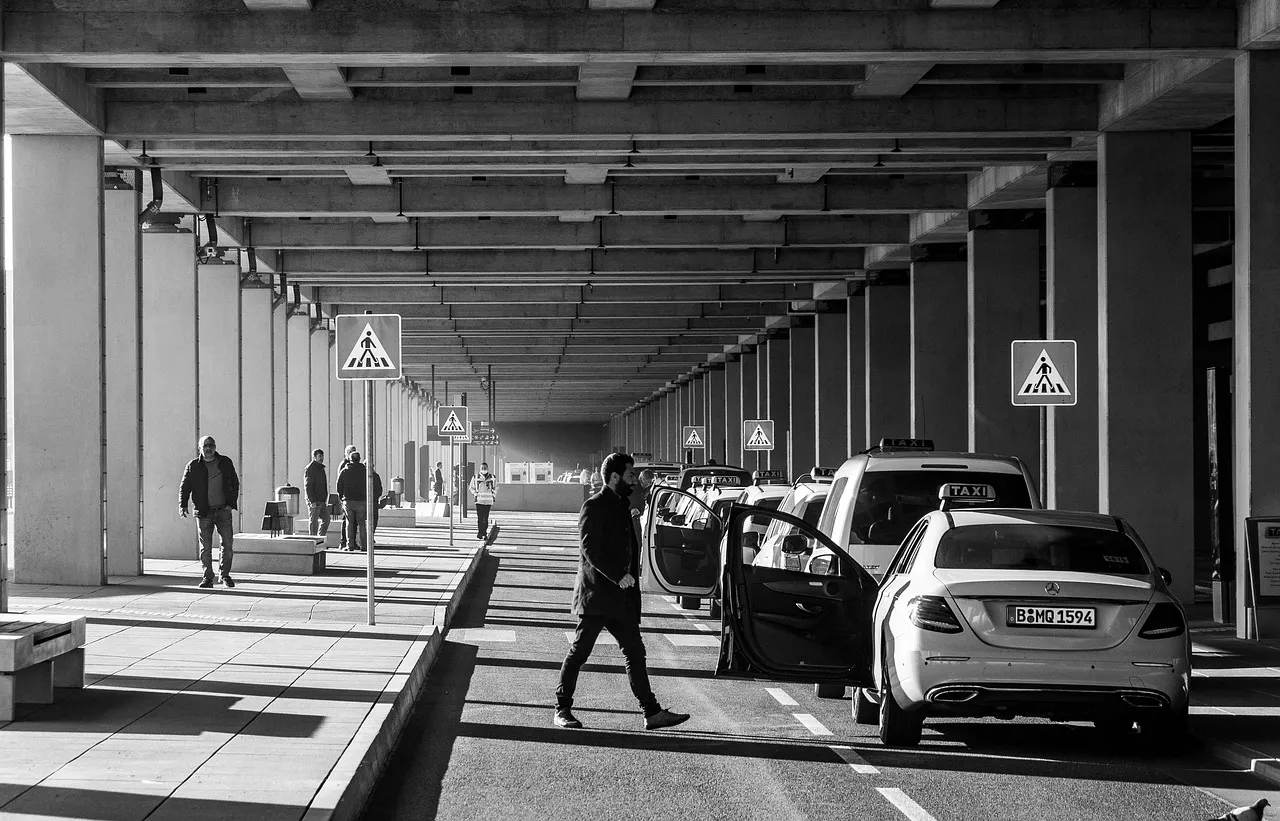
Most airport taxis charge by the meter, but some airports have flat-rate fares for popular destinations. JFK, for example, offers a flat $70 fare to Manhattan, making budgeting much more predictable. During a surge event, that flat rate can represent genuine savings.
Public transportation, such as the subway combined with the AirTrain, can get travelers to JFK for under $10, providing significant cost savings compared to rideshare options. It’s not the right fit for every trip, but for a solo traveler with manageable luggage, the math is hard to argue with.
Lyft is cheaper at nine of the ten busiest U.S. airports at base-rate pricing. The sole exception is SFO, where Uber’s larger Bay Area driver fleet consistently produces lower fares. During surge events, however, the winner flips unpredictably, which is why checking both apps before every airport ride matters. The thirty seconds it takes to compare can be worth more than most people expect.
A Smarter Way to Think About Airport Ground Transport
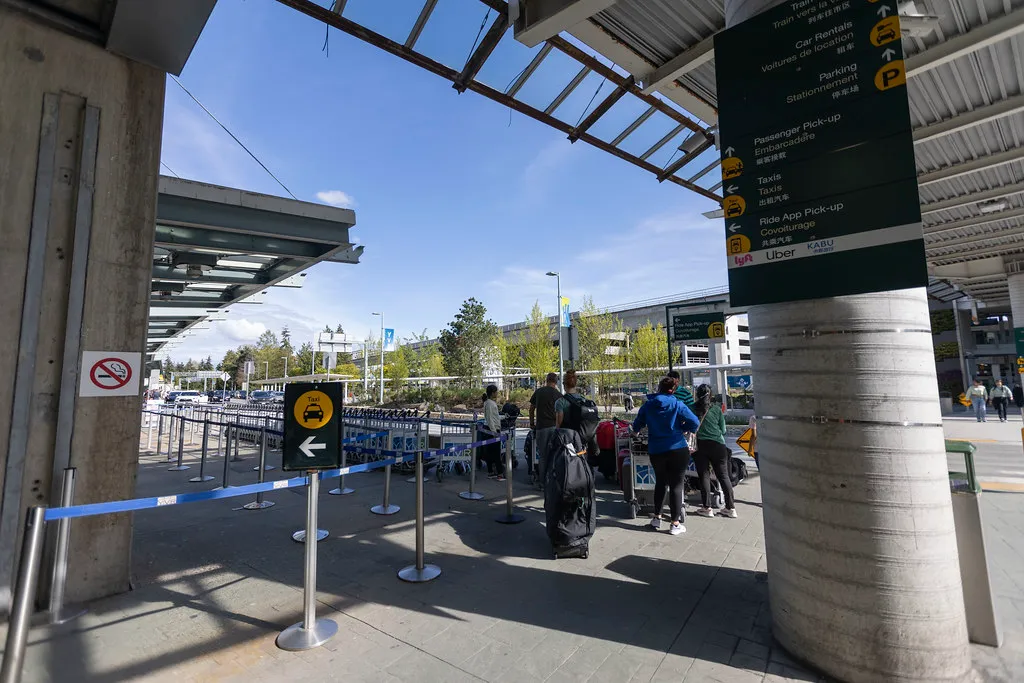
The airport rideshare habit isn’t going away. It’s fast, familiar, and genuinely convenient in many situations. The problem isn’t the tool itself. It’s the assumption that the price shown is simply “what it costs,” when in reality it reflects a layered system of airport fees, algorithmic timing, driver supply dynamics, and terminal-specific demand signals that most travelers never see.
Riders who understand airport-specific pricing, pickup logistics, and timing can save ten to twenty-five dollars on every airport trip. Across a year of regular travel, that’s a meaningful number. The habit doesn’t need to be abandoned. It just needs a little more intention behind it.
AI Disclaimer: This article was created with the assistance of AI tools and reviewed by a human editor.