

What a Nature Prescription Actually Is

A nature prescription is a physician’s recommendation to spend time in natural environments to promote physical and mental health, much like prescribing medication or, more recently, physical activity. It’s a formal instruction, not an offhand suggestion. Doctors who issue them typically specify the type of environment, the frequency, and the duration.
The concept of nature prescription is transforming familiar recommendations into a structured therapeutic approach. The key difference from simply telling a patient to “get outside more” is accountability. Details are written into a prescription, and patients even receive reminders to follow through.
Where the Idea Came From: Japan’s Forest Bathing Legacy
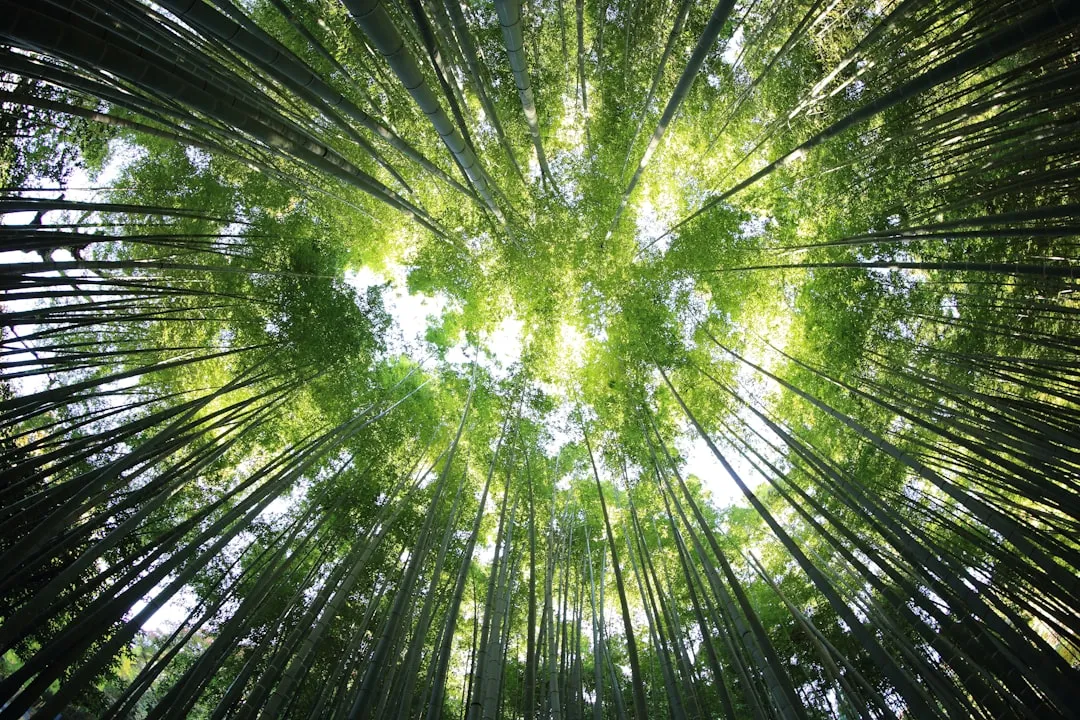
The idea of prescribing time outdoors first gained medical attention in Japan, where the practice of Shinrin-yoku, translated as “forest bathing,” became part of public health policy in the 1980s. The practice spread slowly at first, largely through word of mouth among researchers. Then the science started to catch up.
Research by Japanese immunologist Qing Li and colleagues from Nippon Medical School documented that time in forest environments produces measurable reductions in cortisol, lower blood pressure and heart rate, and increased activity of natural killer immune cells – the immune system cells involved in fighting tumours and viruses. The proposed mechanism involves phytoncides – antimicrobial volatile organic compounds emitted by trees, particularly conifers – absorbed through breathing during forest immersion.
The Immune System Connection
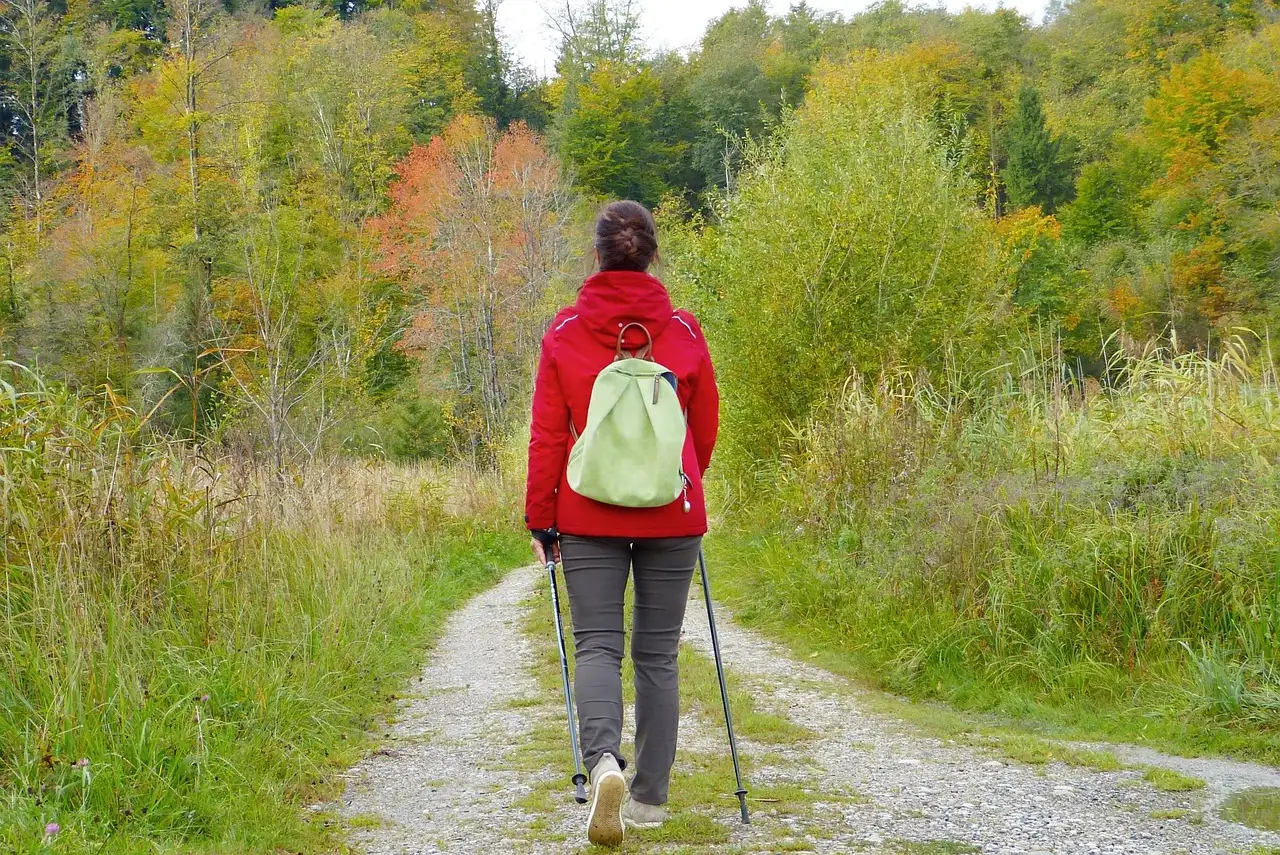
A groundbreaking study led by Dr. Qing Li, an immunologist at Nippon Medical School, discovered that forest environments boost the production of natural killer (NK) cells – white blood cells that fight viruses and detect early signs of cancer. Even more impressive, this immune boost can last up to a month after a single forest trip.
Reviews of forest-based interventions indicate that they are beneficial to the cardiovascular system, immune system, and mental health, specifically in the areas of stress, depression, anxiety, and negative emotions. These are not minor side-benefit claims. They represent outcomes that are typically addressed with pharmaceutical interventions, which is part of what makes this research so compelling to clinicians.
The 120-Minute Threshold That Changed the Conversation
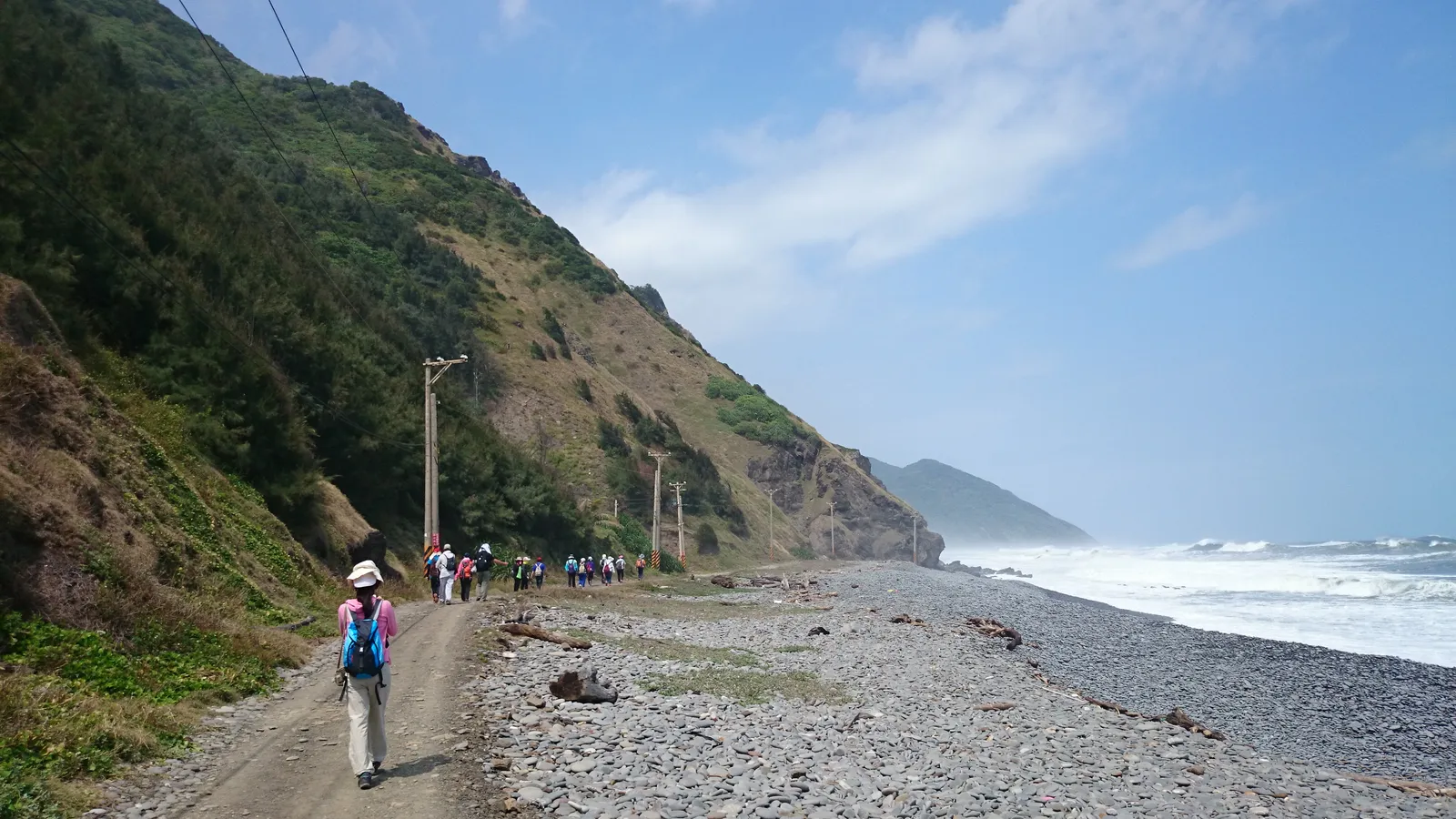
A peer-reviewed article published in Scientific Reports provides compelling evidence for the health benefits of nature. The study analyzed data from nearly 20,000 participants and found that individuals who spent at least 120 minutes per week in nature were significantly more likely to report good health and high well-being compared to those with no nature exposure.
That two-hour-per-week finding has since become a practical reference point for physicians writing nature prescriptions. One commonly cited recommendation from clinicians is to spend time in nature several times a week for at least 20 minutes each time, aiming for a total of at least two hours per week. It’s a threshold specific enough to actually guide behavior, which matters when you’re translating research into clinical advice.
Chronic Conditions in the Crosshairs
Observational research indicates that living in a greener environment is associated with lower mortality from cardiovascular diseases and a reduced prevalence of type II diabetes and depression. These are among the most costly and persistent chronic conditions in healthcare systems globally, which gives nature prescriptions a surprising amount of practical relevance for public health planners.
The primary indications for nature prescriptions include chronic conditions, particularly hypertension, recovery after myocardial infarction, obesity, and diabetes. Engaging in nature-based activities, such as gardening, walking, or other outdoor pursuits, also appears to alleviate symptoms in individuals with mental health issues. The breadth of that list is striking.
Programs Bringing It to Patients Around the World
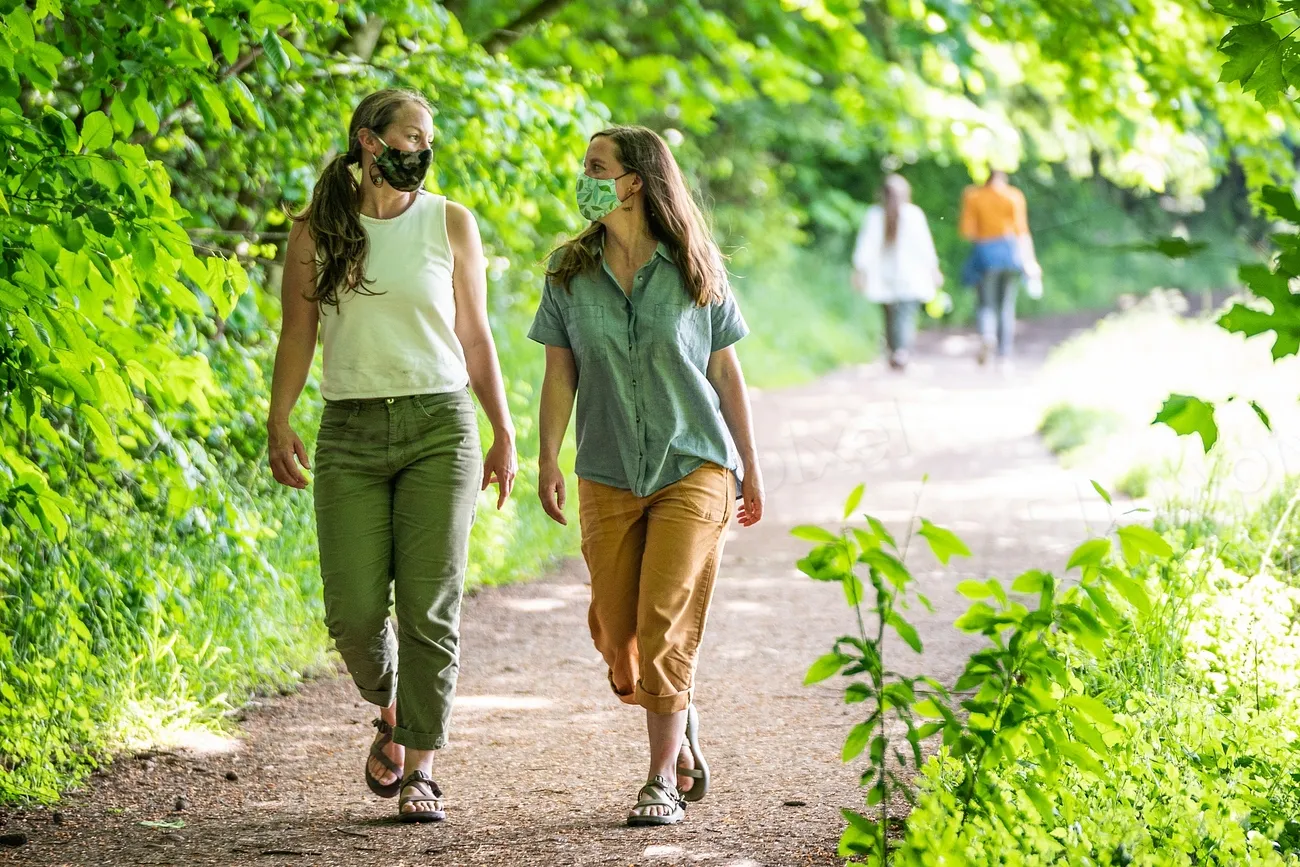
Dr. Robert Zarr, a physician and certified nature guide, founded Park Rx America in 2016 to help providers integrate outdoor time into patient care. Park Rx America offers doctors a framework for crafting nature prescriptions. Since 2019, nearly 2,000 providers across the U.S. and several other countries including Australia, Brazil, Cameroon, and Spain have issued more than 7,000 nature prescriptions.
In Scotland, doctors working under NHS Shetland can prescribe walks on the beach, bird-watching, or time spent observing clouds as part of treatment for mental health, heart conditions, and chronic stress. In Canada, the PaRx program was launched, allowing healthcare providers to issue prescriptions for national park visits. The geographic spread of these programs signals that this is not a regional trend.
What Doctors Are Actually Prescribing

There are four general types of nature prescriptions being prescribed: gardening, park visits, physical activity, and water-based activities. These vary considerably depending on a patient’s mobility, geography, and personal preference. Providers discuss what activities patients enjoy, whether it’s walking, sitting under a tree, or simply watching leaves fall, and talk about how often they can realistically get outside.
There are prescriptions like individual or group outings to a nearby park, participating in a river trip, or sailing voyages to cope with mental stresses. The word “trip” here is meaningful. For some patients, a nature prescription involves genuine travel to a restorative environment – not just a ten-minute stroll around the block.
Mental Health and Psychotherapy in Natural Settings
There is evidence that offering psychotherapy in nature may have advantages over indoor treatment. This emerging practice – sometimes called “ecotherapy” – combines the structured techniques of talking therapy with the measurable physiological effects of being outdoors. For a more structured experience, patients can join trained guides for a meditative two- to three-hour ecotherapy excursion.
Forest bathing is a mindfulness practice that can be done solo. Meanwhile, forest therapy was inspired by forest bathing, but it’s a more structured outdoor healing practice and usually involves trained guides. The distinction matters clinically – one is a daily habit, the other is closer to a guided therapeutic session with measurable goals.
Real-World Outcomes: What the Data Shows

Among Cornell students who received a nature prescription from a Cornell Health provider during the 2024–2025 academic year, roughly seven in ten followed the prescription by intentionally spending time in nature following their medical or mental health care appointment, and nearly nine in ten reported a positive improvement.
During the 2024–2025 academic year, Cornell Health providers prescribed or recommended time in nature to more than 2,200 students. That’s a meaningful sample. Ten of twelve studies reviewed in a 2024 scoping review did indicate that their studies positively impacted their target outcome. The consistency across diverse populations and settings is what keeps building clinical confidence in this approach.
Limitations, Gaps, and What Still Needs Work
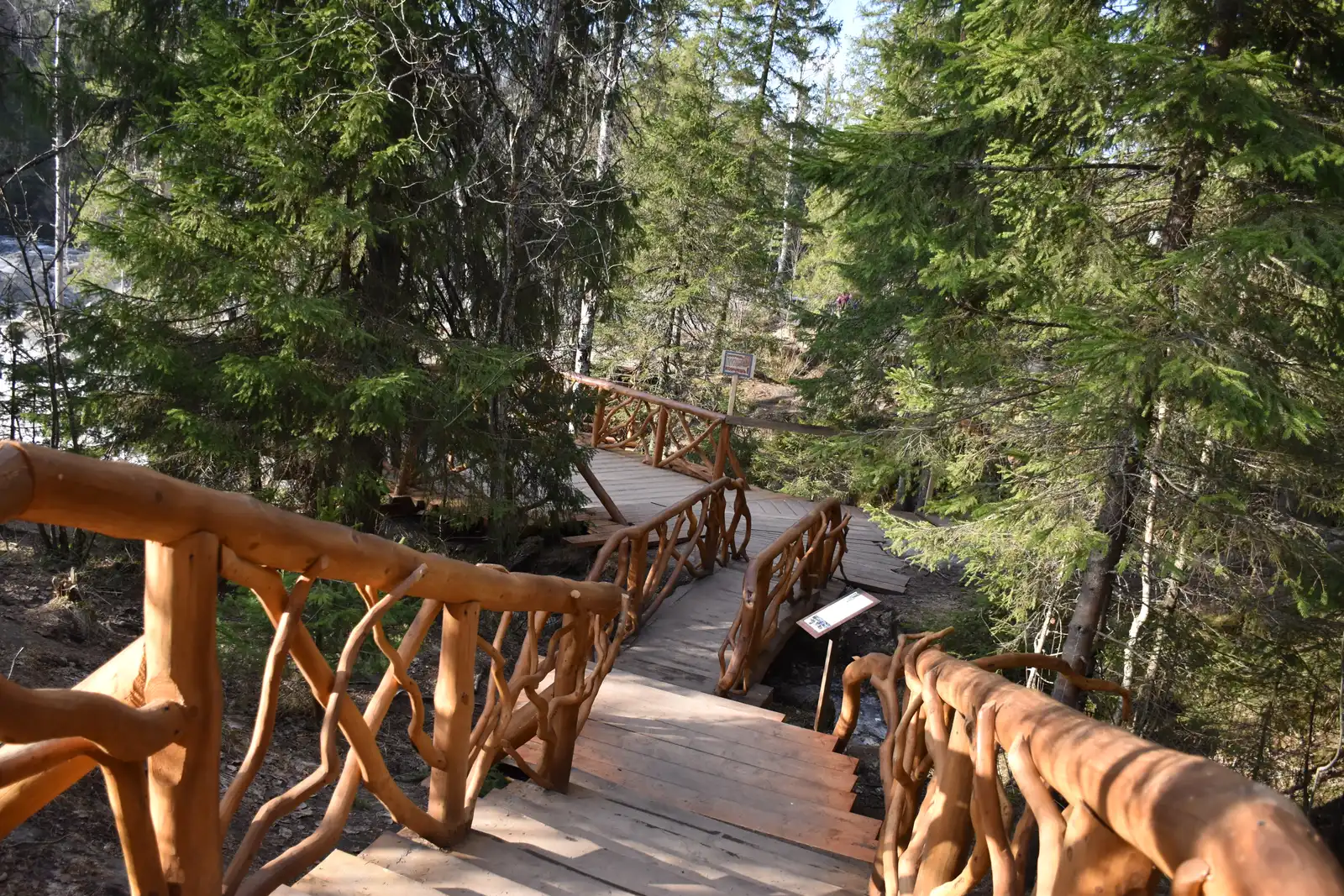
Nature is not a cure for health issues, and park prescriptions aren’t meant to be used instead of prescriptions for medications. Still, people can harness real health benefits from their nearest patch of nature. Clinicians who work in this space are careful to frame it as complementary, not competitive, with established medicine.
Research on nature prescriptions prescribed by healthcare professionals needs to be more extensive. This provides an opportunity for more studies to provide a deeper understanding of nature’s health benefits, increase the number of nature prescriptions being prescribed, and build a more comprehensive body of knowledge. The science is real and growing, but researchers and physicians alike are candid that more rigorous, large-scale trials are still needed. The foundation is solid; the structure is still being built.
What This Means for How We Think About Travel and Health
The rise of nature prescription trips reframes something travelers have always known intuitively. A weekend in the mountains or a few days beside a lake isn’t just a holiday – it may be part of a documented therapeutic strategy. Research demonstrates that increased time spent in greenspace is associated with many health benefits, including a decreased risk of depression, anxiety, obesity, and diabetes symptoms, as well as improved sleep, restoration, connection with others and sense of well-being.
Over the last decade, the evidence-based benefits of nature have received attention from medical and mental health communities across the U.S. and abroad, with a growing number of providers recommending spending time in nature to their patients as a sort of nature prescription. The language of medicine and the language of travel are, slowly and genuinely, converging. Time in wild or green places is no longer just good for the soul. Increasingly, it’s something a doctor might write down on a piece of paper and hand to you on the way out the door.
The Takeaway

What’s happening with nature prescriptions isn’t a wellness fad wrapped in clinical language. It’s the result of decades of research, cross-continental programs, and serious institutional buy-in from healthcare systems in North America, Europe, and beyond. The evidence is imperfect in places, as all emerging medical science is, but its direction is clear and consistent.
If your next doctor’s appointment ends with a recommendation to spend two hours a week in a forest, beside a river, or in an open park, that’s not a casual suggestion anymore. It’s a prescription – backed by peer-reviewed research, public health programs, and a growing understanding that some of what keeps us well has been waiting outside all along.
AI Disclaimer: This article was created with the assistance of AI tools and reviewed by a human editor.