


The rise of slow travel reflects a growing desire among travellers to experience destinations at a deeper, more meaningful level. Rather than rushing from one attraction to the next, slow travel encourages spending more time in fewer places, allowing for a richer connection with the local culture and environment. This guide explores how to embrace slow travel and make your journey more fulfilling and sustainable.
1. Spend Longer in One Place

One of the key principles of slow travel is staying in one destination long enough to really get to know it. This approach allows you to settle into the local rhythm, interact with residents, and discover hidden gems that rushed tourists often miss. Services like TrustedHousesitters offer extended stays where you can live like a local while caring for pets or homes.
2. Choose Authentic Accommodation
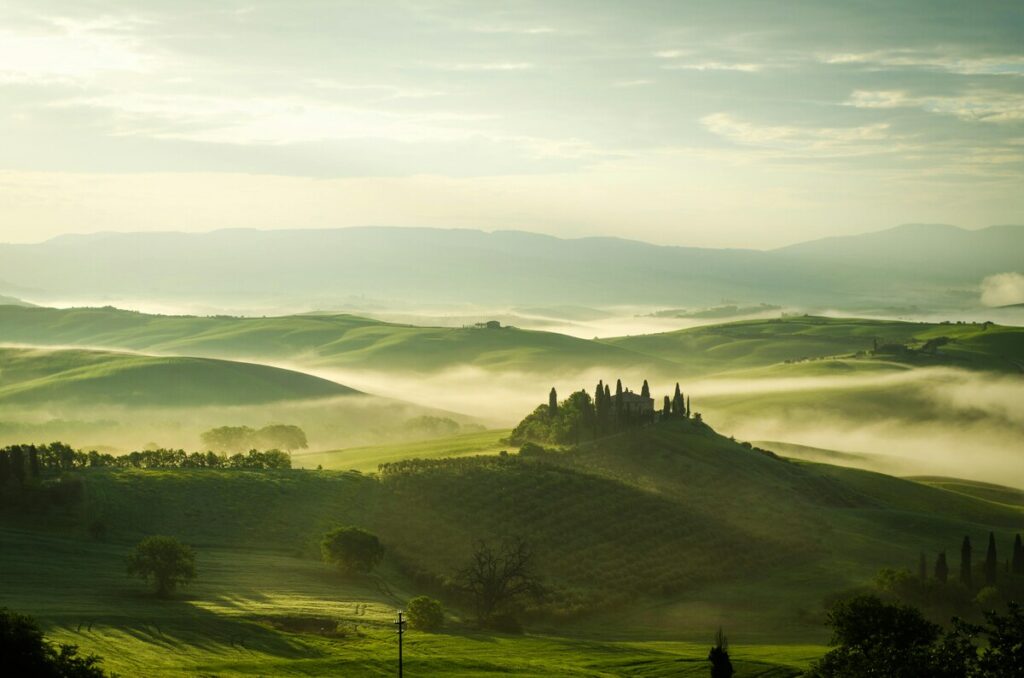
Opting for accommodation that is deeply connected to the local community adds authenticity to your slow travel experience. Family-owned guesthouses, agriturismos, and eco-lodges are perfect for immersing yourself in local life. In Italy, Agriturismo La Vialla is a biodynamic farm offering an authentic farmstay experience, where guests can partake in traditional Tuscan activities like olive picking and wine tasting.
3. Focus on Meaningful Experiences, Not Bucket Lists
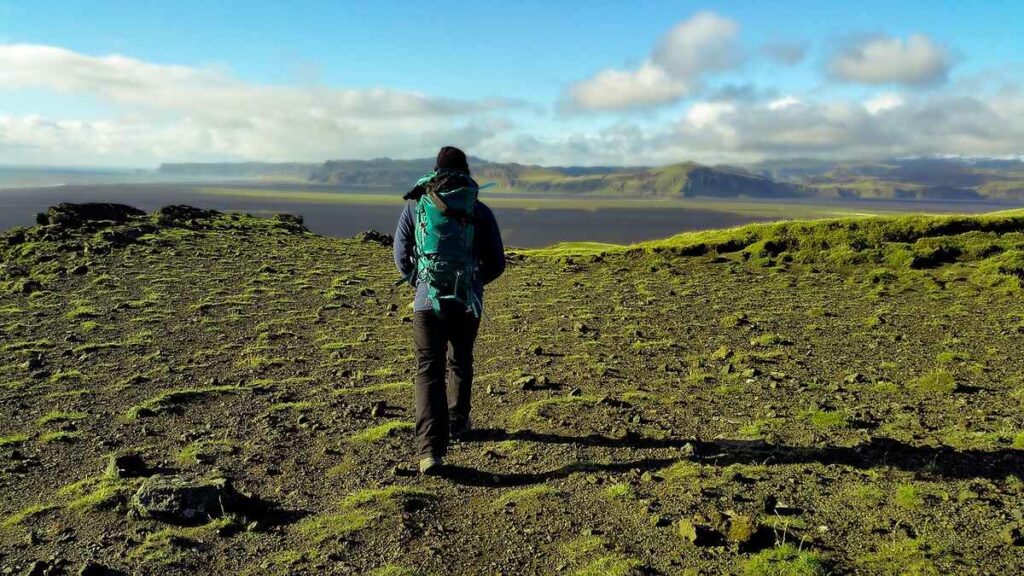
Slow travel is not about ticking off the must-see landmarks; it’s about seeking out meaningful experiences that reflect the spirit of the place you’re visiting. Whether it’s attending a local festival, participating in a traditional craft workshop, or volunteering, these experiences help you form lasting connections. Companies like G Adventures specialize in small group trips that emphasize cultural immersion and responsible tourism.
4. Travel by Land, Not Air

Slow travel often means skipping the plane in favour of trains, buses, or even cycling. Travelling overland allows you to enjoy the journey itself and appreciate the changing landscapes. In Europe, Eurail offers passes that make it easy to explore multiple countries by train, giving you the flexibility to stop in lesser-known towns and cities.
Slow travel invites you to experience destinations in a way that goes beyond sightseeing. By focusing on fewer places and spending more time in each, you’ll discover the true essence of the cultures and landscapes you visit. Embracing slow travel not only makes for a more meaningful journey but also contributes to a more sustainable and responsible approach to tourism.
5. Slow Travel Equals Slow Food
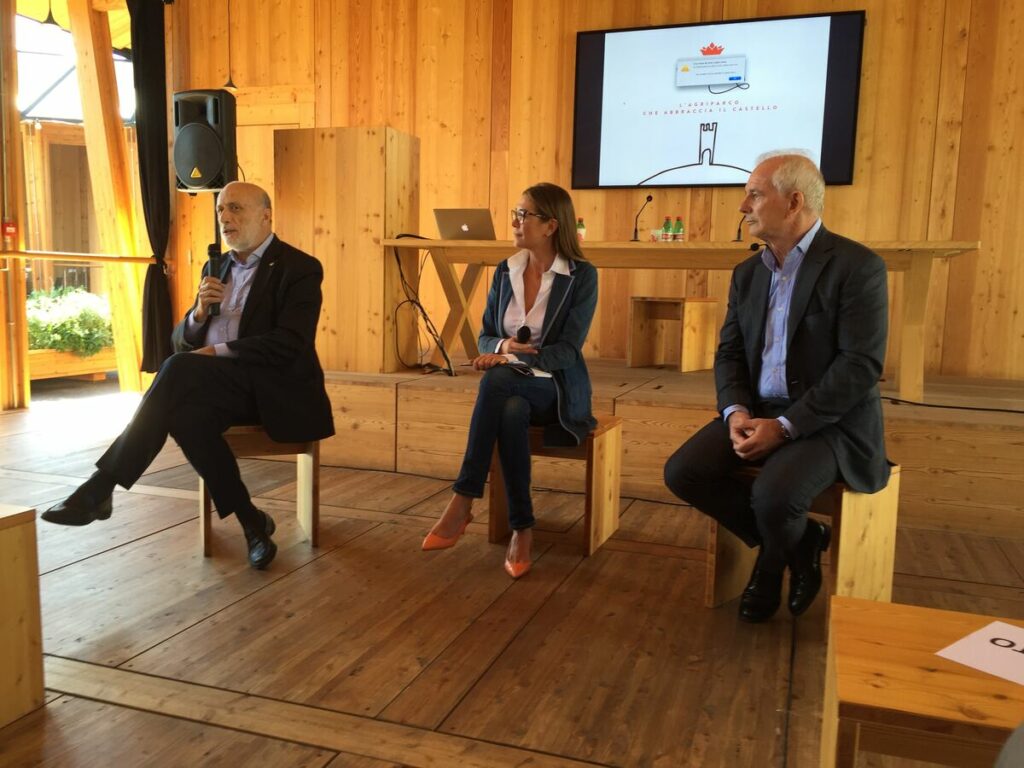
Slow travel is more than just a trend; it’s a return to the roots of authentic travel experiences. This approach allows travelers to deeply engage with their surroundings, fostering a sense of belonging and understanding. In Piedmont, the Slow Food Movement, founded by Carlo Petrini approximately thirty years ago, encapsulates this ethos. Petrini envisioned a world where everyone could access and enjoy food that is good for them, good for those who grow it, and good for the planet. This vision led to the creation of a global movement with over 100,000 members, all committed to preserving traditional and regional cuisine, promoting sustainable farming, and educating the public about food quality. In the words of Carlo Petrini, “If you can eat well, you can think well, sleep well, and love well.” Let this philosophy guide your travels, and you’ll find that the journey becomes as rewarding as the destination.
Interested in Learning More about Slo Travel? Read on!