


Most families plan the destination. They book the campsite, pick the playlist, pack the snacks, and argue about who sits where. What rarely gets any planning attention at all is what actually happens inside the car for hours at a stretch. That overlooked stretch of time, it turns out, is where something genuinely meaningful either occurs or gets quietly missed.
The habit in question isn’t a gadget or a clever packing trick. It’s the deliberate choice to put the screens away, at least for meaningful portions of the drive, and let conversation, boredom, and shared attention fill the space instead. Simple as it sounds, most families never quite get there. Here’s why it matters so much, and what the evidence actually shows.
Road Trips Are Already the Most Popular Way American Families Travel
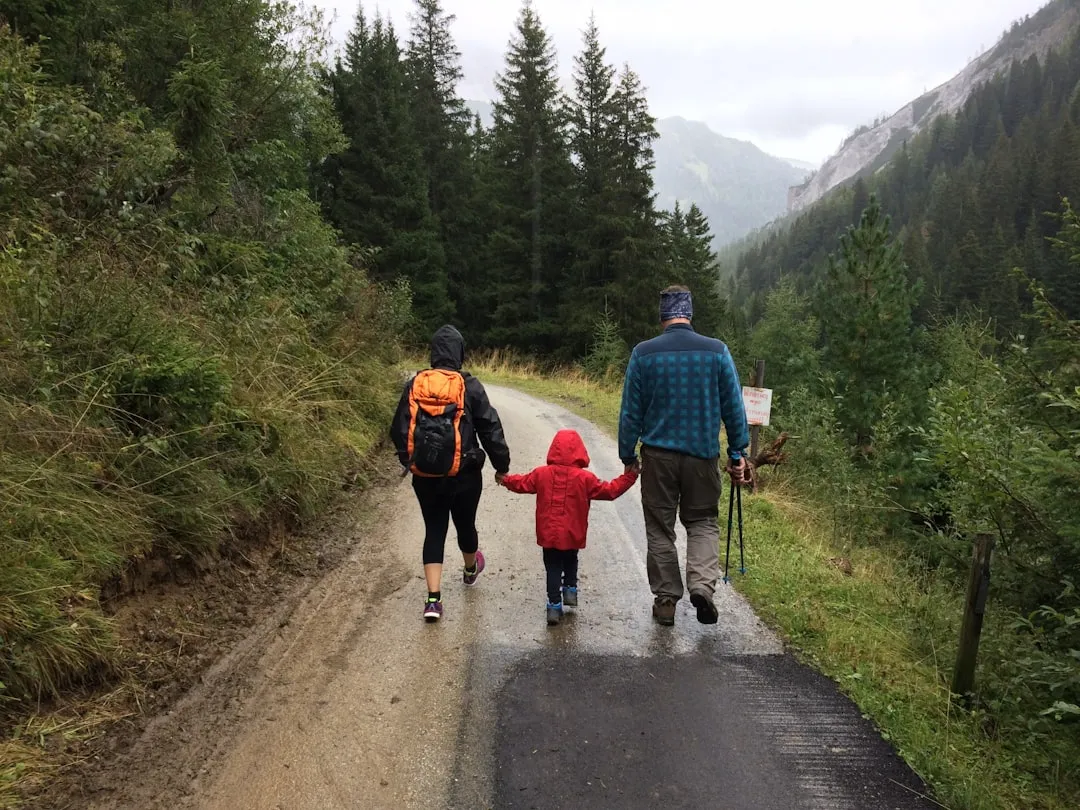
Road trips were the most popular form of travel in 2024, chosen by roughly two in five American travelers, ahead of slow travel and multi-generational trips. That’s a remarkable starting point. Families are already choosing the car. Road trips are set to remain among the hottest travel trends, with more than a third of travelers reporting they plan to take one in the near future.
In a 2024 survey of U.S. consumers, people who travel with children were more inclined than other travelers to take a road trip partly to save money. The car is practical, flexible, and increasingly beloved. The only question is whether families make the most of all that windshield time together.
The Habit That Changes Everything: Treating the Drive as the Experience

The game-changing habit isn’t anything exotic. It’s simply shifting your mindset so the drive itself is treated as part of the trip, not a hurdle to survive before the real fun begins. When families do this, the dynamics inside the car change entirely. Conversations start. Kids actually look out the window. Parents rediscover what their children find funny.
With the pressures of daily life temporarily set aside, families have the space to communicate more openly, and conversations during travel tend to be more relaxed and less focused on logistical or disciplinary topics. That shift in conversational tone is surprisingly rare at home, and the car, weirdly enough, creates it naturally.
Why Screens Get in the Way More Than Most Parents Realize

Choosing screen-free family travel can unlock major upsides for the whole family, including more patience and resilience, as children learn to tolerate boredom and transitions better when screens aren’t immediately available. This isn’t about being anti-technology. It’s about protecting a rare pocket of unstructured time.
Many parents already try to limit screen use during travel, with the realistic objective being not a full ban, but avoiding the “all-screen from departure to arrival” dynamic that tends to leave everyone drained. The difference between those two approaches is significant, both in mood and in what the family actually walks away remembering.
What Shared Attention Actually Does for Children
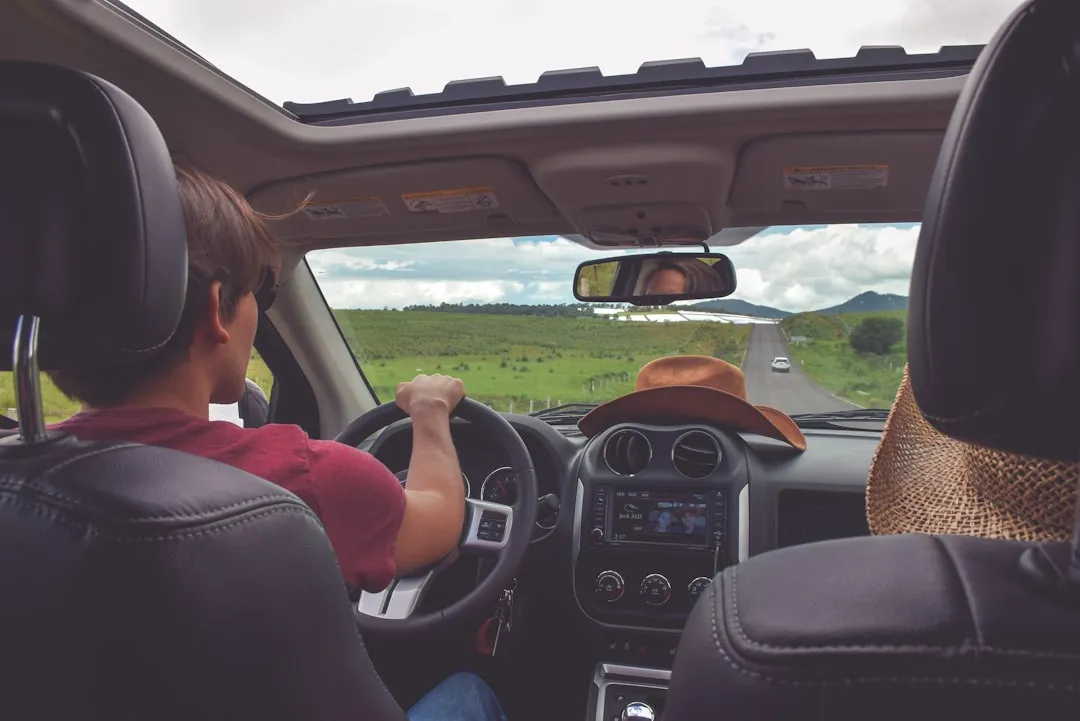
Social and emotional development is a vital component of early childhood, laying a critical foundation for a child’s overall well-being and success in school and community settings. Family road trips, when handled intentionally, become a moving classroom for exactly these skills. Travel strengthens family bonds, providing parents with an opportunity to model positive social interactions, as families share experiences that require cooperation, patience, and understanding.
Unstructured time, like staring out a window, drawing, or making up games, allows children’s brains to daydream and innovate. In an era when children’s days are packed with scheduled activities and screen entertainment, a long drive with nothing to do is actually a gift, even if it doesn’t feel that way at first.
The Memory-Making Power of the Road

More than half of Brits believe their happiest family memories were made on road trips, according to research conducted by OnePoll among two thousand U.K. adults. That’s a striking finding and one that cuts across generations. Among millennials, nearly eight in ten said family road trips created their most cherished childhood moments.
From sing-alongs and storytelling to scenic stops and shared playlists, research suggests that the real magic of road trips lies in the moments between destinations. Those moments don’t happen when everyone is watching a different video on their own device. They happen in the gaps, the unexpected rest stop, the weird roadside sign, the conversation that somehow turns deeply honest.
How Conversations in the Car Are Different from Conversations at Home
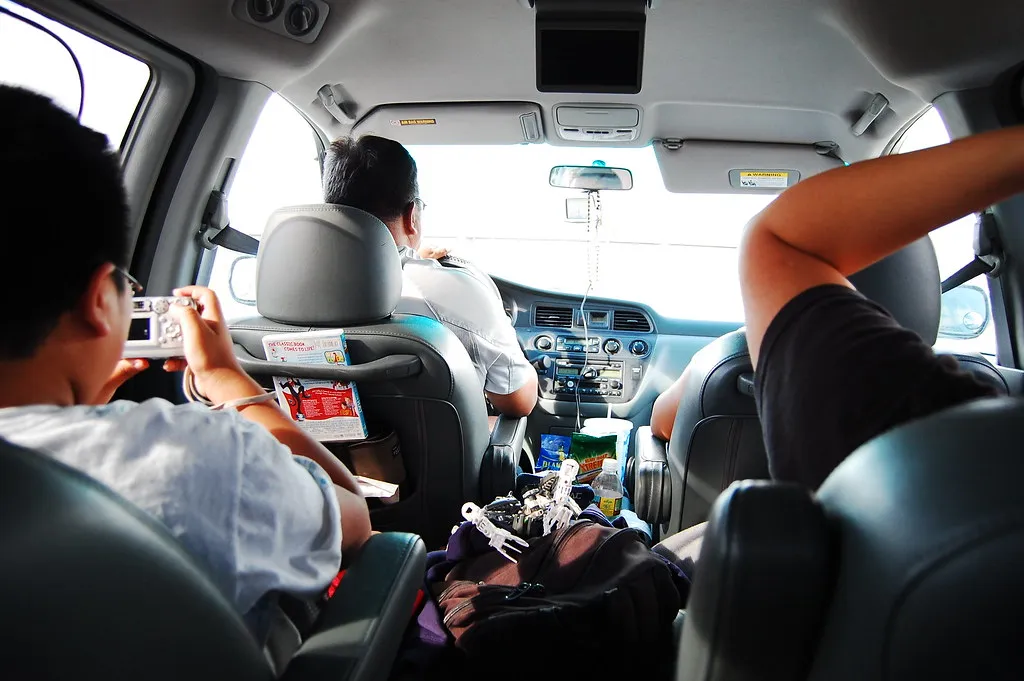
There’s something about sitting side by side, facing forward, that loosens people up. Eye contact is reduced. The scenery changes. No one can storm off to their room. Family travel offers the opportunity to bond and spend quality time together, improve communication, strengthen family ties, create memories, and develop patience and tolerance for others, all of which positive psychologists associate with genuine well-being.
Shared experiences promote open communication, teamwork, and shared joy, all of which are foundational to healthy family relationships. The road trip’s confined space, which every parent dreads, is actually what creates those conditions. Proximity and time, not a perfect itinerary, are what make family bonds deepen.
Children Build Resilience Through the Journey Itself

Travel’s unpredictability naturally presents children with new challenges, and navigating these can foster emotional resilience, teaching them to adapt and handle stress in manageable ways. A flat tire, a missed turn, a campsite that looks nothing like the photos, these are rich learning moments wrapped in mild inconvenience. From minor delays to unfamiliar foods, children learn to overcome small obstacles in travel, and these experiences in a supportive environment prepare them to handle challenges with patience and a positive attitude.
That’s not something you can teach in a classroom. It arrives through lived experience, sitting right there in the back seat, watching how adults navigate the unexpected with grace or humor or both.
Regular Breaks Are Part of the Habit, Not an Interruption to It

Regular breaks are not optional on a long family drive and are among the most effective behavior-management tools available, with travel guidance consistently suggesting stops every couple of hours to stretch, move, and reset. Families who plan breaks as part of the experience, rather than as reluctant concessions to restless children, tend to arrive at their destination in a completely different mood.
When breaks become real moments of decompression through walking, fresh air, conversation, and a drink, the resumption of the journey tends to go noticeably better. A good stop isn’t wasted time. It’s an investment in the next two hours of peaceful driving, and often, in some genuinely memorable moments off the beaten path.
The Habit Works for Parents Too, Not Just Children

Research shows that family vacations can reduce stress, improve mental health, and foster a sense of unity and connection among family members. Parents who arrive at a destination having genuinely talked with their kids for hours, laughed at the same things, and navigated something together, feel that. It’s qualitatively different from arriving after everyone watched their own device in silence.
Research also shows that the vast majority of parents want to reduce their own screen use during travel, and this matters enormously because children watch their parents closely, and an adult who says no screens while scrolling away creates a conflict that is hard to resolve. The habit, at its core, is a family-wide commitment. It works best when it applies to everyone in the car, adults included.
How to Actually Build the Habit Before Your Next Trip

Screen-free travel with children does require a bit more planning and effort than simply handing them a device, but for those willing to put in that planning work, the habits it cultivates pay dividends in the long run. A little preparation makes the difference between a good intention that collapses by mile forty and a genuine rhythm that carries a family across several states.
Storytelling games where each person adds a line to the plot, and shared audiobooks read aloud or played for the group, are among the family favorites that create real in-car connection. Combine those with intentional conversation questions, regular stops, and a willingness to let quiet moments simply exist, and the drive stops being something to survive. It becomes something worth remembering on its own terms.
The Takeaway
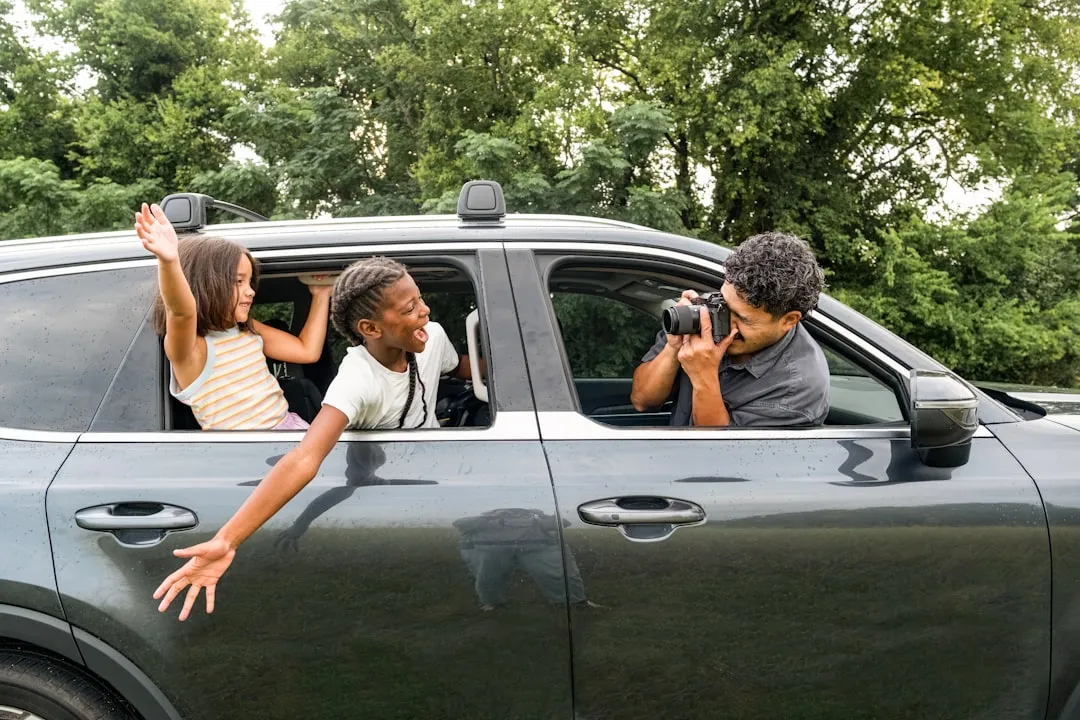
Most families are already halfway there. A clear majority of American travelers say they plan to prioritize taking a family vacation in the near future, with family connection driving that intent. The road trip is already the vehicle of choice, literally and figuratively. The only remaining step is deciding what actually happens inside that car for all those hours.
The habit isn’t complicated, but it is countercultural. It asks families to resist the easy solution, the tablet, the headphones, the separate screens, in favor of something less convenient and considerably more rewarding. The families who make that shift, even partially, tend to arrive somewhere more interesting than their destination. They arrive closer to each other.
AI Disclaimer: This article was created with the assistance of AI tools and reviewed by a human editor.