
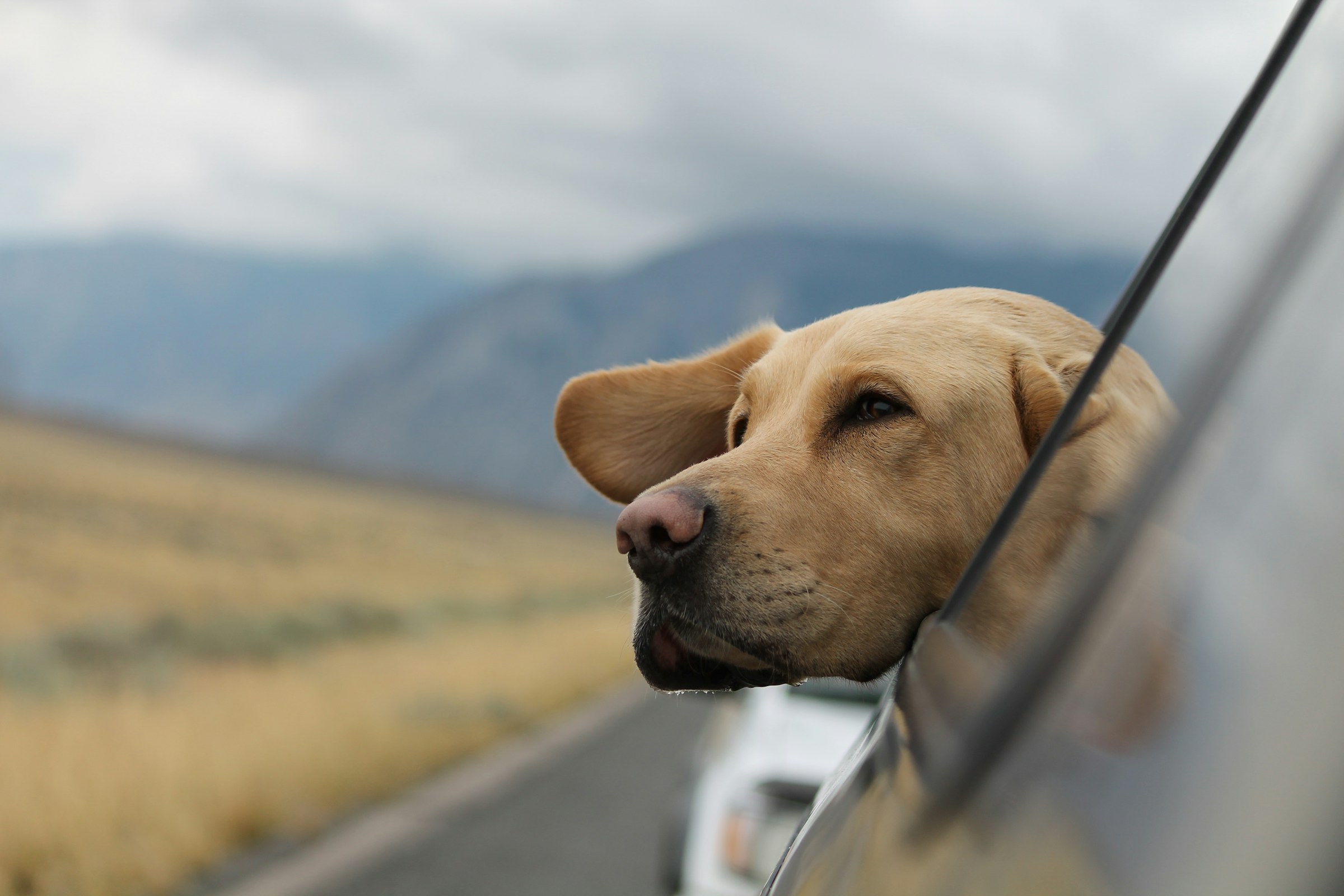

Planning a road trip with a dog who gets carsick takes more thought than most people expect. It’s not just about what you pack or what you give them before departure. Where you drive, how you drive, and when you stop all play a real role in whether the trip is pleasant or miserable.
Motion sickness is a common condition, affecting roughly half of all dogs, which makes it far from a niche problem. A market research study found that about 7.2 million dogs suffered motion sickness in a single year, and only about one quarter of them received veterinary treatment for the issue. That gap between how many dogs suffer and how many get real help is worth closing before you ever pull out of the driveway.
Why Dogs Get Carsick in the First Place
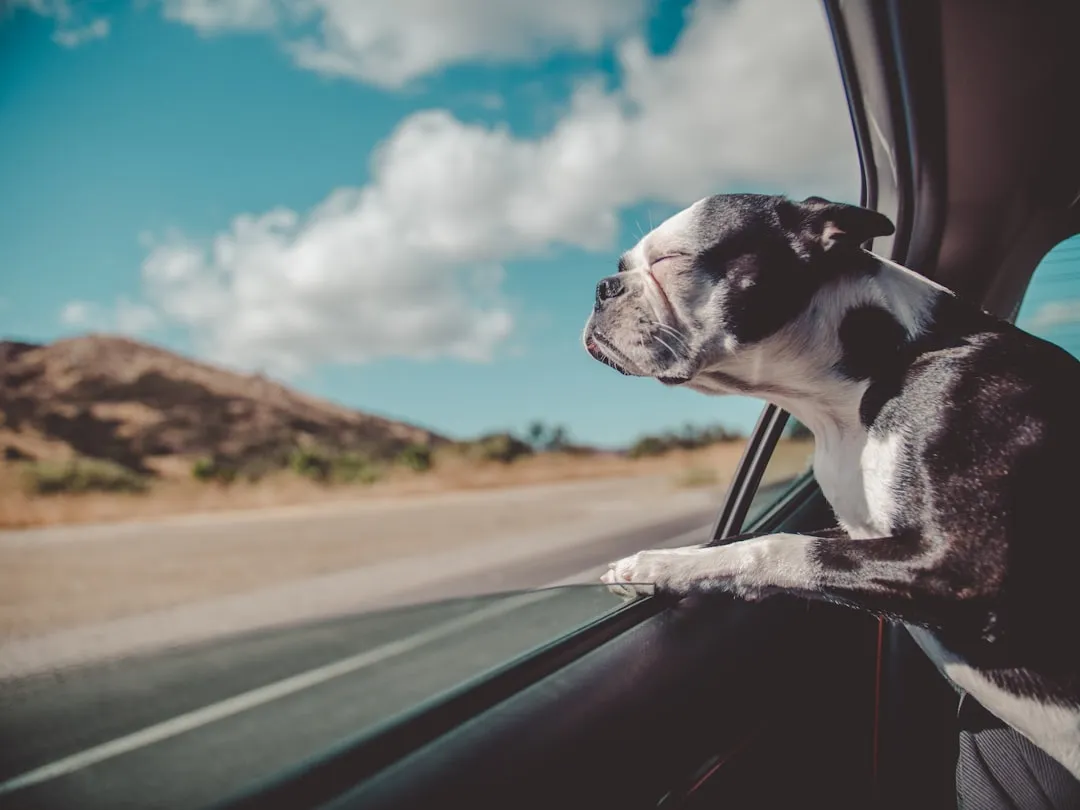
Motion sickness occurs when the brain receives conflicting signals about movement, usually from the inner ear and the eyes. This mismatch can cause nausea, excessive drooling and panting, lip licking, restlessness, and sometimes vomiting.
Dog motion sickness is more commonly seen in puppies and young dogs than in older dogs, just as carsickness afflicts more children than adults. The reason is that the ear structures used for balance aren’t fully developed in puppies.
If the first few car rides of your dog’s life left them nauseated, they may have been conditioned to equate travel with vomiting, even after their ears have fully matured. Stress can also add to travel sickness, so if your dog has only ever ridden in the car to go to the vet, they may literally worry themselves sick on the road.
Recognize the Signs Before You Leave Home
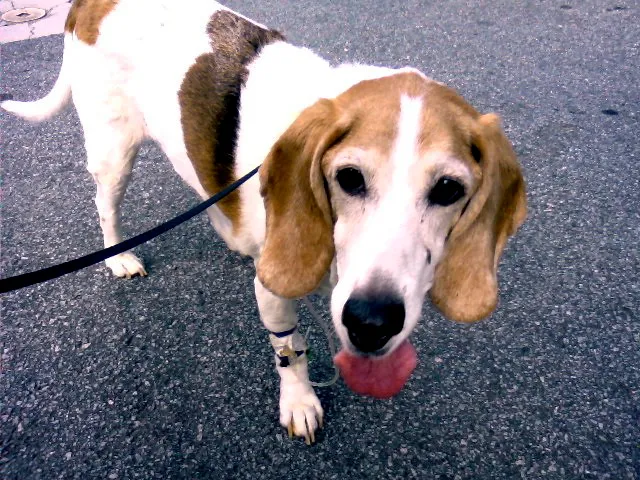
Motion sickness typically manifests as signs of nausea and discomfort, such as excessive drooling, pacing, panting, swallowing, or lip licking. In some cases, these signs progress to abdominal heaving followed by vomiting.
Common symptoms include drooling, whining, pacing, lip licking, and yawning. In more severe cases, dogs may vomit or refuse to get into the car.
Your dog’s car sickness could begin as soon as the vehicle starts to move, or it may take time for symptoms to show. Some dogs only experience motion sickness after hours of continuous driving. Knowing your dog’s particular threshold helps you plan rest stops strategically.
Choose Straight, Smooth Roads Over Scenic Winding Ones

Changing road surfaces, weather conditions, atmospheric pressure, and humidity can each cause your dog to develop car sickness, even if they don’t usually struggle with motion sickness. A dog on a winding, bumpy road on a hot day is more likely to develop motion sickness than a canine traveling on a straight, well-maintained route.
This is probably the single most practical piece of routing advice vets and animal care professionals point to. That dramatic mountain pass or the switchback coastal highway might be spectacular for you, but for a motion-sensitive dog in the back seat, it’s a relentless trigger. Flat interstate corridors and well-maintained divided highways genuinely matter here.
Routes like I-10 through Texas, I-80 across the Great Plains, and I-90 through the Midwest offer long, predictable stretches with minimal elevation change. These aren’t the most visually dramatic drives, but for a carsick dog they represent a meaningful reduction in vestibular stress. The goal is a route that rewards your dog with comfort, not one that rewards your camera roll.
Plan Frequent Stops Every Two Hours
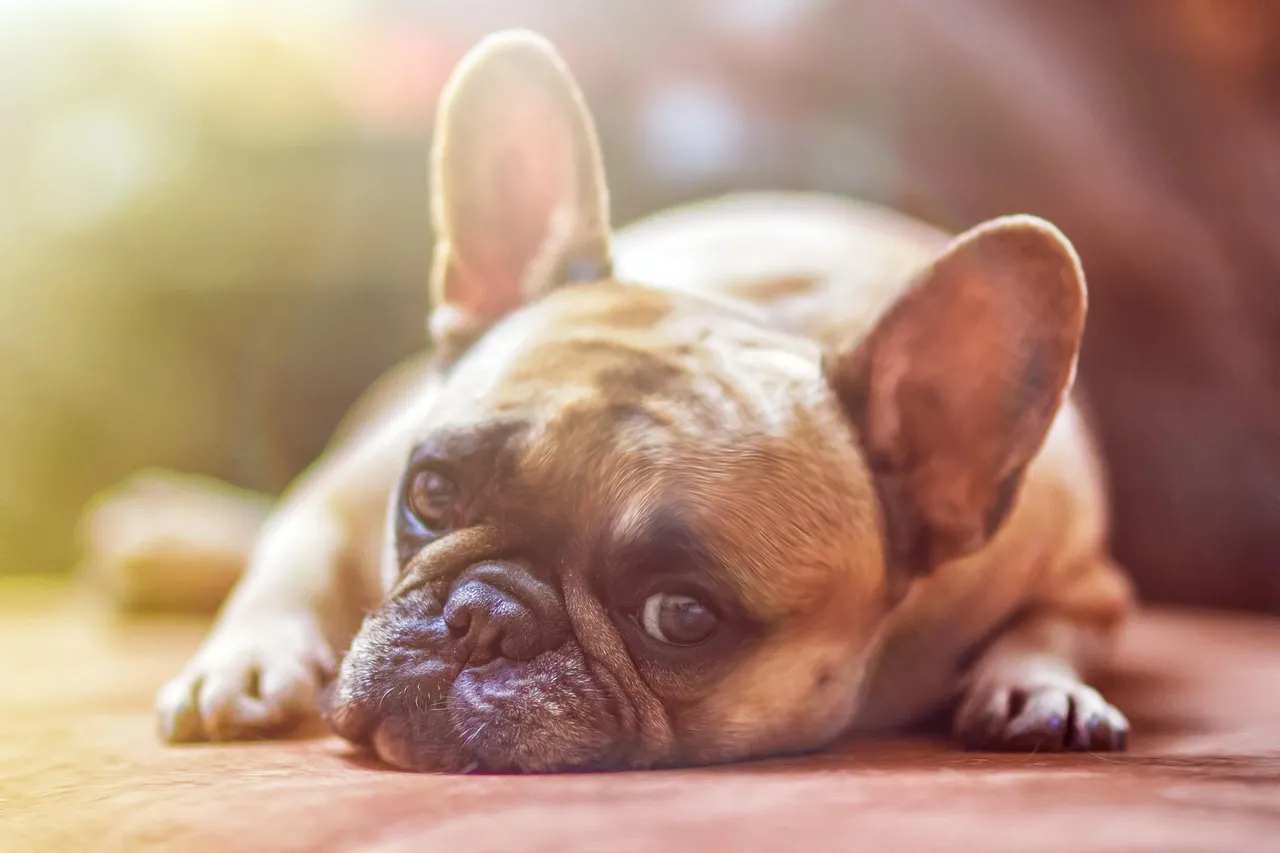
Schedule regular breaks for exercise and hydration. For dogs with motion sickness, this isn’t just a comfort suggestion. It’s a medical one. Getting off the road gives the vestibular system a chance to reset, and fresh air helps reduce nausea.
Whether you’re driving an hour or two or taking a cross-country road trip with your dog, you’ll have to plan around your pup’s needs, and that means pulling over for potty breaks and exercise. Check to make sure your route has plenty of safe places to let your pet stretch their legs.
Most major U.S. interstates are well-stocked with rest areas that accommodate dogs. Planning your route around these stops, rather than treating them as an afterthought, makes a genuine difference. A dog allowed to walk on grass, smell the air, and reorient to solid ground will restart the drive in a much more settled state.
Keep the Car Cool and Well Ventilated
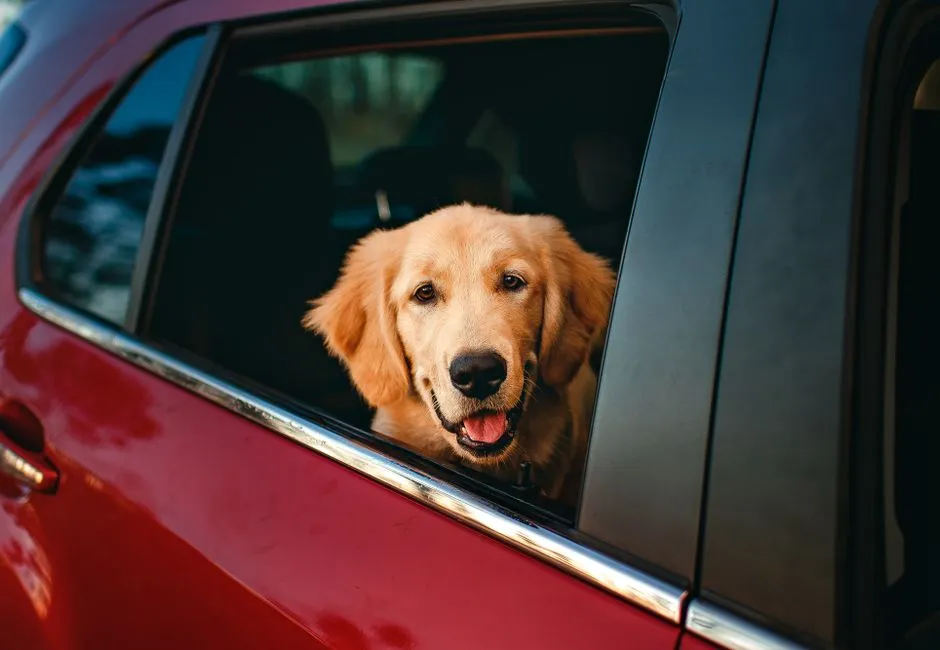
Dogs suffering from motion sickness may benefit from cooler air in the car, such as having a window open or the air conditioning on. Keeping the radio on low may also be helpful.
Heat amplifies nausea in dogs, much as it does in people. A stuffy, warm back seat dramatically raises the odds of your dog getting sick. Cracking a rear window slightly, just enough for airflow without creating a pressure imbalance, can help stabilize your dog’s inner ear environment while also cooling the cabin.
Route planning intersects with this, too. Driving during cooler parts of the day, like early morning or late afternoon, matters on routes through warmer states. For a dog predisposed to motion sickness, the combination of heat and movement is more challenging than either factor on its own.
Feed Lightly Before Departure, Not Right Before
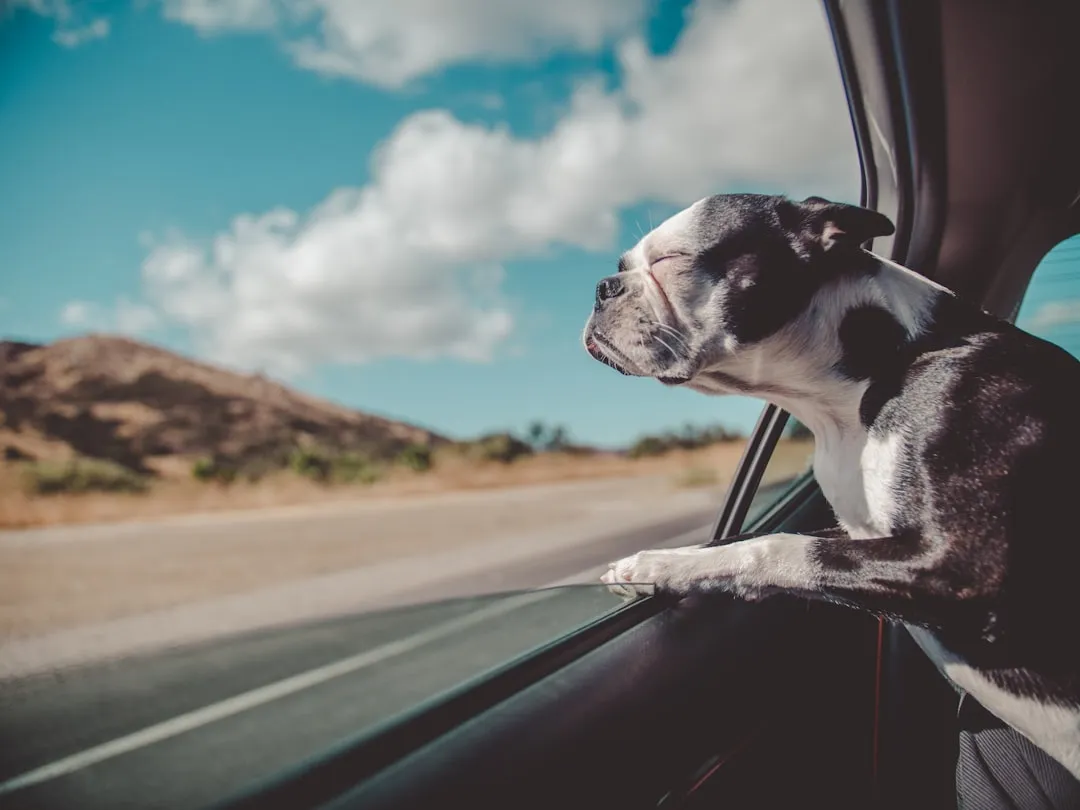
Vets consistently advise against feeding a dog a full meal right before travel. An empty stomach isn’t ideal either, but a heavy meal dramatically increases the likelihood of vomiting once the car is moving. A small, light snack a few hours before departure is the widely accepted approach.
To prevent dog motion sickness, practice putting your dog in a parked car and offering treats and praise. Start with short trips and slowly increase the length of time the dog is traveling to get them acclimated.
Think of the feeding schedule as part of the route plan, not separate from it. If you know you have a three-hour drive ahead, adjust meal timing accordingly. This is one of the simplest interventions available, and it costs nothing.
Use Desensitization Training Before the Long Trip
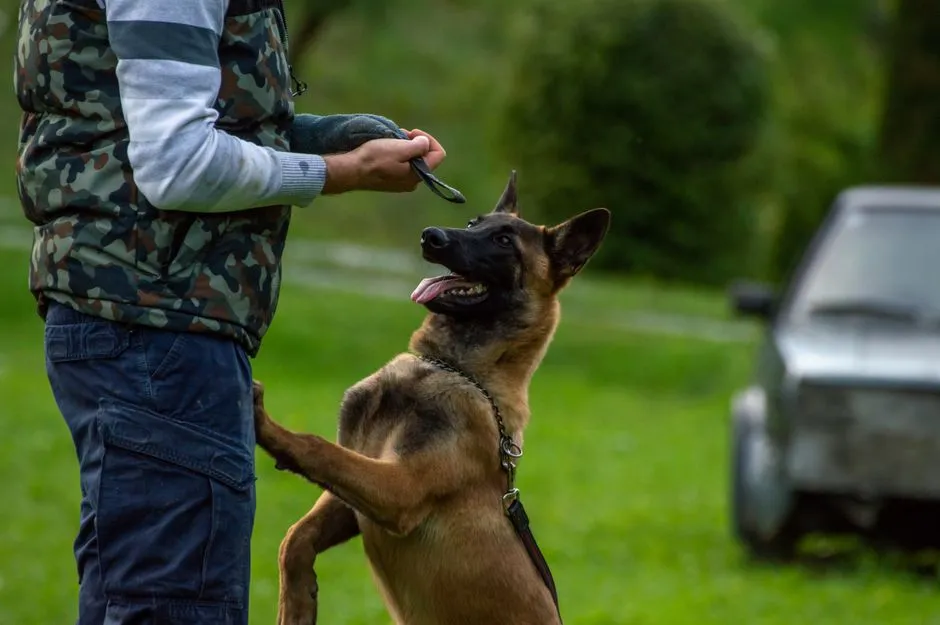
Behavioral training can be beneficial for dogs with anxiety-related car sickness. Gradual desensitization to car rides and counter-conditioning techniques can help ease anxiety and create a more positive travel experience.
Many adult dogs become anxious or even nauseous during travel due to a lack of conditioning and the overwhelming, unusual stimuli associated with moving inside a vehicle. Dogs that travel only once or twice a year are not used to car rides and often associate the car ride with the stressful experience that follows. This association causes heightened anxiety and stress and may result in vomiting and diarrhea.
If your dog is particularly anxious during car rides, consider trying behavioral training techniques. Before traveling with dogs in the car for a long distance, take some short practice trips that end in positive experiences for them. Starting weeks ahead of a major road trip gives you time to build a real foundation of calm.
Talk to Your Vet About Medication Options
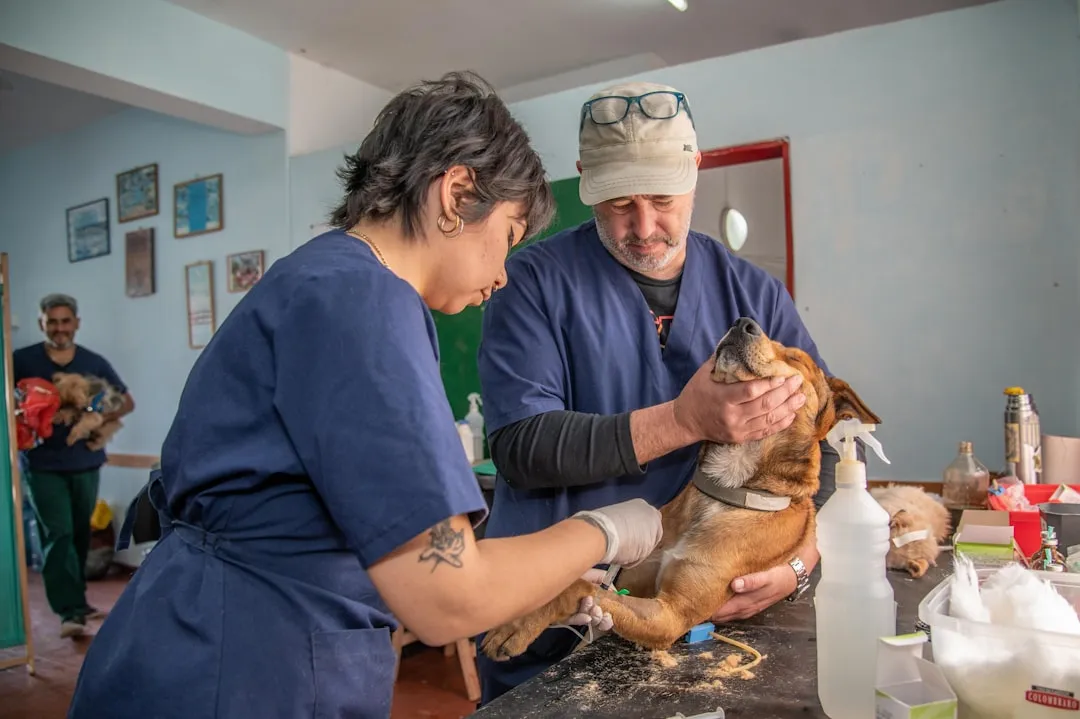
Your veterinarian can prescribe anti-vomiting and anti-nausea medications like maropitant or meclizine to help. Or if your dog has travel anxiety, your veterinarian can prescribe anti-anxiety medications like alprazolam or trazodone to calm and sedate them.
Antihistamines like Dramamine can be given to dogs 30 minutes before the car ride, and the effects can last three to six hours. Meclizine needs to be given 30 to 60 minutes before the car ride.
Test the medication at home as a “dry run” ahead of your trip so you know how your dog reacts to the medication. This is practical advice that many owners skip, and then discover mid-trip that a particular drug makes their dog unusually drowsy or restless. Doing a home test before a long drive removes that uncertainty entirely.
Consider Natural Remedies as a Complement
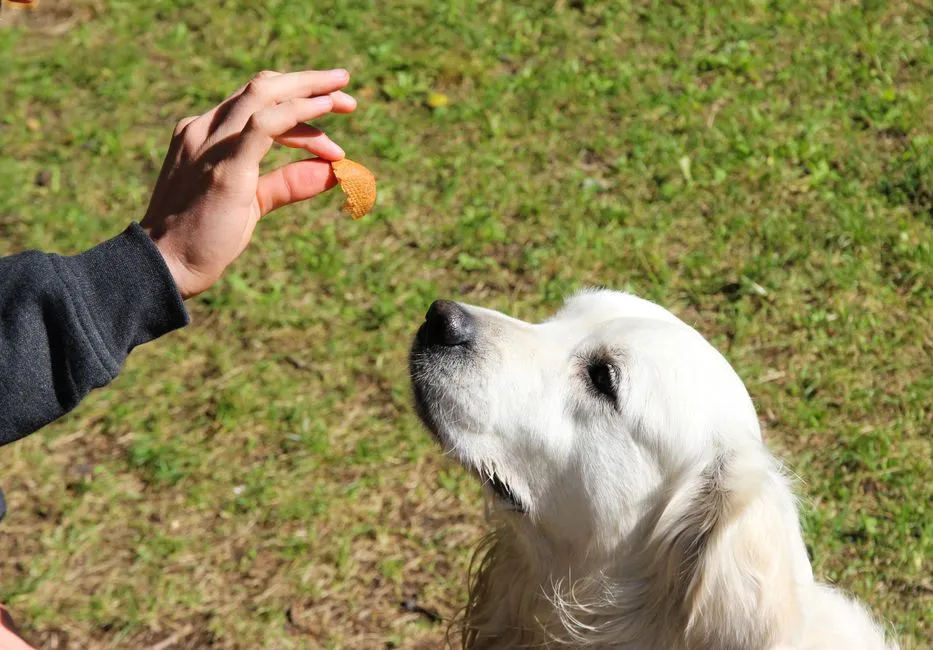
Ask your veterinarian to recommend over-the-counter calming herbal remedies like kava, valerian, passionflower, ginger, or skullcap. These can ease your pet’s symptoms as well as create a calming effect that makes traveling easier.
Non-prescription medication such as those containing casein protein derivative or L-Theanine can also help with calming. These approaches work best as part of a wider strategy rather than a standalone fix. Pairing natural calming supports with good route planning and frequent stops tends to produce better outcomes than any single method alone.
Ginger in particular has a long history of use for nausea in humans, and some vets suggest it may offer mild benefit for dogs, too. Always confirm any supplement choice with your vet before giving it to your dog, since dosing and safety vary significantly by weight and breed.
Secure Your Dog Properly in the Right Position
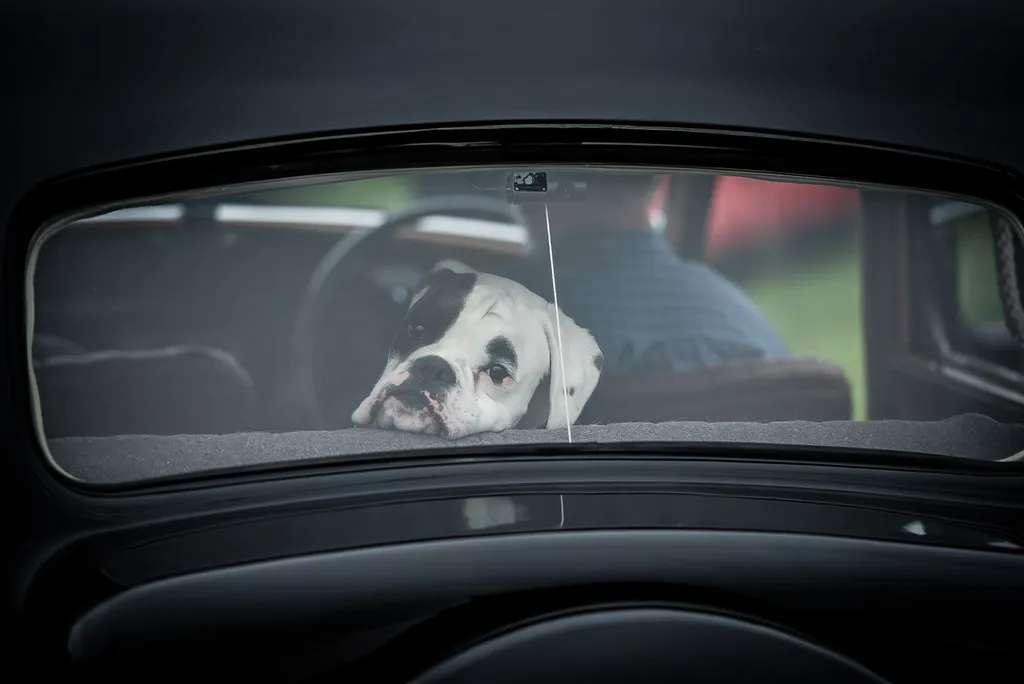
Use crash-tested harnesses or carriers, keep windows safe, and maintain cabin temperature. Beyond safety, where your dog sits in the car genuinely influences how sick they get. A dog that can see the horizon through a forward-facing window experiences less sensory mismatch than one bouncing around on the back seat with no stable visual reference.
The back seat, centered and secured, tends to be more stable than the rear cargo area of an SUV, which amplifies movement from the rear suspension. A raised booster seat in the back can allow smaller dogs to look out the window, which helps align what their eyes see with what their inner ear senses.
Bringing a few security items along for the ride, like your dog’s favorite stuffed animal, is a good idea. Familiar scents and objects reduce ambient anxiety, which in turn lowers the psychological component of motion sickness. It’s a small thing that matters more than people often expect.
The Takeaway
There’s no single magic route that works for every dog, but the principles are clear and consistent. Flat, smooth roads with predictable terrain reduce vestibular stress. Frequent stops allow recovery. Cool, ventilated cabins help. Good seating position and familiar comforts lower anxiety. And a conversation with your vet before departure makes all of it more effective.
Most dogs feel better quickly once the motion stops, and many outgrow motion sickness as they mature. For dogs who continue to struggle, there are effective strategies and medications that can reduce nausea and help make travel more comfortable and enjoyable.
The road trip doesn’t have to be off-limits for a carsick dog. It just needs to be planned with their physiology in mind, not as an afterthought. A thoughtful route, a prepared dog, and a vet who knows your animal’s history make an enormous difference. That’s the honest, practical picture.
AI Disclaimer: This article was created with the assistance of AI tools and reviewed by a human editor.