


Spend enough hours behind the wheel and food stops becoming just about hunger. It becomes strategy. For professional truck drivers clocking hundreds of miles a day, what goes into the cab matters almost as much as what goes under the hood.
The connection between snacking and alertness is better documented than most people realize. Research, driver surveys, and practical experience on the road all point to the same conclusion: the right snack habit, timed well and chosen carefully, is one of the most accessible tools a driver has for staying sharp.
It’s Not Just Caffeine Keeping Drivers Alert

Most people assume coffee is the trucker’s primary weapon against fatigue. It plays a role, sure. Caffeine can offer a short-term increase in alertness by blocking drowsiness-inducing chemicals in the brain, but it should be consumed in moderation.
Fatigue is not just about sleep. It is also about nutrition and timing. While caffeine provides a short-term boost, consistent eating habits may play a far more important role in keeping drivers alert and safe on the road.
That distinction matters. Relying solely on stimulants creates a boom-and-bust cycle that most seasoned drivers learn to avoid quickly.
What a Survey of 221 Truckers Actually Revealed
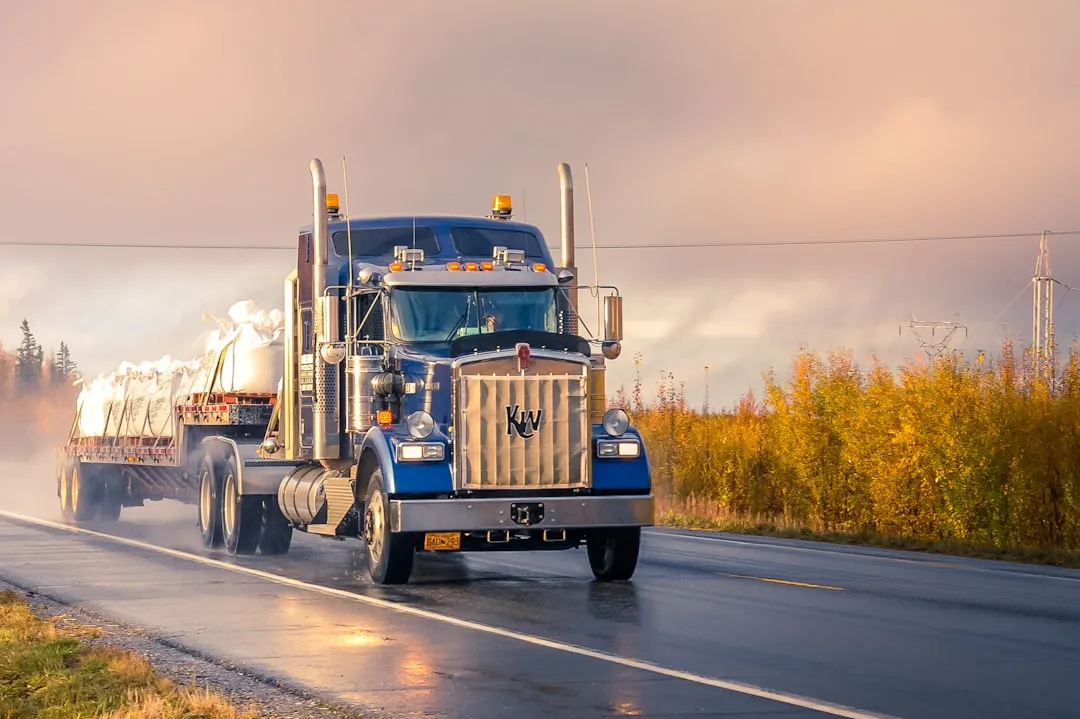
A survey of 221 U.S. truck drivers examined their go-to snacks, caffeine consumption, and how their eating patterns affect their performance and well-being. The findings reveal a detailed picture of what drivers eat, how much they spend, and what their snack choices say about fatigue, focus, and life on the open road.
Truckers’ top go-to snacks are fresh fruit, protein bars, and Snickers. That combination tells a story. Two of the three are built around sustained energy rather than a quick sugar hit.
Skipping meals or snacks made things worse for many. Drivers who went too long without eating reported a range of side effects, including driving faster or taking fewer breaks to make up time. That kind of behavior directly raises crash risk.
The Protein Principle That Changes Everything
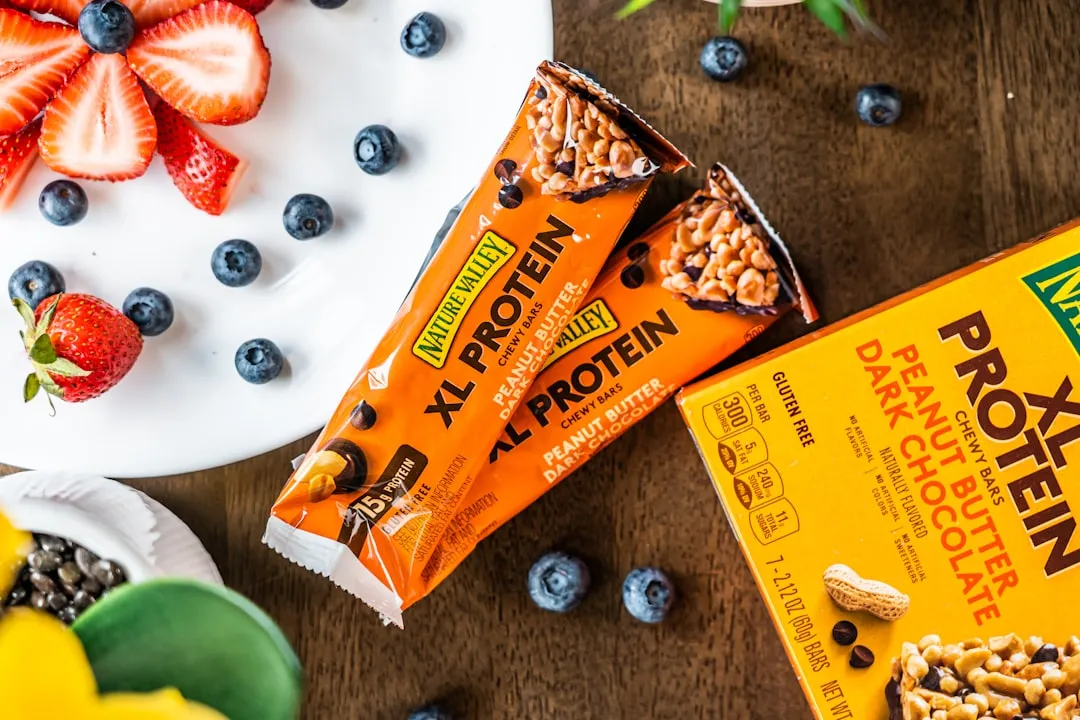
Protein helps slow digestion and keeps energy stable longer. This single fact is the foundation of most smart trucker snacking. When energy is stable, so is focus.
Protein keeps you feeling full and alert, so you aren’t distracted by a rumbling stomach. Healthy fats are crucial for long-term brain health and support sharp cognitive function. Together, these macronutrients form the backbone of what experienced drivers pack for long hauls.
Nuts, hard-boiled eggs, and protein bars consistently appear at the top of recommended lists for exactly this reason. They deliver without the crash that follows sugary alternatives.
Why Blood Sugar Stability Is the Real Goal
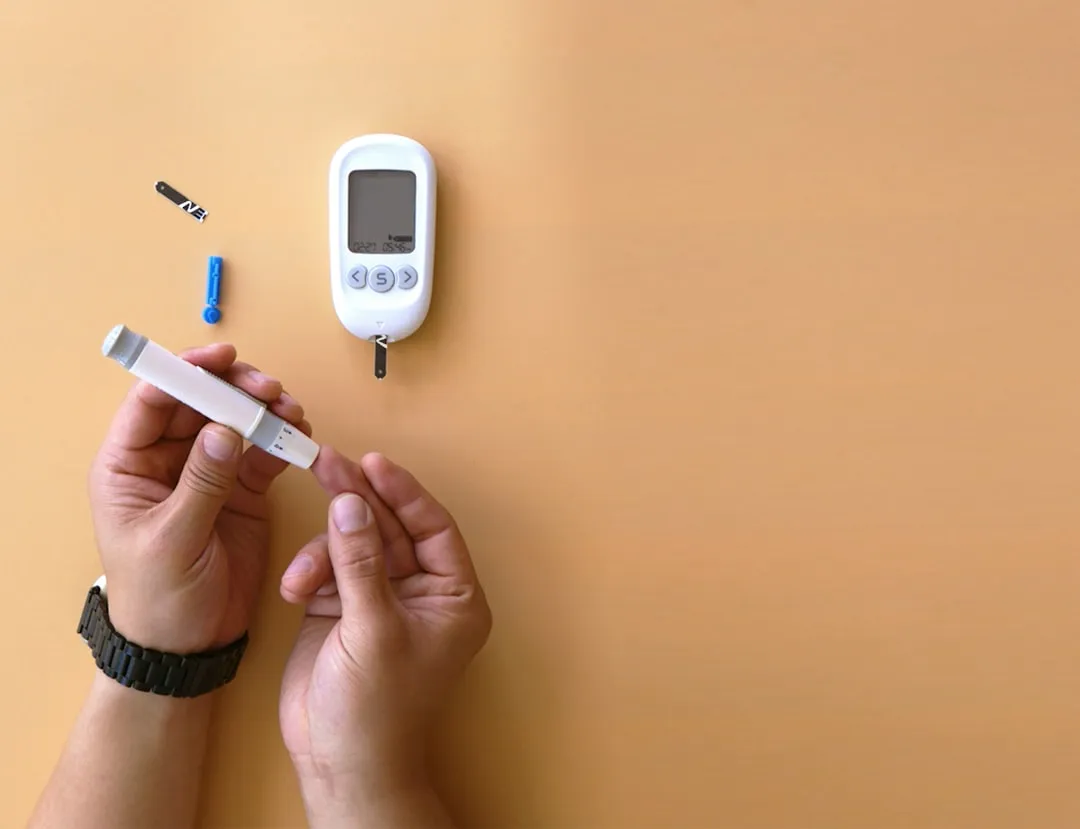
Maintaining stable blood sugar levels helps avoid spikes and crashes, which can lead to cravings and fatigue. For someone managing a 500-mile drive, a mid-afternoon energy crash is not just uncomfortable. It is genuinely dangerous.
Healthy snacks, rich in fiber, healthy fats, and protein, promote steady blood sugar levels. On the other hand, sugary snacks cause rapid spikes, followed by significant drops, leading to cravings.
A meal filled with plenty of fruits, vegetables, lean protein, and whole grains will keep energy levels even. Planning meals that include a few snacks like nuts, yogurt, or fruits in between can help keep blood sugar at constant levels. That steadiness is what drivers are really chasing.
Nuts: The Snack That Earns Its Place in Every Cab
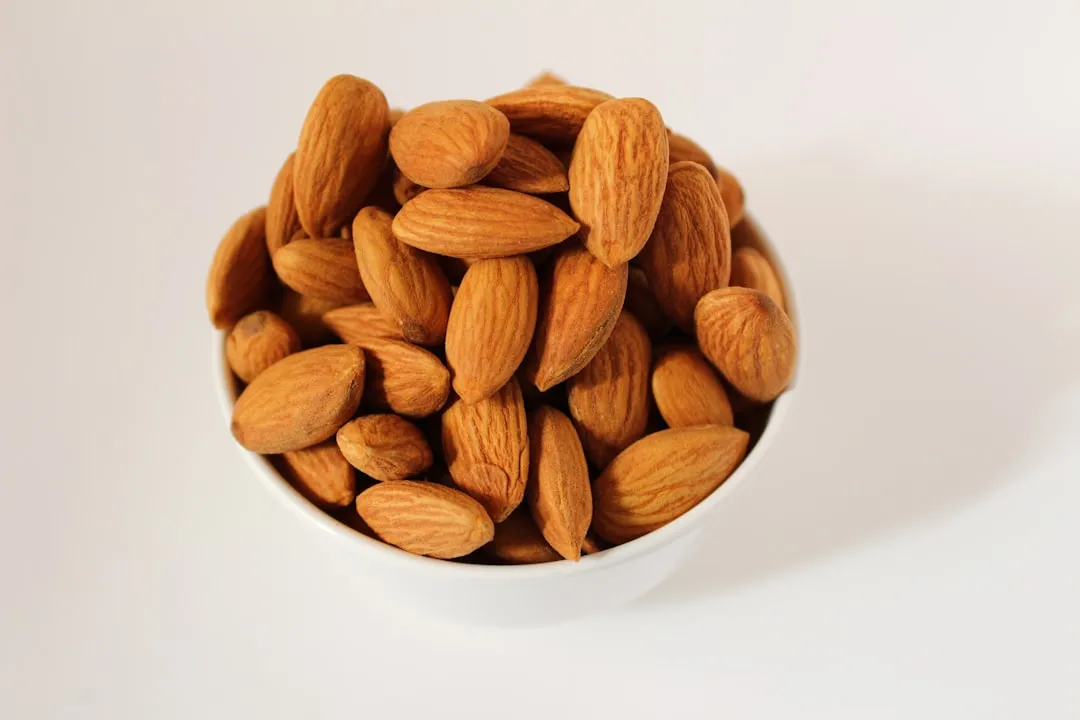
Pumpkin seeds, walnuts, and other nuts are excellent sources of zinc, magnesium, copper, and iron, all of which play a part in brain health. These are not empty calories. They’re compact, shelf-stable nutrition that requires no refrigeration.
Choosing snacks that combine protein, fiber, and unsaturated fats may help slow the absorption of carbohydrates, improve fullness, and reduce sudden rises in blood glucose. Nuts check all three boxes reliably.
A small bag of almonds, walnuts, or sunflower seeds provides healthy fats and protein to keep hunger at bay. Small footprint, big payoff. For cab life, that practicality is hard to overstate.
Fresh Fruit: Simple, Portable, and Underrated
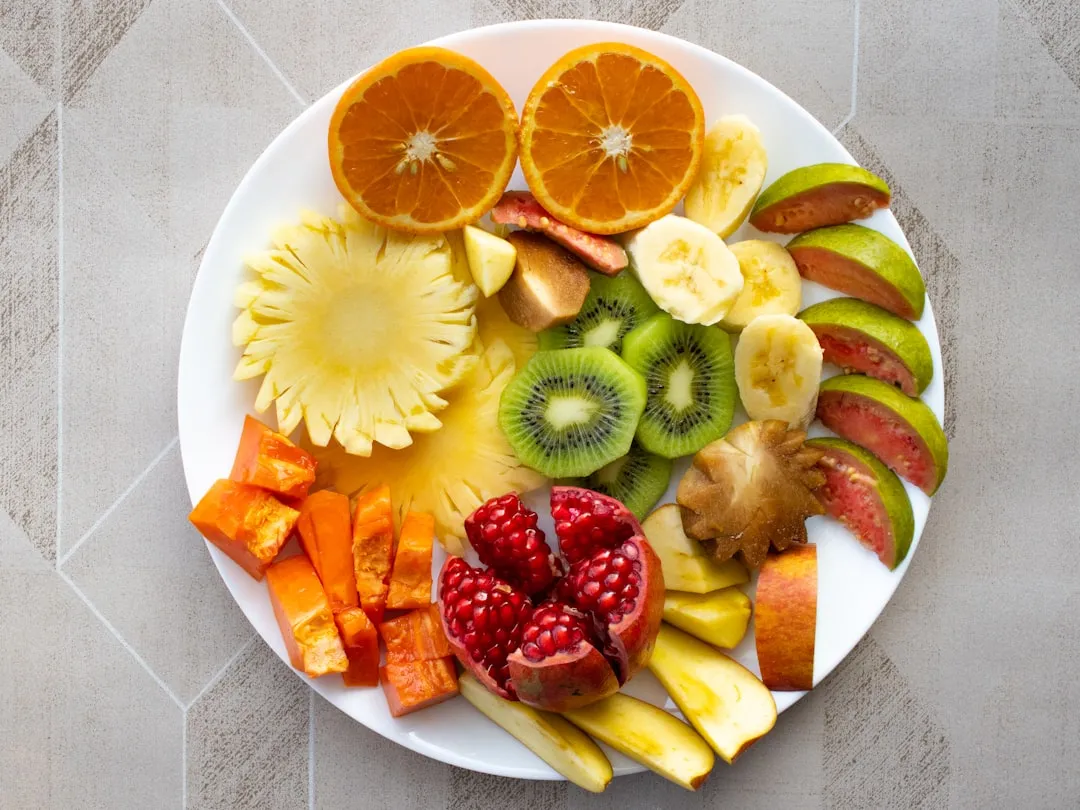
Fresh fruits like apples, bananas, grapes, and pre-cut carrots or cucumbers are easy to eat and require no preparation. On a tight schedule, that matters. Anything that requires a fork or a plate is a barrier.
Fiber is the secret weapon for sustained energy. It slows down digestion, which helps stabilize blood sugar for hours. Whole fruits deliver fiber naturally, along with water content that also combats fatigue.
Drivers who prioritize fruit as part of their rotation tend to pair it with something protein-based to maximize the staying power. An apple alone is fine. An apple with a handful of almonds is better.
The Heavy Meal Trap Most Drivers Learn the Hard Way

Consuming heavy or high-fat foods can make a person sleepy, so it is crucial to seek practical strategies to stay awake. The instinct to grab a full plate at a truck stop diner makes intuitive sense after hours of driving. The aftermath, however, is often a wave of fatigue that undermines everything.
Some foods make fatigue worse, even if they seem like a quick fix. This is especially true of large, carbohydrate-heavy meals eaten while still behind the wheel. The body redirects energy to digestion, and alertness pays the price.
When you’re well-rested, hydrated, and well-nourished, you’re more alert and less likely to develop health problems. Smaller, more frequent snack breaks often outperform the single big meal when sustained focus is the priority.
Hydration Is Snacking’s Quiet Partner

Dehydration is one of the biggest causes of fatigue. It’s also one of the most overlooked. A driver eating all the right snacks but skipping water throughout the day is still fighting an uphill battle against drowsiness.
The best thing you can do for your body is to drink water throughout the day. Doing so will have a plethora of benefits, such as increased alertness, healthier skin, and fewer headaches.
Carbonated sodas are generally full of caffeine. If consumed in the evening, these beverages could compromise the quality of sleep, opening a cycle of drowsy driving and poor safety. Water remains the most reliable choice across all hours of the drive.
The Crunchy Snack Effect That Most People Ignore
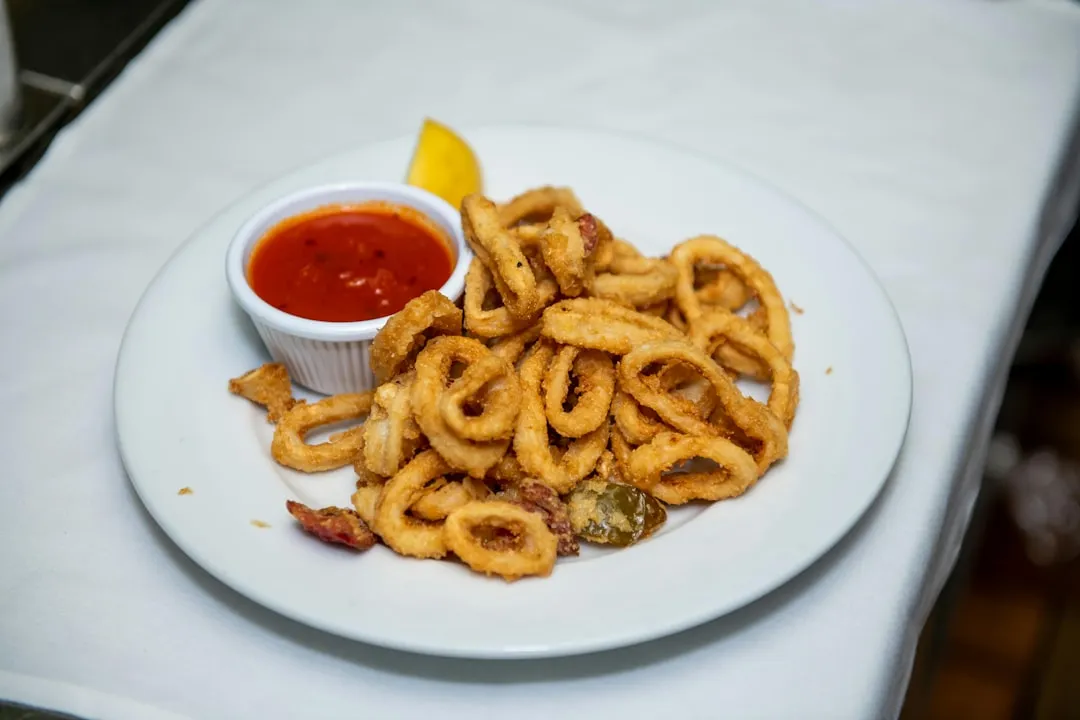
Crunchy foods do more than fill you up. They help keep you mentally engaged. This is a practical insight that doesn’t get nearly as much attention as it deserves. The act of chewing something with texture provides a low-level sensory stimulus that can help maintain wakefulness.
Chewing for longer periods can help maintain alertness. Carrots, celery, raw nuts, and rice cakes all serve this purpose. They keep the jaw working and, in a small but real way, keep the brain more engaged during repetitive stretches of highway.
This is probably why crunchy options appear so consistently in trucker-recommended snack lists. The texture isn’t incidental. It’s actually part of the benefit.
Planning Snacks Like Planning the Route
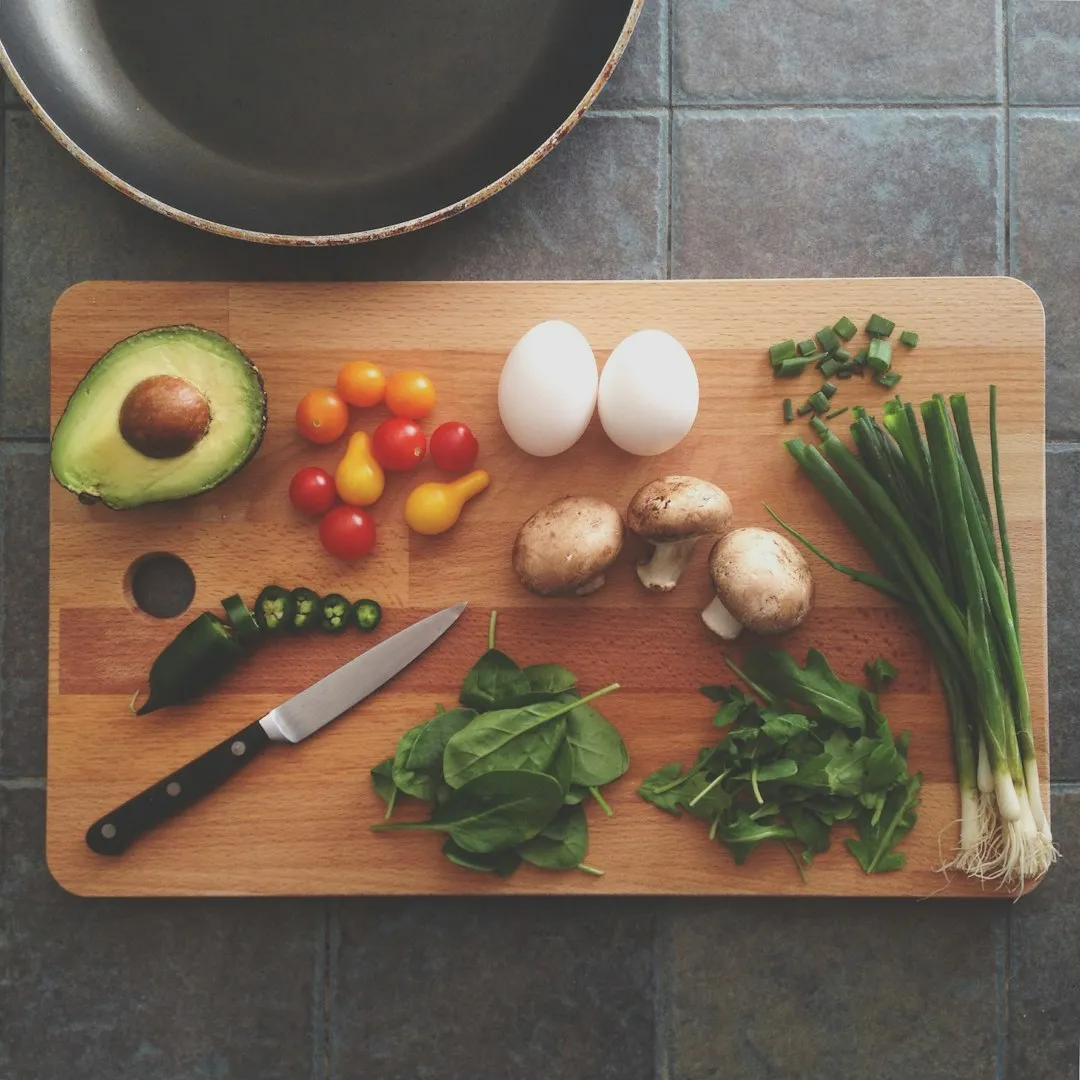
Planning your snacks is just as important as planning your route. Having a selection of healthy options on hand prevents you from resorting to less nutritious service station food. This is where the habit really lives. It’s not just about knowing what to eat. It’s about having it ready before hunger or fatigue forces a bad decision.
Meal prepping requires dedication and discipline, but truck drivers who prepare their meals set themselves up for nutritional success. Failure to do so often results in meals from the nearest fast-food restaurant, which isn’t doing the body any favors.
Most drivers are self-aware of their eating habits and express desires to eat more vegetables and to be intentional with eating healthy snacks and drinks. Positive attitudes towards healthy eating are influenced by the belief they could better manage their health. The awareness is there. The challenge is turning that awareness into a packing habit before the trip begins.
The Takeaway

The snack habit truckers swear by isn’t exotic or expensive. It’s consistent, intentional, and built around one simple principle: steady energy beats big spikes every time. Protein, fiber, healthy fats, and water, kept close and consumed in small amounts throughout the drive, create the kind of sustained alertness that neither caffeine nor willpower can reliably deliver on their own.
Most of what works has been confirmed by research into blood sugar stability, cognitive nutrition, and the lived experience of drivers who have covered millions of miles. The cab is a small space, but what fills it, nutritionally, shapes everything about how safely and clearly the next stretch of road gets traveled.
AI Disclaimer: This article was created with the assistance of AI tools and reviewed by a human editor.