
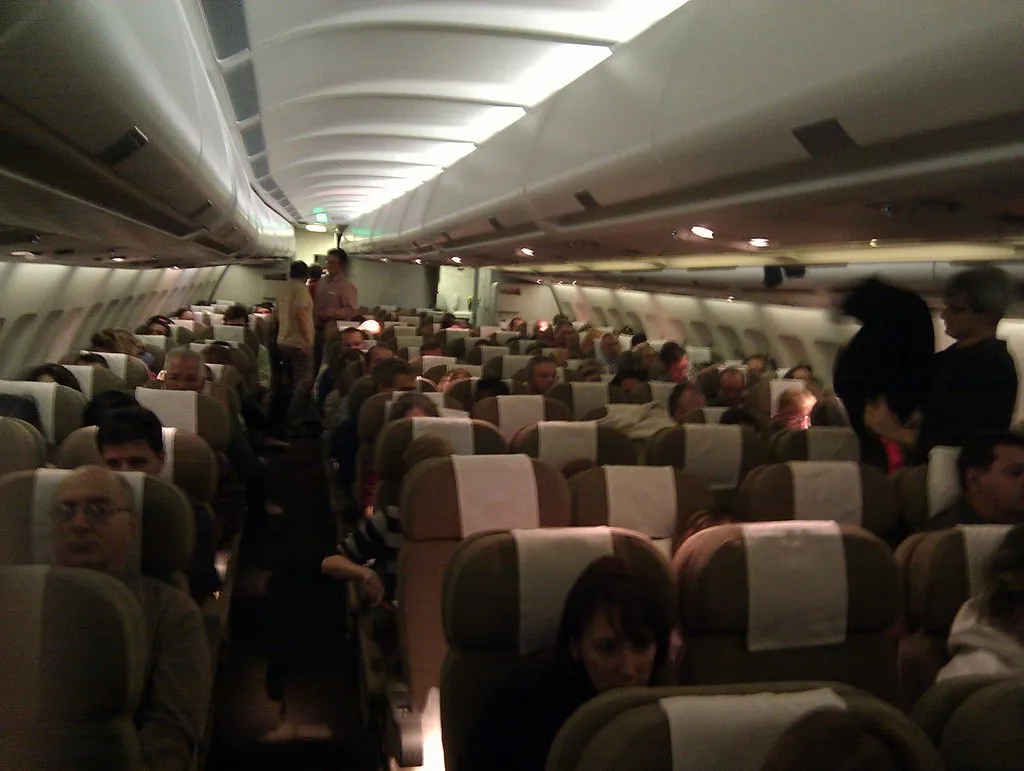
Most people have felt it. The wheels touch down, the plane slows, and within seconds a cluster of passengers have already shot to their feet, bags in hand, bodies pressed into the aisle. Nobody is going anywhere yet. The door isn’t open. The jet bridge isn’t connected. Still, the standing continues.
This particular habit has become one of the most reliably frustrating rituals in modern air travel, and it isn’t just an annoyance. It has measurable consequences for safety, turnaround efficiency, and the hundreds of people sitting behind you who simply want to get home.
The Habit Everyone Recognizes and Almost Nobody Defends
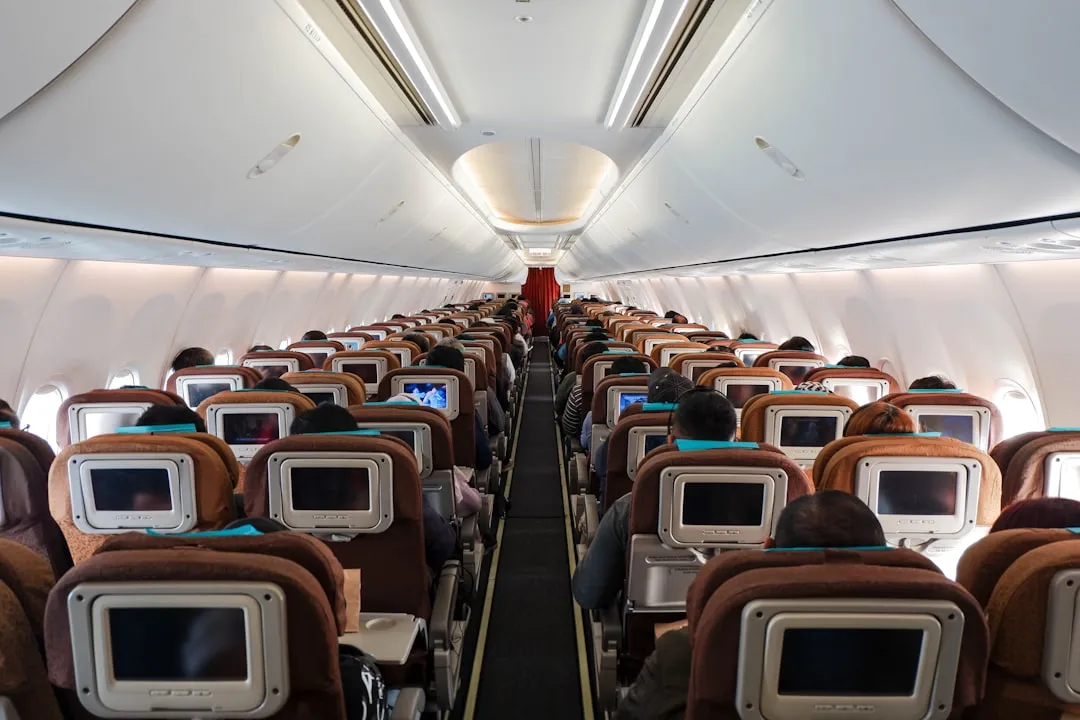
Standing up as soon as the plane lands, or at least as soon as the seatbelt sign is switched off, is often considered one of the most irritating things passengers can do onboard, yet plenty of people do it. What makes it so persistent is exactly how universal it feels. It happens on every airline, on every aircraft type, in every corner of the world.
Typically, once one passenger stands up, others seem to quickly follow suit, in what is known as the domino effect, whereby if people see others doing something, they assume it must be the right thing to do and therefore do it themselves. The result is a compressed wall of standing passengers blocking the aisle, all waiting for the same door that hasn’t opened yet.
It Actually Slows Everything Down
According to a study published in the Journal of Air Transport Management, an algorithm developed by authors at Northwestern University suggests that structured deboarding may actually reduce deplaning time by almost half on a full aircraft. That finding is striking when you consider how casually the current free-for-all approach is accepted as normal.
When modeled for the Airbus 320 and Boeing 757-200, deplaning time is reduced by almost fifty percent when the plane is full, and by roughly forty percent on an aircraft that is about eighty percent full. The math is clear: the spontaneous rush to stand doesn’t speed anything up. If anything, the bottleneck gets worse.
The Real Cost in Minutes Per Flight
The average time for passengers to deplane from a commercial flight can range from fifteen to thirty minutes, depending on factors such as the size of the aircraft and the efficiency of the airline’s procedures, with smaller planes taking about fifteen to twenty minutes and larger ones extending to thirty minutes or more.
Leaving the plane is allotted approximately ten to fifteen minutes in standard airline turnaround planning, but in practice this time is almost always exceeded, often up to thirty minutes. Each passenger who stands prematurely and fumbles with an overhead bin in a crowded aisle adds to that creeping total. Those extra minutes compound across hundreds of daily flights.
Overhead Bins Are the Real Culprit Within the Habit
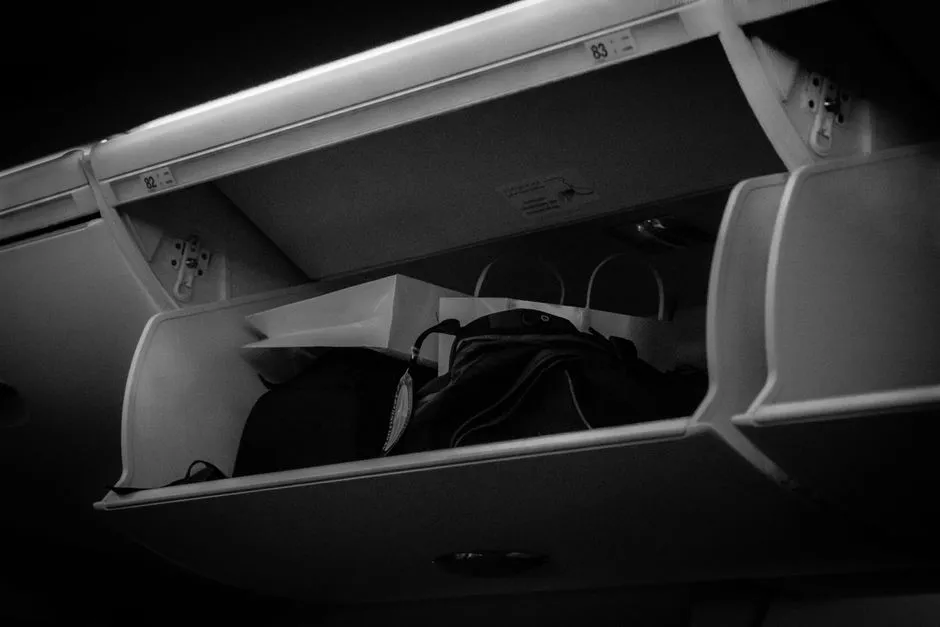
Flight attendants point out that standing too early can block emergency access, as they need to keep the aisle clear in case of an emergency evacuation or medical emergency upon landing, and when people stand up, they tend to immediately grab their bags from the overhead storage, blocking evacuation routes.
One factor that contributes to an increase in passenger boarding and deplaning time is an increase in the amount of passenger carry-on luggage. Passengers have increased their carry-on baggage for a number of reasons, including the implementation of checked baggage fees by airlines, and during the process, finding available overhead storage bin space becomes increasingly time-consuming and frustrating, causing delayed departures.
It Violates FAA Regulations and Can Cost You Thousands
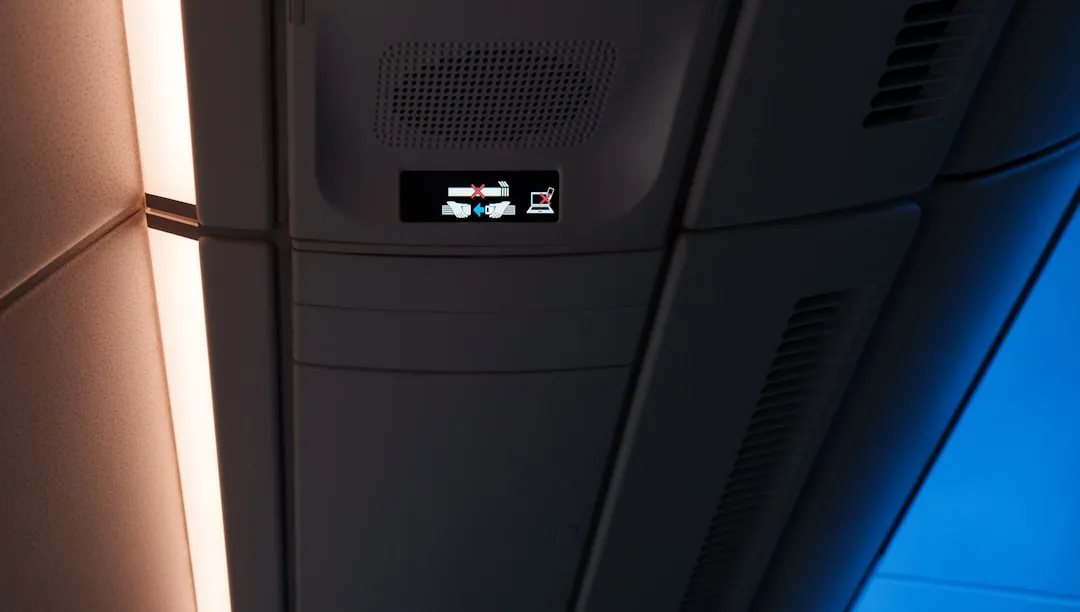
Passengers must not stand up until the seatbelt sign has been switched off at the very earliest, as doing so puts themselves and those around them at risk of serious injury, particularly if the aircraft is still moving and comes to a sudden stop, and such behavior violates U.S. Federal Aviation Administration regulations and could make them liable for a fine of up to $10,000.
The FAA incorporated into federal aviation regulations the requirement that the seatbelt sign must be turned on prior to movement on the surface, though pilots must weigh the safety alternatives before determining if it is appropriate to stop an airplane because a passenger has stood up during taxi. Most passengers are unaware this carries any legal weight at all.
Countries Are Now Starting to Legislate Against It
Turkey’s Civil Aviation Authority has brought in new regulations to improve safety and reduce disruptions during the disembarkation process of planes. When passengers rush to stand up while the plane is still moving, they frequently jostle other passengers or risk causing injuries by attempting to open the overhead compartments, and the ruling also intends to reduce the need for cabin crew to repeatedly issue safety instructions that are frequently ignored.
The Turkish civil aviation authority introduced the new rules following a rise in complaints about passengers standing up while the sign was still on. Offenders face fines of about £50, with penalties expected to be imposed on the spot and enforced through the submission of formal reports by airline staff. It is one of the first national authorities to make this a formal, enforceable offense.
Airlines Themselves Are Pushing Back
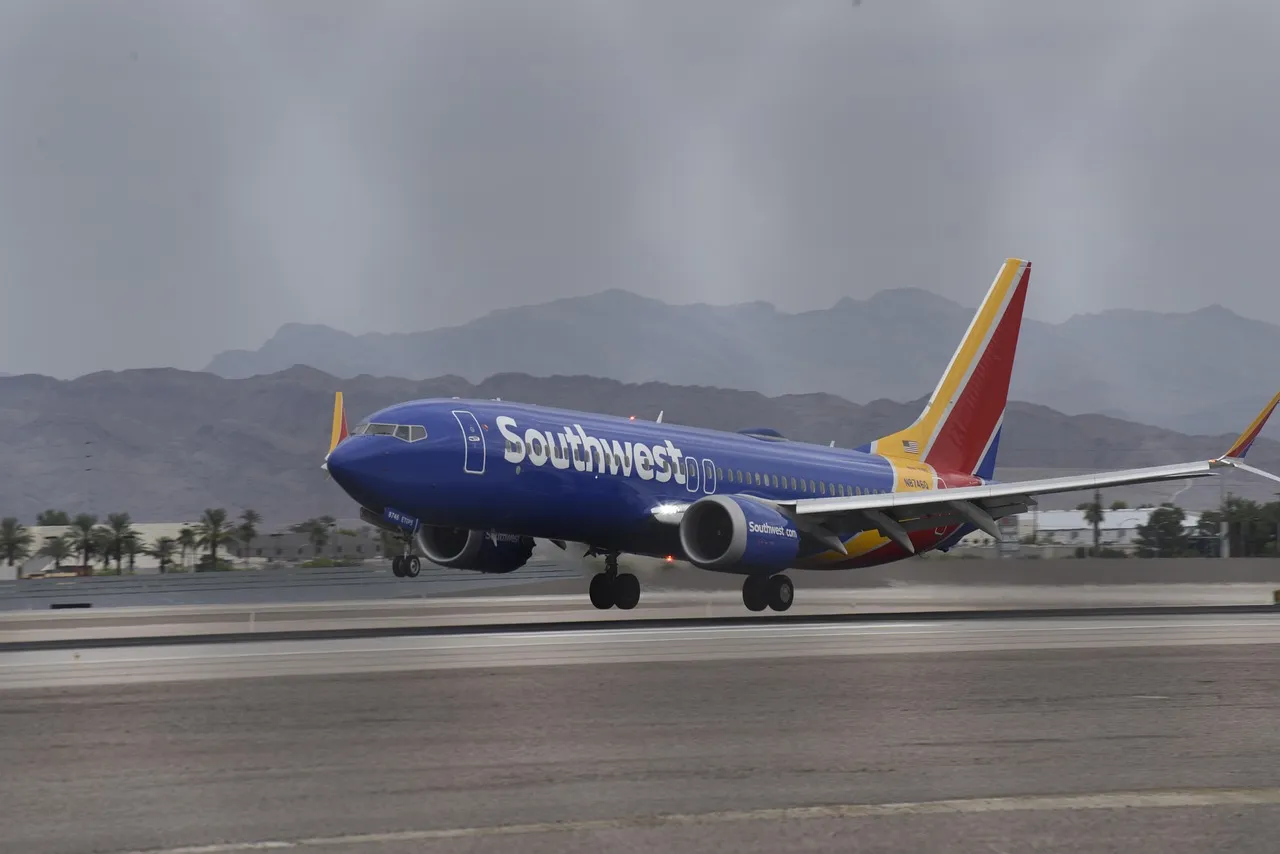
Southwest Airlines reignited a long-held etiquette debate among travelers in a post on Threads, writing that passengers won’t get off the plane faster by standing up a fraction of a second after the seatbelt sign turns off. The post exploded on the platform, sparking people on both sides of the debate to weigh in.
The public reaction was divided, but the frustration from the airline side was genuine. Etiquette expert Diane Gottsman, based in Texas, told Fox News Digital that passengers who stand immediately after landing have become a source of frustration for many other travelers. When an airline has to publicly plead with its own customers about this behavior, something has clearly gone sideways in collective norms.
The Domino Effect Makes Turnaround Times Worse for Everyone
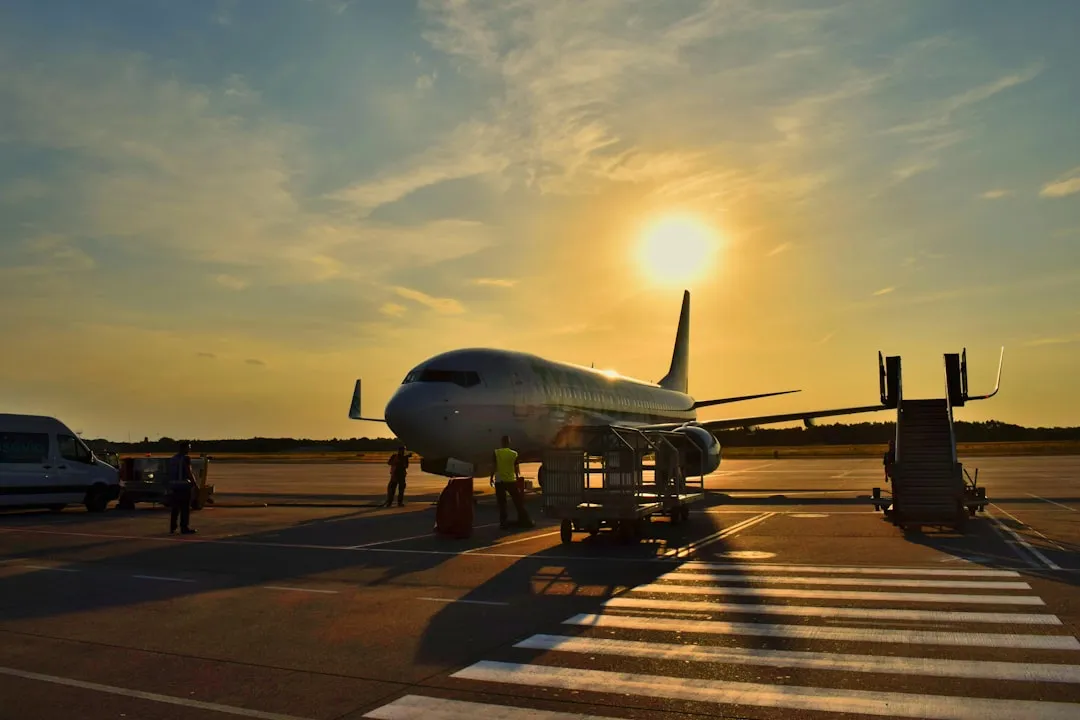
The average airplane turnaround time, meaning the window between an aircraft arriving at a gate and departing again, is approximately thirty to sixty minutes, and this turn time has actually doubled since the 1970s. Deplaning inefficiency is one of the documented contributors to that growth.
Nearly 1.7 million flights were delayed or canceled in 2024 out of the 7.5 million flights scheduled for the top ten airlines and their marketing partners, and last year’s on-time performance was the second-worst percentage in the last ten years. Every bottleneck in the gate-turnover process, including slow or chaotic deplaning, feeds into that overall number.
Passengers with Connections Pay the Steepest Price
A 2024 European aviation research simulation found that average disembarkation time can be reduced by forty-five percent through structured deplaning, from nine minutes to five minutes, and that this reduction is crucial for passengers with tight connections, allowing about thirteen percent more of them to successfully catch their onward flights. That thirteen percent is not a rounding error. It represents real people missing real flights.
A 2025 analysis of United States flight data found that more than 234 million travelers departing from U.S. airports in 2024 experienced a disruption, including delays and cancellations, out of roughly one billion total passengers, equating to nearly one in four travelers encountering a measurable interruption to their journey. Chaotic deplaning doesn’t cause all of those disruptions, but it consistently adds unnecessary minutes that cascade downstream.
The Unruly Behavior Picture Is Getting Broader
Airlines reported 2,102 unruly passenger cases throughout 2024, marking a one percent increase from 2023, which had 2,076 reported incidents. The standing-up habit sits at a milder end of that spectrum, but it belongs to the same pattern of passengers deciding their personal comfort takes priority over collective safety and efficiency.
These incidents put crew members at risk and cause flight delays and safety concerns. Cabin crew who are forced to repeatedly address passengers standing during taxi cannot focus their attention on the actual safety tasks that follow landing. The irritant and the risk are not always separate things.
What the Courteous Alternative Actually Looks Like
The solution isn’t complicated. Wait until the aircraft has stopped moving and the seatbelt sign is off. Under Turkey’s new rules, passengers must remain seated with their seatbelts fastened until the aircraft reaches its designated parking spot and the fasten seatbelt sign is deactivated. That is a reasonable standard, and it doesn’t require legislation to follow voluntarily.
Exit row by row from the front of the plane. Have your bag ready to retrieve quickly rather than blocking the aisle mid-retrieval. Most airlines currently allow passengers to exit the airplane in an unstructured fashion, meaning they don’t impose any rules on the order in which passengers disembark. That freedom works fine when people are thoughtful. When they’re not, everyone pays the cost.
Final Thoughts
The gap between what’s technically allowed and what’s genuinely considerate is where this habit lives. Standing the moment a seatbelt sign dims doesn’t save you time. It doesn’t get the door open faster. It creates a wall of bodies, blocks the aisle, and forces everyone around you into an uncomfortable holding pattern that benefits nobody.
Deplaning is one of those rare moments in travel where the math and the manners point in exactly the same direction. Sitting down a little longer, letting the row ahead of you clear, keeping the aisle open: these are acts of courtesy that also happen to be acts of practical efficiency. The plane lands the same way regardless. How quickly everyone gets off is mostly up to how well people treat each other in those final few minutes.
AI Disclaimer: This article was created with the assistance of AI tools and reviewed by a human editor.