
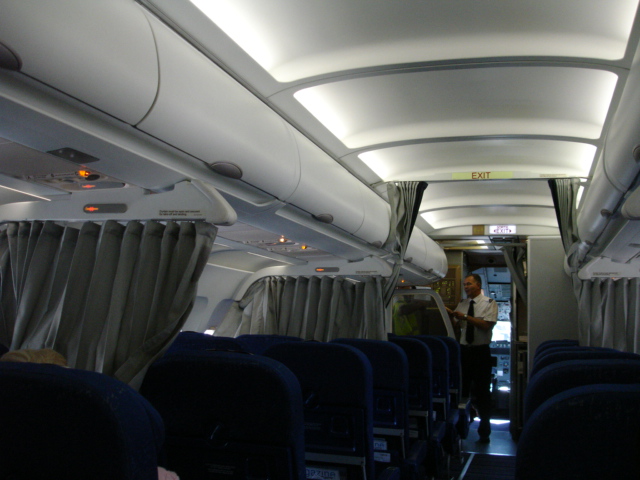

The Surprising Divide in Passenger Opinion
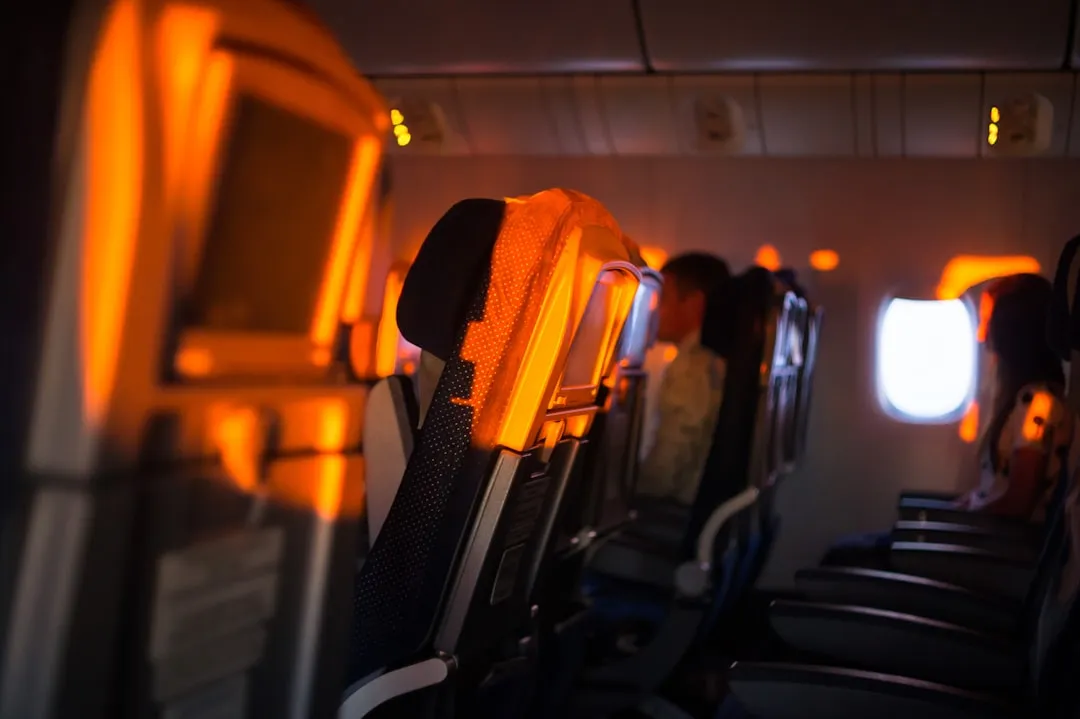
The debate over seat recline is far more fractured than most people assume. More than 77% of people think it is rude to fully recline an airplane seat, according to survey data from The Vacationer. Yet in a separate YouGov survey commissioned by The Points Guy, a slim majority of respondents said it’s acceptable to recline in economy only if you check behind you first, while just 21% say it’s fine to recline anytime after takeoff, and only 10% say passengers should never recline.
What those numbers actually tell us is nuanced. Most travelers aren’t opposed to reclining – they’re opposed to surprising the person behind them. That single observation quietly resolves most of the conflict before it even starts.
Short Flights Are the Wrong Time to Recline
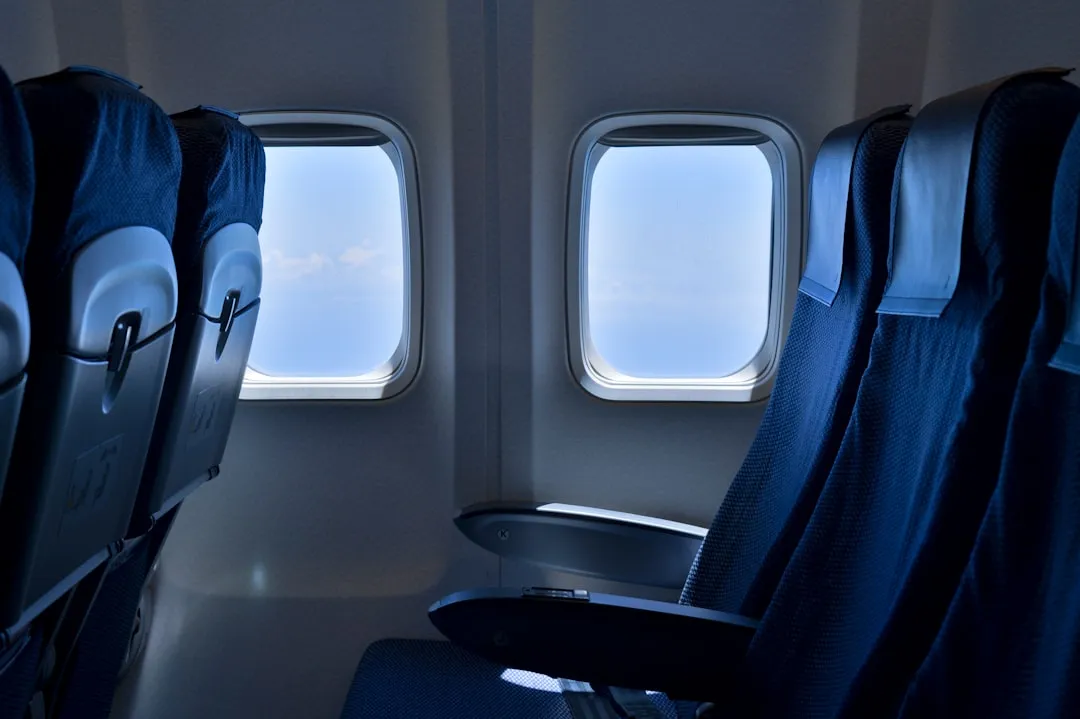
There does not seem to be any firm airline policy on the duration of the flight when it comes to reclining seats, but for a short haul, etiquette experts strongly recommend you avoid reclining, when possible, for the sake of the person behind you who has very little legroom in coach. On a one-hour regional hop, reclining rarely provides meaningful rest anyway.
For short flights, dealing with an upright seat and saying nothing is usually the best option for everyone involved. The math is simple: the duration of benefit to you is minimal, while the inconvenience to the person behind you is immediate and real.
Wait Until After Meal Service, Every Time
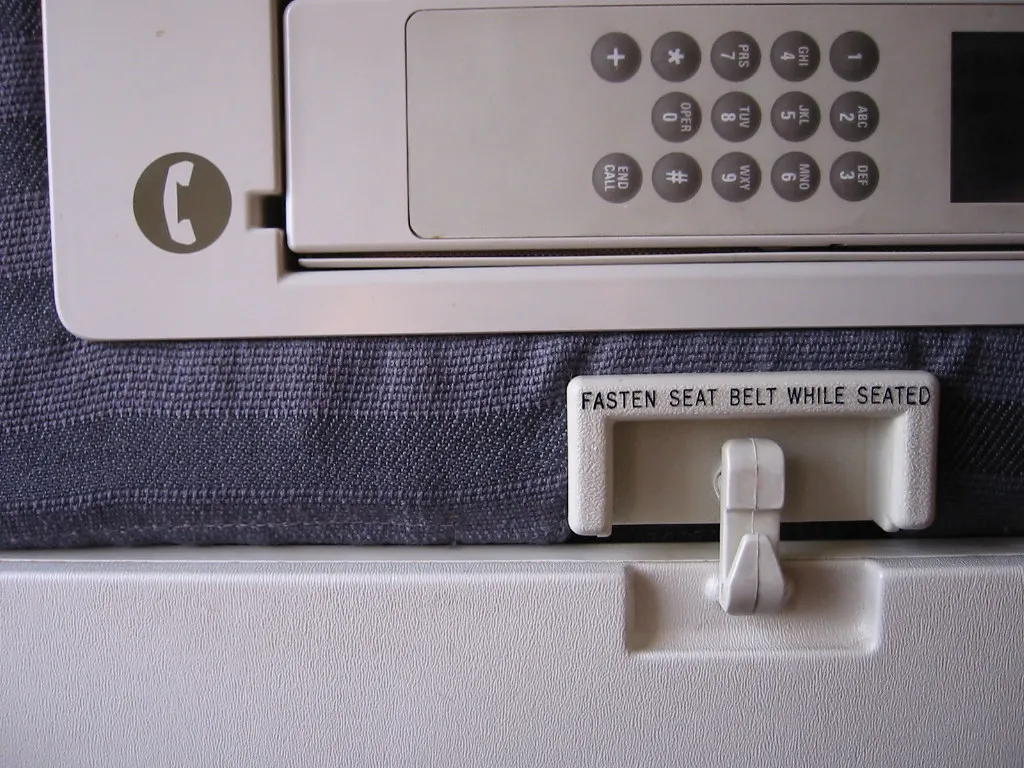
Do not recline during drink or meal service. Tray tables are going down along with your seat, and the passenger behind you will have a tray table pressed directly into their lap. This is one of the clearest moments in any flight where reclining causes direct, physical discomfort to someone else.
Many aircraft are designed with tray tables fitted directly to the back of each seat, which makes reclining during a meal an extremely uncomfortable experience for the passenger just behind you. Flight attendants consistently encourage passengers to bring their seats upright when meals are served. It’s one of the rare areas where cabin crew are in near-universal agreement.
The Lights-Off Signal Is Your Green Light
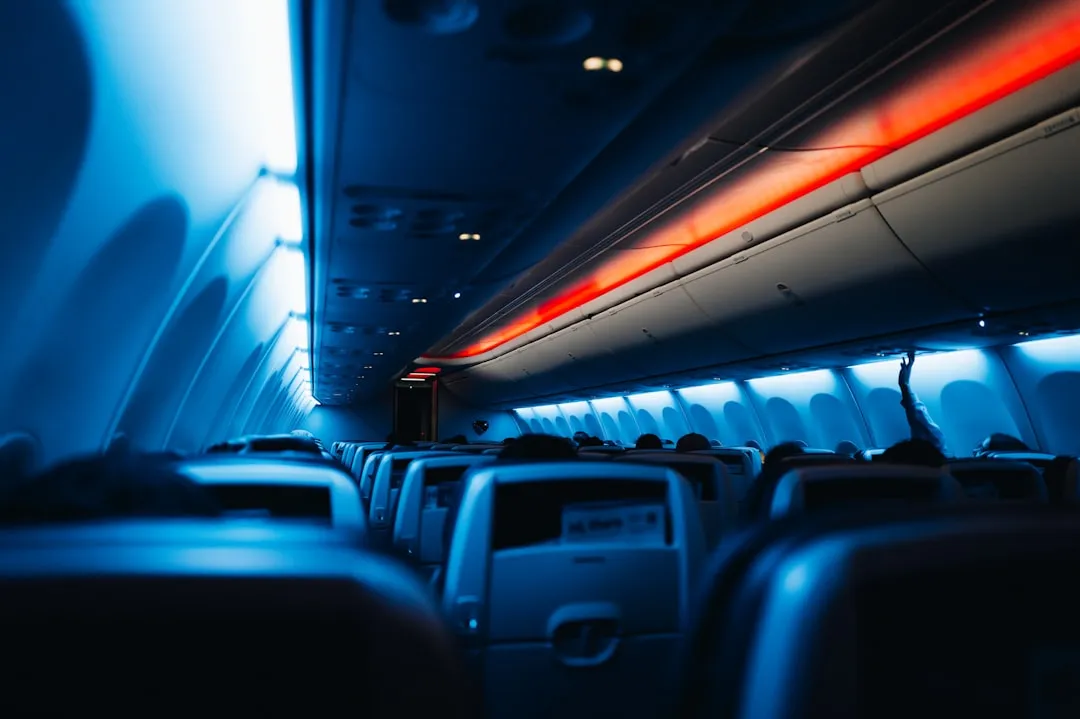
The one time when the etiquette calculus shifts decisively is when flight attendants signal that they are turning off the cabin lights so passengers can sleep. At that point, it’s generally understood that reclining is fine. This moment acts as a kind of collective permission from the entire cabin.
On longer overnight flights, when many passengers recline to sleep, it is generally accepted. If the lights are low, blankets are out, and the cabin has settled into a quiet rhythm, reclining is doing exactly what it was designed to do. This is the moment most etiquette experts would agree is genuinely the right one.
How You Recline Matters as Much as When
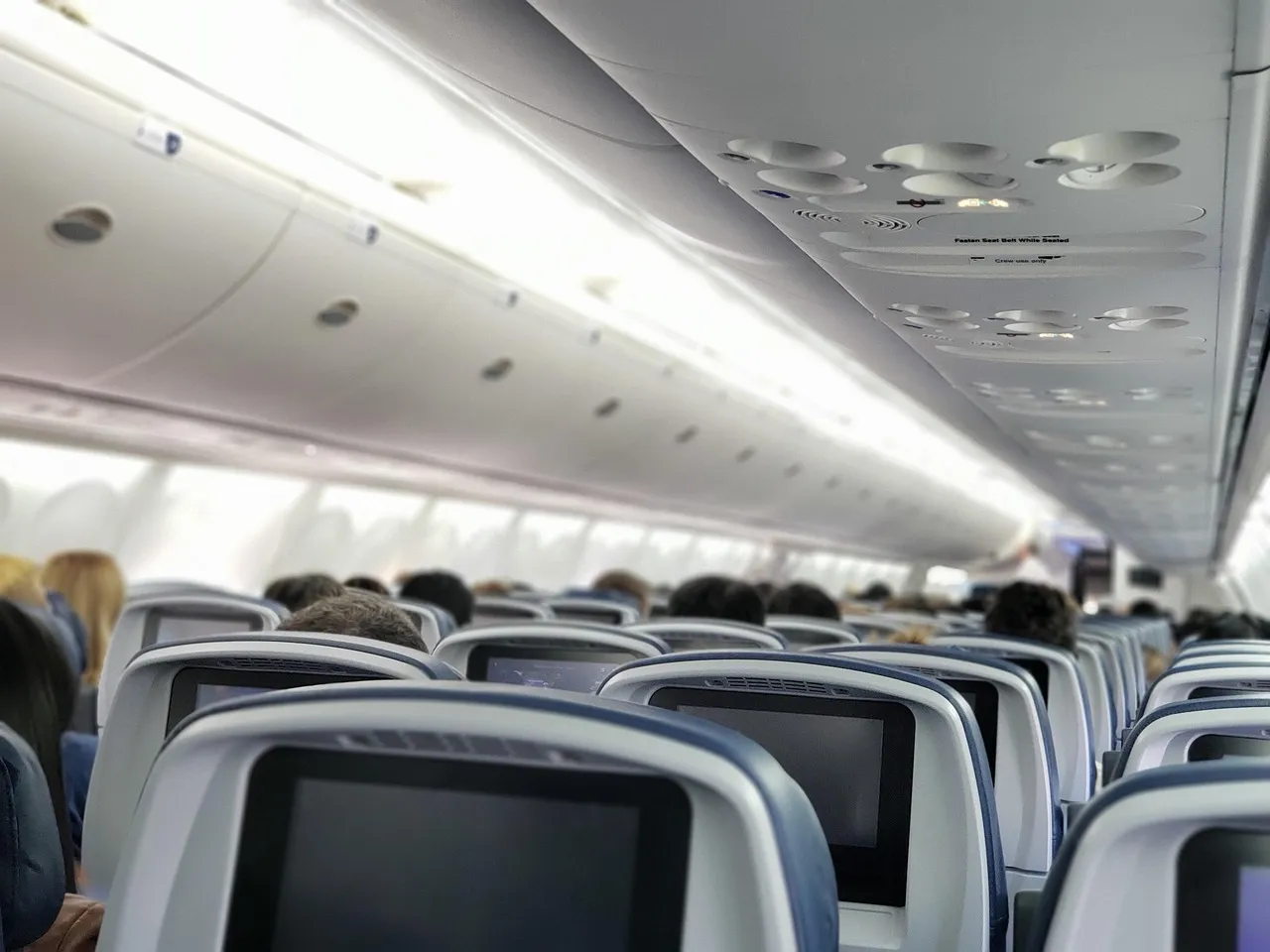
If you choose to recline your seat, do so gradually rather than abruptly. This allows the person behind you to anticipate the change and adjust accordingly. A slow recline gives the person behind you time to move a drink, close a laptop, or simply brace themselves.
Do it slowly or in increments. Don’t jarringly, full-on recline, thereby banging into knees, knocking over tablets, or spilling drinks. That kind of aggressive recline is what actually ignites conflict, far more than the act of reclining itself. Speed and force are the real culprits behind most inflight grievances.
A Quick Look Behind You Changes Everything
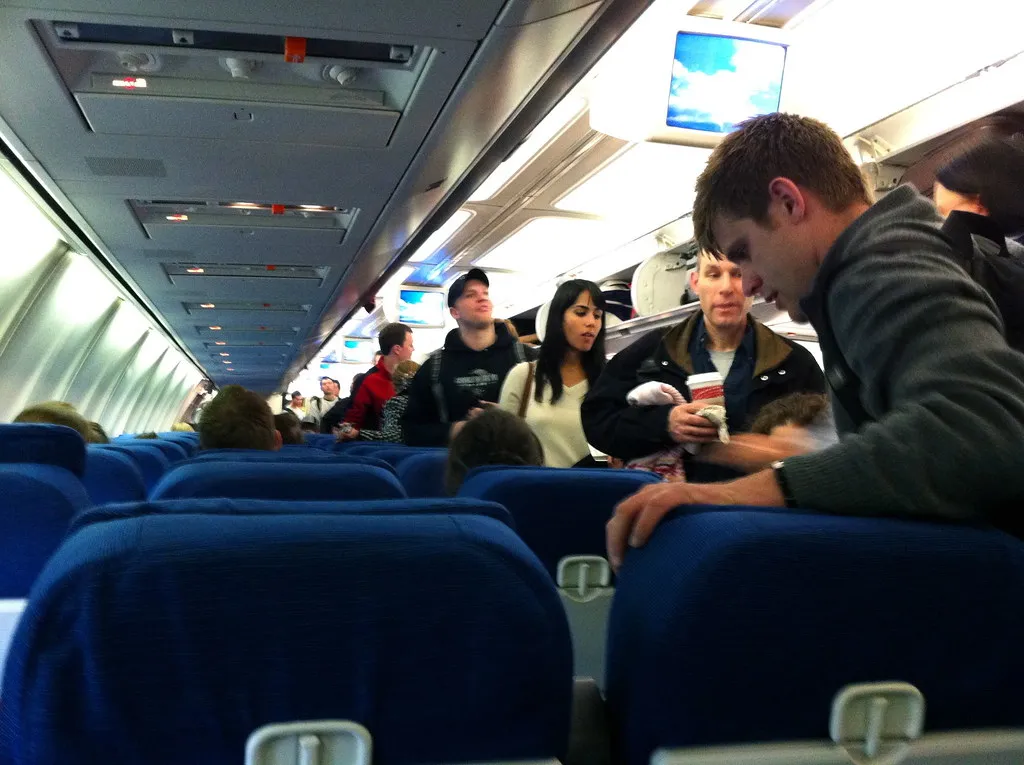
A majority of respondents in the YouGov survey commissioned by The Points Guy say it is acceptable to recline your seat in economy only if you check behind you first. That glance takes two seconds. It’s the simplest possible act of consideration, and the data suggests most people find it completely sufficient.
Before you reach for the button, just look. Is the person behind you eating? Do they have a laptop open? Are they tall? Is there a child on the tray table? A gentle conversation before reclining fully can alleviate a significant amount of tension. You don’t need a formal negotiation – even a brief nod or a quick “do you mind if I recline?” transforms the entire interaction.
The Legroom Problem Is Real, and Airlines Created It
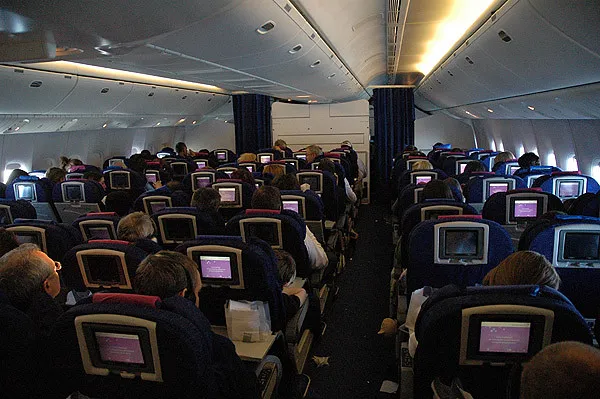
A 2019 study published in the International Journal of Industrial Ergonomics noted that prolonged immobility in cramped economy seats can significantly increase the risk of deep vein thrombosis. When a seat reclines into an already tight 28-inch space, it effectively pins the passenger behind into a fixed position.
In a premium cabin where the pitch is 38 inches or more, a reclining seat is barely noticed. In economy, however, those two inches of recline represent a massive percentage of the available seat space. The conflict, in that sense, isn’t really about bad manners. It’s about geometry, and airlines made this problem.
What the Airlines Are Actually Doing About It
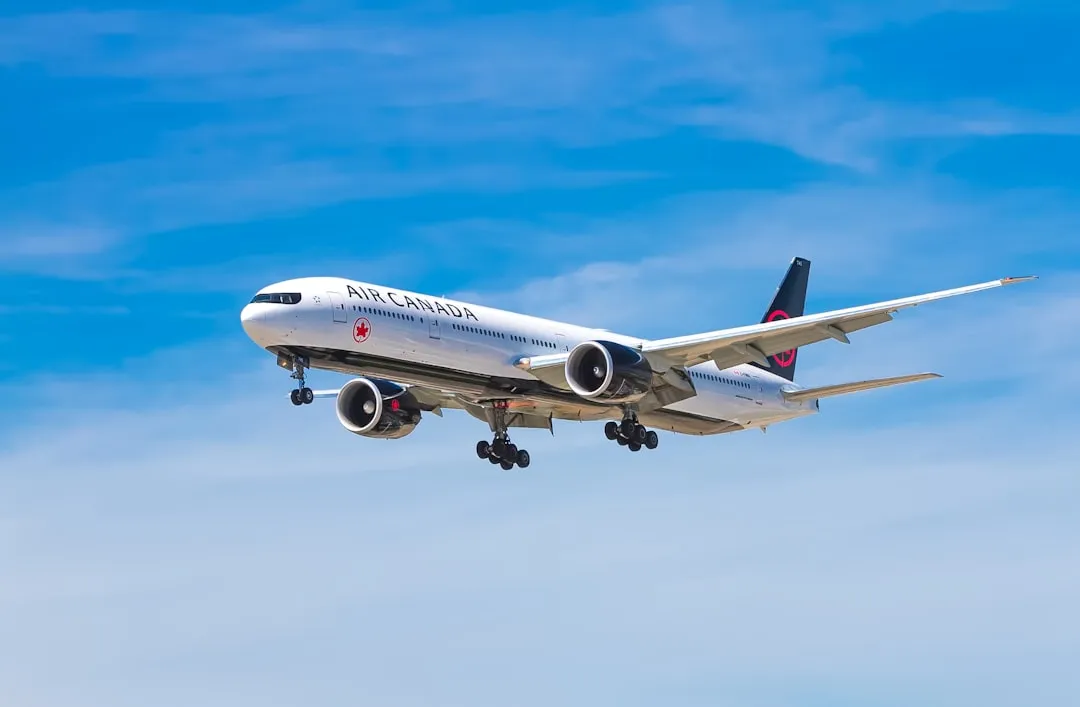
Some carriers have tried to sidestep the debate entirely through seat redesign. WestJet pushed the non-reclining trend into the mainstream in late October 2025, when it began reconfiguring Boeing 737s with densified seating, adding an extra row of seats and reducing pitch to 28 inches with non-reclining seats. It lasted about three months.
By January 2026, WestJet announced it would reverse the densified seating and convert aircraft back to their original layouts. The airline said it may revisit the concept after further review, but for now, recline is back on WestJet. Meanwhile, Delta and American have reduced recline to about two inches rather than eliminating it. The debate isn’t going away through engineering alone.
When to Bring the Seat Back Up Without Being Asked
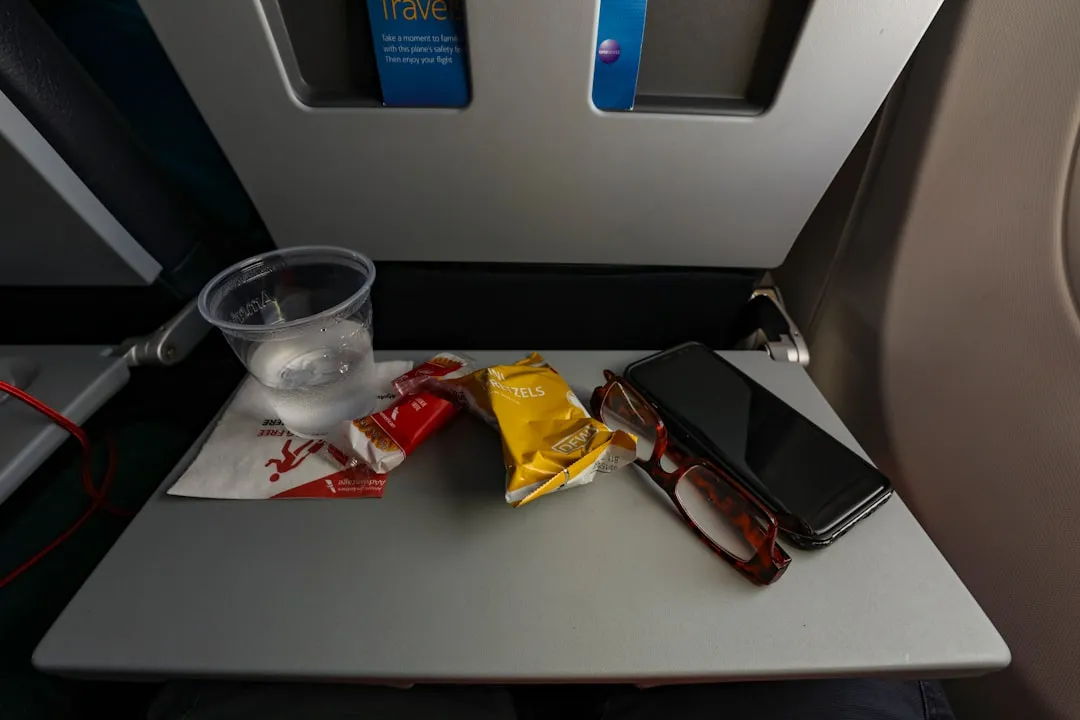
When the lights are on for mealtimes, especially shortly after takeoff or shortly before landing, you should put your seat up out of courtesy to the person behind you. It’s difficult to eat a meal in economy if the person in front has reclined. These are the two bookend moments of any flight where an upright seat is simply the right call.
Coming in to land is another obvious moment. Cabin crew will ask you to return your seat to the upright position before descent regardless, but doing it proactively – and without being prompted – is the kind of small courtesy that makes shared travel feel genuinely civil. It costs you nothing and signals awareness.
The Partial Recline Is an Underused Option
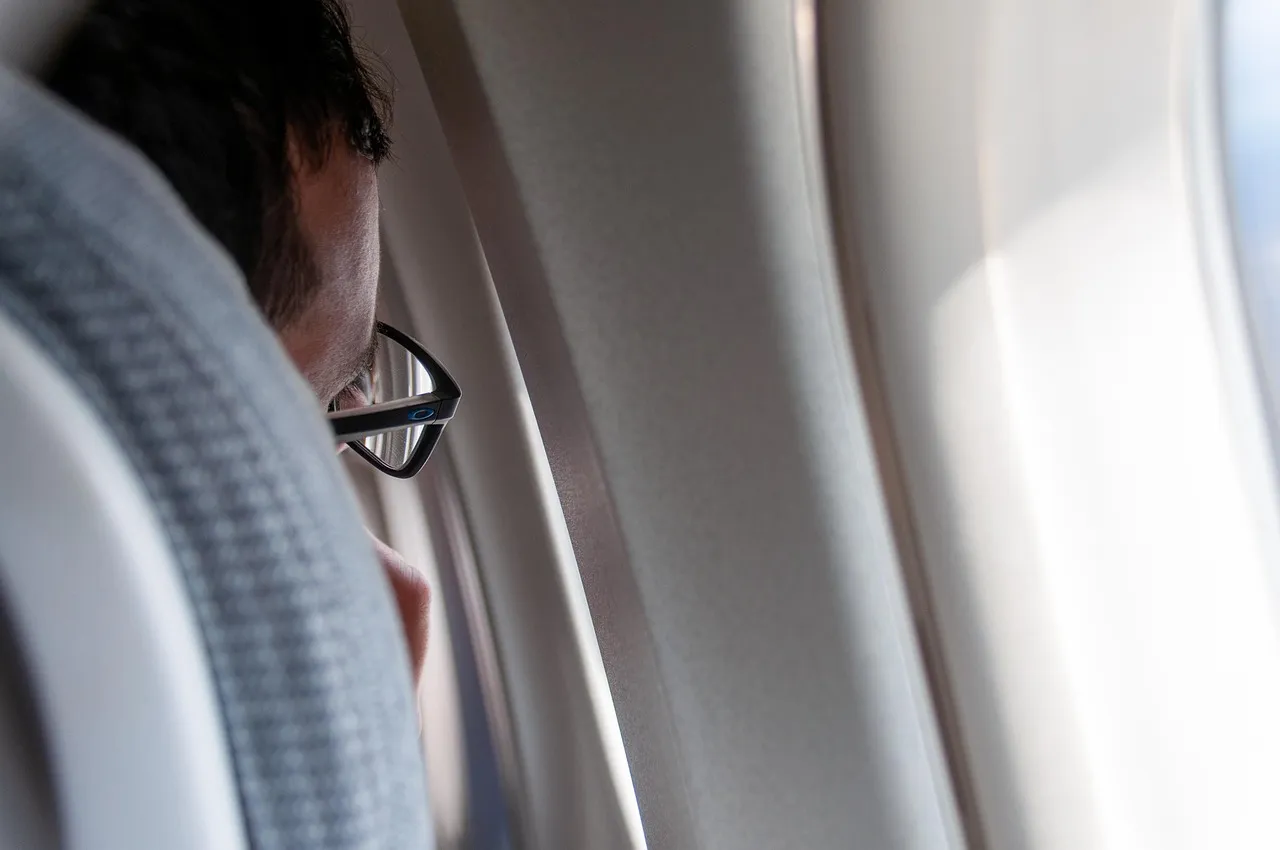
Nobody says you have to go all the way back. Asking someone to only partially recline is a compromise most reasonable people should accept. The same logic applies in reverse: choosing to recline only halfway is something most people behind you will never even notice or object to.
If you can avoid reclining all the way back, this will keep space available for your fellow passenger to enjoy their food or drink whenever they’d like, and it’s possible to be comfortable without taking up all of the legroom behind you. A partial recline is one of those rare travel compromises where both sides actually win.
The Bigger Picture: Courtesy Is the Real Policy
A 2024 Harris Poll conducted for La-Z-Boy found that 41% of American adults support a total ban on reclining seats during domestic flights. That’s a striking number. It suggests a meaningful portion of the traveling public has simply given up expecting courtesy and would rather remove the option entirely.
That outcome, frankly, would be a shame. The ability to recline a seat is a genuine comfort on a long journey, and it doesn’t have to come at someone else’s expense. It’s a matter of finding a balance between your own comfort and the consideration of others. Being aware of your surroundings, communicating politely, and being flexible can help create a more harmonious and comfortable travel experience for everyone involved.
The Takeaway
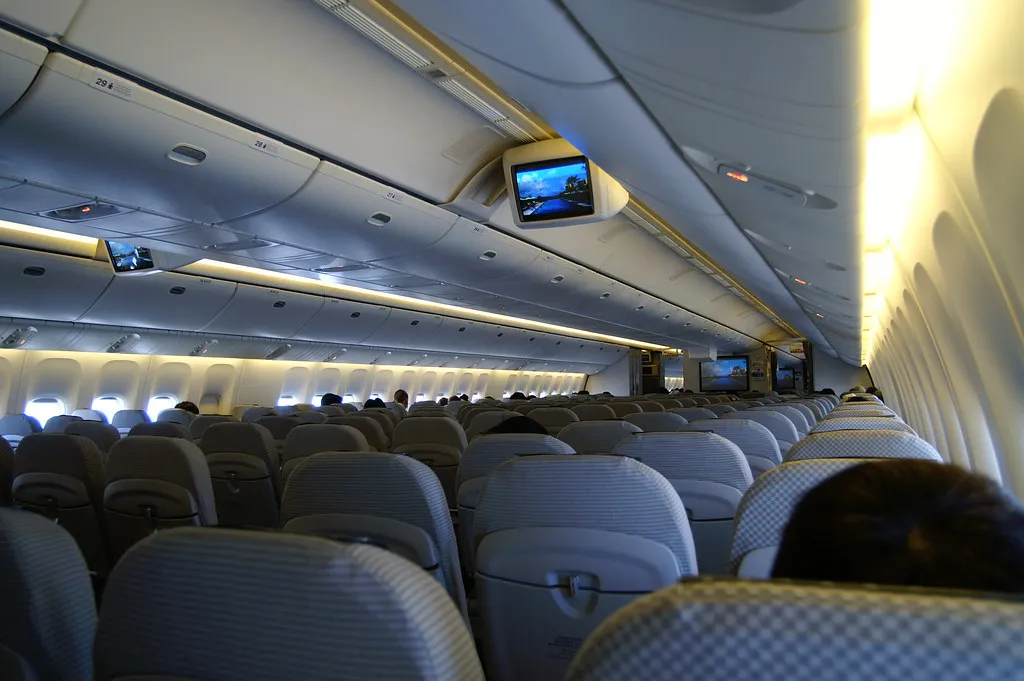
The window for reclining without creating friction is actually quite wide. Wait until after meal service. Check the lights. Look behind you. Recline slowly. Come back up before descent. None of this requires sacrifice – just a few seconds of awareness at the right moments.
Timing, it turns out, is almost everything in a small metal tube at 35,000 feet. The moment you choose to recline matters far more than whether you recline. Get the timing right, and the awkward moment simply never happens.
AI Disclaimer: This article was created with the assistance of AI tools and reviewed by a human editor.