
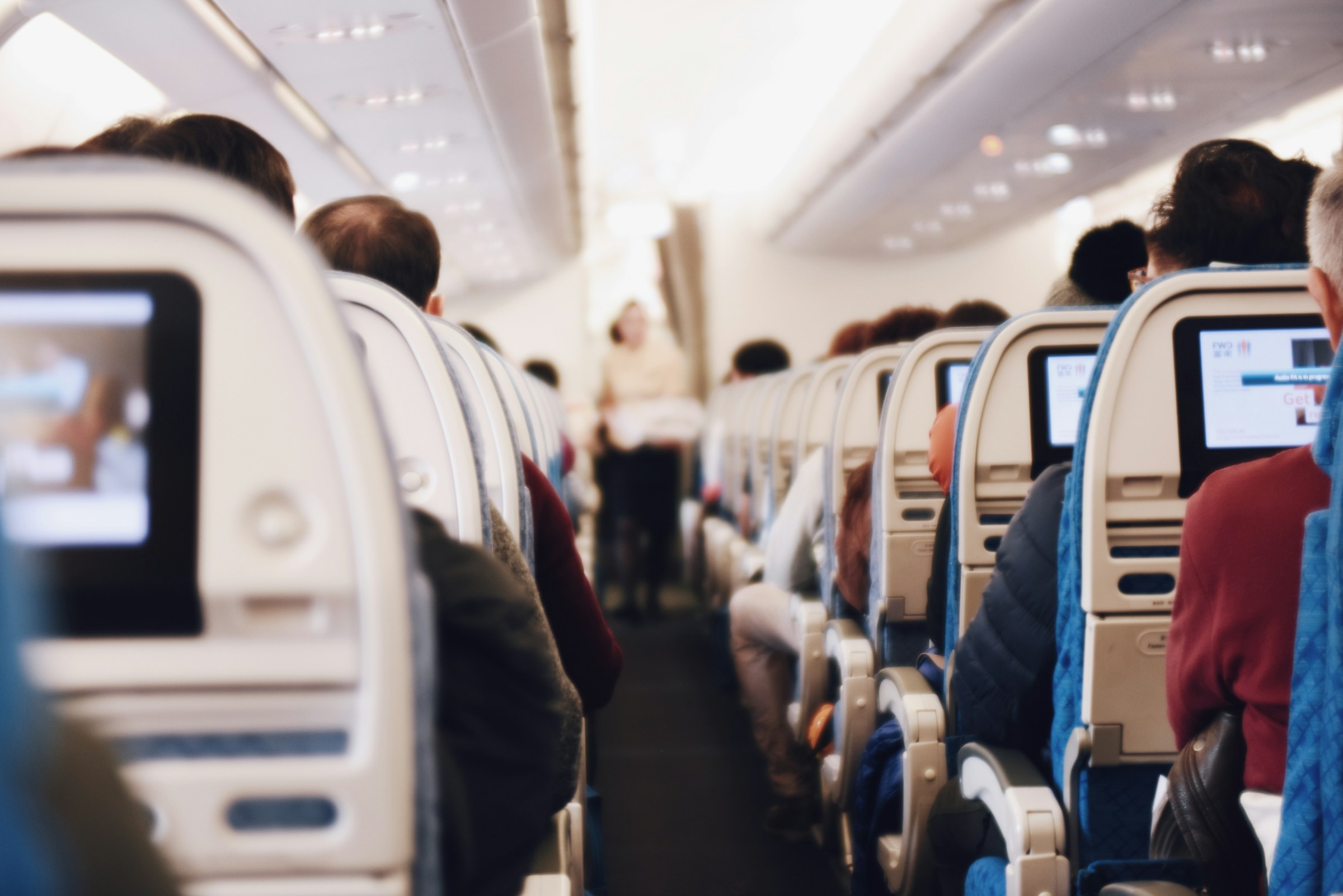

Most people pick their seat based on window views or legroom. Almost nobody thinks strategically about how to escape the plane once it lands. That oversight quietly costs travelers several minutes every single flight, and on tight connections, those minutes matter enormously.
There’s a body of research, spanning multiple universities and aviation journals, that confirms what frequent flyers have long suspected: where you sit, and what you do before landing, genuinely determines how fast you walk out of that terminal. Here’s what the evidence actually says.
Why Your Row Number Is the Single Biggest Factor
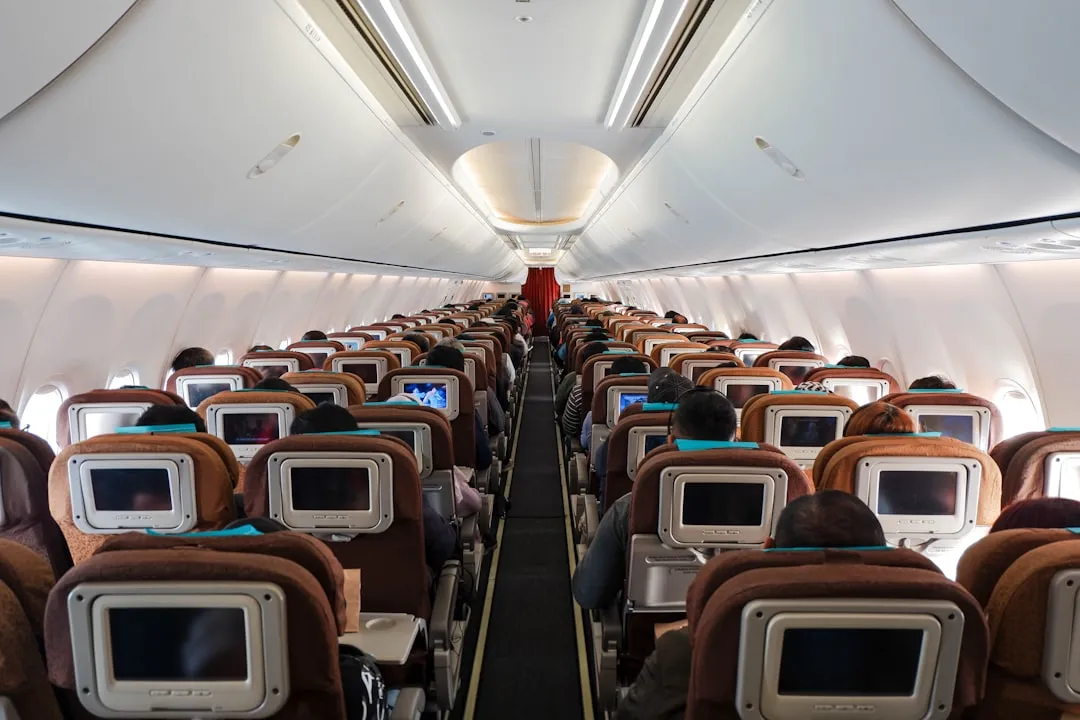
The closer you sit to the front of the plane, the sooner you can move. This is obvious in theory, but people consistently underestimate how much it compounds in practice. According to one aircraft turn-time study, it takes an average of roughly 30 seconds to disembark per row in a standard three-three seating configuration, and assuming an average commercial aircraft has 24 rows, the whole process takes approximately nine minutes. Shave off ten rows from the back, and you’ve saved five minutes before you’ve done anything else clever.
Aisle seats in the first few rows give you the fastest deplaning, which is critical if you have a tight connection. Row position isn’t just comfort preference; it’s a genuine logistical decision with measurable consequences.
The Aisle Seat Advantage Is Real, Not Just Perceived
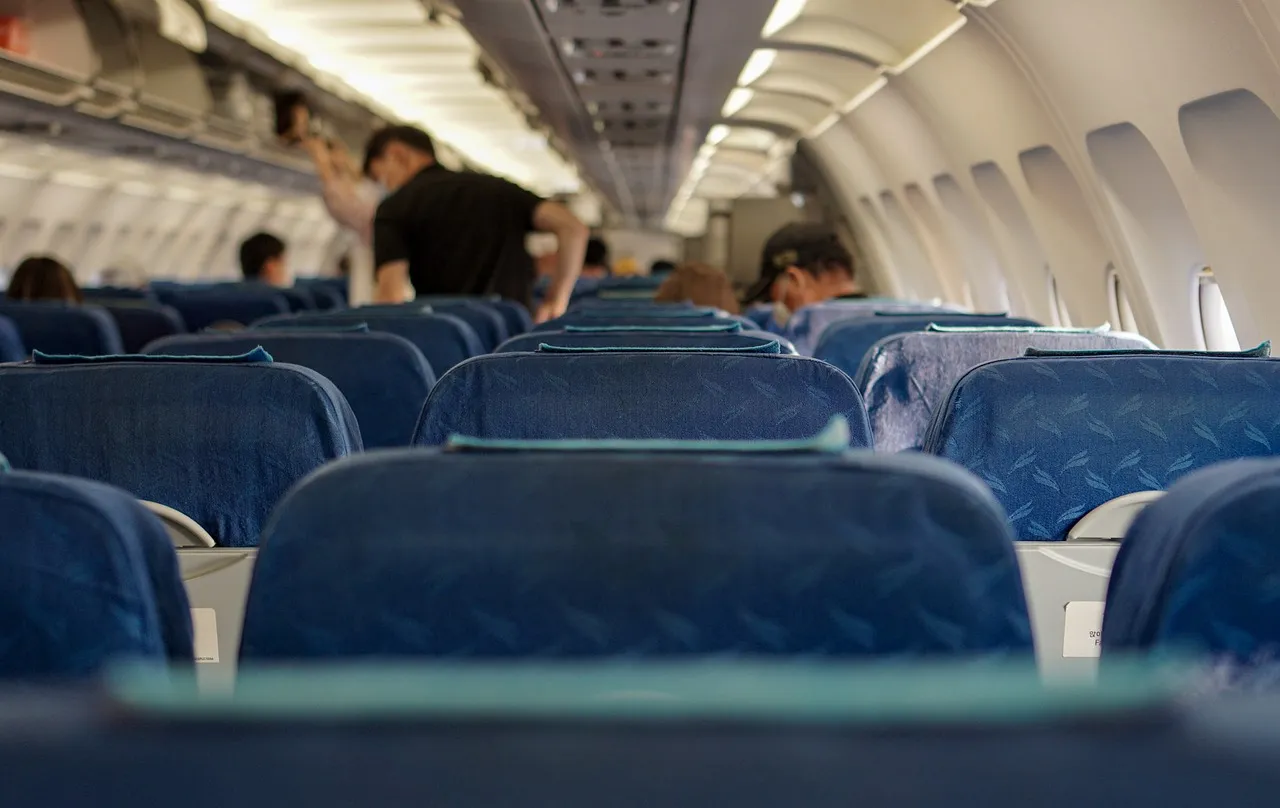
Aisle passengers step into the exit queue the moment the cabin door opens, and on domestic routes with same-day connections, saving two to three minutes during disembarkation can mean the difference between catching the next flight and needing to rebook.
The aisle seat gives you freedom: stretch your legs, stand up whenever you want, grab your bag easily, and be first off when the seatbelt sign turns off. It’s a small but consistent structural advantage over window or middle passengers, who are always waiting on someone else to move first.
The Emergency Exit Row: Extra Legroom and a Head Start
When you combine faster exit times with convenient aisle access, row 15 aisle seats on narrow-body aircraft represent a smart choice for a smoother and more efficient travel experience, with aisle seats in that zone offering a roughly significant reduction in the time it takes to exit the plane, largely because of their strategic placement close to front exits.
For the fastest exit, sitting within five rows of an emergency exit is the key principle. Exit rows on most narrow-body aircraft also tend to have wider aisles, which creates noticeably smoother passenger flow. Narrow-body planes typically feature a three-three seating arrangement, and certain rows often coincide with emergency exits. That proximity pays dividends every time you land.
Where You Store Your Bag Changes Everything
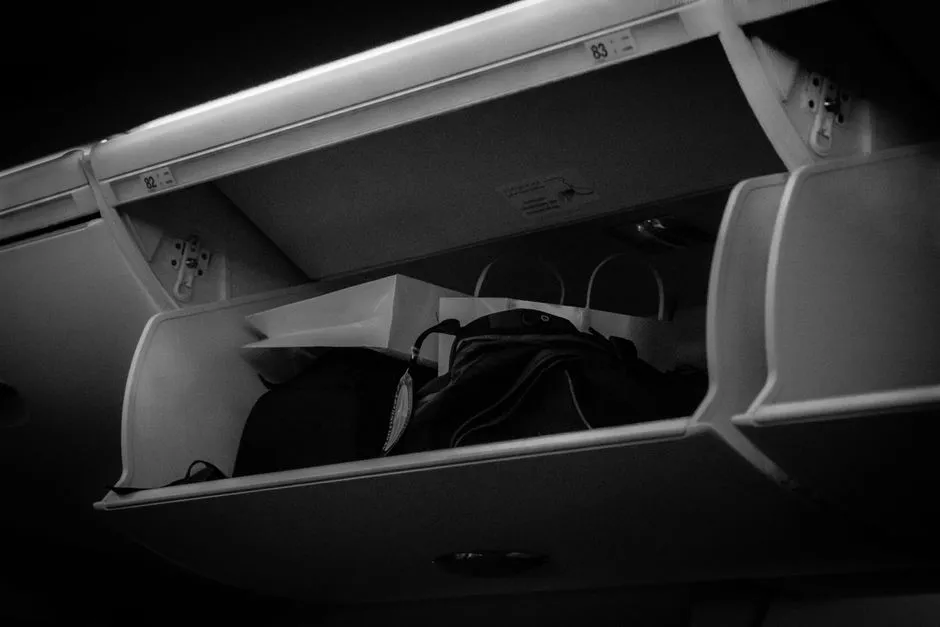
Your seat selection only takes you so far. The overhead bin strategy matters just as much. While storing your bag above your seat is ideal, stowing it toward the front of the plane is your next best bet for maximizing deplaning efficiency.
Storing your bag near your seat saves time when it’s time to leave, and when passengers keep bags far behind, they block the aisle trying to move backward at landing, frustrating everyone. Keeping your carry-on near or slightly ahead of your row helps the whole cabin exit faster. It’s a small habit, but it’s one of the most controllable factors in your whole exit strategy.
The Column Method: What Research Says Is Actually Fastest
Most passengers don’t control how the whole plane deplanes, but understanding the most efficient method helps you position yourself within it. A study published in the Journal of Air Transport Management by researchers at Northwestern University’s Department of Industrial Engineering and Management Sciences found the optimal deplaning strategy by simulating the exit process on three types of commercial airliners, concluding that deplaning in a “column style” is fastest: starting from front to back, all aisle seats exit first, then all middle seats, then all window seats.
Across 100 simulations, the column style was the fastest method, taking just 9.9 minutes, compared to 14 minutes with the more typical front-to-back approach. A 2007 study out of the National University of Defense Technology in Changsha, China, found similar results. Two independent research teams, separated by years and countries, landing on the same conclusion is worth paying attention to.
Structured Deplaning Cuts Time Nearly in Half
The gap between chaotic and organized deplaning isn’t marginal. According to a study published in the Journal of Air Transport Management, an algorithm developed at Northwestern University suggests that structured deboarding may reduce deplaning time by almost half on a full aircraft, and when modeled for the Airbus A320 and Boeing 757-200, deplaning time is reduced by almost fifty percent when the plane is full, and by roughly forty percent on an aircraft that is approximately eighty percent full.
A 2024 European aviation research simulation found that average disembarkation time can be reduced by forty-five percent through structured deplaning, dropping from nine minutes to five minutes, and that this reduction is crucial for passengers with tight connections, allowing a meaningful percentage more of them to successfully catch their onward flights. Whether or not airlines impose structure, knowing this research helps you choose where to sit.
Why the Last Few Rows Are Worth Avoiding
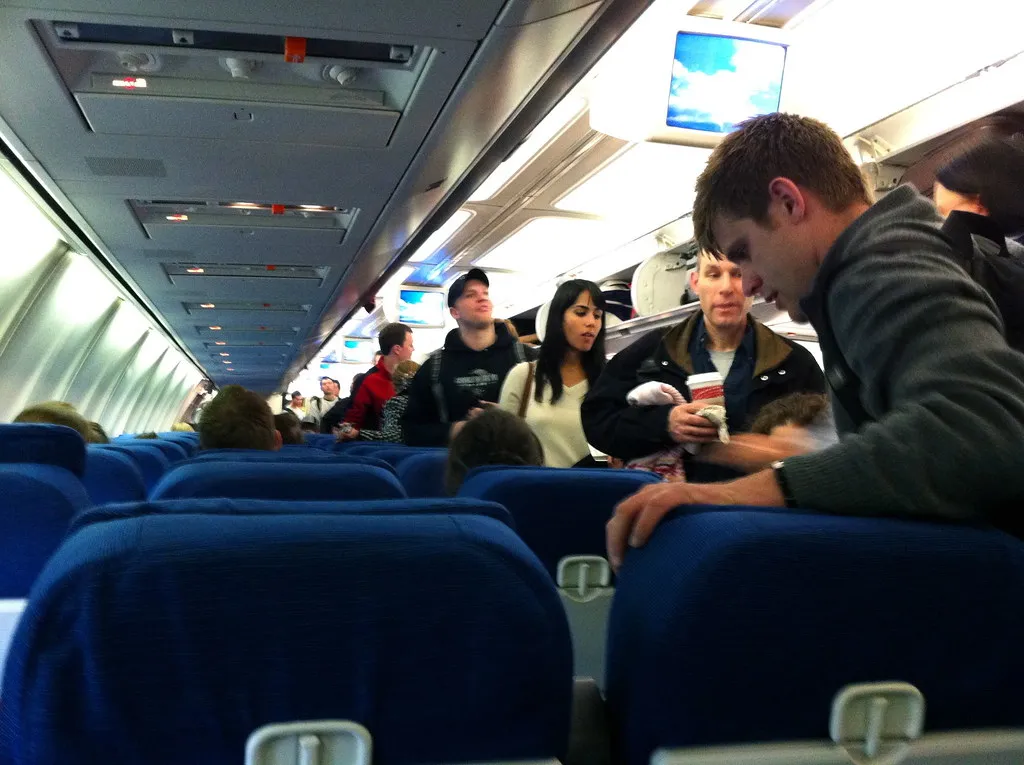
The back of the plane isn’t just uncomfortable during turbulence. Avoid the last row: seats there usually don’t recline, are near the lavatory, and are the last to deplane. You’re paying the same fare for a seat that actively works against you from the moment the plane touches down.
Getting on the plane late may mean the bins near your seat are already full, which forces you to store your bag in a bin many rows behind your seat. Having to retrieve a bag from a bin behind your seat slows down deplaning considerably. The back rows create a chain reaction of delays that affects everyone behind you and, crucially, yourself.
If You Have a Tight Connection, Tell the Crew
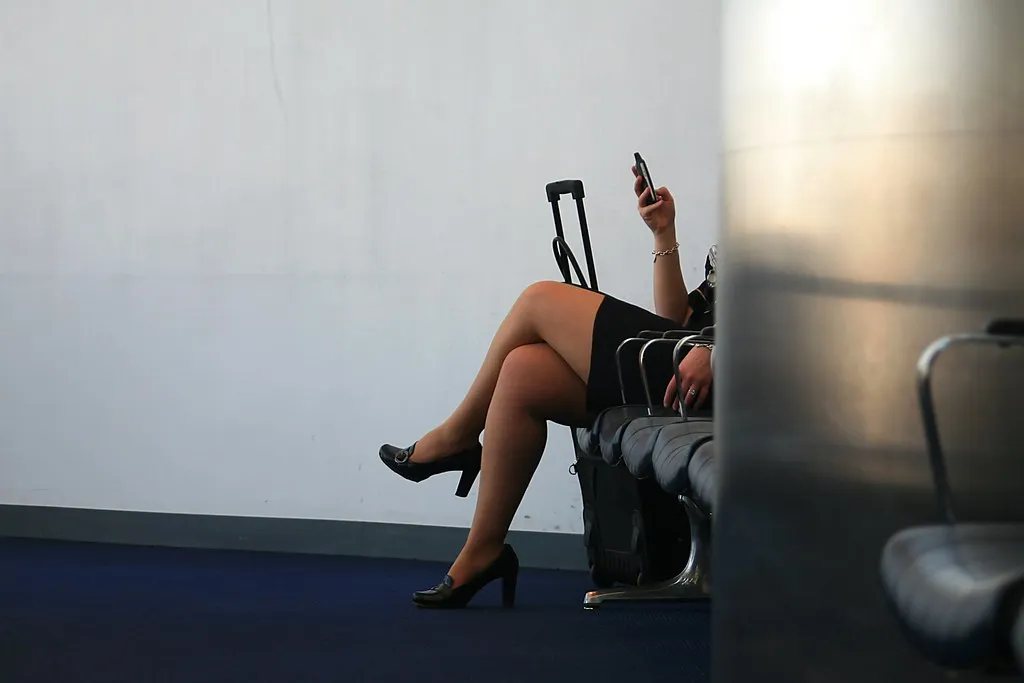
Airlines have a practical workaround for time-pressured passengers, and most travelers don’t use it. If you have a tight connecting flight, particularly due to a departure delay, you should let the flight attendants know. Flight attendants can then announce on the overhead speaker that some passengers might need to rush out, or they might reshuffle seats to put connecting passengers near the front.
This isn’t a guaranteed fix, but it’s a legitimate option that flight crews genuinely act on. If the connecting passenger is you, letting people in the rows ahead know why you’re moving past them makes the whole process smoother. A few quiet words go a long way on a full aircraft.
What the Aircraft Type Means for Your Seat Choice
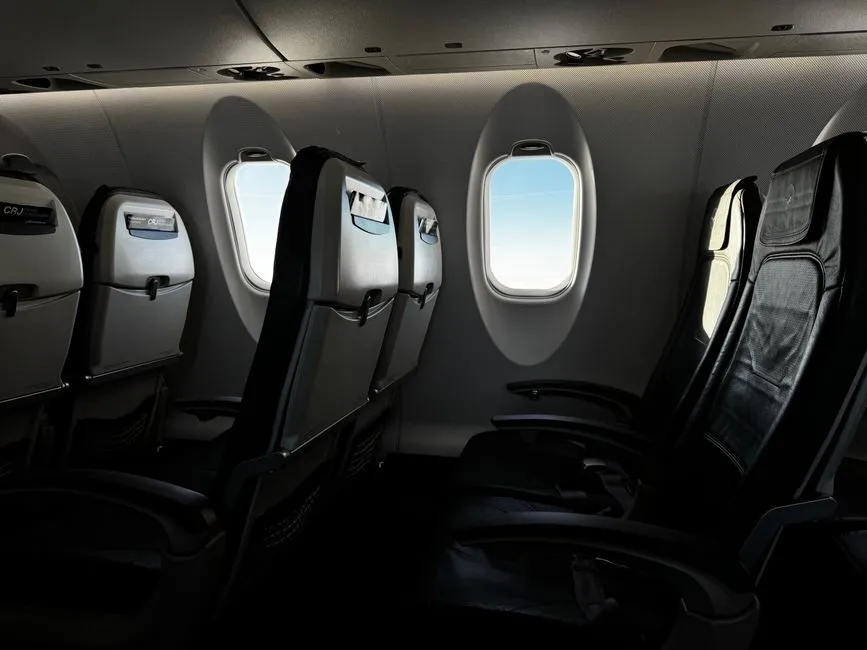
Not all aisle seats are equal, because not all aircraft are built the same. Consider the aircraft type carefully: an aisle seat on a Boeing 787 Dreamliner configured three-three-three is a very different experience from an aisle seat on a Boeing 777 configured three-four-three, since wider aircraft have more middle seats per row.
On wider-body aircraft, the center aisle seats on a three-four-three layout can leave you pinned between two other passengers, even though you’re technically in an “aisle” seat. Checking a seat map on a site like SeatGuru or the airline’s own booking tool before you select takes about two minutes and can prevent a frustrating surprise at 35,000 feet.
The Bag-Under-the-Seat Move Almost Nobody Uses
Placing smaller items like purses or slim backpacks under the seat in front of you allows others to use overhead bins for larger carry-ons, and while it may feel less comfortable at first, it ensures everyone finds room for essential bags. Following this habit also helps flight attendants close bins safely and avoid delays.
If your personal item sits under the seat, you don’t need to wrestle with the overhead bin at all when landing. The main cause of time delay in the disembarking process is the delay associated with retrieving stowed luggage, which depends on the size, weight, and location of the bag. Eliminate the overhead retrieval step entirely, and you become one of the fastest people off any plane, regardless of your row number.
The Takeaway
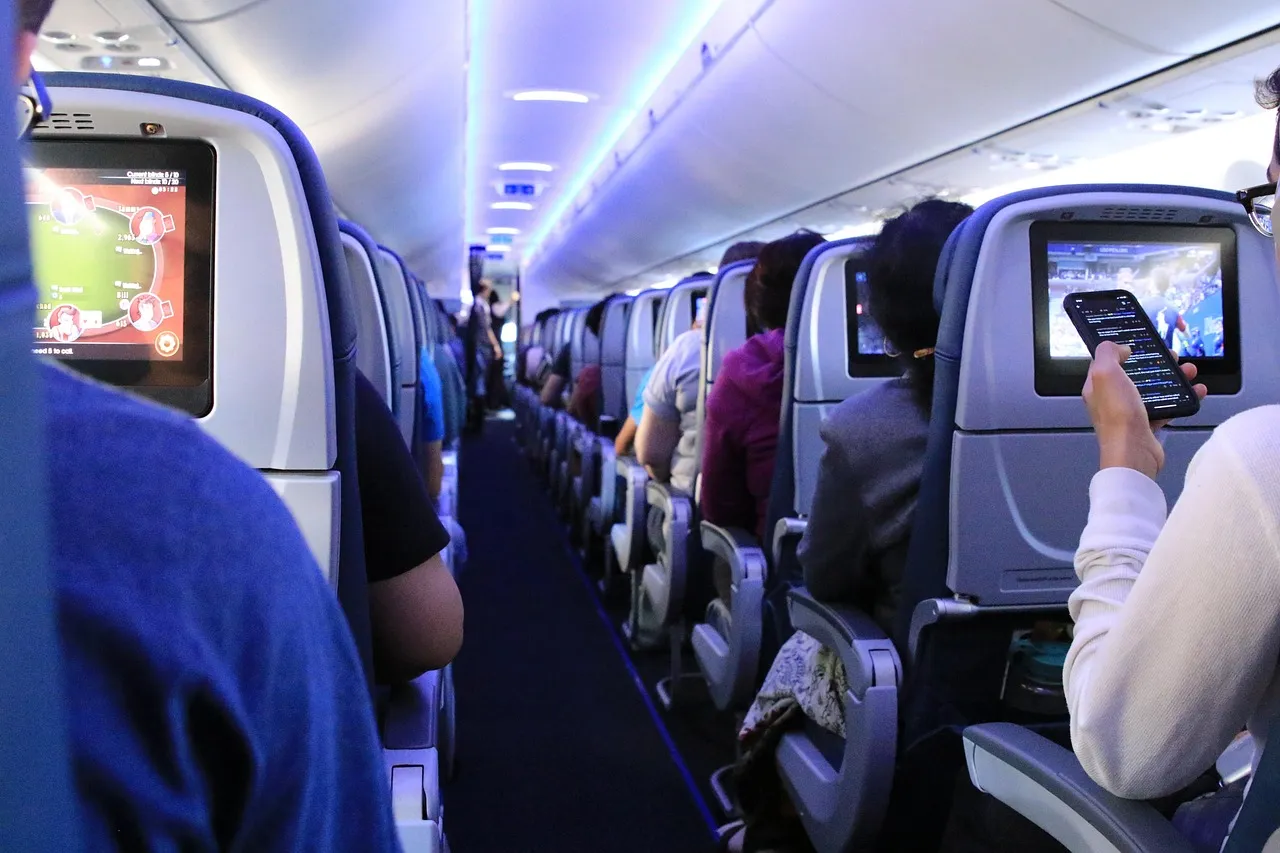
Getting off a plane faster isn’t about luck or boarding-pass magic. It comes down to a handful of deliberate choices: book an aisle seat, sit as close to the front as your budget allows, store your bag at or slightly ahead of your row, and keep a small personal item under the seat if you can. These decisions stack.
The research from Northwestern University and European aviation studies is consistent: structured, intentional positioning cuts deplaning time dramatically. You don’t control how the other 180 passengers behave. You do control where you sit and how prepared you are when that seatbelt sign finally goes dark. That’s usually enough.
AI Disclaimer: This article was created with the assistance of AI tools and reviewed by a human editor.