
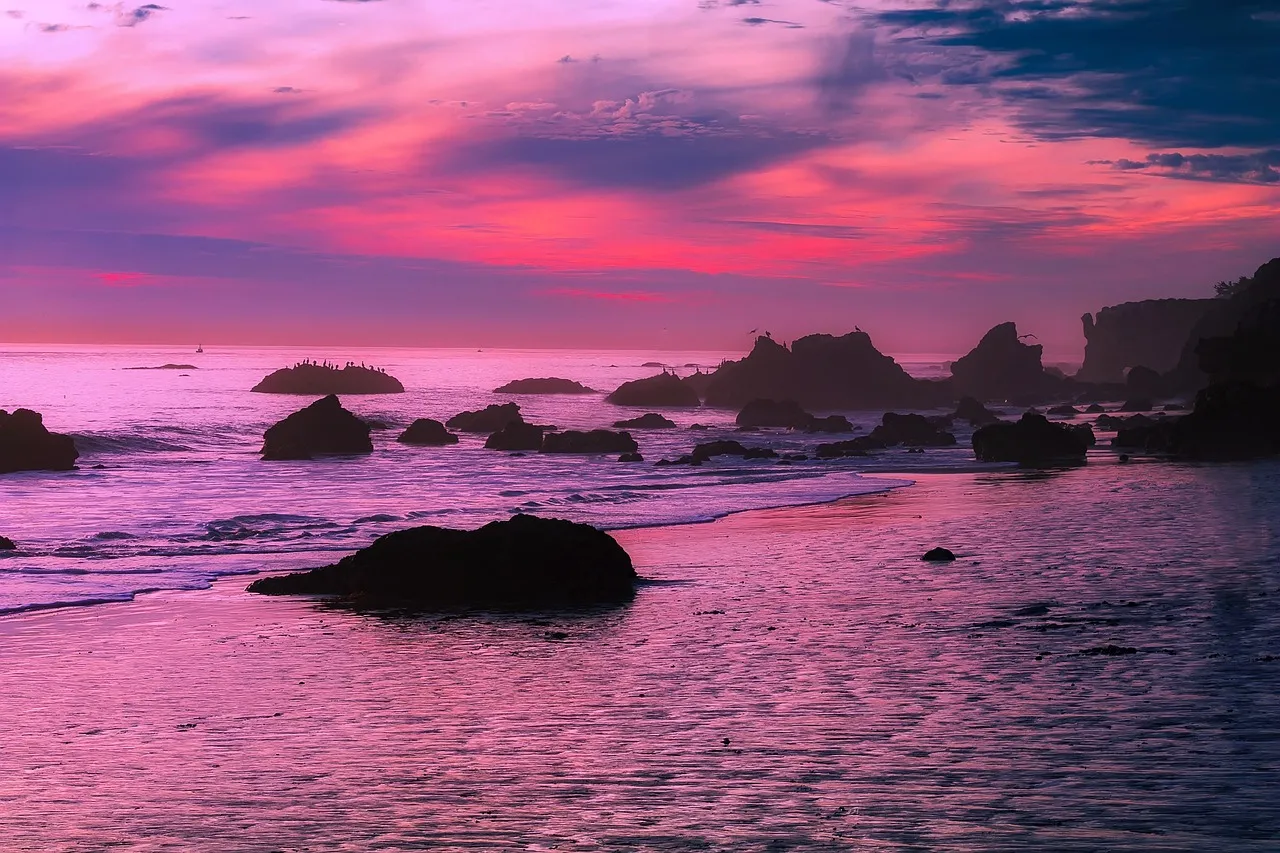

Most visitors to Southern California do exactly what the guidebooks tell them to do. They park at the big lot, follow the signs, and spread a towel on the same sand as several thousand other people. The irony is that a few hundred feet away, sometimes literally around a rocky point, sits a cove that feels like it belongs to whoever found it first.
That place is Pirate’s Cove in Corona del Mar, tucked inside Newport Beach’s Orange County coastline. It’s not secret in the classified sense. It’s secret in the way that only matters: most people walk right past it without ever realizing it’s there.
What Pirate’s Cove Actually Is
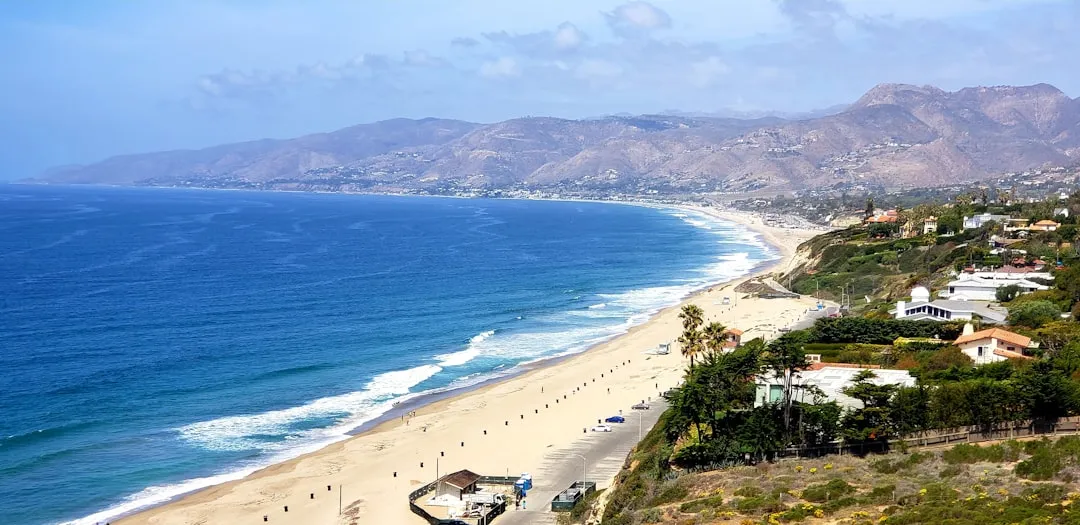
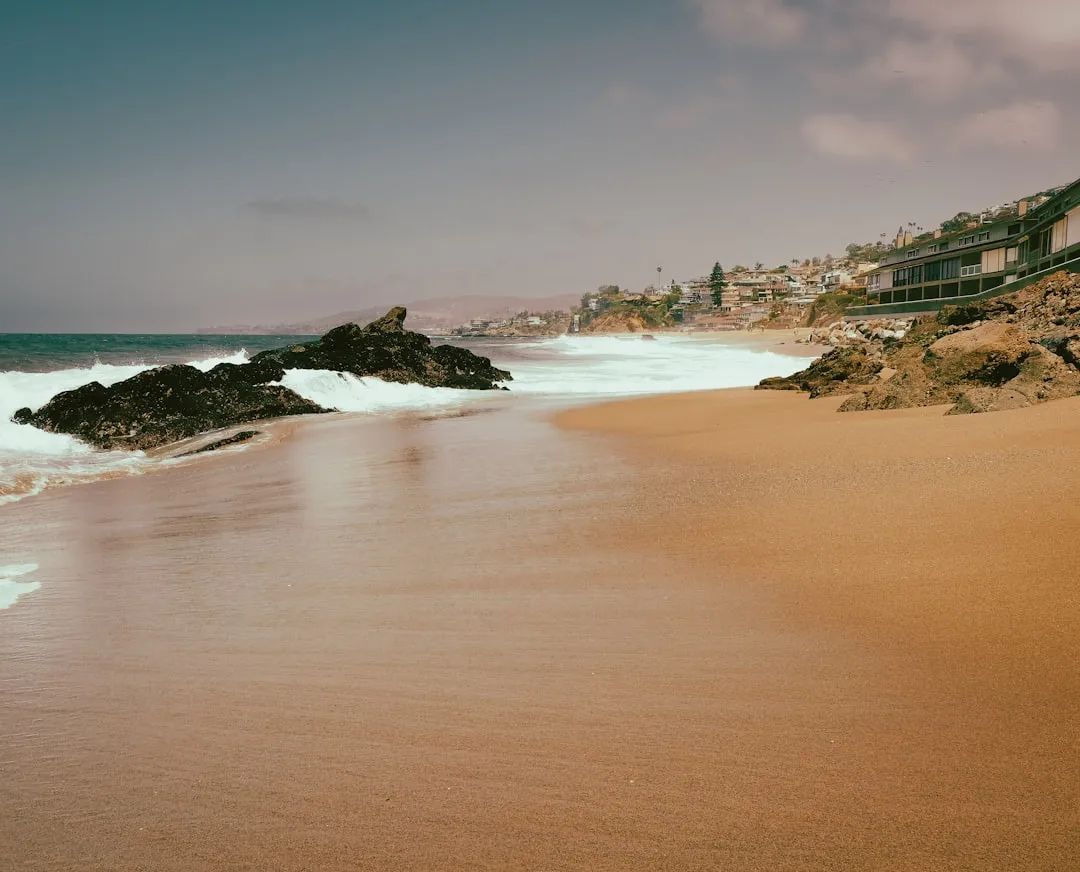
Pirate’s Cove Beach is a hidden gem in Orange County, California, known for its sea caves and rock formations. Tucked within Corona del Mar, a Newport Beach village with postcard-worthy views, it escapes many tourists’ radars entirely.
Rocky Point, also known as Pirate’s Cove, is a small beach at the mouth of Newport Harbor. Around the bend inside the mouth of the harbor are several small beaches, and Pirate’s Cove is among the most notable of them.
Tucked between rocky cliffs and sea caves, this small sandy cove feels adventurous and secluded. It’s a great spot for kids and adults alike to explore tide pools, scramble over rocks, or simply play in the sand while the waves crash nearby.
Why Tourists Walk Right Past It
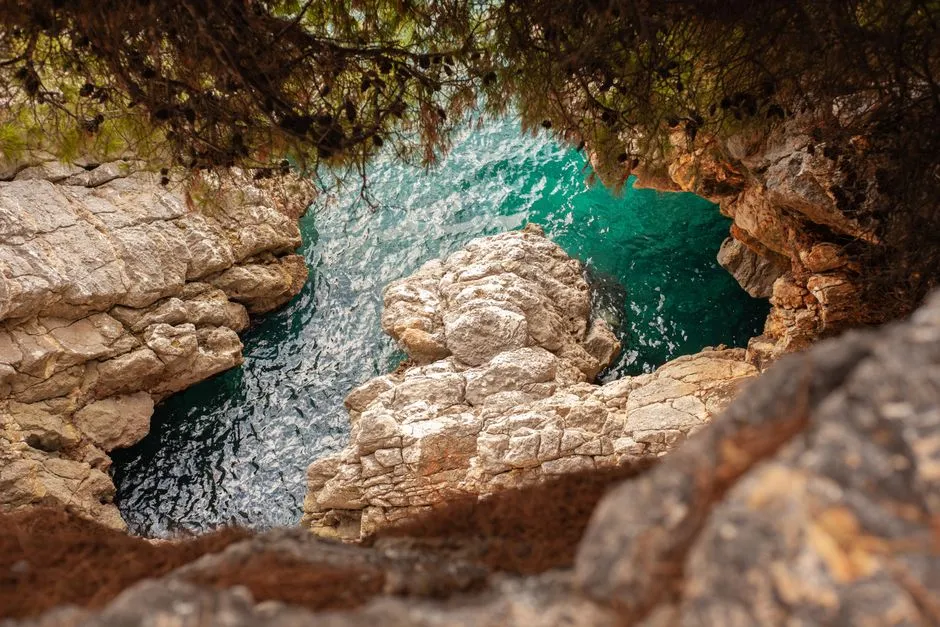
Pirate’s Cove sits just past the main Corona del Mar State Beach and is easy to miss unless you’re specifically looking for it. Most visitors see the large, well-signed state beach and stop there. The cove sits beyond it, unmarked and unpromoted.
The trek to get to the beach isn’t straightforward. You initially have to navigate whatever unmarked path over the rocks leads to the stairs that take you down to the beach.
Due to its small size, the beach can get crowded during hot summer days. If you’re seeking seclusion, plan to visit on a weekday, early in the morning, or during the off-season.
The Lay of the Land Around It

Rocky Point, which is the formal name for Pirate’s Cove, is accessible by a grassy park along Ocean Boulevard. Pirate’s Cove is a popular spot for families because of its picturesque views and large alcoves where children can play.
The cove is located below Lookout Point Park, a small city park with a beautiful ocean view and a telescope at one end that is perfect for stargazing over the ocean.
It’s a secluded pocket beach accessible via stairs from Lookout Point, offering a sandy shoreline, calm waters, and low-tide exploration of rocky coves, tide pools, and marine life. Tidal fluctuations reveal more intertidal zones at low tide, creating better opportunities for exploring the coastal landscape.
The Tide Pool World Beneath Your Feet
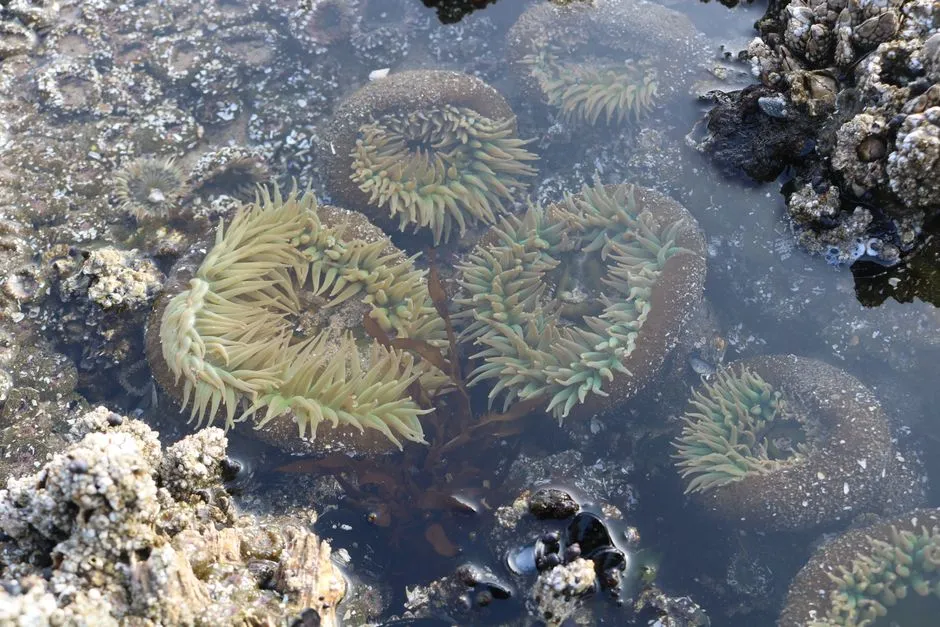
The tide pools, tidal zones, and offshore areas extending roughly two hundred feet out are part of the Robert E. Badham Marine Life Refuge. All the wildlife in the tide pools is protected and may not be disturbed, and collecting anything, including shells, rocks, and marine life, is not allowed.
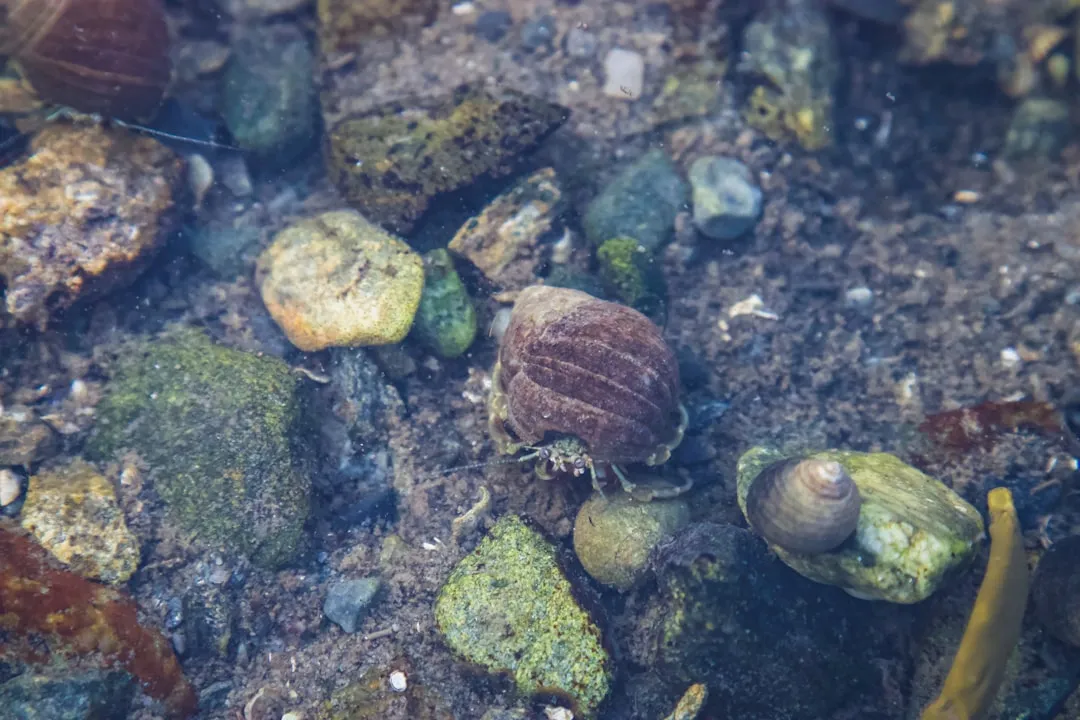
The rocky shoreline hides some of the best tide pools in Orange County. At low tide, you can peer into a miniature underwater world of sea anemones, crabs, starfish, and the occasional fish darting between rocks.
Visitors are welcome to look at the marine life but not touch it. You may catch a glimpse of an octopus, sea anemone, or other marine wildlife, making this a great spot for some informal wildlife education.
The Bigger Coastal Picture It’s Part Of
The city of Laguna Beach in Orange County boasts three contiguous marine protected areas off its shoreline, with a fourth connected area at Crystal Cove directly to the north. The Orange County complex of marine protected areas protects nearly the entire shoreline of South Orange County, including all of Laguna Beach’s coastline.
Laguna Beach is home to seven miles of coastline, all of it part of California’s Marine Protected Areas. This stretch of shoreline is among the most ecologically rich and most fragile in the state.
Adding Crystal Cove SMCA to the north and Dana Point SMCA to the south, the four marine protected areas together cover approximately fourteen square miles of coastal habitat from Corona del Mar State Beach to Dana Point. These four combined areas create the greatest continuous length of marine protection along the southern California mainland.
What the Marine Science Tells Us
Baseline monitoring in southern California began in 2011 and has revealed great diversity of subtidal animals and seaweeds in the Laguna Beach marine protected areas. MPA baseline monitoring of subtidal rocky reef habitats in the Laguna Beach State Marine Reserve found the diversity of fish, invertebrates, and seaweeds to be among the highest of all mainland southern California MPAs.
This MPA cluster includes examples of Southern California’s world-class variety of rocky and sandy habitats, including diverse rocky intertidal zones and shallow kelp reefs. It is an area of outstanding marine biodiversity, featuring excellent diving, tide pooling, and wildlife viewing.
During each high tide, the rocky shoreline in the intertidal area is covered with ocean water, and as the tide recedes, water is trapped in rocky holes forming pools separated from the ocean. The tide pools are inhabited by a diverse number of species, including fragile sea anemones, colorful sea stars, camouflaged gobies, and other hardy organisms uniquely adapted to this environment.
When to Go and What to Expect With Tides
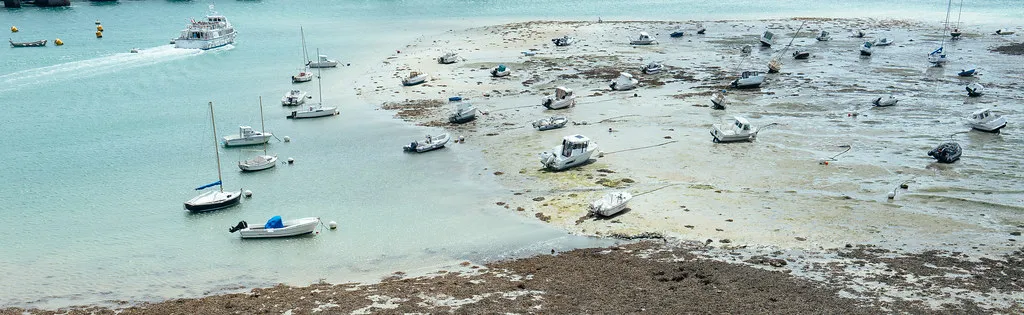
Plan to visit on a weekday, early in the morning, or during the off-season if you want a quieter experience. You’ll also want to plan your visit around low tide, as the already minimal shoreline shrinks even more during high tide.
Weekdays and early mornings are your best bet for avoiding crowds. The off-season, roughly October through April, also brings significantly fewer tourists to the area.
Going in the winter is especially nice for those wanting more solitude. You’ll frequently have the beach largely to yourself on weekend mornings between January and March.
What’s Nearby When You’re Done Exploring
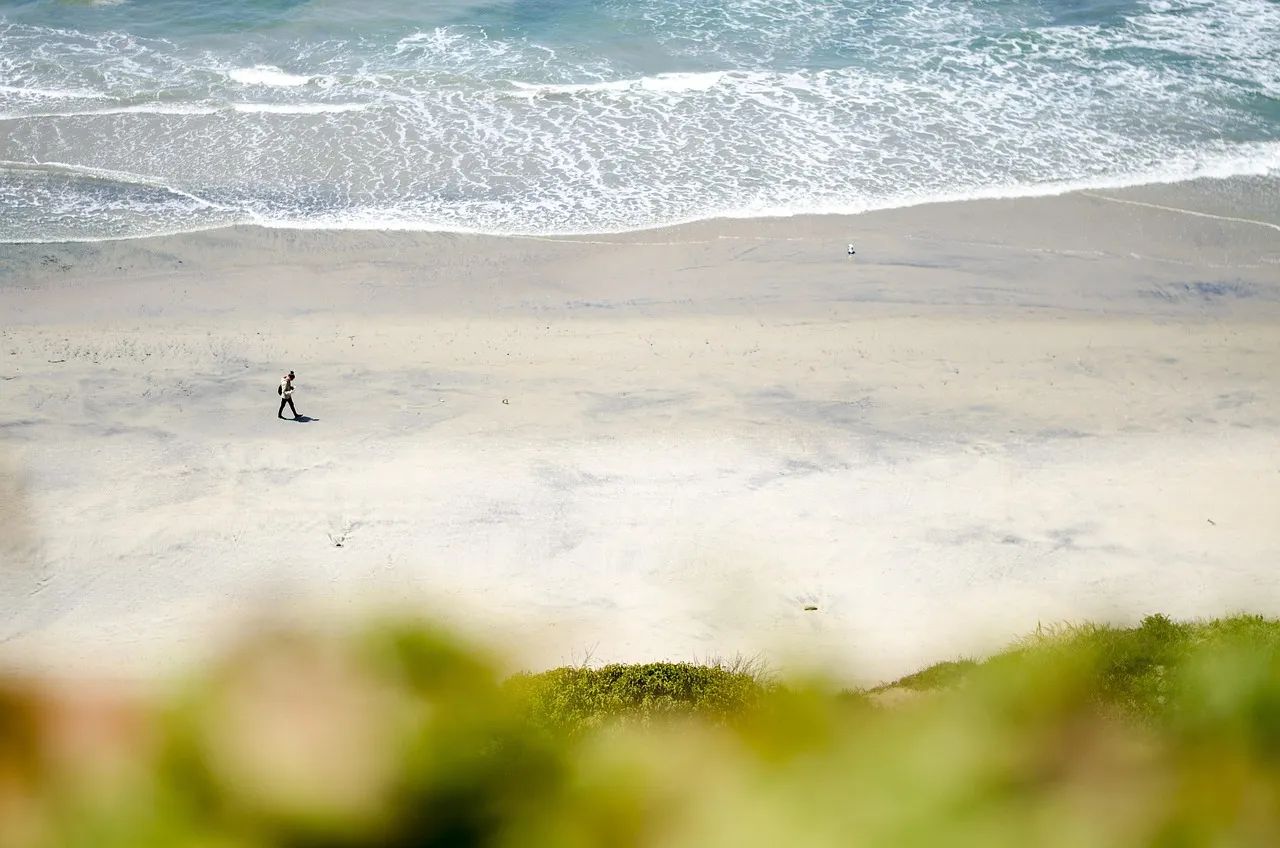
The Corona del Mar area, which fittingly means “Crown of the Sea,” offers the best of both worlds, with wide sandy beaches for relaxing, rocky tide pools and coves for exploring, and some of the dreamiest sunset views in Orange County.
Just south between Corona del Mar and Laguna Beach, Crystal Cove State Park is a standout beach destination. Stretching over three miles long, Crystal Cove is one of the last remaining open spaces with a natural seashore in the region.
John Wayne Airport in Santa Ana is just a few miles away from Pirate’s Cove, making it an easy destination to add to any Southern California itinerary.
The Broader Truth About SoCal’s Hidden Coastline
California has a unique, rugged, and irregular coastline that hides coves and even long stretches of sand from passersby. These hidden beaches exist all along the coast, waiting for anyone willing to look past the obvious.
In Southern California, it is much harder to get away from it all given the density of people, but if you get out early in the morning, you can find solitude even in densely populated areas.
With both residents and tourists flocking to the most popular beaches during warmer months, things can get crowded fast. The good news for those who prefer more space is that California’s expansive coastline hides a number of gems that offer sun, sand, and surf with far less company, even during peak summer.
How to Actually Find It
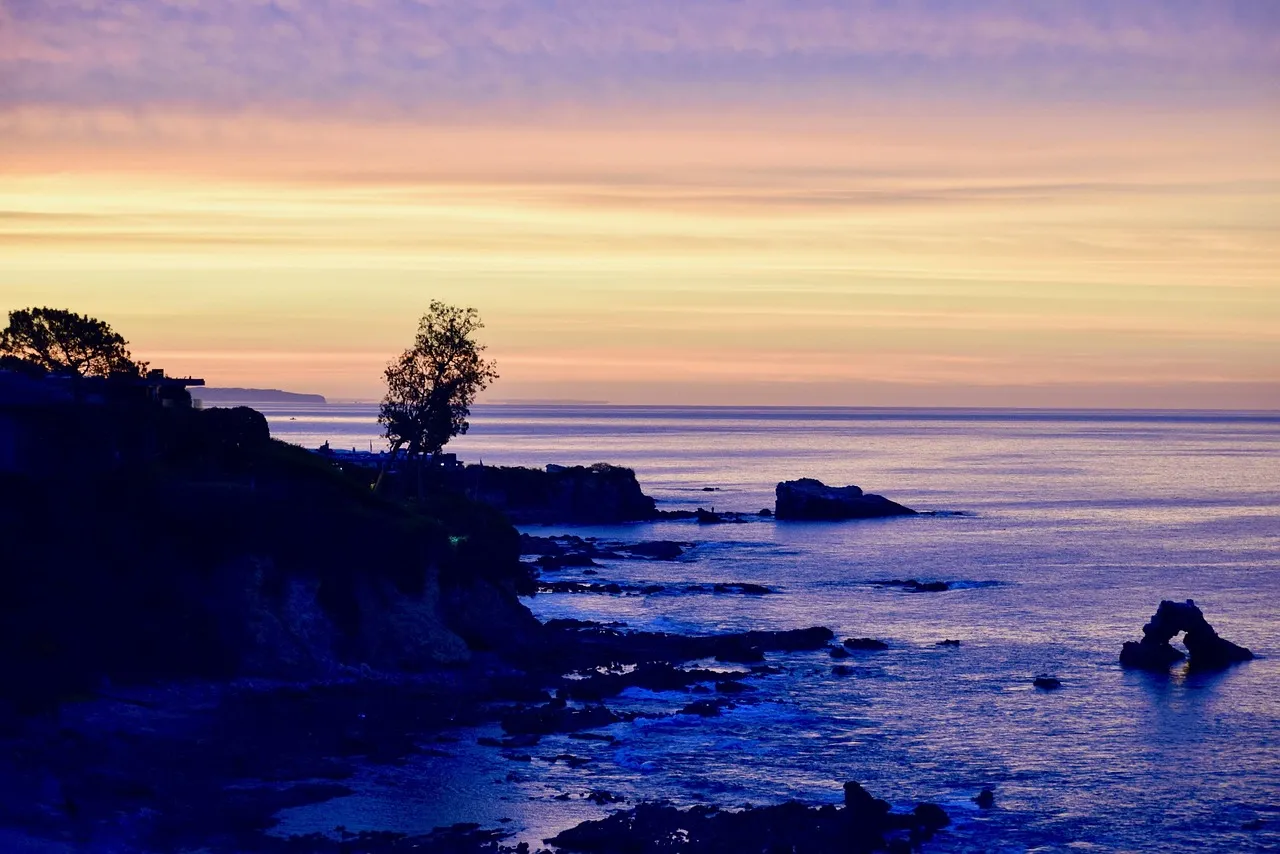
You’ll find parking at varying rates depending on time of day and season, along with showers, bathrooms, and other amenities once you exit the cove, within Corona del Mar State Beach, a half-mile stretch of shoreline that’s popular among swimmers and surfers.
Corona del Mar is usually less crowded than nearby beaches, and you can often find street parking, which is a rare win for California beach days.
Tidal cycles dramatically change the nearshore landscape, exposing reefs, coves, and tide pools below and enhancing the visual appeal of the coastline. Free parking and proximity to beach access make Lookout Point a practical starting spot for anyone combining elevated views with time on the sand below.
There’s something satisfying about a beach that doesn’t advertise itself. Pirate’s Cove isn’t mythical or remote. It’s sitting right there, just past the busy part, waiting for people who take an extra few steps in the right direction. The Southern California coast has always rewarded a little curiosity, and this one is as good a reason as any to start looking beyond the obvious.
AI Disclaimer: This article was created with the assistance of AI tools and reviewed by a human editor.