

Every seasoned cruiser eventually learns the same hard truth: the sticker price on a cruise means very little without context. Peak travel season sends fares climbing, and most travelers either pay full price or give up altogether. The ones who don’t? They know a few things the average booker doesn’t.
Cruise pricing is a dynamic, moving target shaped by ship capacity, destination seasons, and booking windows. If you learn to navigate those levers, peak season stops being the enemy and starts being an opportunity.
1. Understand How Wave Season Actually Works
Wave season is the cruise industry’s peak booking period running from January to March, and it delivers real value through guest discounts, “Kids Sail Free” offers, onboard credits, and potential stateroom upgrades. It’s essentially the industry’s version of an annual clearance sale, timed to fill ships for the year ahead.
During Wave Season, the floodgates open and you’ll commonly see promotions like “70% off the second guest” or free balcony upgrades. The catch is that you need to move early. If you wait until March to start looking, the best cabins will already be gone.
2. Know Which Months Carry the Biggest Discounts
Each cruise destination has its own off-season and peak season, and fares can vary dramatically throughout the year, according to pricing data provided to NerdWallet by Cruise Critic, which looked at average fares for one person for five- to seven-night cruises on mainstream cruise lines across four major regions.
For the Caribbean, Bahamas, and Bermuda, September is the cheapest month with average inside room fares around $807 and balcony fares near $1,117, while July is the most expensive with inside rooms averaging $1,162 and balconies reaching $1,630. That’s a meaningful gap for the same general experience.
Mexico shows the most dramatic price decreases of any region, with October fares down nearly thirty percent from the prior year and November fares dropping more than seventeen percent, representing significant savings for fall travelers.
3. Recognize That Last-Minute Deals Have Changed
With cruise ships now sailing at or near capacity, the industry has fundamentally shifted to reward early planners rather than spontaneous travelers, and the days of scoring incredible last-minute cruise deals are largely behind us.
Last-minute deals in recent years have been mostly limited to shoulder-season sailings where demand drops and supply is in excess, meaning that if you’re looking to sail during the upcoming holidays, you likely won’t find a great last-minute deal over Christmas or New Year’s Eve.
Across multiple ship classes, one undeniable trend holds true: Christmas and New Year’s sailings rarely get cheaper as the departure date approaches. Plan accordingly if those are your target dates.
4. Use Price Tracking Tools Before You Book Anything

Cruise pricing looks random until you track it, at which point patterns emerge: Celebrity swings wide, Disney barely moves, suites are volatile, short cruises fluctuate more than long ones, and roughly one in three sailings sees a price swing of twenty percent or more over its booking window.
When used with a real-time price alert system that notifies you immediately when prices change, you can save an average of twenty-five percent, and during certain times some regions offer up to seventy-one percent savings for certain cruises. That’s not a rounding error. That’s a genuinely different vacation budget.
A price deal score of 90 means the current fare is lower than ninety percent of all prices recorded for that exact ship and cabin type, which is a strong signal to book, while a score of 40 means prices are historically high right now and a signal to wait and track.
5. Book Repositioning Cruises for Dramatic Per-Night Savings

Repositioning cruises move empty ships from one port to another between seasons, and with fewer port stops and underutilized facilities, prices are typically forty to seventy percent below regular routes. That’s the single most underused strategy in budget cruising.
Repositioning cruises are when cruise lines discount transatlantic and transpacific crossings to fill ships moving between seasonal home ports, and in 2026 the best sailings run between sixty and one hundred dollars per day, all-inclusive including the cabin, three meals, entertainment, and ocean transport.
With multiple major lines repositioning simultaneously in spring 2026, including Celebrity, Royal Caribbean, MSC, Virgin Voyages, and others, cruise lines are competing for the same pool of savvy travelers, which keeps fares lower.
6. Choose Your Cruise Line Carefully – the Price Gap Is Real

Royal Caribbean sailings to the Caribbean, Bahamas, and Bermuda in 2026 average more than sixty percent cheaper than Disney Cruises for most of the year, with Royal Caribbean averaging around $550 to $710 for starting prices during peak summer months compared to Disney’s $1,400 to $1,900 for comparable three to five night sailings.
MSC Cruises runs eleven percent below the market average with high price volatility, while Carnival runs nineteen percent below the market average with the most high-scoring deals of any cruise line, making both strong candidates for budget-conscious travelers.
7. Compare Total Cost, Not Just the Headline Fare
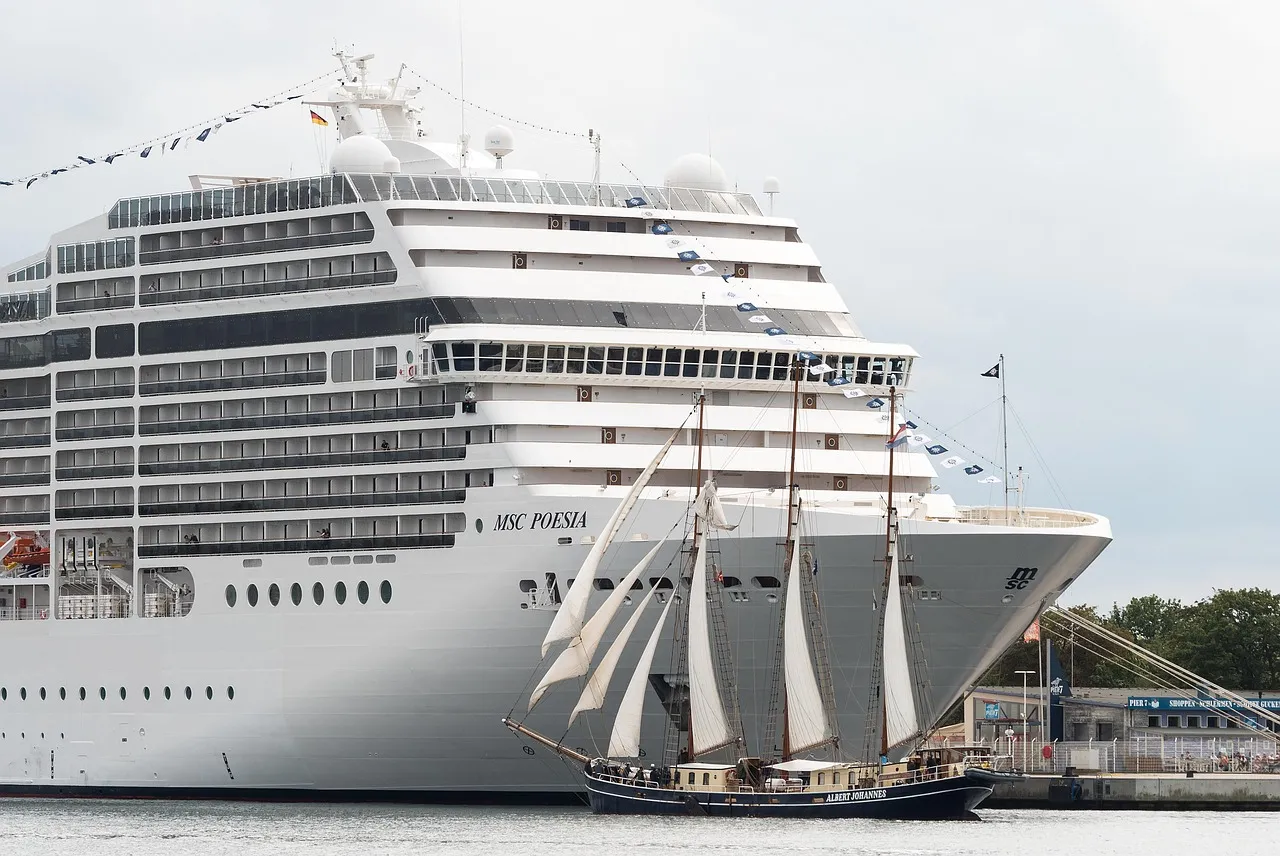
Travelers often find that while the initial fare looks like a steal, the total bill can balloon with onboard spending, while some lines include many essentials like dining, Wi-Fi, and group workouts in the base fare, helping you budget more accurately from the start.
Cruise fares can be tough to compare because they tend to vary in terms of costs for additional guests, kids, alcohol packages, and services like Wi-Fi. Value-added deals such as third and fourth guests sailing free, complimentary Wi-Fi, and onboard credit can outweigh the savings from strictly lower fares.
A lower sticker price that excludes basic amenities can cost you more in the end than a slightly higher all-in package. Always run the full numbers before committing.
8. Leverage Price Drop Guarantees After Booking

Princess Cruises’ “Better than Best Price Guarantee” assures guests that if they find a better fare for the same cruise, stateroom category, and sail date at any time before their final payment, Princess will honor the lower rate and provide 120% of the difference in the form of an onboard credit. That’s more than just a refund.
In most cases, if you’ve only paid a deposit and haven’t reached final payment, you’re in a good position to request a fare adjustment, and with Royal Caribbean, for example, you can request a price match any time before your final payment, since cruise lines often find it easier to adjust your rate than deal with a cancellation.
The price won’t be automatically lowered, but some cruise lines do offer a guarantee to make up the difference in onboard credit – you need to claim it yourself, though. Set a calendar reminder and check back regularly before your final payment date.
9. Stay Flexible on Cabin Category and Departure Port
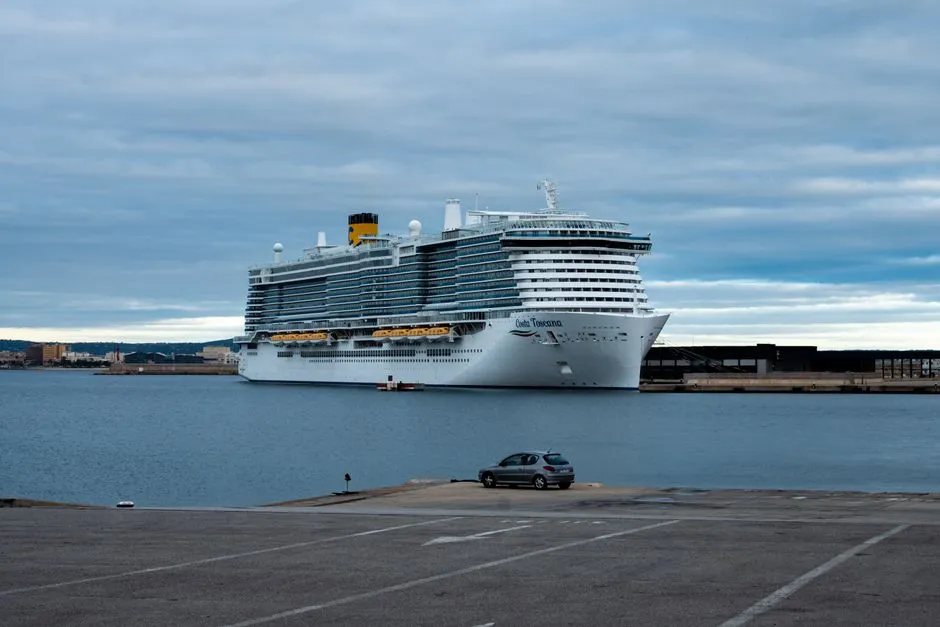
Sailings in shoulder seasons or off-peak times often have lower fares and are less crowded, and if you’re flexible on destination and cabin category, checking back occasionally for price drops or cancelled cabin deals can pay off.
Shoulder months like May, September, and early December unlock better pricing, while windowless or guaranteed cabins significantly reduce upfront costs. If you’re not planning to spend much time in the room anyway, an interior cabin is hard to argue against on value grounds.
If you live near where a cruise ship sails, you can skip the hotel and flights and drive right to the port town for your voyage, which removes one of the biggest hidden costs in budget cruise planning.
10. Think Like a Price Historian, Not a Bargain Hunter

Cruise lines use dynamic pricing through yield management systems that adjust fares based on inventory levels, booking velocity, and competitive pressure. The price you see on any given day is a snapshot, not a verdict on value.
Beyond the nine-month mark, prices for both inside and balcony cabins began to rise at a more predictable rate, showing a consistent upward trend as the departure date approached, with prices often the highest within one to three months prior to departure. That’s the window most people book into, and it’s the most expensive one.
The era of last-minute cruise bargains has ended, but strategic early booking combined with smart seasonal timing can deliver exceptional value, and by understanding when cruise lines release promotions and when destinations offer their best pricing, travelers can enjoy premium cruise experiences while keeping costs under control.
Final Thought
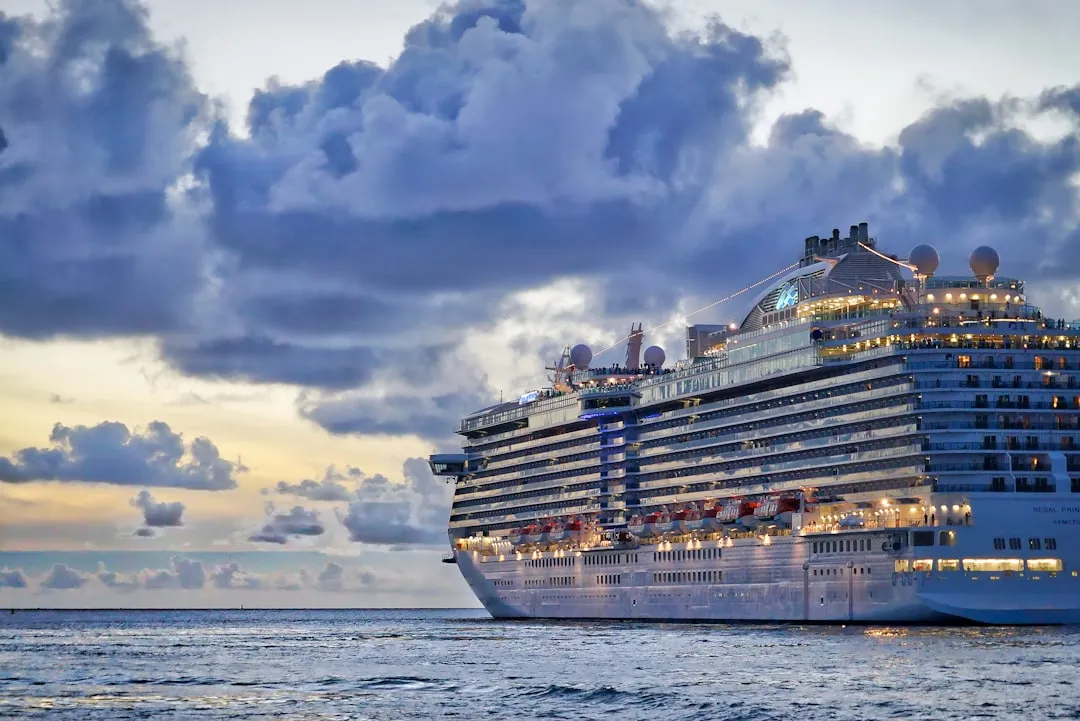
Cheap cruise deals during peak season aren’t found by luck. They’re found by people who understand that cruise pricing is a system, not a sale. Learn the seasonal patterns, track the fares, know your line’s price drop policy, and consider sailings that most travelers overlook entirely. The ocean isn’t going anywhere, and neither are the deals – if you know where to look and when.
AI Disclaimer: This article was created with the assistance of AI tools and reviewed by a human editor.