


Most people assume five-star hotels are simply out of reach unless you’re on a company expense account or celebrating something significant. That assumption turns out to be wrong, and the gap between what luxury hotels actually cost and what savvy travelers pay for them is often surprisingly large.
The hotel pricing system is far more flexible than most guests realize. Understanding a handful of verified strategies can shift the economics of luxury travel completely in your favor. None of what follows involves shady workarounds or unreliable hacks. These are real, documented tactics used by frequent travelers right now.
Master the Art of Off-Peak Timing

Booking a luxury stay during off-peak seasons can save you hundreds, if not thousands. The same suite that costs a fortune during peak tourist season can be available for a fraction of the price during less busy times. This isn’t theory – it’s how the industry actually works.
At the start and end of the season, you can find genuinely cheap deals at some of the world’s finest properties when compared to summer prices. The cheapest rates are often due to low-season reductions and do not relate to the level of luxury on offer. The beds, the staff, the spa – none of that changes.
For budget-conscious travelers, off-peak travel can deliver savings of roughly fifty to seventy percent, making minor inconveniences well worthwhile. That kind of difference can mean the five-star property costs less than a midrange hotel would during peak months.
Use the Last-Minute Window Strategically

Hotels operate on a dynamic pricing model similar to airlines. Revenue management systems continuously analyze occupancy rates, competitor pricing, local events, and historical data to optimize room rates throughout the day. As check-in approaches, hotels often lower prices to fill unsold rooms, aiming to maximize revenue rather than leave rooms empty.
Kayak found that booking at the last minute can save travelers up to fifty-eight percent on domestic hotels and up to seventy-three percent internationally. This is because hotels typically have a twenty-four to forty-eight hour cancellation policy, and when those cancellations come in, hotels cut rates to fill those rooms.
Luxury hotels display more significant price reductions when reservations are made close to the date of stay. This trend is principally attributed to dynamic pricing strategies, which often result in last-minute deals, especially in less busy locations or during off-peak seasons.
Join Hotel Loyalty Programs Before You Even Think About Booking
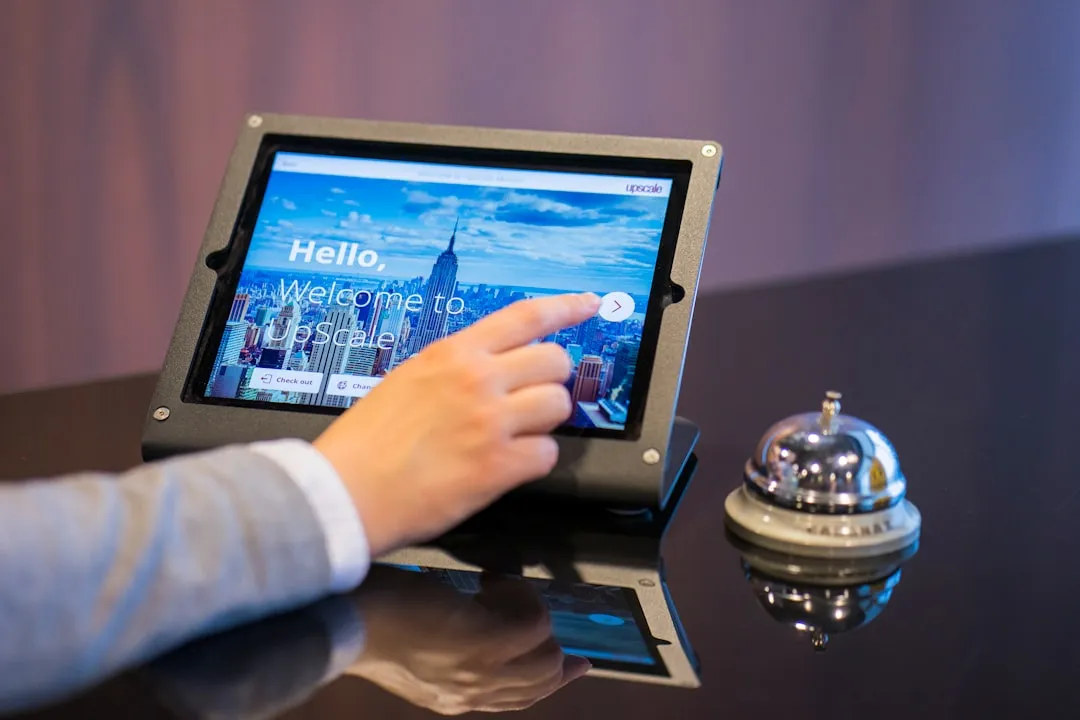
Hotel loyalty program membership across major global brands, including Marriott, Hilton, IHG and others, reached 675 million in 2024, a nearly fifteen percent increase from the previous year. Hotel room supply only grew by about seven percent during the same period. Loyalty programs are growing more than twice as fast as new hotel construction.
Loyalty program offerings go beyond discounts, featuring digital check-ins, late checkouts, elite status tiers, lounge access, and airline partnerships. Hotels use these benefits to stand out in a competitive market and build long-term relationships with returning guests.
Research shows that roughly eighty-four percent of loyalty members say these programs increase their overall sense of brand loyalty. Nearly two-thirds of consumers report that earning rewards influences how they spend. Loyalty members are also about seventy percent more likely to choose the same hotel brand over competitors.
Book Directly With the Hotel and Negotiate

Many luxury hotels offer free upgrades, early check-ins, or spa credits just for booking through their own site. By cutting out third-party sites, you’re also more likely to have your special requests honored. Hotels have a strong financial incentive to fill rooms without paying commissions to outside platforms.
Direct booking often unlocks unadvertised rates and perks. Hotels save substantial commissions when you book directly, giving them room to negotiate. Front desk staff, particularly for same-day arrivals, often have authority to offer room upgrades or complimentary breakfast that would never appear in any online listing.
Direct bookings can come with a Best Rate Guarantee, meaning you could score a lower room rate or price-matching compared to third-party sites. When hotels advertise this guarantee, they’re essentially inviting you to comparison-shop and then come back to them directly.
Target Shoulder Season in European and Asian Destinations

According to KAYAK data, January is the cheapest month to stay in hotels in both the US and internationally. November follows closely behind, making a winter vacation in Europe cheaper than a summer trip. Shoulder season combines reasonable weather with dramatically reduced occupancy.
For European summer destinations, booking three to five months ahead can save roughly twenty-three percent versus last-minute rates. The US market shows more modest variations, with about a seven percent saving when booking sixty days out. The European dynamic especially rewards those who plan ahead during warmer months.
Some of the most expensive and glamorous luxury hotels are also among the cheapest when you book in low season. Some lesser-known cities like Budapest offer wonderful Five-Star properties at incredibly competitive rates year-round. Geography matters as much as timing when hunting for genuine value.
Check Your Day of Check-In

Hotels price Friday and Saturday nights at premiums, while Sunday through Tuesday offer consistent discounts. KAYAK data shows that Sunday check-ins average around $166 nationally, while Friday arrivals cost around $205. That’s roughly a twenty-four percent premium simply for starting your trip on a Friday.
Hotel rates are usually at their lowest on Sundays and Mondays, when weekend travelers head home and demand dips. For luxury travelers whose schedules allow some flexibility, simply shifting your arrival by one or two days can make a noticeable difference in cost.
This logic holds internationally too. Monday check-ins average roughly ten percent less than Saturday arrivals. On a multi-night luxury stay, that adds up to a real and measurable saving that requires no extra work beyond choosing the right arrival day.
Use Opaque Booking Tools for Maximum Discounts

One significant way to save is through so-called “mystery” or opaque deals, where the hotel name and address are not revealed until after booking and payment is completed. This requires some flexibility. Priceline’s “Express Deals,” for example, match you with a hotel at a price you choose, but the name isn’t shown until you’ve paid. These deals aren’t flexible and are nonrefundable, but travelers can score discounts of up to sixty percent.
Online travel agencies occasionally run last-minute flash sales to sell leftover inventory. Unlike mystery deals, flash deals let you know which hotel you’re booking, but these discounts typically come with stricter cancellation policies and zero flexibility.
For travelers who are flexible about the specific property, opaque booking is one of the fastest routes to genuine luxury at budget prices. The risk is real, but so is the reward – and in major cities where many five-star options cluster together, the gamble often pays off.
Stack Discounts With the Right Credit Cards

Stacking every available discount produces maximum savings. Hotel loyalty members access exclusive rates, while credit card portals add additional savings on top. Memberships in organizations like AAA, AARP, and Costco include hotel discounts that many travelers consistently overlook.
Another instance when using a third party can work in your favor is when credit card benefits require reserving travel through the card issuer’s travel portal. Such benefits include annual hotel credits from products like the Chase Sapphire Preferred Card or the Capital One Venture X Rewards Credit Card. These credits effectively reduce the price of a luxury night significantly.
Premium credit cards often include benefits such as a fourth-night-free provision, room upgrades, or statement credits. When these perks are combined with off-peak timing and direct booking discounts, the total cost reduction on a luxury stay can be dramatic.
Leverage Luxury Booking Platforms and Preferred Partner Programs

Platforms like Luxury Escapes, Booking.com, and Expedia are making luxury more accessible by offering curated packages, flash sales, and last-minute deals. These platforms compete fiercely for the same booking, which works directly in the traveler’s favor.
Luxury Escapes specializes in curated, luxury-focused travel packages that often include additional amenities like spa credits and private tours. Expedia offers bundle packages that combine hotel stays with flights, making it easier to save on luxury travel. These platforms offer a mix of flash sales, early-bird discounts, and last-minute offers.
Booking ahead of time, especially outside peak seasons, can be the easiest way to lock in lower prices at luxury accommodations. The key is cross-referencing what these platforms show against the hotel’s own direct price before committing to any one channel.
Book Early for Peak Periods, Monitor Prices, Then Rebook if Cheaper

A practical strategy experts recommend is to book early while ensuring the cancellation policy is clearly understood. Checking again closer to the date gives you the opportunity to rebook if a lower rate appears. The hotel industry’s flexible cancellation windows make this technique surprisingly easy to execute.
Services like Yapta can monitor your hotel booking and alert you if the price drops, allowing you to rebook at the lower rate. Price-tracking tools take the manual effort out of what would otherwise require daily checking across multiple platforms.
These forward-booking incentives, like early-bird rates offered by resorts months before the season begins, can reduce peak rates by roughly fifteen to twenty-five percent while still guaranteeing availability. Booking early, then watching for a better deal before the cancellation window closes, consistently beats any single approach used in isolation.
Final Thoughts

There’s no single trick here – the real advantage comes from combining these strategies deliberately. Off-peak timing, loyalty status, direct booking negotiations, and well-chosen credit card perks each deliver a portion of the savings. When layered together, they can genuinely shift a five-star experience into three-star territory on price.
The luxury hotel industry is built on high margins, which means it also has considerable flexibility built in. Loyalty perks such as free stays and upgrades are increasingly important in making travel feasible for more people, and hotels are actively competing for the informed, returning guest.
The travelers paying full rack rate and the travelers sleeping in the same suite for a fraction of the price often booked using the exact same calendar. The difference is almost always in how, not where, they booked.
AI Disclaimer: This article was created with the assistance of AI tools and reviewed by a human editor.