
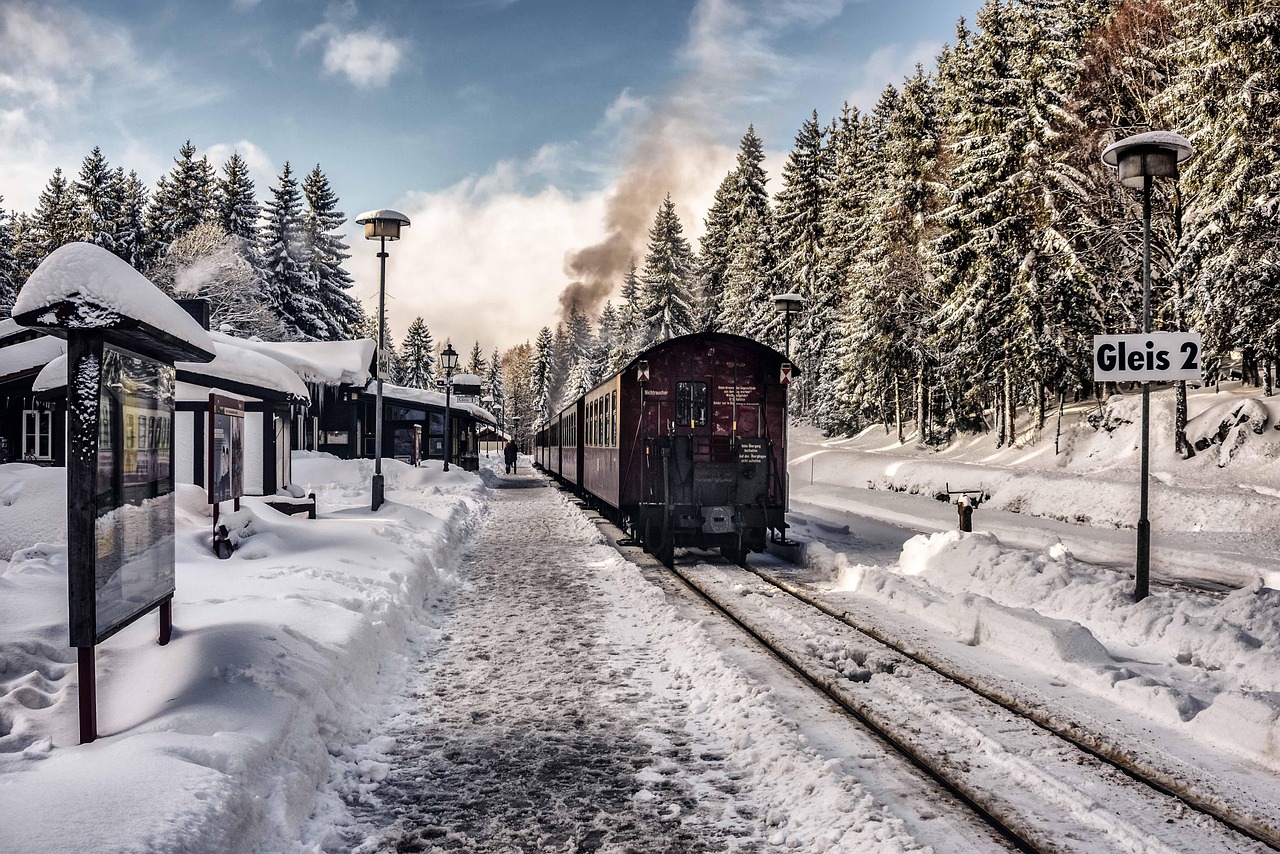

What Shoulder Season Actually Means
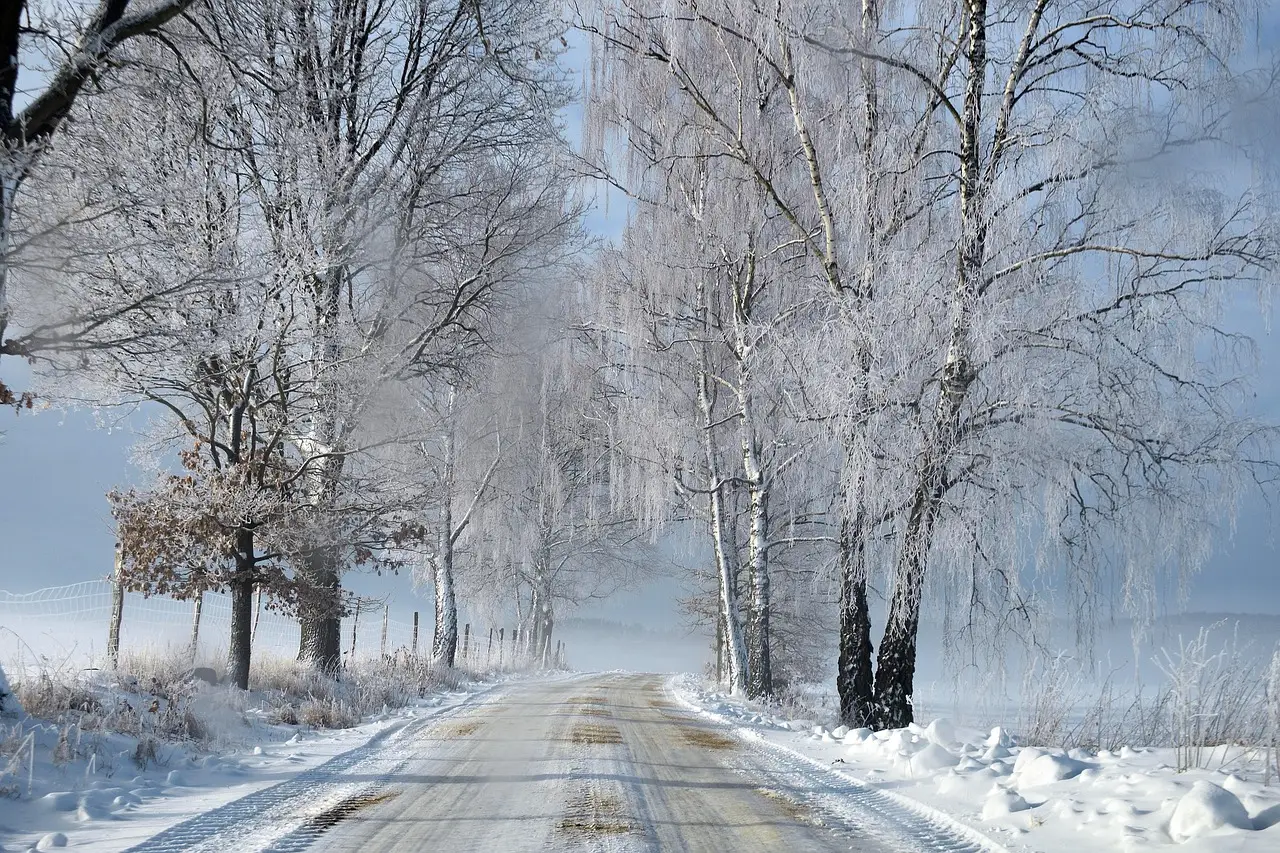
The shoulder season refers to the time between peak season, when most people travel, and off-peak season, when travel is quieter, often due to poor weather or closed attractions. In practical terms, it usually means spring and autumn, though the exact months shift depending on where you’re going.
This window varies depending on the destination but typically occurs during spring and fall when climates are transitioning. Travelers can expect more comfortable temperatures than peak summer or winter, making it an ideal time for sightseeing and outdoor activities.
Historically, shoulder season has meant lower demand and lower prices for airfare and hotels, especially for popular vacation destinations overseas, with the added benefit of weather that’s generally still warm. Think of it less as a compromise and more as a recalibration of priorities.
The Flight Savings Are Real, Though They’re Shifting

Round-trip flights from the United States to Europe during September or early October 2024 were on average roughly a quarter cheaper, or about $195 less, than the same flights in June, July, and August, according to Hopper’s 2024 Summer Travel to Europe report. That’s a meaningful chunk of a travel budget returned to you simply by adjusting your dates.
Flights to Europe are roughly a third cheaper in shoulder season, hotels drop significantly, and September is the single most valuable travel month in the world. KAYAK data shows airfare to Europe drops considerably in shoulder season versus peak summer, often the single largest travel cost.
Albania leads the pack internationally with prices nearly half cheaper on average than summer months, followed by Romania and Bulgaria, proving that Eastern Europe’s most compelling destinations are also delivering the best value this autumn. These aren’t obscure fringe destinations, either. They’re places with deep history, food culture, and coastlines worth crossing continents for.
Hotel Prices Tell an Even Sharper Story

A UK-based study found shoulder-season package holidays can be between a fifth and nearly half cheaper than during peak periods. A study from Radical Storage found that in Paris, hotel rates plunge from around $866 per night at peak to about $344 in shoulder season. That’s not a rounding error. That’s a second trip.
A traveler choosing September over August for a 10-day European trip covering flights, hotel, and car rental typically saves between €800 and €1,500 per couple at equivalent quality. That’s a meaningful second trip rather than a marginal saving.
Car rental prices can drop by nearly a third to half during the shoulder season. In places like the Algarve or Tuscany, you can save significantly on week-long rentals. The savings stack across every category of travel spend, not just the headline ticket price.
September Is a Particularly Special Month

September is the world’s most valuable travel month. Of 110 destinations analyzed across 62 countries, 79 have September or October as a shoulder month, making autumn the world’s single most valuable travel window. Very few months offer that kind of breadth across global destinations.
Travel in the shoulder season, particularly September and October, remained robust through 2024, and this trend aligns with growing consumer preference for value-for-money travel, as these months typically offer lower prices. The European Travel Commission noted this pattern explicitly in its final quarter 2024 review.
Travelers who visit European capitals after the masses of summer tourists go home often get a more authentic glimpse into how locals live. In September and October, travelers have easier access to cultural hot spots like the Eiffel Tower and the Colosseum that usually sell out during peak travel season. Booking a time slot at the Colosseum in August can feel like entering a lottery. In October, it’s a different experience entirely.
The Cultural Rewards Go Beyond Just Lower Prices

With fewer tourists around, you find yourself sharing cafés with locals rather than other travelers, stumbling upon neighborhood festivals rather than tourist traps, and photographing popular landmarks without crowds in your frame. The lighting tends to be gorgeous this time of year, with golden spring and autumn sunlight that makes everything look a bit more magical.
Fall in Tokyo offers diverse cuisine, a thriving arts and cultural scene, and beautiful outdoor spaces. You can enjoy Kabuki performances at some Tokyo venues, such as Kabukiza Theatre, for very modest entry prices. The city feels more navigable, too, without the crush of peak cherry blossom or summer festival crowds.
Scotland in autumn is particularly rewarding. From Edinburgh to the Highlands, Scotland comes alive in autumn with cultural events and exhibitions, and the landscape turns gorgeously golden. It’s one of those destinations that peak season can almost flatten into a postcard, while the shoulder months give it real texture.
The Trend Is Growing, Which Changes the Calculus

In 2024, bookings for fall travel were up nearly a quarter compared to fall 2023, according to a survey conducted by Virtuoso, a global travel adviser network. Three-quarters of Virtuoso advisers reported that their clients are opting to travel off-season more frequently, primarily to avoid crowds.
With recent summers hit by heatwaves and wildfires, along with protests in tourist hotspots like Majorca and Amsterdam, travelers are increasingly drawn to season-stretching travel. British Airways Holidays reported that between 2023 and 2024, searches for travel in May and June increased twice as much compared to searches for travel in July and August.
Some properties have already reported a roughly 30 percent increase in September and October bookings compared with the same period the previous year, while May and June bookings increased by about a quarter. The window is real, but more people are discovering it every year.
The Savings Are Not Guaranteed Everywhere

There is a notable irony in shoulder season becoming more desirable: it has become a better time to travel precisely because more people are discovering it, and that awareness is gradually eroding the bargain. This isn’t a reason to abandon the strategy, but it is a reason to approach it with clear eyes.
Popular cities including Nashville, Boston, Chicago, and Miami are actually seeing rates rise in the fall rather than fall. The upshot is to treat shoulder season as a research starting point rather than a guarantee. Check a specific destination’s actual pricing before assuming a random fall or spring date will be cheaper.
The shift toward shoulder season travel is so significant in some places that it’s changing traditional seasonal travel patterns. According to Zicasso’s 2024 Luxury Travel Report, around two in five travel specialists noted that high seasons are lasting longer, while a similar share observed more destinations becoming year-round. As the boundaries between high and shoulder seasons blur, the savings associated with shoulder season travel are also diminishing in certain markets.
Where the Value Still Holds in 2026
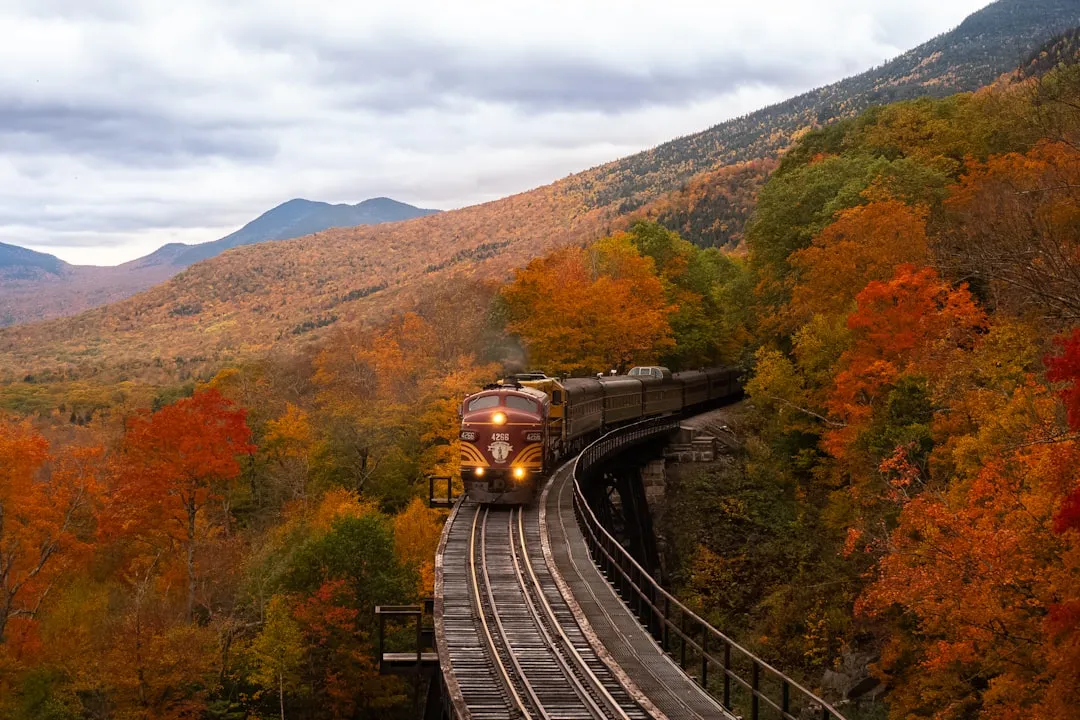
Expedia flagged six U.S. destinations where fall pricing still beats summer by a wide margin: Aspen with about 45 percent combined savings on lodging and flights, Anchorage at about 40 percent, Fort Walton Beach at about 30 percent, San Diego at about 15 percent, Honolulu at about 10 percent, and Bozeman at about 5 percent.
For international travel in 2026, travelers flying to Asia can save an average of roughly a fifth by flying during the fall shoulder season instead of summer. Flights to the Middle East and Africa are notably cheaper during fall than summer, though the margin has narrowed compared to 2023.
Many travelers are eyeing destinations further afield to take advantage of the cheaper travel period. Flight prices to Cape Town, for instance, are nearly a third cheaper than summer months. South Africa in autumn is also, for what it’s worth, a genuinely beautiful place to be.
How to Actually Plan a Shoulder Season Trip

Research your destination’s shoulder season dates carefully, as they vary widely depending on location. Book flights and hotels early since prices may be lower but the best deals and rooms still go fast. Check local event calendars, as major festivals, holidays, or conferences can spike prices and bring extra crowds even during shoulder season.
Visiting in late spring or the autumn shoulder season offers a smoother travel experience overall, with statistics showing that flight disruption drops considerably compared to peak summer months. That alone is worth something to anyone who has spent a sweaty August afternoon stranded in an airport.
Packing for variable weather is wise: layers, a light rain jacket, and versatile shoes help handle warm afternoons and cool mornings. Staying flexible with dates is equally important, since even shifting a trip by a week can lead to meaningful savings on flights and accommodations depending on the destination.
The Overtourism Conversation Makes This More Relevant, Not Less
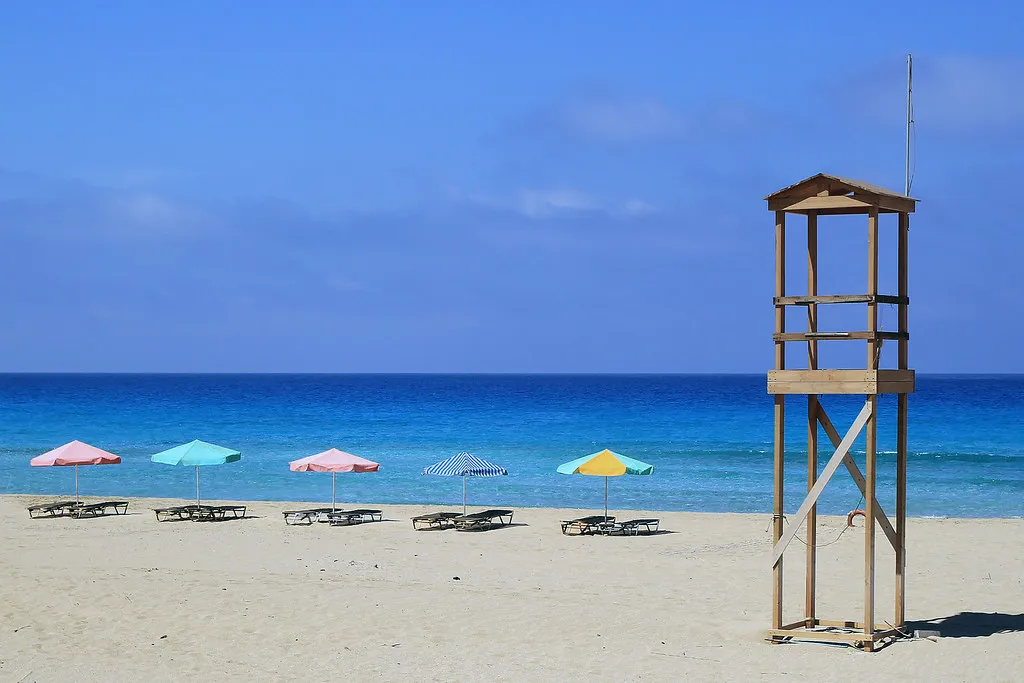
A growing focus on off-season travel helps distribute tourism demand more evenly throughout the year, a trend that tourism authorities across Europe have flagged as a positive development for destinations struggling with overtourism pressure. Spreading visitors across more of the calendar benefits local communities as much as it benefits travelers themselves.
The issue of overtourism is here to stay, but trends such as season-stretching and shoulder-season travel are gaining momentum, thanks to a growing desire to keep exploring despite challenges such as increasing costs. It’s one of those rare cases where what’s better for you also happens to be better for the destination.
Southeast Asia is one of those regions that rewards travelers willing to visit just outside the busiest months. In places like Thailand, Vietnam, Cambodia, and Bali, shoulder season can offer a balance of fewer visitors, beautiful landscapes, and a more relaxed experience. Because some shoulder periods fall near the start or end of the rainy season, travelers are often surprised by how much they still enjoy. Showers may come and go, but they are often followed by lush scenery, dramatic skies, and a destination that feels less crowded and more accessible.
The Takeaway

The shoulder season sweet spot is not a secret in the traditional sense. The information has been available for years. What keeps most travelers from using it is habit, the comfortable gravity of booking the same weeks everyone else books, trusting that peak must mean best.
The data suggests otherwise. While a growing number of travelers may be picking up on the perks of traveling off-season, the good news is that an increase in interest and demand has yet to translate uniformly into higher prices. Shoulder season still remains a very good deal in many markets.
The window won’t stay this accessible forever. Demand is rising, seasonal distinctions are blurring, and savvy travelers are increasingly waking up to exactly what the rest of July’s crowds have been missing. The question isn’t whether shoulder season works. It’s whether you’ll use it before the window narrows further.
AI Disclaimer: This article was created with the assistance of AI tools and reviewed by a human editor.