
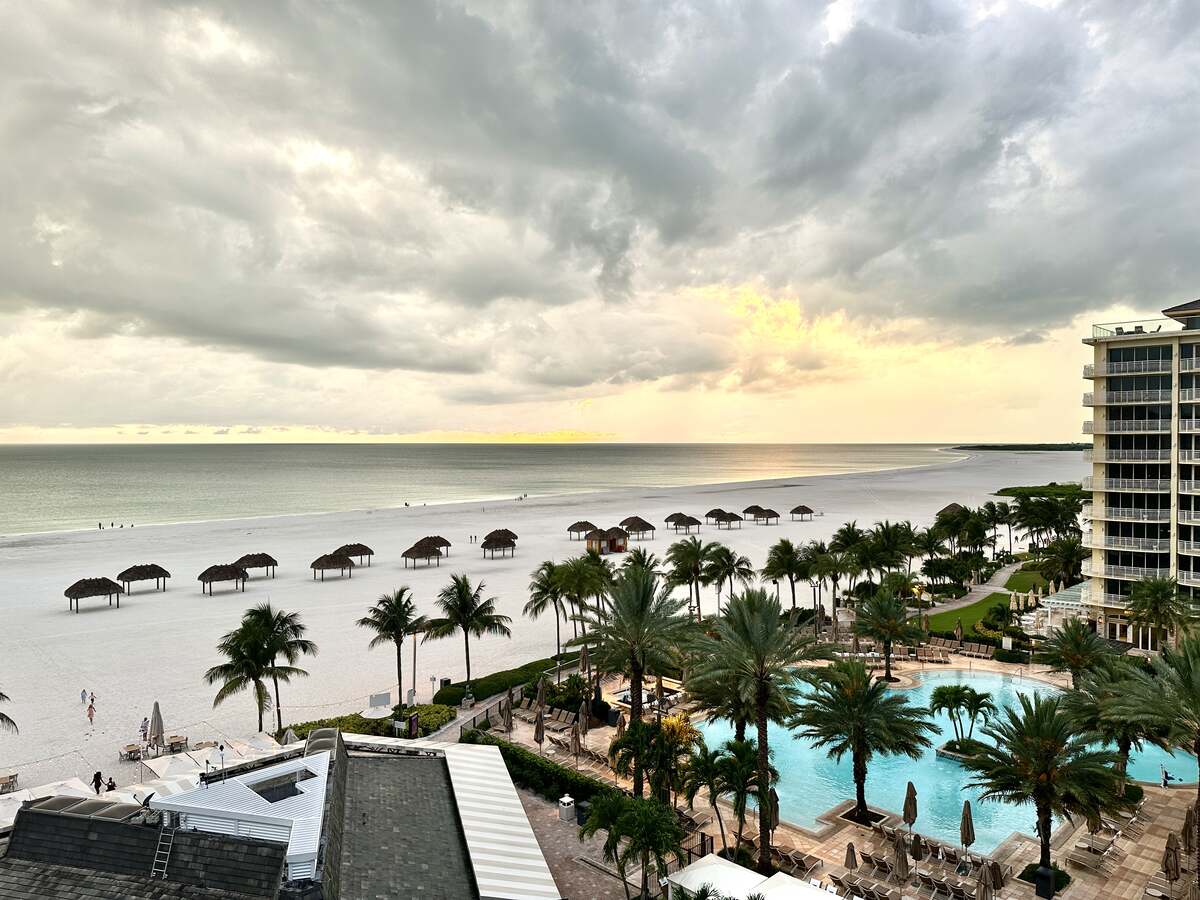

Beyond the beaches and Gulf sunsets, Naples and Marco Island reveal an arts scene rooted in creativity, reflection, education, and belonging.
Naples and Marco Island are easy to frame through beaches, boutiques, excellent restaurants, and Gulf sunsets. Those are all part of the appeal, and I enjoyed them fully. But the deeper surprise was how much of the destination’s personality lives inside its arts organizations.
On this trip, three stops helped me understand the cultural pulse of the area: Marco Island Center for the Arts, Artis—Naples and The Baker Museum, and Opera Naples. Each one works on a different scale. One is rooted in island community. One brings world-class visual and performing arts together on a major cultural campus. One is growing opera through performance, education and outdoor festivals.
Together, they reminded me that an arts scene is not only about what hangs on the wall or who performs on stage. It is about who feels welcome, who gets to participate, and who gets to see part of themselves reflected back.
Marco Island Center for the Arts
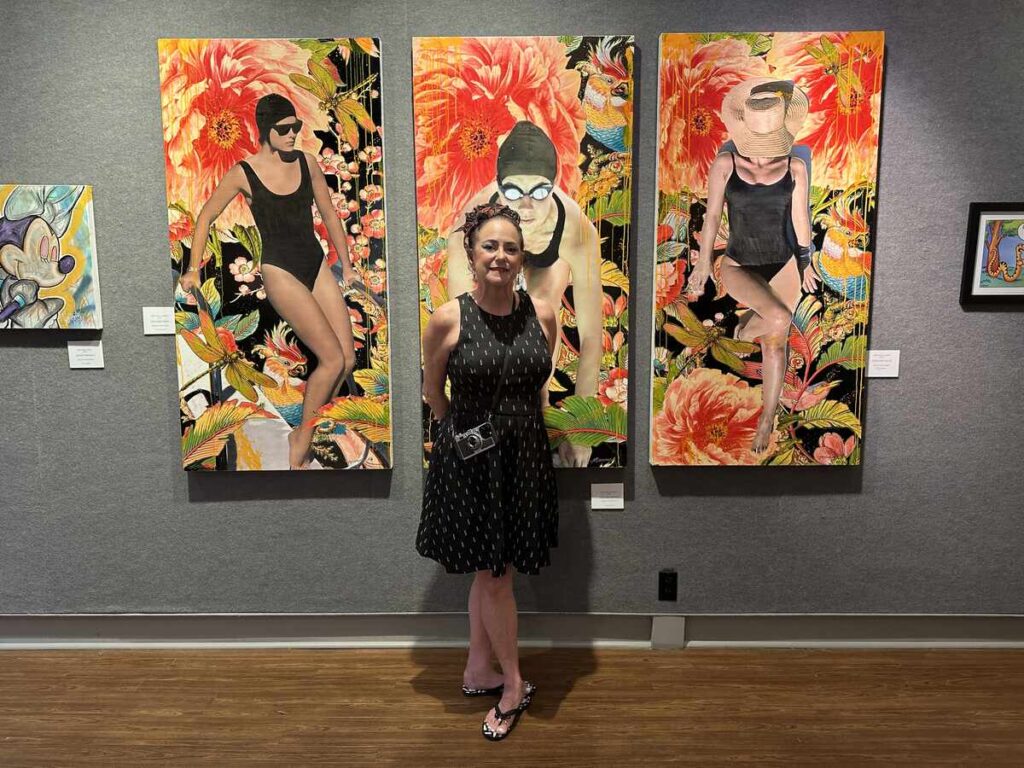
My arts and culture introduction on Marco Island began at Marco Island Center for the Arts, where I had the chance to chat with Executive Director Hyla Crane and better understand how the centre fits into the island’s creative life.
The centre began in 1970 as the Art League of Marco Island, when seven artists and art patrons recognized the need for a cultural home on the island. Today, it operates as a 14,000-square-foot facility with educational and instructional spaces, three galleries, a gift shop, and administrative offices.
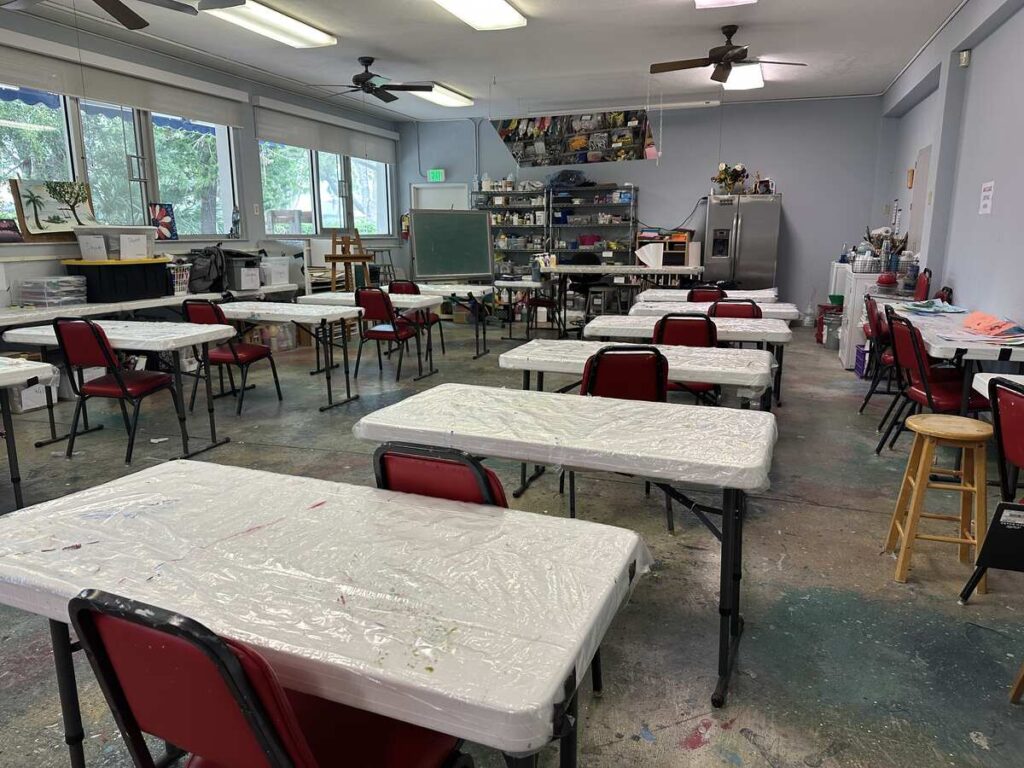
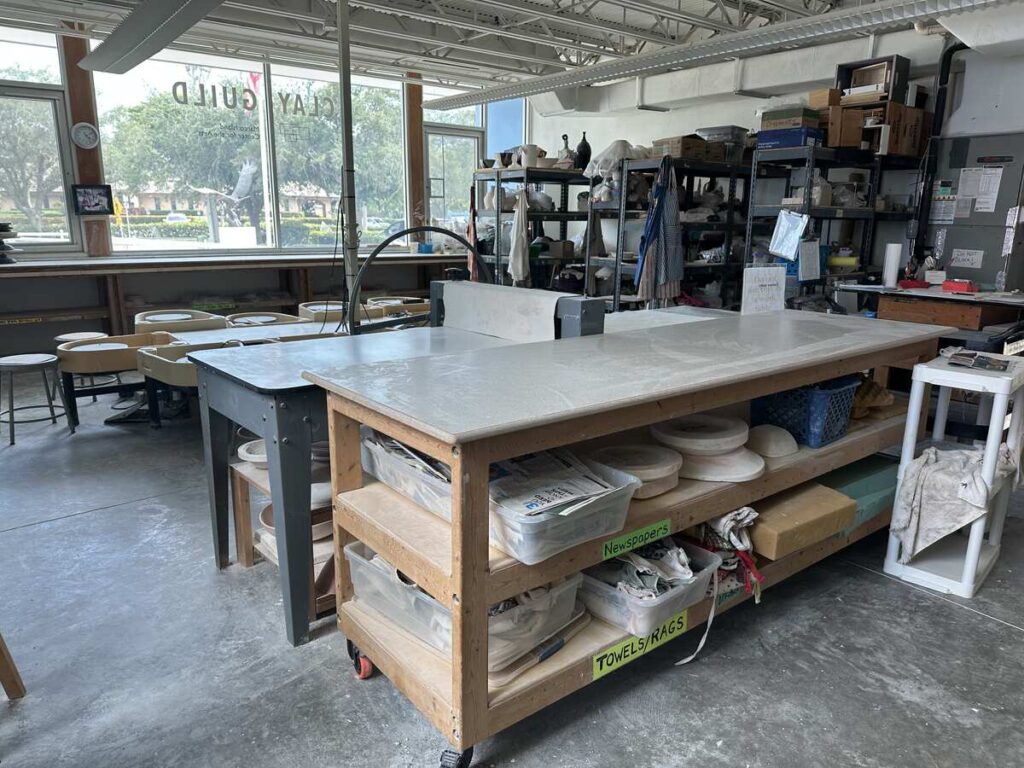
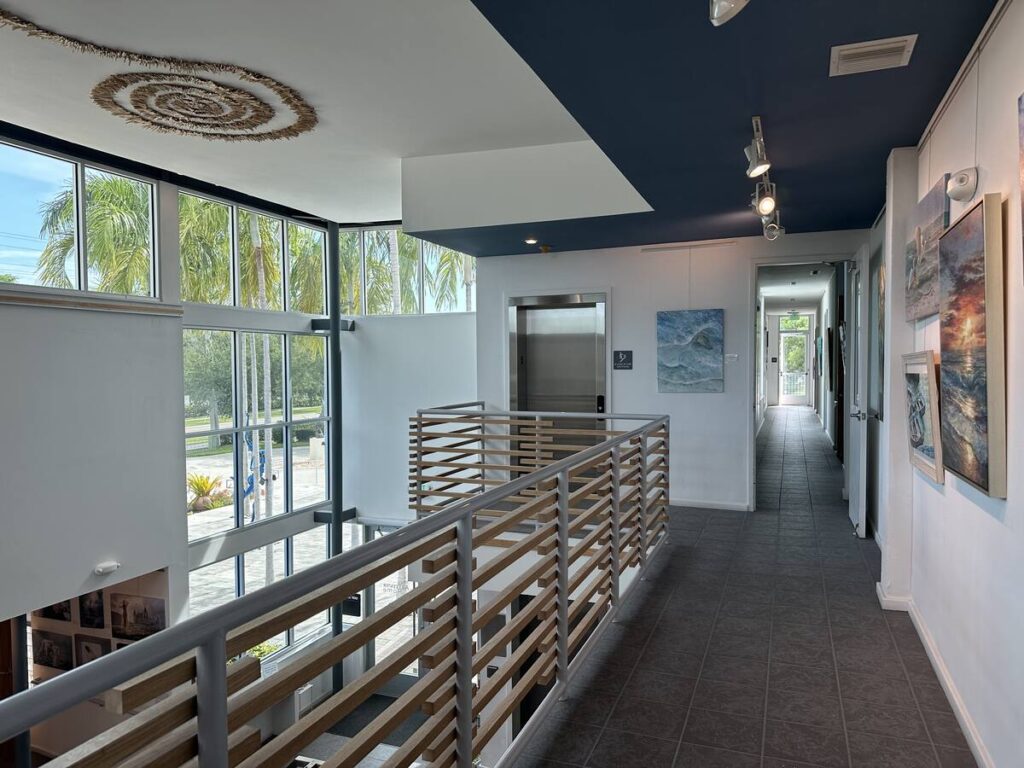
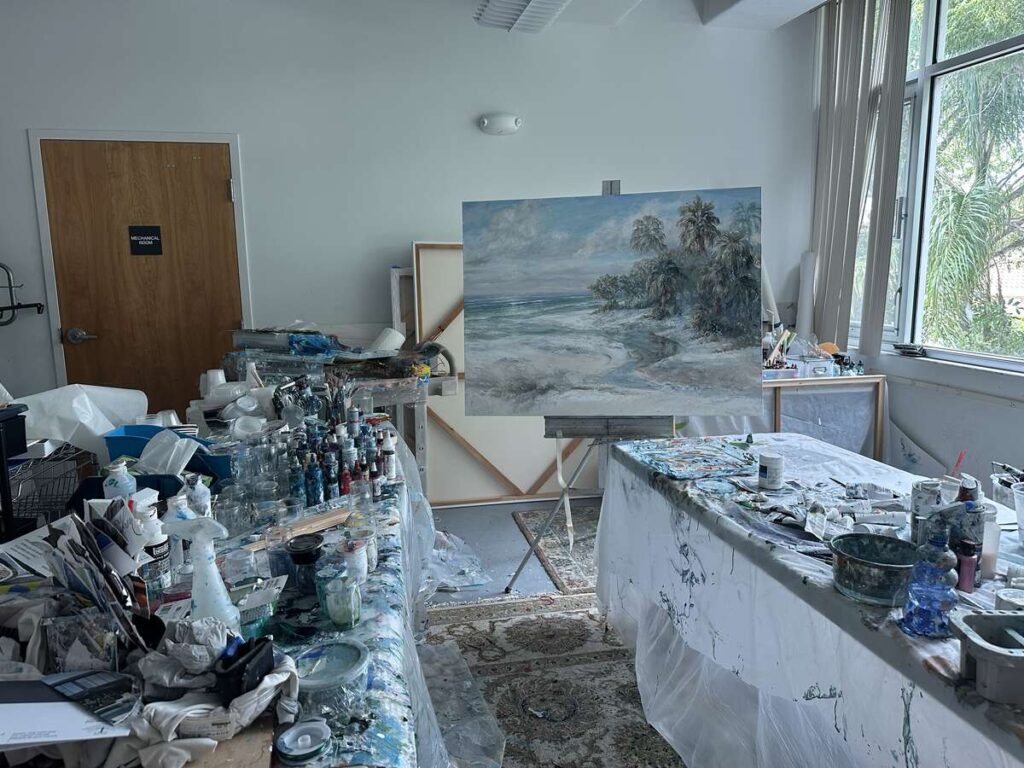
What stands out is that the centre is not trying to be one thing. It functions as an exhibition space, a teaching space, a theatre space, and a community gathering place. Crane describes the centre as a community asset serving artists, teaching artists, students, patrons, volunteers, and the broader island community. That came through during my visit.
The galleries give artists a place to show their work, including smaller solo exhibitions that help artists build their resumes. The centre also creates opportunities for local middle and high school students, which is important. A young artist seeing their work on a wall, in a real community arts centre, can be a powerful thing.
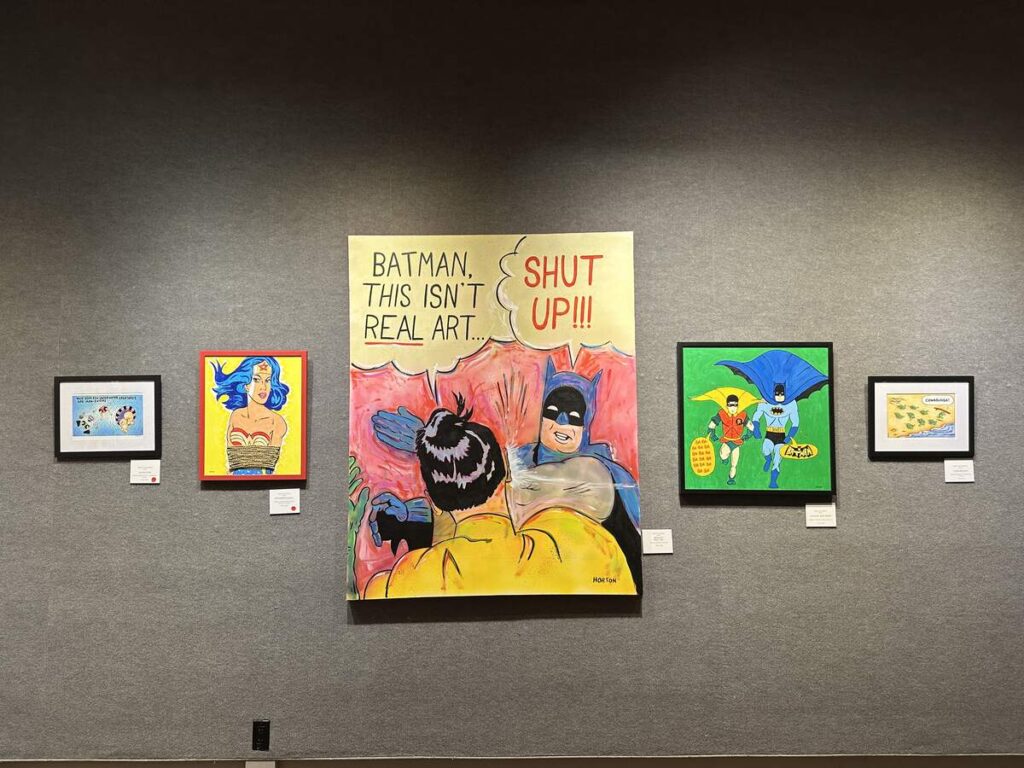
The children’s programming deserves special attention. Crane spoke about serving the community from “age 5 to age 95,” and that philosophy seems to guide the centre’s work. The Young Artists Academy offers free art workshops for middle and high school students, ending with an art show and cash prizes. The summer children’s art program was also designed to remove cost as a barrier, so families do not have to choose which child gets the opportunity.
Art can become elitist very quickly if communities are not intentional. Free programming tells families that creativity is not an extra. It is part of how children learn, process the world, build confidence, and discover what they have to say.
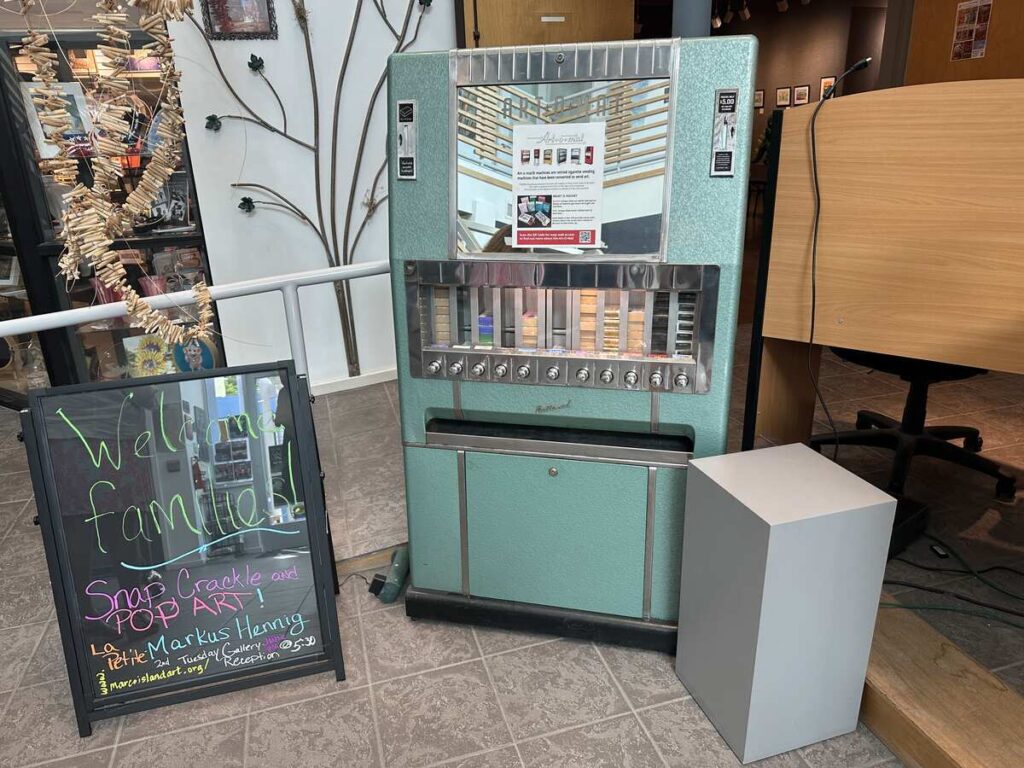
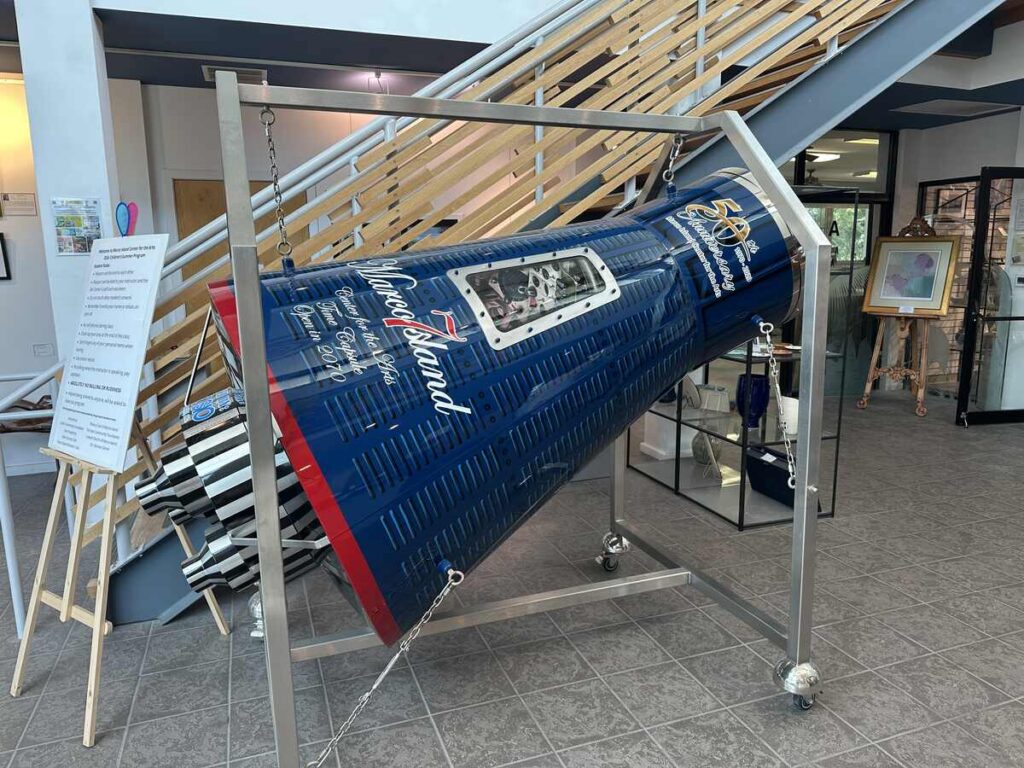
I was also struck by the art supply distribution program. Working with a local mobile food pantry, the centre created art bags with project instructions, crayons, markers, paint, clay, and other materials for children in nearby communities who may have very little. That is the kind of initiative that says a great deal about an organization’s values. It recognizes that the arts do not begin and end inside a building. Sometimes access looks like putting supplies directly into a child’s hands.
That is the Marco Island Center for the Arts story I found most meaningful. It is not simply a place to view work. It is a place trying to keep creativity moving through the community.
Website: https://www.marcoislandart.org/
Address: 1010 Winterberry Drive, Marco Island, FL 34145
The centre lists its location and address on its official site.
Artis—Naples and The Baker Museum
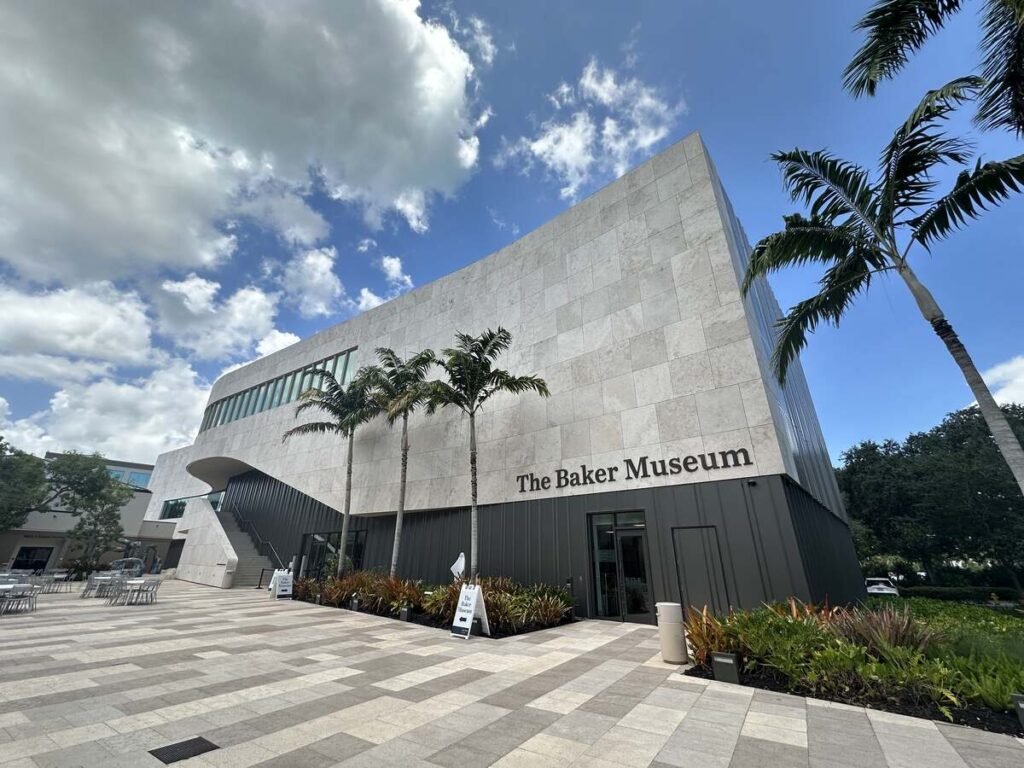
If Marco Island Center for the Arts feels intimate and community-rooted, Artis—Naples is the region’s large cultural engine.
Home to The Baker Museum and Naples Philharmonic, Artis—Naples brings visual and performing arts together on one campus. The organization creates and presents world-class visual and performing arts through multidisciplinary offerings designed to inspire, educate, entertain, and enrich the community.
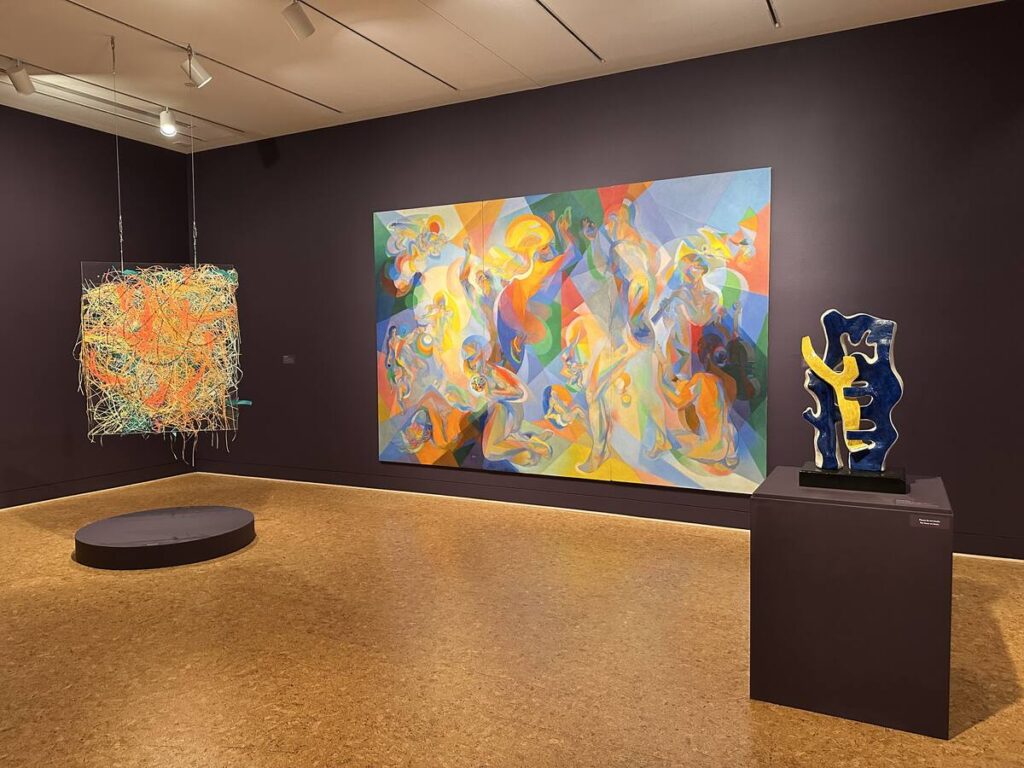
My visit included a docent-led tour of The Baker Museum with Dianne Brás-Feliciano, Ph.D., curator of modern art. Her background as a historian came through in the way she spoke about the work. The tour was not simply about identifying artists or admiring technique. It was about context, memory, displacement, land, belonging, and the community collaborative effort to shape the story of a exhibit..
The Baker Museum is the foremost fine art museum in Southwest Florida, with an emphasis on modern and contemporary art. It presents travelling exhibitions alongside works from its permanent collections. But what moved me most was not scale or status. It was the way the exhibitions invited visitors to think.
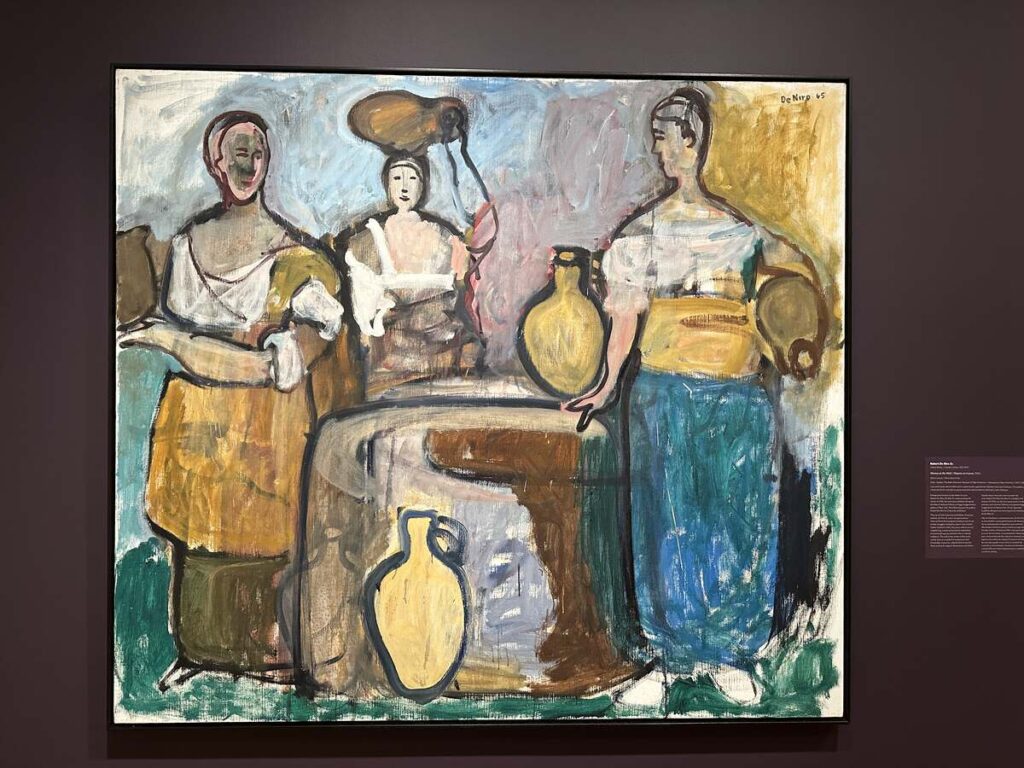
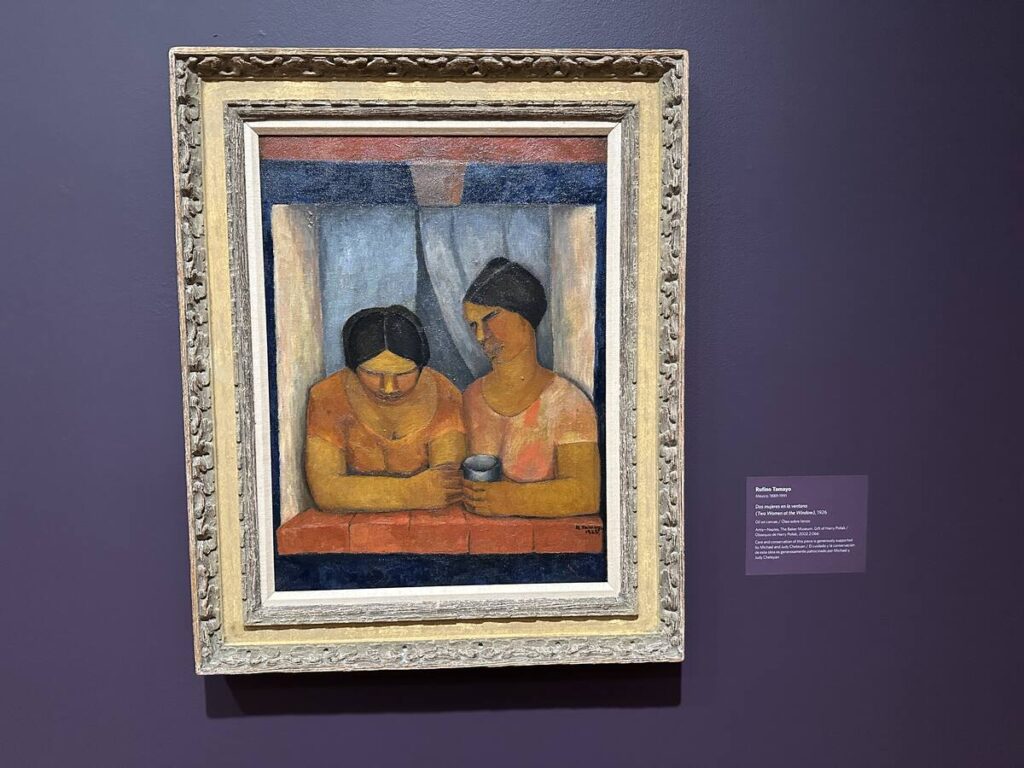
One of the most affecting exhibitions was There & Here: New Perspectives of the Permanent Collection. Created in celebration of The Baker Museum’s 25th anniversary, the exhibition was co-curated with a community advisory committee and uses works from the museum’s holdings to explore migration, identity, ancestry, belonging, and dislocation.
The wall panels helped frame the room before you even arrived at the individual works. Brás-Feliciano’s message described migration as a constant in human history, shaped by the pursuit of safety, sustenance, opportunity, and belonging. It also acknowledged that movement is not always voluntary. War, colonialism, economic hardship, environmental crisis, and power imbalances all shape why people leave, what they carry, and how they rebuild.
What made the exhibition feel different was the community advisory committee’s role. The committee spent months in conversation and collaboration, helping select the theme, write gallery texts, and choose works from the permanent collection. Their statement was moving. They wrote about not always feeling reflected in The Baker Museum before this project, and how the process helped the museum become a space for belonging. They also wrote that the museum did not simply invite them in; it shared power and listened.
That gave the exhibition a different charge.
Museums can hold power. They decide what is collected, what is displayed, whose stories are interpreted, and whose are left out. In There & Here, the museum gave community voices a role in shaping the narrative. The result felt more intimate and more honest.
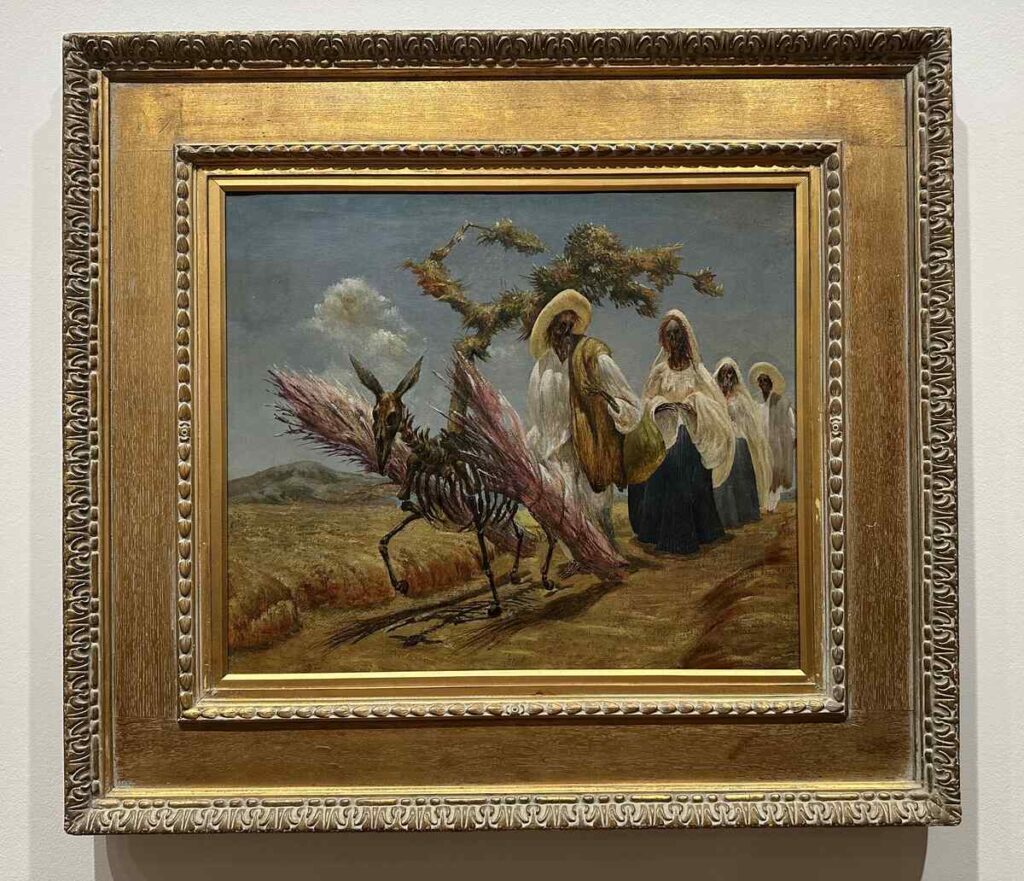
One painting in particular stopped me: Guillermo Meza’s Mule Drivers Are We / Arrieros somos. The label explained that Meza, born in Mexico City to a Tlaxcalteca Indigenous father, often used weight, emotion, and surrealism in his work. In this painting, skeletal figures and a mule move through a harsh landscape, caught somewhere between the living and the dead. The caravan becomes a symbol of migrants and labourers crossing natural and human-made borders, carrying not only physical belongings but cultural memory, traditions, and hope.
I stood with that painting for a while.
The bodies looked worn down by the journey, but still moving. It made me think about what happens after arrival. Is the destination relief? Or does another kind of suffering begin there?
That is the power of careful curation. It does not tell you exactly what to feel. It creates the conditions for you to stay with the question.
I was also deeply moved by Discovering Ansel Adams. Of course, Adams is associated with the grandeur of American landscapes. His black-and-white images helped shape how many people imagine Yosemite, national parks, and the American wilderness. But the exhibition also asked harder questions about how those landscapes came to be framed as empty, untouched, or “without us.”
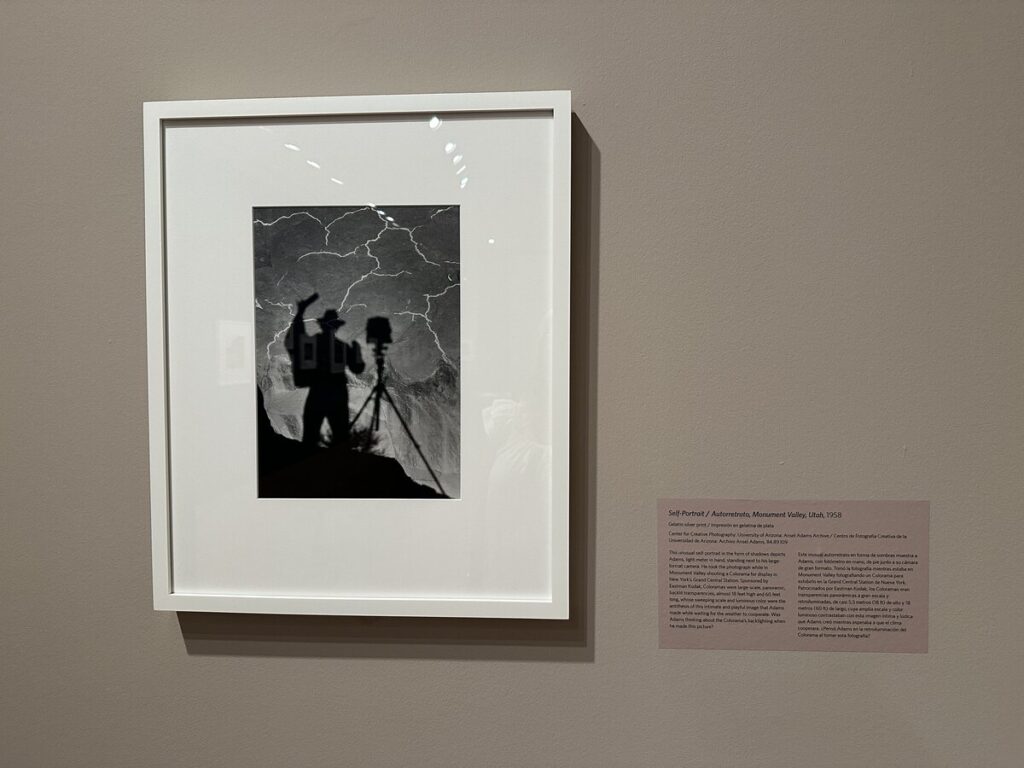
One panel explained that the idea of human-free wilderness often erased Indigenous presence. Native peoples had lived in and stewarded these lands for thousands of years before being forcibly removed. The panel also noted that the language used in early conservation law helped preserve wilderness while failing to acknowledge the Indigenous histories already embedded in those places.
Nearby, a land acknowledgement honoured Indigenous communities connected to the lands and waters, including the former Calusa, the Miccosukee Tribe of Indians of Florida, and the Seminole Tribe of Florida. It also expressed gratitude for Indigenous stewardship of lands and waters shared with wildlife. I appreciated that this was not presented as a side note. It belonged to the larger question the exhibition was asking: who gets included in the story of place?
That context changed the room.
At one point, I noticed visitors moving through without reading the panels. I try not to interfere in anyone’s experience; people should be allowed to encounter art in their own way. But I had one of those “what would you do?” moments and gently asked whether they had read the information about national parks and why they were created.
They stopped, read the panel, took a photo, and then turned to me and said, “Oh my God, I had no idea.”
As they paused to take it in, something shifted. The installation seemed to open another way of seeing the room, and the story behind it. Art has a way of doing that.
I later shared that moment with Dr. Brás-Feliciano, and she wrote back: “I feel it is important to captivate and entertain but also to provide space for critical thinking and reflection.”
That stayed with me because it explains what The Baker Museum did so well during this visit. It offered beauty, but not only beauty. It made room for discomfort, history, correction, and care. It reminded me that a museum can delight the eye while also asking the visitor to think harder.
Website: https://artisnaples.org/baker-museum/
Address: 5833 Pelican Bay Boulevard, Naples, FL 34108
Artis—Naples lists the campus address on its Plan Your Visit page, and The Baker Museum is part of the Artis—Naples campus.
Opera Naples
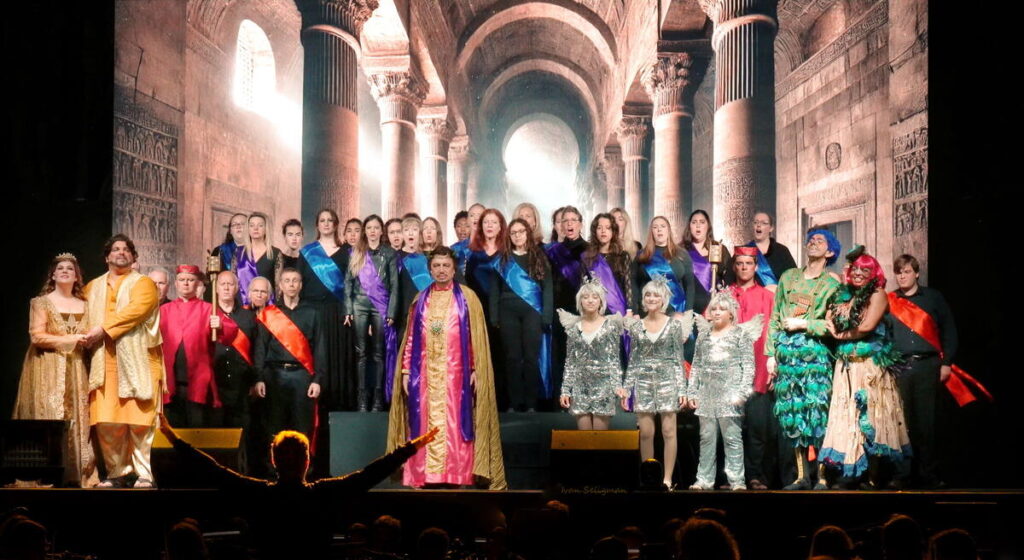
Opera can sound intimidating if you did not grow up with it. The language, the scale, the voices, the formality of it all can make people think it belongs to someone else. Opera Naples is working against that assumption.
The company is celebrating its 20th anniversary season and is led by Executive Director Melanie Kalnins, who took on the role in 2024 after a long career in arts marketing and audience engagement, including leadership experience with Artis—Naples and nearly two decades with the Chicago Symphony Orchestra Association.
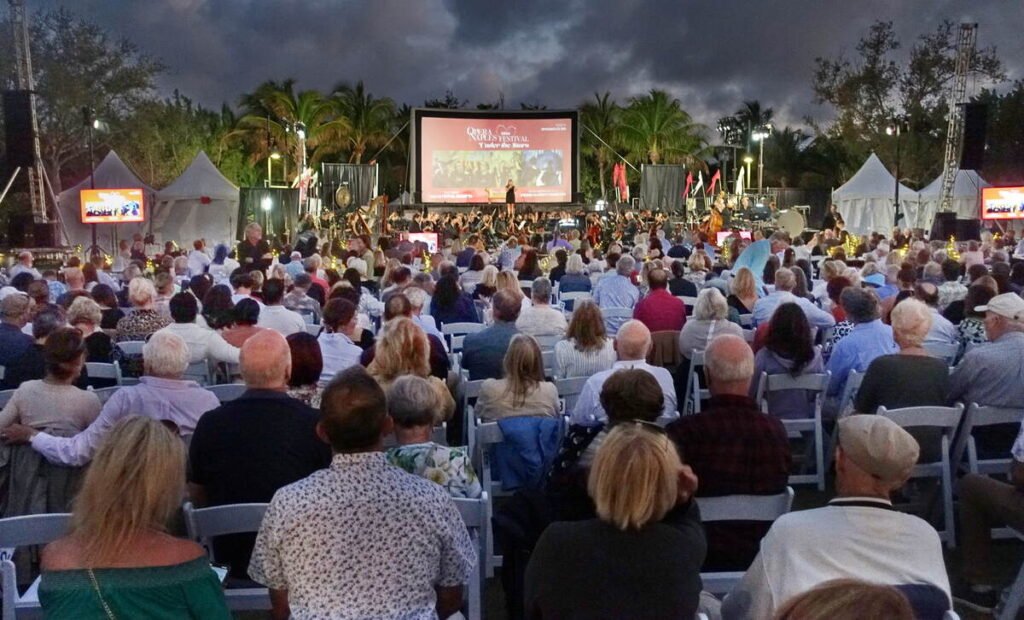
One of Opera Naples’ signature offerings is Festival Under the Stars. The outdoor winter opera festival began during the pandemic, when audiences needed connection, space and safety, and it has since become a defining part of the organization’s identity. There is something wonderfully Naples about that: opera under the open sky, in a city park, with people gathering around music in a less formal setting.
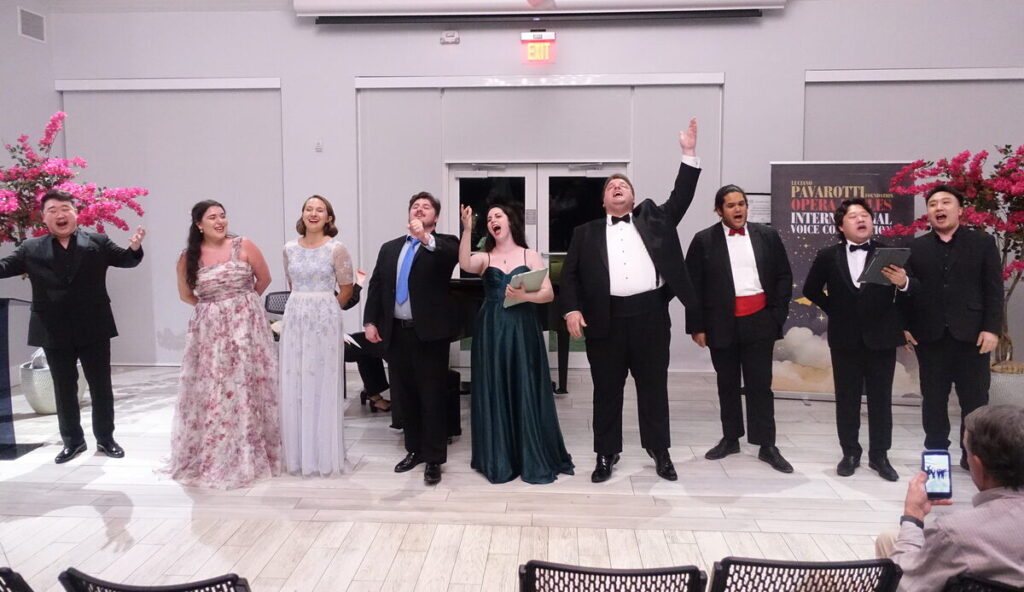
Opera Naples is also developing a partnership with the Luciano Pavarotti Foundation. The vision is ambitious: a purpose-built opera house, an adjacent museum dedicated to opera, and an outdoor pavilion that would allow Festival Under the Stars to continue as part of the company’s future. That kind of planning speaks to an organization in a growth era.
But the education work is what moved me most.
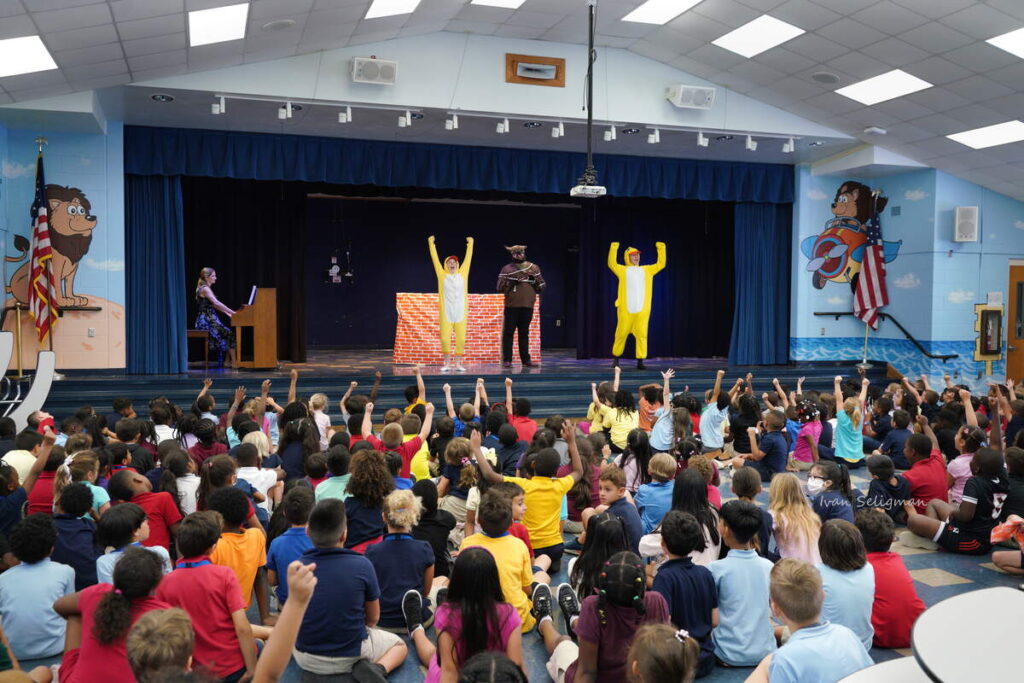
I had the opportunity to sit in on a rehearsal for Opera Naples’ Summer Youth Program as participants prepared H.M.S. Pinafore, the Gilbert and Sullivan comic operetta. The program is designed for ages 13 to 20, and the pace is no joke. Over two weeks, students rehearse, train, build performance skills, and prepare an entire production.
This year’s program ran from June 15 to 19 and June 22 to 26, with additional rehearsals for main roles on June 14 and 20. Performances took place June 26 to June 28.
What impressed me was the structure. Students are not simply handed a role and told to perform. They participate in rehearsals, masterclasses, and workshops focused on vocal technique, acting, improvisation, and prop construction. Main role auditions are available for those who want to be considered, but students who do not audition are still cast in the ensemble. Everyone performs.
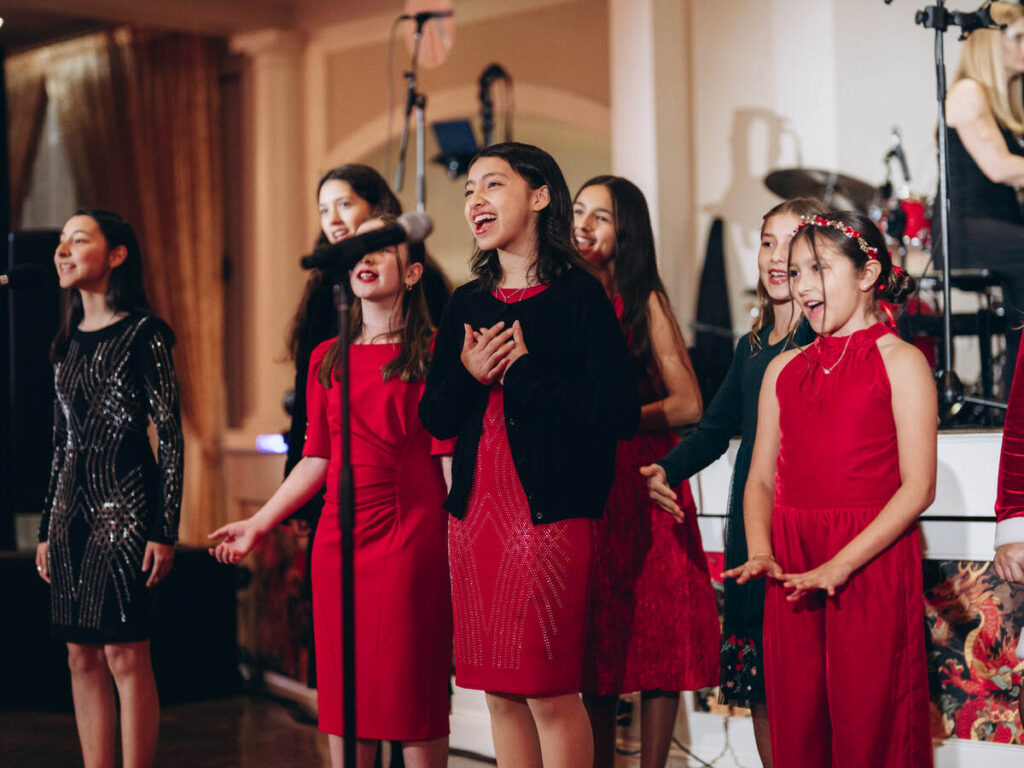
A program like this can serve seasoned young performers, but it can also welcome students who are newer to the art form. Scholarships are available to help cover tuition, which matters if the goal grow in this field. The program is led by New York Gilbert and Sullivan Players veteran Louis Dall’Ava and Opera Naples Director of Education Robin Frank.
Sitting in on rehearsal, I was reminded that performance education is not just about the final show. It is about discipline, listening, timing, confidence, and learning how to be part of something larger than yourself. For young people, that can be transformative.
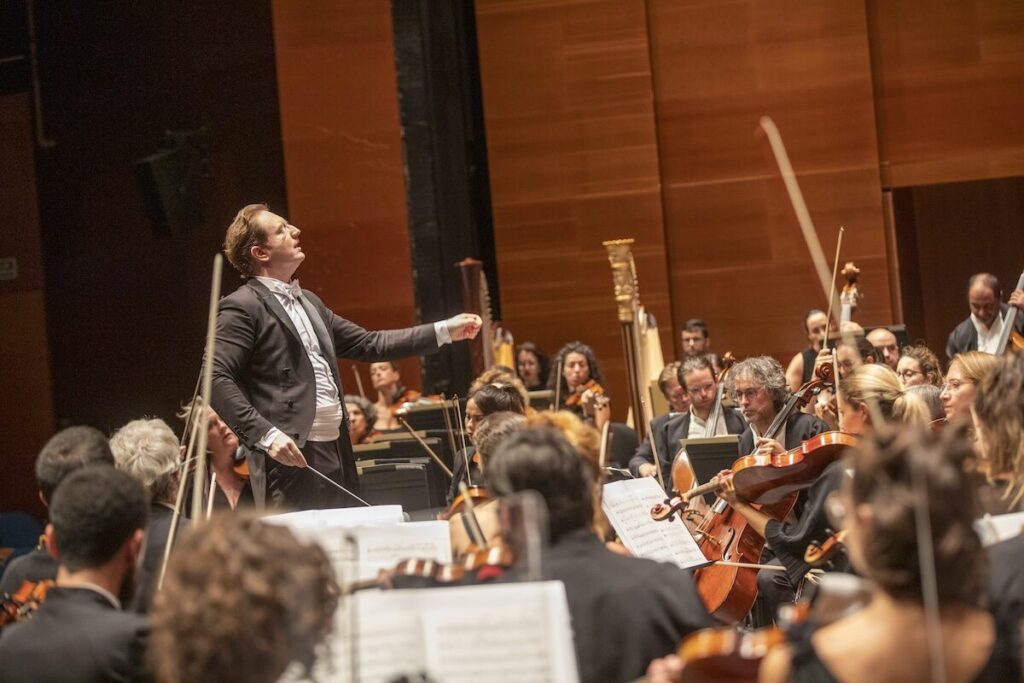
Opera Naples also reaches children through its Youth Company, resident artist program, and in-school tours. During my visit, I heard a story about a child who was expected to have difficulty sitting through a school performance. A teacher warned the team in advance that he might be disruptive. Then the music began, and he froze — fully focused, fully present. The teachers were stunned. Something in the performance reached him.
That is the kind of story that explains why arts access matters.
Music finds different doors into different people. Sometimes it is the child who hears an aria for the first time. Sometimes it is a teenager who discovers they can stand on stage. Sometimes it is an emerging singer who needs a contract more than a cash prize. Sometimes it is an audience member who thought opera was not for them until it was happening outside, under the stars.
Opera Naples is not only preserving an art form. It is creating pathways into it.
Website: https://operanaples.org/
Address: 2408 Linwood Ave, Naples, FL 34112
Opera Naples lists this address under its Visit section.
Why These Three Stops Belong Together
Taken together, these three arts experiences gave me a fuller picture of Naples and Marco Island.
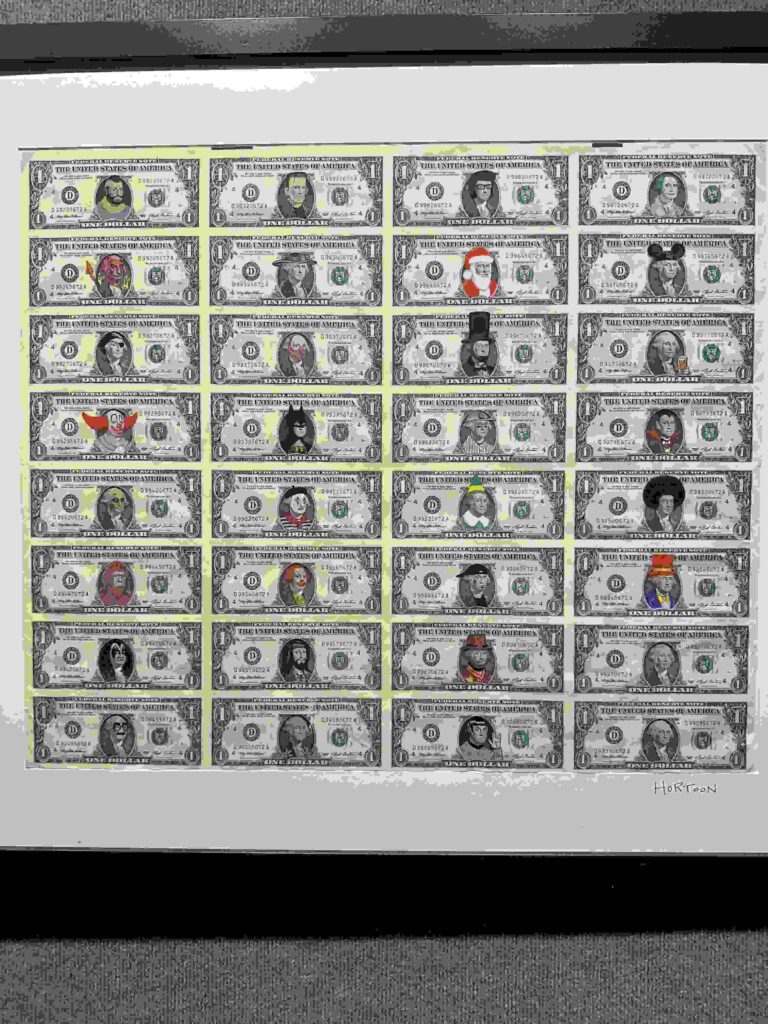
Marco Island Center for the Arts showed me the value of a local creative hub where exhibitions, classes, children’s programming, and art supplies keep creativity close to everyday life.
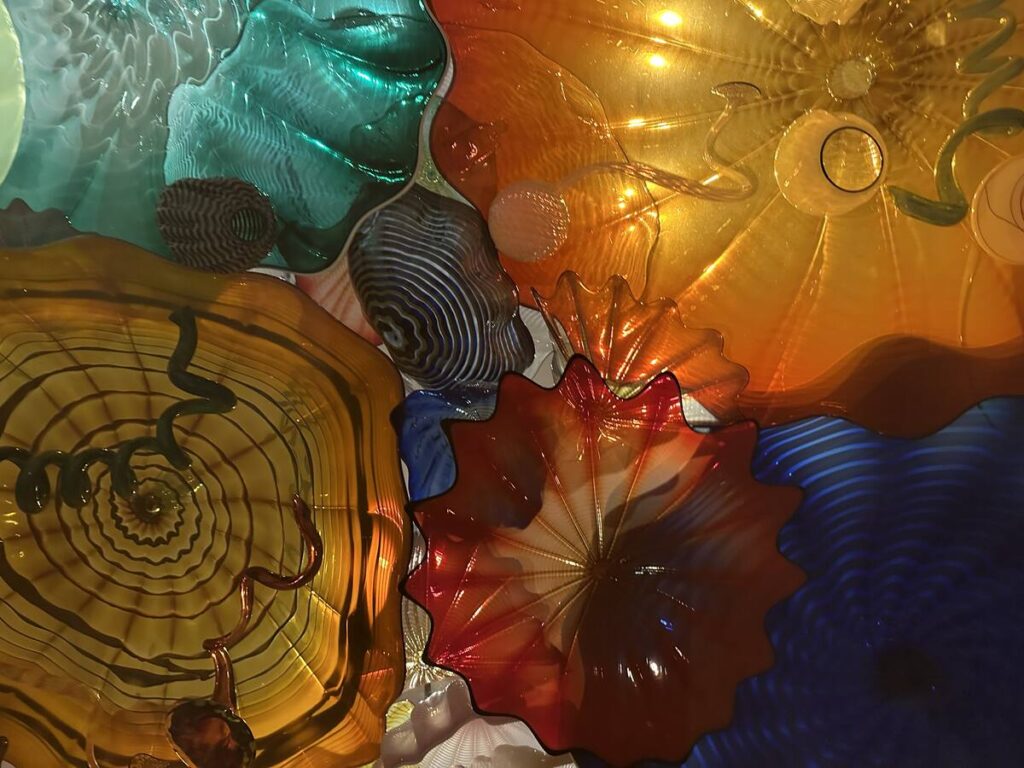
Artis—Naples and The Baker Museum showed me what happens when a community invests in a major multidisciplinary cultural campus, one that can offer beauty while also asking visitors to think more deeply about migration, identity, land, memory, and belonging.
Opera Naples showed me an organization in a growth moment, with serious musical ambition and a very human commitment to education, outreach, and welcoming young people into the art form.
Each stop had a different scale, but the throughline was clear. Art here is not decorative. It is social. It is educational. It is intergenerational. It connects residents, visitors, students, patrons, artists, and audiences.
That is what I appreciated most.
The beaches are beautiful. The restaurants are excellent. The shopping is lovely. But the arts give a destination another dimension. They reveal what a place values when people gather, sit quietly, listen, look, learn, and make something together.
The Takeaway
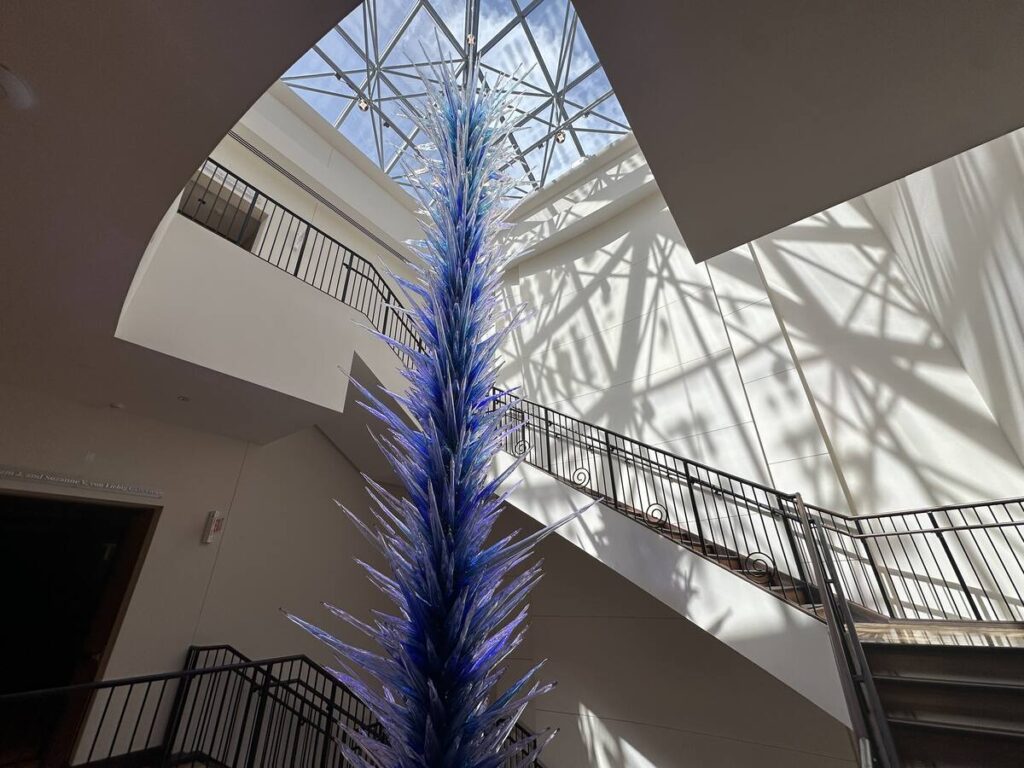
Naples and Marco Island have a stronger arts story than a casual visitor might expect. Marco Island Center for the Arts offers community-rooted creativity and children’s programming that removes barriers. Artis—Naples and The Baker Museum bring world-class visual and performing arts to one cultural campus, while also creating space for critical reflection. Opera Naples is expanding opera’s reach through performance, outdoor festivals, youth programs, in-school tours, and international partnerships. Together, they show that Florida’s Paradise Coast is not only a place to relax. It is a place to be moved.
As with every destination, I encourage travellers to tread lightly and leave places better than they found them.
This trip was hosted by Collier County/Naples, Marco Island, Everglades CVB , but all reflections, opinions, and editorial content are entirely my own.
All photographs by Helen Hatzis unless otherwise indicated.