
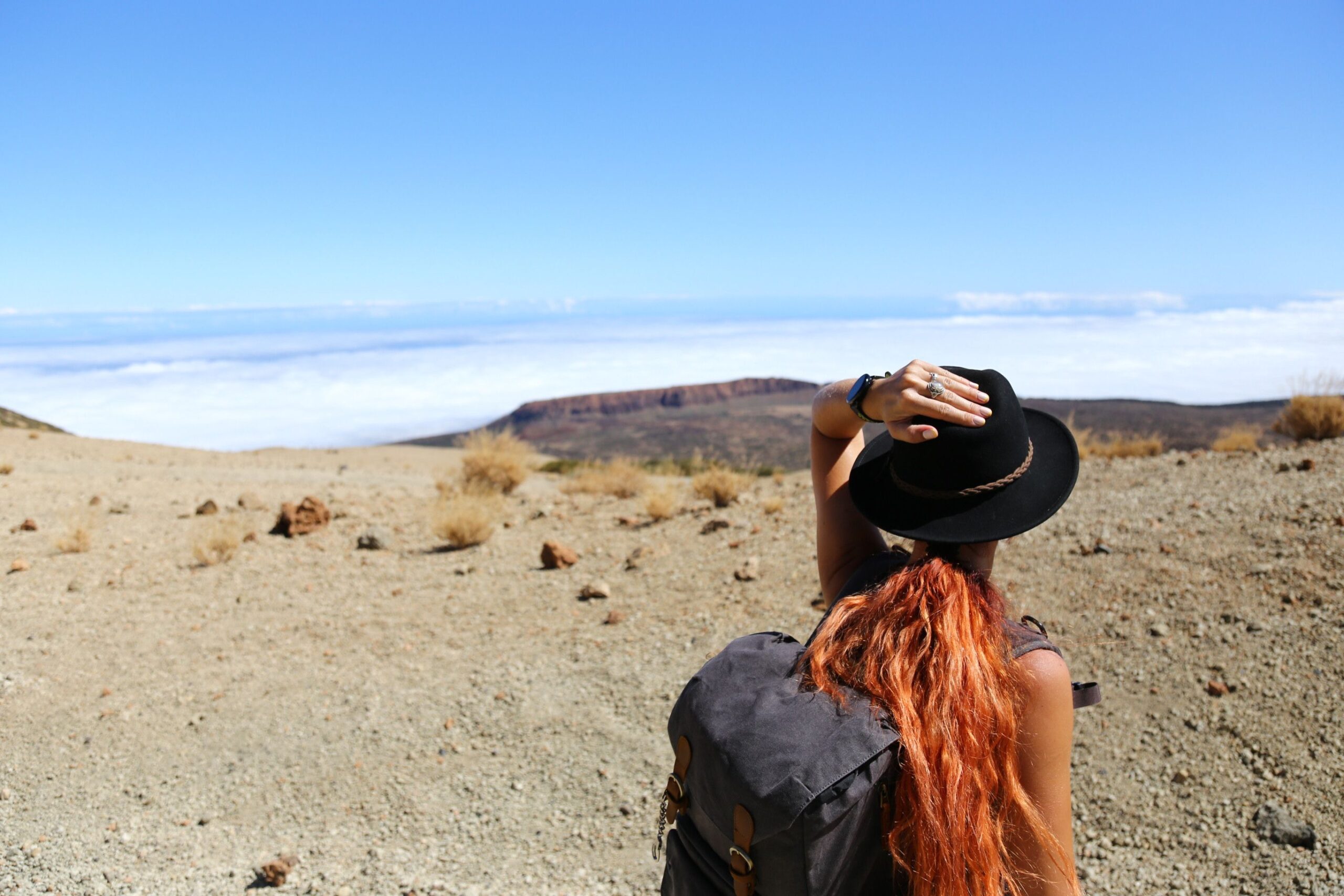

Most people pack a first-aid kit before a trip. Far fewer pack the knowledge of a single hand gesture that has already saved lives. There’s a quiet revolution happening in solo travel safety, built not around gadgets or apps, but around a small, shared vocabulary of signals that pass between strangers without a word being spoken.
Solo travel is surging. According to Booking.com, roughly 59% of travelers were looking to venture alone in 2024, while Globus data found that 27% plan to go solo on their next trip, double the figure from previous years. With that freedom comes real responsibility for personal safety, and the silent signals covered here are among the most practical tools any solo traveler can carry.
The Hand Gesture That Went Global

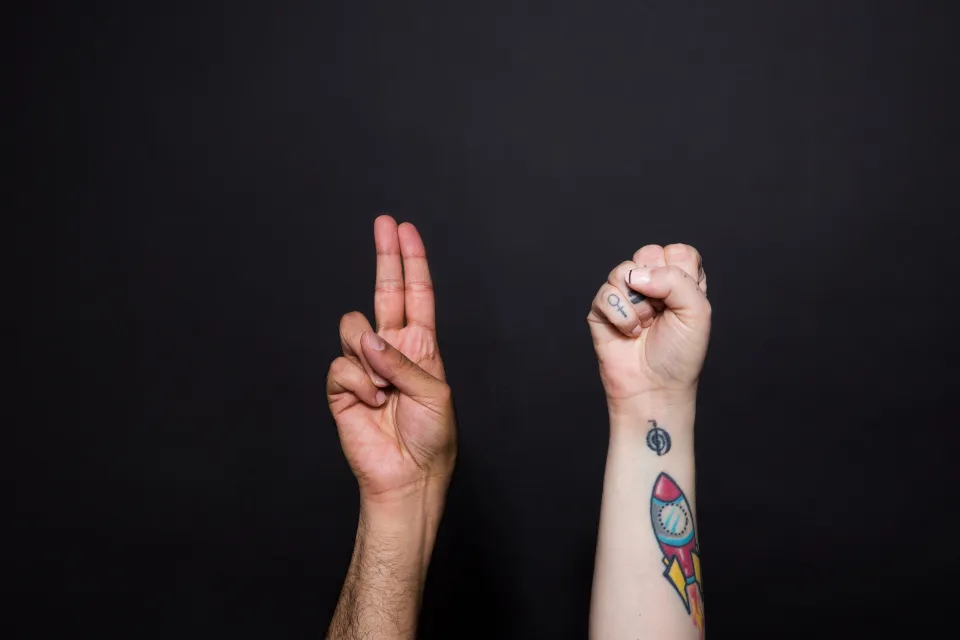
The Signal for Help was created by the Canadian Women’s Foundation and introduced on April 14, 2020. It soon spread via TikTok and was adopted by the international Women’s Funding Network. The gesture itself is disarmingly simple. You hold one hand up with the palm facing outward, tuck your thumb into your palm, then fold your four fingers down over your thumb.
The gesture was created for situations where someone is unable to speak openly, and it is used by women around the world in cases of harassment, threats, or discomfort. It is subtle and can be shown on video or in person without drawing much attention from those nearby. For a solo traveler in an unfamiliar city, that subtlety is exactly the point.
How a Teen’s Life Was Saved by a TikTok Signal
A distress signal co-developed by the Canadian Women’s Foundation and a Toronto ad agency is credited with helping a missing teenage girl from North Carolina who was rescued by police after using the hand gesture to ask for help. She is believed to have seen the signal on TikTok.
That real-world rescue became one of the most cited examples of why spreading awareness of the gesture matters. They opted to make the signal widely known, a decision that may have helped save the life of a missing teenage girl from North Carolina who was rescued by police after using the hand gesture, having learned it after it went viral on TikTok. It confirmed that visibility and public recognition are a strength, not a vulnerability, for the signal.
The Angel Shot: A Code Hidden in Plain Sight
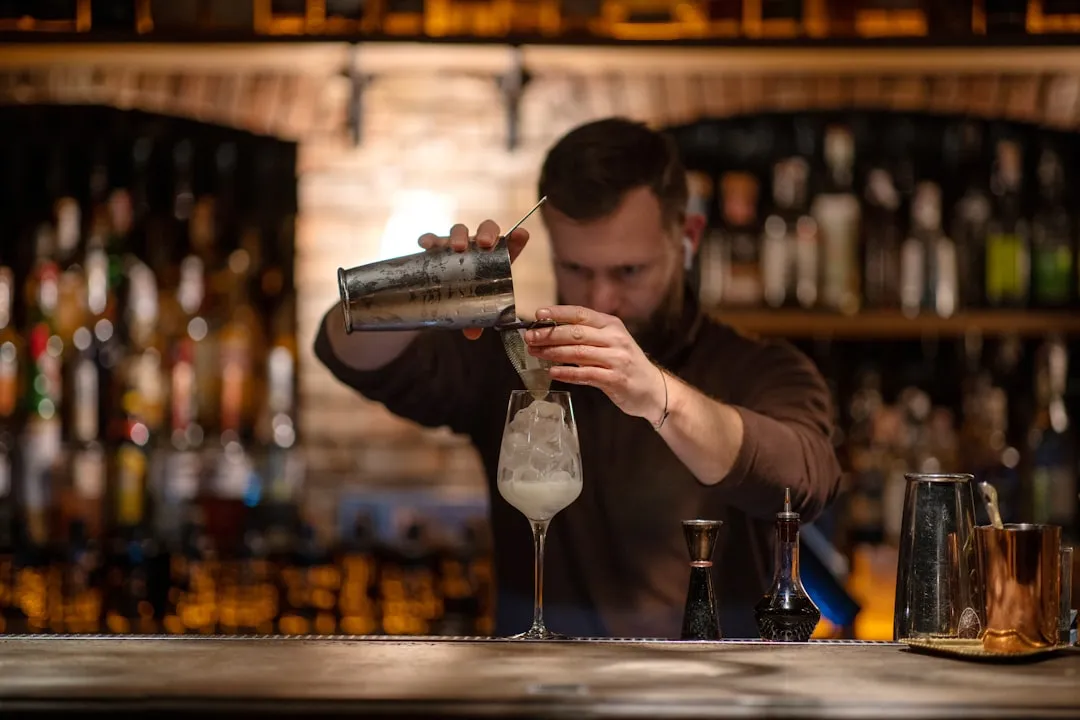
The Angel Shot is a secret safety code commonly used in bars and restaurants that allows guests to discreetly ask for help when they feel unsafe. When you say to the bartender, “I’d like an Angel Shot,” you are alerting staff that you need assistance. The system goes further than a single request, with variations that communicate different levels of urgency.
There are several variations: an Angel Shot straight up means staff will walk you to your car, taxi, or exit; an Angel Shot with ice means a cab or ride service will be called for you; and an Angel Shot with lime means staff will call the police immediately. This is a signal that bar staff are trained to understand. Knowing the difference between those three variations before you travel could be genuinely useful.
Ask for Angela: The UK Scheme Now Spreading Worldwide
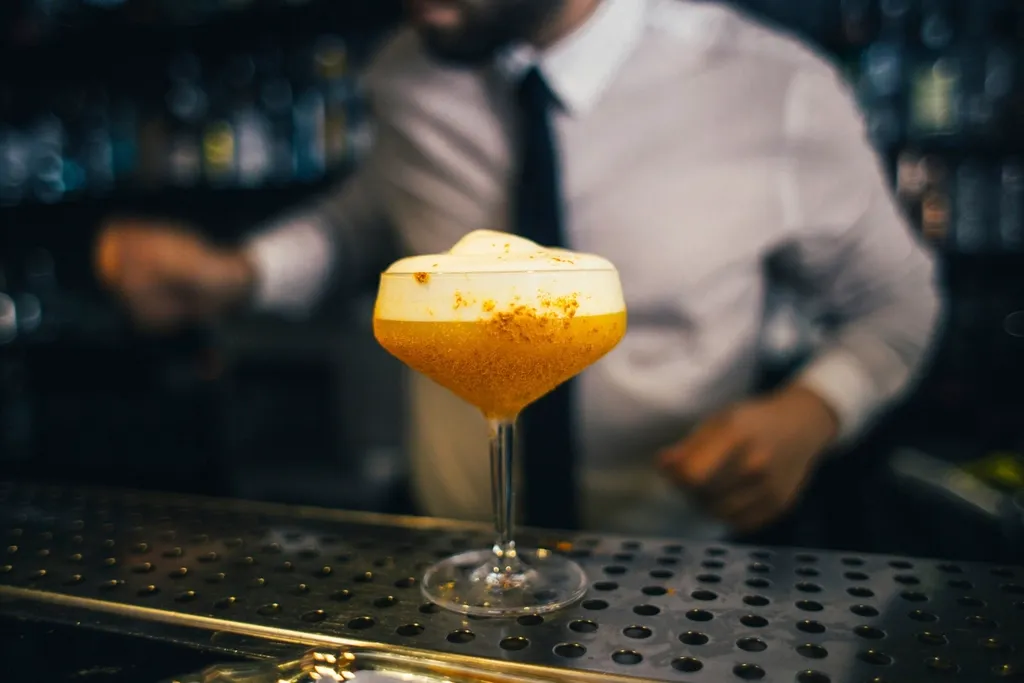
Ask for Angela is a discretionary safety scheme launched in Lincolnshire, England, in 2016, enabling patrons in bars, clubs, and similar venues who feel vulnerable, unsafe, or threatened to discreetly request help from trained staff by uttering the code phrase “Ask for Angela.” This code phrase indicates to staff that the person requires help with their situation, which might include reuniting them with a friend, seeing them to a taxi, or calling venue security and the police.
The initiative has expanded nationally across UK police forces and internationally to locations including the United States, Australia, Germany, and Canada, with over 1,000 Sydney venues adopting it by 2018. Angela is a fictional member of staff, and wanting to speak to her is a signal that the individual requires assistance. Anyone, regardless of their gender, is encouraged to use the phrase. That inclusivity matters for solo travelers of every background.
Why Safety Concerns Are so Prevalent Among Solo Travelers
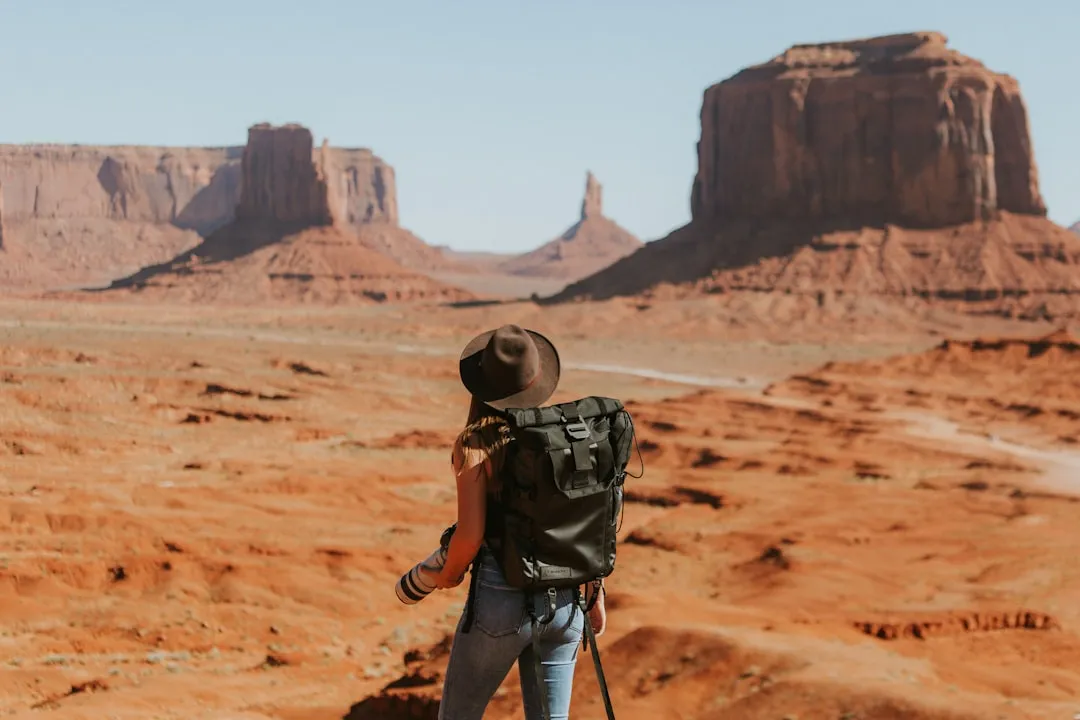
Research from Radical Storage found that 56.7% of people say they have concerns about safety regarding solo traveling, and 46% of women said that concerns about their safety are the main thing that would stop them from solo traveling. These are not abstract worries. According to survey data, 21% of solo female travelers have feared for their safety in the last 12 months during a solo trip.
53% of women travel solo simply because they have nobody to go with, and among their top worries, personal safety ranks first at 70%. Understanding silent signals doesn’t eliminate risk, but it gives travelers a real, practiced response to moments of discomfort, which is something far more useful than general anxiety.
The Whistle Signal: Low-Tech and Universally Understood
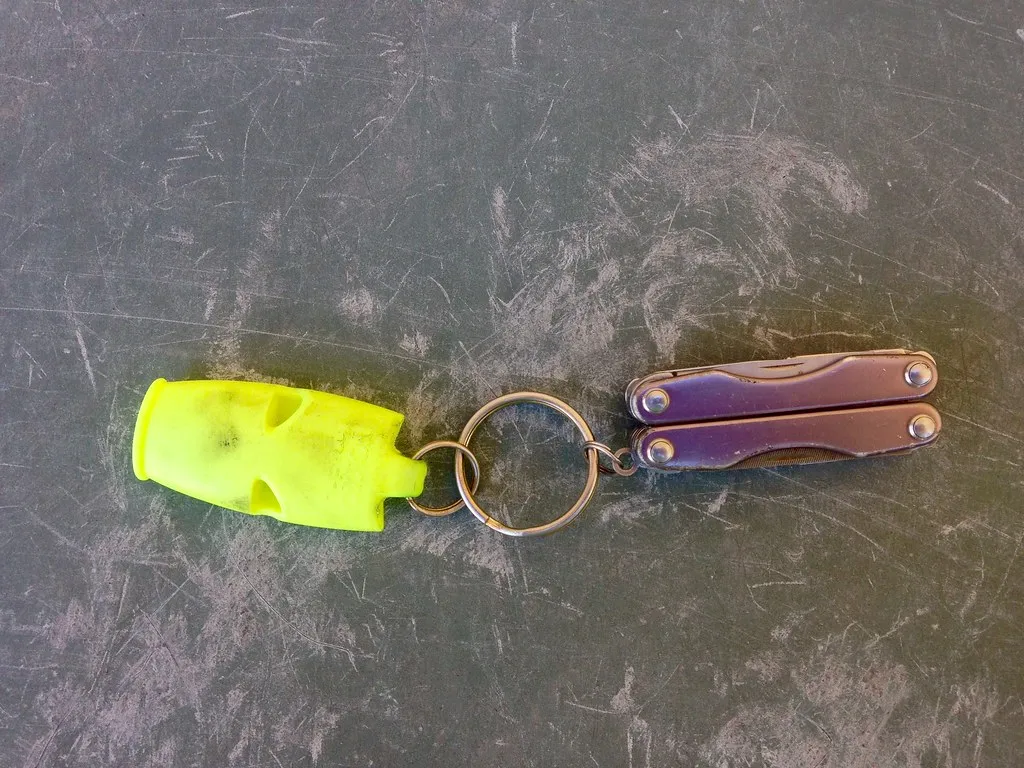
Lightweight yet powerful, an emergency whistle’s three-blast SOS signal can carry much further than a voice, and it is part of the National Park Service’s Ten Essentials, making it a must-have for outdoor adventures. Three short blasts is the internationally recognized signal for distress, widely understood by hikers, park rangers, and outdoor guides around the world.
Attaching a whistle to a backpack or keyring allows for quick access. In emergencies or when lost, it serves as a reliable means to signal for help, ensuring you are heard even when electronics fail. It’s not glamorous, but in a wilderness setting or a noisy crowd, a whistle is often faster and more reliable than a smartphone.
Silent Digital Panic Buttons

If you had to have only one app while traveling solo, Noonlight stands out. In critical moments when reaching emergency services might not be possible, it serves as a silent panic button. You simply press and hold down the app, and releasing it while failing to enter your PIN alerts a Noonlight dispatcher, who contacts local authorities and shares your exact location within minutes.
Noonlight only works in the US. For international travel, it helps to save local emergency numbers in your phone ahead of time and explore alternative safety apps with global coverage, such as bSafe, which allows you to share your location, stream video, and send SOS alerts to chosen contacts anywhere in the world. These digital tools work best when they complement the physical signals, not replace them entirely.
Wearable Safety Signals for Solo Travelers
When traveling solo, you don’t always have someone to call for help in a pinch. A wearable device gives you an extra layer of security without having to dig through your bag for your phone. Safety bracelets and necklaces like those from ResQ Jewelry connect to a companion app, letting you send an instant alert to trusted contacts with just a tap, whether you are exploring a new city or heading back to your hotel late at night.
The appeal of wearable signals is their speed. You don’t need to unlock a screen, find a contact, or type anything. A single discreet tap achieves what would otherwise require several visible, attention-drawing steps. For solo travelers navigating unfamiliar streets after dark, that speed gap matters.
The Growing Solo Travel Market and the Safety Infrastructure Keeping Pace
Between 2023 and 2030, the global solo travel service market is anticipated to grow at a compound annual growth rate of more than 9%. The industry is responding. The considerable proportion of solo customers using Airbnb’s platform encouraged the company to add new safety features to their app, including the ability to share reservation itineraries with a trusted person, get tips for traveling safely in the local area, and receive suggested questions to ask their host.
World Nomads data from May 2024 shows that 70% of travel insurance policy sales were attributed to solo travelers, marking a steady rise compared to 68% in 2022 and 69% in 2023. As demand grows, so does the ecosystem of safety resources designed specifically around the reality of traveling without a companion. The silent signals are part of a much larger, maturing culture of solo-travel preparedness.
Spreading the Knowledge: Why Awareness Is the Signal’s Superpower
Every one of these signals depends on one thing: the person who sees it must recognize it. The hand gesture works only if observers know what it means. The Angel Shot works only if the bar staff know the code. Ask for Angela works only if the venue has received the relevant training. The signals exist, but awareness is what activates them.
Several silent signals have emerged for people to ask for help when they are in danger, including a universal hand signal, angel shots, and the Ask for Angela code phrase, alongside alarm accessories, new features from ride-share companies, and even specially designed app-based recordings to alert loved ones and emergency responders. Knowing them takes minutes. Sharing them costs nothing. The more travelers who carry this knowledge, the wider the invisible safety net becomes for everyone moving through the world alone.
A Practical Takeaway Before Your Next Trip
The quiet power of these signals lies in their accessibility. You don’t need a course, a subscription, or specialized gear to learn them. Before your next trip, it takes less than ten minutes to memorize the hand gesture, understand the Angel Shot code, and check whether your destination has an Ask for Angela network in place.
Solo travel continues to grow because people fundamentally want the freedom it offers. With that newfound independence comes the responsibility of staying safe while traveling. The silent signals exist precisely for the moments when speaking up feels impossible, and knowing them means you’re prepared for a situation you may never face, which is exactly the right way to travel.
AI Disclaimer: This article was created with the assistance of AI tools and reviewed by a human editor.