
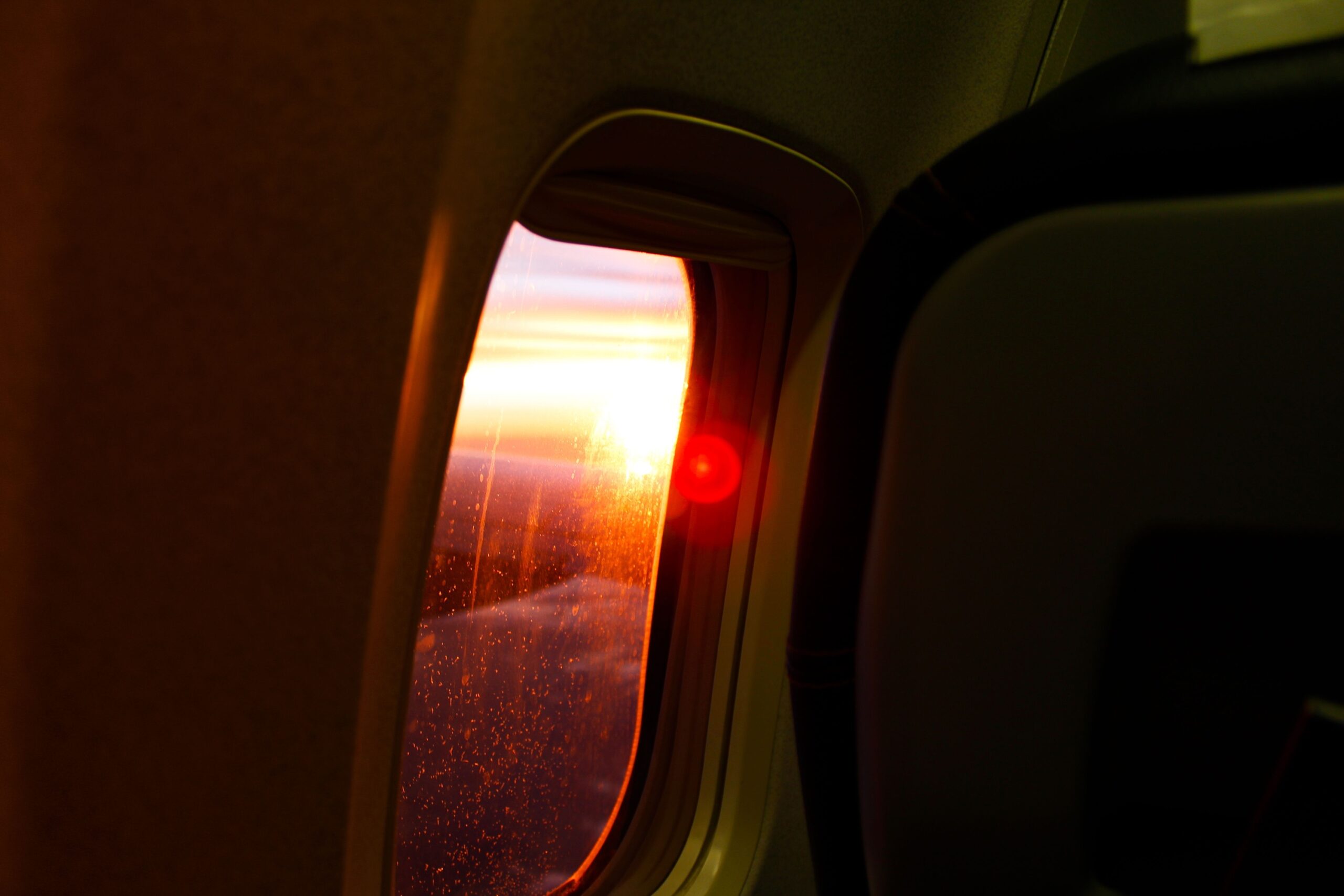
Few moments on a commercial flight reveal human nature quite like a disagreement over a window shade. It’s a small rectangle of plastic, about the size of a paperback novel, and yet the question of who gets to push it up or pull it down has sparked genuine in-flight confrontations, gone viral on social media multiple times, and confounded even seasoned travelers who can’t agree on a universal rule.
Airplanes compress strangers into tight spaces where comfort is negotiated in real time. What feels like a personal right to one passenger can feel like a burden to another. The window shade just happens to be a surprisingly reliable flashpoint for all of it.
The Unwritten Rule That Almost Everyone Agrees On
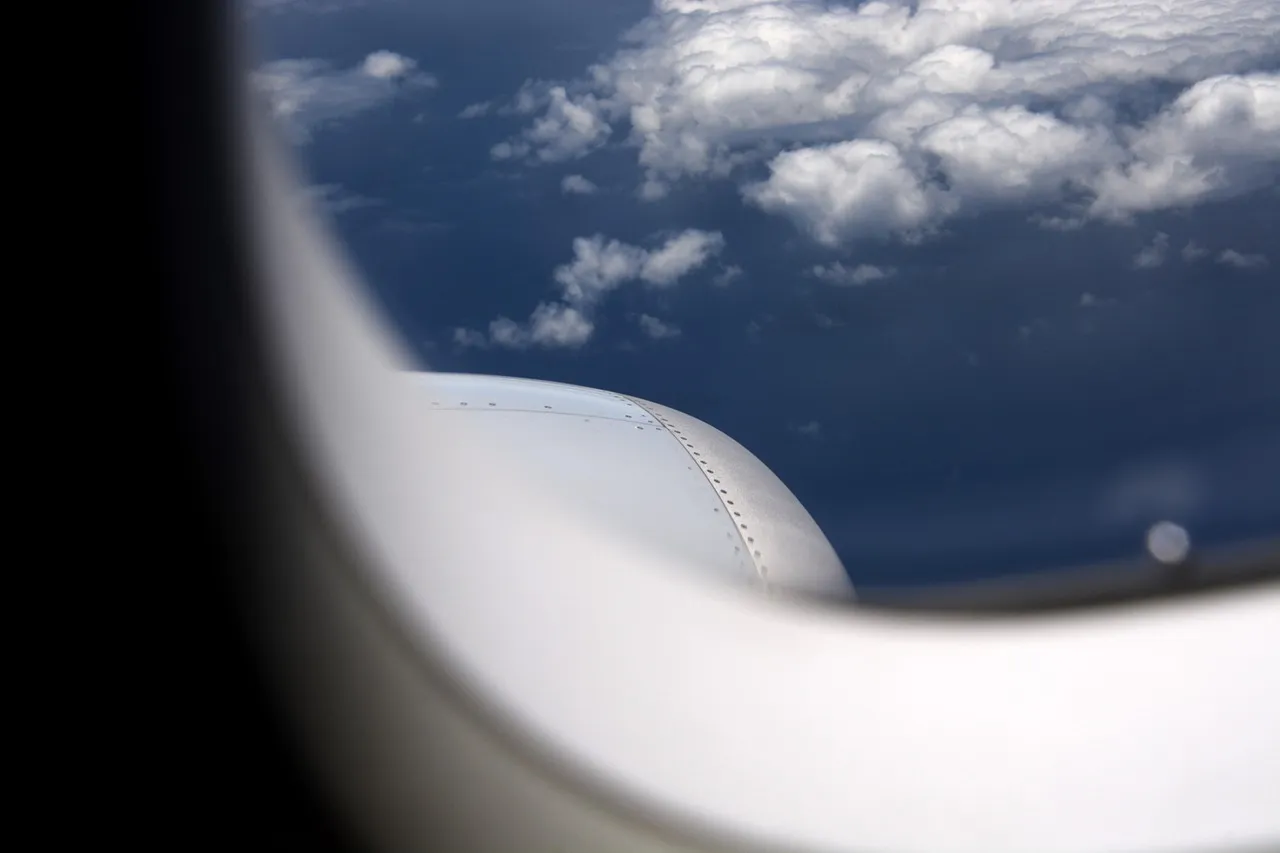
On the most basic level, the person in the window seat has control over the window shades and shouldn’t need permission from the person in other seats as to how the window shades are kept. This is widely accepted as the default understanding among frequent flyers, travel writers, and etiquette commentators alike.
Etiquette is very clear that the person in the window seat controls the window shade in their row. People sitting in the window seat do not need to ask permission from the other passengers in their row or the passengers seated in front of or behind them to open or close the window shade.
If you find yourself reaching behind your seat or in front of the seat in front of you to adjust the window shade, stop. There are some windows that are kind of “in between” rows, but in most cases it’s very clear which window belongs to which row. The unwritten rule is simple enough. Living with it, however, is a different matter.
Why the Window Seat Feels Like a Private Kingdom
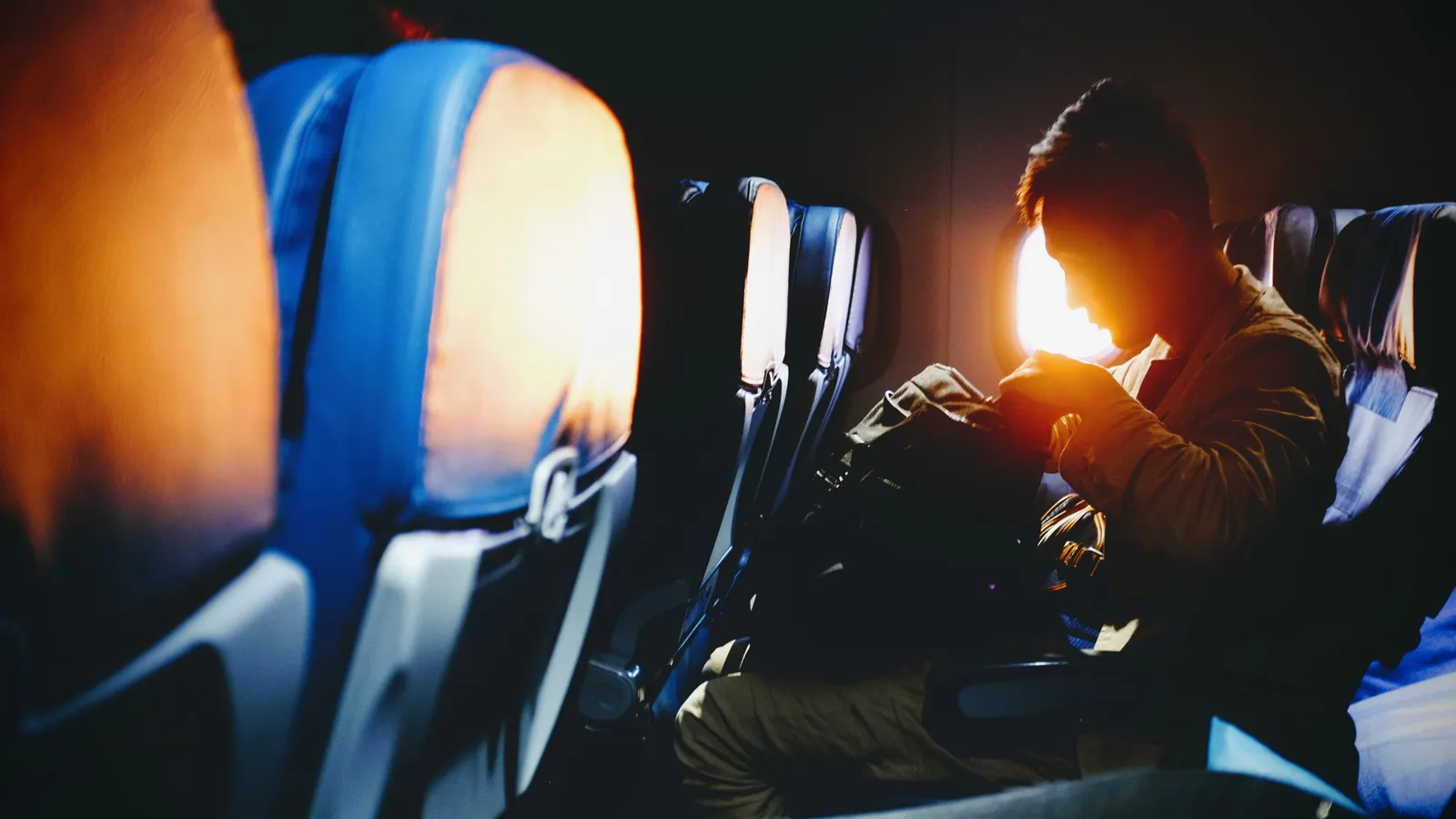
The passion behind the shade debate makes more sense when you look at how people choose seats. Surveys consistently show that the window seat is the most popular option on airplanes. According to airline passenger surveys, nearly 58 percent of fliers prefer the window seat for its view, sense of personal space, and ability to lean against the side of the plane.
For many travelers, the window seat is about more than scenery. It is a psychological buffer. You only have to manage one neighbor instead of two, and you can lean against the side of the plane. That sense of ownership can make people feel more protective of the space, including the shade.
Choosing a window seat is, on some level, a deliberate act. People pay for window seats to look out the window. There are magical sights up in the clouds, they want to appreciate the approach to their destination, or maybe look down at the ice around Greenland. Asking that person to surrender the shade is, in a quiet way, asking them to give up part of what they paid for.
When the Shade Becomes a Row Dispute
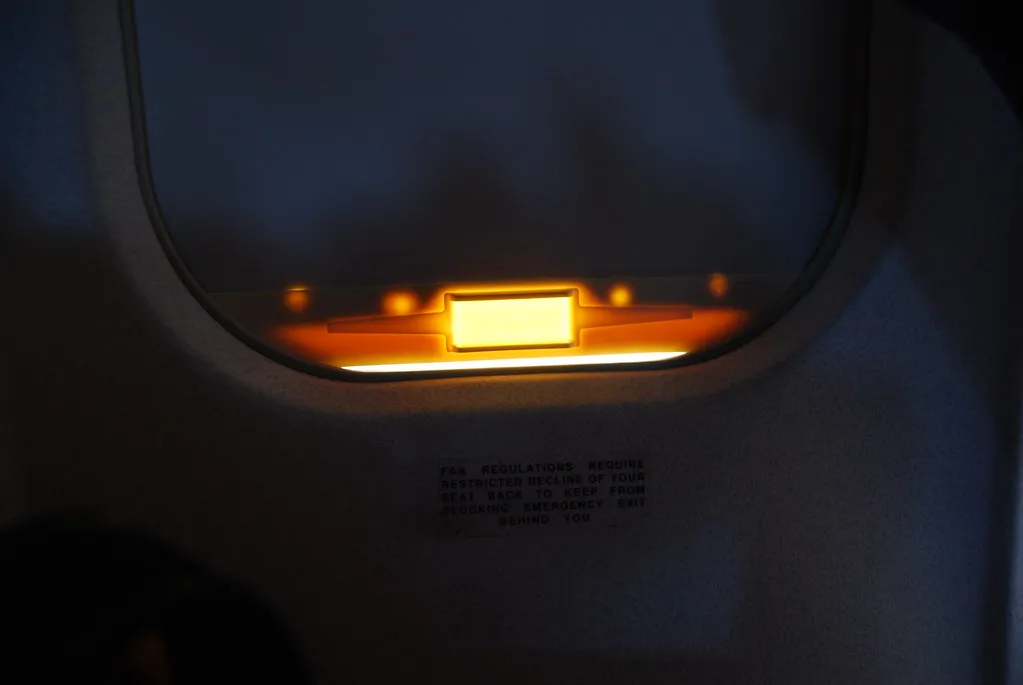
A first-class American Airlines passenger recently turned to Reddit with a tricky yet common etiquette question: who controls a window shade when it doesn’t line up exactly with one row? The traveler said they had just taken their seat in the second row and opened the shade next to them. Moments later, however, the passenger seated directly in front of them leaned back and closed it.
The post drew over a hundred replies. Commenters said the answer to who should have control of the window shade came down to basic seat positioning. For example, if a passenger has to twist or reach behind them to adjust a window shade, it probably doesn’t belong to them.
A growing trend towards in-flight darkness has led to a clash between passengers who prefer to keep their window shades open and those who want them closed. The conflict isn’t always dramatic, but it’s recurring, and it shows no sign of fading.
The Safety Reason That Overrides Everything
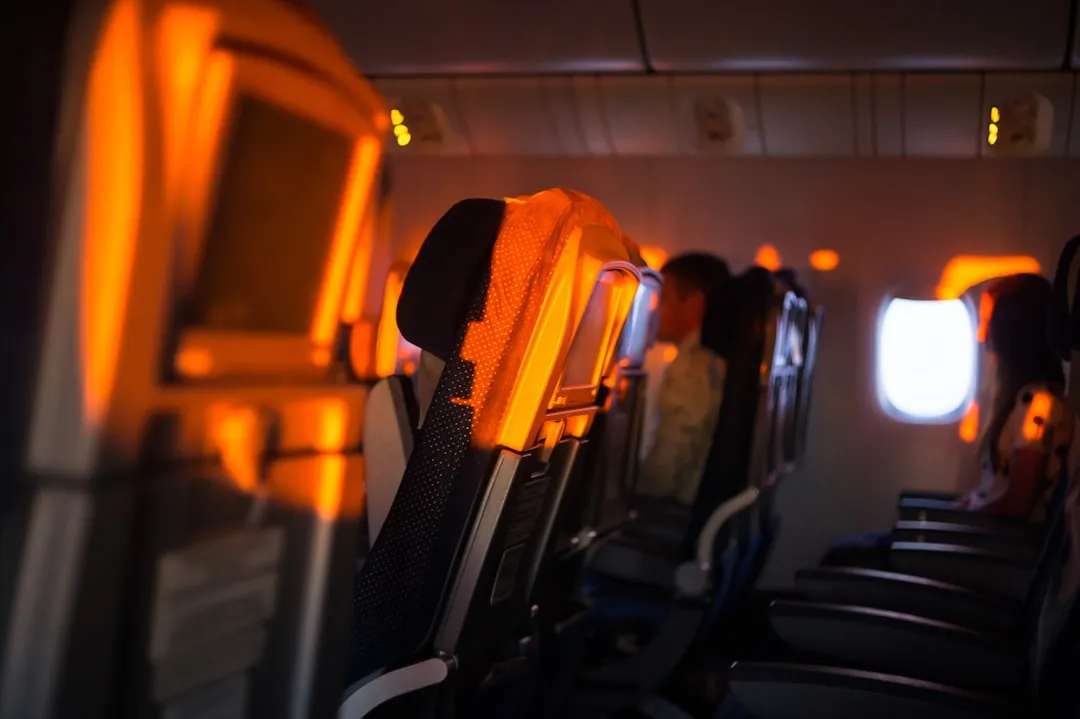
While most etiquette experts would say that the person sitting in the window seat paid for the right to control the shade, and it would be rude to reach across someone to adjust it, there is an exception: Passengers must always listen to flight attendants and cabin crew.
Unlike seat belts or tray tables, there’s no single global policy governing what passengers should do with their window shades. Instead, the decision is shaped by a mix of international safety recommendations, airline-specific procedures, and, in some cases, crew discretion.
In the event of an emergency, flight attendants are trained to look for debris, fire, or smoke outside before initiating an evacuation. Keeping all the window shades open makes that faster and easier to do, and it’s why most airlines make sure exit-row windows have the shades open during takeoff and landing, regardless of their policy for regular rows. This is the one area where the personal preference of the window-seat passenger is genuinely secondary.
No Law, But You Still Have to Comply
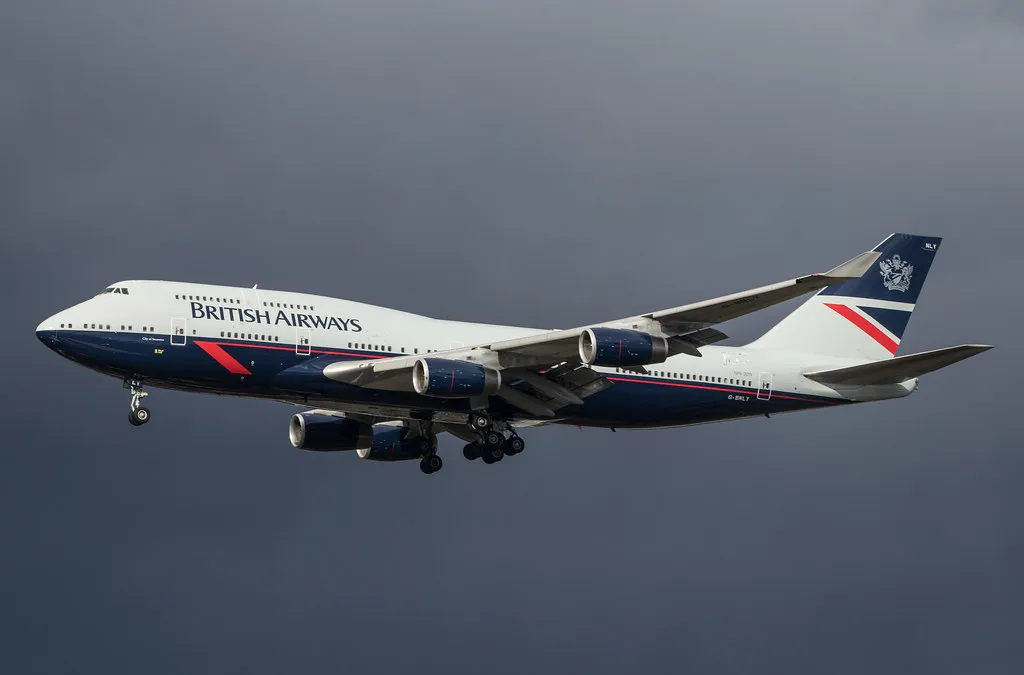
The FAA does not have a formal regulation regarding keeping window shades open, and it is not a law, just a best practice for situational awareness. The decision is down to the individual airline.
Confusingly, although it is not a law, if a flight attendant or cabin crew member asks a passenger to open their window shade, they must comply, as failure to follow a crew member’s instructions is a violation of FAA regulations. That distinction trips people up. There’s no rule written specifically about shades. Yet ignoring a crew member’s instruction is itself a federal violation.
Crew members have the right to remove passengers from the flight, even if the aircraft has already left the gate and is taxiing for takeoff. Disorderly passengers can also be fined and, in some cases, criminally convicted. Over something as minor as a window shade, that’s a remarkable escalation most travelers never anticipate.
The Role of Eye Adjustment in Aviation Safety
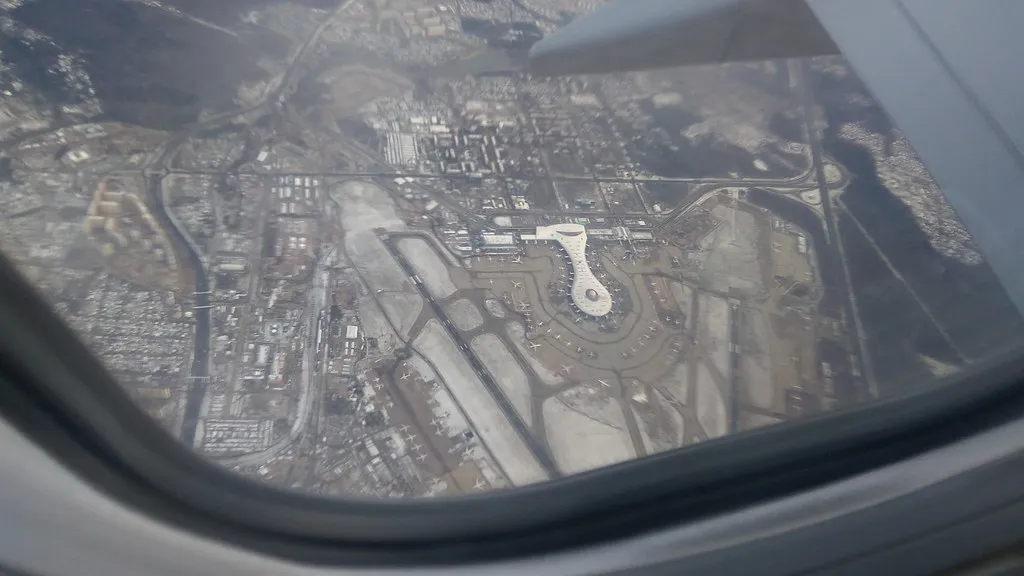
An open window shade helps passengers’ eyes become better acclimated to the outside light, which is important in the event of an emergency. If it’s bright outside or dark at night, your eyes will already be accustomed to the exterior conditions should there be a need to evacuate. This is also why the cabin lights are usually dimmed for takeoff and landing.
Even though the human eye adjusts faster to light than it does to darkness, it’s still not instant. On flights that take off or land at night or early in the morning, crew dim the cabin lighting at takeoff and landing so passengers’ eyes are already adjusted to dark conditions.
If the window shades are open, emergency staff on the ground can see if there is fire or smoke inside the cabin during an emergency landing or crash. It’s a detail that barely registers on a calm, sunny afternoon flight to a beach resort. In a real emergency, it could matter considerably.
How the Boeing 787 Dreamliner Changed the Game
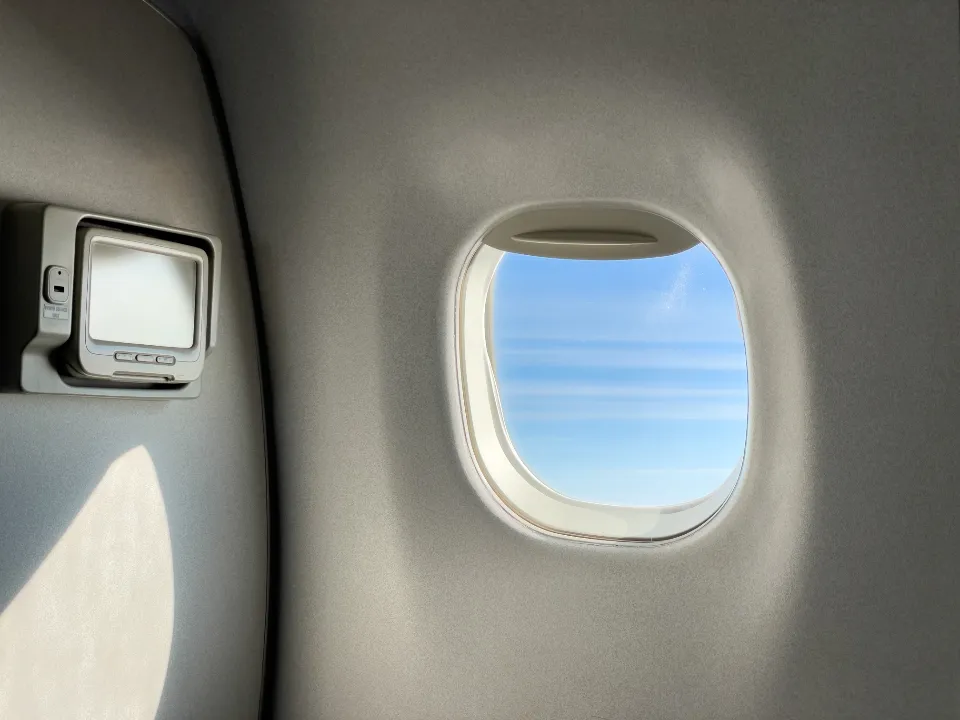
On the 787, Boeing replaced traditional pull-down shades with electrochromic windows that passengers can tint at the simple touch of a button. This was an industry first for a commercial jet-powered airliner at the time.
The dimmable windows use electrochromic technology, in which an electrical charge is sent through a special transparent gel sandwiched between two panels within the 787’s windows. By increasing the voltage running through the gel, the window gets progressively darker. There are five levels of darkness on the 787 Dreamliner, ranging from 1, which is fully transparent, to 5, which is the darkest setting. It normally takes up to 60 seconds for the window to fully darken from Level 1 to Level 5, and on older models of the plane, this process can take as long as 100 seconds.
The windows are all networked together so that the cabin crew maintains control through master switches. This comes in handy when traveling through time zones to allow travelers some more shut-eye. It also enables the crew to settle any off-chance “blind up or down” dispute. On the 787, the shade war has a referee with a remote control.
The Button That Passengers Keep Breaking
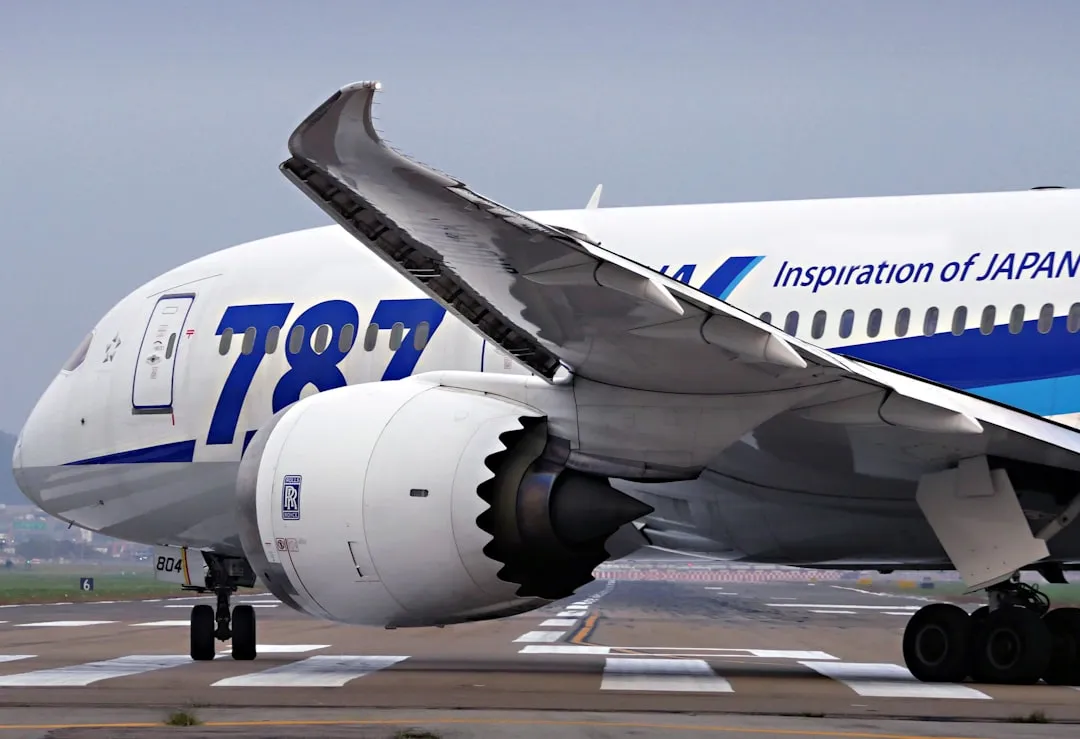
Boeing’s electronically dimmable window system on the Boeing 787 Dreamliner has become one of the aircraft manufacturer’s most frequently replaced cabin components, according to aviation maintenance professionals. The small push button that controls each window shade reportedly generates steady aftermarket demand because repeated passenger use causes the switches to wear out much faster than expected.
Maintenance crews often replace these electrical dimmable window push buttons on the B787. They control the electrochromic windows. Passengers press to tint the glass darker, but the change is slow, so many passengers keep pressing because they think it’s not working.
Gentex, the supplier behind the technology, significantly upgraded the system for the A350 by improving light-blocking capability and increasing dimming speed. Airbus also eliminated the traditional push button in favor of touch-sensitive controls, reducing the wear associated with repeated mechanical operation. The behavior of impatient passengers, it turns out, has a measurable engineering cost.
Long-Haul Flights and the Courtesy Question
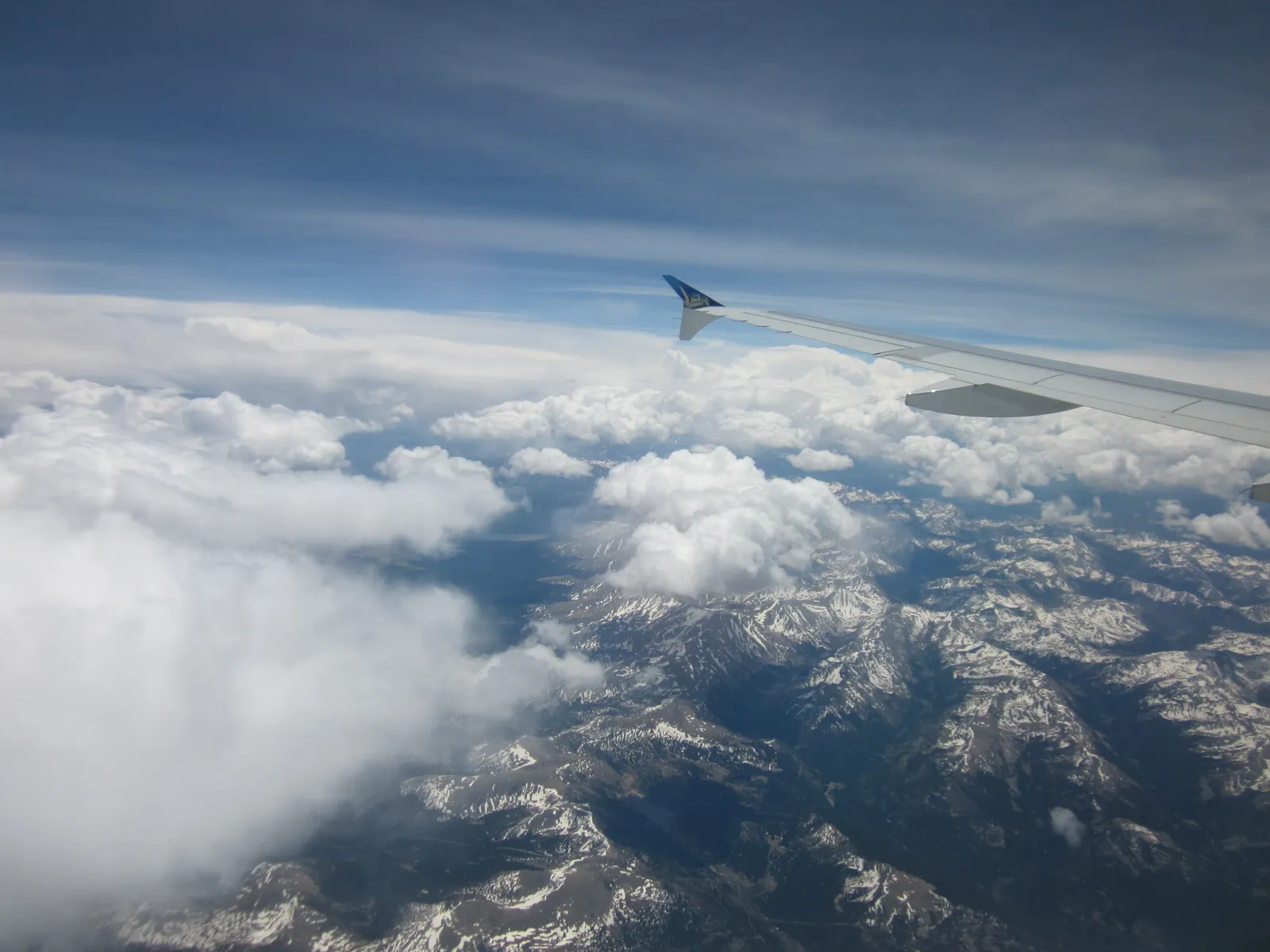
If you are on a long-haul flight and every other passenger has their window shades closed, consider closing your window shades as well. It’s one thing if half or a quarter of window shades in a cabin are open, but when just one window shade is open, the glare is extremely unpleasant for others, whether they’re trying to sleep or watch seatback entertainment.
A lot of the frustration comes from the fact that flight attendants wield so much power in being able to take full control of the shades. On the 787 in particular, the crew can dim every window in the cabin simultaneously, effectively removing the individual passenger’s choice during overnight segments.
Polling on in-flight behavior suggests that while many believe the window passenger controls the shade, a significant number still expect flexibility during nap hours or long flights. That gap between belief and expectation is precisely where the tension lives.
What the Future of Airplane Windows Looks Like
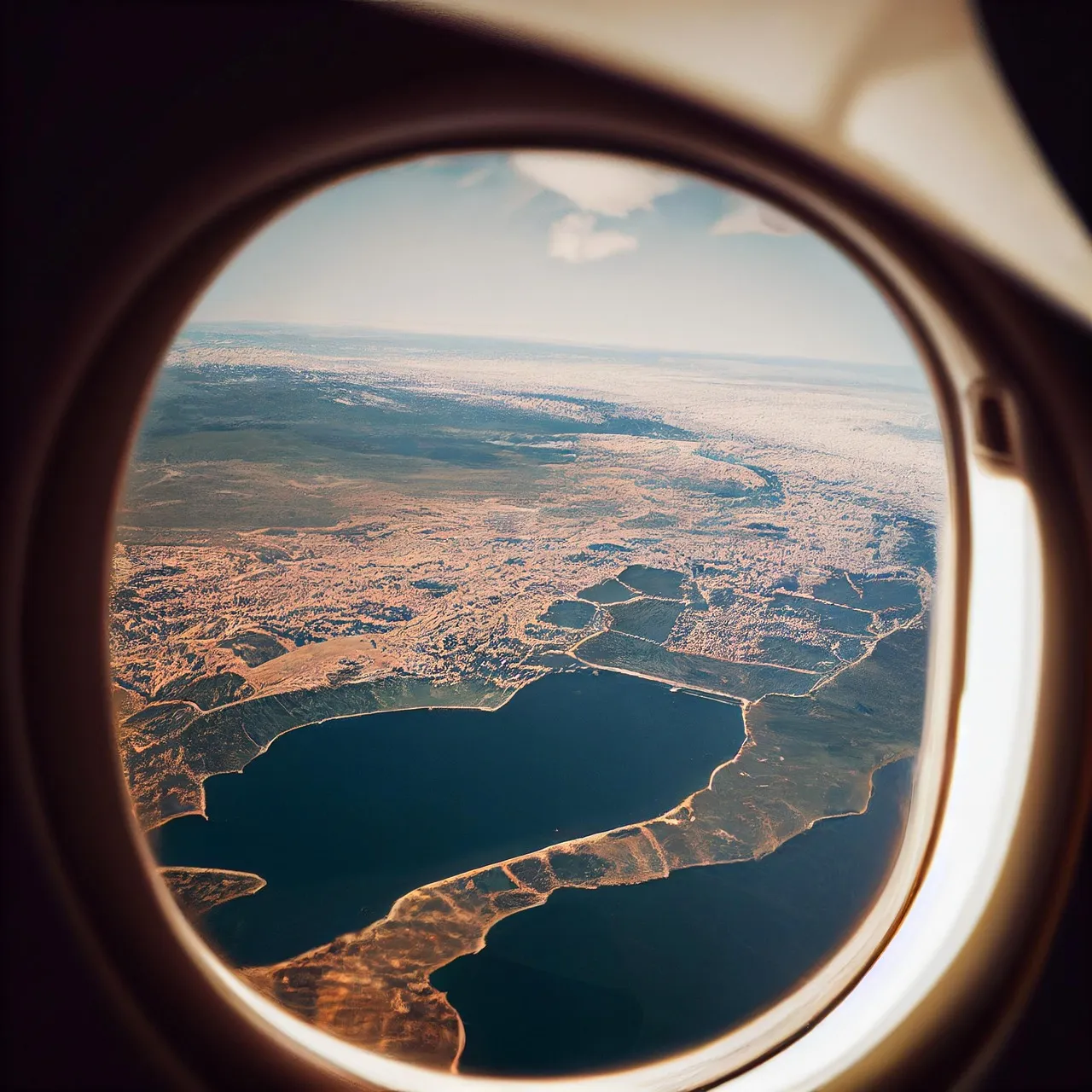
As the Boeing 777X enters wider service in 2027, it introduces a notable leap in this technology, promising to solve pain points identified over the last decade of Dreamliner operations. The technical refinements and performance benchmarks separate the 777X’s Gen 3 windows from the legacy 787 systems. The electrochromic gel, the dramatic increase in transition speed, and the structural changes make these some of the most impressive windows ever installed.
The new standard windows on the 777X are likely a precursor to fully smart cabin surfaces. Industry experts anticipate that the current electrochromic layers will eventually be paired with transparent OLED technology, allowing windows to double as information displays for flight data or entertainment.
The system is designed with safety in mind. If a fault develops, the windows automatically default to the fully transparent position, ensuring compliance with emergency evacuation requirements. Even the most advanced shade technology still defers to safety when it counts most.
Finding a Peaceful Altitude on the Whole Thing
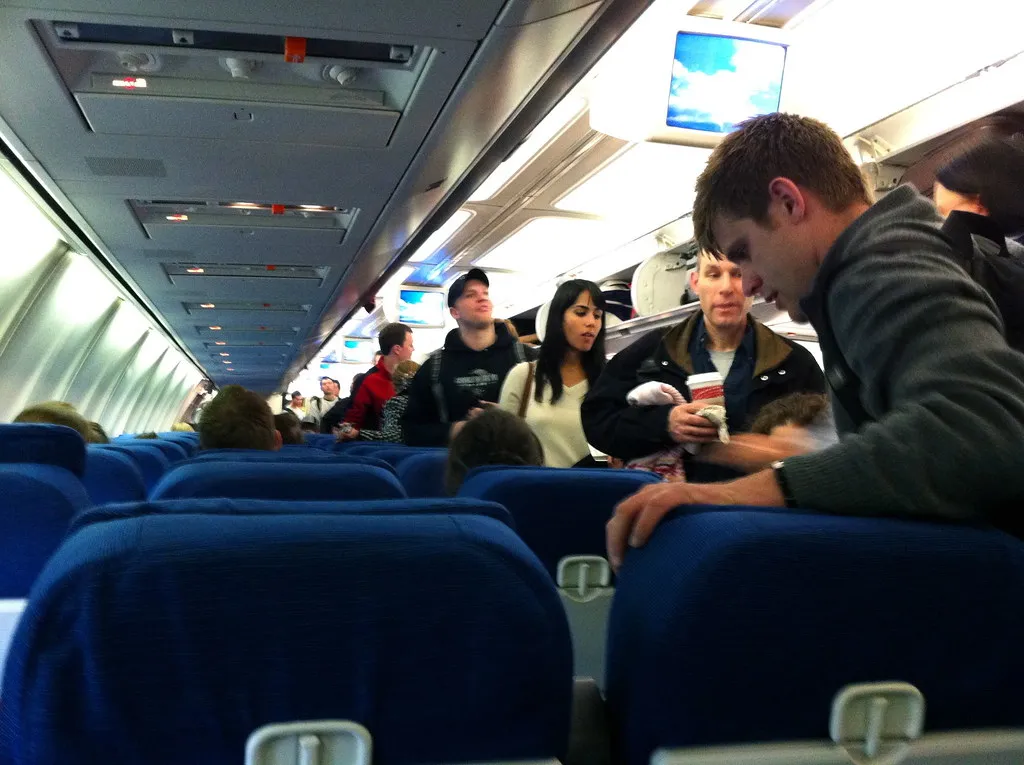
The window shade debate, when you step back from it, is really a miniature version of a much larger question about shared space. Two strangers are placed 18 inches apart for several hours. One has a right, by convention, to control a small but meaningful feature of the environment. The other has a comfort preference that may directly conflict with that right.
While the person in the window seat should control the window shades, it’s also important to be considerate of others, and on some level to go with the flow in the rest of the cabin. That’s a reasonable middle ground, and it holds up whether the aircraft has a plastic pull-down shade or a $10,000 electrochromic panel.
Ultimately, a polite conversation resolves most of these situations before they escalate. The science of emergency evacuation, the engineering of smart glass, and the sociology of shared cabin space all point toward the same practical conclusion: know your default rights, respect safety instructions without argument, and treat the person next to you as someone who also just wants to get where they’re going comfortably.
AI Disclaimer: This article was created with the assistance of AI tools and reviewed by a human editor.