

Most parents know the feeling well. You’re barely thirty miles from home and a small voice from the backseat asks the question that will echo for the next four hours: “Are we there yet?” It doesn’t matter how scenic the route is or how carefully you planned the trip. At some point, boredom sets in, and the whole dynamic of the journey shifts.
The good news is that a single, low-cost habit practiced consistently before and during travel makes a measurable difference. It’s not a new gadget or a screen subscription. It’s the ritual of intentional, layered preparation, combining a handful of complementary activities that rotate throughout the drive. Here’s what that actually looks like across ten practical, road-tested approaches.
Start with the Data: Boredom Arrives Faster Than You Think
An independent global study conducted by Ipsos MORI and commissioned by TomTom found that it takes on average just 27 minutes for children to get bored on long car journeys. That’s a sobering number, especially when you consider that most family road trips run several hours. The study suggests that the average road trip lasts approximately five hours.
Knowing the timeline changes how you prepare. Instead of packing one or two activities and hoping for the best, smart families build a rotating schedule of engagement, something new to switch to roughly every twenty to thirty minutes. That rhythm alone is one of the most underrated strategies out there.
The Audiobook Habit: A Game-Changer for the Whole Car

Audiobooks and kid-friendly podcasts are a lifesaver for long car rides. Choosing age-appropriate stories or educational podcasts captures children’s imagination while giving everyone a break from screens. The benefit goes well beyond simple distraction. In 2024, one in two children and young people said that listening to audio helped them feel better when they were stressed or anxious, according to the National Literacy Trust.
Almost half of children and young people now listen to audiobooks or podcasts, while more than a quarter say listening to audio sparks their interest in reading books. The benefits of audiobooks are extensive, including significant improvements in children’s comprehension, pronunciation, and vocabulary, as well as improvements in both the accuracy and fluency of reading skills. Download a few titles before you leave, let the kids choose, and you’ve solved the first hour with something genuinely enriching.
Window Games: Old Classics with Real Value
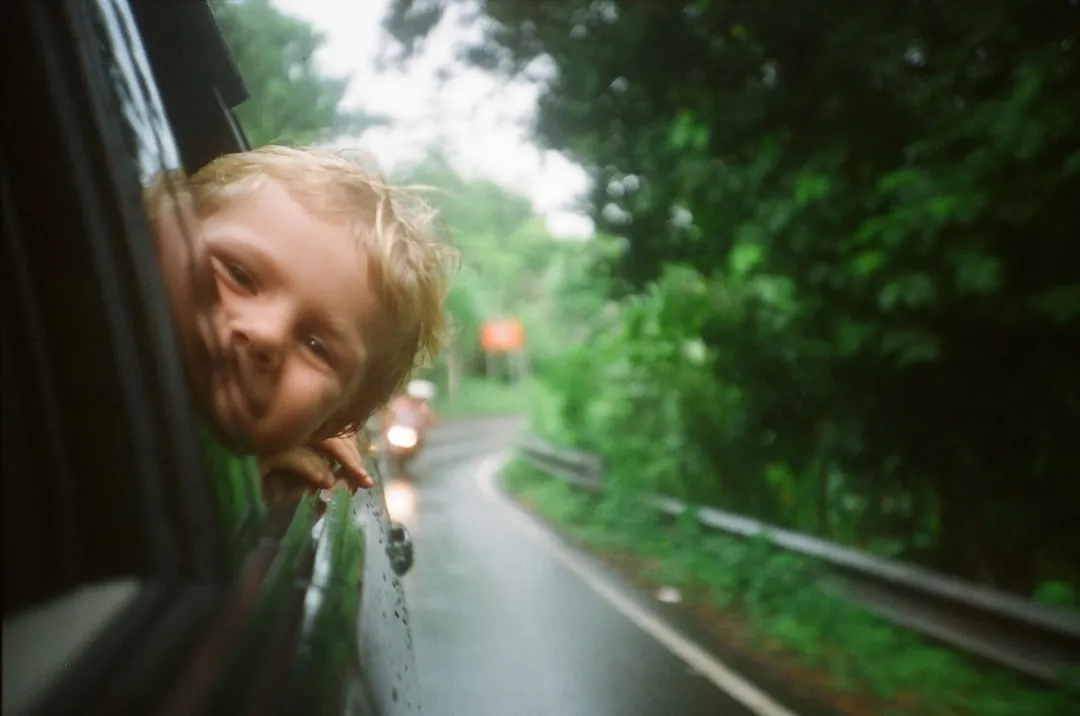
A key research finding relates to children’s natural curiosity and inquisitiveness with the external environment. Despite the potentially repetitive nature of routes, looking out the window was frequently cited as a common activity for children in the majority of families studied. Classic games like “I Spy” are a great way to keep kids engaged with the scenery. Taking turns spotting objects like cars of a certain color, animals in a field, or license plates from different states keeps everyone alert.
For kids who tend to get car sick, window games are the perfect distraction, because looking at the road helps to balance their inner ear. This is a practical detail worth knowing before you hand a child a tablet on a winding mountain road. Keeping eyes forward isn’t just good for entertainment; it’s good for comfort too.
The Surprise Activity Bag: Anticipation as Its Own Entertainment
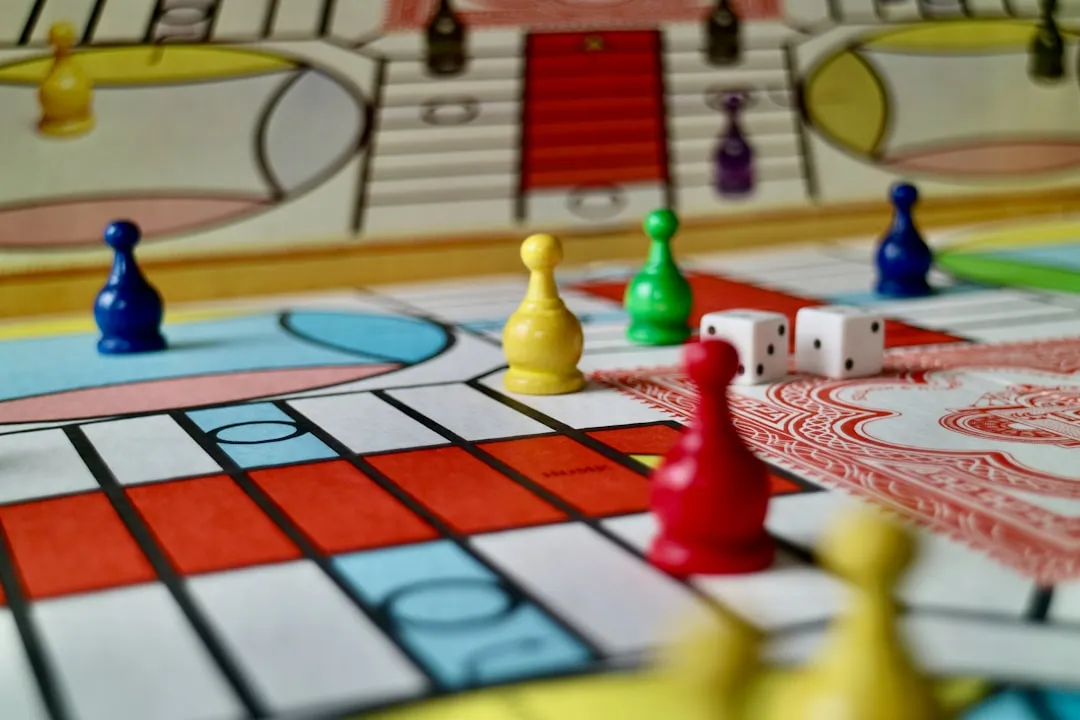
Consider packing a surprise activity bag that includes a mix of sensory toys, travel-size board games, and DIY craft kits. For older kids, activity books with word searches or brain teasers can be a hit. If your child loves storytelling, a blank notebook encourages them to write or draw a road trip journal. The key word here is “surprise.” Revealing items one by one throughout the trip extends their novelty.
The ritual of wrapping small items or tucking them in separate pouches works especially well for children under ten. There’s something about the act of opening something new mid-journey that resets the mood almost instantly. Think of it as strategic timing rather than a reward system.
Collaborative Storytelling: Low-Tech, High Engagement
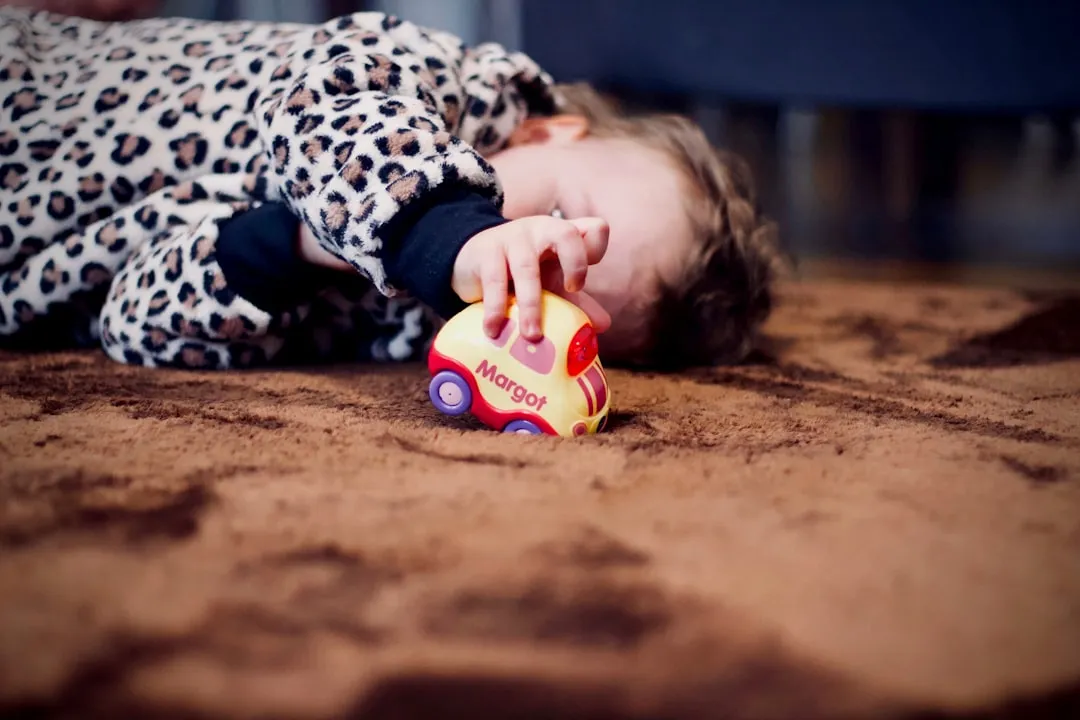
Taking turns creating a story together, one sentence at a time, is a fun way to practice creative thinking and keep everyone engaged. Each person adds a new twist to the tale, and the results can go in completely unexpected directions. This activity needs zero preparation, zero equipment, and zero battery life. It also scales naturally, working just as well for a five-year-old as for a twelve-year-old.
By limiting screen time during your trip, you open up opportunities for meaningful conversations, shared experiences, and the development of important life skills. Children learn to entertain themselves, practice patience, and engage with the world around them in new and exciting ways. Collaborative storytelling sits at the center of all of those benefits at once.
Music and Sing-Alongs: Mood Management in Motion
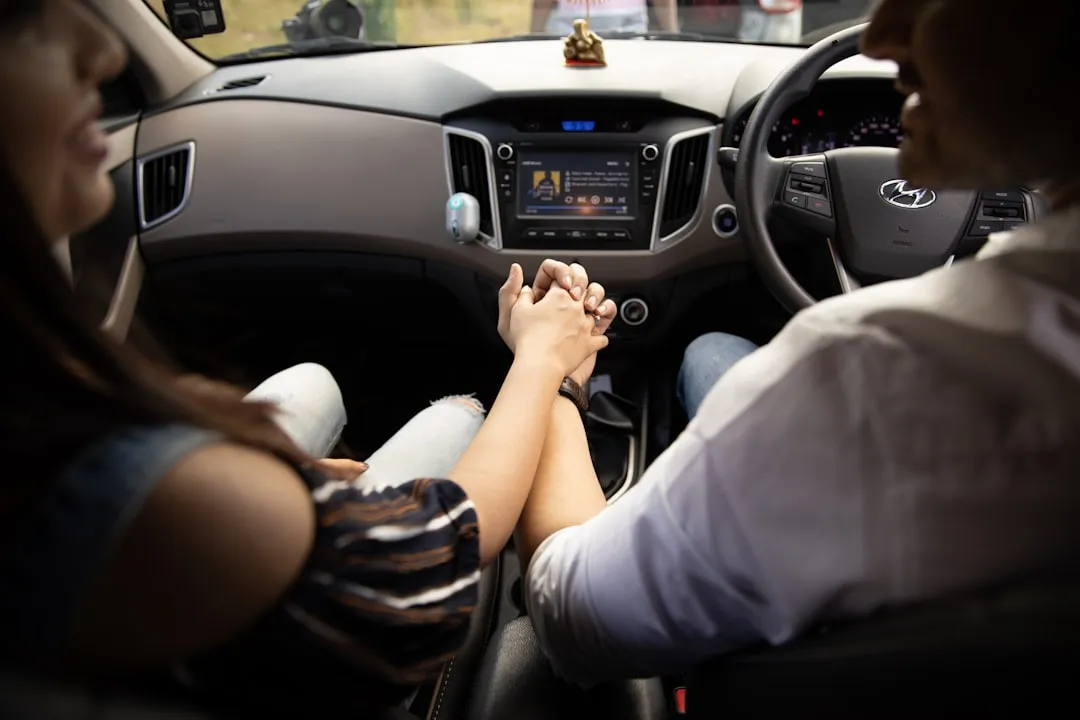
Letting your kids help curate a playlist of their favorite songs turns the drive into a shared creative act. Sing-alongs and dance breaks can break up the monotony and boost everyone’s mood, and music can be a great way to pass the time while creating lasting family memories. According to a survey of road-tripping parents, music or podcasts ranked as a preferred entertainment method, chosen by roughly two out of five parents.
There’s also something worth saying about the cross-generational dimension of this. Playing your own music from childhood alongside your kids’ current favorites creates an unexpected conversation about taste, era, and memory. That’s not a small thing. Those moments tend to be the ones kids actually recall years later.
Road Trip Bingo and Printed Games: Simple, Screen-Free Focus

Road trip bingo is perfect for kids who tend to get car sick, and you can download printable versions online or buy kits that use small sliding windows across the squares for easy tracking. Eye spy games help develop a child’s observation skills and attention to detail, and can be customized to fit a child’s specific interests.
Printed activities have a durability that screens don’t. They don’t run out of battery, they don’t need Wi-Fi, and they don’t trigger the glazed-over stillness that hours of video watching can produce. Research has linked reduced screen time with better attention spans, improved social interaction, and enhanced creativity and problem-solving abilities. A printed bingo card is a small thing, but it earns its place.
Planned Pit Stops: The Power of Something to Look Forward To

Everyone needs something to look forward to on long stretches. Picking one interesting place each day that kids can genuinely anticipate changes the psychological experience of the drive. It’s best to plan stops every two hours, which is especially important for infants since extended time in a car seat can strain their airway and developing spine, though really all kids benefit from getting out of the car regularly.
Researching your route ahead of time to identify scenic spots or fun local attractions helps. A quick visit to a playground, a nature walk, or even a quirky roadside museum can make the entire journey more enjoyable. The stops don’t need to be elaborate. A good stretch of grass and fifteen minutes of running around does more for car morale than almost anything else in the toolkit.
Involve Kids in Trip Planning Before You Leave
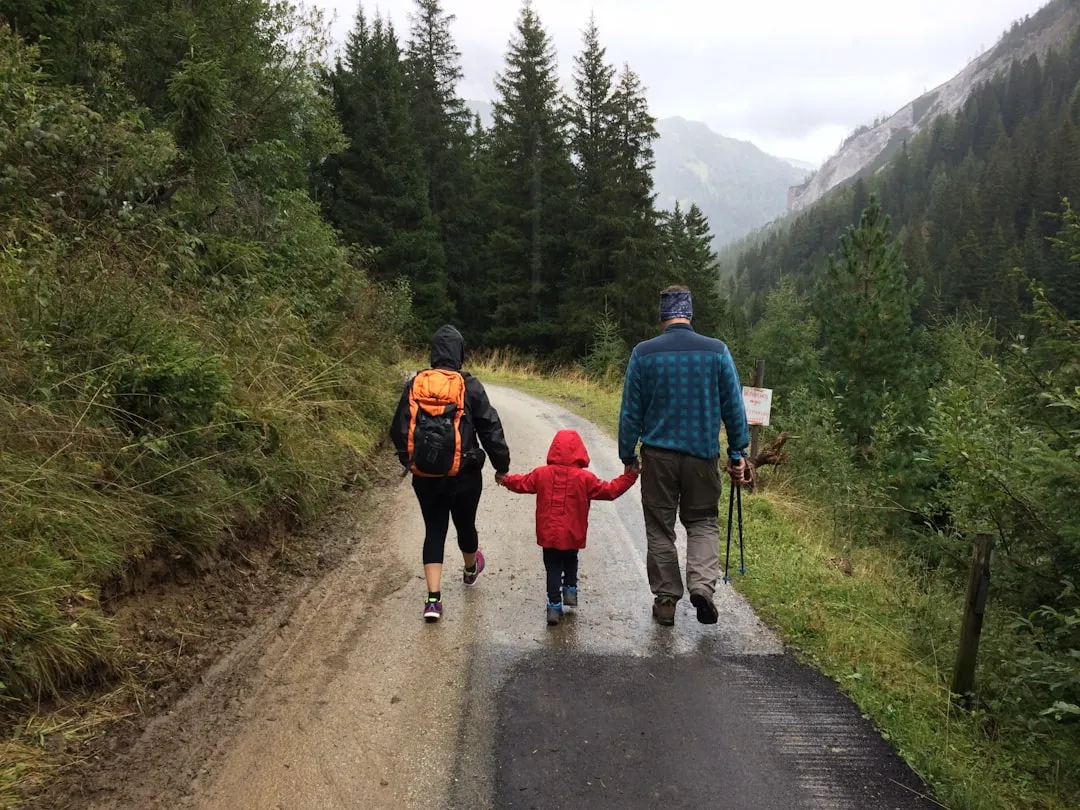
Getting kids involved in the trip planning is a genuinely effective approach because it helps reduce frustration or meltdowns on the drive. Since they helped plan the trip, they’re more invested in making it a good experience for the whole group. This can be as simple as showing them the map the night before, letting them circle a stop they want to make, or asking them which audiobook to download.
Agency matters to children in a way that adults sometimes underestimate. When kids feel like participants rather than passengers in the passive sense, their tolerance for the long, quiet stretches between stops increases noticeably. It shifts the mindset from endurance to ownership.
A Visual Progress Tracker: Making the Abstract Concrete
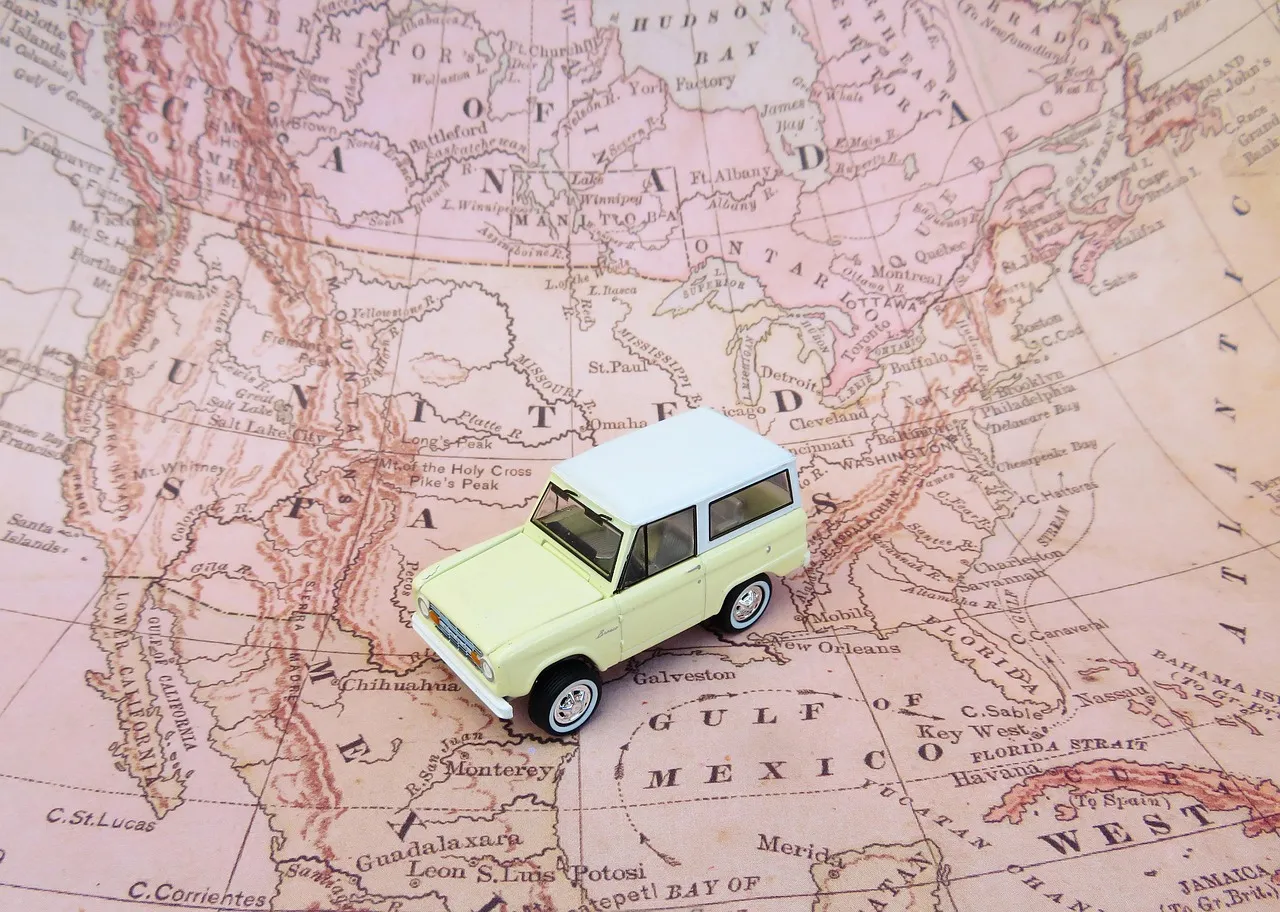
Using a road trip map with a list of specific stops and a small marker that moves along as you go helps everyone see the progress being made. It doesn’t have to be fancy. A handwritten list of cities along a simple drawn line works well. For children who struggle with abstract time, a visual map answers “are we there yet?” in a way that a clock simply cannot.
This habit costs nothing and takes about five minutes to prepare the night before. You can draw it on a piece of paper, print a simple version, or trace a route on a paper map with the stops circled in marker. Research noted that children actively point out novel or interesting sights along routes and proactively ask questions about what they see. A progress tracker channels that curiosity into something structured and satisfying.
The Takeaway

None of these habits are complicated, and that’s somewhat the point. The families who tend to have the smoothest long drives aren’t the ones with the most expensive gear or the most elaborate setups. They’re the ones who prepare thoughtfully, rotate activities at the right pace, and stay flexible when the plan needs adjusting around mile marker ninety.
The real habit isn’t any single game or playlist. It’s the mindset of treating the drive itself as part of the trip, not just time to be survived on the way to somewhere else. Road trips offer countless opportunities for kids to learn about the world around them. Traveling through different regions exposes children to various landscapes, cultures, and communities generally unfamiliar to them. That perspective, held lightly and shared with kids, may be the simplest and most lasting habit of all.
AI Disclaimer: This article was created with the assistance of AI tools and reviewed by a human editor.