


Most people pack their bags, book their flights, and figure they’ll sort things out when they land. Experienced travelers tend to work differently. They’ve learned, often through small misfortunes, that staying safe abroad is less about luck and more about a consistent, low-effort mental habit they carry with them at every stage of a trip.
That habit is situational awareness: the ongoing practice of paying attention to where you are, who’s around you, and what could change. It sounds simple. In practice, it covers everything from reading a travel advisory before departure to noticing when a neighborhood feels wrong. Here’s how it actually plays out, point by point.
It Starts Before You Leave Home

The single most effective safety move a traveler can make happens before the trip even begins. The World Health Organization recommends that all individuals planning travel seek information on potential health risks before they go, and that travelers understand how to avoid or minimize those risks, taking appropriate preventive measures before, during, and after the journey.
Researching a destination before you arrive helps you acclimate to the new environment more quickly because you already have a knowledge base, you have a sense of what to expect, and you can begin to connect the dots. That early groundwork is what separates the traveler who fumbles in a new city from the one who moves through it with ease.
More travelers are now engaging in pre-trip planning, asking about available medical care, medications, and health services at their destinations. Experts consistently stress the importance of researching your destination for disease concerns, vaccination requirements, and local medical resources before you go.
Safety Has Become the Top Concern for Modern Travelers

Travel priorities have shifted noticeably in the last couple of years. According to survey data from Solo Traveler World, price and safety were the top two factors influencing travelers’ destination decisions, cited by roughly three quarters of respondents.
With geopolitical instability overtaking other concerns, travelers now prioritize safety like never before. That’s not anxiety for its own sake. It reflects a rational response to a world where conditions can shift quickly and information travels faster than ever.
Travel-related risk alerts, which include those related to travel safety, severe weather, geopolitical crises, and disease outbreaks, rose roughly fifteen percent from 2024 to 2025. Travel industry experts weren’t alarmed, attributing the rise in alerts to broader visibility into disruption rather than a blanket surge in danger. More awareness, in other words, is a good thing.
Situational Awareness Is Not Paranoia
There’s a tendency to conflate staying alert with living in fear. The two are nothing alike. The Cybersecurity and Infrastructure Security Agency (CISA) defines situational awareness as “being aware of what is happening around you, taking everything into account and adjusting your behavior to reduce the risk of injury to you, your family or your coworkers.”
There is a fine line between being paranoid and being prepared. Vacations and travel should be enjoyable and relaxing, but also as safe as we can make them. The goal isn’t to make every corner feel threatening. It’s to stay oriented enough that you notice things when they are off.
Maintaining situational awareness is especially important during travel, when surroundings are new and you’re trying to absorb and process a lot of information at once, often while experiencing jet lag or general physical fatigue. That combination of novelty and tiredness is precisely when awareness tends to slip.
Distraction Is the Pickpocket’s Best Friend
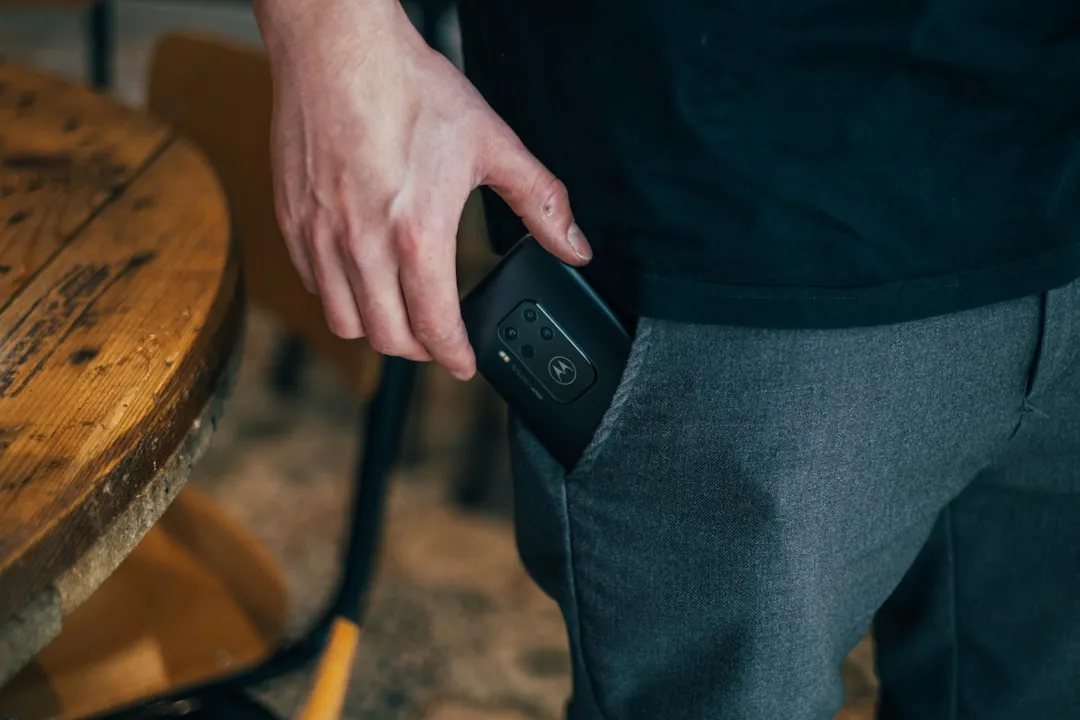
Theft in tourist areas rarely involves confrontation. When traveling, unfamiliar environments bring various risks, and tourist-heavy areas are common targets for thieves. Distraction is a primary tool pickpockets use to steal wallets, phones, and bags.
Excessive smartphone dependence can make travelers miss important environmental visual cues. It’s essential to balance technology use with situational awareness, staying alert to the people and places around you. Anyone who has stood on a busy square with their phone raised for a photo knows how completely it shuts out the surrounding scene.
Pickpocketing, muggings, and scams remain a constant threat in tourist hotspots. Keeping valuables secure, being aware of surroundings, and not letting your guard down in unfamiliar environments are consistently recommended precautions.
Cultural Awareness Is Part of Personal Safety

Safety isn’t only physical. Misreading local customs can create social friction that escalates quickly, especially in regions where travelers are already viewed with suspicion. Cultural awareness is a key element of situational awareness. Every culture has its norms, and failing to recognize them can not only lead to misunderstandings but also jeopardize your safety. Simple things like greetings can become awkward or even hostile situations.
Travelers should also be aware of differences in local laws and customs, including those relating to substance use and sexual relationships. These aren’t edge cases. They’re areas where well-meaning travelers have gotten into serious trouble.
Because there is no “one size fits all” approach to travel advice, you will want to learn the most common risks in a country or city and note general travel safety precautions while considering your unique profile. Who you are shapes what risks you actually face.
Health Risks Deserve Their Own Situational Awareness

Physical safety gets most of the attention, but health risks quietly account for a large share of travel emergencies. Among international travelers studied in a recent surveillance project, symptoms were reported in roughly two out of every five trips, with gastrointestinal, respiratory, and general illness being the most common issues.
In 2024 alone, fifteen norovirus outbreaks on cruise ships led to nearly two thousand passengers and over two hundred crew members becoming sick. Stomach bugs, colds and flu, and illnesses spread by bug bites continue to be among the most common health issues for people traveling internationally, according to the CDC.
The World Health Organization recommends that travelers visit a travel clinic, preferably four to eight weeks before departure, to ensure they are adequately prepared. That window matters: some vaccinations require time to become effective, and some destinations require documentation on arrival.
Monitoring Official Advisories Pays Off
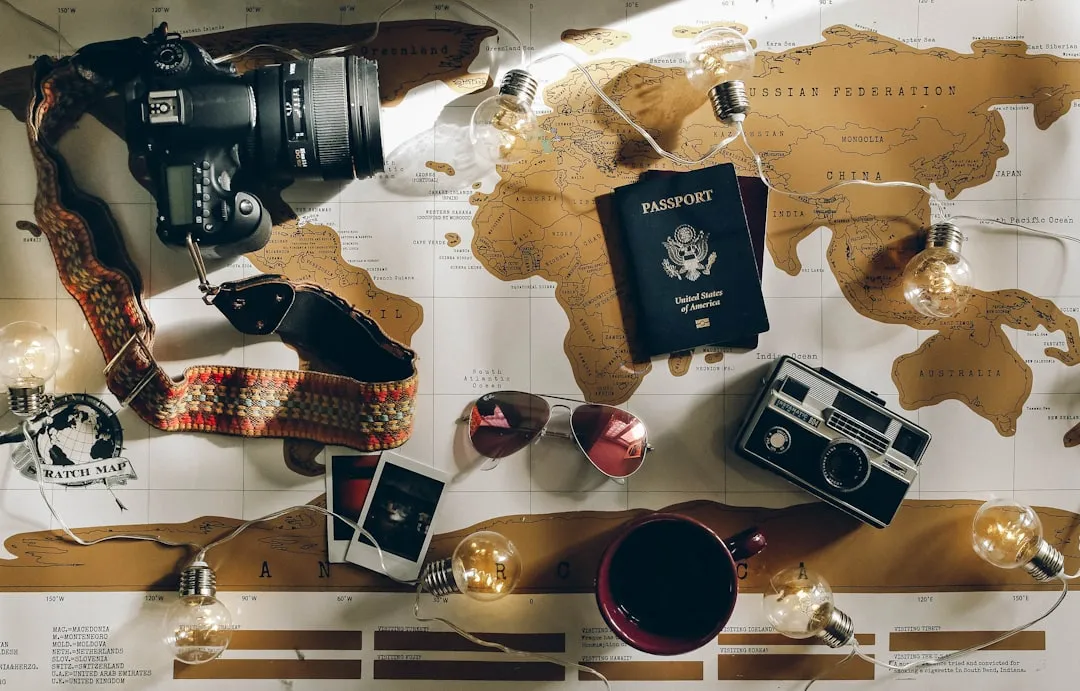
Travel advisories have a reputation for being overly cautious. In practice, they provide a useful baseline. Practical steps to maintain situational awareness include reading the U.S. Department of State safety and security information for your destination, and enrolling your travel itinerary in the State Department’s Smart Traveler Enrollment Program (STEP).
Enrolling in STEP connects travelers to the nearest U.S. embassy and provides real-time safety updates. It is free and straightforward to register. Many travelers don’t bother with this step, and then wonder why they had no warning when local conditions shifted.
Routinely monitoring media and local information sources, and factoring updated information into personal travel plans, is a core element of sound safety practice. This includes following local security, police, and news organizations on social media feeds.
Road Travel Carries More Risk Than Most Travelers Realize
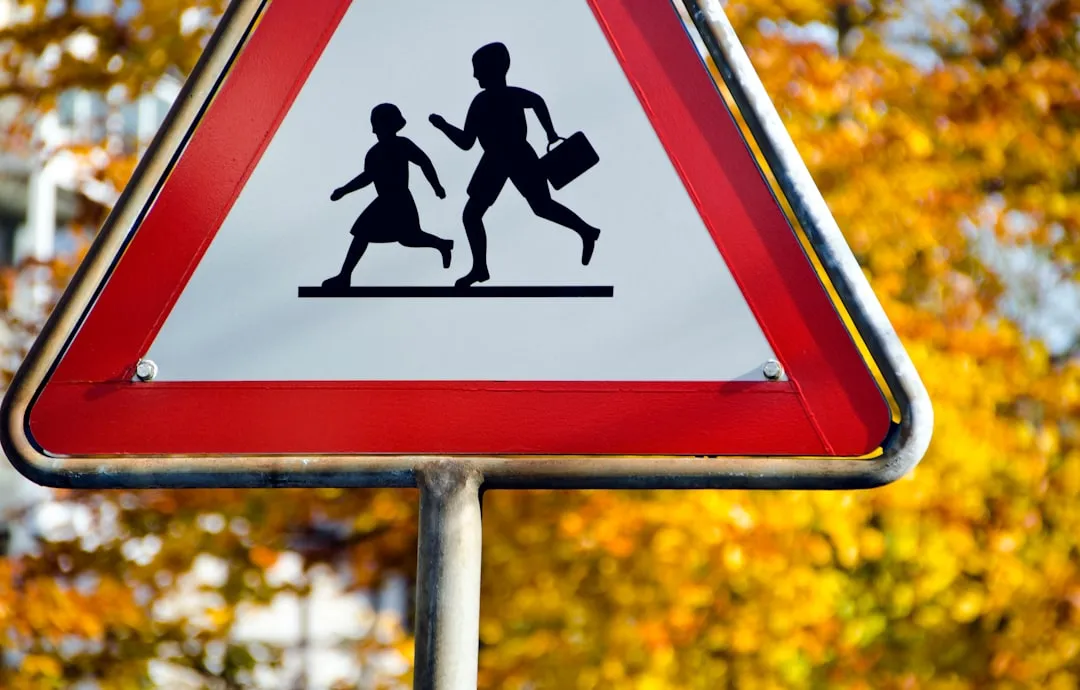
Many travelers treat road safety as a background consideration, focusing their concern on crime or geopolitical risk instead. The numbers tell a different story. Road travel is the most dangerous mode of transportation worldwide, with an estimated 1.19 million global deaths each year from road traffic accidents, according to the World Health Organization.
Travelers are now ten times more likely to die from injuries than from infectious diseases, a relatively new challenge for travel medicine. Contributing factors include adventure-seeking attitudes, unfamiliarity with local road conditions, exhaustion, and the distraction of being in a new place.
Situational awareness on the road means choosing licensed transport, wearing seatbelts even when local passengers don’t, and knowing that jet lag significantly slows reaction time. These are not abstract precautions. They are the difference between a safe trip and a preventable tragedy.
Travel Insurance Is Situational Awareness in Financial Form
Experienced travelers treat insurance not as a luxury, but as the logical extension of thinking ahead. Travel insurance quote requests rose at least thirty-two percent year over year in early 2025, and purchases of more flexible protection options rose by more than thirty percent. That surge reflects a broader cultural shift in how seriously people take travel risk.
From January to March 2024, illness-related membership cases in travel assistance programs surged by roughly a quarter. An industry report indicated that roughly a third of travel protection purchases are specifically for medical coverage.
Medical care varies greatly across countries, and travelers may find themselves in places where adequate medical attention is simply not available. Having coverage that includes medical evacuation isn’t pessimistic planning. It’s the same logic that puts a spare tire in the trunk.
The Habit Compounds Over Time
What sets experienced travelers apart isn’t superior luck. It’s repetition. The safety habit builds on itself with each trip, creating a layered understanding of what to watch for, what to prepare, and how to read a new place quickly. Seasoned travelers approach their journeys with more awareness and practical strategies, absorbing alerts and adjusting plans rather than canceling. When they have information, they’re more willing to keep moving despite uncertainties, which results in less scrambling and more confident, real-time decision-making.
Research from the Australian Transportation Safety Board indicates that human factors are a contributing cause in around seventy percent of all incidents and accidents, and approximately eighty-five percent of incident reports include a mention of loss of situational awareness. That finding comes from aviation, but its logic extends to every context where people navigate unfamiliar environments.
Studies have consistently highlighted that perceived risks directly influence destination choice and travel behavior. The travelers who thrive are not the bravest or the most cautious. They’re the most informed, the most present, and the most practiced at paying quiet attention wherever they go.
The Takeaway

There’s no single piece of gear, no app, no service that replaces the underlying practice of staying aware. Situational awareness is ultimately a form of respect: respect for the place you’re visiting, for the people around you, and for the reality that travel, for all its joy, happens in a world that doesn’t pause for tourists.
The seasoned travelers who move through the world with a kind of easy confidence aren’t fearless. They’ve simply made a habit of paying attention. They checked the advisory. They got the vaccination. They looked up from their phone. They noticed the neighborhood before it became a problem.
That’s the habit. It’s not glamorous, it doesn’t require gear, and it fits in any bag. Carry it everywhere you go.
AI Disclaimer: This article was created with the assistance of AI tools and reviewed by a human editor.