


Traveling with kids is demanding enough when two adults share the load. Doing it alone is a different kind of challenge entirely, one that involves being the navigator, the entertainer, the problem-solver, and the calm voice all at once. Still, millions of parents do it every year, and many come back saying it was one of the most rewarding things they’ve ever done.
The difference between an exhausting ordeal and a genuinely good trip often comes down to one thing: preparation with a specific mindset. Not over-preparation, not micromanaging every hour, but targeted, honest planning that accounts for the reality of going solo. Here’s what actually works.
Start with a Realistic Trial Run Close to Home
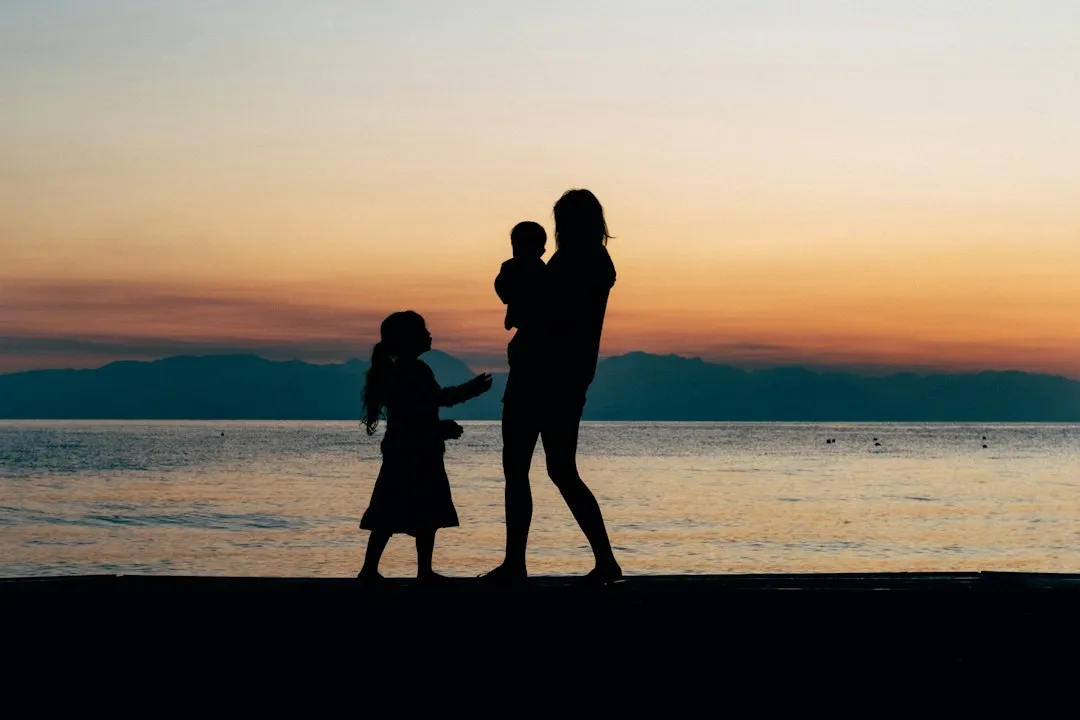
If this is your first solo parent trip, consider a weekend getaway not far from home, within your own country, as a trial run. This gives you a chance to test your routines, packing systems, and your kids’ tolerance for travel without the pressure of international logistics. Think of it less as a vacation and more as a rehearsal.
Don’t put too much pressure on yourself, your child, or your budget for your first solo trip together. This one is less about the destination and more about the experience. A short regional trip reveals exactly what you need to adjust before something bigger.
Choose Your Destination with Eyes Wide Open

Consider your comfort level with international travel, the time available for your trip, and what interests you and your children. Then move on to destinations that are easy to navigate, speak the same language as you, or offer plenty of kid-friendly activities.
National parks and beach resorts with family amenities also make great low-stress options for first-time solo parent adventures. The goal here is choosing a destination where the environment does some of the work for you. Less logistics overhead means more actual presence with your kids.
Get Your Documents in Order Before Anything Else
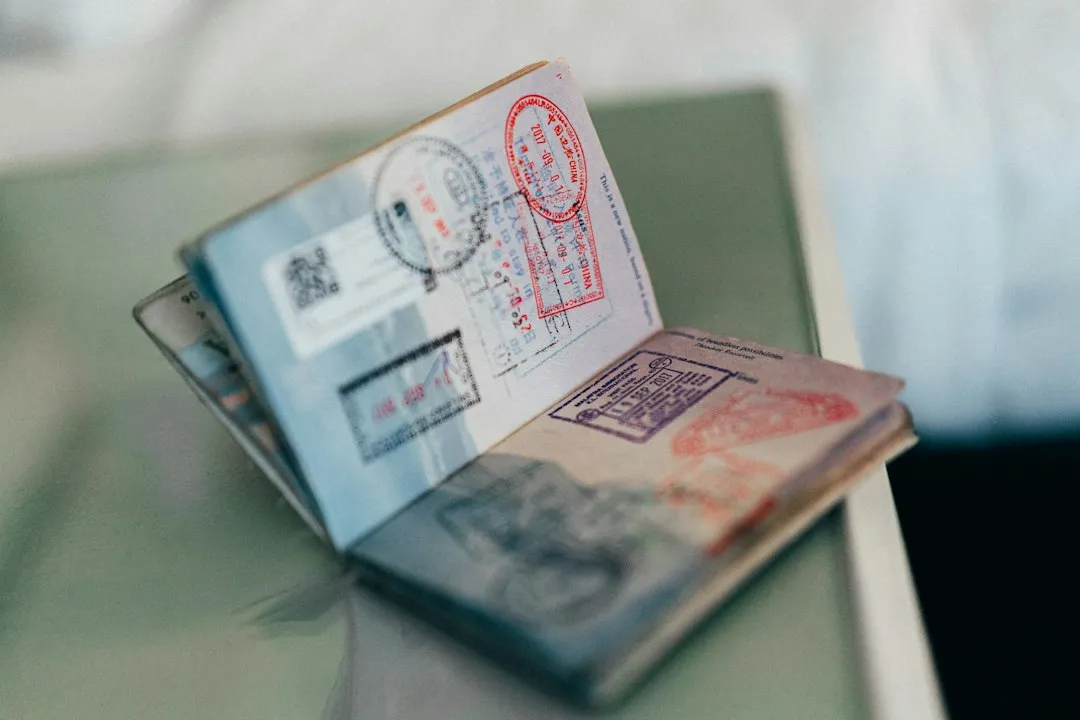
This is the one area where cutting corners has real consequences. If you are a single parent traveling with a child out of the country, you will need a notarized consent form from the other parent, or the court documents stating you are allowed to travel without consent from the other parent.
A clear, well-prepared document set, including a consent letter, medical authorization, and itinerary, signals compliance and speeds up the process at border crossings. Adding proof of relationship, such as birth or adoption certificates, is especially important when last names differ. Sort all of this at least a month before departure, not the night before.
Pack Light, Pack Smart, and Pack for One Adult
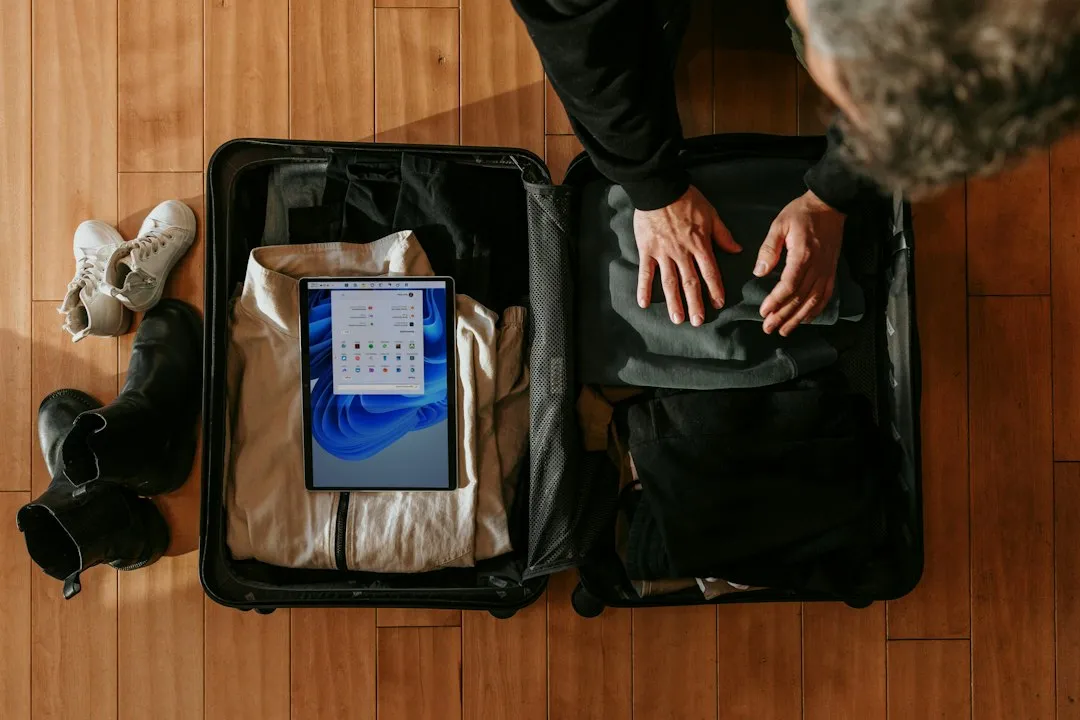
Packing for a solo parent trip requires a completely different logic than packing as a couple. You’re the only person carrying bags, managing a stroller, and holding a child’s hand simultaneously. One practical solution that works well is luggage straps that can connect bags together, freeing up one hand to carry other things in the airport.
Packing for two or more and keeping everything organized when you are the only adult in charge is not an easy feat. Packing cubes are widely recommended for keeping everyone’s items separated and accessible without repacking everything at every stop. The less time you spend searching through bags, the more bandwidth you have for the actual trip.
Involve Your Kids in the Planning Process
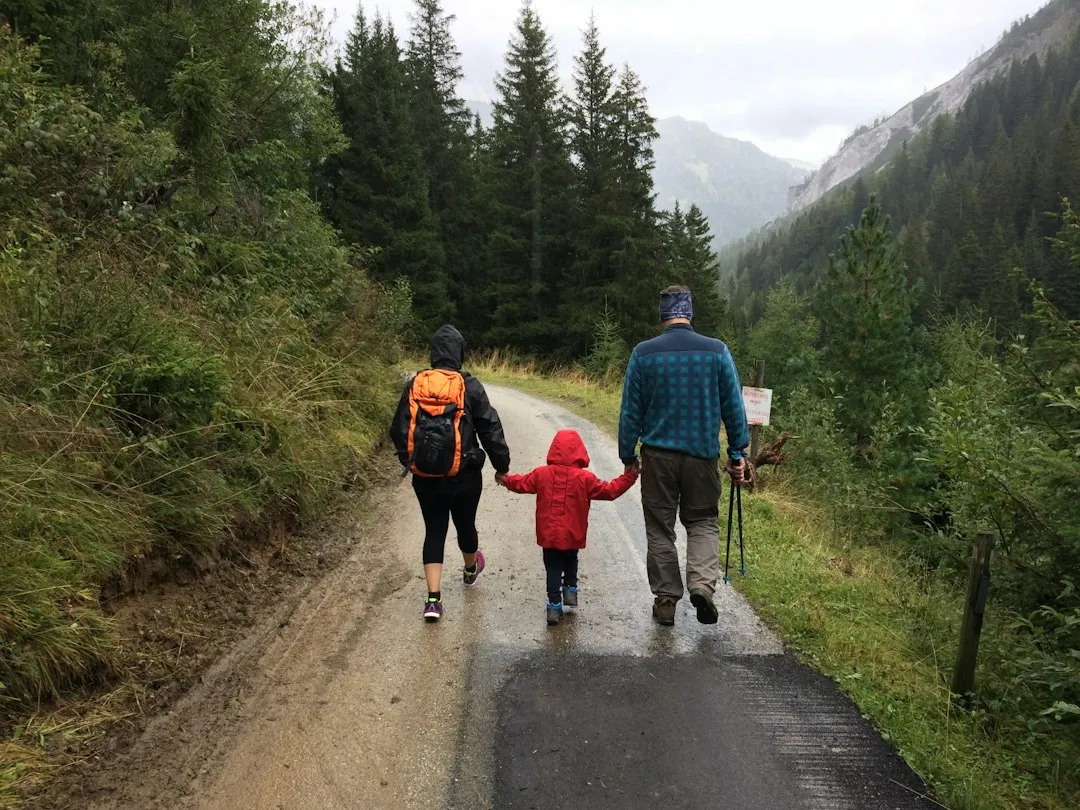
One of the most underrated tricks in solo parent travel is letting your children feel invested in the trip before it even starts. You can’t divide and conquer activities to meet everyone’s preferences when you are solo, so involve your kids in planning and allow children to weigh in on what sounds exciting so that everyone feels invested in finding mutually enjoyable options.
When kids have had a say, they tend to cooperate more willingly and complain less on the ground. It also shifts the dynamic from you managing them to all of you going somewhere together. That’s a subtle but meaningful difference in how the trip feels for everyone.
Use Organized Tours to Share the Load
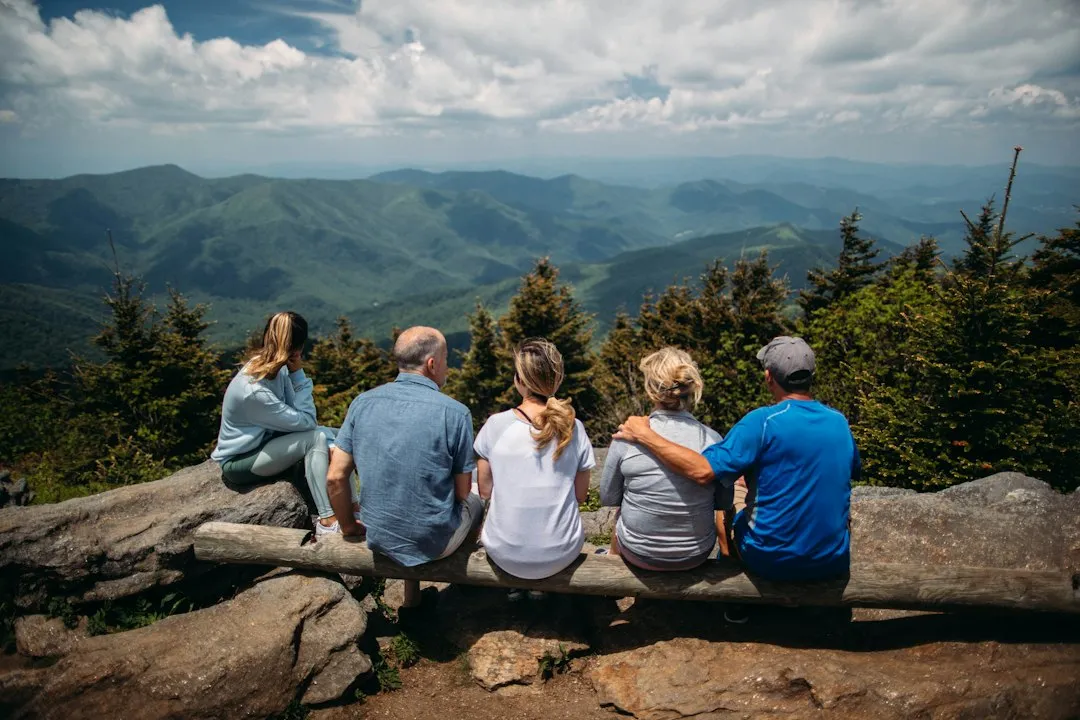
Going it completely alone isn’t the only way to travel as a solo parent. Organized tours take the stress out of planning by handling logistics and providing built-in support, and they offer a chance to connect with other parents and give kids a ready-made group of friends to explore with.
If you’ve got a holiday in mind, it’s worth researching who it’s aimed at. You can even call the company to find out details of families who usually sign up, or who are already signed up on a group tour. Age-appropriate companionship for your kids can change the entire atmosphere of a trip, relieving pressure from both of you.
Choose Accommodation That Works as a Base, Not Just a Bed
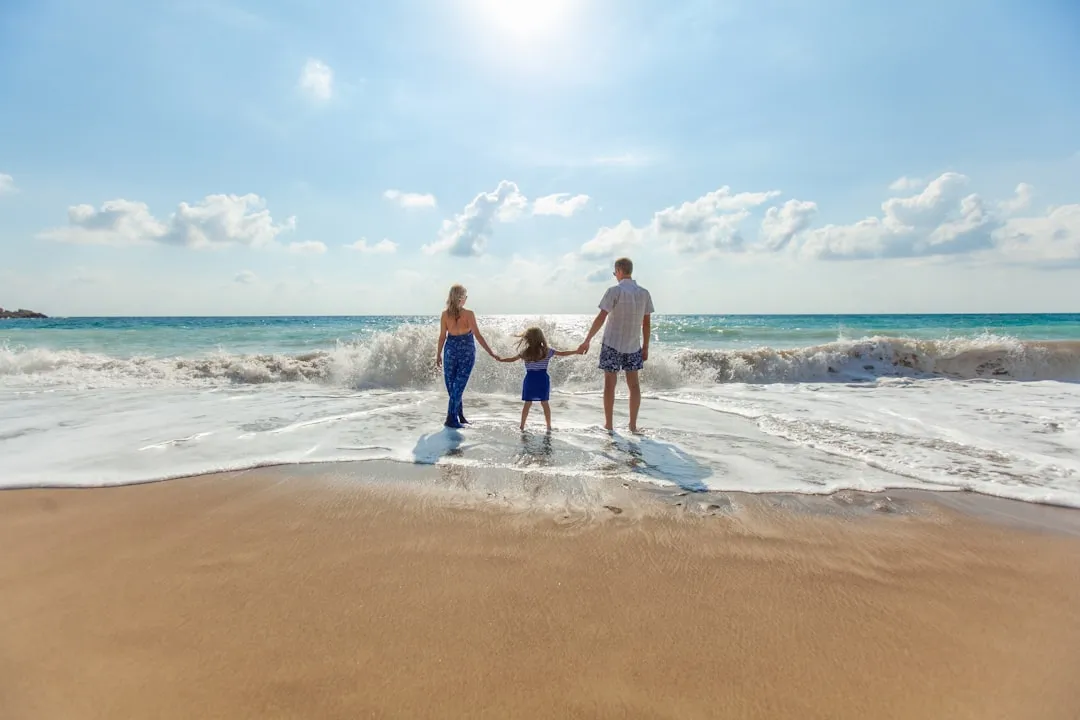
Staying in places such as vacation rentals with convenient kitchens and washing machines works especially well for families. You can make familiar foods the children will eat, and rentals in residential neighborhoods may have playgrounds great for entertaining kids.
The occasional session at a kids’ club can be a welcome break, or it could be as simple as booking accommodation with some extra space so you get to relax properly in the evening after their bedtime. Among family travelers surveyed, booking lodging with a kitchen is one of the top money-saving strategies, used by roughly half of all respondents. It saves money and adds comfort in one move.
Build Breathing Room Deliberately into Your Schedule
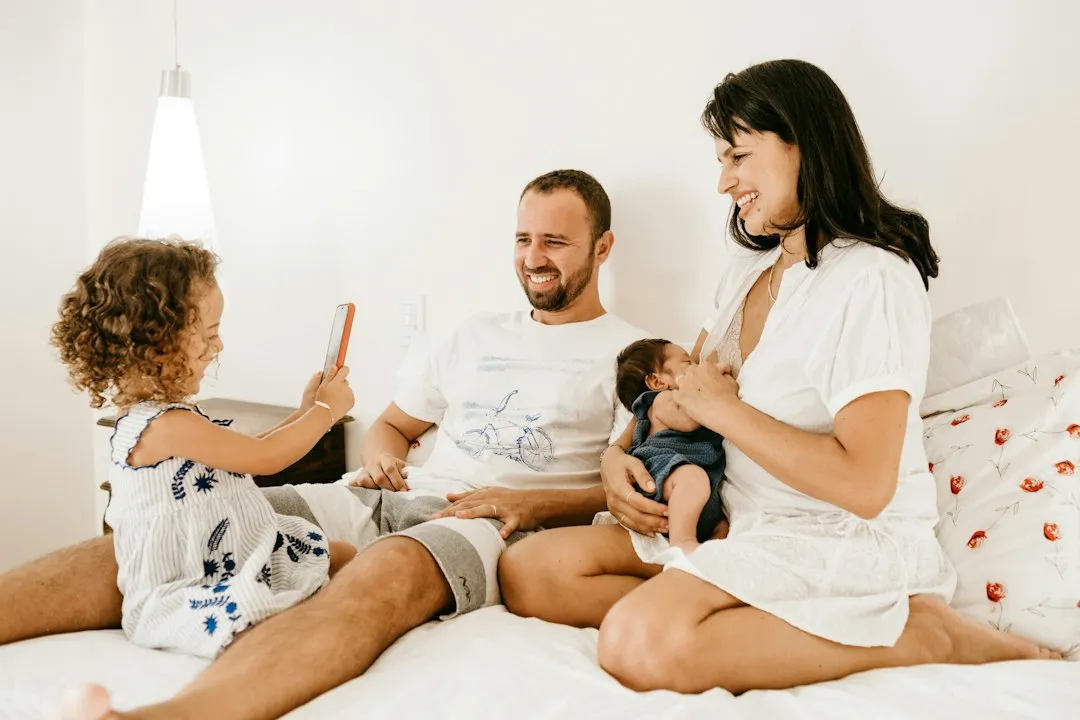
Traveling solo with kids can be intense, so whatever holiday you choose, it’s a good plan to add in some extra flexibility and downtime. Having that time together makes for some amazing memories and helps build a fantastic bond, but it doesn’t mean all the stresses of parenthood vanish, and with no other adult on hand to help, a bit of space to recover your patience is always good.
Pre-booking critical components like flights, accommodation, and any special tour reduces unknowns, and then leaving room in the schedule for kids who may need naps, rest, or just time to run off energy is equally important. An overstuffed itinerary is one of the most common mistakes on any family trip, and it hurts more when you’re the only adult absorbing the fallout.
Have a Safety Plan That Your Kids Understand
Older children should have a parent’s phone number memorized, with a set of code words for non-parent interactions and a plan of action if they were to get separated at any point. If a child is not old enough to memorize a phone number, writing it in marker somewhere on them or using temporary tattoos with contact information is a practical alternative.
Doing thorough destination research in advance means understanding the risks of where you’re going. The tips are important times two when you’re a solo parent, because you need to be aware of your surroundings while simultaneously engaging with your child. Safety planning isn’t about anxiety. It’s about being calm because you’ve already thought it through.
Ask for Help Without Hesitation

Solo doesn’t mean isolated. Not seeing yourself as someone who must do it all without assistance makes a real difference. Asking airline and airport staff, porters, and gate agents for help with a stroller or luggage is completely appropriate, and striking up conversation with friendly locals or other travelers can open up small moments of support, like help loading baggage.
Looking into single-parent travel groups or forums to connect with others can provide tips, moral support, or even meet-ups at the destination. The family travel market is genuinely robust right now: 92% of parents say they are likely to travel with their children in the next year, the highest level of intent for family travel since the pandemic. You’re not alone in wanting to make this work.
The Takeaway
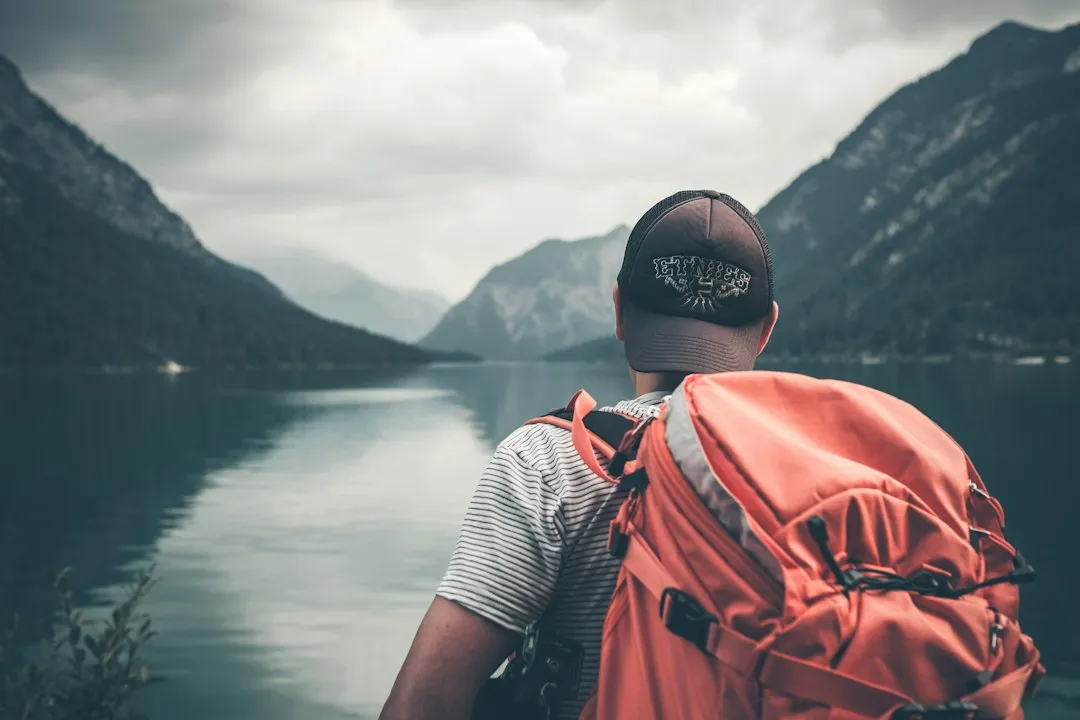
Solo parent travel isn’t about being superhuman. It’s about being strategic, asking for help when you need it, and giving yourself permission to travel differently than a two-parent household would. Traveling solo with a child is incredibly rewarding.
The trips that work best tend to share a few things in common: honest destination choices, smart logistics, and a schedule with enough breathing room to absorb the unexpected. Get those right, and the memories tend to take care of themselves.
AI Disclaimer: This article was created with the assistance of AI tools and reviewed by a human editor.