
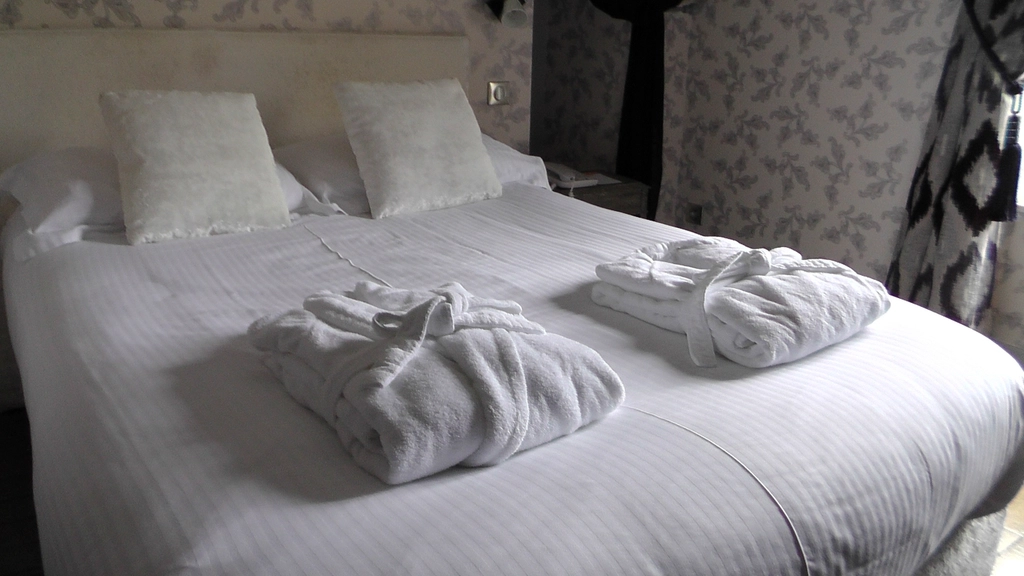
There’s a quiet shift happening in how people think about travel. Fewer people are asking where they can go to see the most. More are asking where they can go to finally rest. Sleep, once the thing you sacrificed on a trip, has become the destination itself.
This isn’t a passing hotel marketing gimmick. It reflects something genuinely new in how travelers are weighing their time, their health, and what recovery actually requires. The rise of sleep retreats is tied to a measurable public health reality, a maturing wellness industry, and a hospitality sector that has responded with real investment and innovation.
Why So Many People Are Traveling Exhausted
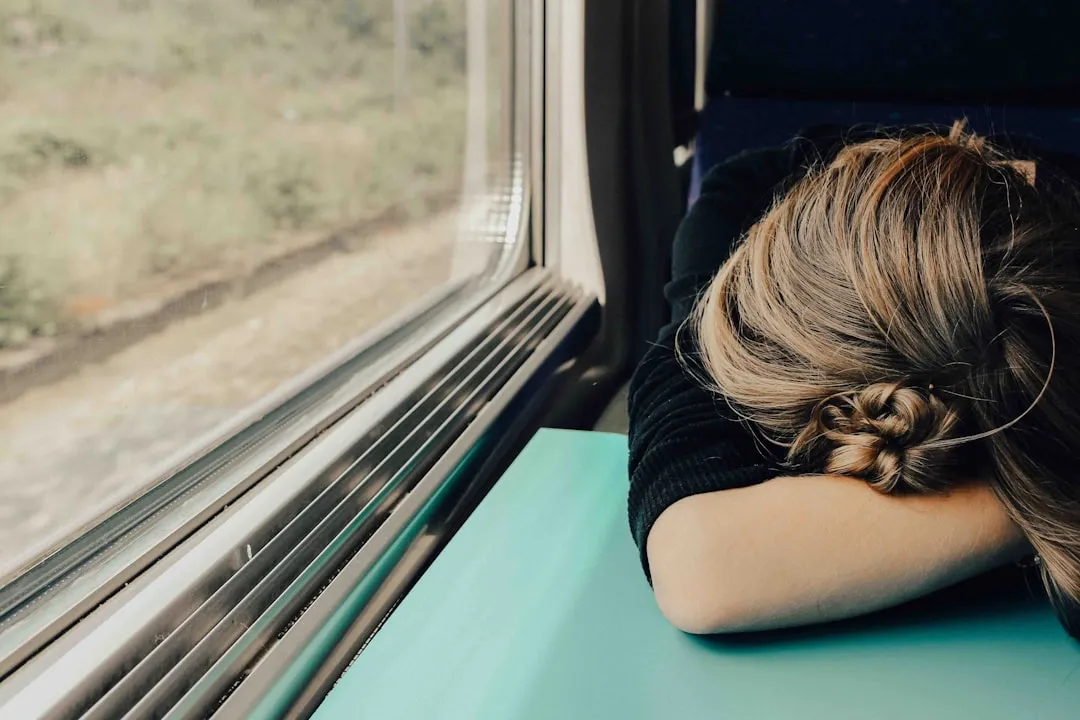
The National Sleep Foundation’s 2025 Sleep in America Poll found that six in ten adults do not get the recommended seven to nine hours of quality sleep each night. Nearly four in ten struggle to fall asleep at least three nights a week, and almost half wake up often during the night. These aren’t just personal inconveniences. They compound over time, affecting mood, cognition, immunity, and long-term cardiovascular health.
The problem is that modern life works against rest almost by design. Artificial lighting, late-evening screen use, irregular schedules, shift work, and jet lag all contribute to circadian misalignment. According to the Centers for Disease Control and Prevention, roughly a third of Americans are getting insufficient sleep. Against that backdrop, a vacation designed entirely around rest starts to feel less indulgent and more necessary.
What a Sleep Retreat Actually Looks Like

A sleep retreat is a hotel or wellness resort stay designed around improving rest, typically combining a sleep-optimized room environment with treatments, coaching, and programming aimed at helping guests fall asleep faster, stay asleep longer, and recover from chronic sleep deficits. The trend goes well beyond luxury bedding or a pillow menu at check-in. It focuses on creating an environment where rest is the destination, whether through week-long wellness retreats, medical-led stays that diagnose sleep issues, or shorter hotel packages built around spa treatments and circadian rhythm support.
Rather than relying on a traditional spa weekend or a generic wellness package, sleep-focused stays target the specific environmental and behavioral factors including light, temperature, noise, stress, and circadian rhythm that determine whether time in bed turns into restorative sleep. The approach is notably more clinical than anything the wellness industry has previously offered travelers.
A Market That Has Grown With Remarkable Speed
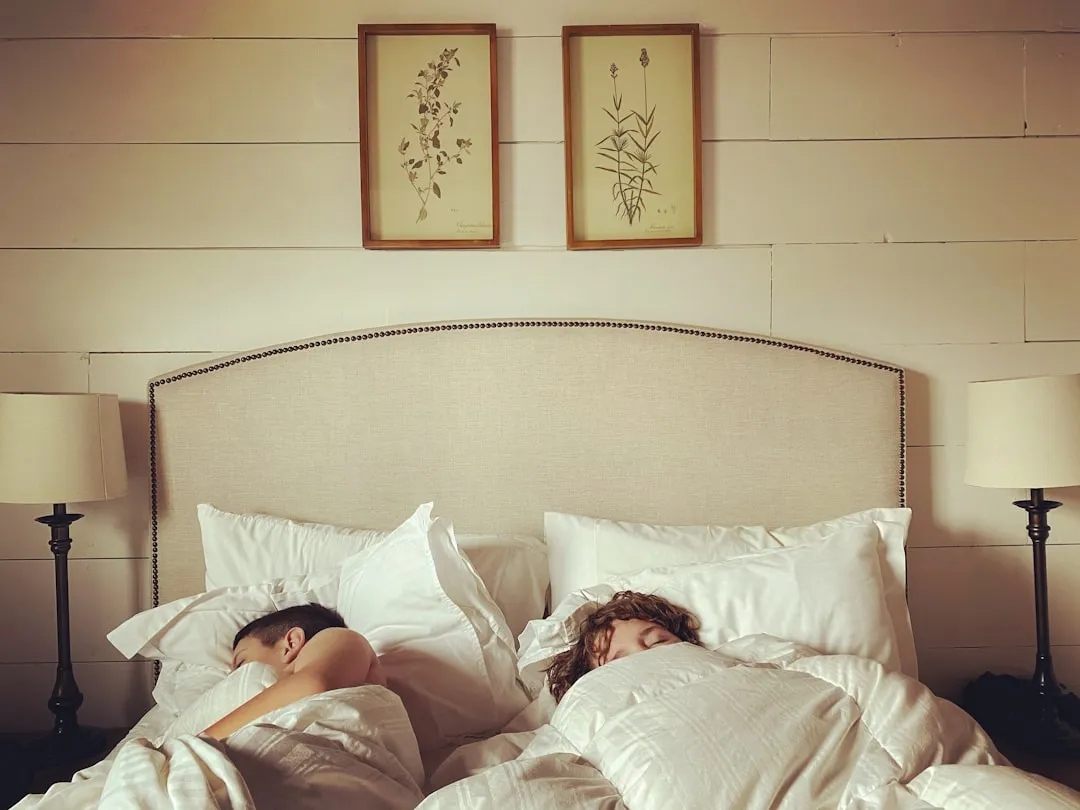
The global sleep tourism market was valued at around $74.5 billion in 2024 and is expected to grow at a compound annual growth rate of roughly 12.4 percent from 2025 to 2030, reaching an estimated $148.9 billion by 2030, according to Grand View Research. Primary sleep tourism trips are set to grow at a CAGR of 12.8 percent from 2025 to 2030.
Mintel’s findings, as reported by Skyscanner, reveal that roughly four in ten wellness travelers are keen on improving their sleep quality during their vacations. According to the Global Wellness Institute’s 2024 report, wellness trips are predicted to see growth rates of 14.7 percent for wellness trips and 16.6 percent for wellness trip expenditures through 2027. Sleep sits at the center of that growth.
The Hospitality Industry’s Response
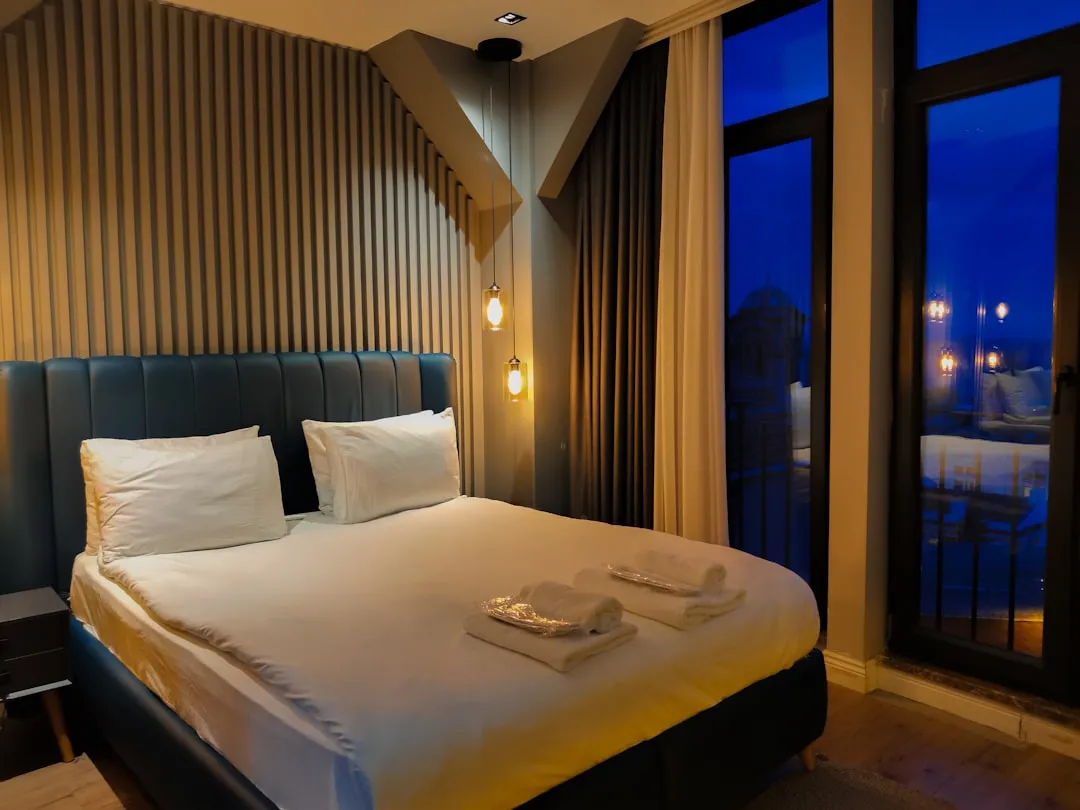
Hilton’s annual Trends Report described 2024 as the Year of the Great Recharge, where sleep retreats made headlines, mindful drinking rose in popularity, and wellness-themed guest rooms took off. More than a quarter of travelers said they would book a spa or wellness treatment specifically to enhance their sleep. Hotels noticed, and they responded.
In April 2025, Marriott International’s Westin Hotels and Resorts partnered with wellness lifestyle brand Goop to launch “Sleep Training for Grown-Ups,” a three-part video series aimed at helping travelers improve sleep quality with expert insights. In January 2025, Equinox Hotels announced a pioneering partnership with a leading sleep neuroscientist to launch a dedicated sleep innovation project at its New York property. These weren’t tentative experiments. They were coordinated, branded commitments.
Technology’s Role Inside the Sleep Retreat

Technology is playing a pivotal role in advancing the sleep tourism market. Smart beds with AI capabilities, soundproof rooms, and white noise machines are becoming standard in upscale hotels. Hotels and retreats across the United States are doubling down on biohacking amenities designed to optimize rest, from AI-powered beds at the Park Hyatt New York to personalized relaxation plans at Canyon Ranch Tucson.
Facilities are employing smart environments tailored to individual circadian rhythms to enhance sleep efficiency and recovery, with transparency and trust prioritized and an emphasis on proven, data-backed sleep interventions. Jumeirah Hotels, in a partnership launched in late 2024 with Hapbee Technologies, introduced a program featuring patented technology that digitally bio-streams compounds like melatonin through smart sleep pads placed under guests’ pillows. It’s a striking example of how far some properties are willing to go.
Six Senses, Sensei, and the Leaders Defining the Category
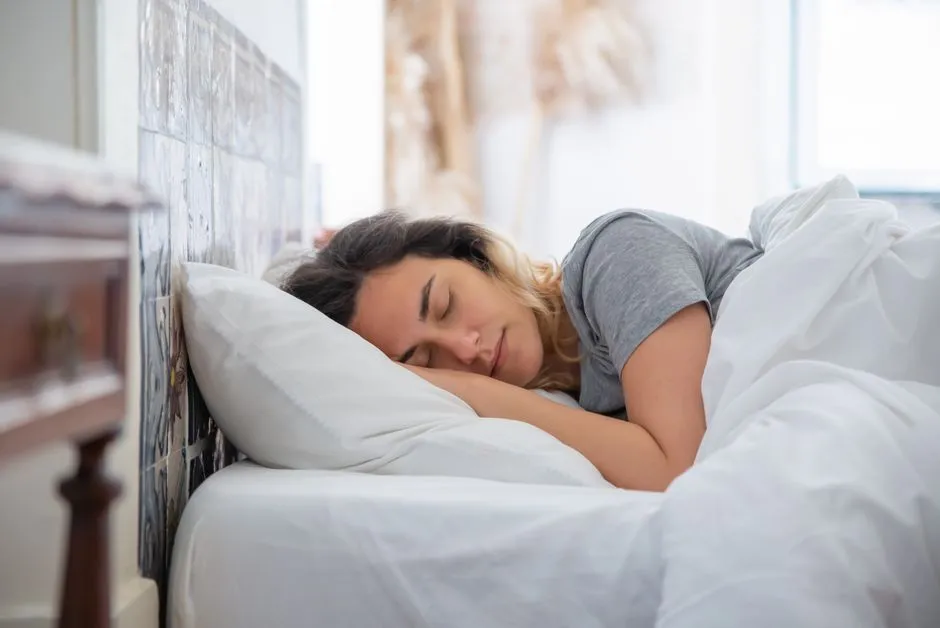
Six Senses created a sleep program with renowned sleep doctor Michael Breus, available at its resorts in Asia and Europe, where guests who opt in receive a tailored schedule along with services including a meeting with a sleep doctor, yoga nidra, meditation, and nutrition advice. From personalized sleep trackers and expert consultations to rooms fitted with dream-friendly mattresses and eucalyptus-derived linens, the brand works with industry professionals to create an atmosphere that fosters deep slumber.
For those looking to improve sleep patterns and restore energy levels, the three-, five-, or seven-night Sleep Program at Six Senses covers daily yoga nidra, meditation, relaxing spa treatments, wellness therapies, nutrition advice, and low-intensity fitness training. Sensei Lanai, a Four Seasons Resort in Hawaii, offers a five-night Rest and Recovery Package, and before arrival guests complete a questionnaire, track their sleep, and connect with a Sensei Guide to build a personalized itinerary.
North America Leads, but Europe and Asia Are Catching Up

North America dominated the sleep tourism market, accounting for roughly a third of global revenue in 2024. Well-established hospitality companies such as Hilton, Westin Hotels, and Castle Hot Springs are driving North American growth by offering a range of facilities designed to improve guest sleep quality.
Europe held the second-largest market share in 2024, with countries such as Norway, Portugal, Switzerland, Belgium, and Italy among the most popular destinations for sleep tourism on the continent. From alpine retreats in Switzerland to meditation-led rest centers in Thailand, destinations are blending local healing practices with sleep science in ways that feel genuinely rooted in place. The experience is becoming culturally specific, not just medically standardized.
The Science Driving the Programming

The circadian rhythm is the body’s master biological clock, governing not just sleep and waking but hormone production, metabolism, immune function, and cognitive performance, anchored in the brain and synchronized primarily by light exposure. Studies have linked chronic circadian disruption with metabolic disorders, impaired cognitive performance, mood dysregulation, and elevated risk for cardiovascular disease, according to research published in Nature Reviews Endocrinology.
Growing levels of stress, burnout, and digital fatigue are driving demand for wellness travel experiences focused on sleep recovery and nervous system restoration. Hotels, resorts, and wellness retreats are increasingly offering sleep-enhancement programs, circadian rhythm lighting, meditation therapies, mindfulness sessions, and digital detox packages. The programming is no longer drawn from intuition alone. It’s being built around established sleep medicine.
Who Is Actually Booking These Trips
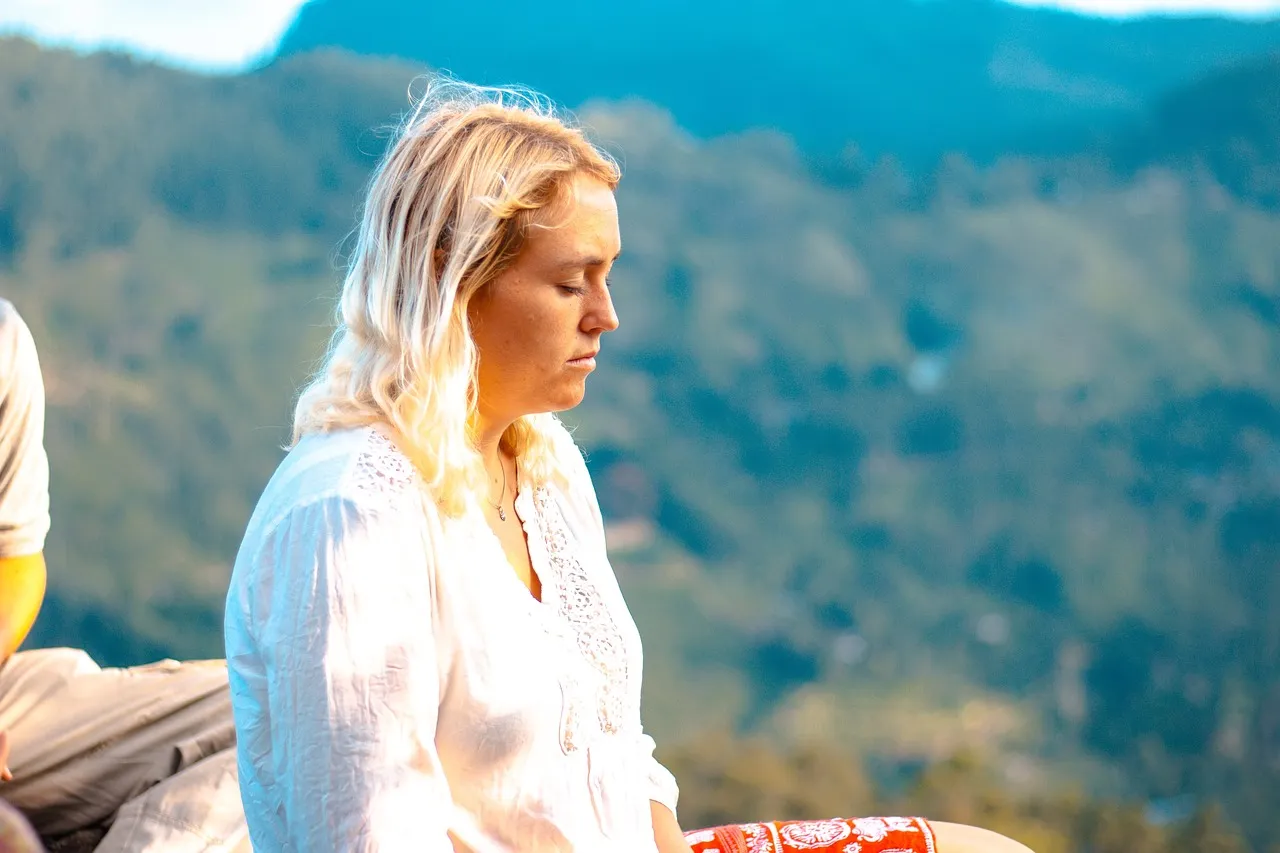
The sleep tourism market is particularly popular among Gen Z and millennials, who prioritize health and relaxation in their travel plans. With rising work pressure and hectic lifestyles, people are choosing customized “sleepcations” at exotic locations that offer relaxing therapies and wellness programs centered around better rest. The profile of the sleep retreat guest is broader than many assume.
Domestic sleep tourism accounted for roughly two thirds of the overall sleep tourism market in 2024, driven by affordability, convenience, and changing travel preferences. A 2024 Hilton report found that two thirds of Americans sleep better in hotels than at home, encouraging the hospitality sector to develop sleep-enhancing amenities. That finding alone reframes the hotel stay as something genuinely therapeutic rather than merely comfortable.
What Comes Next for the Movement

In 2026, sleep tourism is evolving into a more targeted, intelligent experience. No longer a one-size-fits-all affair, it’s becoming highly personalized, blending luxury resorts and wellness retreats designed specifically to improve sleep quality. Consumers are drawn to sleep tech gadgets such as trackers, smart beds, sleep pods, earbuds, and goggles, though trends are likely to evolve from gadgets toward services such as circadian medicines and chronotherapies.
Properties are also bringing in outside specialists to lead programming, including sleep and dream expert Charlie Morley, who has partnered with hotels such as Nômade in Tulum and Kimpton Fitzroy London. Luxury hospitality brands are recognizing that properties focusing on sleep earn higher trust, longer guest retention, and the ability to charge premium rates. Rest, it turns out, is a product that travelers are increasingly willing to invest in seriously.
The Takeaway

Sleep retreats represent something more than a wellness category. They signal a recalibration in how travelers understand the purpose of a trip. Rest is no longer the residue left over after the itinerary is completed. It has become the reason to go at all.
What’s quietly remarkable about this movement is how it brings together sleep science, hospitality design, and a very real public health conversation into a single experience. The data on sleep deprivation is sobering, and the industry response has been genuine. For many travelers, a well-designed sleep retreat may ultimately deliver something that no sightseeing itinerary ever could: the feeling of coming home restored.
AI Disclaimer: This article was created with the assistance of AI tools and reviewed by a human editor.