

The Numbers Behind the Shift
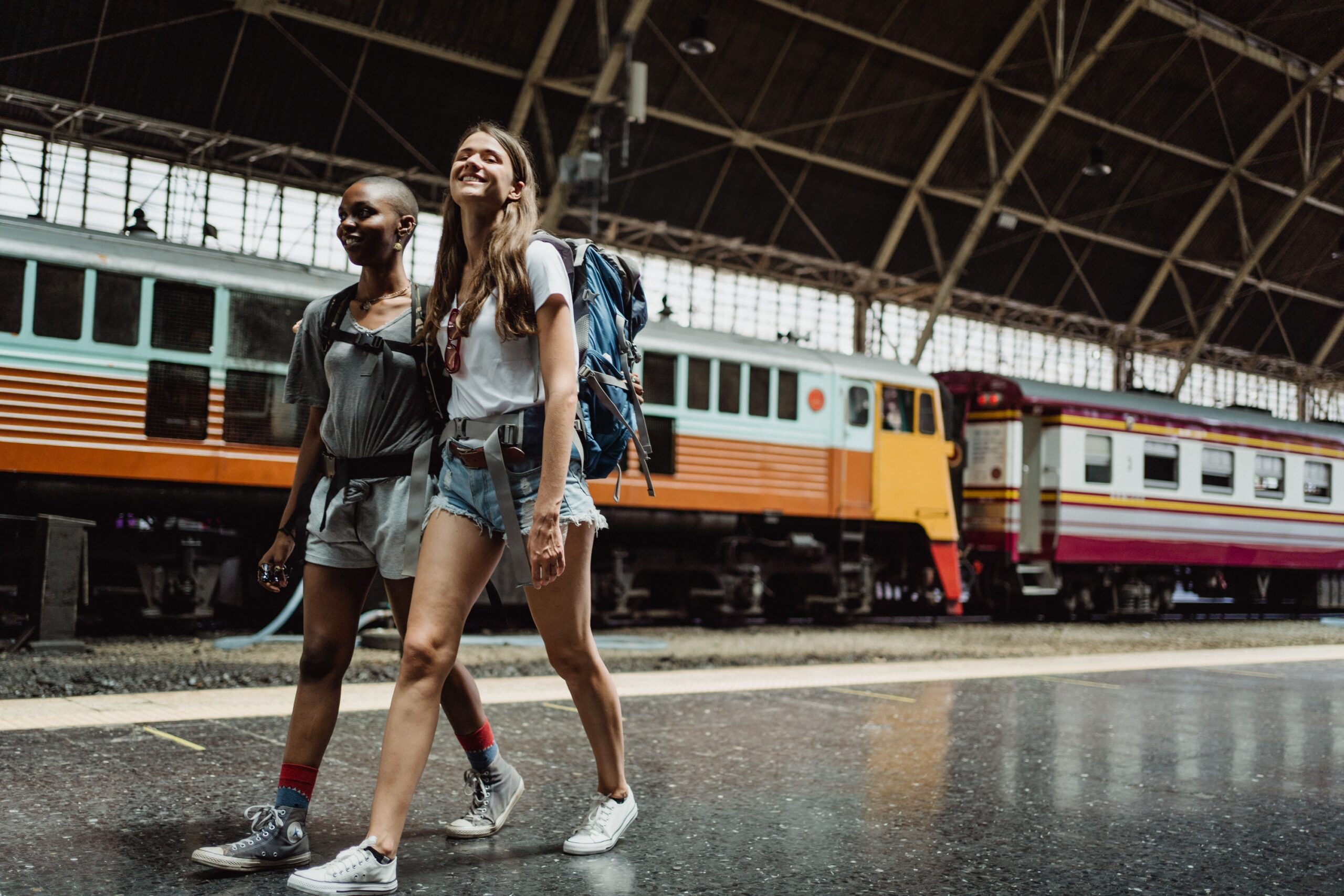
The data on this trend is unusually clear for something that sounds so intangible. A survey of 2,000 US adults found that roughly six in ten travelers were planning their vacations in 2024 with the main intention of slowing down and switching off. That’s not a fringe preference. That’s the majority.
According to Hilton’s annual Trends Report, one in four leisure travelers planned to explore the world and different cultures in 2025, leaning into the slow travel trend: immersing themselves into a destination for an extended time as a local to fully experience the culture. Hilton’s research drew on surveys of approximately 13,000 travelers across 13 countries, lending the finding considerable weight.
In a separate survey commissioned by Club Wyndham and conducted by Talker Research among 2,000 recent travelers, slow travel ranked as the second most-planned travel style for 2025, with roughly one in four travelers saying they intended to pursue it. These numbers, arriving from multiple independent sources, tell a consistent story.
What “Slow-Morning Travel” Actually Means
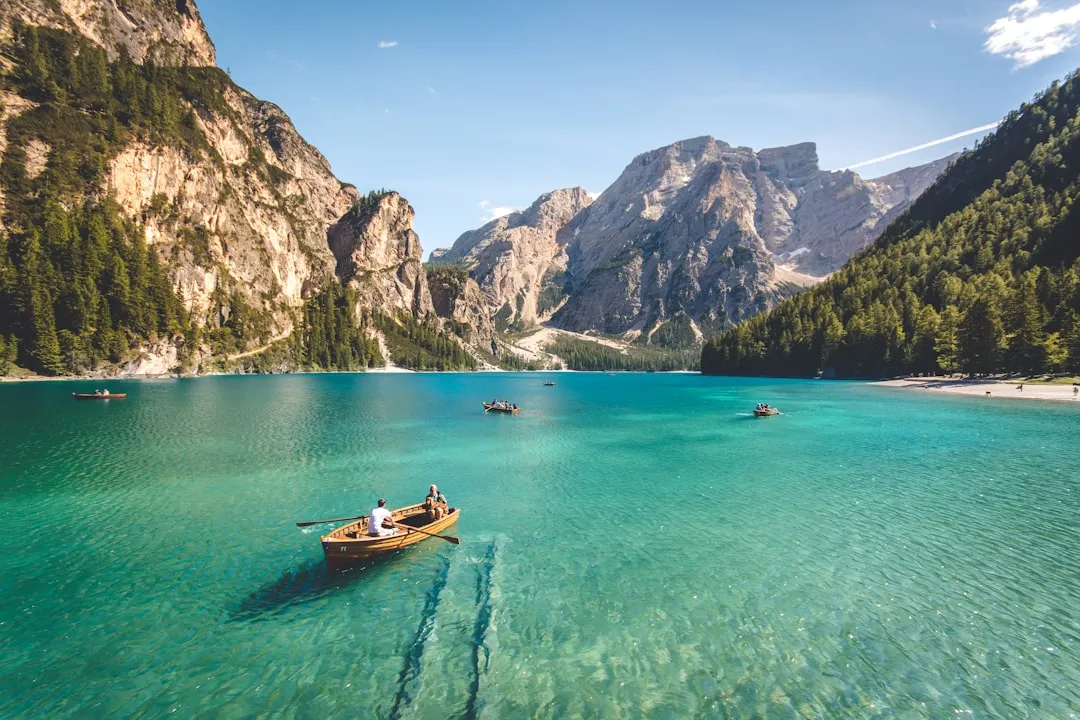
Slow travel centers on immersing oneself in a destination for an extended time as a local, to fully experience the culture, rather than collecting attractions like items on a checklist. The slow morning is its most tangible expression: no 7am museum queues, no rushed checkout, no race to the next city.
Frenzied box-checking vacations, popularized by the “bucket list” approach and jam-packed city breaks, are losing appeal. In their place, slow travel – an approach that is less materialistic and values a more meaningful connection to local cultures – is gaining traction.
In practice, this means booking fewer places and staying longer in each one. It means eating breakfast unhurriedly, wandering without a map, and letting a city reveal itself rather than storming it. Simple in concept, and apparently, deeply satisfying in execution.
The Burnout Connection
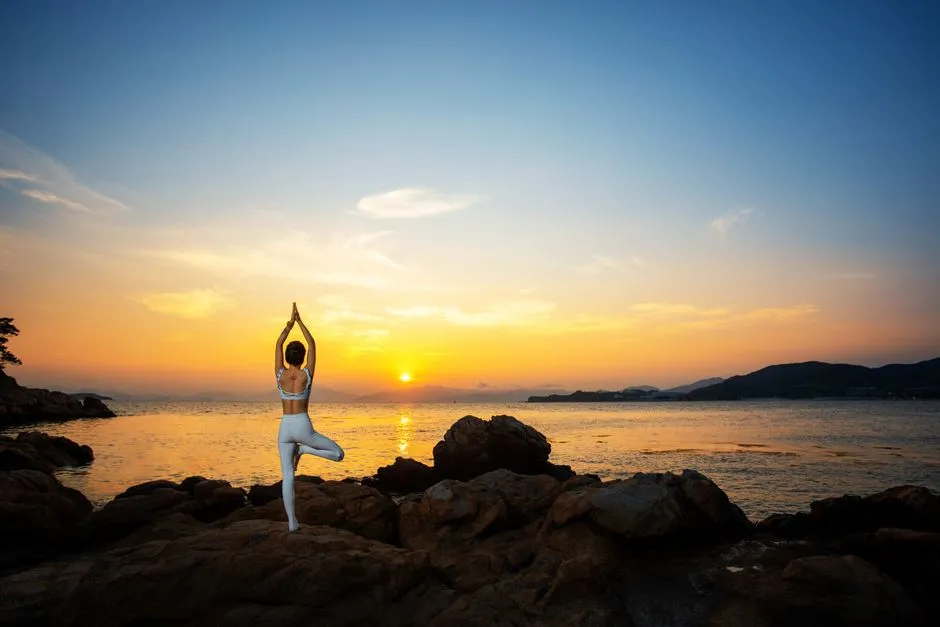
With mental health and wellbeing becoming a priority for many, travelers are seeking out vacations where they can properly unwind, relax, and leave behind the stress of daily life. This isn’t just a travel preference. It reflects something wider happening in how people relate to rest and recovery.
A survey of over 1,000 Americans found that more than half find vacations stressful, and three-quarters check work emails or take work calls while on them. Fitting a dozen activities into a single day on vacation is, for many people, simply an extension of the same exhausting rhythm they were trying to escape.
On average, it takes three days to unwind on vacation, and those who check social media or work emails report that it takes them even longer to feel rested. The slow-morning approach, at its core, is a response to that reality.
Trips Are Getting Longer
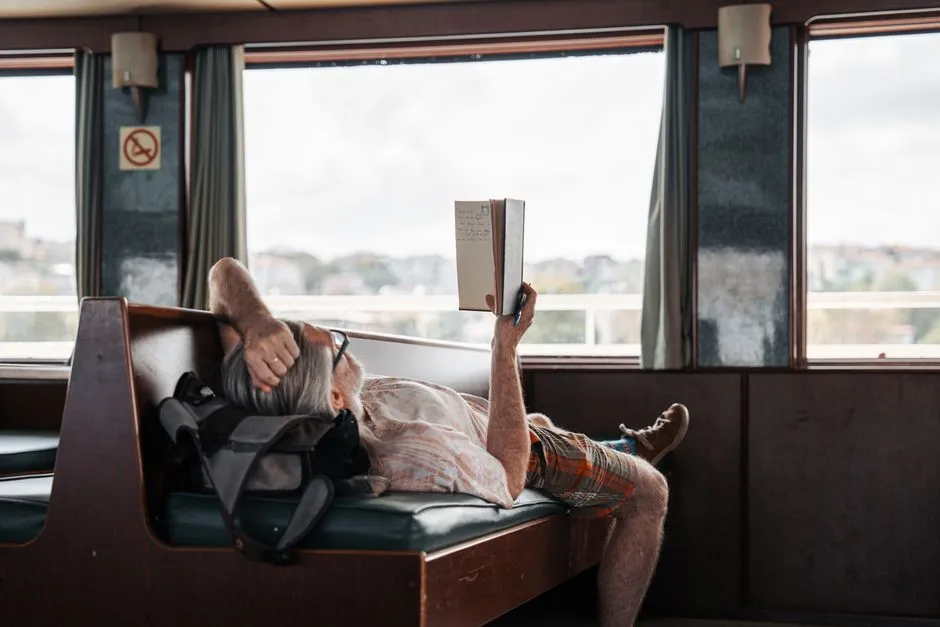
Out of 203 countries and territories analyzed by Visa, travelers from roughly seven in ten countries had a higher average length of travel in 2023 compared to 2019, with travelers from one in four countries having a higher average duration of travel by at least one day. This is a structural shift, not just a seasonal fluctuation.
This trend is prominent in major outbound travel markets, with longer trips increasing by 4.4 percentage points for Australians, 2.7 for Mexicans, 1.5 for Canadians, and 1.2 for Americans. More days in one place naturally invites a slower pace. You stop racing when there’s no need to.
Travelers booking extended vacations, or “slow travel,” are growing in number, with people taking fewer trips but staying away longer. Boomers are reportedly leading this change, as they have more disposable income and greater flexibility in how long they can travel.
The Rise of “Detour Destinations”
About six in ten travelers plan to visit a “detour destination” on their next trip, according to Expedia Group’s “Unpack ’25” report. The report found a notable increase in flight searches to secondary spots away from major cities, including Reims in France, Girona in Spain, Cozumel in Mexico, and Fukuoka in Japan.
A trend report by Booking.com found similar results, with roughly two-thirds of travelers saying they want to visit less crowded destinations, including Trieste in Italy, João Pessoa in Brazil, and Sanya in China. These are places built for lingering, not ticking off.
Slow travel, with leisurely-paced transportation, underrated towns, and authentic exploration, can provide more meaningful immersion than a whirlwind trip to a major capital. The secondary city, it turns out, often delivers what the famous one promises but rarely quite achieves.
How Social Media Is (Slowly) Losing Its Grip

US Google searches for the term “slowcation” increased by roughly half compared to the prior year, and there have been more than 16 million posts mentioning the trend on TikTok. That growth in the vocabulary around slow travel suggests it’s moved beyond niche circles and into mainstream awareness.
Travelers are leaning into relaxation, with roughly a quarter now looking to disconnect from social media during trips, and about one in five traveling specifically for self-discovery or mental health. Choosing not to document every moment is becoming its own quiet statement.
There’s a certain irony in tracking a “disconnection trend” through social media data, but it does reflect something genuine: people are increasingly aware of the cost of performing their vacations rather than experiencing them.
Wellness Tourism and the “Hurkle-Durkling” Moment
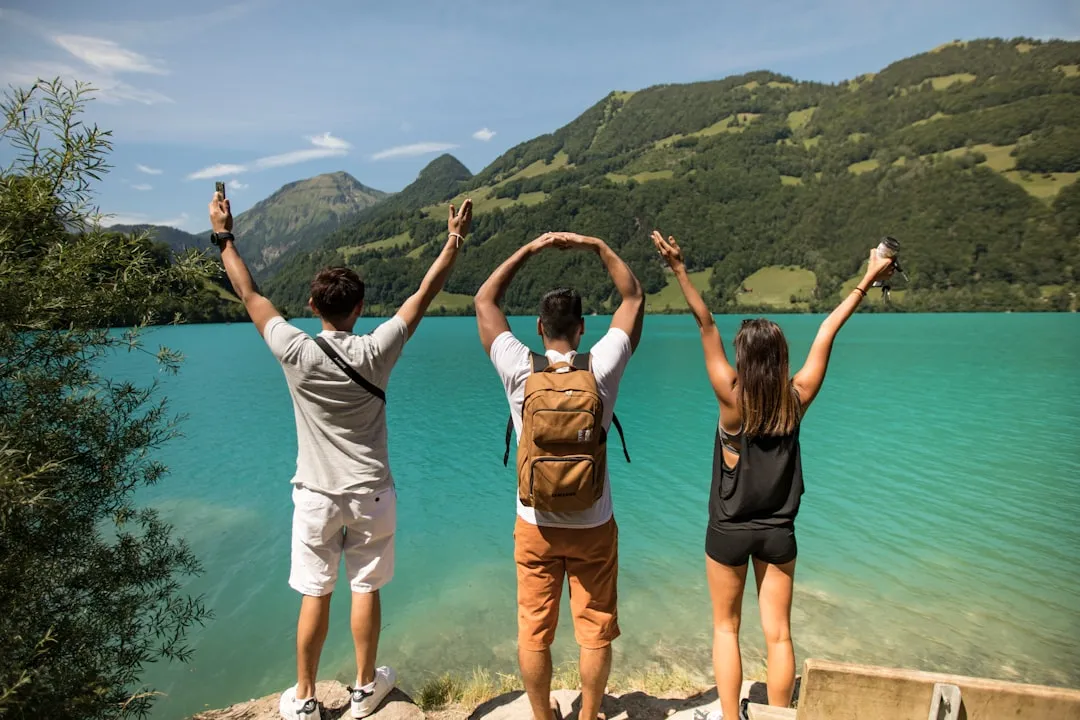
Hilton’s research identified 2024 as the “Year of the Great Recharge,” where sleep retreats made headlines, mindful drinking rose in popularity, and wellness-themed guestrooms took off. The slow morning fits neatly into that wellness-oriented sensibility.
One in five global travelers reported indulging in what’s known as “Hurkle-Durkling,” a Scottish phrase for lounging in bed all day while on vacation, and more than a quarter said they would book a spa or wellness treatment to enhance their sleep during trips.
The global resort market is projected to grow significantly between 2025 and 2030, and Hilton’s 2026 Trends Report captures the shift through what it calls “Hushpitality,” reflecting a growing appetite for quiet luxury, immersive nature, and unstructured personal time. The industry is clearly listening.
Active but Unhurried: Walking and Cycling Trips
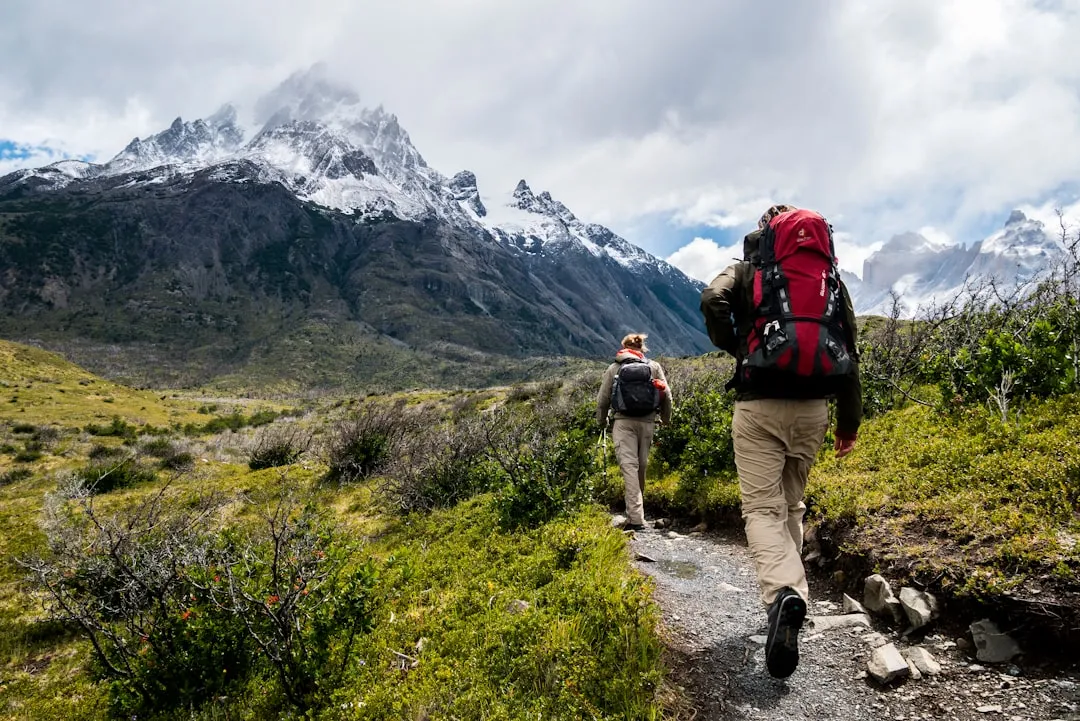
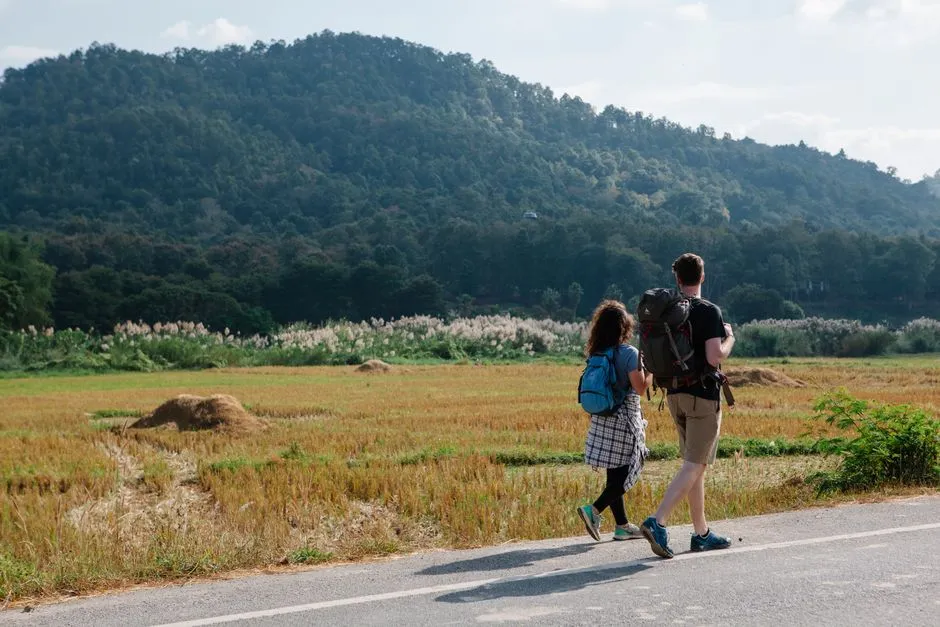
Self-guided trips that involve hiking and cycling are trending among Baby Boomers and Gen Xers, in locations like Austria, Scotland, and the Patagonia region of Chile and Argentina. These trips share the spirit of slow travel: movement at a human pace, through landscapes rather than airport lounges.
The tours, complete with GPS directions, luggage transfers, and bookings in top-rated inns, are being embraced as a better way to take in scenic views, meet locals, and explore a region’s culture and history, while still remaining comfortable. It’s adventure without the frantic scheduling.
Walking through a country rather than riding through it changes what you notice. The pace of the landscape itself becomes part of the experience, which is precisely the point of slow travel done well.
What the Industry Is Doing About It
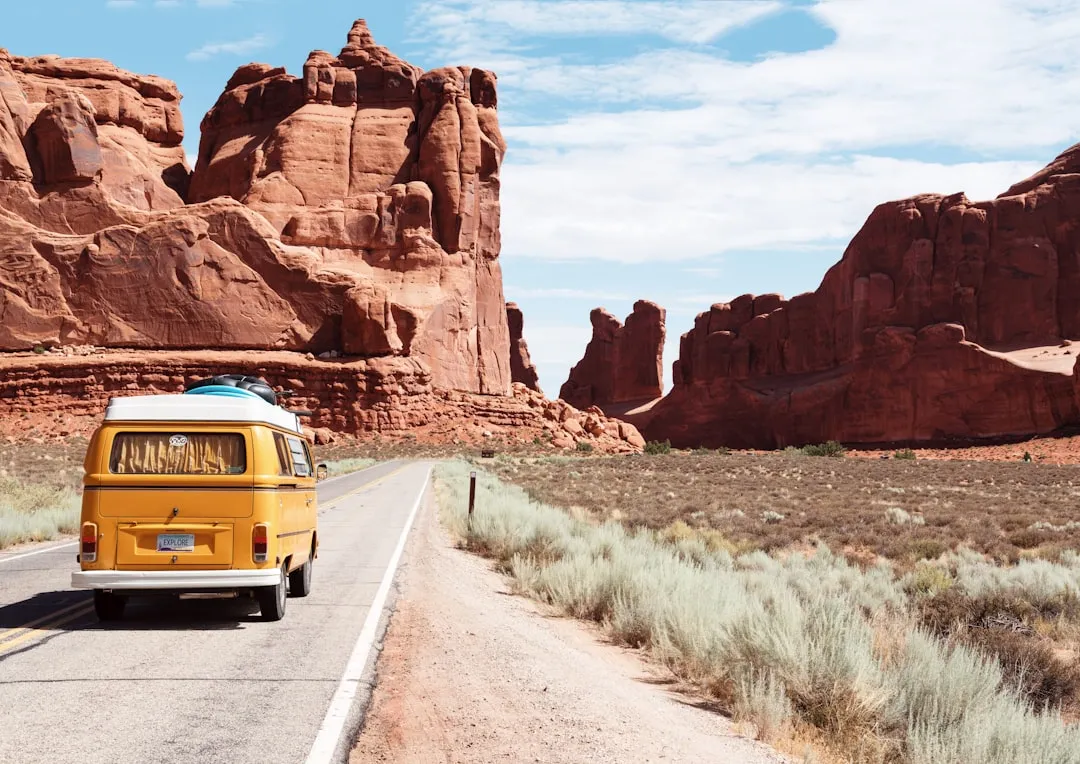
Travel has become more purpose-driven, and while slow travel is not a new concept, it is now permeating mass travel options rather than remaining a niche pursuit. Hotels, tour operators, and booking platforms are all adjusting their offerings accordingly.
Sardinia, a longtime getaway for Italians, is now seeing a notable uptick in international travelers. One Hilton-affiliated property on the island saw a 90% year-over-year increase in US travelers and a 15% increase in Irish travelers between 2023 and 2024. A nearby sister property saw US visitor numbers grow by 150% over the same period.
Through wellness-led programming, nature-driven settings, and experiences curated for guests of all ages, resorts are increasingly designed to support a growing desire for slower, more purposeful travel. The infrastructure is catching up to the appetite.
Who Is Driving This Trend?

Older travelers, particularly Boomers, are leading the slow travel shift, with more disposable income and scheduling flexibility. They are also showing growing interest in cultural immersion, which often requires exploring a destination over a longer period. Time and means align neatly with the slow-travel ethos.
Among Americans surveyed about the concept, roughly nine in ten found slow travel appealing, and after being given a clear definition, more than 94% said they would like to try it or try it again. That near-universal appeal cuts across generations.
More than one in five travelers also reported planning trips for self-discovery or mental health when traveling for leisure, leaning into what Hilton calls “Soft Travel,” which encourages simplicity and spontaneity. Younger travelers are participating too, just in their own style.
A Different Kind of Return
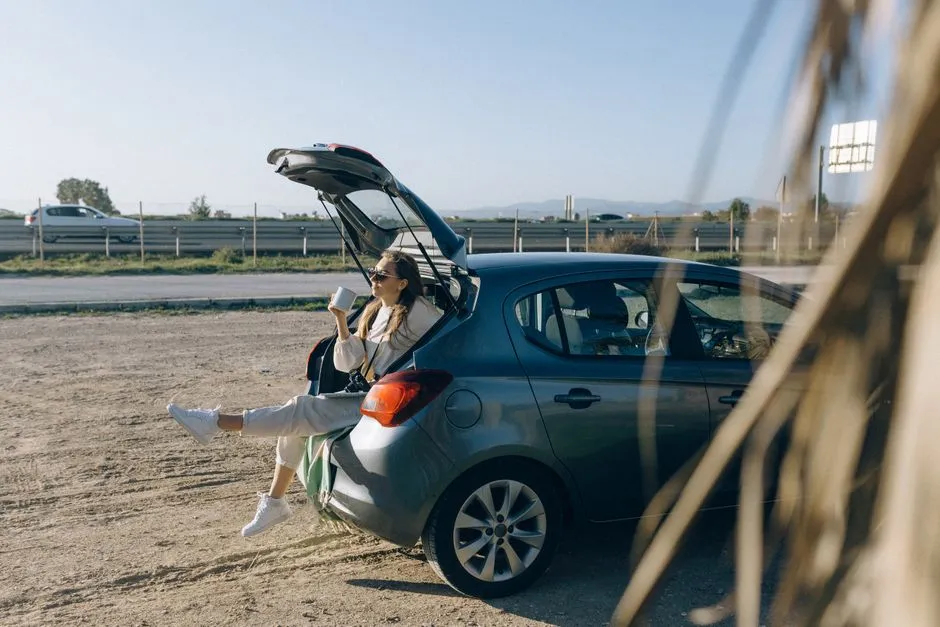
People who travel slowly tend to come home differently. Not depleted from the logistics of it all, but genuinely rested. The slow morning was never just about a later wake-up time. It was always about choosing presence over performance.
Years of persistent high inflation and general uncertainty have forced consumers to think more carefully about how they spend, and travel remains a consistent priority, even for those with reduced purchasing power. When a trip costs real money, getting something meaningful out of it matters more, not less.
The jam-packed itinerary promised that you’d “see more.” Slow travel quietly suggests that seeing less, but actually experiencing it, might be the better deal all along.
AI Disclaimer: This article was created with the assistance of AI tools and reviewed by a human editor.