


There’s a certain kind of magic that happens when a few thousand people descend on a town of a few thousand people. The streets fill up, the air shifts, and for a few days a place that barely registers on a map becomes the center of the musical world. It’s not an accident. It’s usually the result of decades of community investment, good land, and a stubborn belief that you don’t need a skyline to host something world-class.
Expedia’s 2024 Unpack report found that nearly seventy percent of travelers are likely to go outside of their hometown for live music, and roughly four in ten would use that concert as a reason to visit a new place. That appetite has quietly elevated small towns across the United States and beyond into genuine music destinations, places where the intimacy of a compact setting makes the entire experience feel more alive than anything a stadium can offer.
Manchester, Tennessee: The Unlikely Capital of “Roo”
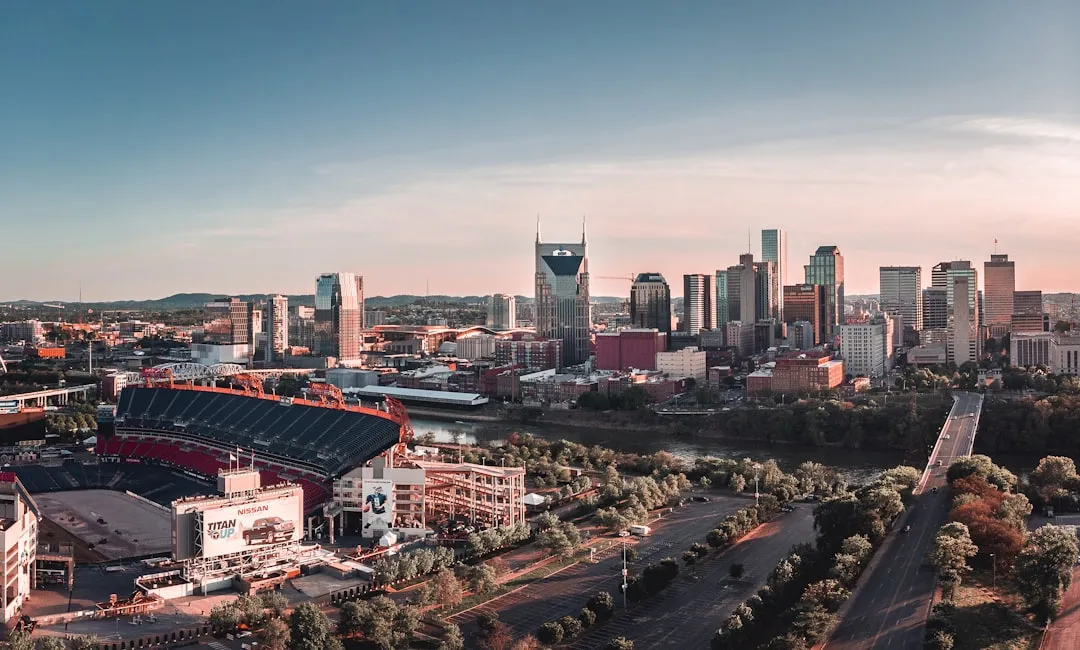
Since 2002, the otherwise quiet town of Manchester, Tennessee, has played host to Bonnaroo, a music and arts festival that allows attendees to camp on-site, with organizers fostering what they call “a Bonnaroo state of mind.” The philosophy is rooted in communal experience, and it shows in the way the festival is designed.
Bonnaroo takes place at what is now Great Stage Park, a 700-acre farm in Manchester, Tennessee, since it was founded in 2002. The site holds more than 150 acts over four days and boasts a vintage market, art fair, a 5K running race, and one of the largest brewery festivals in the country.
Bonnaroo proves Tennessee isn’t just about country music, with the 2025 edition featuring Tyler, The Creator, Olivia Rodrigo, Vampire Weekend, Queens of the Stone Age, and Justice. The campground village, called Outeroo, has yoga classes, disco dance floors, an intimate music tent, and its own saloon across nine plazas. Manchester’s population sits well under ten thousand. Bonnaroo draws roughly 70,000 people annually.
Newport, Rhode Island: Where Folk History Is Still Being Made
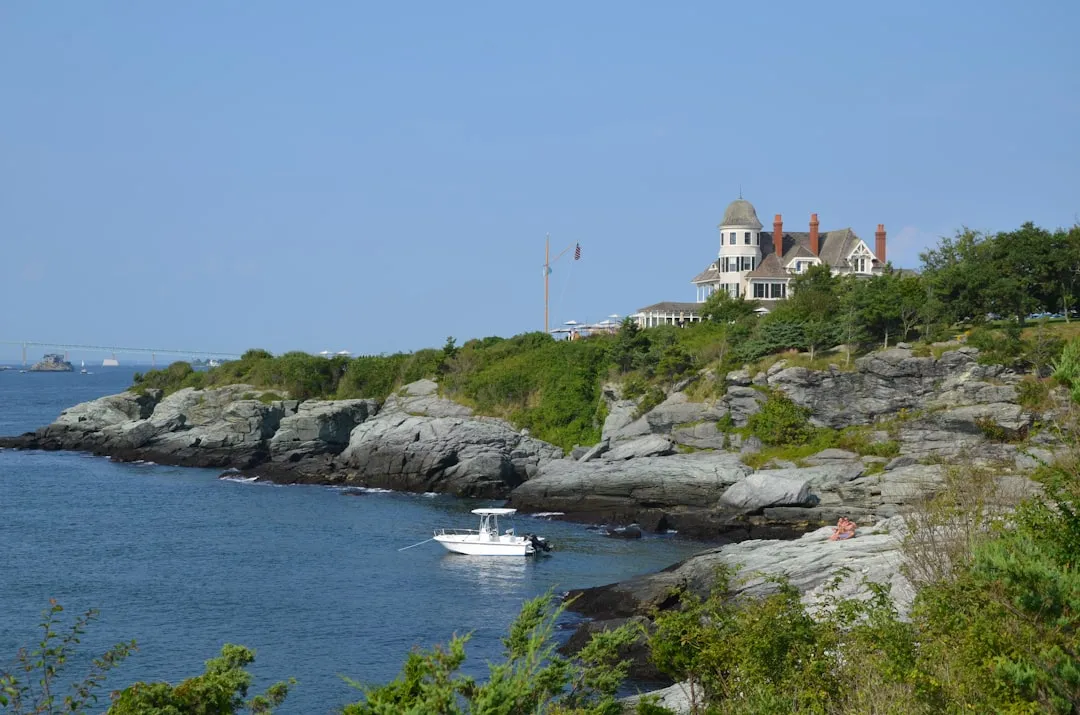
The Newport Folk Festival is a folk-music festival held annually in Newport, Rhode Island, that focuses primarily on American traditions. It has been running since 1959, making it one of the longest-standing festivals of its kind anywhere in the world.
Held at Fort Adams State Park, Newport’s setting is intimate and right on the water, and when you put a wide range of artists in that space with an audience that genuinely loves music, something happens that can’t be manufactured. The festival has built a reputation for surprise guest appearances that feel genuinely spontaneous.
Fort Adams is intimate by festival standards, and that demand is fierce: tickets sold out in less than one second when they went on sale. The three-day event, staged at Fort Adams State Park in Rhode Island, has featured artists like Waxahatchee, Jeff Tweedy, and Michael Kiwanuka, offering what amounts to a musical masterclass. Newport is a coastal town, not a metropolis, and that’s precisely the point.
Telluride, Colorado: A Mining Town That Found Its Calling
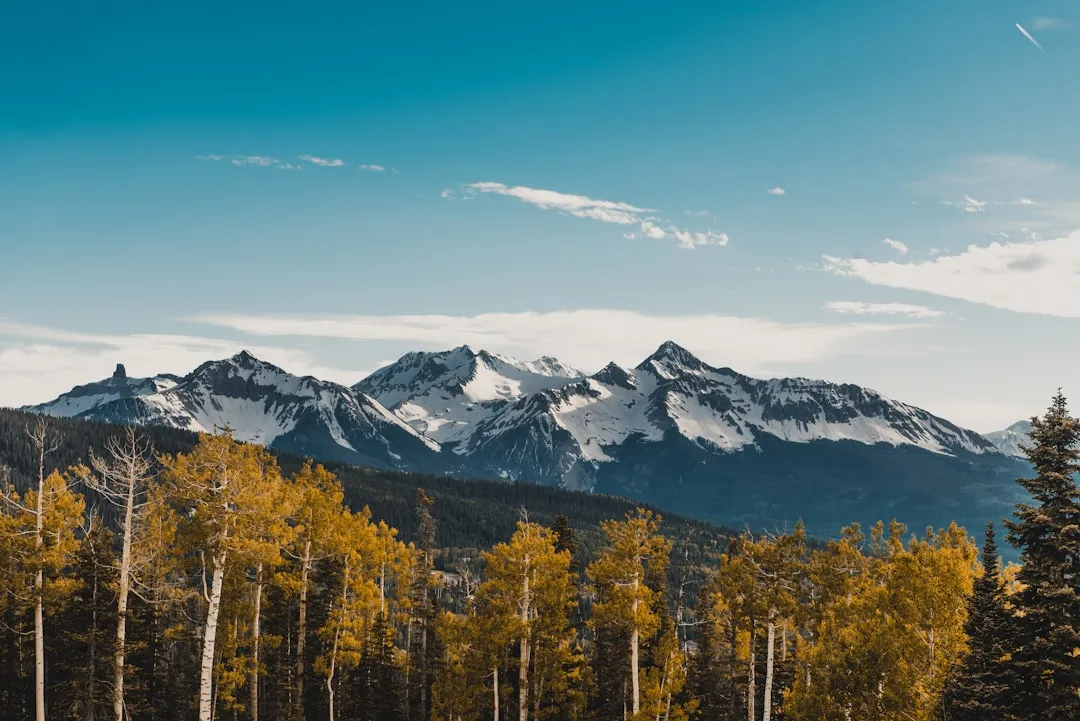
Celebrated for its rugged ski terrain, majestic mountains, rivers, and waterfalls, the tiny historic mining town-turned-tourist-hot-spot is one of Colorado’s most renowned mountain towns. What makes Telluride remarkable is that it doesn’t host one major festival. It hosts several, across multiple genres, year after year.
Set amidst the rugged San Juan Mountains of Southwestern Colorado, the Telluride Bluegrass Festival is an iconic celebration of diverse music genres and breathtaking natural splendor, visited by tens of thousands of people annually. The Telluride Bluegrass Festival turned 51 in 2024, a milestone that speaks to the town’s deep, long-standing relationship with live music.
The Telluride Blues and Brews Festival, running since 1994, is a three-day celebration of music and microbrews held in Telluride Town Park, an outdoor music venue with 13,000-foot mountains as a backdrop. Very few cities can match that setting, let alone a small mountain community of under three thousand residents.
Rothbury, Michigan: Where the Forest Becomes the Stage
Electric Forest is a multi-genre music festival with a focus on electronic music and jam band genres, held in Rothbury, Michigan, at the Double JJ Resort. The festival transforms the surrounding woodland into a fully lit, immersive environment that blurs the line between concert and art installation.
An estimated 40,000 to 50,000 people attended the most recent festival in 2025, and the 2026 festival will be the fourteenth Electric Forest, running from Thursday, June 25th to Sunday, June 28th. Rothbury itself is a tiny community in western Michigan, population counted in the hundreds.
The contrast between the town’s quiet everyday life and the scale of what Electric Forest brings in is striking. The festival has become the kind of event people plan their summers around, returning year after year as much for the community as for the lineup.
St. Charles, Iowa: The Midwest’s Best-Kept Festival Secret
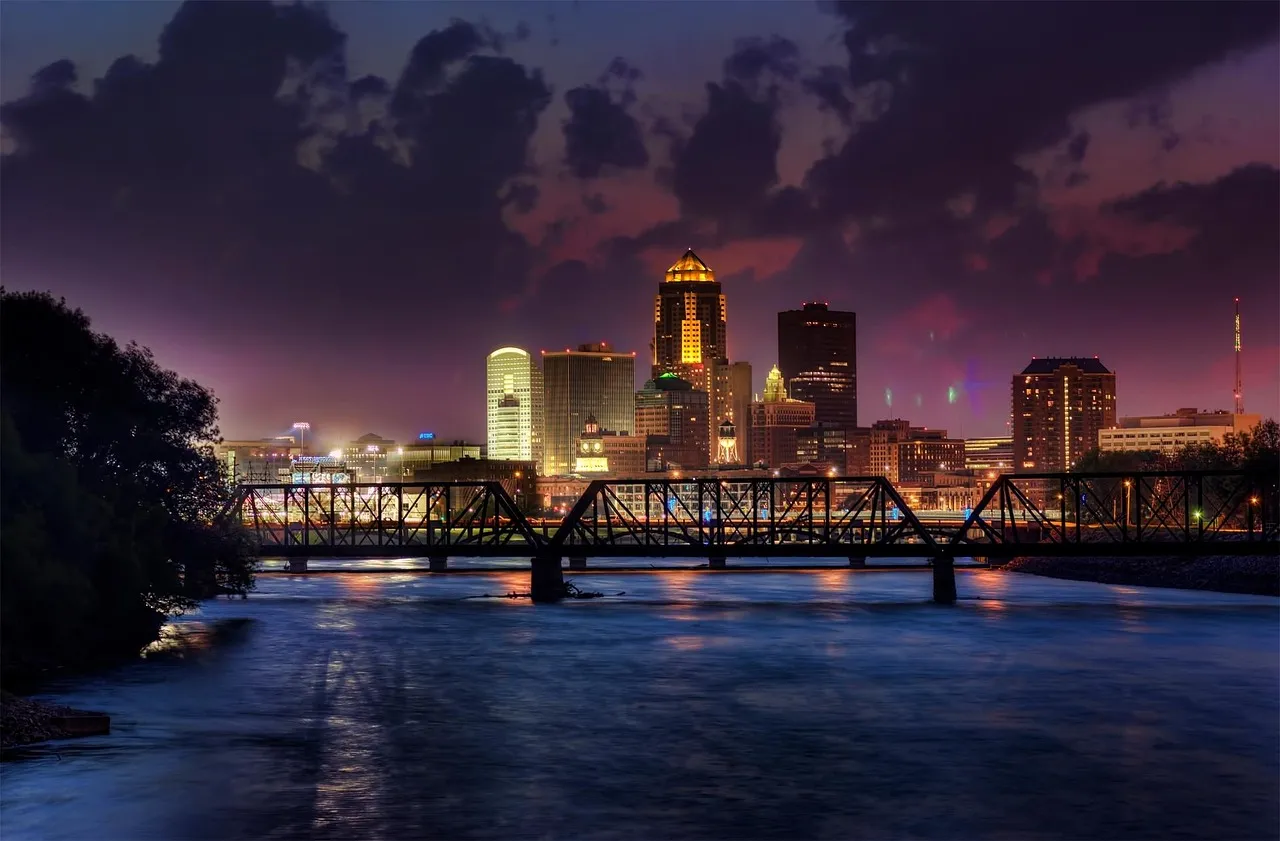
Held at the Avenue of the Saints Amphitheater in St. Charles, Iowa, Hinterland first debuted in 2015 and has fast become one of the coolest festivals around, with recent lineups featuring Clairo, The Marias, and Royel Otis alongside headliners Kacey Musgraves, Lana Del Rey, and Tyler, the Creator.
Just as renowned for its sunshine as its Pitchfork-friendly acts, Hinterland has also promised a guaranteed refund should forecasted temperatures soar beyond 90 degrees. That kind of commitment to attendee experience has earned it a loyal following that punches well above its small-town weight class.
St. Charles is a rural Iowa community that, for a few days each summer, hosts artists that would headline arenas in any major American city. The amphitheater’s natural bowl setting gives the whole event a sense of scale and openness that feels genuinely cinematic.
Pilton, England: The Village That Hosts the World
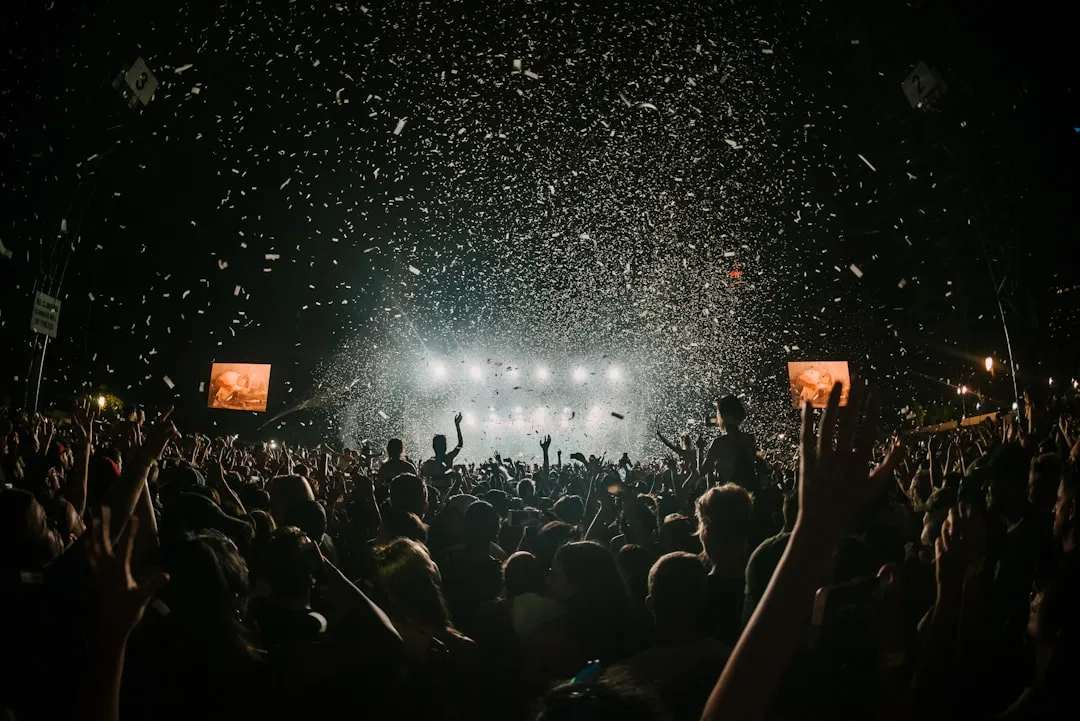
Glastonbury had an inauspicious start, with its inaugural performance the day after Jimi Hendrix’s death, and for the princely sum of £1, attendees received both admission to the festival and free milk from festival organizer Michael Eavis’s farm. Pilton, Somerset, is the tiny village where Glastonbury Festival actually takes place, often mistakenly named after the nearby town.
The grand old man of the British festival circuit is pushing the half-century mark, but it’s not showing any sign of slowing down. The Worthy Farm site expands to hold well over 200,000 people, making it one of the largest greenfield music events in the world, all centered on a village that in any other week would be entirely unremarkable.
In 2026, one of the planet’s biggest and best music festivals is not happening, as after an electric 2025, Glastonbury is on a fallow year to allow the land time to recover. Even its absence makes global headlines. That’s the measure of what a small English village has built.
Lyons, Colorado: A Mountain Town That Runs on Folk
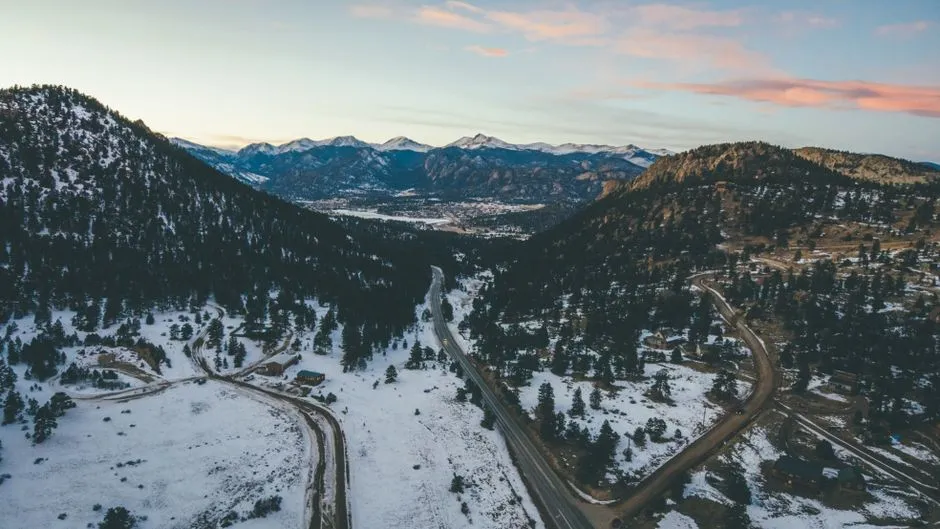
Lyons, Colorado, sits in the foothills of the Rockies with a population of just over two thousand people. Each August, it hosts RockyGrass and the Rocky Mountain Folks Festival, both produced by Planet Bluegrass, the same organization behind Telluride’s storied bluegrass tradition. The town has effectively built its cultural identity around acoustic music and the communal values that come with it.
Planet Bluegrass has called Lyons home since the 1990s, and the relationship between the company and the town has shaped both. Planet Bluegrass is the Lyons-based company behind the long-running and beloved Telluride Bluegrass Festival, but Lyons itself remains the heart of the operation. The surrounding amphitheater, set along the banks of the St. Vrain River, creates a natural acoustic environment that most purpose-built venues struggle to replicate.
RockyGrass in particular draws serious musicians and devoted listeners rather than casual festival-goers, giving it a depth of engagement that feels closer to a gathering than a commercial event. It’s the kind of festival where the audience knows the material as well as the performers do.
Kerrville, Texas: Eighteen Days of Folk, Every May
Kerrville, Texas, is a Hill Country town of around 25,000 people that is home to the Kerrville Folk Festival, one of the longest-running folk music festivals in North America. The Kerrville Folk Festival is listed among the notable music festivals in the United States. What sets it apart is its duration: the festival runs for eighteen consecutive days each May and June at the Quiet Valley Ranch, just outside town.
It has operated since 1972 and has an unusual reputation as a launching pad for songwriters rather than established stars. The New Folk competition, held each year, has produced alumni who went on to significant careers in Americana and country music. Attendance is modest by major festival standards, but the depth of musical community it fosters is genuinely rare.
Kerrville is not trying to be Coachella. That’s entirely the point. It offers something more specific and more durable: a sustained conversation about American roots music, held in the Texas Hill Country, for people who take that conversation seriously.
Sweet Home, Oregon: Three Days Deep in Bluegrass Country
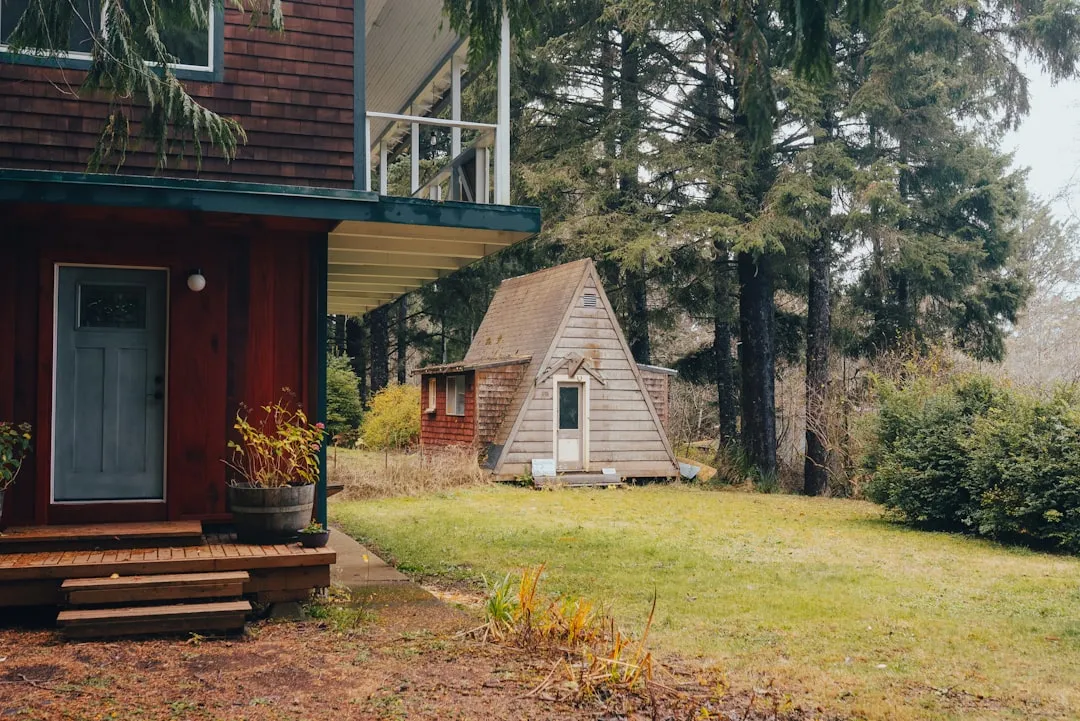
Sweet Home, Oregon, is a small timber-economy town in the Willamette Valley that hosts the Oregon Jamboree, a country and roots music festival that has been running since 1992. The Oregon Jamboree in Sweet Home, Oregon, is listed in the Pollstar festival calendar among notable summer events. The festival takes over the town each August, drawing visitors from across the Pacific Northwest.
What makes Sweet Home interesting is the context. It’s not a resort destination or a mountain retreat. It’s a working-class community that found a way to use music as a point of civic pride and economic energy. The festival has become integral to the local calendar in a way that feels organic rather than commercially manufactured.
Lineups have historically included country, Americana, and bluegrass artists ranging from emerging names to established headliners, and the crowd that comes out reflects that range. The loyalty of attendees who return year after year has kept the event’s character intact across three decades.
Clisson, France: Heavy Metal in Wine Country
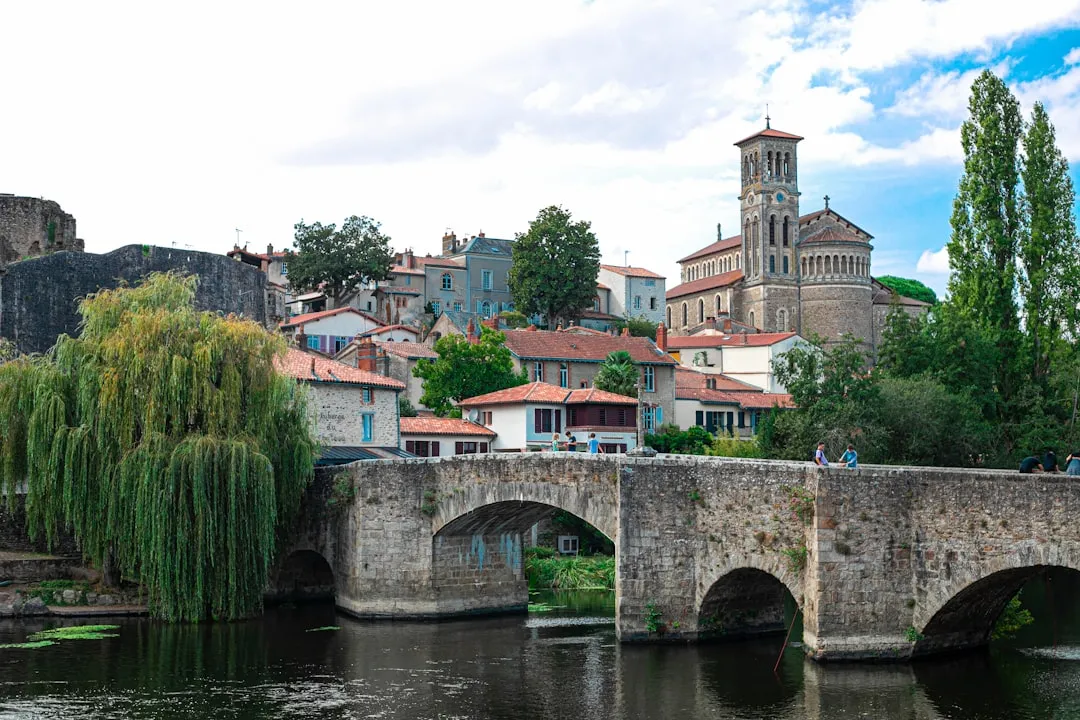
Clisson is a medieval town of about seven thousand people in the Loire-Atlantique region of western France, and for one week each June it hosts Hellfest, one of the largest heavy metal and rock festivals in Europe. Hellfest in Clisson, France, is listed on the Pollstar festival calendar as a major international summer event. The visual contrast between the town’s stone architecture and the festival’s enormous stages and pyrotechnics is something photographs consistently fail to capture.
Hellfest regularly draws over 60,000 people per day across multiple days, bringing more visitors to Clisson in a single week than the town would otherwise see across an entire season. The economic relationship between the festival and the local community has evolved into genuine partnership, with local businesses, restaurateurs, and artisans all building their summer calendar around the event.
The fact that this happens in a small French town surrounded by vineyards, rather than in Paris or Lyon, has become part of Hellfest’s distinct identity. The unexpected setting adds something to the experience that no amount of staging in an urban arena could replicate.
The Takeaway
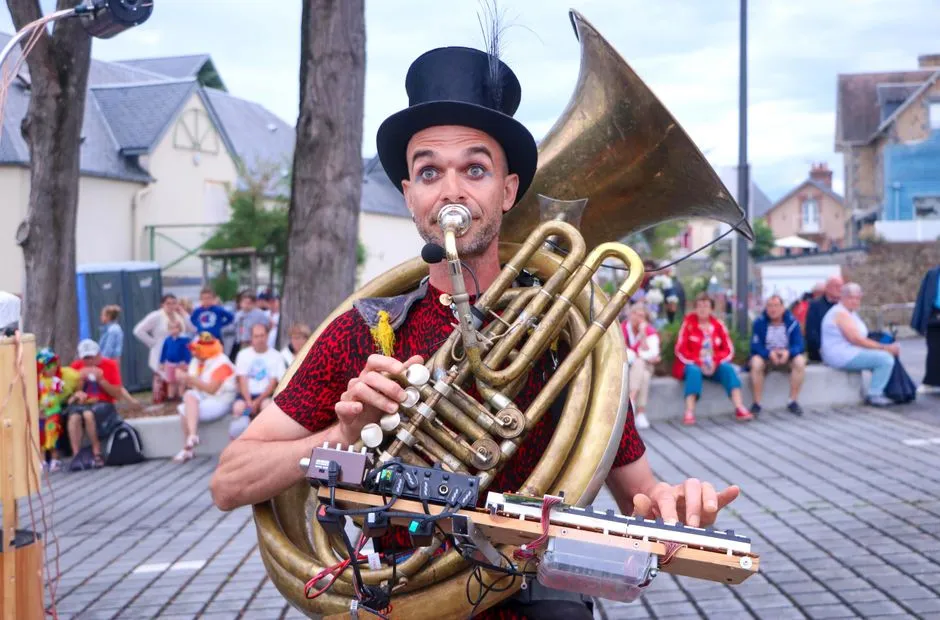
The common thread running through all of these places is not size. It’s intention. Each of these small towns built or welcomed a festival that matched something genuine about the place, whether that’s the agricultural openness of Manchester, the maritime intimacy of Newport, or the mountain grandeur of Telluride. Local music festivals are more than just events. They’re cultural phenomena that, by showcasing regional talent and encouraging grassroots support, foster a sense of community and highlight local heritage.
A few of these festivals go back decades, built long before social media turned every field into a photo op. Others didn’t exist five years ago but managed to find their footing fast, sometimes selling out before the lineup even drops. Both kinds have something to teach about how music takes root in a community.
Major cities have infrastructure. Small towns have something harder to manufacture: a reason to show up that goes beyond the headliner. That might be why the experiences people describe from these places tend to stay with them far longer than any arena show ever does.
AI Disclaimer: This article was created with the assistance of AI tools and reviewed by a human editor.