
Why a Few Words Change Everything

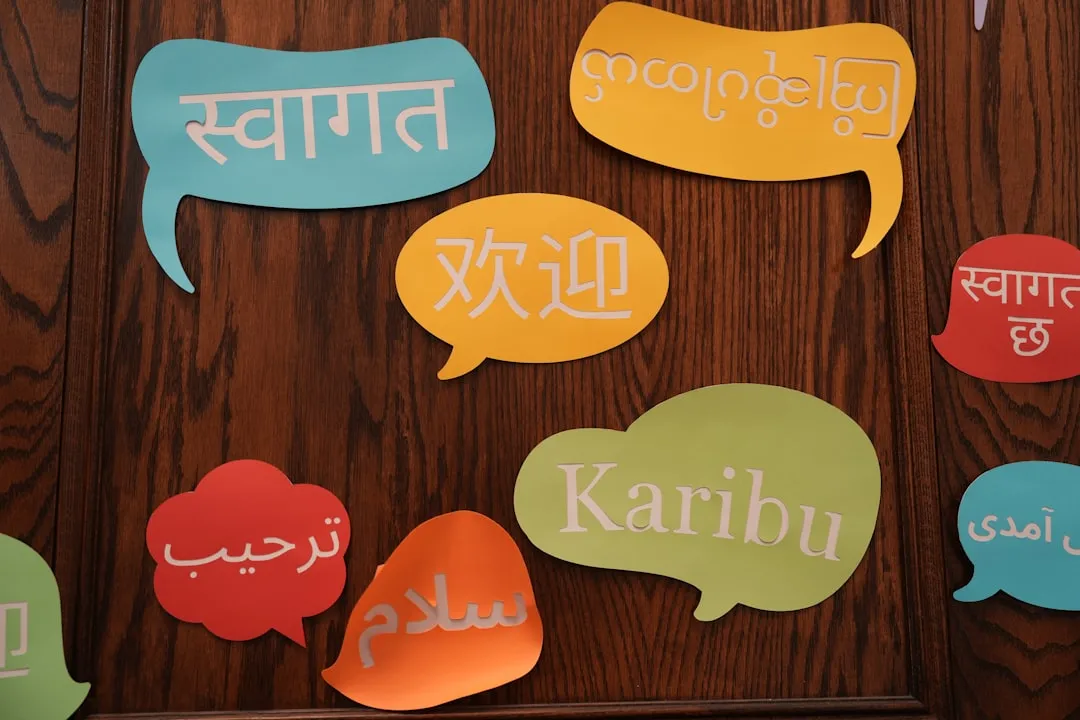
Learning a few basic greetings and expressions in the local language goes a long way in showing respect and building rapport. Simple phrases like “hello,” “thank you,” and “please” are genuinely appreciated, and locals recognize the effort even when pronunciation is far from perfect. That recognition matters more than the words themselves.
You don’t need to be fluent or have perfect pronunciation. Learning a few key phrases in your destination’s language makes a great first impression and makes your travels go much smoother. The bar, in other words, is refreshingly low.
The Respect Signal That Locals Actually Notice
Cultural etiquette isn’t just about manners. It’s about showing respect, building connections, and enjoying smoother travels. When you try even one phrase in the right language, you send a signal that you see the place as more than a backdrop.
Respecting local customs is a way of saying, “I want to understand your world.” That effort alone can help reduce culture shock and create genuine connections, making your transition much more enjoyable. Locals pick up on intention quickly, and intention counts for a lot.
The Gap Between Knowing and Doing
A 2025 study on sailing tourists in the Mediterranean found that the vast majority of respondents stated that cultural respect is very important to them. Yet only about half reported feeling confident about understanding local customs, while nearly two thirds acknowledged uncertainty in real-life situations. This reveals a notable discrepancy between intention and practical readiness.
Preparing even three or four phrases before departure closes that gap meaningfully. It turns good intentions into something a local can actually see and feel in a conversation.
Greetings Are Not Universal, and That’s the Point

In many parts of Asia, bowing is a traditional form of respect. In Japan, the ojigi is used to express hello, goodbye, and thank you. A slight head nod works in casual encounters, while a deeper bow is reserved for formal or business contexts, such as entering a shop or visiting a temple.
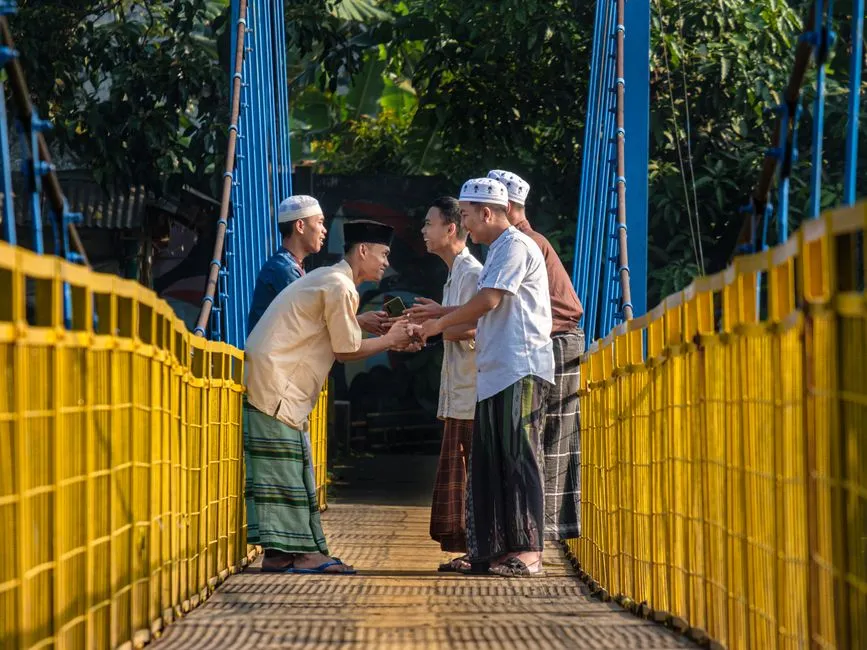
In parts of Africa, like Botswana, greetings may involve a three-part handshake that reflects community and warmth. Globally, handshakes remain common in business contexts, but the wisest move is always to take your cue from locals. Watching before acting is itself a form of respect.
The Science Behind Saying “Thank You”

Research published in a peer-reviewed tourism journal explored how tourist gratitude expression promotes pro-social behavior among residents, suggesting that simple verbal acknowledgment between travelers and locals can shift the dynamic of an entire interaction. Gratitude is not just polite. It is functional.
Humbleness, politeness, and modesty are appreciated and valued no matter where your travels take you. These are not cultural specifics. They are near-universal currencies that cross language barriers with very little friction.
What Travelers Actually Want From the Experience

According to the 2025 Booking.com Travel and Sustainability Report, roughly three quarters of travelers want their spending to go back into the local community. A similar share actively seek out cultural experiences while traveling, aiming to bring home more than photographs.
Learning a few words of the local language is one of the most direct expressions of that same impulse. It costs nothing, requires maybe twenty minutes of preparation, and signals immediately that you came to engage, not just consume.
What Locals Want From Visitors
For the first time, according to the 2025 Booking.com survey, more than half of travelers are now conscious of tourism’s impact on local communities as well as the environment. That awareness is growing on both sides of the exchange.
Genuine efforts to be considerate rarely go unnoticed. Just over half of residents surveyed said tourists are often or always respectful of local culture. These findings suggest that travelers’ and locals’ interests are closely aligned, and that the inconsiderate tourist is more of an exception than the rule.
Dining Tables and the Quiet Power of Knowing the Customs

In France, keeping hands above the table while eating is a mark of good manners. In Italy, ordering a cappuccino after a meal is considered a social faux pas. In China, leaving a little food on your plate signals that you are full. In Japan, slurping noodles is actually a sign of appreciation. These are the kinds of details a phrasebook alone won’t always cover.
Small gestures at the table, like waiting for a toast or refilling a neighbor’s glass, show respect and are usually noticed and appreciated. Dining together is still one of the most intimate ways cultures invite outsiders in, and meeting that invitation with even a little preparation matters.
Sacred Spaces and the Simplest Form of Courtesy

Always research specific cultural etiquette and dress codes before visiting sacred sites. Both men and women need to cover their knees and shoulders when entering Bali’s temples, temples in Thailand, Angkor Wat in Cambodia, and most churches around the world. When visiting mosques, women have to cover their hair and wear loose-fitting clothes.
When visiting sacred or religious sites, it is essential to show the utmost respect. Familiarize yourself with the customs and protocols associated with these places. Dress appropriately, remove your shoes if required, and follow any guidelines provided. Refrain from disruptive behavior, loud conversations, or taking photographs where it is prohibited.
Apps, Phrasebooks, and the Twenty-Minute Rule

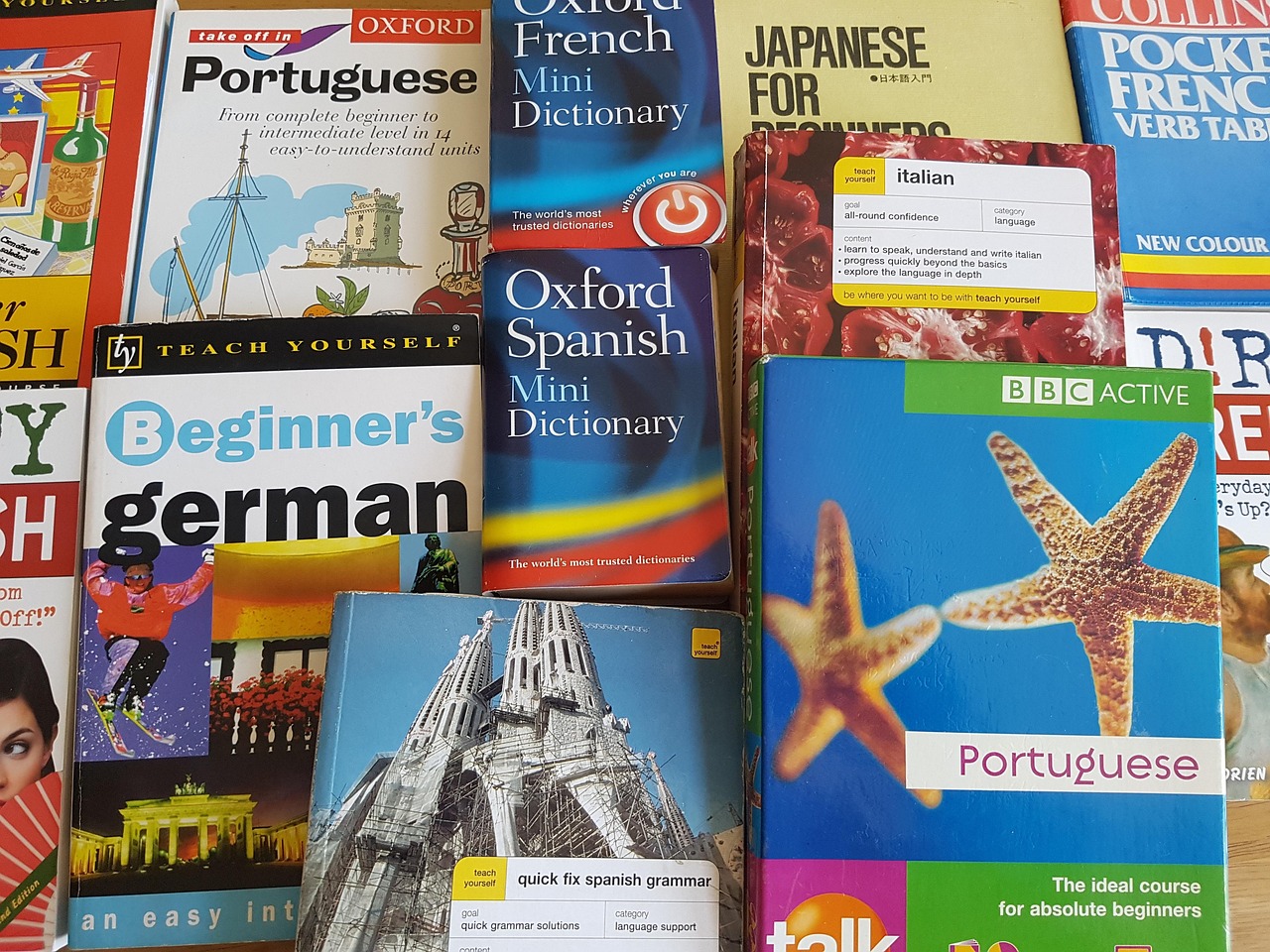
Language learning apps and phrasebooks are useful tools to help you pick up essential phrases and communicate effectively during your travels. Apps like Duolingo or Google Translate can teach a working greeting in under an hour, and even that small investment changes how a first conversation unfolds.
Speaking even a bit of the local language helps travelers enjoy their trip more through meaningful interactions with locals, from chatting with market vendors to understanding cultural references tourists might otherwise miss. The language doesn’t have to be perfect. The effort simply has to be visible.
The Takeaway

The gesture that earns the most goodwill abroad is also the most overlooked one. It isn’t a gift, a tour booking, or a perfectly researched itinerary. Learning a few words or phrases in the local language can make a big difference. It shows respect for the culture and can enhance your travel experience. Locals usually appreciate the effort, even when pronunciation isn’t perfect.
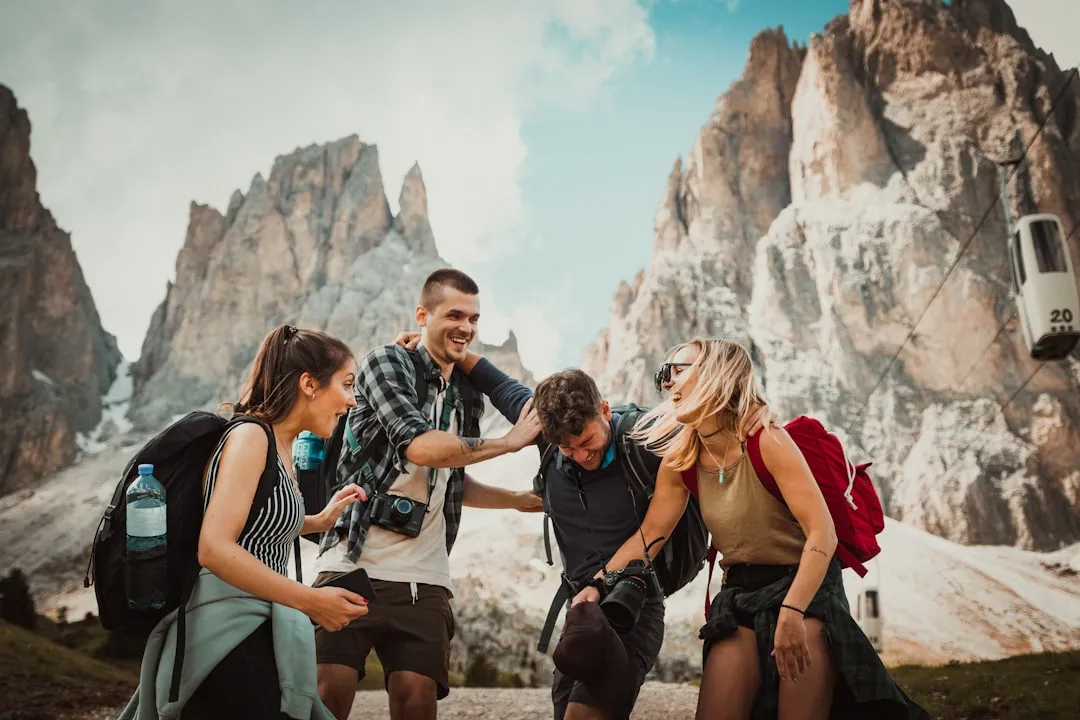
Travel at its best is a two-way exchange. Showing respect for a culture’s norms makes locals feel more welcoming toward you, which means you can feel more at home in the communities you’re visiting. That warmth, that sense of genuine welcome, is usually just a few carefully learned words away.
AI Disclaimer: This article was created with the assistance of AI tools and reviewed by a human editor.