
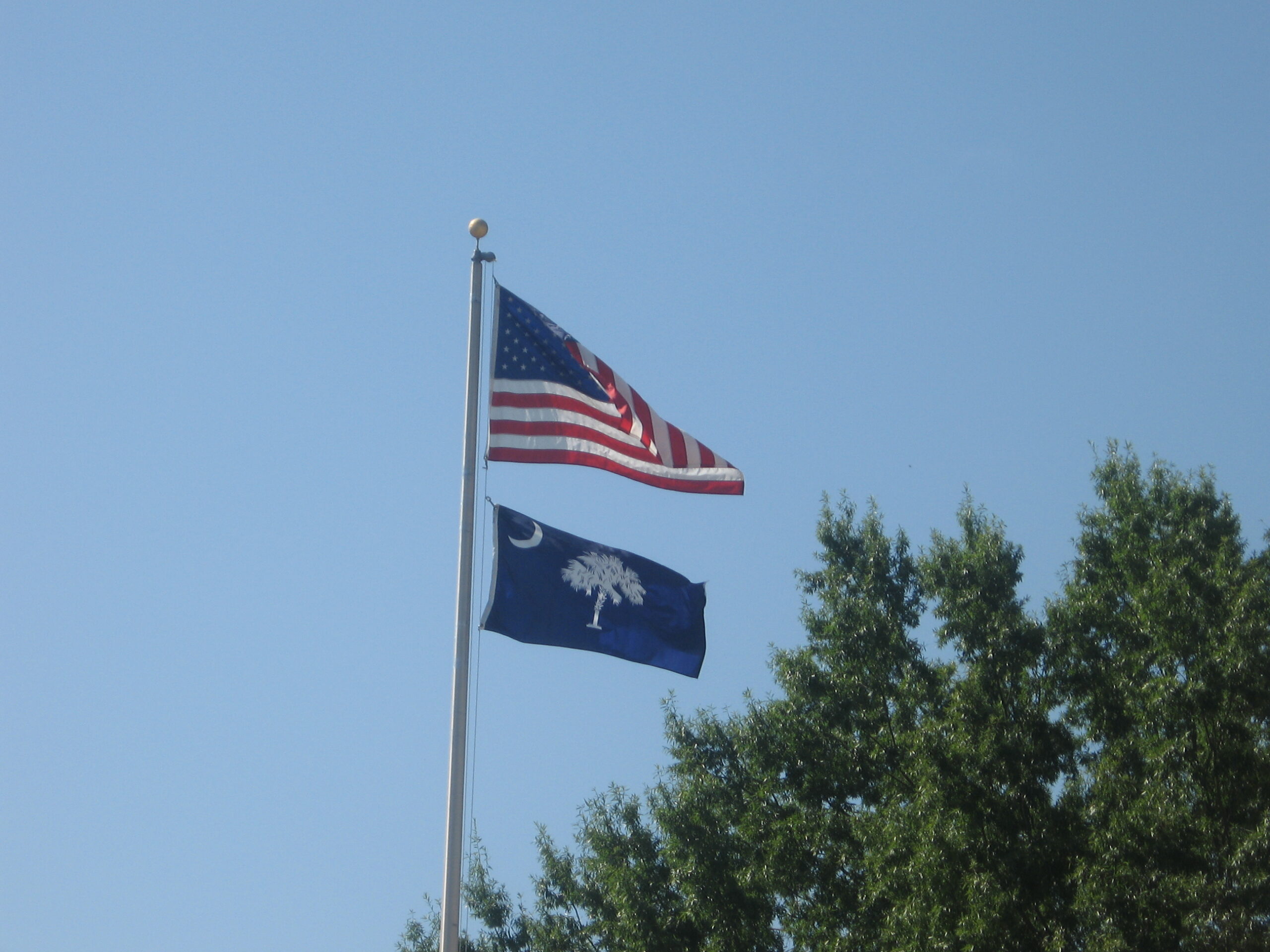

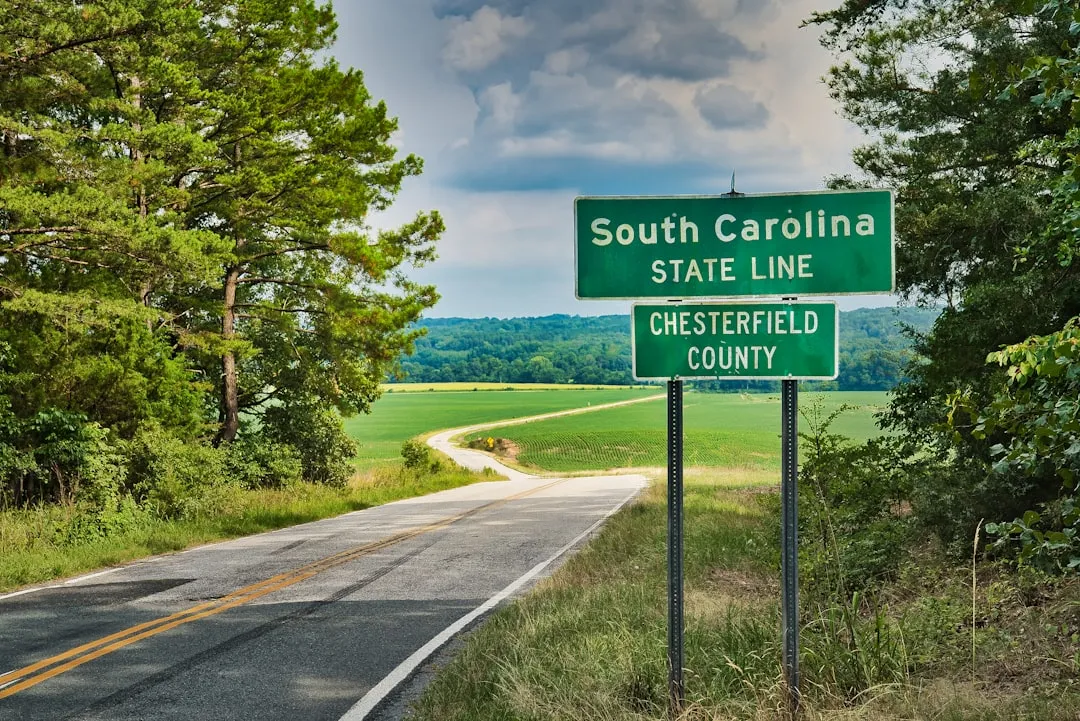
Drive along South Carolina Highway 248 in Greenwood County and you will pass fields, pine stands, and a scattering of modest homes before a small brown park sign appears almost without warning. There is no gift shop empire here, no crowds spilling out of tour buses. What waits just past that sign is a stretch of earth that has held its shape for nearly two hundred and fifty years, a rare thing in a country that tends to pave over its past.
A Crossroads Town With a Revolutionary Past
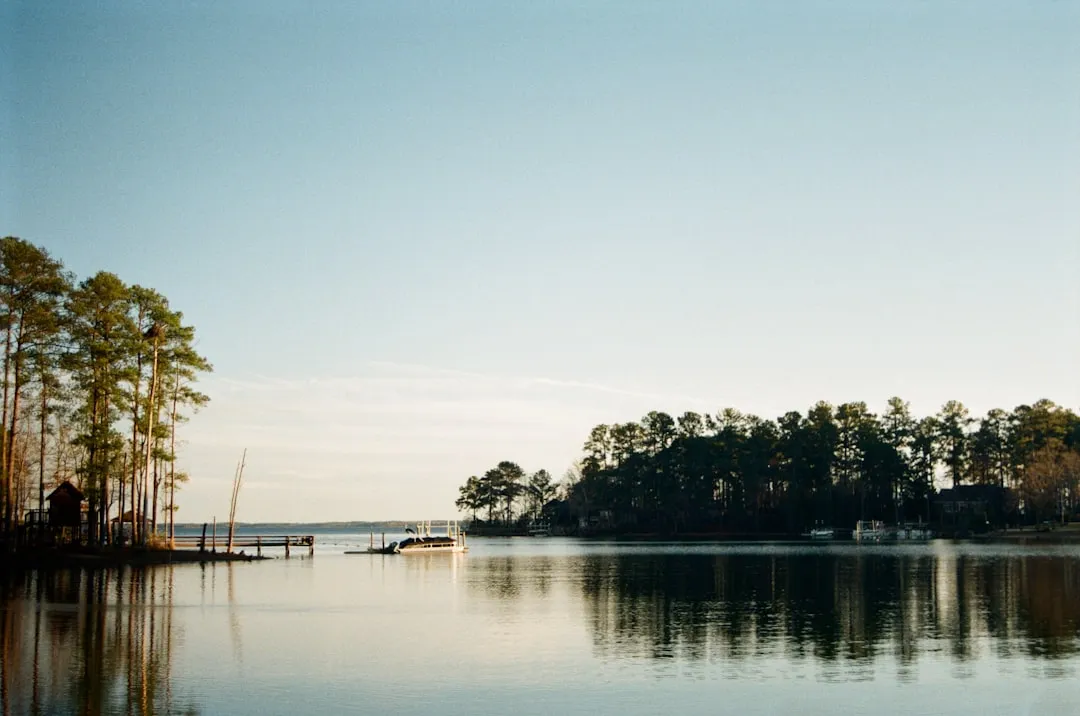
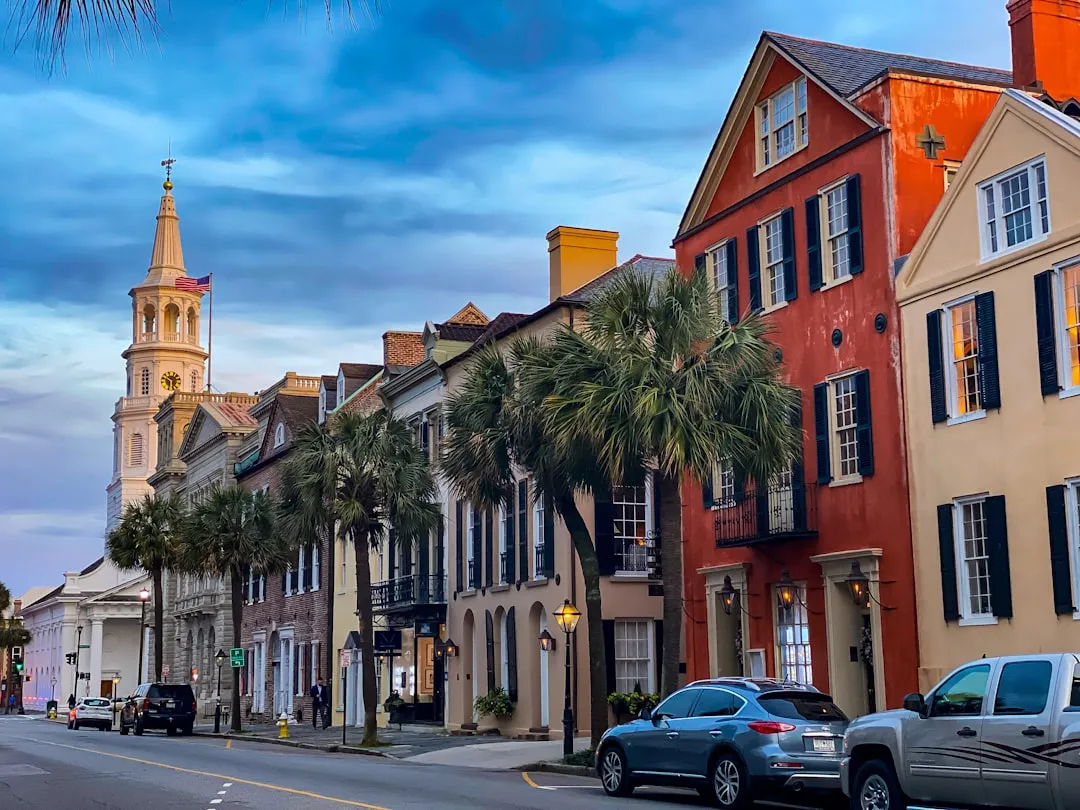
The town of Ninety Six sits in the Upstate region of South Carolina, a place whose odd name has puzzled historians for generations. The town got its peculiar name from 18th-century traders who believed the site was ninety-six miles from the Cherokee village of Keowee.
By the time the American Revolution reached the backcountry, Ninety Six had become a prosperous village of about 100 settlers. It was already an important trading post, sitting at the intersection of roads that connected coastal Charleston to the Cherokee towns of the foothills, which made it a place worth fighting over long before the war ever arrived.
The First Shots Fired South of New England
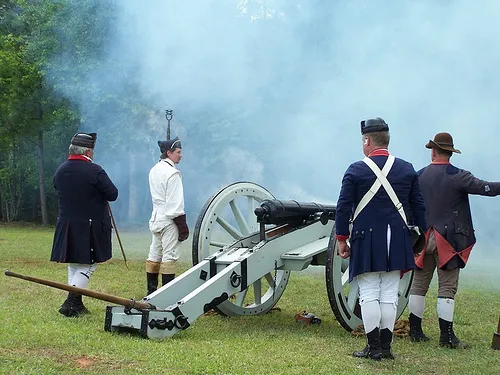
Most people picture Lexington and Concord when they think of the Revolution’s opening skirmishes, yet South Carolina had its own early clash, and it happened here. The first land battle of the war fought in South Carolina took place at Ninety Six on November 19 to 21, 1775, when Major Andrew Williamson of the local militia tried to recapture ammunition and gunpowder taken by Loyalists.
This first battle, known as the Siege of Savage’s Old Field, lasted for three days. The Patriots lost only one man in the fighting, James Birmingham, who became the first Patriot casualty in the Carolinas during the Revolution. A modest memorial to Birmingham still stands on the grounds today, a quiet marker for a man whose name rarely makes it into textbooks.
A Divided Backcountry
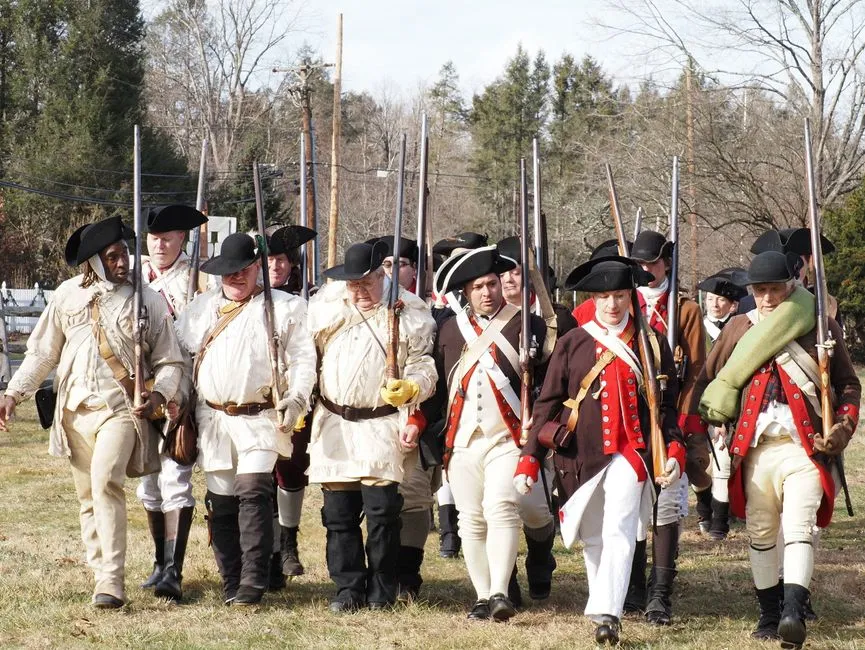
South Carolina’s frontier was not simply Patriot territory waiting to rise up against the crown. The village became a Loyalist stronghold early in the war, though the backcountry of the Carolinas was populated both by those loyal to crown and by partisans, many of Scots-Irish descent, though there were loyalist Scots and migrants of other origins as well.
That split loyalty shaped everything that followed at Ninety Six, turning the town into a genuine flashpoint rather than a settled outpost on one side or the other. Neighbors sometimes ended up on opposite sides of the same conflict, which gives the site a more complicated story than a simple redcoats versus rebels narrative.
Building the Star Fort
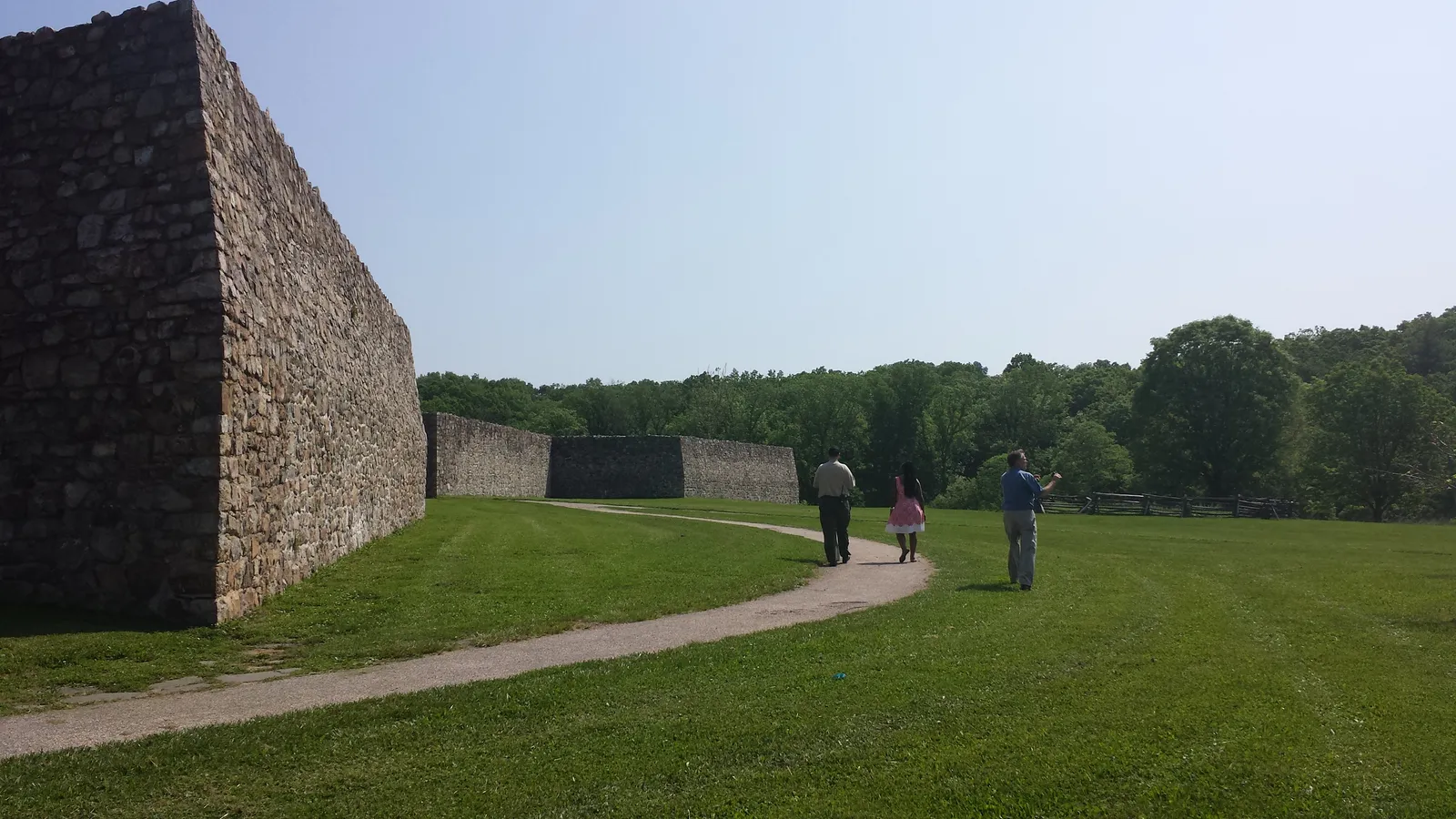
Once the British recognized how strategically valuable Ninety Six was, they moved to fortify it properly. Ninety Six was fortified by the British in 1780, as they considered this a strategic location. The resulting earthen walls rose roughly fourteen feet high, formed in the shape of an eight-point star, a configuration that allowed defenders to direct cannon and musket fire in every direction. It was an ambitious piece of military engineering for a remote backcountry post, and its shape gave the fort, and eventually the whole historic site, its lasting nickname.
Nathanael Greene’s Long Siege
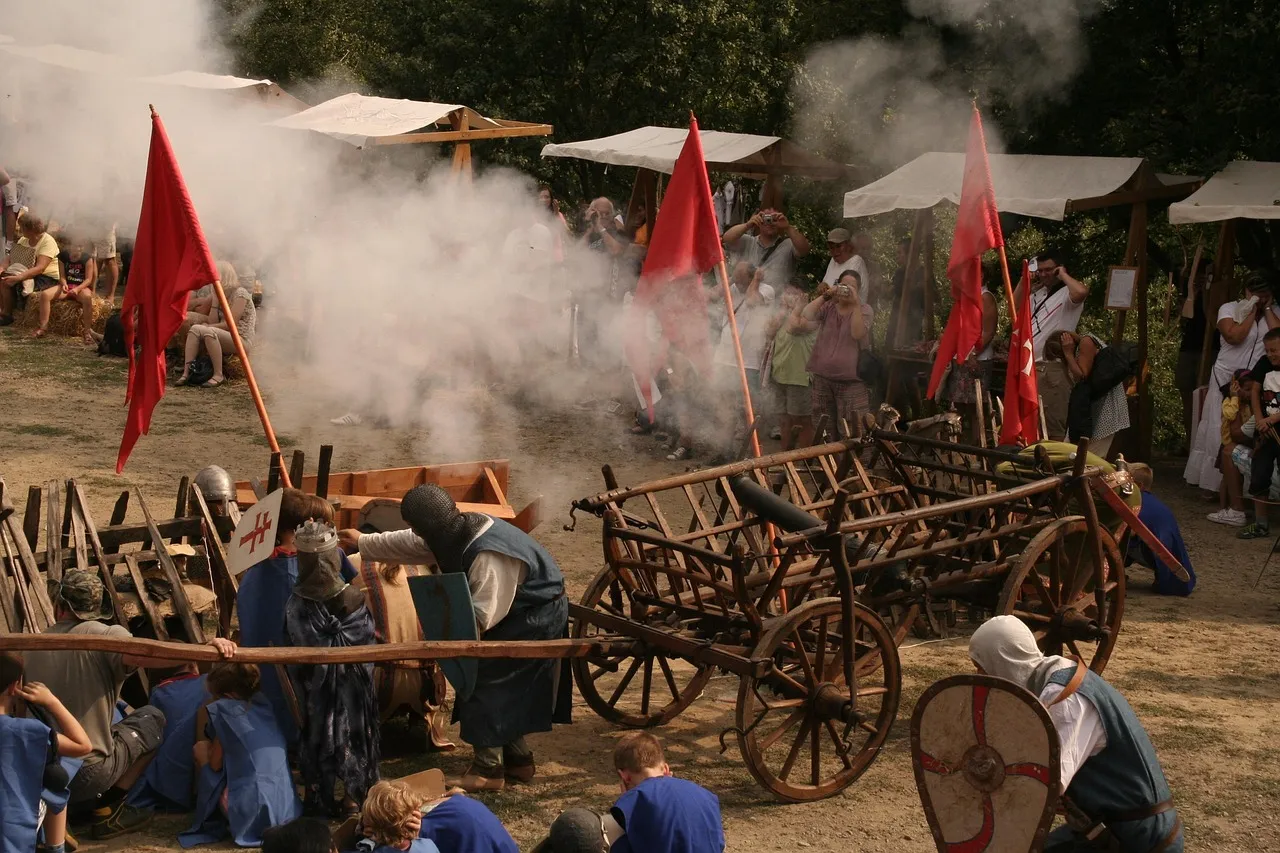
The event that put Ninety Six permanently on the map came in the late spring of 1781, when the Continental Army’s Southern commander turned his attention to the town. From May 22 to June 18, 1781, Major General Nathanael Greene led 1,000 troops in a siege against the roughly 550 Loyalist defenders, with the 28-day siege centered on the earthen star fort.
Greene had more troops and more artillery, yet the thick earthen walls absorbed cannon fire without giving way. Despite having more troops, Greene’s patriots did not succeed in taking the town. It remains one of the longest sustained field sieges of the entire war, a grinding month of trenches, gunfire, and stubborn defense on both sides.
Kosciuszko’s Tunnel and a Desperate Push
Greene’s engineers, working under the direction of Polish military engineer Thaddeus Kosciuszko, tried an unusual tactic to break the standoff. Through May, the Patriots attempted to dig a tunnel that would allow them to blow open a hole in the earthen walls of the Star Fort, and they also erected a thirty-foot tower from which they could fire directly into the fort.
That tunnel is believed to be the only military tunnel constructed during the entire Revolutionary War, and portions of it survived in the ground for more than two centuries. It is a small detail, easy to miss on a casual walk through the site, but it speaks to how creative and desperate the effort to crack the fort had become by June.
Retreat, Fire, and an Unclaimed Victory
When word reached Greene that British reinforcements were closing in from Charleston, he had to gamble on one final assault before time ran out. Learning of the imminent arrival of over 2,000 British reinforcements, Greene launched his attack on the Star Fort on June 18, 1781, and in the fighting the Patriot forces managed to take the wooden stockade fort, though the earthen star fort itself held. Greene withdrew rather than risk his army against fresh British troops, technically leaving the field to the Loyalists.
Yet the victory proved hollow in a practical sense, since the British ultimately abandoned the Star Fort immediately following the siege because the fort was too far inland from their supply lines. Before leaving, the British burned down all the structures of the town, which is why almost nothing of the original village remains standing today.
From Forgotten Fields to Protected Landmark

For nearly two centuries after the war, the site drifted into obscurity, farmed and largely forgotten by anyone outside the immediate area. That began to change in the twentieth century. The historic site was listed on the National Register in 1969, declared a National Historic Landmark in 1973, and established as a National Historic Site in 1976 to preserve the original site of Ninety Six.
Today the protected property encompasses 1,022 acres. That federal designation is what has kept bulldozers and development away from ground that, in most parts of the country, would likely have been lost to farming or subdivision expansion long ago.
Walking the Grounds Today
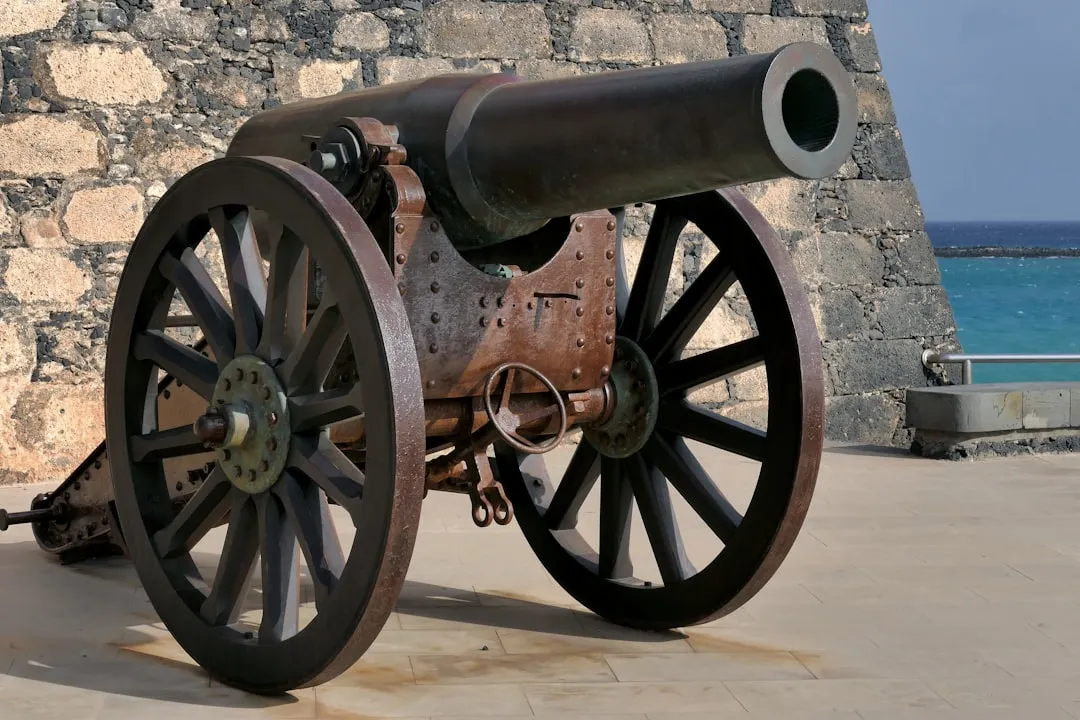
Visiting Ninety Six National Historic Site today feels less like a tourist stop and more like stepping quietly into someone else’s memory. The National Park Service maintains a visitor center with a small museum containing period artifacts and oil paintings, and a one-mile interpretive trail begins there and leads visitors to the remains of Star Fort as well as the original site of the town.
The visitor center also shows a 22-minute orientation film called Crossroads of a Revolution, widely regarded as one of the higher-quality orientation films produced for a national park site. Side trails wander off toward Star Fort Pond and older cemetery ground, and admission to the park has always been free. It is an easy stop for families, history enthusiasts, or anyone simply passing through the Upstate on the way somewhere else.
Why This Small Town Still Matters
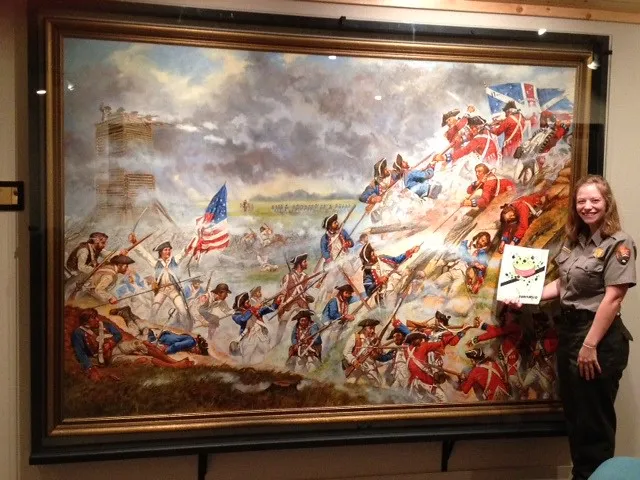
What makes Ninety Six worth the detour is not scale but rarity. The Star Fort here is widely described as the best preserved Revolutionary War earthen fortification in the entire nation, a claim echoed by multiple historians and park interpreters who point to how little the outline has eroded despite two and a half centuries of weather and time.
The National Park Service marked the 250th anniversary of the first battle of Ninety Six in November 2025, a milestone that drew fresh attention to the site as the country moves through its broader Semiquincentennial commemorations. For a town this size, tucked away from the interstate and unbothered by crowds, that kind of preservation is not an accident. It is the result of decades of quiet, deliberate stewardship, and it is why a single star-shaped scar in the South Carolina soil still has something real to teach anyone willing to walk its mile-long trail.
AI Disclaimer: This article was created with the assistance of AI tools and reviewed by a human editor.