



There’s a particular moment most travelers know but rarely discuss: the one where the novelty of a new place tips into something heavier. The streets are unfamiliar, the sounds don’t make sense yet, and the simple act of buying groceries feels like solving a puzzle in another dimension. It’s normal, it’s temporary, and it’s actually the starting point for something much richer.
Feeling at home somewhere unfamiliar isn’t a lucky accident reserved for seasoned globetrotters. It’s a practice, a set of deliberate choices that shift your relationship with a place from stranger to something closer to resident. The research and real traveler experiences behind these ideas are more telling than you might expect.
Understand Why “Home” Feels the Way It Does

Before you can recreate a sense of home elsewhere, it helps to understand what you’re actually chasing. Home is typically understood as a singular place that provides a sense of groundedness, belonging, and well-being. That groundedness isn’t mystical. It comes from familiarity, predictability, and the feeling that you have some agency over your surroundings.
Research from Queen Mary University of London identified four main types of home, each with its own psychological benefits, challenging the traditional idea of home as just one place. These include an emotional home that provides deep belonging and stability, and what researchers call “home on the road,” a flexible, temporary setup that offers a sense of groundedness while traveling.
Many globally mobile people rely on resources in the marketplace, like local services or familiar consumption habits, to help make different places feel like home. These “commercial friendships” and familiar routines play a crucial role in easing the mental strain of mobility. Knowing this is the first useful tool you have.
Give Yourself More Time Than You Think You Need
The timeline for feeling at home in a new place is longer than most people assume, and there’s no shame in that. Research has found that it takes international citizens such as working or studying expats an average of eight months to feel at home in a new host country. For almost a quarter of those surveyed, it can take over a year.
More than one fifth of respondents in one large international survey reported feelings of loneliness and isolation, roughly one in five experienced homesickness, while nearly one in six expressed a sense of not belonging. These aren’t signs of failure; they’re extremely common phases in the adjustment process.
The practical takeaway is straightforward: don’t judge a place too quickly. The city that seemed cold or confusing in week one often reveals an entirely different character by week four, once you’ve built a few small routines and recognized a few familiar faces.
Embrace Slow Travel as a Strategy, Not Just a Style
Slow tourism is a form of leisure travel that allows sufficient time for the traveler to have a meaningful, authentic experience. This type of tourism is related to sustainable practices such as reducing impact on the environment and society while experiencing local culture.
The Hilton 2025 Trends Report listed slow travel as a top trend, emphasizing a more mindful and immersive travel experience driven by a desire to reduce speed and build connections with others and one’s surroundings during a stay. Independent research from November 2024, drawing on data from over four thousand American travelers, found that “slowcations,” meaning leisurely and immersive travel focused on quality over quantity and deep connection with a destination, were the most popular emerging travel trend tested, with more than half of American travelers finding them appealing.
An unexpected benefit is that slow travel changes your relationship with home. By practicing routines abroad, such as shopping regularly, participating in civic life, and forming friendships, you begin to value stability within travel. That shift in perspective is one of the more quietly profound things extended travel can offer.
Build a Daily Routine as Quickly as Possible

Routine is underrated as a travel tool. Most people associate adventure with spontaneity, and while there’s real value in that, a small daily structure is what transforms “visiting” into something that actually feels like living. Slow travel isn’t about doing nothing; it’s about doing fewer things with more attention. Mornings spent learning a neighborhood market’s rhythms, afternoons at a café where the barista knows your name, and evenings sharing meals with neighbors you’ve met after a week of lingering, these experiences create genuine depth.
You start to notice subtleties: the way light falls on streets at a certain hour, seasonal food changes, local news topics, and the faces of people who recognize you. None of that happens if you’re moving on after two nights.
Pick one café, one market stall, one walking route. Return to them. Regularity signals to a place, and to the people in it, that you’re not just passing through.
Learn Even a Little of the Local Language
You don’t need fluency. Even a handful of phrases shifts your entire experience. When you travel somewhere and know the language, the entire experience transforms. Traveling becomes more dynamic and full of nuance and opportunities. Knowing the language lets you escape the “tourist bubble” and interact with people and places nobody else could.
Even learning just a few key travel phrases can make a big difference, helping travelers move through unfamiliar cities with confidence, connect with locals, and show cultural respect along the way. That last part matters more than people realize. Language is one of the clearest signals of genuine interest in a place.
Traveling is always rewarding, but speaking the local language makes it an entirely different experience. When you can communicate with locals, you’re no longer just a tourist, you’re a part of the community. That transition from outsider to participant is exactly what feeling at home requires.
Eat Where Locals Actually Eat
Food is one of the fastest routes into a community’s daily life. Recent travel data shows that cuisine-oriented trips have moved to the top of traveler priorities. Hilton Hotels projected that culinary experiences would be prioritized globally and across generations.
A desire to broaden authentic in-destination experiences is driving an increase in culinary-related travel. Hyper-local, slow travel, and personalization are three adjoining trends that fit hand-in-glove with tailor-made, customized food-focused experiences. None of that happens inside a restaurant that primarily serves other tourists.
The real value of eating locally isn’t just the food itself. Markets, neighborhood lunch spots, and family-run restaurants are social spaces. You watch how people interact, what they order without looking at the menu, how much time they take. That observation is its own form of cultural literacy.
Respect Local Customs Before Assuming You Understand Them

Cross-cultural psychology underscores the importance of cultural adaptation in tourism. Tourists often experience a degree of “culture shock” when visiting destinations with vastly different norms and practices. Understanding these psychological dynamics is crucial for developing strategies that enhance satisfaction and promote intercultural harmony.
More than half of travelers share a positive sentiment, saying that the tourists they see at home often or always respect local customs and traditions, as well as support local businesses. This correlates with travelers’ own intentions, with nearly three quarters wanting the money they spend to go back to the local community, and more than three quarters seeking authentic experiences representative of local culture.
Respecting customs isn’t just ethically right; it also opens doors. Locals notice when a visitor pays attention to how things are done, and that attention tends to be reciprocated with warmth. Curiosity, offered respectfully, is disarming in almost every culture.
Seek Out Nature-Led Environments for Faster Emotional Settling
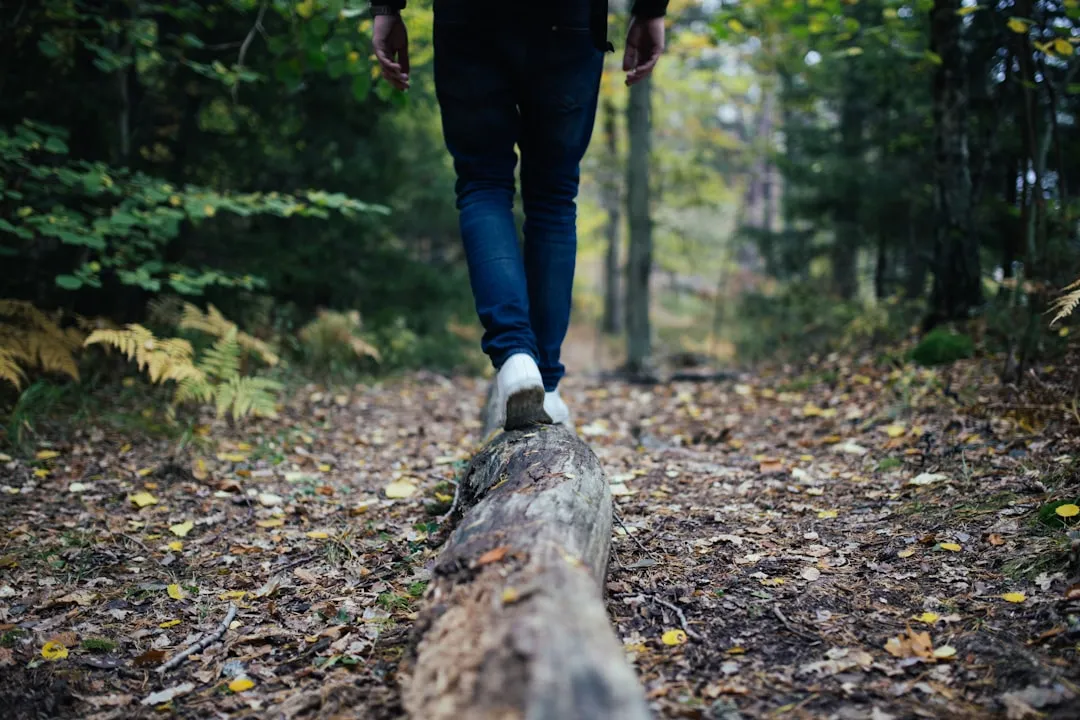
Research on cross-cultural adaptation has turned up a useful and somewhat surprising finding about the role of natural settings. Nature-led setting experiences are more efficient in social and psychological dimensions, such as stress reduction, emotional resilience, and social participation and network formation. Researchers propose that nature-led environments tend to function as “emotional stabilizers” that facilitate social integration and psychological adjustment.
When we slow down in natural settings, we activate our parasympathetic nervous system, the rest-and-digest mode that counteracts the fight-or-flight response associated with stress and burnout. That physiological shift is part of why a walk in an unfamiliar park can feel more grounding than a day of sightseeing.
Seek out a local park, hiking trail, or waterfront early in your stay. Nature provides a neutral, shared space where the social rules are a little softer, and conversation with a stranger feels less strange.
Prioritize Authentic Experiences Over Attractions
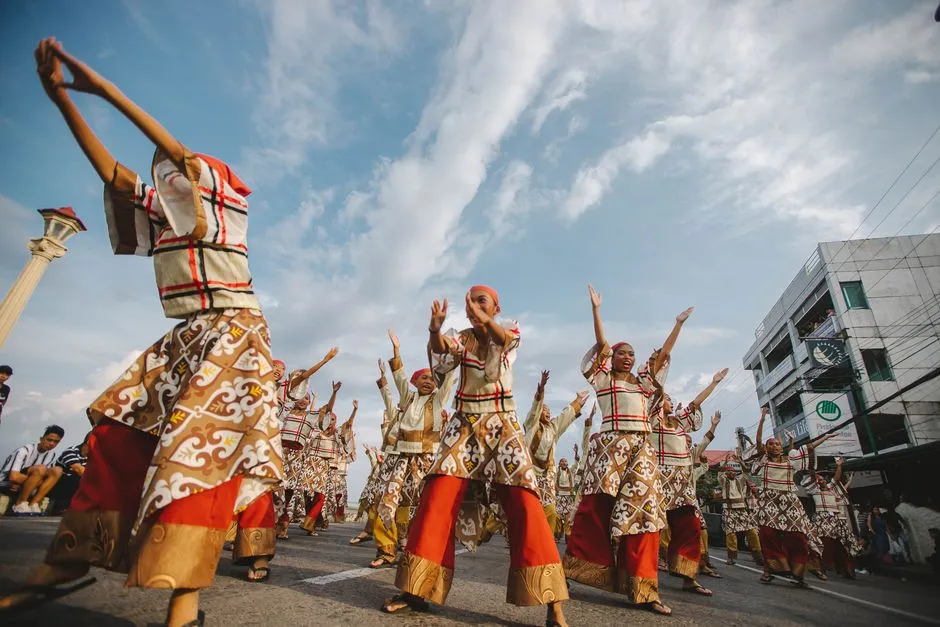
The shift away from landmark tourism toward lived experience isn’t just a trend; it reflects something real about what makes a place feel meaningful. Travelers today are not just checking off destinations; they’re looking for the feelings and experiences that come with each place.
Findings across psychology and neuroscience show that travel not only enhances mental flexibility and creativity but also fosters empathy and supports overall well-being. As human beings, we are wired for exploration, and stepping into unfamiliar environments has the power to reshape the way we think, feel, and interact with the world.
Participating in community events or traditional activities offers genuine insights into local culture. Visitors often leave with a sense of belonging and newfound connections. There’s a real difference between photographing a festival from the outside and actually sitting within it, even briefly.
Carry the Psychological Benefits Home With You
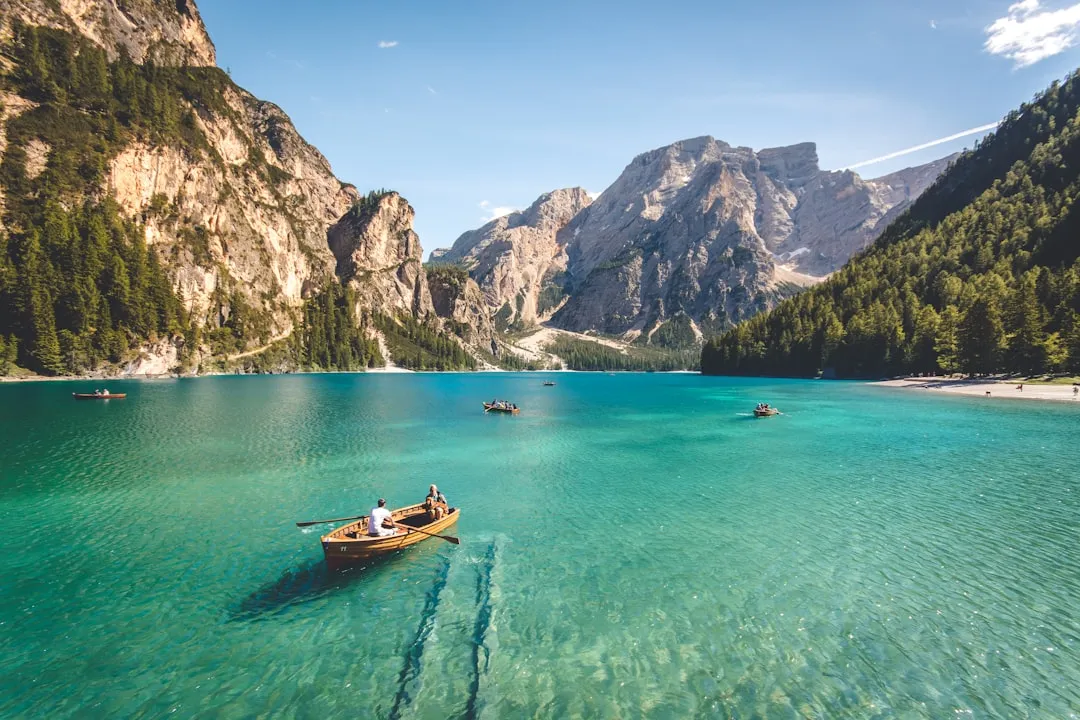
One of the less-discussed gifts of learning to feel at home in new places is what it does to how you relate to your actual home. Research shows that traveling can offer serious benefits for mental health. Exploring the world may not come without a bit of stress, but it also provides positive effects on overall life satisfaction.
Findings show that travel not only enhances mental flexibility and creativity but also fosters empathy, reduces stress, and supports overall well-being. In a world that often feels divided and fast-paced, the psychological impact of travel offers a valuable counterbalance. It encourages us to slow down, look deeper, and connect more authentically with ourselves, with others, and with the world around us.
Slow travelers often return not exhausted by sightseeing but energized by relationships and new habits that persist beyond the trip. An unexpected benefit is that slow travel changes your relationship with home. By practicing routines abroad, you begin to value stability within travel. Returning home, many people find they approach their neighborhoods with new interest and patience.
The Takeaway
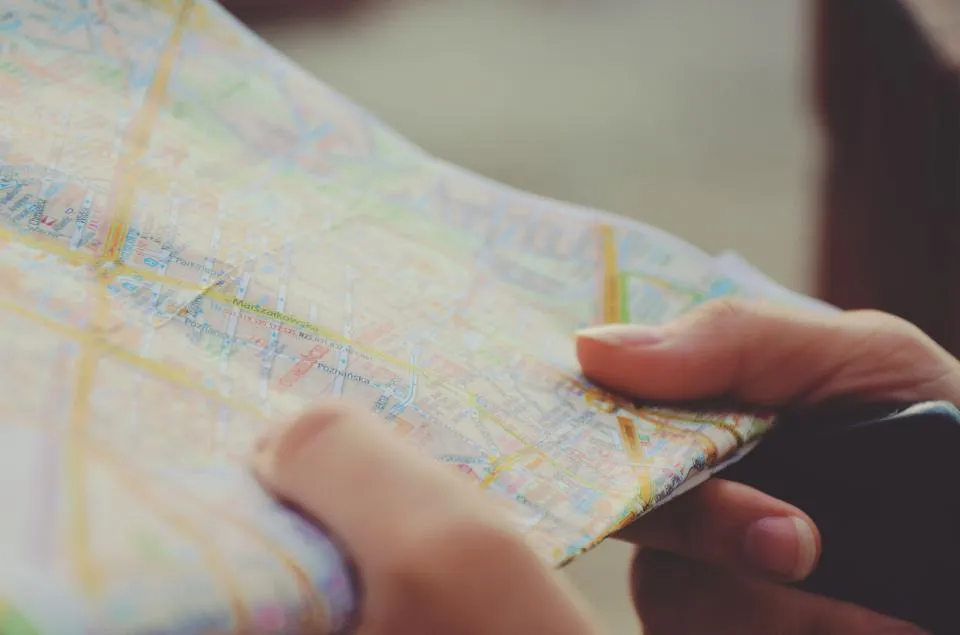
Feeling at home in a new place is less about the place itself and more about the posture you bring to it. Curiosity over comparison, patience over itineraries, depth over distance. These aren’t just travel philosophies; they’re backed by a growing body of research showing that how we move through the world shapes the mental and emotional world we carry back with us.
The travelers who feel most at ease in unfamiliar places tend to share one quality: they’ve stopped trying to find home and started trying to build it, one café order, one phrase in the local language, one familiar face at a time. That’s a skill that travels well.
AI Disclaimer: This article was created with the assistance of AI tools and reviewed by a human editor.