


Family travel is one of the most rewarding things you can do together. It creates memories, stretches young minds, and brings generations closer in ways that a quiet weekend at home simply can’t. The trouble is, the world’s most beloved tourist attractions are also its most chaotic.
Theme parks, ancient city squares, busy waterfronts, crowded festivals: these are exactly the kinds of places where excitement runs high, attention splinters in a dozen directions, and a curious child can drift out of sight in seconds. The gap between a wonderful day and a terrifying one can be surprisingly small. The good news is that with a little forethought, it’s a gap you can close almost entirely.
The Scale of the Problem Is Bigger Than Most Parents Expect

Nearly two out of three parents admit they’ve temporarily lost sight of their child at a crowded venue, and theme parks rank as the single highest-risk environment for parent-child separation. That’s not an outlier experience. It’s close to universal. On a busy summer day at a major park like Disney World, over 2,000 children are reported separated from their families.
An estimated nine out of ten families are affected by accidental wandering of a child, and American children get lost over 2,000 times each day in public and crowded places. When you stack those numbers against the backdrop of surging global tourism in 2025 and 2026, the urgency is real. The crowds aren’t getting thinner. Your preparation needs to get smarter.
Understand What Makes Kids Wander in the First Place

Big crowds make it hard to keep your eyes on your children at all times. Loud noises, bright colors, and exciting attractions can catch a child’s attention at just the wrong moment, causing them to wander away from your group. This isn’t a parenting failure. It’s developmental reality. Young children are sensory creatures, and everything at a major attraction is specifically designed to grab their attention.
Within just 10 minutes of being separated from a parent in a crowded place, children begin experiencing acute stress responses including elevated heart rate, crying, and freezing in place. Freezing is particularly worth noting. A scared child who stops moving in a crowd is harder to find, not easier. The emotional clock starts ticking the moment separation happens, which is why preparation before arrival matters so much.
Dress Your Child to Be Spotted Instantly

Pack bright or neon-colored clothing, since you can spot a fluorescent yellow shirt much more easily among a crowd. Consider light-up shoes or glow stick bracelets and necklaces to make it easier to keep track of your child at night. It sounds almost too simple, but visibility is genuinely your first line of defense in any dense environment. A child in a grey hoodie in a sea of grey hoodies is genuinely harder to track across a plaza.
Taking a photo of your child at the start of each day in their current clothes means you can show park staff exactly what your child looks like and is wearing if they go missing. Update this photo if they change outfits during the day. It takes five seconds and removes one source of panic entirely.
Set a Meeting Point the Moment You Arrive
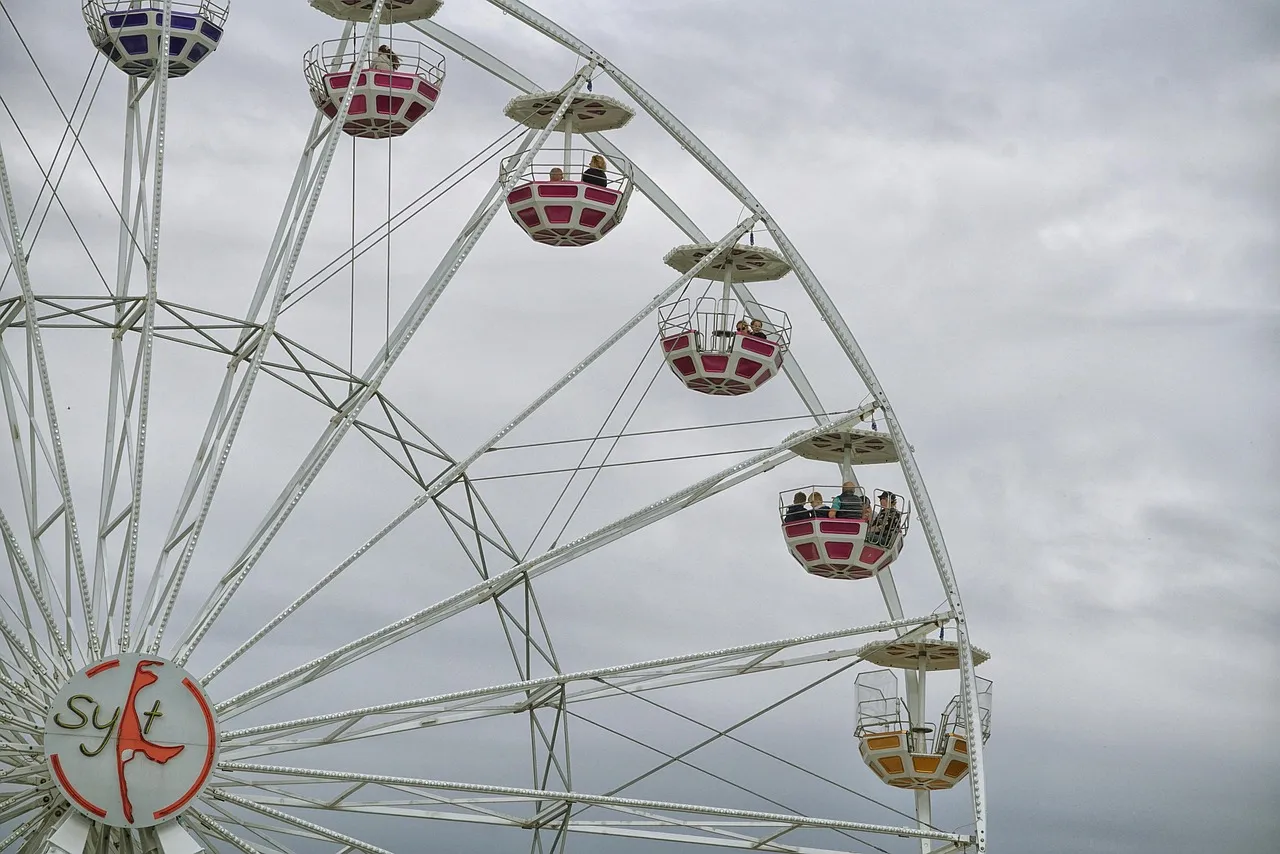
Shortly after entering a theme park or busy attraction, get oriented together by identifying landmarks as a family. For a child mature enough to navigate independently, agree on a designated meeting place in case you get separated, have them repeat it aloud so it sticks, and avoid choosing the entrance or parking lot. The ideal meeting place is an information center or staffed station, since those staff are used to dealing with lost kids.
For older children who may have the ability to wander around a theme park partly on their own, set specific meeting times as well. Choose a large, easily identifiable landmark that children will be able to see from wherever they wander. This gives everyone a shared mental map of the day, which is calming for kids and practical for parents.
Use ID Wristbands as a Simple, Reliable Safety Net
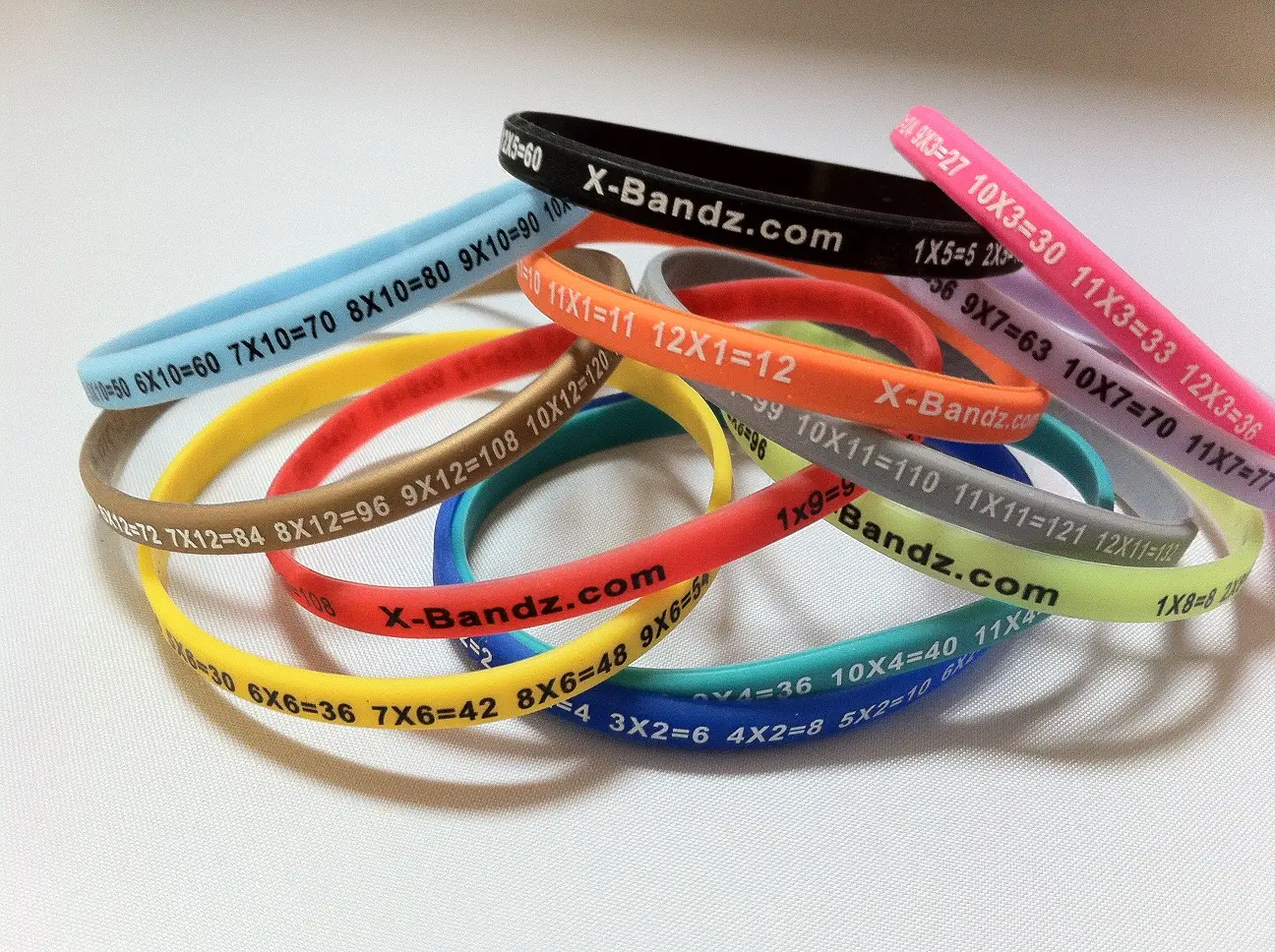
Kids move faster than adults, get distracted easily, and can wander out of sight in seconds at a crowded fair or outdoor venue. Family event safety wristbands have become one of the most practical tools for keeping children identifiable and connected to their group, giving staff and other adults a visible way to identify who a child belongs to and how to reach a parent.
A good wristband earns its place because it keeps essential information attached to the child during the exact moments when mix-ups happen most easily, including daycare transitions, museum trips, and crowded birthday venues. Silicone bracelets come in many customizable styles, and experts recommend including your child’s name and your preferred phone number on the band. At their most basic, these are cheap, waterproof, and effective.
Consider GPS and Smart Tracking Technology for Younger Children
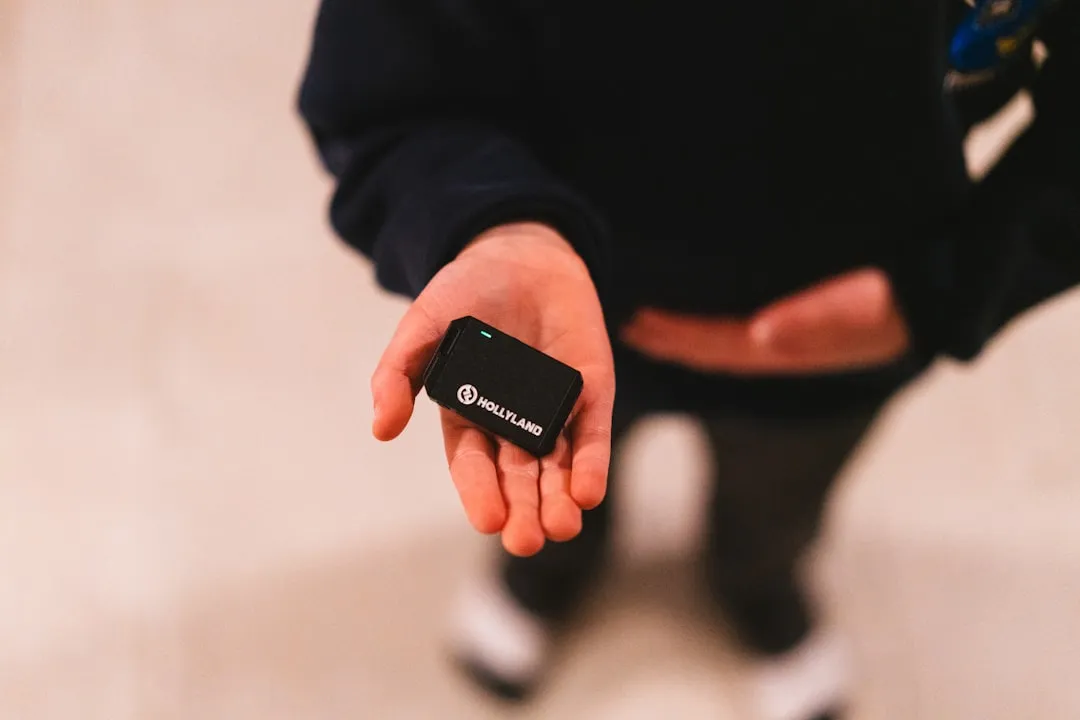
The global GPS trackers for kids market reached nearly 1.5 billion USD in 2024, and is projected to grow significantly through 2033, reflecting robust and growing demand for child safety technology worldwide. This isn’t a niche product category anymore. It’s becoming mainstream parenting infrastructure. The primary growth driver continues to be increasing parental concerns about child safety, coupled with rapid advancements in wearable technology and real-time location tracking.
Bluetooth-based trackers are best suited for short-range scenarios such as a crowded amusement park, while cellular GPS trackers go a step further by using cellular networks to provide precise, continuous location updates, with most models also offering geofencing, SOS buttons, and limited messaging features. When choosing a tracker, look for lightweight and comfortable options, since some popular choices can be attached to backpacks, worn as wristbands, or even integrated into clothing or shoes.
Know the Limits of AirTags and Bluetooth Devices

AirTags only work when there is a dense crowd of people with smartphones nearby to “ping” the location. If a child wanders off to a quieter area of a park, like a nature trail or the edge of a lake, the location simply won’t update. That’s a meaningful limitation that many parents discover too late. Bluetooth tiles are excellent for locating a lost backpack in a busy terminal, but they’re not a substitute for a cellular GPS device when real-time precision actually matters.
Apple launched the second-generation AirTag in January 2026, bringing improved precision and better anti-stalking features. Still, for families with young children in very large venues, pairing an AirTag with a dedicated cellular tracker gives you better coverage across different environments. Think of them as complementary layers rather than either-or choices.
Teach Your Child What to Do If They Get Separated
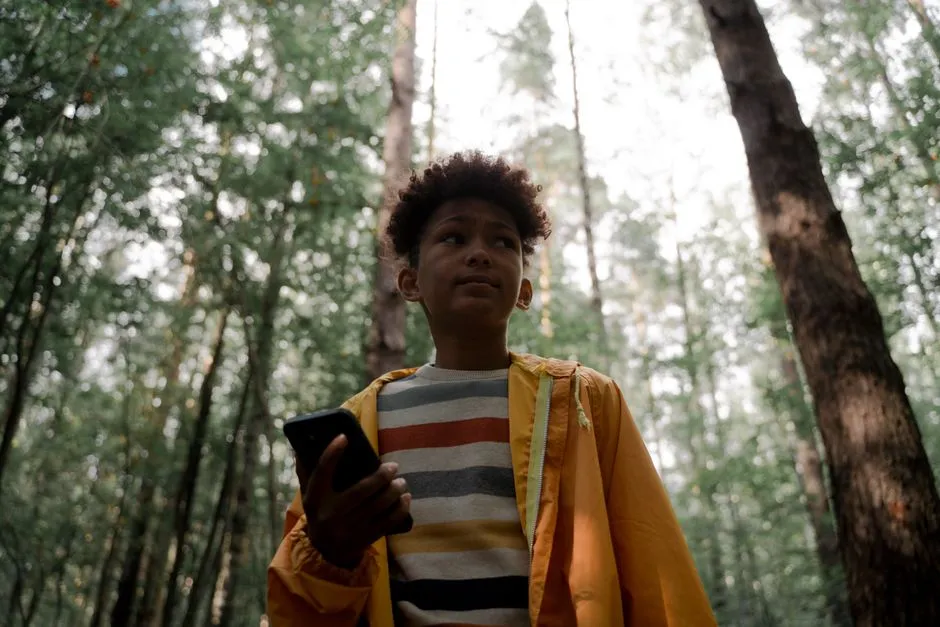
Tell children what to do if they get lost. Ideally, they should contact a staff member immediately, who will then help them find you. For younger children who can’t yet read name tags, practicing looking for mothers or caregivers with children in tow is a safer strategy, since it’s far easier for small children to identify a parent-figure and steer toward them rather than guessing who else might be helpful.
Each major theme park has a set lost-child protocol in place. At Disney World, for example, the cast member who finds a child is released from regular duty to help reunite the family, and lost children are taken to a designated lost child station where they are kept safe and entertained until parents arrive. Knowing this in advance helps both parent and child stay calmer if the moment comes. Walk your child through the plan at home, not in the middle of a crowd.
Choose Your Touring Rhythm Around Peak Crowd Density

Many European cities have considered or implemented tourist caps, and the entry fee system introduced in Venice proved successful enough to expand throughout 2025, which hints at just how genuinely overwhelming these spaces have become. In Spain alone, tourism was projected to grow by five percent in 2024, more than double the rate for the overall economy, with over 90 million overseas visits expected. These aren’t abstract figures. They translate directly into the density of crowds your family will navigate.
Arriving before opening time, visiting headline attractions during parade hours when foot traffic shifts, and planning your route through a venue in advance all reduce the amount of time your child spends in tightly packed spaces. Smaller windows of vulnerability mean smaller chances of separation. The planning work happens at home, but the payoff is a calmer, more enjoyable day on the ground.
Use NFC and QR Wristbands for Children with Special Needs
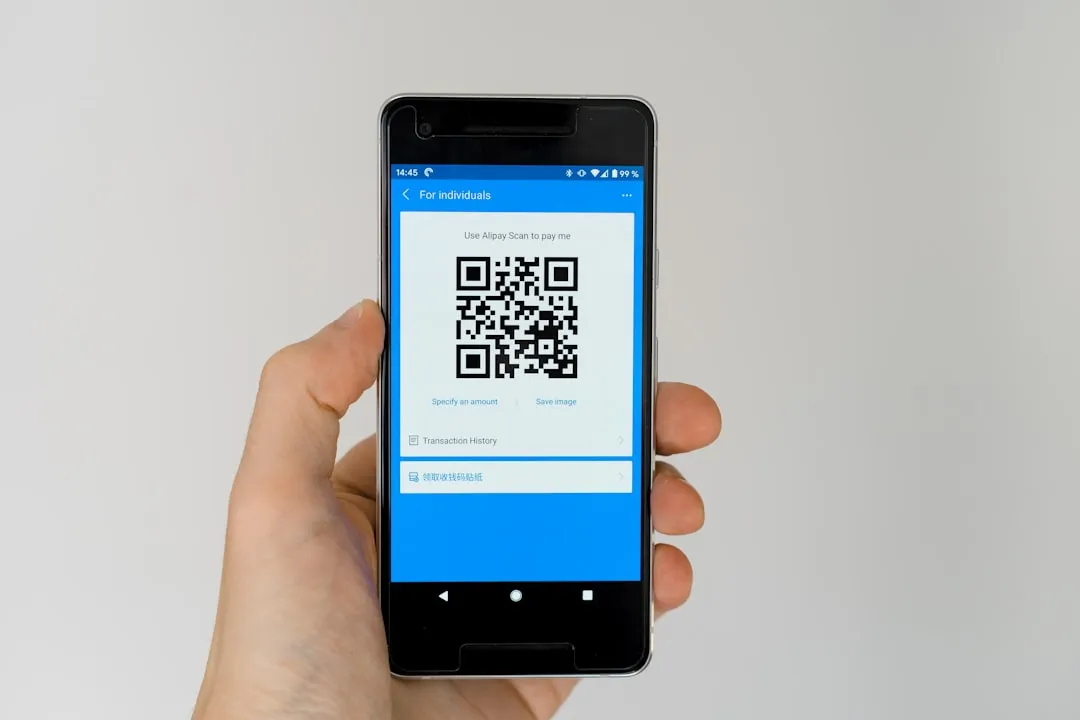
For families of children with autism, communication differences, or elopement risk, a basic printed wristband may not be enough. In these situations, scannable designs make real sense, with NFC and QR-based bands able to store richer information without overloading the visible surface. Following tragic incidents in 2025, one Florida county rolled out NFC bands for non-speaking autistic children, where a smartphone tap can share emergency contacts and even text parents a geotagged location. That represents a meaningful shift from simple medical alert jewelry toward active recovery support.
Smart wearable IoT devices now combine GPS for real-time location with GSM modules for data communication and emergency SOS alert systems that provide rapid response in critical situations, all interacting with a mobile application so parents can monitor their child continuously. For families navigating the specific challenges of neurodivergent children in sensory-rich environments, these tools are genuinely life-changing rather than just convenient.
Build a Consistent Pre-Trip Safety Ritual

The best safety strategy isn’t any single gadget or tactic. It’s the habit of preparing together, every single time you visit a crowded place. Run through a short checklist before you leave the hotel: wristband on, photo taken, meeting point agreed, child briefed on what to do. This becomes a ritual your child participates in, not a lecture they tune out. Even from the age of three, many children can memorise their full name and a parent’s phone number, and practicing regularly using fun methods like rhymes makes it stick.
Framing a wristband as a “team bracelet” or an “event explorer badge” rather than a safety tool makes the experience positive for children who might otherwise see it as a restriction. That small reframe matters. A child who feels equipped and included in the safety plan is also a more confident child, and confidence helps them act instead of freeze if they ever do find themselves alone in a crowd.
The Takeaway

Crowded tourist destinations are some of the most joyful places a family can visit together. The sights, the sounds, the shared wonder of seeing something extraordinary for the first time: none of that should be overshadowed by anxiety. The practical reality is that with crowds growing at record pace across the world’s most visited sites, a little deliberate preparation goes a very long way.
You don’t need to anticipate every scenario or invest in expensive technology. What you need is a layered approach: visible clothing, a clear meeting point, an ID wristband, age-appropriate conversations, and a shared plan your child actually understands. That combination, practiced calmly before the trip begins, turns a potential nightmare scenario into something you’ve already solved together.
AI Disclaimer: This article was created with the assistance of AI tools and reviewed by a human editor.