

What You’re Actually Breathing In
The iconic scent that greets you at a coastal town isn’t the water itself, and it isn’t the salt. A gas called dimethyl sulfide, produced by ocean-dwelling microorganisms as they break down organic matter, is largely responsible for what we recognize as “the smell of the sea.” It rises up from the activity of microscopic marine life and drifts inland on the wind, often before you even catch a glimpse of the horizon.
Marine algae produce a chemical called dimethylsulfoniopropionate, which helps regulate their internal conditions during times of environmental stress. When algae die, that compound is released into the surrounding water, where bacteria and enzymes convert it into dimethyl sulfide. The process is entirely natural, continuous, and richly alive. Every breath near the shore is, in a very real sense, a breath of the ocean’s own biology.
The Smellscape as a Sense of Place
Apart from the breathtaking sight of vast blue waters or the rhythmic sound of crashing waves, the vivid smell of the sea ties us to the rhythms of nature and the ebb and flow of the tides. The salty freshness of a coastal breeze or the distinctive scent of seaweed can transport us back to memories of seaside holidays, fishing trips, or childhood adventures.
A “smellscape” is the perceived smell environment, which can be fleeting or may build over time, depending on our past experiences and backgrounds. Researchers have been mapping these olfactory geographies with increasing seriousness. Researcher and artist Kate Mclean creates maps to illustrate smellscapes, and in Newport, a seaside city on Rhode Island in the United States, she documented the ocean-based smells to build a visual-olfactory catalogue. The results revealed something travelers already know intuitively: a place’s scent is part of its identity.
How Smell Reaches the Brain So Quickly

The olfactory system connects directly to the amygdala and hippocampus, which is why a single scent can transport you to a specific afternoon fifteen years ago more vividly than a photograph can. This is a structural fact of human neurology. No other sense has such an immediate, unmediated route to the parts of the brain that govern emotion and memory.
This direct connection is why smell-triggered memories are often more emotional, vivid, and long-lasting than memories associated with other senses. A study in the journal Chemical Senses found that olfactory memories tend to be more detailed and emotionally intense than those triggered by visual or auditory cues. That’s a meaningful finding for anyone trying to understand why a specific coastal town draws people back decade after decade.
The Stress-Reducing Power of Salt Air
Research from the University of Exeter and others has documented that exposure to coastal environments measurably reduces cortisol (the stress hormone), blood pressure, and self-reported anxiety. This is not simply the result of a pleasant view or a slower pace of life. The scent itself plays a distinct role, triggering physiological responses before the conscious mind has fully registered the surroundings.
Research consistently links exposure to coastal environments, including the scent of them, with reduced stress, improved sleep, and a state psychologists call “blue mind.” Some of this is visual and auditory, but olfactory cues are a significant part, as we associate ocean smells with relaxation and the brain responds before we consciously process the environment. That pre-conscious response is precisely what makes arriving at a familiar coastal town feel like exhaling.
The Layers That Make Each Town Smell Different

Smellscapes of the sea are multi-layered; they are shaped by interactions between water, marine life, and environmental conditions. Every time we breathe in sea air, we receive information from the marine environment, including the chemicals generated from ecological processes or contaminants produced by human activities. This is why no two coastal towns smell exactly the same.
Beyond the core scent, beach smells layer with the vegetation lining the dunes, the warmth baking into the sand, and the carry of whatever is blooming nearby. Coastal plants have evolved alongside salt air, and many of them produce terpenes and aromatic compounds that read to the brain as clean, open, and invigorating. Pine resin near the dunes, the warm mineral note of sun-baked rock, the faint sweetness of a tidal pool, all of this contributes to the distinct olfactory fingerprint of a particular stretch of coastline.
Why the Memory Is Older Than the Visit

A study published in Chemical Senses confirmed what most people intuitively understand: scent-triggered memories are older and more emotionally intense than those triggered by sight or sound. Researchers found that when adults were prompted with olfactory, visual, and auditory cues, the memories brought on by scent dated back further in time and carried a stronger emotional charge. For coastal travelers, this often means the smell of the sea reconnects them to a version of themselves they barely remember.
That’s why one whiff of sunscreen can drop you onto a beach vacation from ten years ago. Scent can make you tear up, smile, or feel homesick before your logical brain has a chance to explain why. It’s an involuntary form of time travel, and coastal towns happen to be extraordinarily good at triggering it.
Smell and the Decision to Return
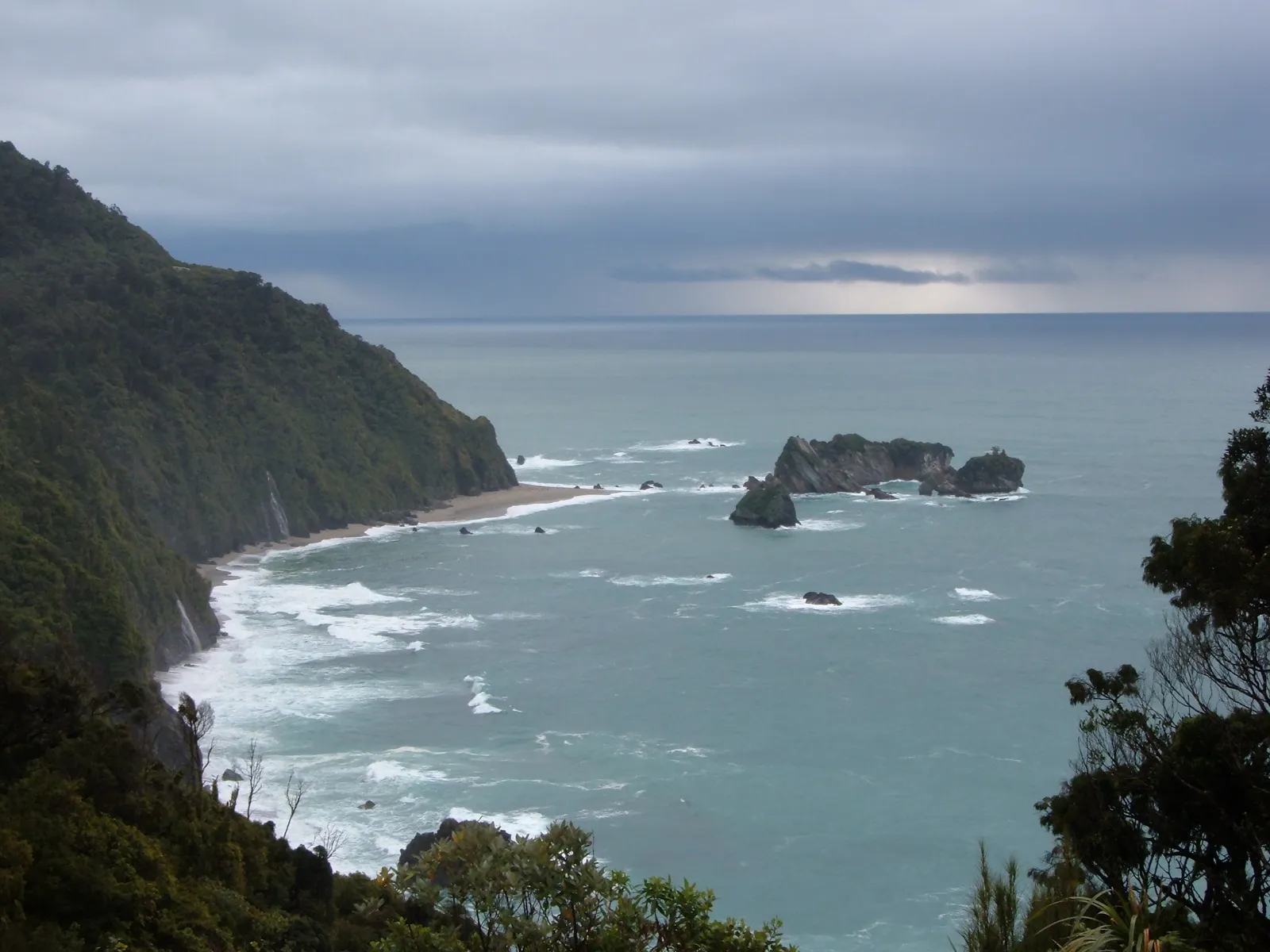
Unlike fleeting on-site encounters, memorable tourism experiences retained in memory directly influence post-visit behaviors, including destination loyalty and word-of-mouth promotion. While all tourists accumulate experiences during travel, only those marked by distinct sensory signatures achieve lasting recall. A coastal town with a powerful and pleasant olfactory character is, in effect, encoding itself into visitor memory at a depth that advertising cannot replicate.
Research suggests that tourists’ sensory experiences shape their perceptions of authenticity and well-being, which in turn affect their intention to revisit. Studies provide empirical evidence that good sensory experiences can effectively enhance tourists’ perceptions of authenticity and hedonic well-being, thereby attracting repeat visits. The smell of the place, perhaps more than any brochure, is what makes a destination feel real.
Climate Change and the Changing Smell of the Sea
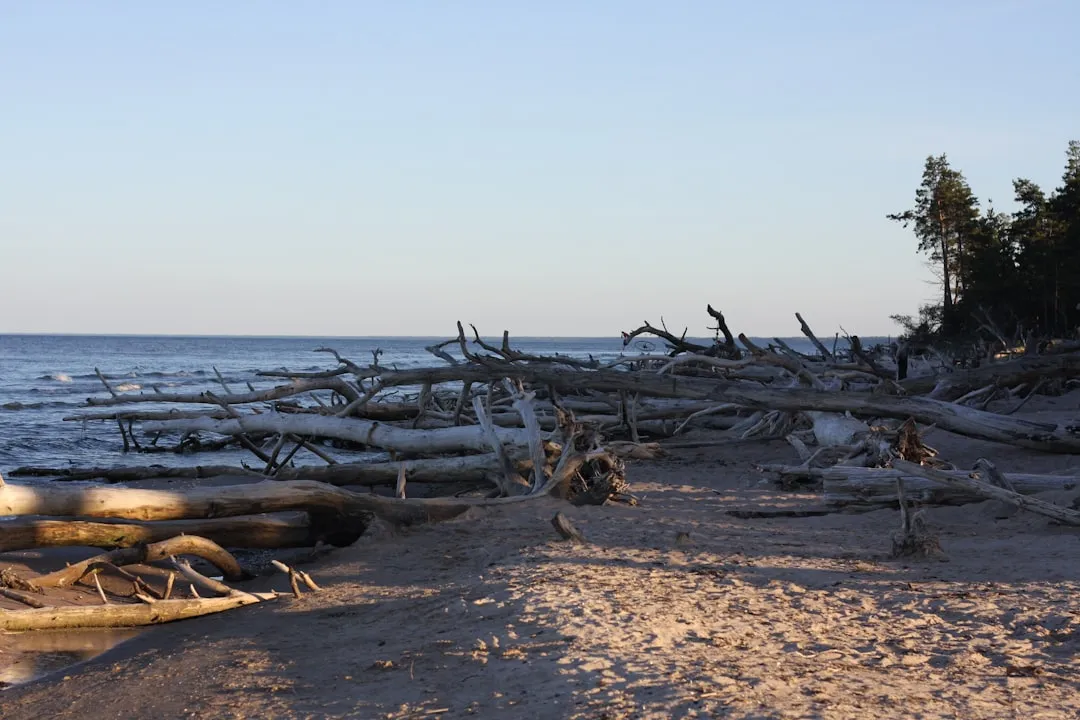
Scientists have started to explore the impact of climate change on sea smells. Recent research by Matthew Salter, a marine biogeochemist at Stockholm University, investigates the volatile organic compounds emitted by cyanobacteria and other plankton that inhabit coastlines of the Baltic Sea. His team studies how these chemicals contribute to the formation of aerosols linked to climate change.
This matters for travelers and communities alike. Smellscapes of the sea are multi-layered; they are shaped by interactions between water, marine life, and environmental conditions. As ocean temperatures shift and marine ecosystems are altered, the chemical composition of coastal air changes too. The smell of a town you loved thirty years ago may already be subtly different from the one a visitor experiences today, a quiet, invisible consequence of a warming ocean.
The Scent Becomes the Souvenir
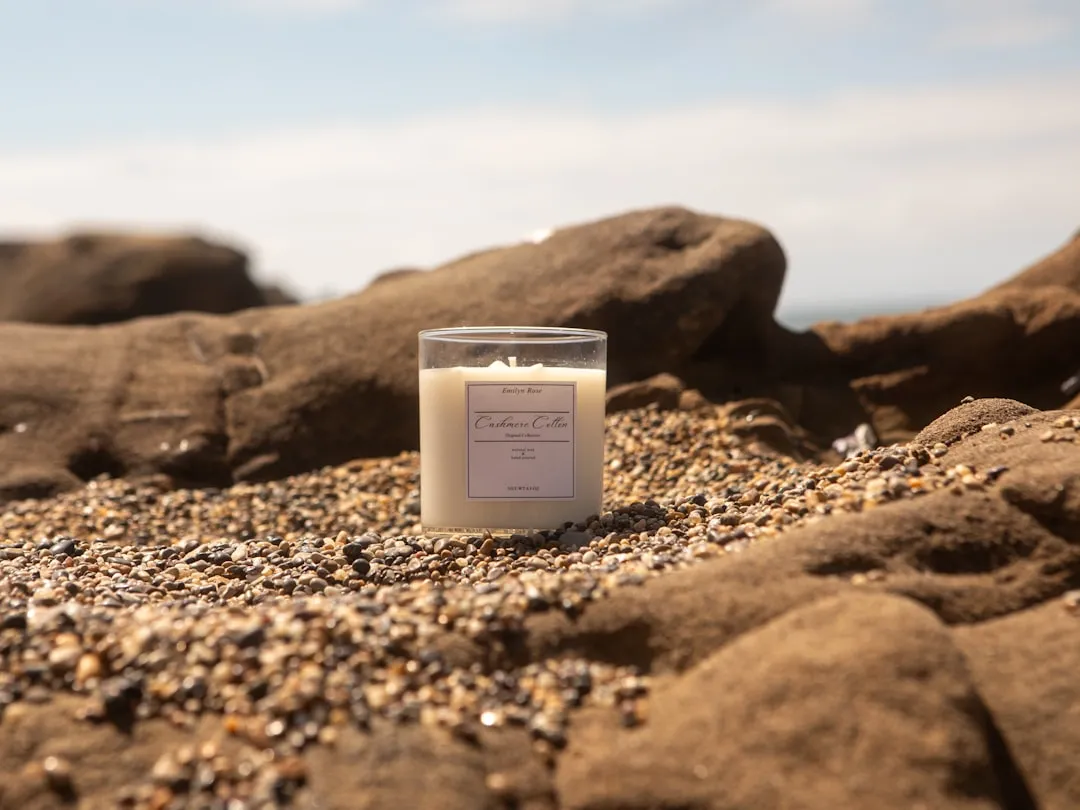
People carry the scent of a place home in unexpected ways. In sunburned linen left in a suitcase. In a jar of local sea salt left open on the kitchen counter. Ocean fragrances are now widely used in immersive environments such as museums, theme park attractions, exhibitions, spas, retail spaces, and experiential marketing installations. The coastal fragrance industry has grown significantly precisely because people will pay for a synthetic version of something they can only truly get by going back.
That longing is both the gift and the engine of coastal tourism. Several studies have linked coastal exposure to higher reported mood, greater creativity in problem-solving tasks, and increased feelings of freedom. The smell is one of the cues the brain uses to trigger these states. When people say they need the sea, this is, at least partly, what they mean.
Why Responsible Travelers Should Pay Attention
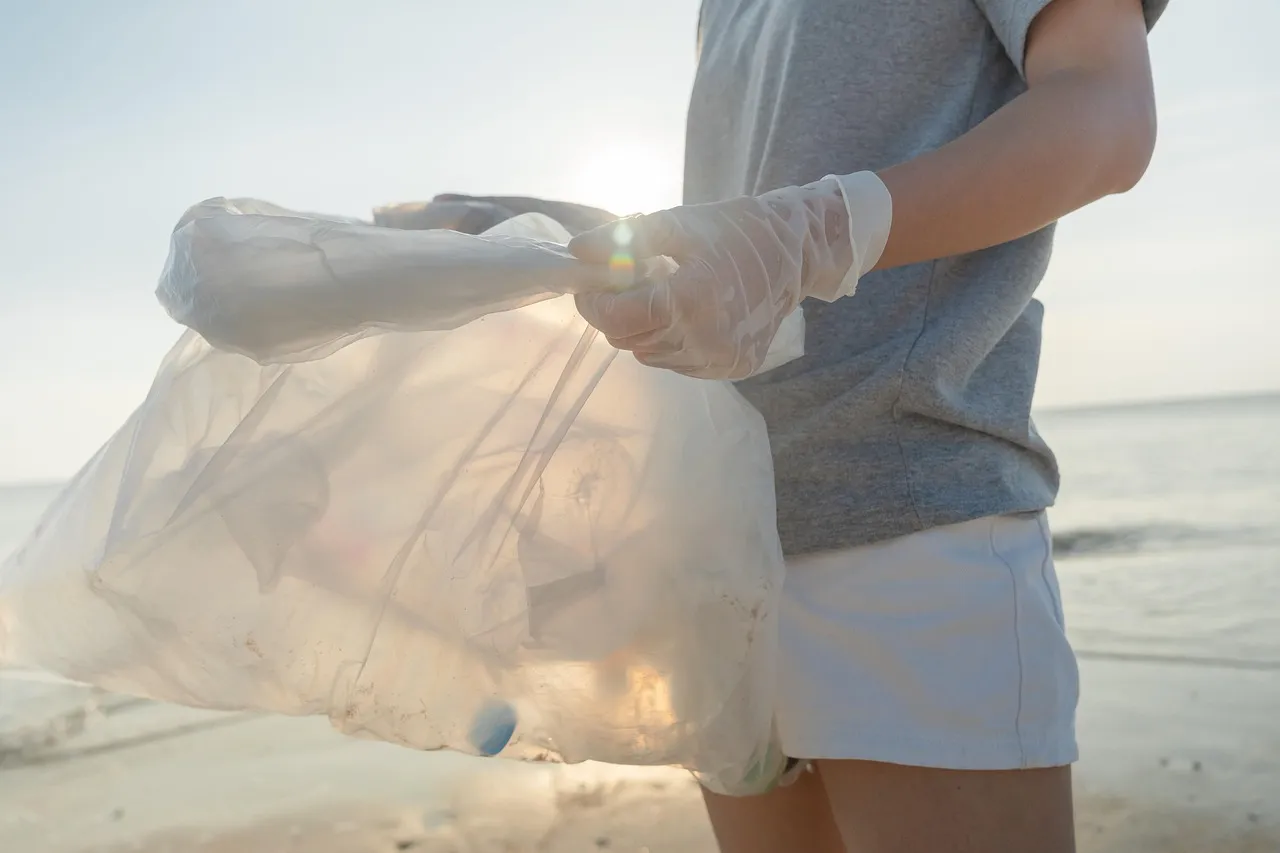
If smell is part of what makes a coastal town irreplaceable, then the health of the marine environment is not just an ecological issue. It’s a sensory one. Pollution, sewage runoff, and ecological degradation alter the smellscape in ways that are measurable and felt. Every time we breathe in sea air, we receive information from the marine environment, including the chemicals generated from ecological processes or contaminants produced by human activities.
By fostering a deep connection between tourists and the local environment, sensory experiences support the preservation of cultural heritage and promote sustainable tourism practices, aligning with the goals of economic development and public policy. A traveler who arrives and is moved by the smell of a place has an immediate, embodied reason to care about protecting it. That connection is genuine, and it’s worth honoring.
The Takeaway
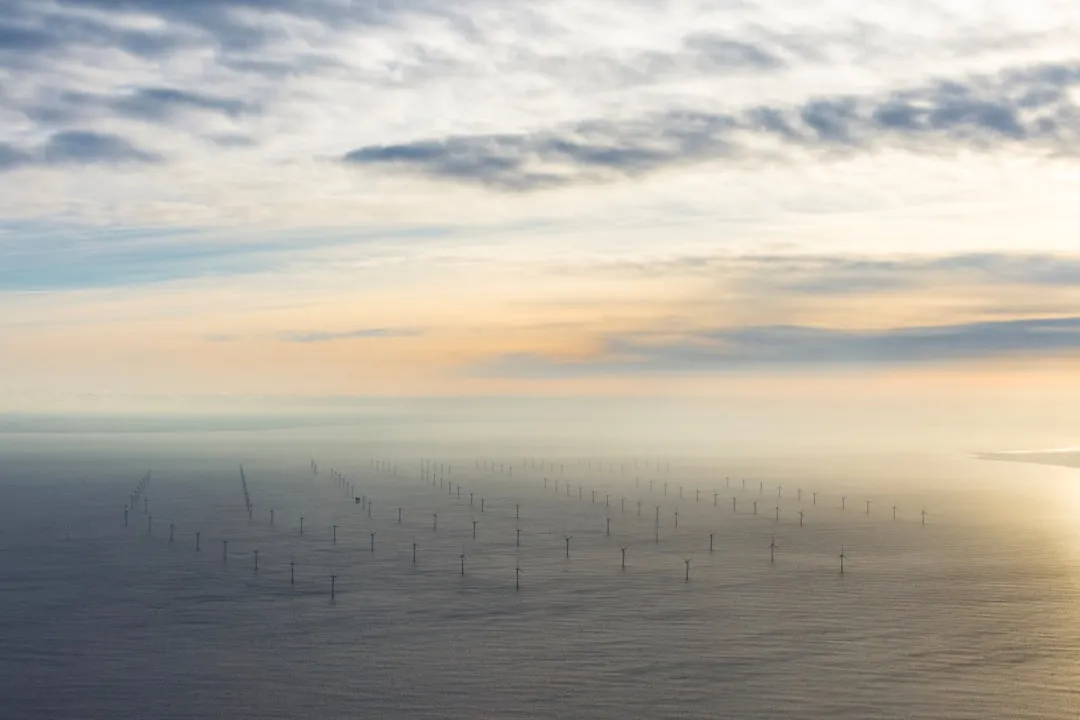
The next time you arrive at a coastal town and something in the air stops you mid-step, pay attention to that pause. It isn’t incidental. The scent of the sea is a product of living ecosystems, ancient neurology, and accumulated personal history, all arriving at once. As geographer Paul W. Rodaway observed, olfaction gives us not just a sensuous geography of places and spatial relationships, but also an emotional one of love and hate, pain and joy, attachment and alienation.
Coastal towns that endure in the imagination do so for many reasons, but the ones that bring people back most reliably tend to have an atmosphere that is simply unmistakable. You can’t photograph it. You can’t bottle it perfectly. You can only return to it, and when you do, you understand immediately why you came.
AI Disclaimer: This article was created with the assistance of AI tools and reviewed by a human editor.