

There’s a particular kind of frustration that settles in when you’ve been standing in a winding TSA queue for 25 minutes, shoes off, laptop out, belt in hand, and then someone strolls past the entire line with a lanyard-wearing escort and a casual wave. It happens every day at airports across the United States, and for the millions of travelers stuck in standard security, it raises a genuine question: how are these people doing it?
The answer isn’t one program. It’s a whole ecosystem of paid memberships, government-backed trusted traveler schemes, biometric technology, and credit card perks, all quietly reshaping who moves fast and who waits. Here’s a grounded look at what’s actually going on.
TSA PreCheck: The Gold Standard That Most People Still Don’t Have
As of August 2024, TSA PreCheck had more than 20 million active members. That sounds like a lot until you consider that roughly 900 million passengers move through U.S. airports in a typical year. The enrolled share is still a small fraction of the flying public.
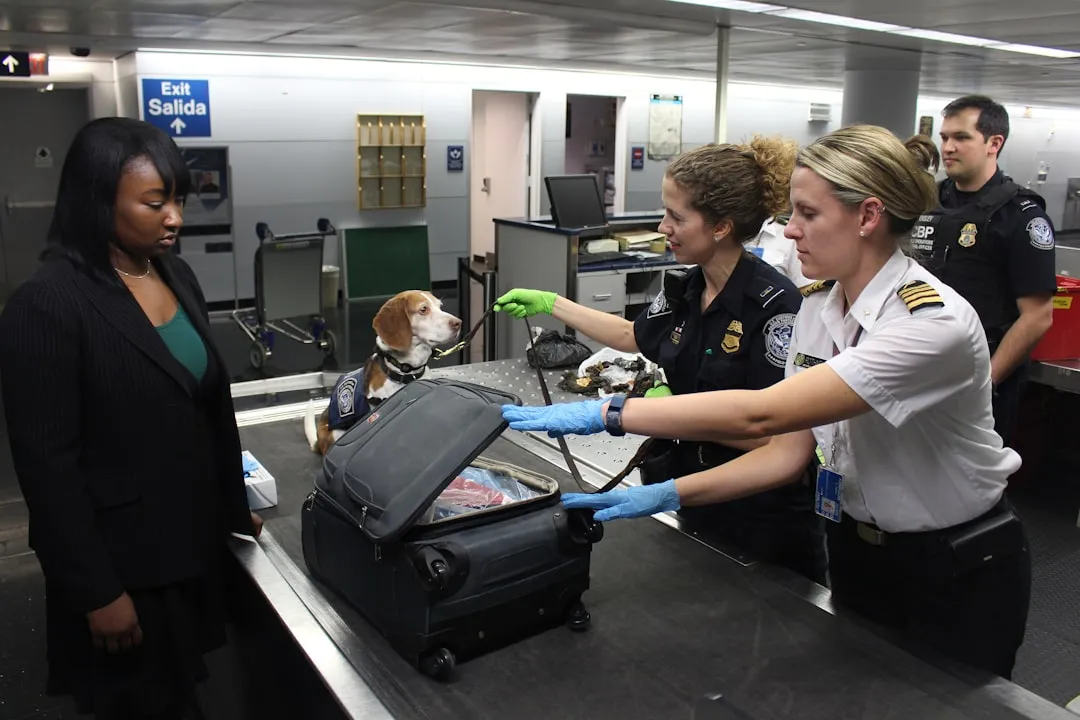
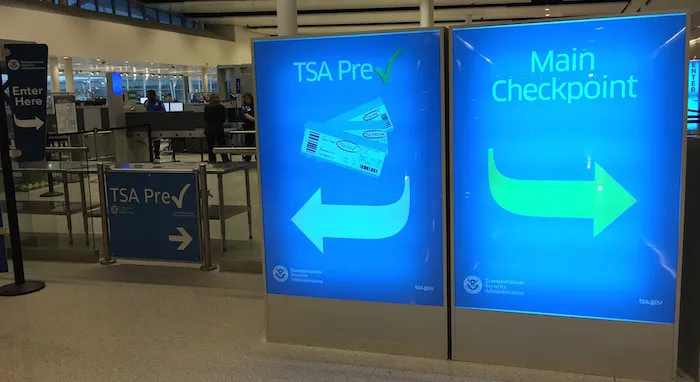
Instead of going through the general security line with hundreds of other travelers, PreCheck members go through a separate lane that’s often significantly shorter. The screening process is also less stringent, so there’s no need to take off shoes or remove electronics or toiletries from bags.
The TSA says about 99% of PreCheck passengers wait less than 10 minutes. For the average traveler accustomed to 20 to 30-minute standard queues, that gap in experience feels almost absurd. Enrollment costs between $77 and $85, and membership lasts five years, which works out to less than $20 a year.
CLEAR+: The Biometric Escort Service That Has People Fuming
CLEAR+ is a paid membership service that lets you skip to the front of the ID check line at certain airports. However, it does not provide a separate expedited screening process like TSA PreCheck. Instead, members are moved to the front of the main security line, then routed through the standard TSA security screening.
CLEAR is a separate program that uses fingerprints or iris scans to verify identity before a traveler even reaches the TSA checkpoint, skipping them to the front of the document check line. That’s the part that stings for regular travelers. They’re not just moving faster through a dedicated lane. They’re literally jumping ahead of people who have been patiently waiting their turn.
The service operates more than 150 lanes across 60 airports. CLEAR runs around $189 a year, which is included with several travel credit cards and Delta SkyMiles memberships.
The California Backlash: Politicians Tried to Ban It

The frustration with CLEAR isn’t just social media venting. It reached the statehouse. California’s first-of-its-kind bill in the U.S., introduced by Democratic state Sen. Josh Newman, would prohibit public airports from entering into new agreements that authorize private third-party vendors to use the standard security lane or the TSA PreCheck security lane.
Senator Newman voiced concerns about the unfairness of allowing a pay-for-priority system in taxpayer-funded airports, arguing that the service creates an elitist divide among travelers.
An analysis of the bill noted: “Consumers can often pay to jump lines. Southwest customers can pay to pre-board. Disneyland customers can purchase Genie+ to minimize time standing in lines. Cutting TSA lines is different because the TSA is a government service, not a private service.”
Global Entry: The Smarter Play for International Travelers
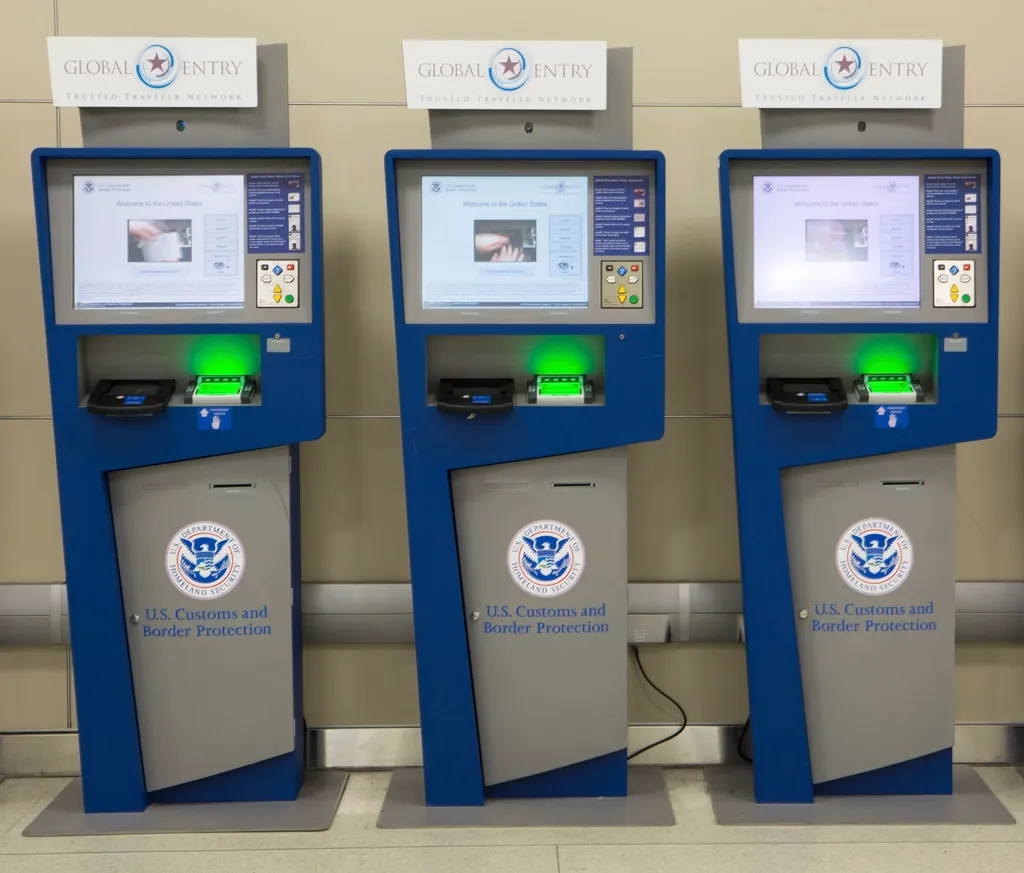
Global Entry is a U.S. Customs and Border Protection Trusted Traveler Program that allows expedited clearance for pre-approved, low-risk travelers upon arrival in the United States. Unlike CLEAR, it requires a thorough background check and an in-person interview, which keeps the bar meaningfully higher.
At international arrival halls in U.S. airports, Global Entry members bypass the standard customs declaration and officer interview process and instead use dedicated kiosk lanes, typically clearing the entire arrival process in five to ten minutes versus 30 to 90 minutes in standard lines at busy airports like JFK, LAX, and Miami during peak arrival banks.
A Global Entry application costs $120 and is valid for five years if approved. Global Entry members receive complimentary TSA PreCheck access. As of 2024, Global Entry was available at 62 U.S. airports and 14 non-U.S. airports with U.S. preclearance, and more than 12.7 million people were enrolled in the program.
TSA PreCheck Touchless ID: The Newest Tier in the Fast-Lane Hierarchy
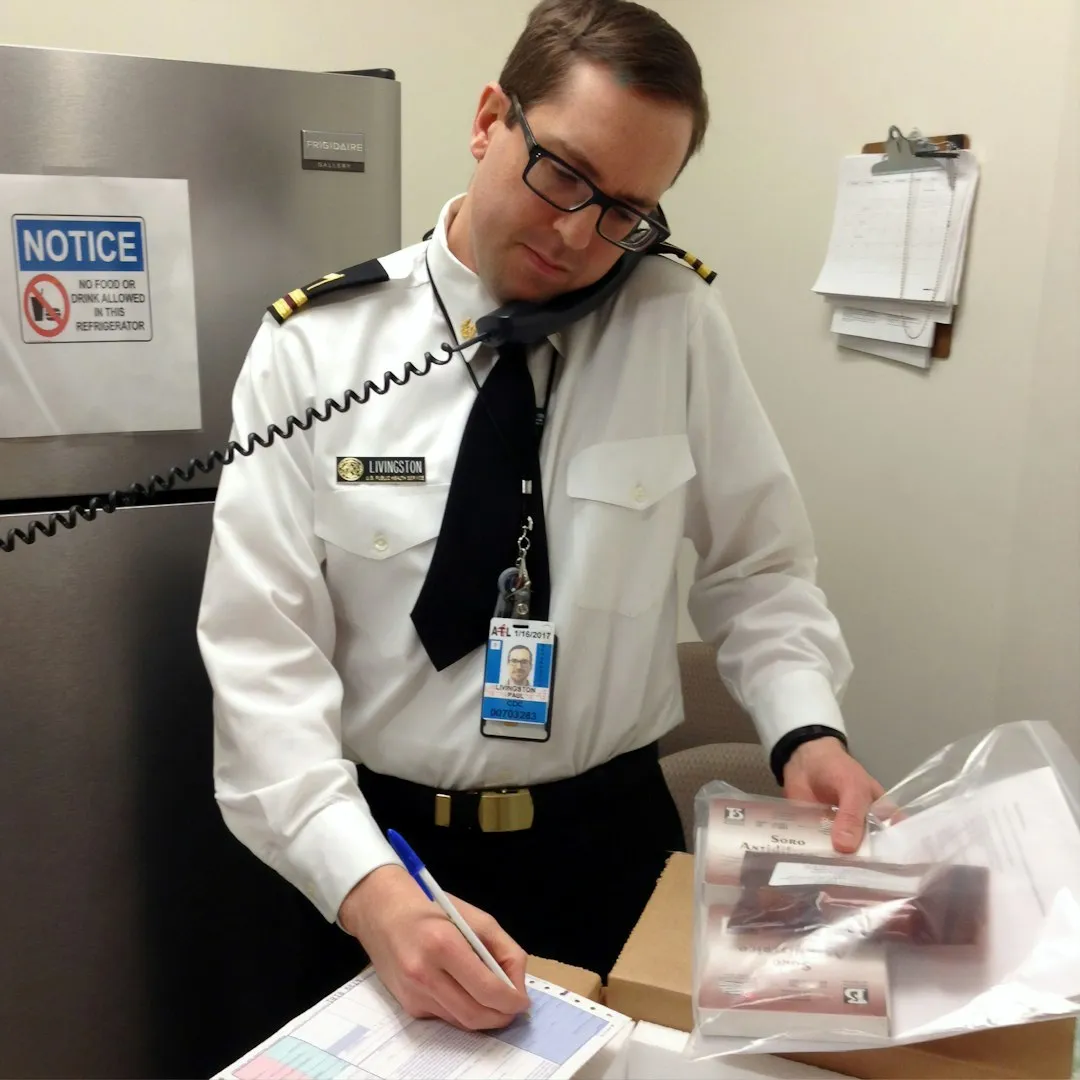
The TSA PreCheck Touchless ID program uses facial comparison technology to expedite identity screening for PreCheck members at airport security. The program launched in spring 2026 and is currently available at dozens of airports across the U.S., though availability varies.
Having TSA PreCheck does not automatically enroll you in the Touchless ID program. Once enrolled in TSA PreCheck, you can opt in for Touchless ID through five participating airlines: Alaska Airlines, American Airlines, Delta Air Lines, Southwest Airlines, and United Airlines.
You can do this online or when you check in for your flight. Once enrolled, a TSA PreCheck Touchless ID indicator will appear on your boarding pass, granting access to the specific lane. It’s yet another subdivision within the already subdivided world of airport fast lanes.
Where Wait Times Are Actually the Worst
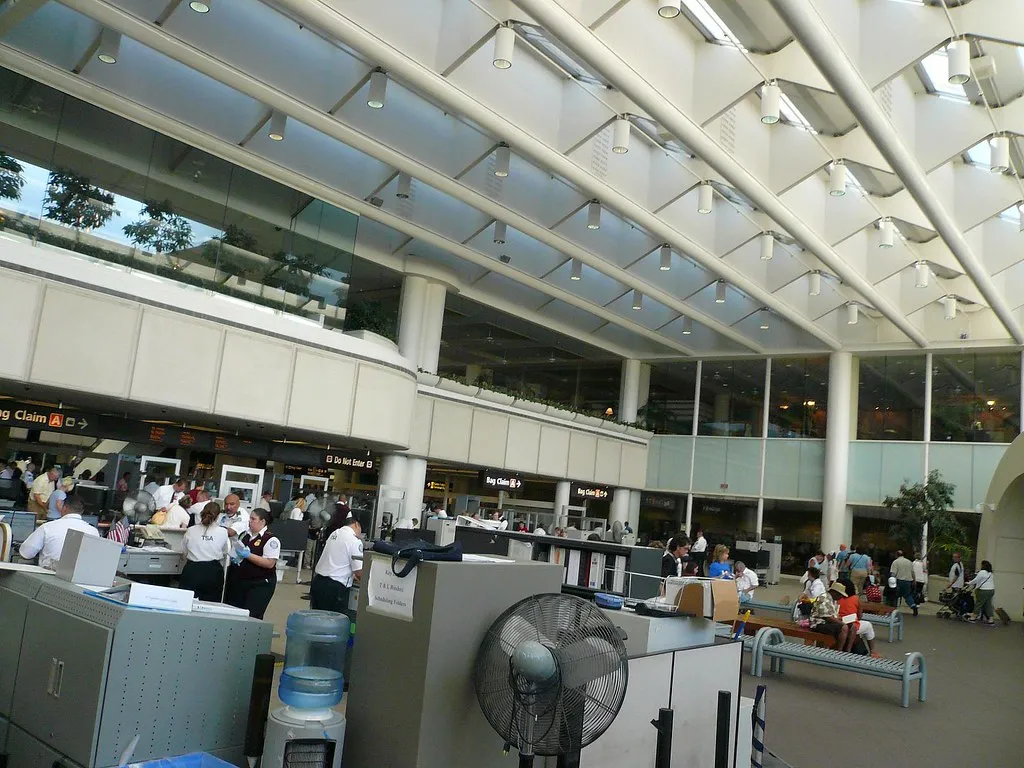
St. Louis Lambert International Airport in Missouri tops the list for the longest security wait times in the U.S., with passengers waiting an average of 16 minutes and 16 seconds to clear TSA. Austin-Bergstrom International Airport in Texas isn’t far behind, with an average security wait of 15 minutes and 53 seconds.
Large hubs like LAX, JFK, O’Hare, and Miami consistently get the most 20-plus-minute reports, especially during morning rush hours and holiday travel periods. During disruptions, things get dramatically worse. Reports from Hartsfield-Jackson Atlanta International Airport indicated that wait times stretched toward three hours during the height of the March 2026 funding lapse.
Live tracking services and airport-reported data suggest that many large U.S. airports are averaging 15 to 30 minutes at standard TSA checkpoints, with TSA PreCheck lanes typically under 10 minutes when dedicated lanes are open.
The Staffing Crisis Making Everything Worse
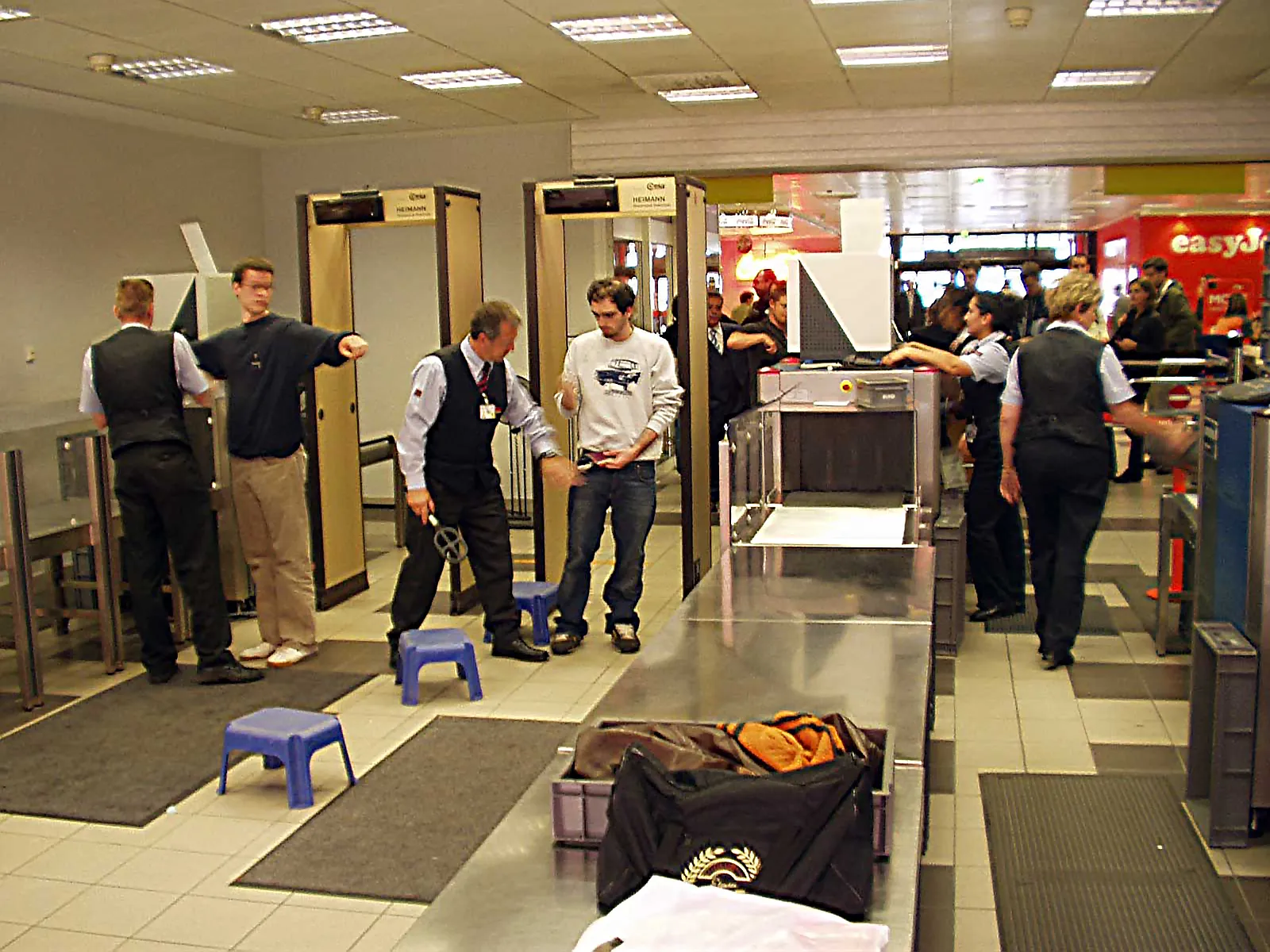
A partial government shutdown left TSA agents working without pay for over a month. At least 360 agents quit and around one in ten were calling out, leaving airports understaffed during one of the busiest travel seasons of the year.
TSA made clear that PreCheck lane availability is now determined airport by airport, depending on staffing levels. At several major hubs, including Houston, Atlanta, New Orleans, Philadelphia, and New York, PreCheck lanes closed temporarily or merged into general screening when call-out rates surged.
In some cases, PreCheck lanes remained open but offered little time savings. At Atlanta’s Hartsfield-Jackson International Airport, PreCheck wait times reportedly stretched into hours during peak periods, matching or exceeding standard lanes.
How Credit Cards Quietly Pay for Your Fast Lane
Many credit cards offer a statement credit for the TSA PreCheck application fee, effectively covering the cost. This is one of the more quietly impactful travel perks out there, because it means millions of people are effectively enrolled in an expedited security program without ever writing a personal check for it.
A number of popular travel credit cards reimburse you for the application fee for trusted traveler programs like TSA PreCheck and Global Entry. For frequent travelers, Global Entry is particularly compelling because it packs in TSA PreCheck. Since costs may be covered by using the right credit card, it can mean expedited immigration formalities and TSA PreCheck domestic security benefits without paying a cent.
The practical implication is that the “sneaky” part of skipping the line isn’t always a conscious strategy. For many travelers, it just came with their credit card benefits package. That’s part of why the divide feels invisible, and why the frustration from regular travelers is often so acute.
The Free Option: Mobile Passport Control
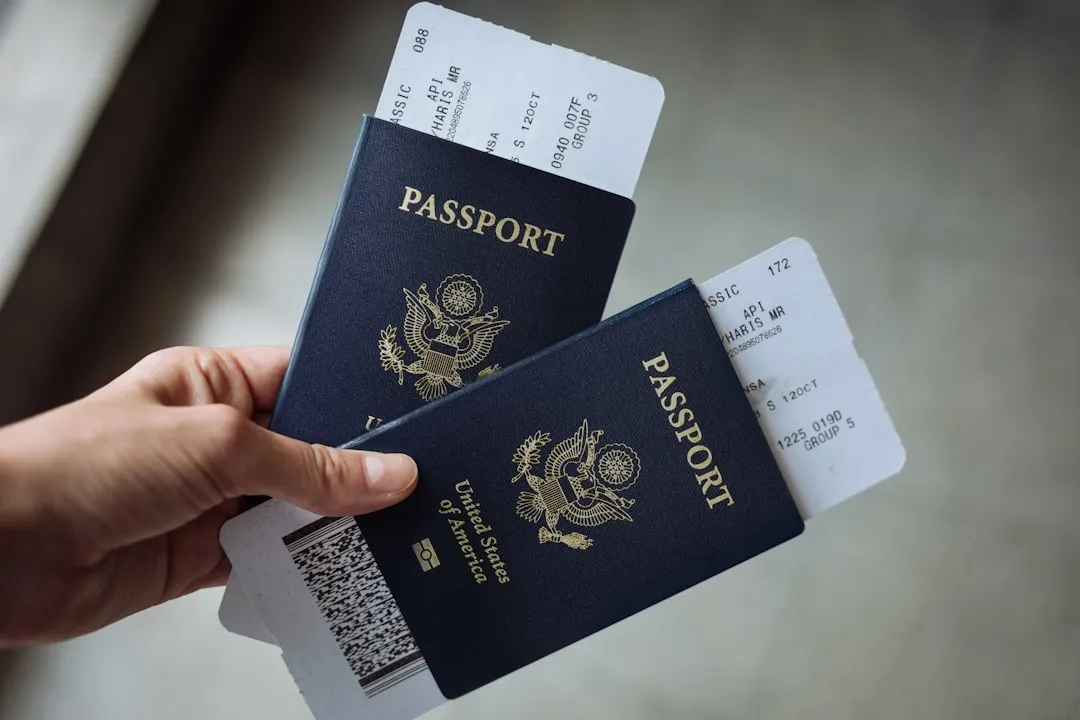
Not every line-shortening option costs money. Mobile Passport is free to use. Once the Mobile Passport Control app is on your mobile device, users complete customs declaration documents after arriving at the entry point. The app stores the information in a QR code that passengers scan upon arrival.
Global Entry requires a paid membership and background check, while Mobile Passport Control is free but does not include TSA PreCheck or the fastest entry lanes. So the free option helps with customs on arrival, not with the outbound security line. It’s a meaningful distinction, especially for leisure travelers who don’t fly frequently enough to justify a $120 investment.
If you take fewer international flights, CBP recommends enrolling in TSA PreCheck and using the free Mobile Passport Control app to reduce wait time. It’s genuinely useful advice for occasional travelers who want some friction reduction without committing to the full trusted traveler ecosystem.
What It All Adds Up To: A Two-Speed Airport
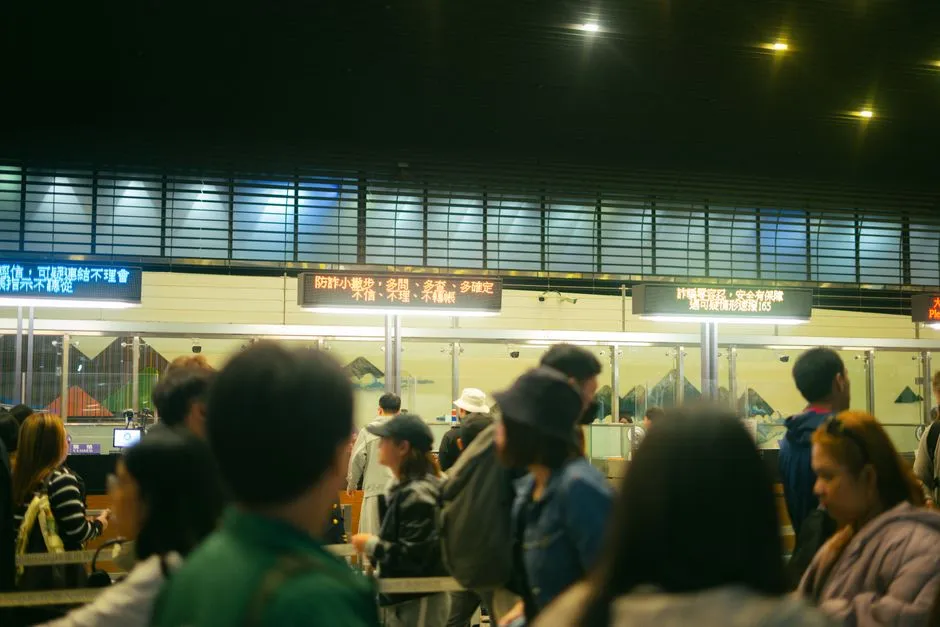
There are now effectively two very different airports occupying the same building. One moves at the pace of a government screening line. The other, stacked with biometrics, paid memberships, and credit card perks, flows at a speed that would feel unrecognizable to anyone who hasn’t used it. Despite the turbulence, national screening volumes are near record highs. Industry data updated in early 2026 shows that average daily passenger throughput at TSA checkpoints rose modestly from 2024 to 2025, reflecting continued demand for air travel.
Airports facing acute staffing shortages have suspended or restricted priority screening, folding elite travelers into general lines or limiting access to PreCheck lanes when available. Airlines have emphasized that these decisions are made by TSA, not carriers, and depend on real-time staffing conditions.
The programs themselves aren’t going anywhere. If anything, the technology layer is deepening, with facial recognition and biometric verification becoming more embedded in the process. For travelers who can access them, the advantages are real. For those who can’t, the gap between the two lines is becoming harder to ignore.
The Takeaway: Know the System Before You’re in the Line
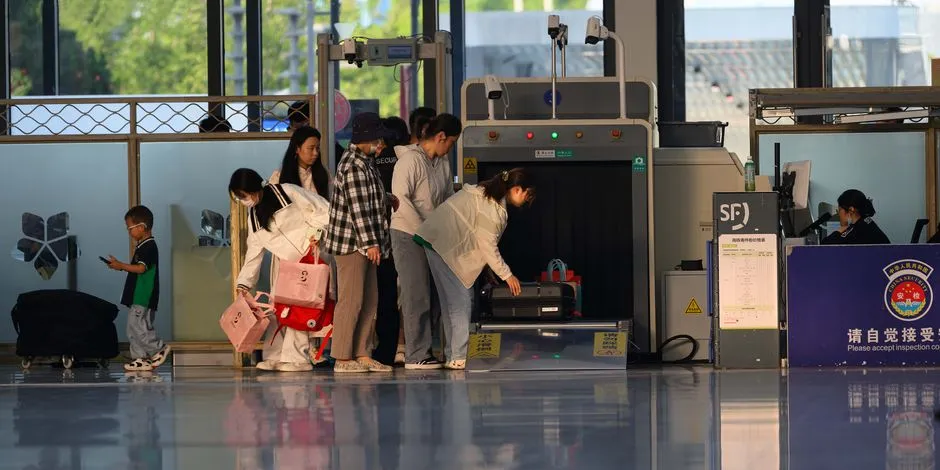
Airport fast lanes aren’t a secret anymore, but they’re also not as simple as they look. TSA PreCheck is the most broadly useful program for domestic travelers. Global Entry makes the most sense for anyone who crosses an international border at least occasionally. CLEAR is the most divisive option, delivering speed at the price of visible queue-jumping that rubs many travelers the wrong way.
TSA PreCheck is more widely available, currently in more than 200 airports, whereas CLEAR is limited to just over 50. Travel experts recommend deciding which program to use based on where you fly most often, since a program isn’t very helpful if it’s not consistently available at your home airport.
The quiet truth is that the frustration people feel watching others glide through security isn’t really about envy. It’s about a shared public space where the experience has quietly split into tiers. Understanding how those tiers work is the first step toward deciding whether you want to join them, or at least stop being surprised by them on your next trip.
AI Disclaimer: This article was created with the assistance of AI tools and reviewed by a human editor.