
There’s a particular kind of travel that doesn’t require a large savings account or a willingness to rough it. Across the Philippine archipelago, one island stands out as the rare place where a $50 daily budget genuinely covers a full life – good food, a decent bed, boat trips, and the sort of slow unhurried rhythm most people come to Southeast Asia for.
That island is Palawan. Stretching across the southwestern edge of the Philippines, it has earned its reputation not through hype, but through the lived reality of thousands of travelers who’ve passed through and found their money going far further than expected. Here’s an honest, category-by-category look at why that $50 ceiling holds – and how to stay within it.
Why the Philippines Is the Right Starting Point
The Philippines offers remarkable value on accommodations and food, especially for those seeking a beach vacation at a fraction of what it costs in the United States or Western Europe, and it consistently ranks as one of the cheaper destinations even within Southeast Asia.
A budget traveler can explore the Philippines for roughly $25 to $45 USD per day in 2026, while mid-range trips run $60 to $110 and luxury escapes push considerably higher. That range gives Palawan genuine flexibility. You don’t have to sacrifice comfort to stay under the daily ceiling.
Southeast Asia offers incredible value overall, with several countries ranking among the world’s most budget-friendly destinations, and daily costs as low as $20 to $50 routinely cover accommodation, food, transport, and activities.
Accommodation: Budget Beds That Don’t Feel Punishing
Stays in Palawan in 2026 run from $7 to $180 or more per night, with budget hostels sitting at $6 to $16, and backpackers often snagging beach huts in El Nido for roughly $7 to $16 a night, sometimes fan-cooled rather than air-conditioned.
Across the Philippines more broadly, hostels and dorms run $5 to $15, guesthouses sit at $10 to $25, and budget hotels come in at $15 to $40 per night. Staying in a family-run guesthouse rather than a resort makes a real difference, and the tradeoff in character is usually worth it.
Accommodation prices drop noticeably from June through October during the wet season, and resorts often run promotional rates during this period. Travelers with flexibility on dates can stretch that budget even further just by shifting a few weeks.
Food: Where Your Money Goes the Furthest
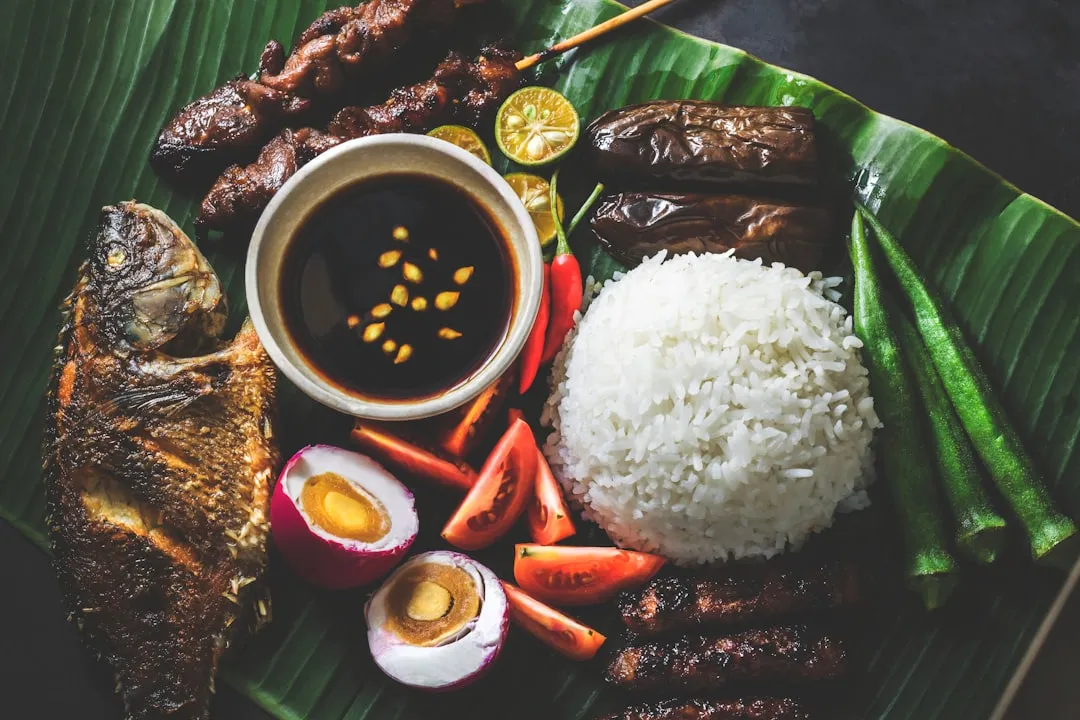
Street food and local eateries across the Philippines typically cost $1 to $3 per meal, local restaurants sit between $3 and $8, and Western-style meals run $8 to $15. Three full meals a day, eaten where locals eat, can realistically come in under $10.
In Siargao and similar island settings, eating at local carinderias costs around $1.40 to $2.70 USD per meal in 2025 and 2026, depending on how many dishes you order. Palawan’s local eateries operate on a comparable scale.
Eating at street-side warungs and their Filipino equivalents delivers delicious, filling meals for under $5, and the quality of fresh seafood in a coastal town like El Nido or Port Barton often outperforms what you’d find in an expensive restaurant elsewhere.
Getting Around: Tricycles, Ferries, and Scooters

Local transportation within towns across Southeast Asia typically costs less than $2 per ride, whether by bus, tuk-tuk, or shared vehicle, and ride-hailing apps like Grab are affordable and make it easy to move around without price negotiations.
Tricycle fares in El Nido town run slightly higher than the Philippine average, so budget roughly $3 to $6 for longer rides rather than the $0.36 to $0.90 you’d pay in smaller towns. Still, this barely registers against a $50 daily ceiling.
Renting a scooter is common and typically costs roughly $4 to $8 per day, giving you the freedom to explore at your own pace, though riding experience and proper insurance matter before choosing this option.
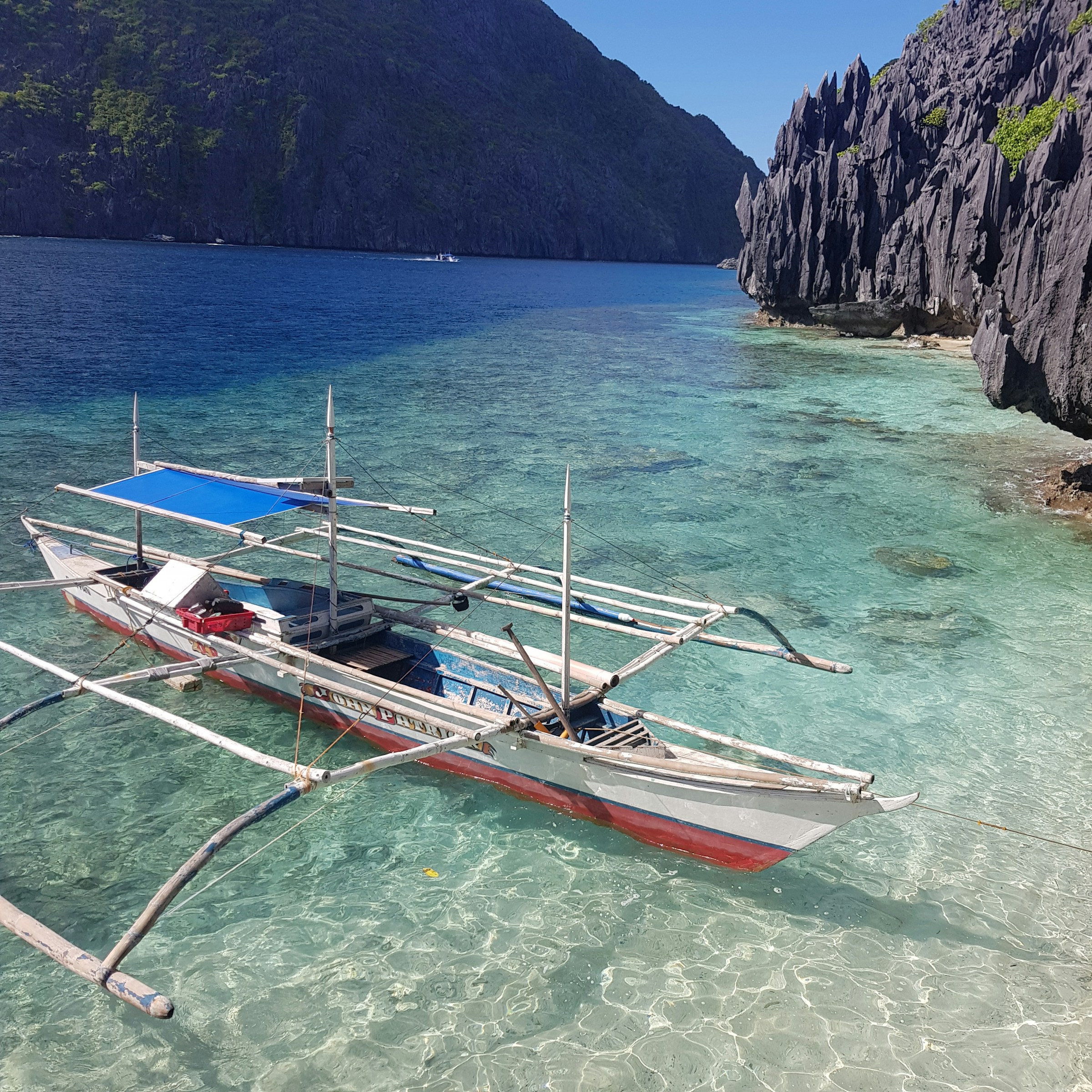
Island Hopping: The Main Event, Priced Fairly
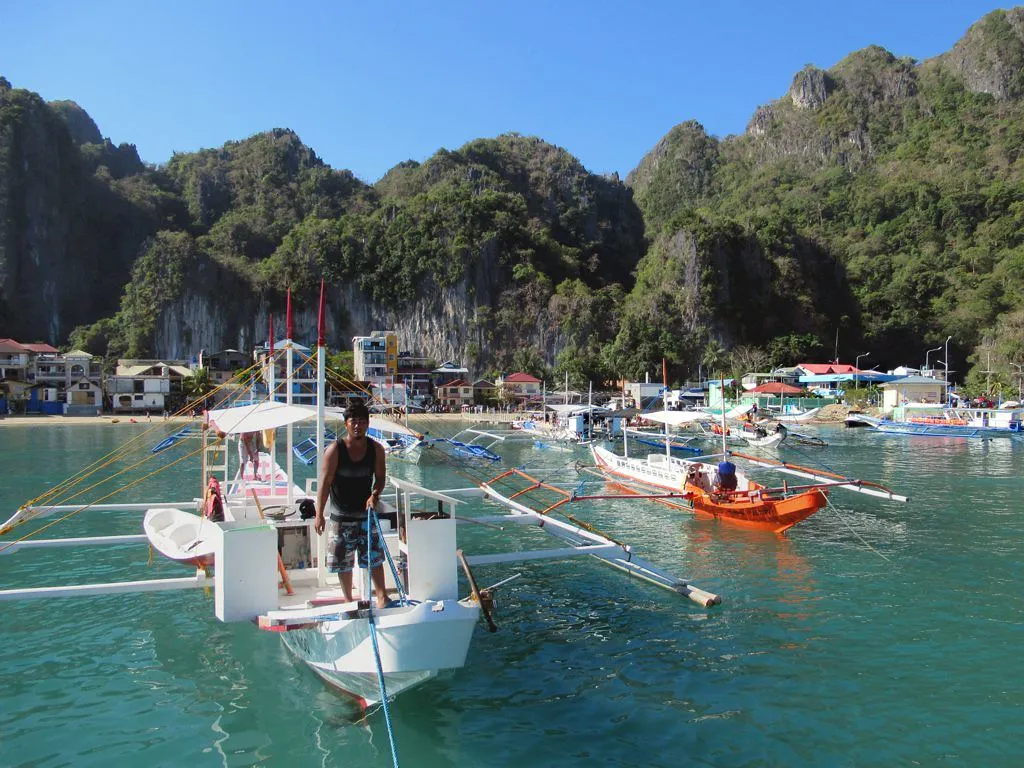
A budget traveler in Palawan might spend around $30 per day on a hostel, local food, and free activities, while a mid-range traveler could spend around $70 per day for a private room, restaurant meals, and a daily tour. Island-hopping trips fit neatly into the middle of that spectrum.
In the Philippines broadly, island-hopping experiences typically cost $5 to $15, though Palawan’s more popular routes command slightly higher rates given the fuel distances involved. Joining a group tour rather than booking a private boat cuts costs significantly.
Environmental and entrance fees can catch first-timers off guard: El Nido charges a modest eco-tourism development fee on arrival, and individual beaches and lagoons carry separate entry charges, while the Puerto Princesa Underground River requires a permit plus boat and guide fees totaling around $27 to $36 all-in. These are worth factoring into your weekly, not daily, budget.
Entrance Fees and Attractions Worth Budgeting For
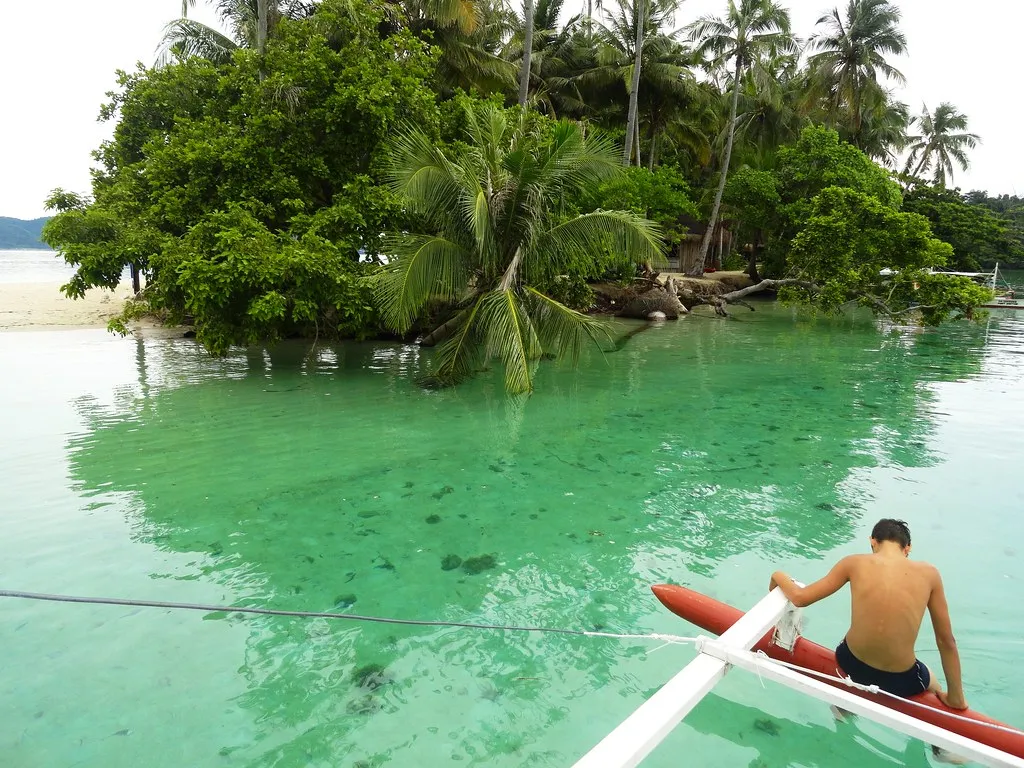
Paid experiences in Palawan include the underground river, which runs $20 to $30 for entry plus the tour, making it one of the more significant single-day expenses on the island. Spread across a week-long stay, it barely moves the daily average.
Island hopping and dive trips cost $15 to $50 per activity in 2026, fitting into a Philippines budget without breaking the bank, particularly when booked as group joiner tours rather than private charters. Asking guesthouses for recommendations usually surfaces the best-value operators.
Plenty of the best experiences are free: hiking viewpoints above El Nido, swimming off public beaches, and exploring small fishing villages along the coast cost nothing beyond the time and effort to get there.
How the Daily Math Actually Works Out

Budget travelers can often get by on around $50 per day or less in the Philippines, especially when staying in local guesthouses, eating Filipino food, and using public transportation. The key word is “local” – it appears in almost every category of spending.
At May 2026 exchange rates, roughly 1,000 Philippine pesos equals around $18 USD, meaning a budget day costing 2,500 pesos sits at approximately $45 USD. That 2,500 peso day covers a guesthouse bed, three local meals, transport, and a small activity with change to spare.
Prices are 2026 estimates, and season, booking timing, and travel style can still move totals up or down by roughly 20 to 30 percent. Traveling in shoulder months like May or November, as mentioned by multiple travel sources, brings costs down without sacrificing too much good weather.
The Best Base Towns for a Budget Stay
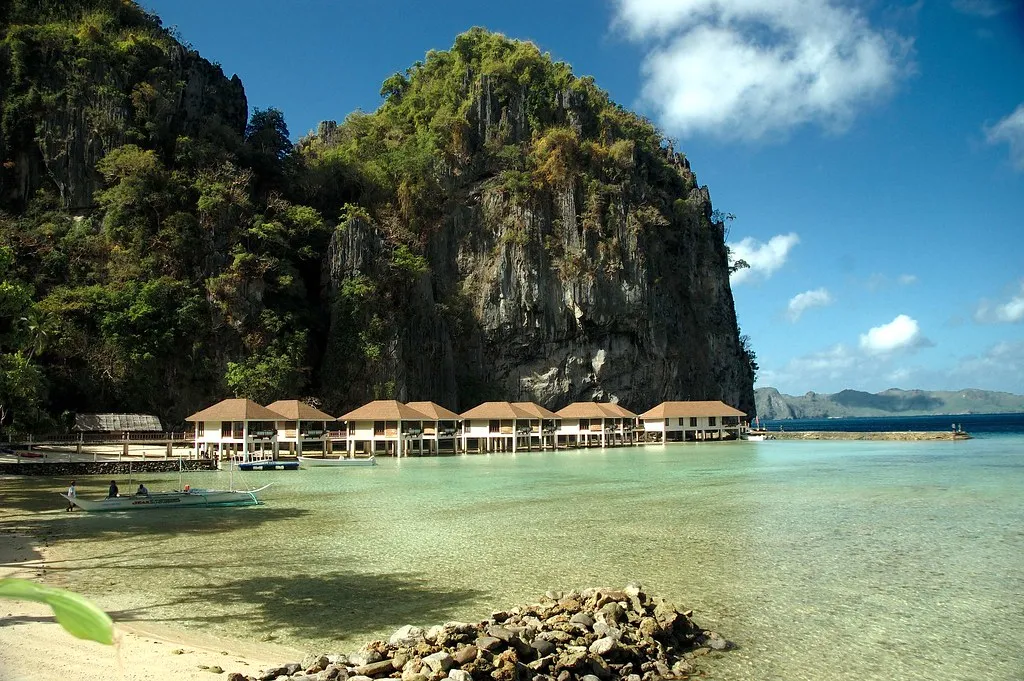
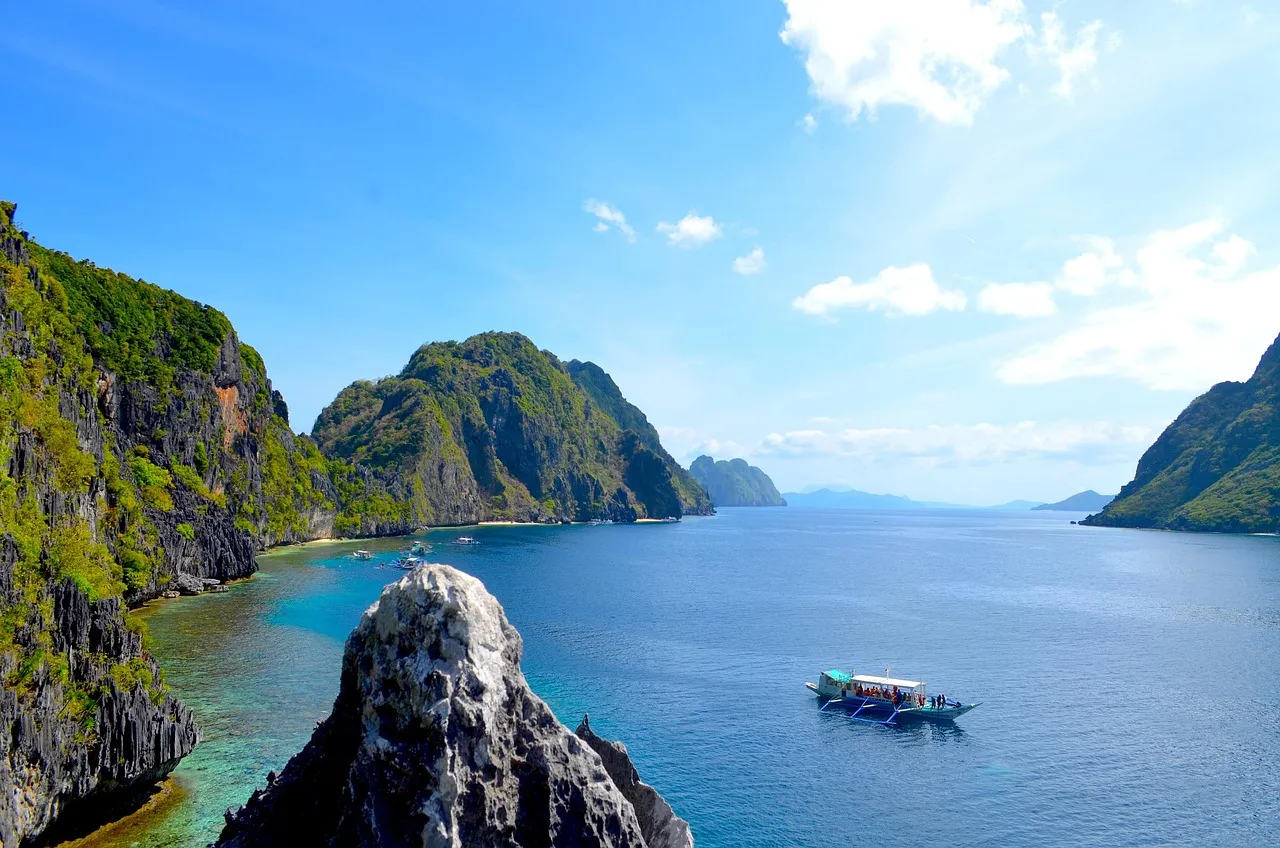
El Nido gets the most attention, and for good reason, but it has also become the priciest corner of Palawan for it. Port Barton, a smaller village on the western coast, operates at noticeably lower prices across accommodation, food, and boat tours while offering comparable marine scenery.
Palawan’s classic trip comes with paid movement across multiple locations, including island-hopping boats, environmental fees, vans between towns, and ferries, so picking one base and staying put makes the budget much more manageable.
The shoulder months of May and November offer a practical compromise: lower prices than the December-to-March peak, drier weather, and most tours running normally. Quieter roads and fewer tourists at popular lagoons are a bonus that no price tag fully captures.
Practical Money Tips That Actually Help

Costs can be significantly reduced by cooking some of your own meals, using only local transport, seeking free activities, traveling in low season, and staying longer in each place to qualify for weekly discounts. Even applying two or three of these at once compounds the savings quickly.
Booking domestic flights earlier can save around 40 percent compared to last-minute fares, which is worth knowing because the flight into Palawan from Manila or Cebu is often the biggest single expense of the trip. For islands where flights grow expensive, ferries offer a reliable and budget-friendly alternative – an overnight ferry from Coron to Manila, for example, can cost a fraction of a flight and also saves you a night’s accommodation.
Visiting during off-peak months from June to November can bring 20 to 30 percent discounts on tours and activities, which meaningfully lowers the daily average over a longer stay.
What $50 a Day Actually Feels Like on the Ground
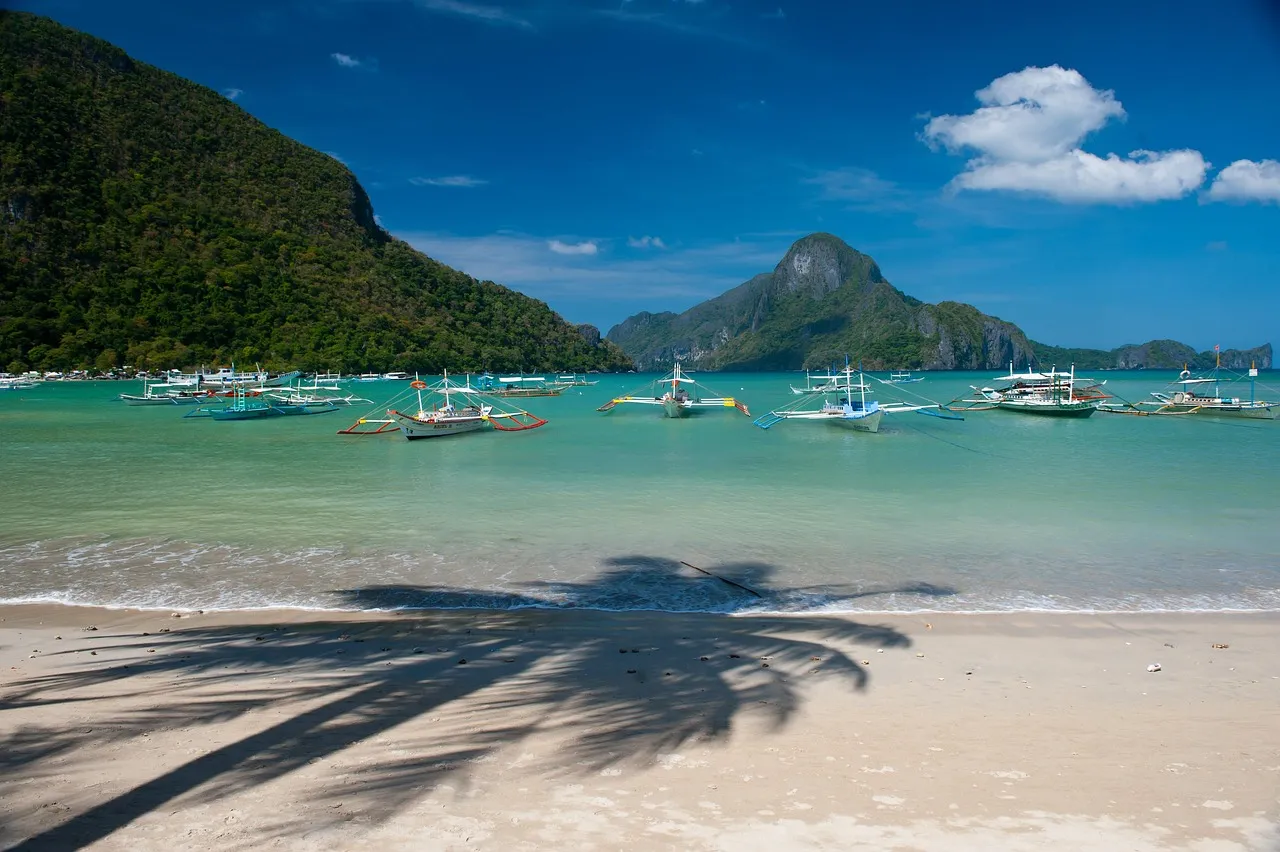
A typical budget day in El Nido might look like this: a clean fan room in a family guesthouse for $12, three local meals at around $8 to $10 total, a shared island-hopping tour for $15 to $20, a tricycle or two, and a coffee by the beach. That comes in between $38 and $45, leaving a small cushion.
Across Southeast Asia more broadly, experienced budget travelers report averaging around $35 per day covering all hostel stays, transportation, tours, and eating out three times a day, with costs rising slightly for those preferring private rooms or more organized tours.
The $50 ceiling is not a challenge or a constraint so much as a comfortable container. On Palawan, it doesn’t feel like sacrifice. It feels like choosing the version of travel that actually puts you in the place rather than behind a resort gate.
A Note on Responsible and Respectful Travel

Palawan’s natural environment is genuinely fragile. The eco-tourism development fees and entrance charges at beaches and lagoons exist for a reason, and paying them without resentment is part of traveling here well. These small amounts fund the protection of ecosystems that draw millions of visitors each year.
Eating at local carinderias and staying in family-run guesthouses rather than large resort chains keeps more of your spending within the immediate community. The budget approach and the ethical approach tend to point in the same direction in Palawan, which is part of what makes it such a quietly satisfying place to be.
Destinations like Palawan provide rich experiences without financial strain, from fresh seafood feasts to island explorations, and they do so in a way that genuinely connects visitors to local life rather than isolating them from it.
The Takeaway
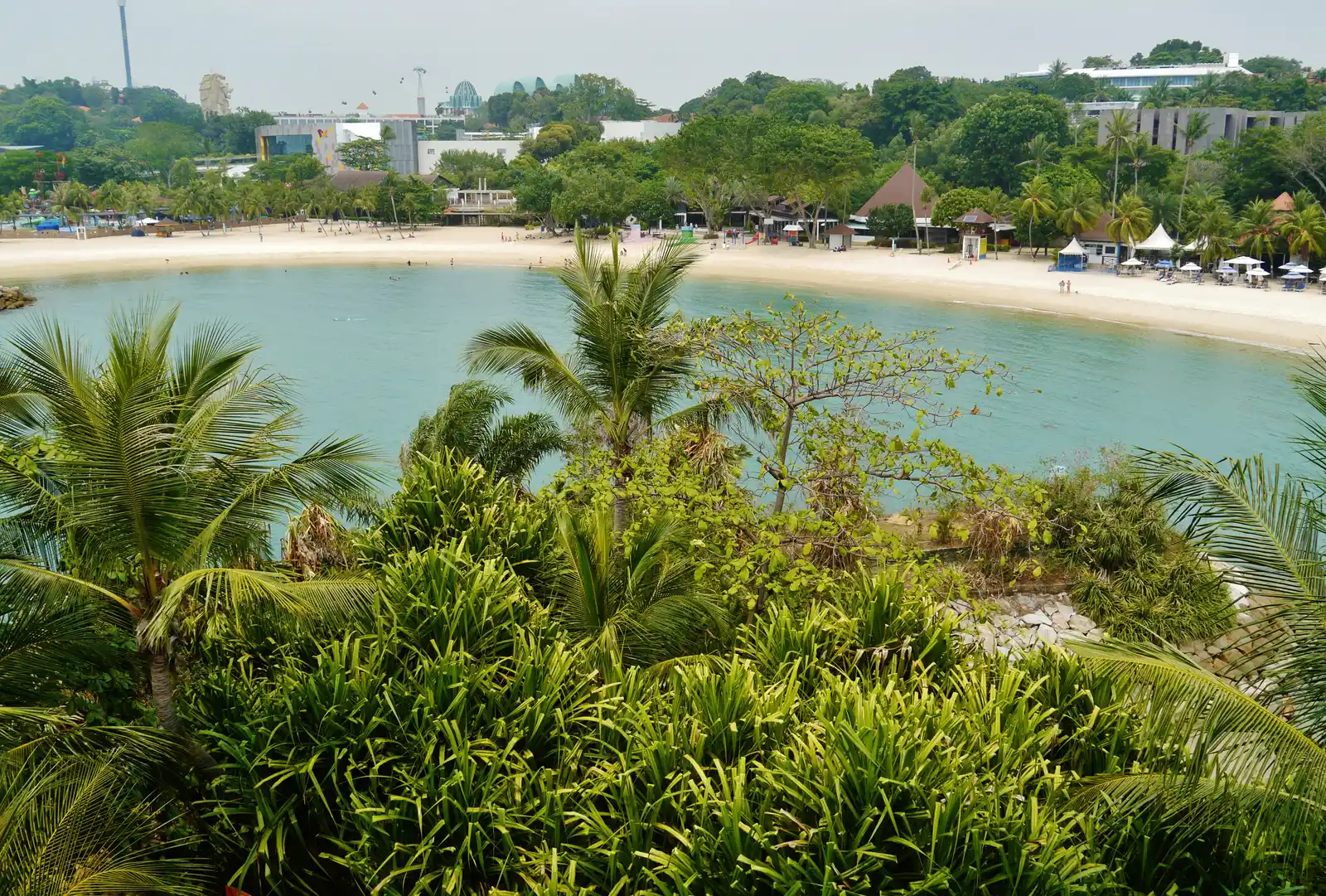
Palawan isn’t the cheapest island in Southeast Asia in absolute terms, but it may be the one where $50 feels least like a ceiling and most like a reasonable, comfortable amount. The combination of accessible natural beauty, affordable local food, shared boat tours, and genuinely warm hospitality makes the daily math work in a way that doesn’t require constant vigilance or sacrifice.
What this island rewards most is slowness. Staying in one base, eating where the locals eat, and spending mornings at sea rather than booking every hour of the day. That’s not just a budget strategy. It’s a better way to travel.
AI Disclaimer: This article was created with the assistance of AI tools and reviewed by a human editor.