

The Pre-Trip Souvenir Spiral Starts at Home

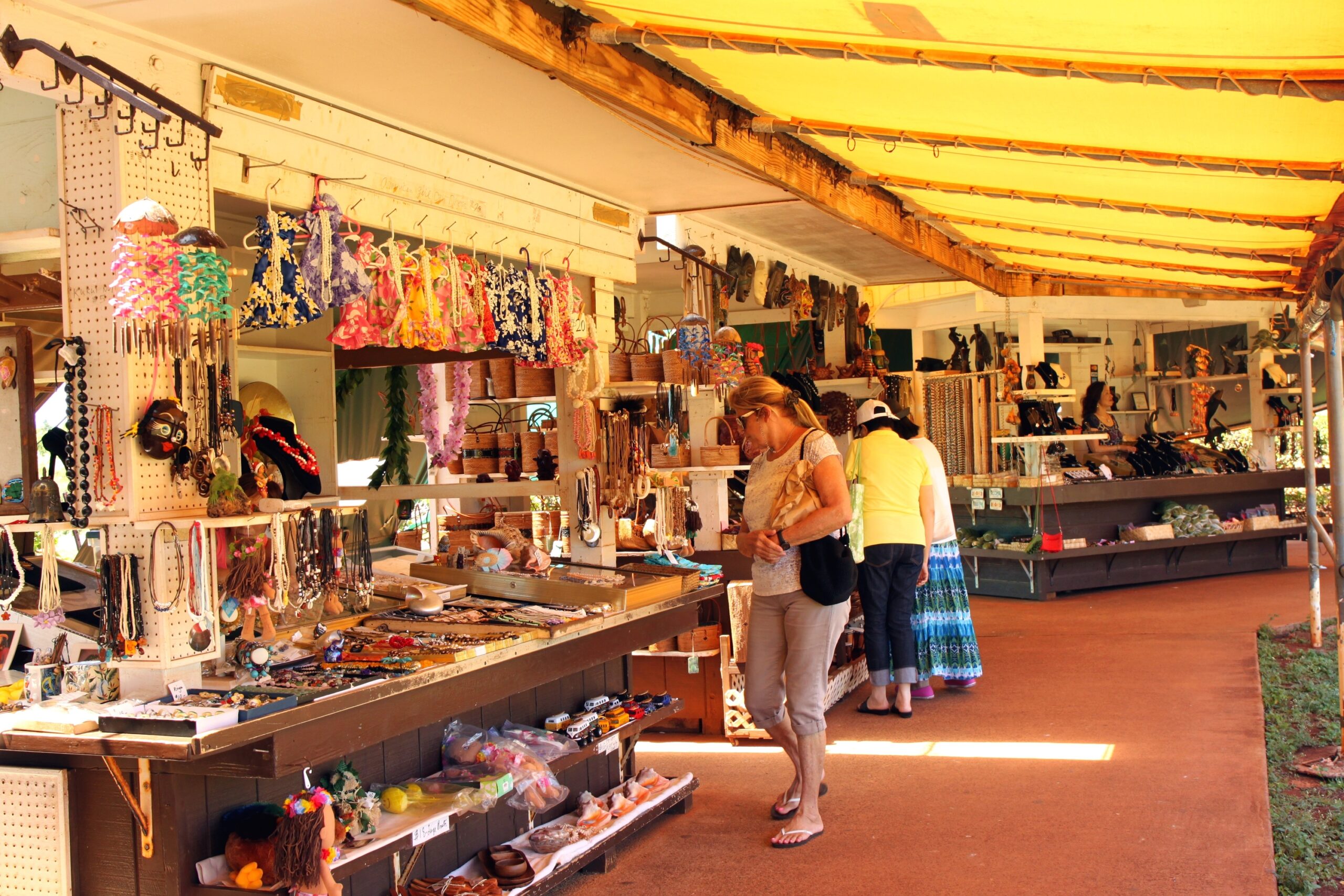
The mistake often begins before the suitcase is packed. Well-meaning travelers start browsing online for “authentic” local goods from their destination weeks in advance, adding items to wishlists and reading gift guides. By the time they board the plane, they’ve already made informal promises to themselves and others – a scarf for mom, a toy for the kids, something “unique” for the office – and those promises carry real financial weight. This invisible pre-commitment is one of the most underappreciated drivers of souvenir overspending.
Airport Retail Is Engineered to Drain You Early

Duty-free shopping is one of the cleverest traps in travel retail. The promise of tax savings creates a psychological sense of value that nudges travelers toward purchases they hadn’t seriously planned. Research in consumer behavior has consistently shown that perceived discounts increase purchase likelihood even when the baseline price is inflated – and airport retail environments are specifically designed around this principle. Many travelers spend a significant portion of their souvenir budget in the departures lounge, before the trip has technically even begun.
The “I Might Not Find It Later” Trap

Scarcity thinking is a powerful spending trigger, and souvenir markets know how to use it. A vendor who mentions that a certain item is “the last one” or “only made in this village” is not necessarily lying, but the urgency that statement creates rarely reflects genuine rarity. Behavioral economists have documented that the fear of missing out on a limited item reliably increases willingness to pay, often significantly beyond a traveler’s actual budget. The result is a series of impulsive purchases early in the trip, which quietly erase funds earmarked for experiences later.
Currency Confusion Makes Overspending Invisible
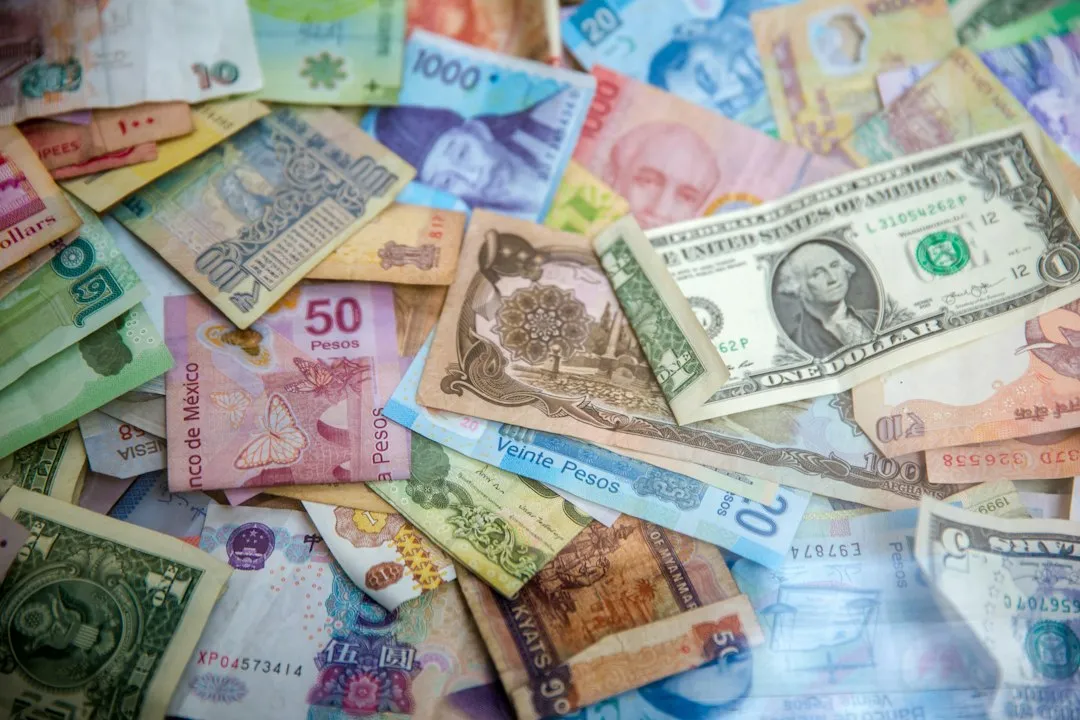
Spending in a foreign currency creates genuine cognitive distance from real costs. When prices are listed in Thai baht, Japanese yen, or Moroccan dirham, the mental conversion takes effort – and under the excitement of travel, most people don’t bother doing it precisely. Studies in financial psychology show that transactions in unfamiliar denominations tend to feel less “real,” which lowers spending inhibitions. What looks like a modest pile of colorful notes can represent a surprisingly large slice of a weekly budget by the time you’re back at the hotel doing the math.
Group Travel and the Obligation Economy
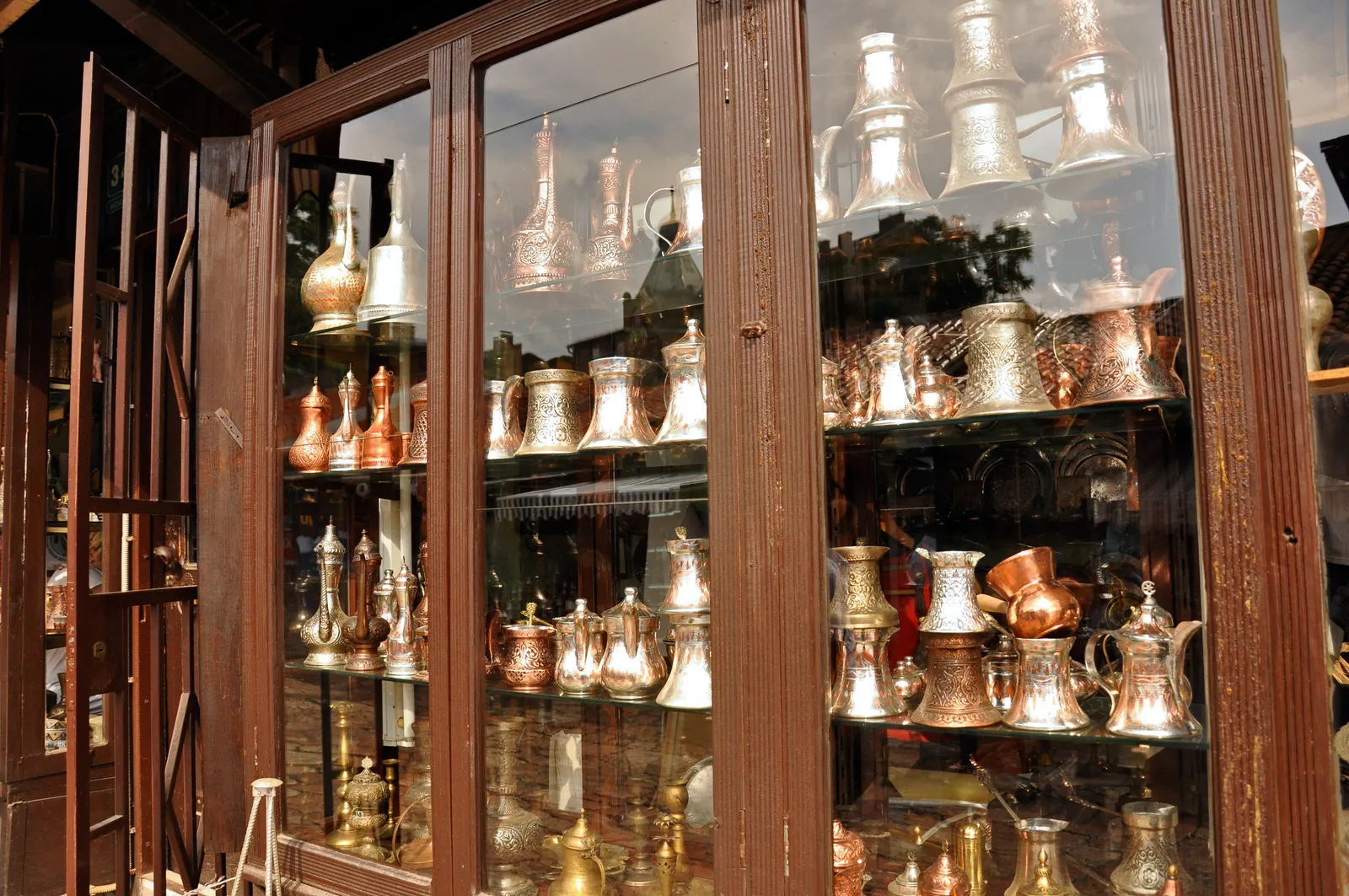
Traveling with others creates subtle social pressure around gift-giving that solo travelers rarely face. When one person in the group starts buying souvenirs, it triggers a social norm – suddenly everyone feels the quiet obligation to reciprocate or match the gesture. Back home, the expectation of bringing gifts for coworkers, extended family, and neighbors is deeply embedded in many cultures, and this expectation functions almost like an informal tax on international travel. The longer the recipient list, the more the souvenir budget grows, often without anyone explicitly agreeing to it.
Artisan Markets and the Emotional Premium

Handmade markets are among the most genuinely wonderful parts of traveling, and they’re also where budgets tend to suffer the most. When a traveler watches a craftsperson at work, hears the story behind a piece, and feels a real human connection to the place they’re visiting, the perceived value of an item rises sharply. This is not manipulation – it’s authentic and often worth it – but it does mean that purchases made in these settings tend to cost considerably more than pre-trip estimates allowed for. The emotional context of the moment is a pricing factor that no travel budget app accounts for in advance.
The Weight Limit Paradox
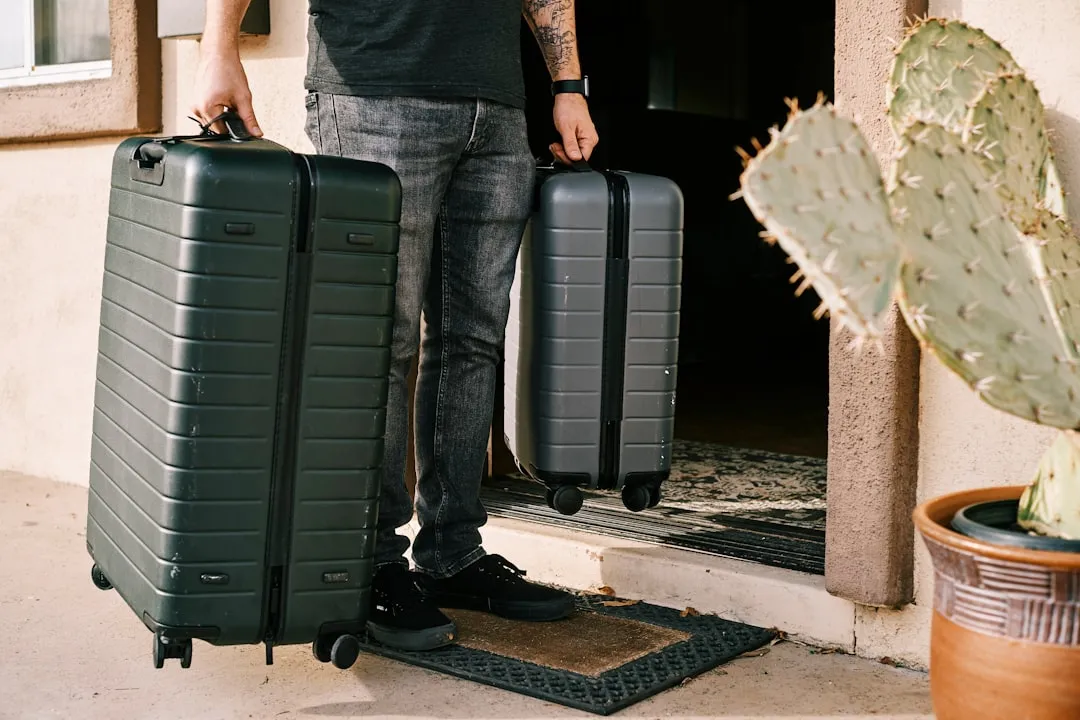
There’s a quietly ironic pattern that plays out in almost every souvenir-heavy trip: travelers buy more than they can comfortably carry home. Airline checked baggage fees, overweight luggage charges, and the cost of shipping items internationally can easily double the effective price of a souvenir purchase. According to airline industry data, excess baggage fees have risen consistently across most major carriers over the past several years, making impulsive bulk buying at markets an increasingly costly habit. The ceramic set that seemed like a bargain at a local kiln can become a logistical and financial headache by check-in day.
The Markup on “Local” Goods Sold to Tourists

Not everything sold in a tourist zone is priced for local purchasing power. In many heavily visited destinations, items marketed as authentic regional crafts are actually mass-produced elsewhere and sold at significant markup in souvenir districts catering to international visitors. Consumer advocates and investigative travel journalists have documented the spread of this practice across popular markets in Europe, Southeast Asia, and Latin America. A traveler who believes they’re paying a fair price for a handmade item may in fact be paying a premium for packaging and proximity to a landmark, not for the craft itself.
The Accumulation Effect Across Multiple Destinations

Multi-destination trips compound the souvenir problem in ways that single-city travelers rarely experience. Each new city brings a fresh wave of unique items, local specialties, and market stalls that feel distinct and worth commemorating – and each stop triggers another round of purchasing decisions. What starts as a modest shopping moment in one city becomes a layered accumulation across five or six stops, and the total only becomes visible at the end of the trip. Travel finance coaches often point to this creeping accumulation as one of the top unplanned expenses reported by multi-city travelers.
How to Actually Enjoy Souvenir Shopping Without the Financial Hangover

The most effective approach isn’t to stop buying souvenirs – it’s to budget for them with the same seriousness as flights and hotels. Setting a firm per-person or per-destination envelope before departure removes the ambiguity that causes overspending. Choosing a few meaningful purchases over many impulsive ones also tends to produce more satisfaction after the trip; research in experiential psychology consistently finds that people derive more lasting enjoyment from fewer, more intentional purchases than from a large haul of items that lose their meaning once unpacked at home. Treating souvenir shopping as a deliberate act rather than a default behavior is, in the end, what makes it genuinely worthwhile.
The Takeaway
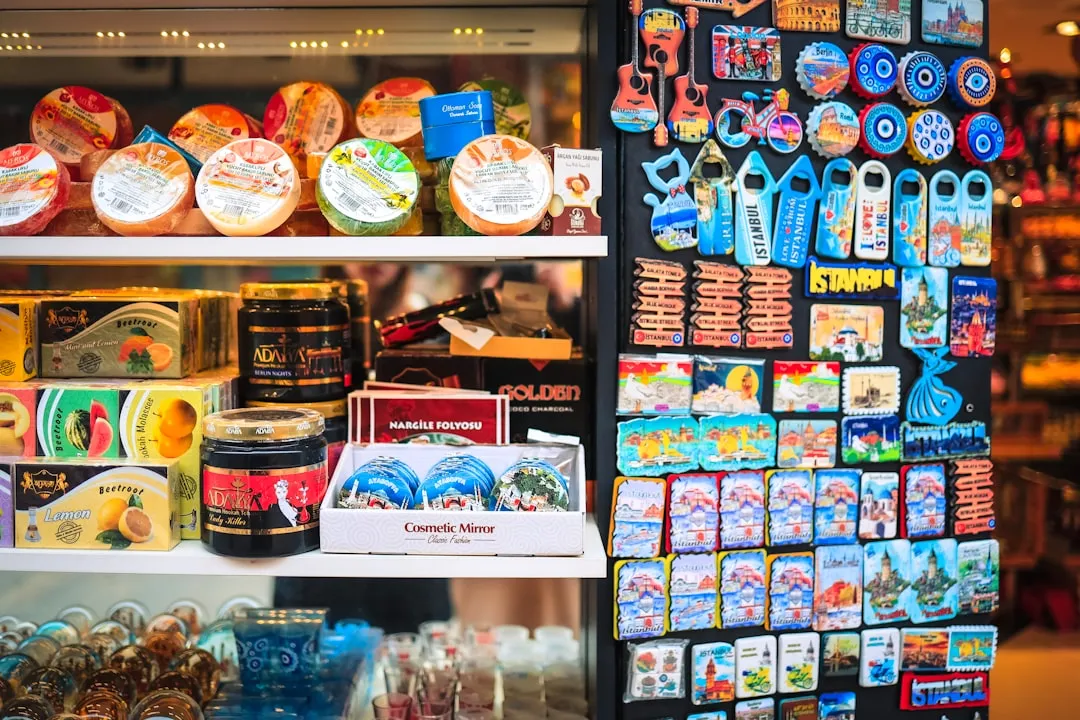
Souvenir spending isn’t inherently a problem – it’s one of the more human parts of travel, connecting people to places and carrying pieces of the world back home. The issue is the invisibility of the habit, the way it operates outside the formal travel budget until the credit card statement makes it visible again. A little intentionality goes a long way. Decide what the trip is for, decide what’s worth bringing back, and let that guide the shopping rather than the other way around.
AI Disclaimer: This article was created with the assistance of AI tools and reviewed by a human editor.