
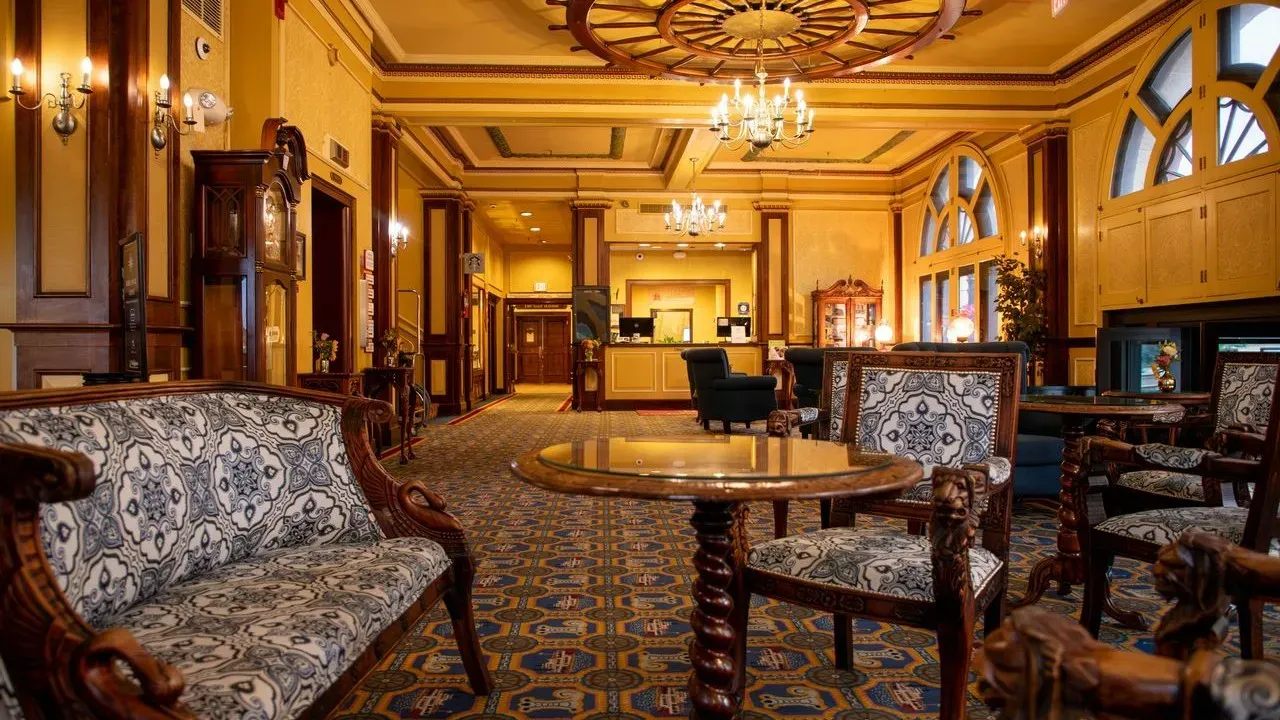

As autumn settles across the Rockies and Halloween approaches, travelers often seek places where the past feels especially present. The Stanley Hotel in Estes Park stands out among American properties that have welcomed overnight guests for more than a century while carrying forward layers of local history and storytelling. Its connection to broader cultural narratives, including the inspiration it provided for a well-known novel, adds to the appeal for those planning seasonal journeys. Information drawn from travel reporting highlights several such historic hotels where overnight stays remain possible. ([1])
A Landmark Shaped by Time and Place
The Stanley Hotel opened in 1909 as a grand retreat intended to match the elegance of East Coast resorts. Set against the mountain landscape of Estes Park, the property was designed with spacious public areas and thoughtful details that reflected the era’s optimism about leisure travel. Over the decades it endured periods of change, yet its core architecture and setting continue to draw visitors who appreciate the blend of craftsmanship and natural surroundings. Stephen King’s 1974 visit during a winter storm helped cement the hotel’s place in popular imagination. The experience contributed to the creation of a famous story, and the hotel later incorporated elements such as a hedge maze that echoes the narrative without replicating its darker tone. Today the property maintains its role as a working hotel, offering rooms that allow guests to settle in amid the same corridors and views that have witnessed more than a hundred years of arrivals and departures.
Stories Rooted in Daily Life and Local Lore
Many of the tales associated with the Stanley Hotel grow from the routines of its early staff and guests. One frequently mentioned account centers on a longtime housekeeper whose dedication to order and comfort is said to linger in a particular room. Another involves a young resident whose playful presence is described in family-style anecdotes passed along by longtime employees. These accounts sit alongside the hotel’s documented history of serving travelers who came for fresh air and refined surroundings. Rather than focusing on fear, the stories function as a form of living history. They invite guests to consider how a large property accumulates memories through ordinary moments – arrivals after long journeys, quiet evenings in the lobby, or the steady work of keeping such a place running smoothly. October visits often coincide with special tours that explore these layers without requiring belief in anything beyond the power of a well-told tale.
The Emily Morgan Hotel and San Antonio’s Layered Past
Across the country in Texas, the Emily Morgan Hotel occupies a building that once served as a medical arts center and hospital. Its location near the Alamo places it within a neighborhood rich in documented events from the nineteenth century onward. The property’s name itself honors a figure from Texas history, adding another thread to the cultural fabric that surrounds an overnight stay. Guests who choose rooms here encounter architecture that reflects both its original medical purpose and its later conversion into a hotel. The building’s vertical layout and preserved details offer a tangible sense of how urban structures evolve while remaining part of daily life. Like the Stanley, the Emily Morgan continues to operate as a place where travelers can rest, dine, and explore the surrounding city on their own schedule.
Thoughtful Ways to Plan an October Visit
Travelers interested in these properties often combine an overnight stay with daytime exploration of the surrounding region. In Colorado, that might include time in Rocky Mountain National Park or a walk through Estes Park’s historic downtown. In San Antonio, the river walk and nearby missions provide additional context for understanding the area’s development over generations. Many properties offer seasonal programming that highlights architecture, local cuisine, or storytelling traditions without leaning on exaggeration. Checking availability directly through the hotel and reviewing any current health or access guidelines helps ensure a comfortable and respectful visit. Such planning supports the kind of purposeful travel that values both the destination and the communities that sustain it. These hotels demonstrate how historic buildings can remain vibrant parts of the travel landscape. An overnight stay offers a quiet way to connect with the craftsmanship, regional stories, and seasonal atmosphere that make each place distinctive.
AI Disclaimer: This article was created with the assistance of AI tools and reviewed by a human editor.