
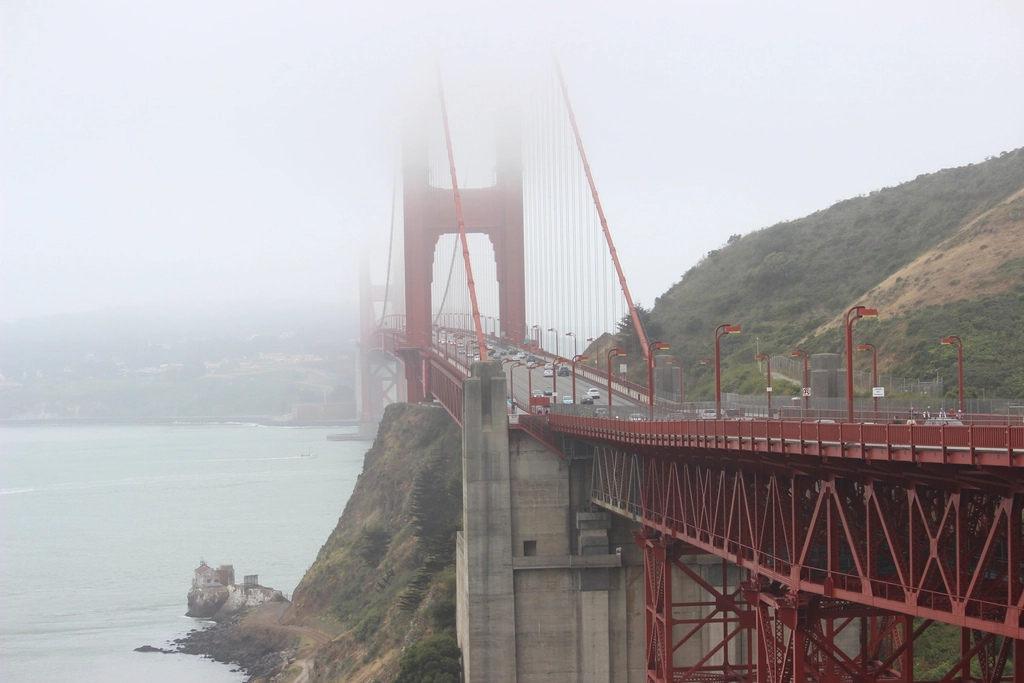

There is something quietly extraordinary about a structure that has been stared at, sketched, filmed, and photographed more than almost any other object on earth. The Golden Gate Bridge doesn’t ask for your attention. It simply takes it, rising out of the San Francisco fog with the kind of authority that only a handful of human-made things ever achieve.
What makes it so compulsively interesting is not just the scale, but the story. The bridge is the product of a Depression-era fight against geography, skepticism, financial ruin, and raw physical danger. Nearly nine decades on, it remains one of the most visited landmarks in the United States, and its silhouette is recognized almost everywhere on earth.
An Impossible Idea That Refused to Die
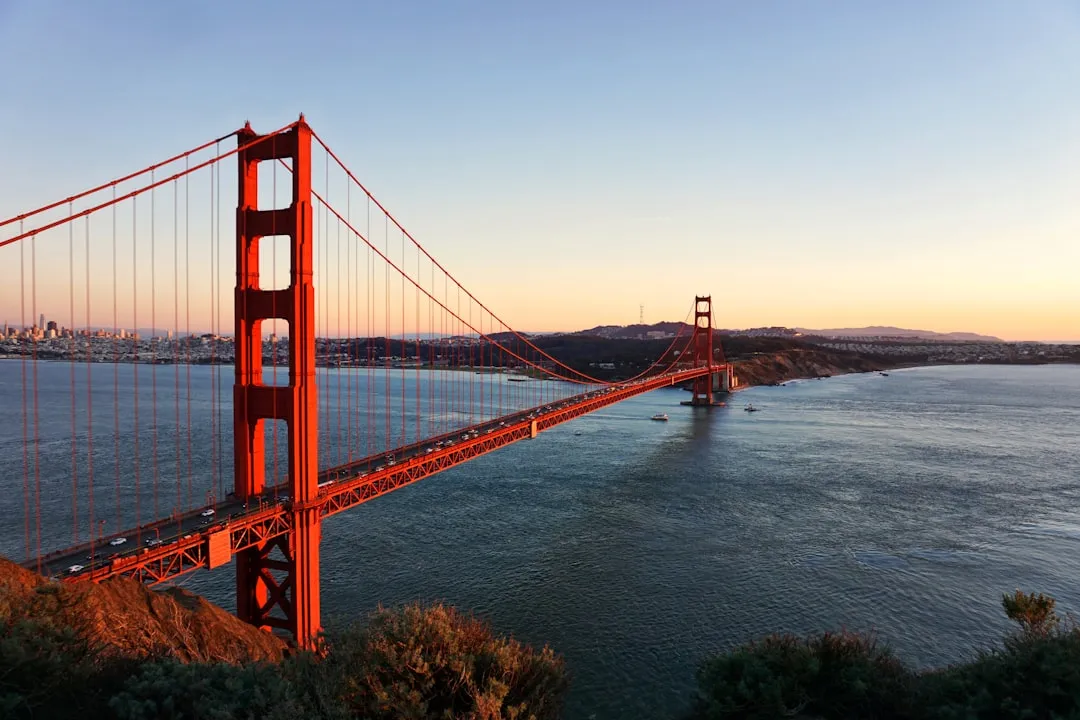
The idea of a fixed link between San Francisco and Marin had gained increasing popularity during the late 19th century, but it was not until the early 20th century that such a link became truly feasible. Before the bridge, crossing the bay meant relying on ferries, and the route was among the busiest in the world. In 1867, the Sausalito Land and Ferry Company opened, and by 1920 the service had been taken over by the Golden Gate Ferry Company, which eventually merged with the Southern Pacific Railroad’s ferry system to become the largest ferry operation in the world.
The first proposal for the bridge took place in 1916, with an estimated cost of $100 million, which was considered impractical for the time. It took a bold engineer willing to work for less to transform the dream into a real proposal. Joseph Strauss, who responded to the challenge, was an ambitious engineer and poet who had, for his graduate thesis, designed a railroad bridge across the Bering Strait. At the time, Strauss had completed around 400 drawbridges, most of which were inland, and nothing close to the scale of this new project.
Fighting the Fog, the Tides, and the Skeptics
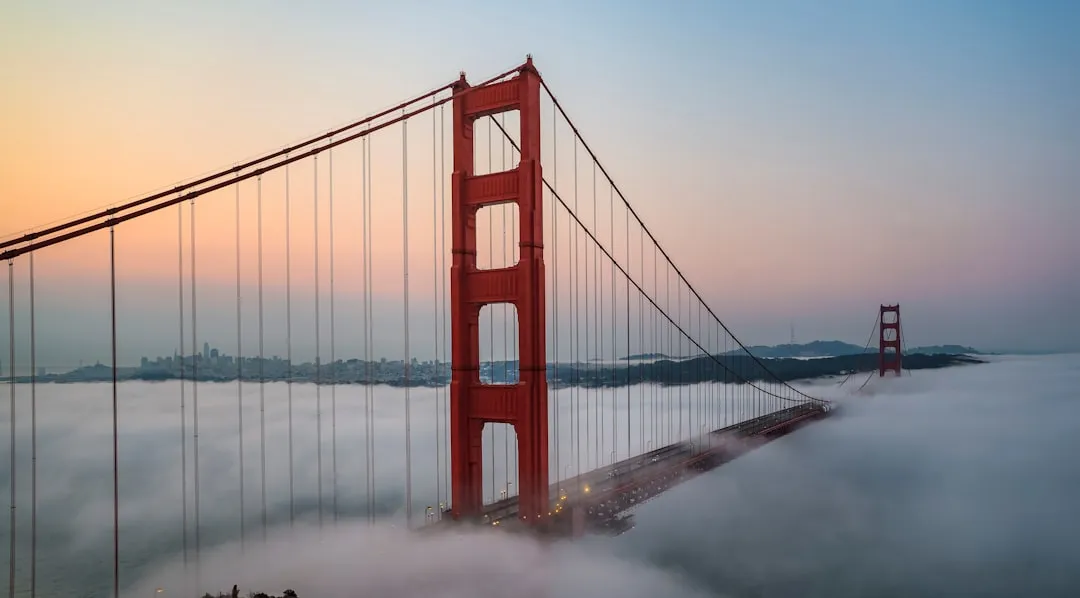
Construction began under the supervision of chief engineer Joseph B. Strauss in January 1933 and involved many serious challenges. The strait has rapidly running tides, frequent storms, and fogs that made construction extremely difficult. Geologists, structural engineers, and even meteorologists lined up to argue the bridge could not be built safely.
The Golden Gate Strait is over 300 feet deep, with violent tides and heavy winds. Fog regularly shrouded the area, reducing visibility to near zero and making construction a genuinely dangerous undertaking. The engineers had to design foundations capable of anchoring towers in the rocky seabed, while ensuring the structure could withstand the powerful earthquakes that San Francisco is known for.
No suspension bridge in the world had ever been built this large or faced the natural challenges of the Golden Gate. Yet the project pressed on, month by month, through some of the most challenging construction conditions ever recorded in American history.
The Men Who Built It
The bridge enlisted men by the hundreds to do filthy, back-breaking, and routinely dangerous labor. Workers built the bridge during the worst depression of the 20th century, years when Americans stood in breadlines and roughly one in four were unemployed. The men were simply happy to have a job.
In the era of the Golden Gate Bridge’s construction, workmen knew a grim rule of thumb: on average, one worker would be killed for every million dollars spent on a high-steel construction project. The total cost of the project was almost $24 million, so statistical forecasts would have expected around 24 deaths. What actually happened was far more measured, thanks to deliberate safety innovation.
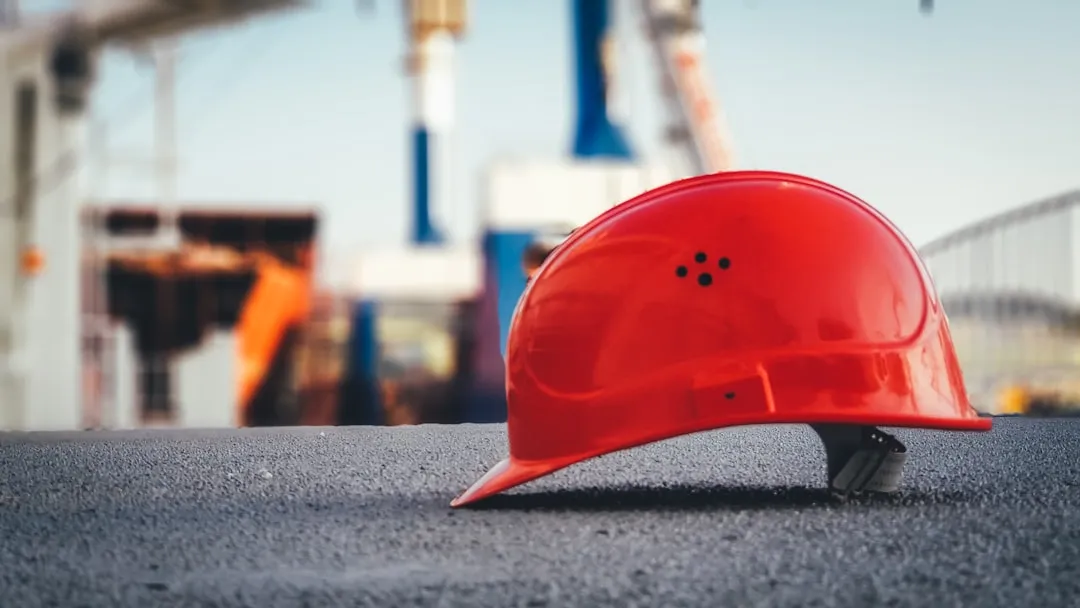
Joseph Strauss made safety a high priority on the treacherous project. The chief engineer made the construction site the first in America to require workers to wear hard hats, and he spent $130,000 on an innovative safety net suspended under the bridge deck. The net saved the lives of 19 workers, who called themselves the “Halfway to Hell Club.”
Tragedy Beneath the Towers
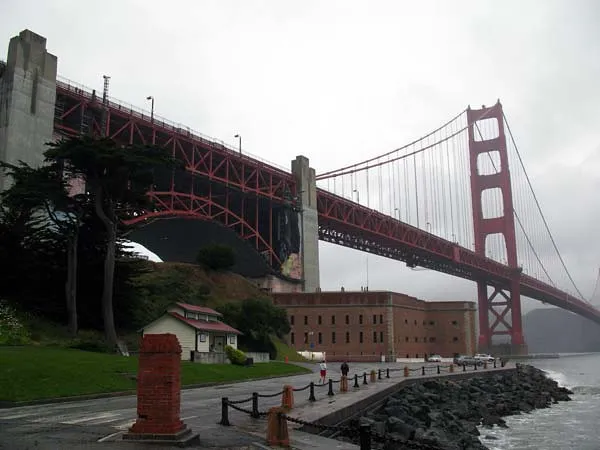
The safety net failed on February 17, 1937, when it gave way under the weight of a scaffolding collapse. Of the 13 men on the scaffolding, one jumped clear, two survived the fall into the water, and 10 were killed. One other worker fell to his death during the construction, for a total of 11 worker deaths over four years.
By the standards of the time, the construction safety record for the $35 million Golden Gate Bridge was considered impressive. By contrast, 28 laborers died building the neighboring San Francisco-Oakland Bay Bridge, which opened six months prior. The 11 deaths were still a heavy toll, but Strauss’s commitment to worker safety had genuinely changed the outcome compared to industry norms.
The Color That Wasn’t Supposed to Stay
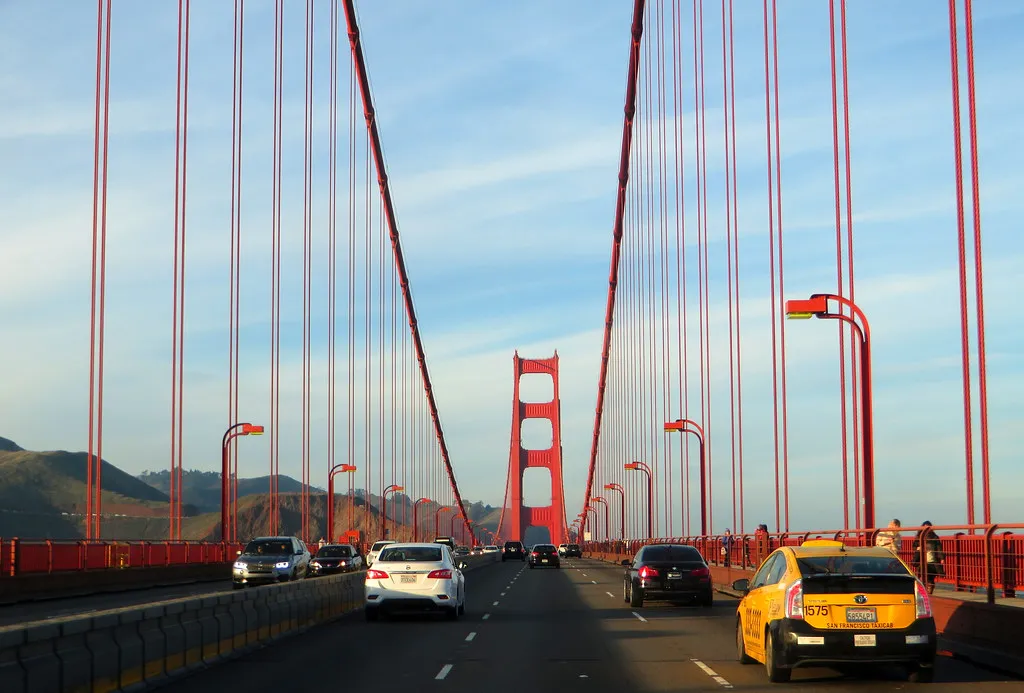
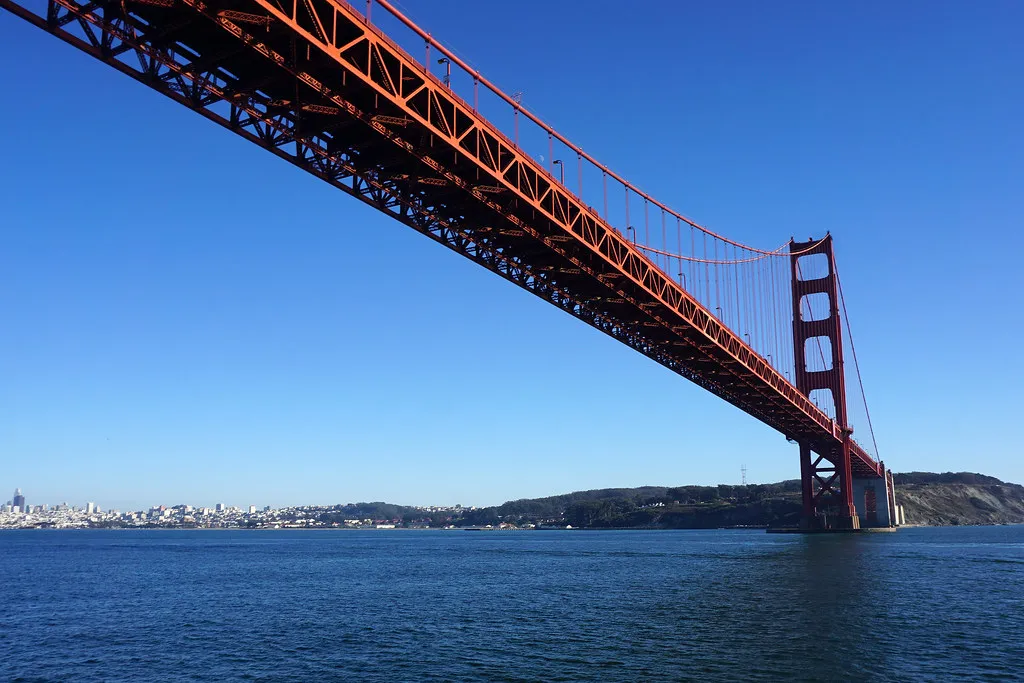
The bridge was originally going to be painted gray to enhance its visibility in the often-foggy San Francisco weather. However, consulting architect Irving Morrow proposed the use of International Orange, inspired by the red lead primer used on the steel during construction. The Navy had pushed for black and yellow stripes. The Army Air Corps wanted something else entirely.
International Orange was ultimately selected for practical reasons: it offers high contrast against San Francisco’s frequent fog and sky, provides optimal visibility for ships, aircraft, and drivers, and its warm tone complements the natural landscape of hills, ocean, and sunset. Thanks to its bright and warm tone, International Orange ensures the bridge remains visible even on the foggiest days, creating a striking contrast against the muted grey backdrop.
The bridge’s striking hue is continually touched up by a team of more than 30 bridge painters. Maintaining that color is relentless, year-round work in conditions that include winds of up to 60 miles per hour and fog coverage that blankets the structure for much of the year.
Opening Day and a Nation’s Exhale
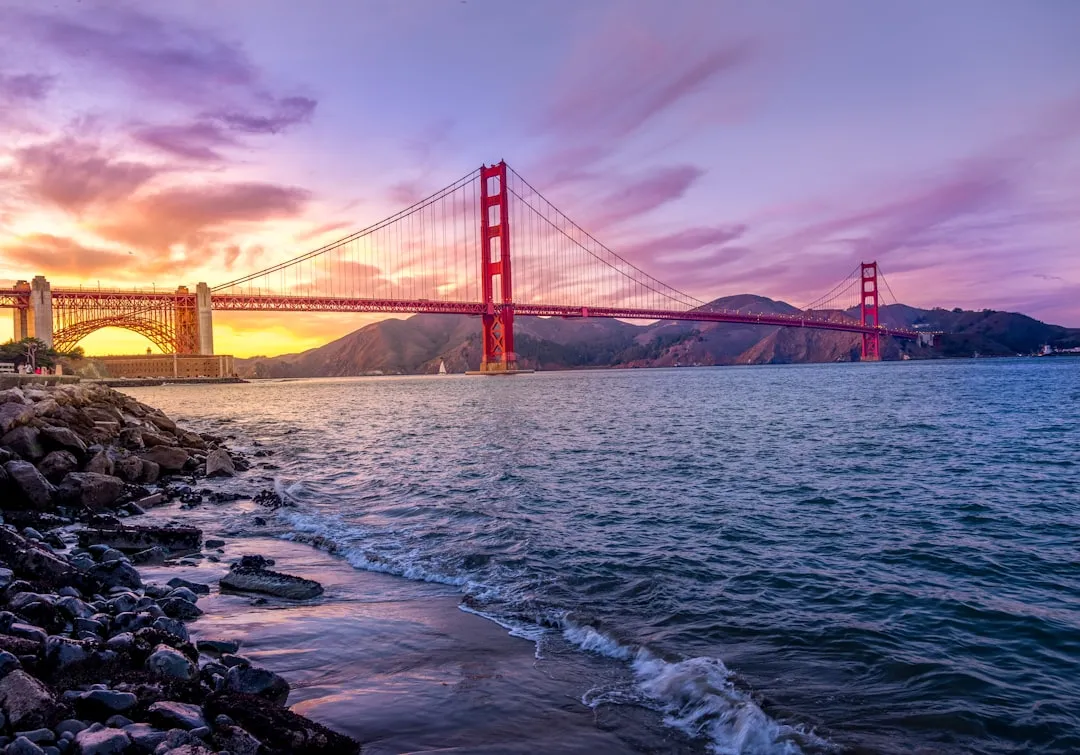
On May 27, 1937, 18,000 people gathered around each side of the Golden Gate Bridge as it opened to pedestrians. It was a moment of collective relief and pride that spilled out across a country still crawling out of economic devastation. Upon its completion in 1937, the bridge was the tallest and longest suspension bridge in the world.
The Golden Gate Bridge came to be recognized as a symbol of the power and progress of the United States, and it set a precedent for suspension bridge design around the world. For many Americans, it was proof that enormous ambition, pressed against nearly every obstacle imaginable, could still win.
Engineering Wonder, Declared Official
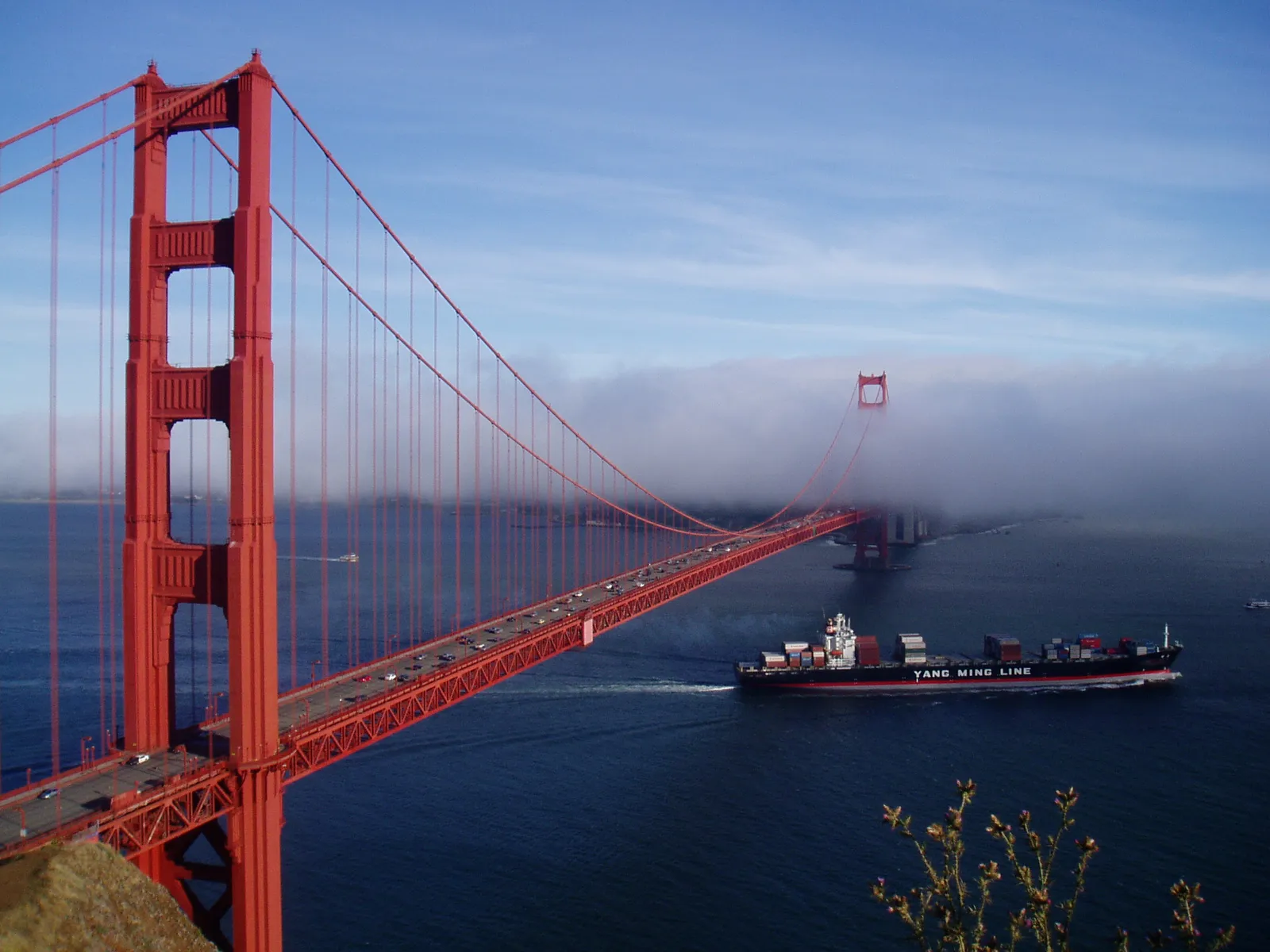
Despite its span length being surpassed by other bridges since its completion, it still has the second longest suspension bridge main span in the United States, after the Verrazano-Narrows Bridge in New York City. It has been declared one of the modern Wonders of the World by the American Society of Civil Engineers.
At the time of its construction, the bridge was the longest and tallest suspension bridge in the world, with a main span of 4,200 feet and towers reaching 746 feet above the water. Those numbers still impress today. The engineering standards set during its construction, including mandatory hard hats and the safety net, became foundations for worksite safety regulations across the broader industry.
The Numbers Behind the Icon
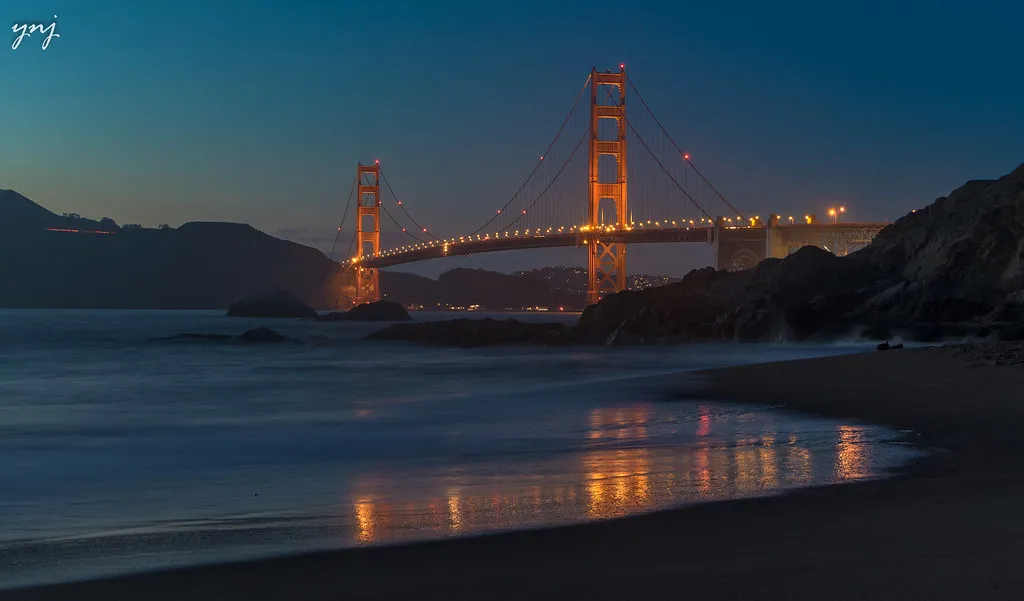
The Golden Gate Bridge attracts approximately 10 million visitors annually, maintaining its position as one of the most visited landmarks in the United States and the world. According to the Golden Gate Bridge, Highway and Transportation District, the bridge consistently welcomes around 10 million people each year who come specifically to view, photograph, walk, or cycle across it.
According to a 2024 report of the National Park Service, the bridge was visited by 15 million people, generating revenues of 1.5 billion dollars, supporting over 13,000 jobs in the area, and producing economic benefits worth 2 billion dollars for local communities. To these figures must be added more than 150 million dollars from the tolls of the 40 million vehicles that cross the bridge every year.
Since opening to vehicular traffic on May 28, 1937, the bridge has recorded over 2.26 billion total crossings as of early 2026, cementing its status as one of the busiest bridges in the United States.
Hollywood’s Favorite Structure to Destroy
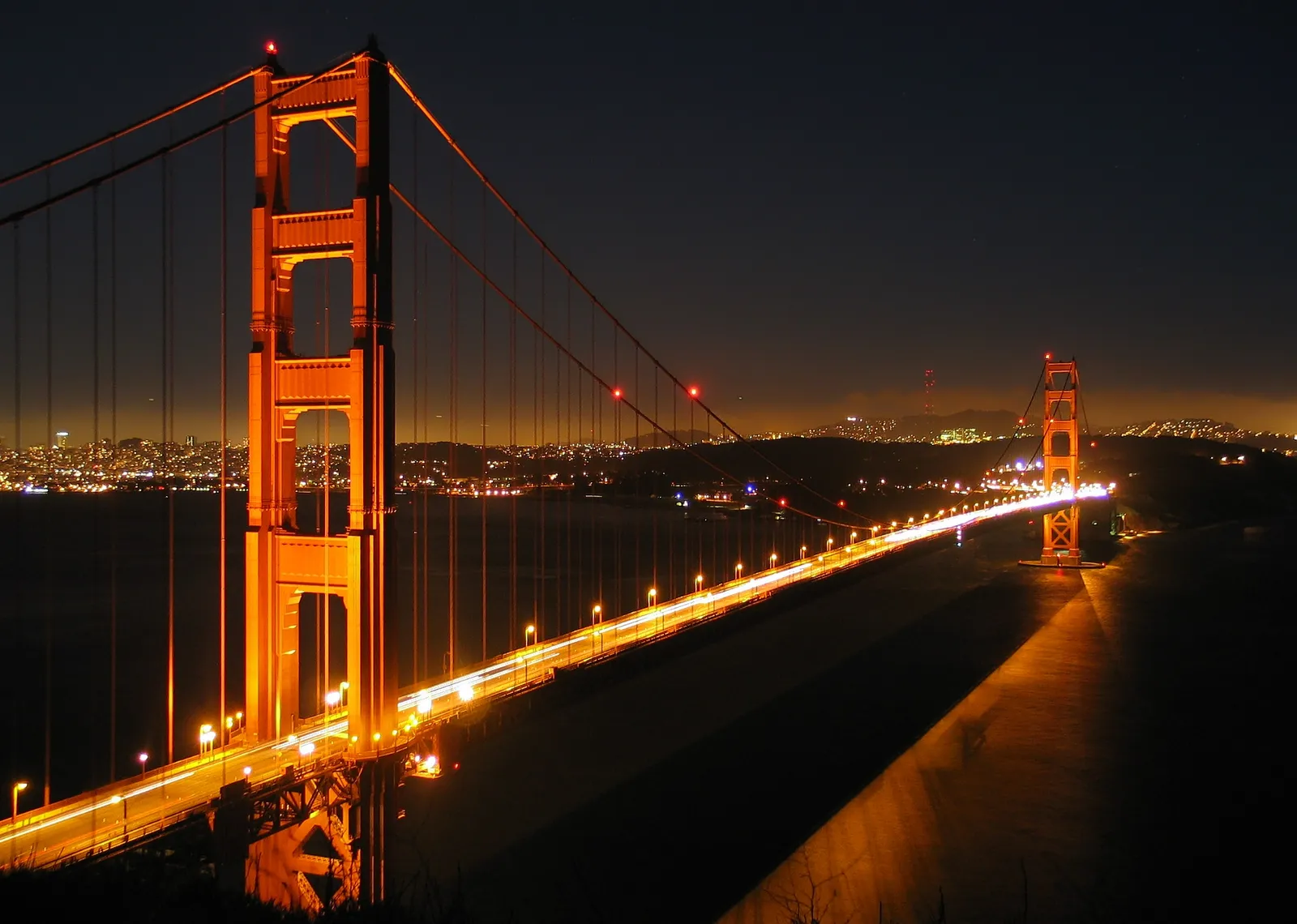
The Golden Gate Bridge is a favorite target for destruction in movies like X-Men: The Last Stand, Godzilla, San Andreas, and Terminator Genisys. There is something about its visual weight and cultural familiarity that makes it irresistible as a cinematic shorthand for catastrophe. When a filmmaker wants an audience to feel the stakes immediately, the bridge appears.
Films like Vertigo and Pacific Rim have prominently featured the bridge, using its vibrant color to enhance dramatic visuals. Countless postcards, paintings, and advertisements also showcase the bridge’s distinctive hue as a symbol of innovation, resilience, and beauty. The color has transcended its functional origins to become a cultural icon, inspiring artists, filmmakers, and photographers worldwide.
A Safety Net of a Different Kind: The Suicide Deterrent
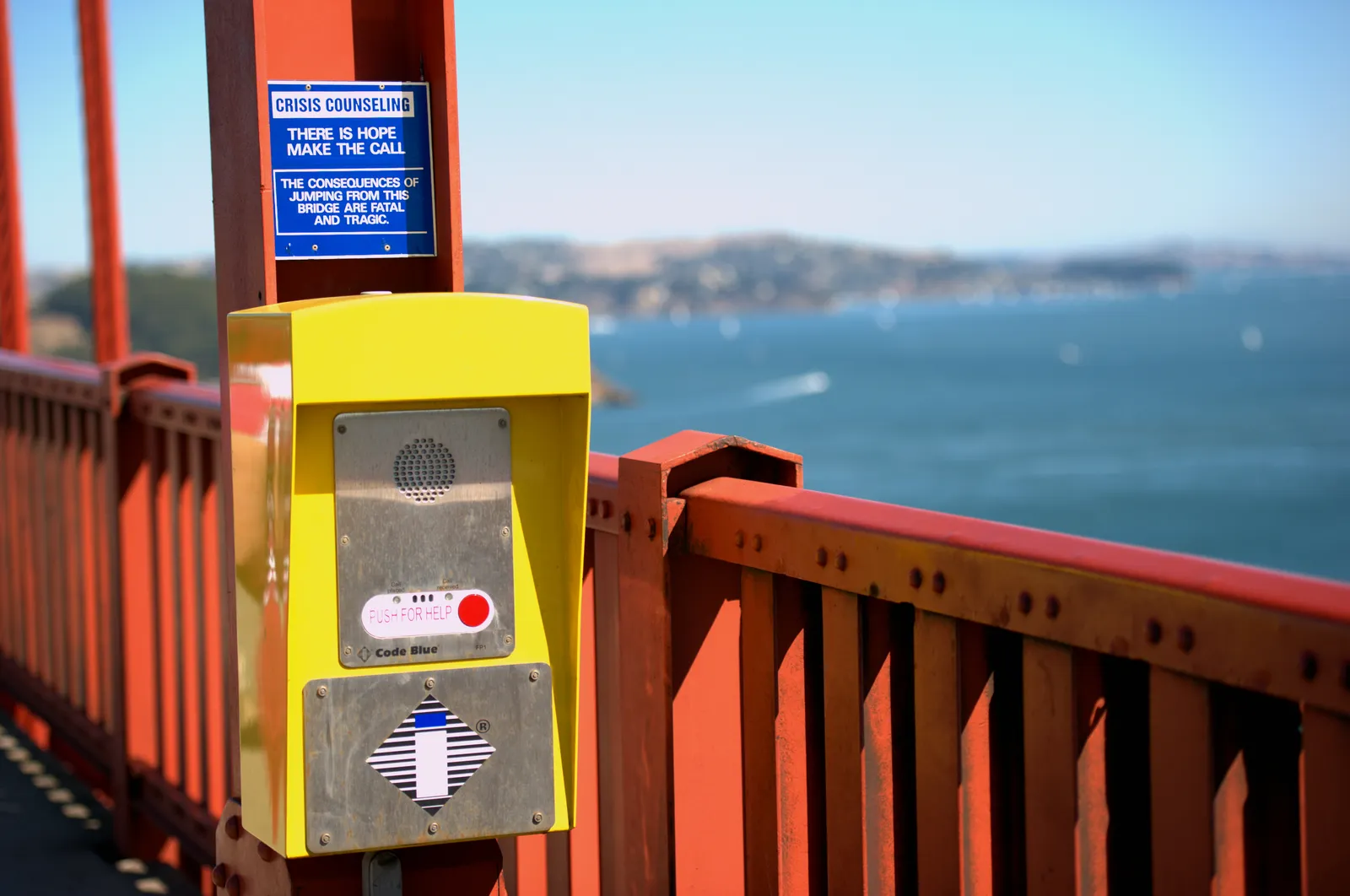
The bridge carries one painful distinction alongside its beauty. Between 1937 and 2026, an estimated 2,000 people jumped to their deaths from the Golden Gate Bridge. The issue prompted decades of public debate about prevention measures, with advocacy groups pushing for a physical barrier for much of the bridge’s later history.
Installation of metal suicide barriers stretching 20 feet out from the walkway was completed in January 2024. Separately, the Golden Gate Bridge, Highway and Transportation District is currently relying on a $400 million federal grant to retrofit the bridge for long-term structural safety. The bridge, now nearly nine decades old, continues to receive substantial investment to keep it safe for future generations.
What Makes a Bridge the Most Photographed on Earth
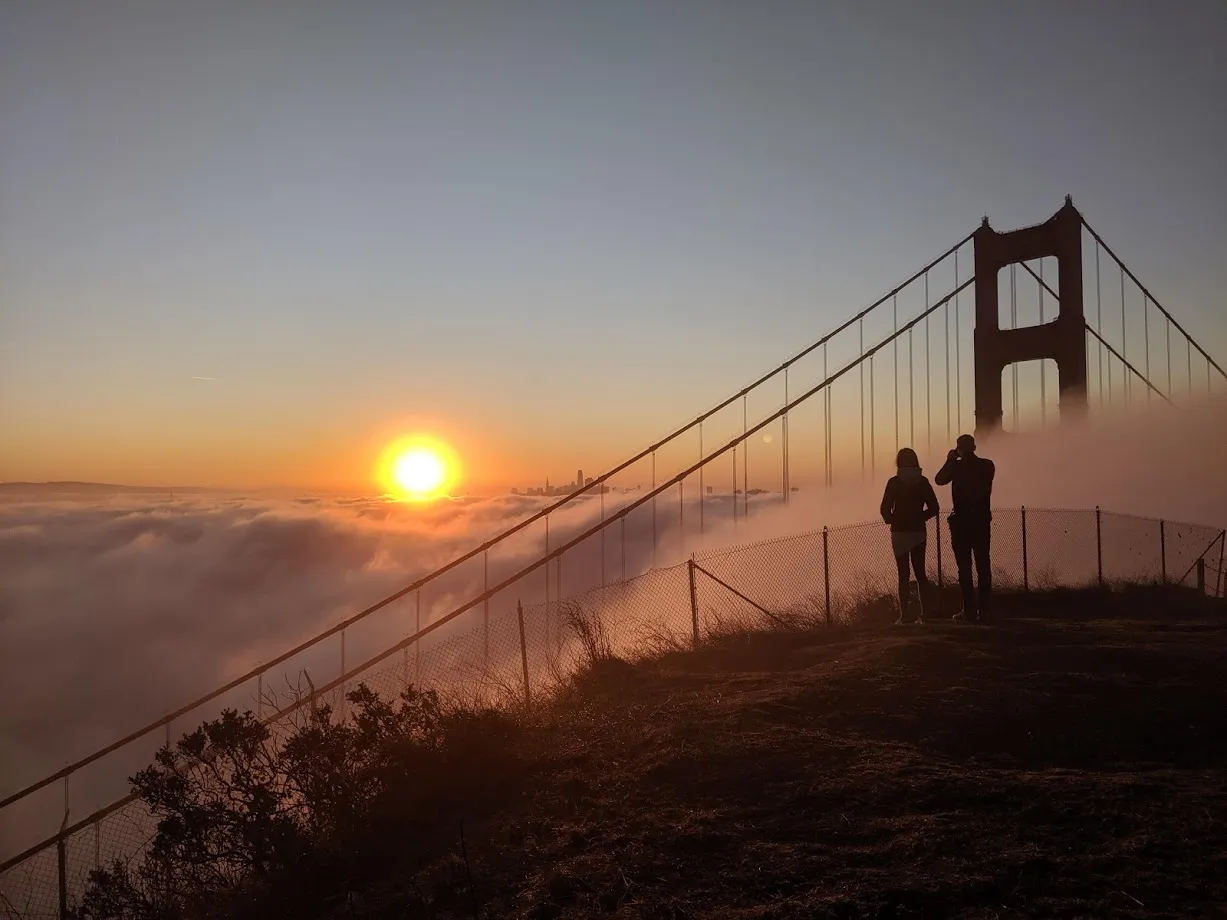
The Golden Gate Bridge is described in Frommer’s travel guide as “possibly the most beautiful, certainly the most photographed, bridge in the world.” According to Bank of America, which financed the building of the structure, the Golden Gate Bridge is considered the most photographed bridge on Earth. Those are two very different sources arriving at the same conclusion.
Although other bridges have since surpassed it in size, the Golden Gate remains incomparable in the magnificence of its setting and is said to be the most photographed bridge in the world. The convergence of dramatic geography, an arresting color, decades of cultural references, and sheer accessibility to millions of visitors each year has created something that no deliberate marketing campaign could replicate.
Over the years, the Golden Gate Bridge’s color has become synonymous with San Francisco’s identity. Millions of tourists flock to the city every year to capture its majestic beauty, often bathed in the golden hues of sunrise or partially shrouded in fog. No algorithm chose this. No branding committee voted on it. It simply became what it is over nearly ninety years of collective human attention.
A Living Structure, Still Earning Its Place
The Golden Gate Bridge is not a relic. It carries tens of millions of vehicle crossings every year, with ferries carrying more than two and a half million passengers in 2024 alone, while another 6 million passengers used buses to reach the bridge. It functions as essential infrastructure for a major metropolitan region, not merely as a backdrop for photographs.
Today no one doubts that the structure once written off as impossible has turned out to be one of the best infrastructure investments in American history. It was built by workers who were desperate for wages, designed by engineers who were dismissed as dreamers, and funded through a bond measure that the public backed against every expert warning. That particular combination, urgency meeting vision meeting stubborn optimism, rarely produces anything ordinary. In this case, it produced something the world has not stopped looking at since 1937.
AI Disclaimer: This article was created with the assistance of AI tools and reviewed by a human editor.