
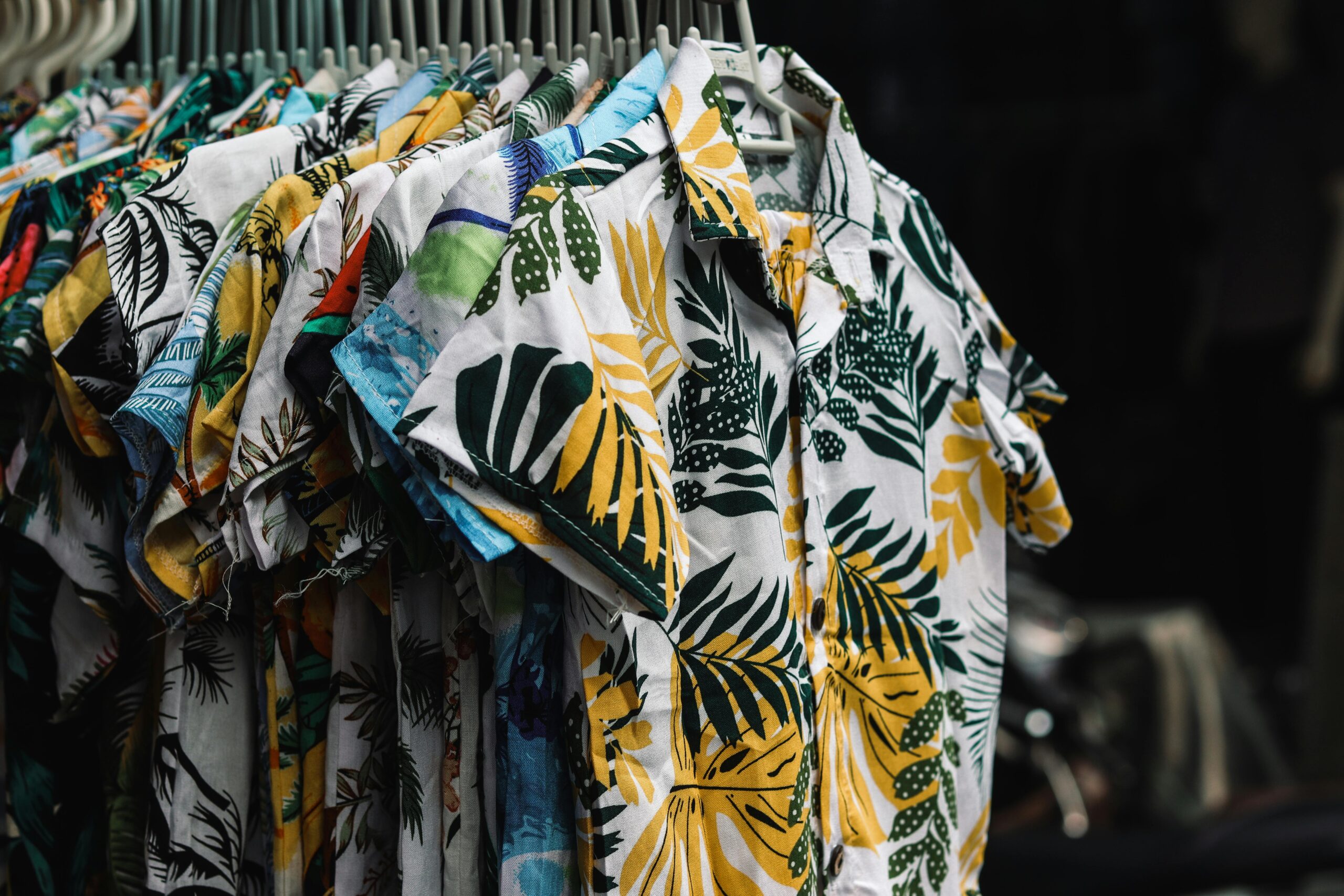

The aloha shirt didn’t “come from” one community. It emerged in multi-ethnic Hawai‘i, stitched together by Japanese textiles, local makers, savvy retailers, and later, designers who helped it travel the world.
The Shirt That Refuses a Single-Origin Myth
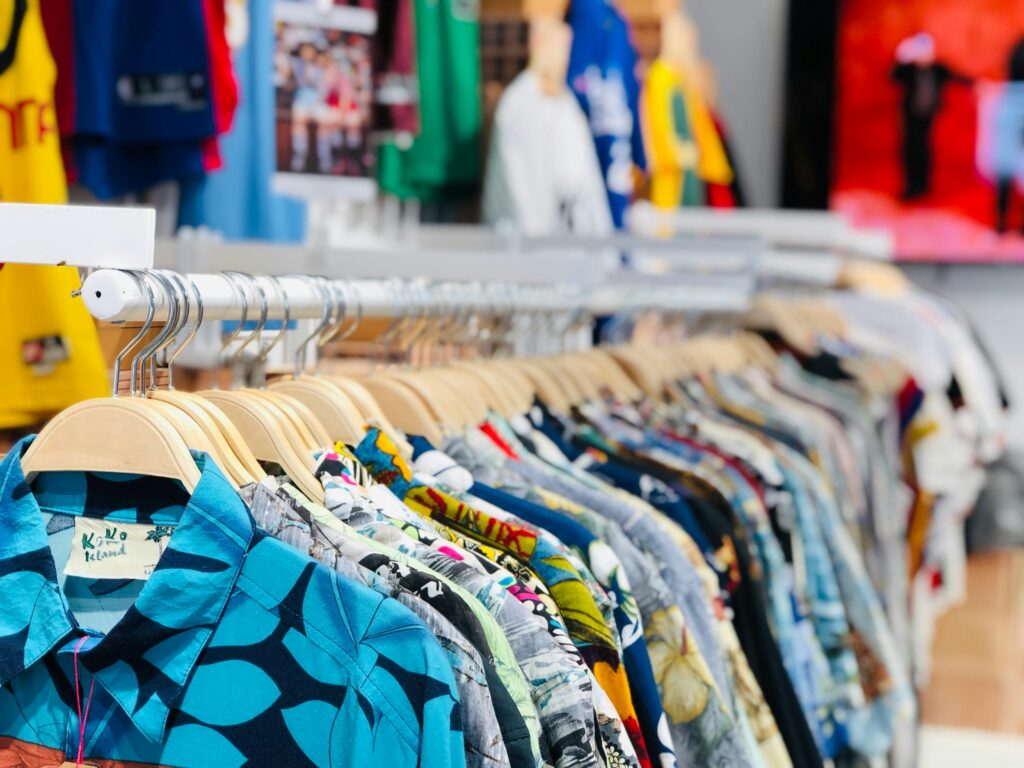
The Hawaiian shirt is one of the world’s most recognizable travel souvenirs, but its real origin story is far more interesting than the tidy “one inventor” version. The most reliable historical accounts don’t point to a single creator; they show the aloha shirt forming in early 20th-century Honolulu, shaped by immigration, fabric availability, climate, and the rise of tourism. That’s why the debate persists: Lebanese, Japanese, Chinese. The most accurate answer is: it was Hawai‘i — and different communities played different roles at different stages.
Clue 1: Follow the Fabric, Not the Folklore
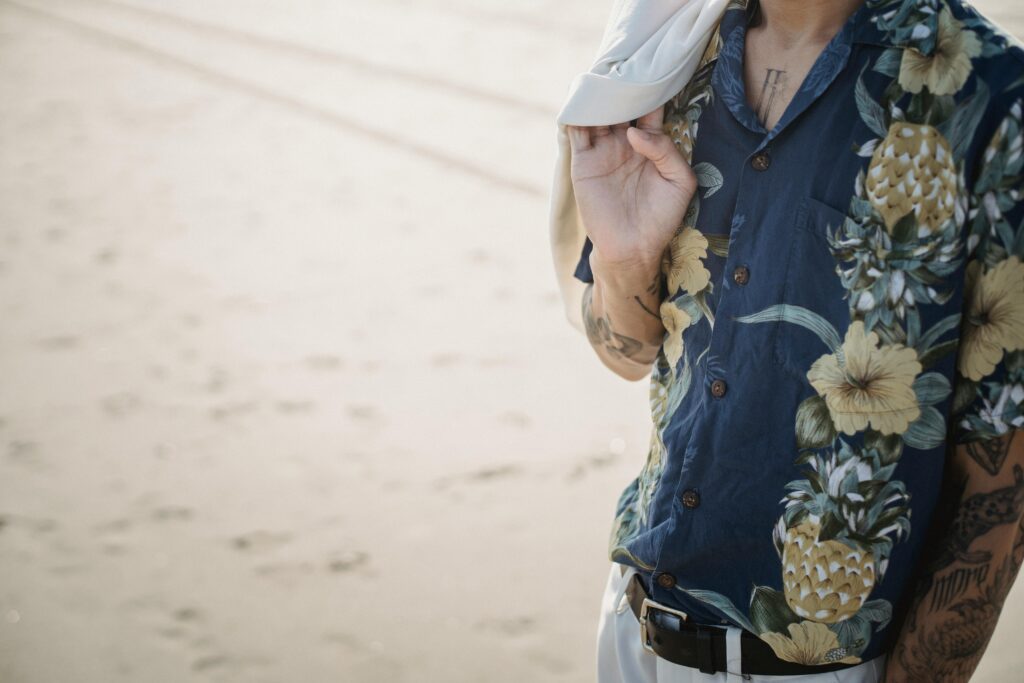
One of the clearest threads in the record is textile influence. Early aloha shirts were made using imported Japanese fabrics, including kimono silks and crepe-like textiles, reflecting what was available in Hawai‘i at the time and what made sense in a warm, humid climate. In plain travel terms: the earliest “aloha shirt energy” wasn’t about palm trees yet — it was about cloth, craftsmanship, and comfort.
Clue 2: Find the First Time Someone Actually Wrote “Aloha Shirt”
This is where the history gets delightfully specific. One of the strongest paper-trail anchors is a Honolulu newspaper advertisement dated June 28, 1935, often cited as the first known printed use of the term “aloha shirts.” The ad was placed by Musa-Shiya Shoten, a small Honolulu tailor, offering shirts ready-made or made to order for 95 cents and up, marketed to tourists. It doesn’t mean the shirt sprang into existence that day, but it does help pin the name to a real moment — and that matters when myths start multiplying.
Clue 3: Who Made It a Product You Could Buy Off the Rack
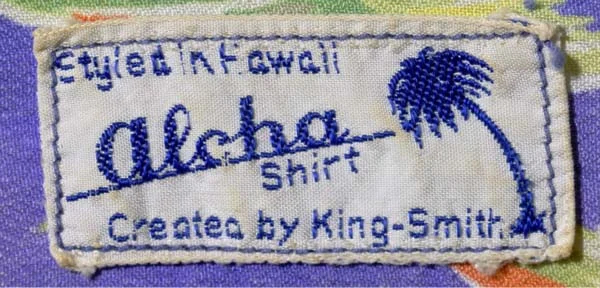
This is the branding chapter. Ellery Chun (King-Smith Clothiers), is strongly associated with commercializing and trademarking the aloha shirt in the mid-1930s, helping turn a local style into a recognizable retail category. If you’ve heard “a Chinese merchant invented it,” an evidence-aligned way to put it is: he helped formalize and popularize it through commerce, even if the design influences were already circulating in Hawai‘i’s multi-cultural fabric world.
Clue 4: When Did the Tropical Prints We Picture Today Actually Appear
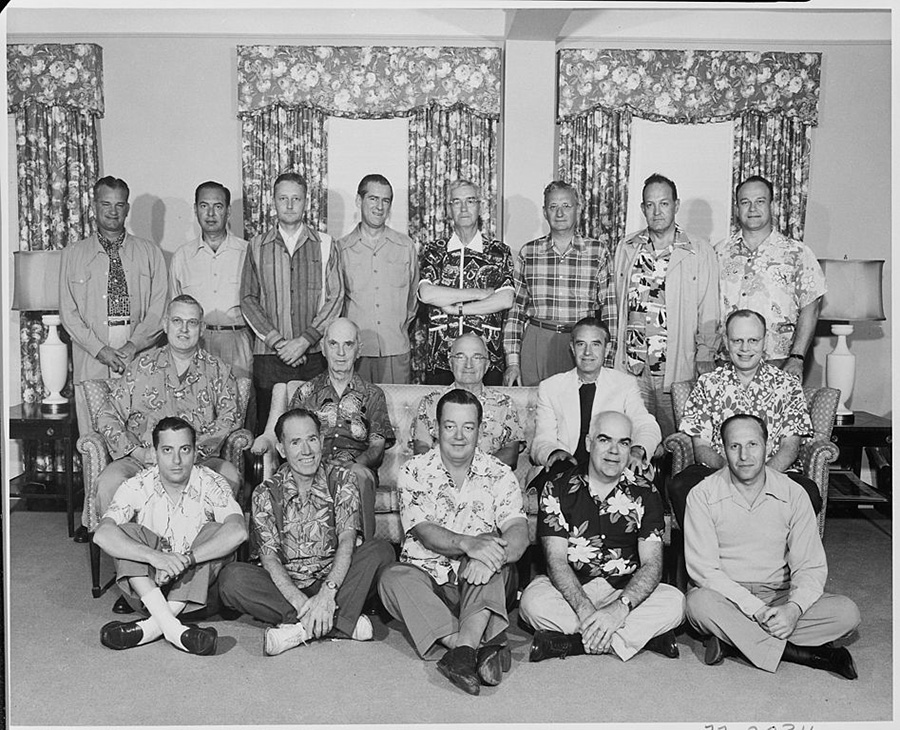
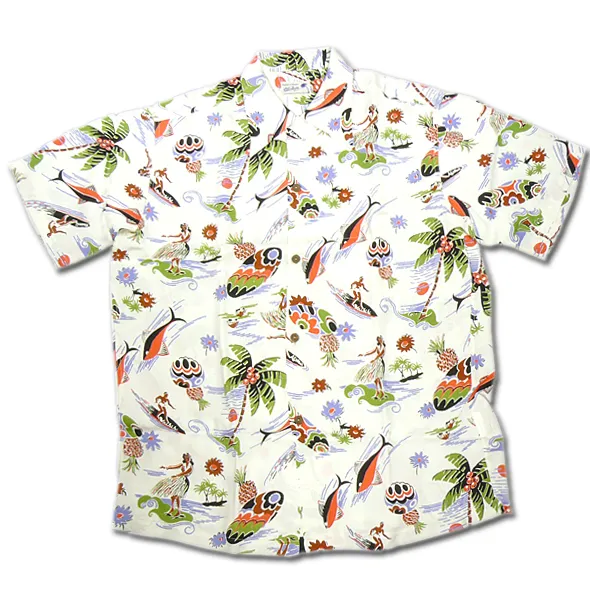
Here’s a detail that surprises people: the bold “vacation postcard” imagery many of us picture didn’t define the earliest era. Hawaiian tropical print designs become clearly visible in the historical record later in the 1930s and were closely tied to the tourism market. Some early shirts could be “aloha” in spirit and function while still reflecting imported fabrics and broader immigrant textile traditions rather than hibiscus-and-palm by default.
Clue 5: Where the Lebanese Connection Fits
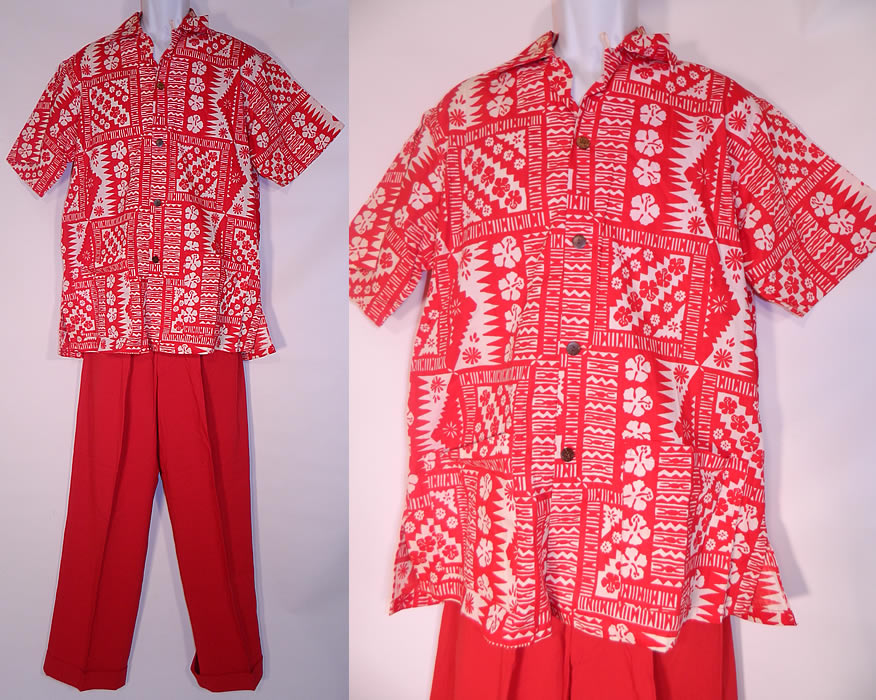
The “Lebanese immigrant” claim most often points to Alfred Shaheen, and the record supports him as a major figure — but in a later chapter. Shaheen is widely credited with building one of Hawai‘i’s most influential aloha-wear companies in the postwar era, with key milestones beginning in 1948. The timing matters: the aloha shirt’s documented roots reach into the 1920s and 1930s, while Shaheen’s documented rise is a postwar expansion and globalisation story. That makes him less an “origin inventor” and more a powerful elevating force who helped aloha wear reach international icon status.
Fun Mini-Quiz: Can You “Date” an Aloha Shirt by Its Vibes
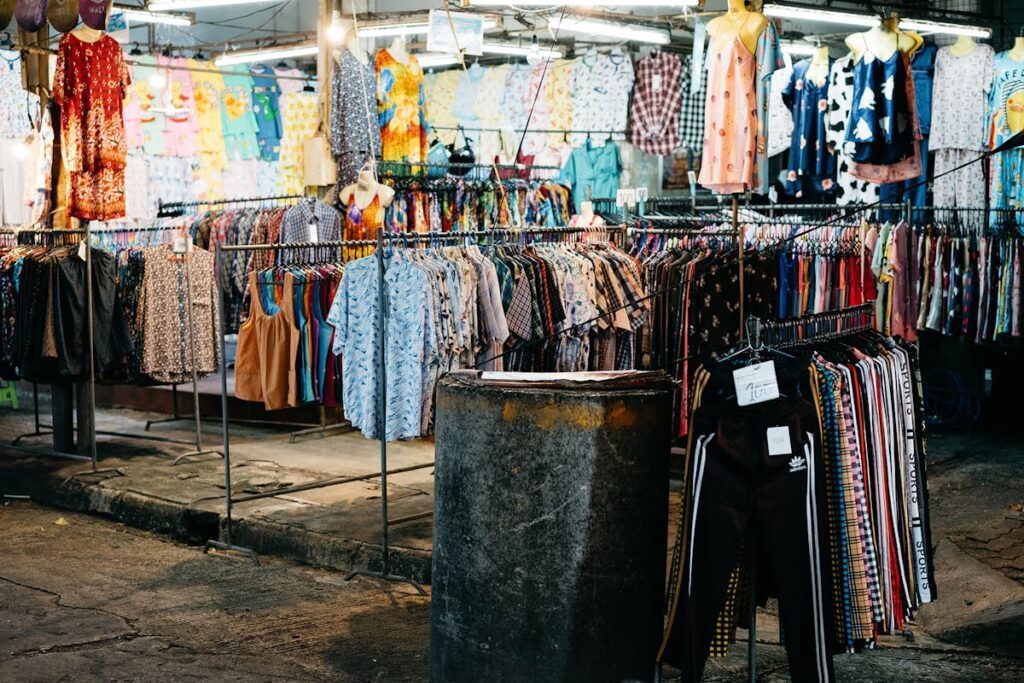
This isn’t perfect science, but it’s a fun way to learn history with your eyes. If the motifs feel more like repeated textile patterns than overt tourism imagery, you’re closer to the early influence era. If it’s loudly tropical, it fits the later tourism-facing wave. If it feels like a cohesive designed print world — polished, story-like patterns — you’re often looking at the postwar boom years when makers scaled production and branding.
The “Aloha Friday”

Aloha Friday is Hawai‘i’s early version of “Casual Friday” — a workplace tradition popularised in the 1960s, when local fashion advocates encouraged offices to embrace aloha attire as appropriate business wear. It helped move the shirt from tourist souvenir to everyday local identity.
Tips
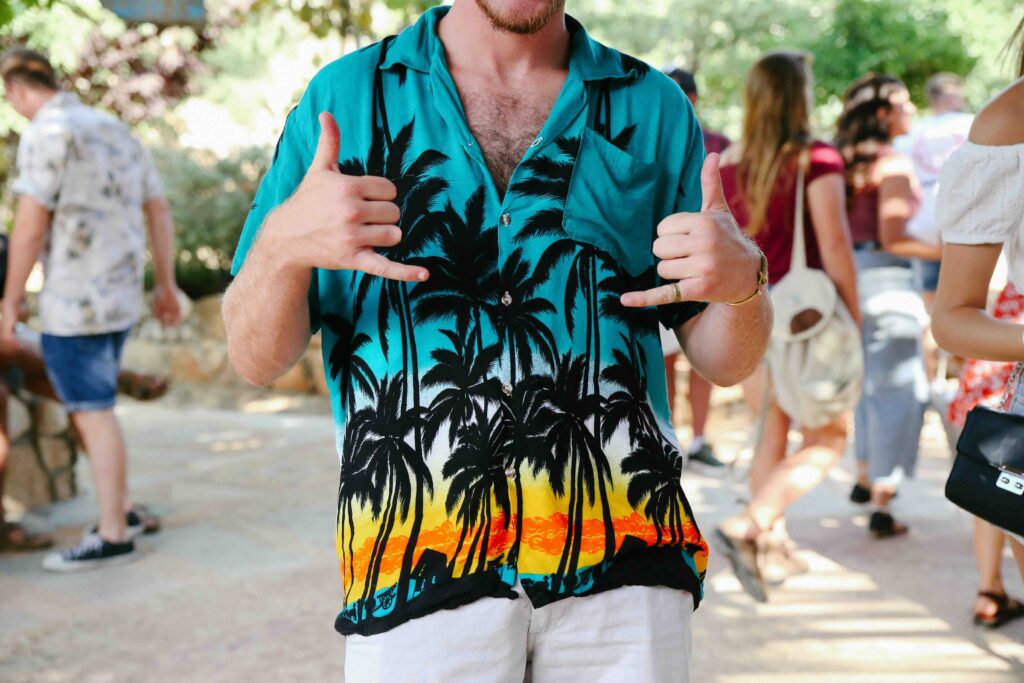
When you write or speak about the Hawaiian shirt, try this framing: “The aloha shirt emerged in multi-ethnic Hawai‘i; early examples drew on Japanese textiles and local making, and later entrepreneurs and designers helped brand and popularize it.” If you’re using aloha shirts for an event theme, consider adding a tiny educational moment — a one-sentence history tag on tables or in the program — so the shirt becomes a conversation about Hawai‘i’s communities, not a caricature. If you’re buying an aloha shirt while travelling, seek locally made options when possible and look for information about the maker and design sources; the history is rooted in local industry and labour, so honouring that lineage is part of responsible travel.
Read More Like This?