
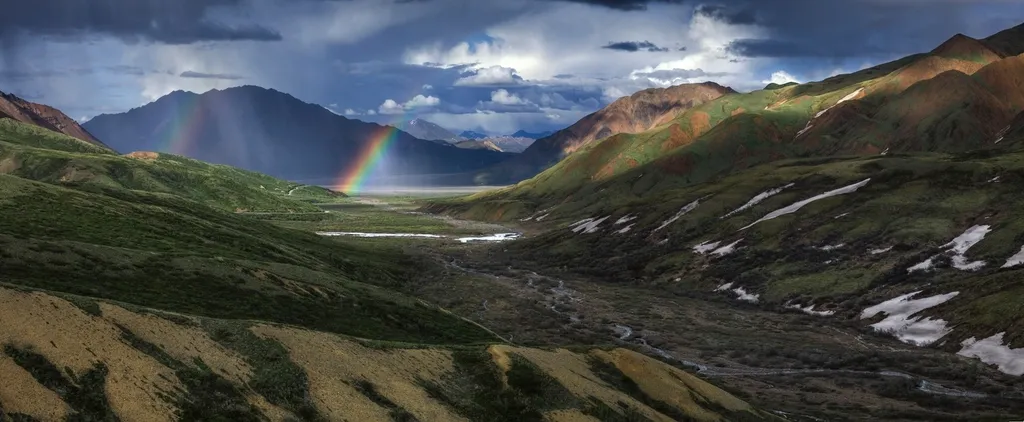

Deep inside America’s largest national park, far beyond the reach of any ordinary road trip, a copper mining town sits frozen in 1938. The red-painted mill building still towers over a glacier. The bunkhouses still stand. The silence is total.
Most visitors to Alaska have heard of Denali. Far fewer know about Wrangell-St. Elias, and almost no one outside the most dedicated travelers knows what’s been quietly waiting inside it for nearly ninety years.
The Park Hiding It All
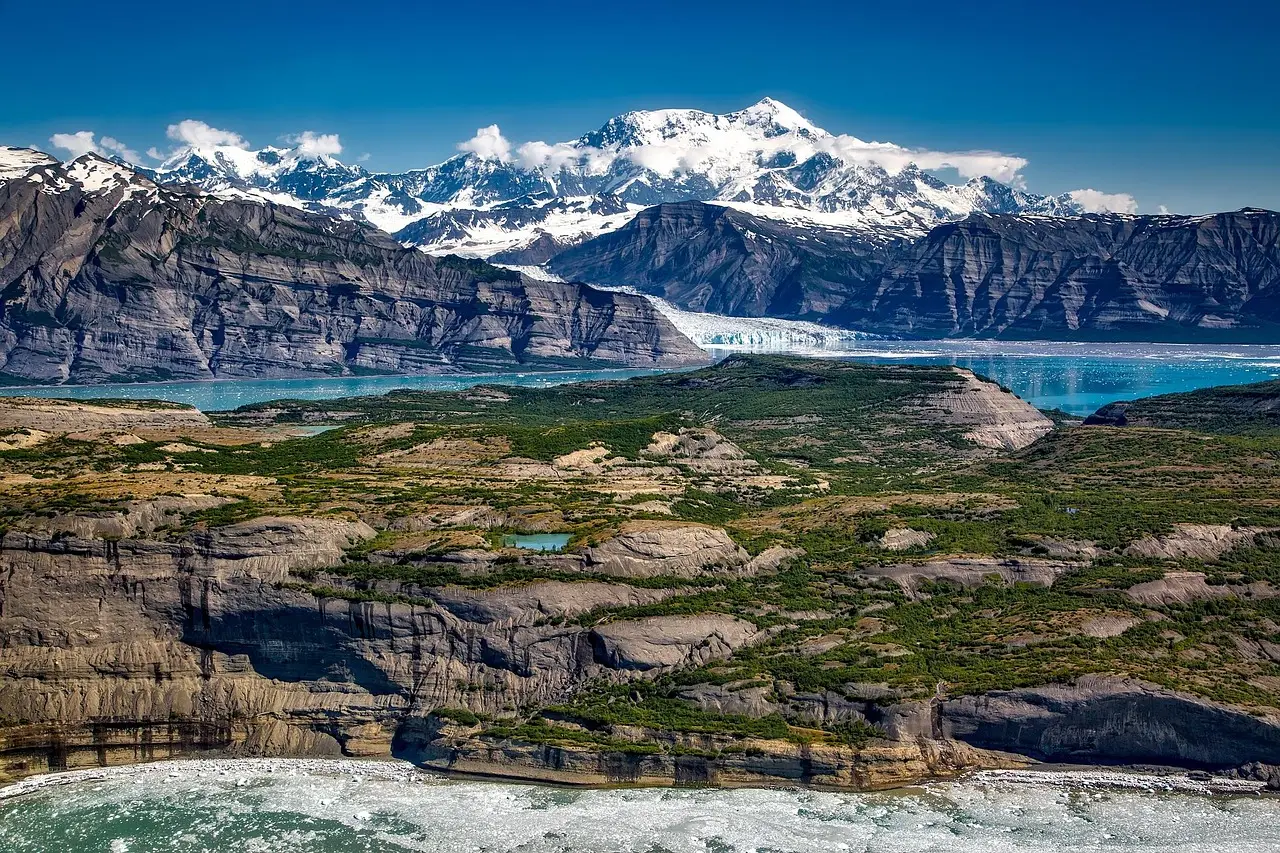
Wrangell-St. Elias is a vast national park that rises from the ocean all the way up to 18,008 feet. At 13.2 million acres, the park is the same size as Yellowstone National Park, Yosemite National Park, and Switzerland combined.
Four mountain ranges are located in the park: the Wrangell Mountains, the St. Elias Mountains, the Chugach Mountains, and the Alaska Range. That alone makes it a geographical anomaly. The Bagley Icefield, found within the park, is the largest nonpolar icefield in North America.
In 2024, 81,670 people visited this park, making it the 8th least visited park in the USA. For a park of this scale and drama, that number is remarkably small. It means the crowds that smother Yellowstone or the Grand Canyon simply do not exist here.
The Discovery That Started Everything
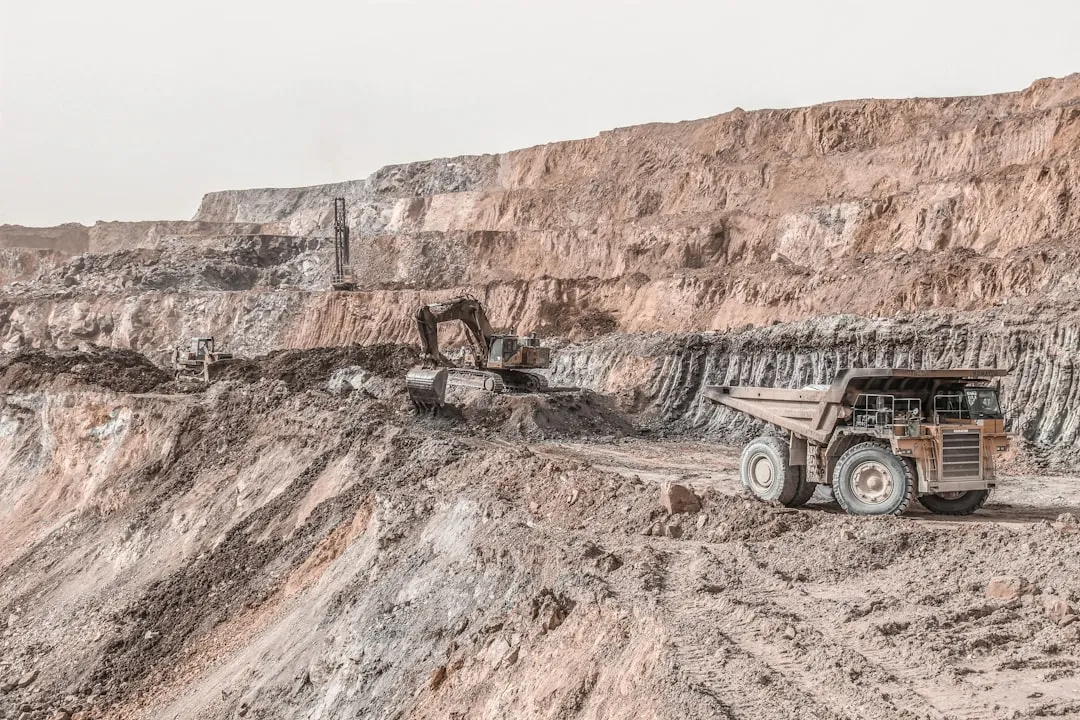
The story of Kennecott began with the discovery of rich ore in 1900, when prospectors Clarence Warner and “Tarantula” Jack Smith spotted what appeared to be a patch of grass high on the mountainside above Kennicott Glacier. Instead of grass, they found copper ore of unparalleled purity.
The discovery sparked a rush to extract the wealth embedded in the mountain, transforming the remote site into one of the richest copper mines in history. The Alaska Syndicate was quickly formed to develop the site with the backing of investors like J.P. Morgan and the Guggenheim family.
With the building and operation of the mines and their supply line, the Copper River and Northwestern Railway, this was the most extensive, costly, and complex mining enterprise ever established in Alaska. The scale of ambition was simply staggering for a place this remote.
The Engineering Feat That Made It Possible
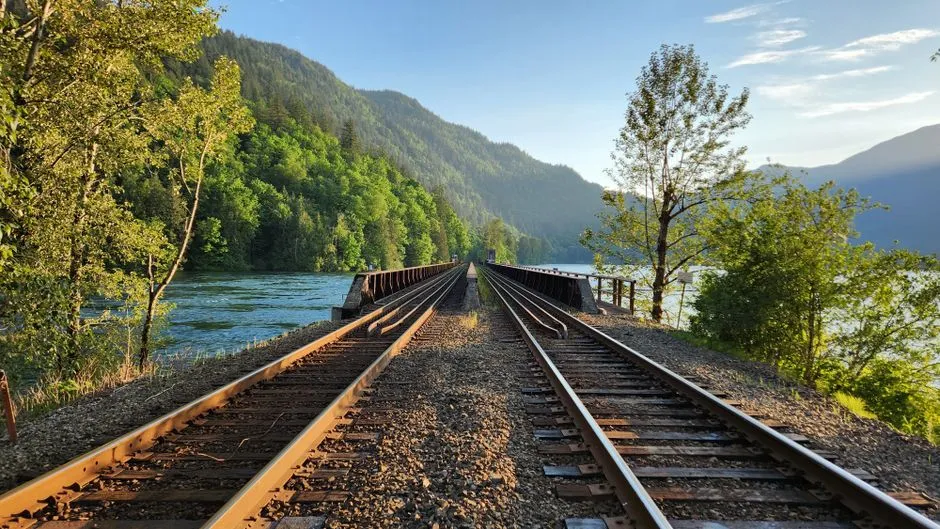
Extracting the copper from such a remote and difficult environment required extraordinary feats of engineering. The 196-mile Copper River and Northwestern Railway was built to connect Kennecott to the port town of Cordova in just two years. Workers faced avalanches, extreme cold, and glacial floods to complete the line in 1911.
Between 1905 and 1911, the syndicate spent $25 million to build the mine and mill works, the 196-mile railroad, and organized a steamship line that connected the copper port of Cordova, Alaska, with ASARCO’s Tacoma, Washington smelter. All this occurred before the first shipment of copper.
Aerial tramways transported the rich ore from mines over 4,000 feet above the valley floor to the mill, where new and innovative techniques like ammonia leaching dramatically improved copper recovery.
A Town Built Around Copper
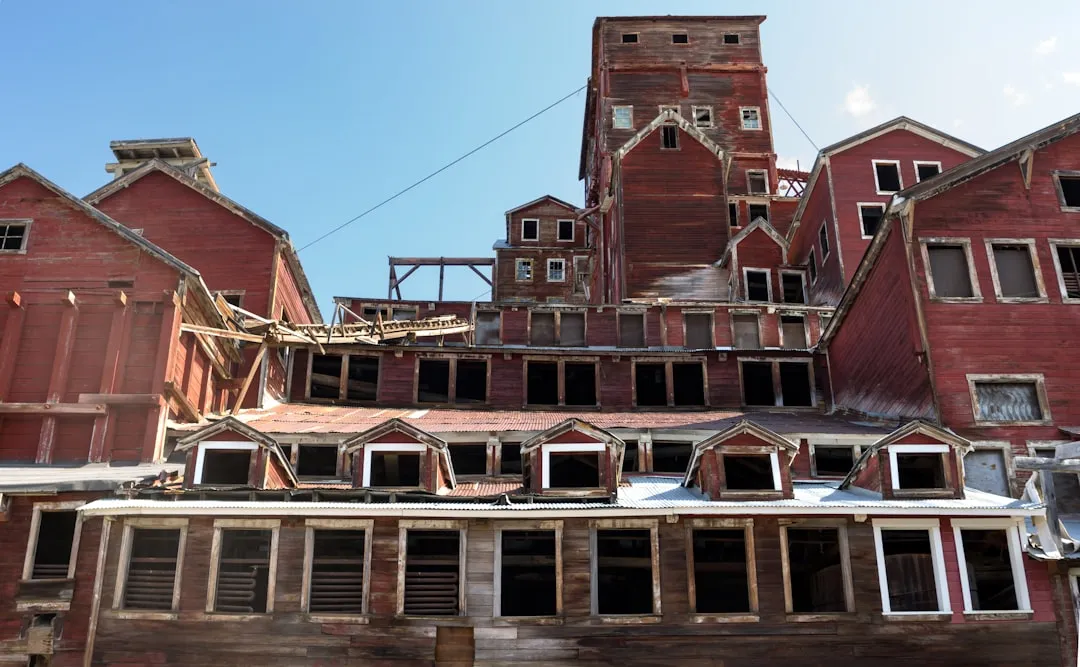
Kennecott was a fully functioning town, complete with worker housing, a hospital, grocery store, school, skating rink, movie theater, sports courts, and a recreation hall. In the middle of untamed Alaska wilderness, this was essentially a self-contained city.
The Kennecott Copper Corporation lured workers to this isolated Alaskan mining camp with higher salaries than any mine in the lower 48 offered. Mill workers and miners lived in bunkhouses, worked 7 days a week and sent money home to their families.
In the early 1900s, during the mining boom, the miners and their families lived in Kennecott. Alcohol and prostitution were forbidden in Kennecott and McCarthy became the place to go for a drink or for female companionship. The nearby boom town of McCarthy served as the unofficial release valve for the camp’s strict moral codes.
The Wealth It Produced
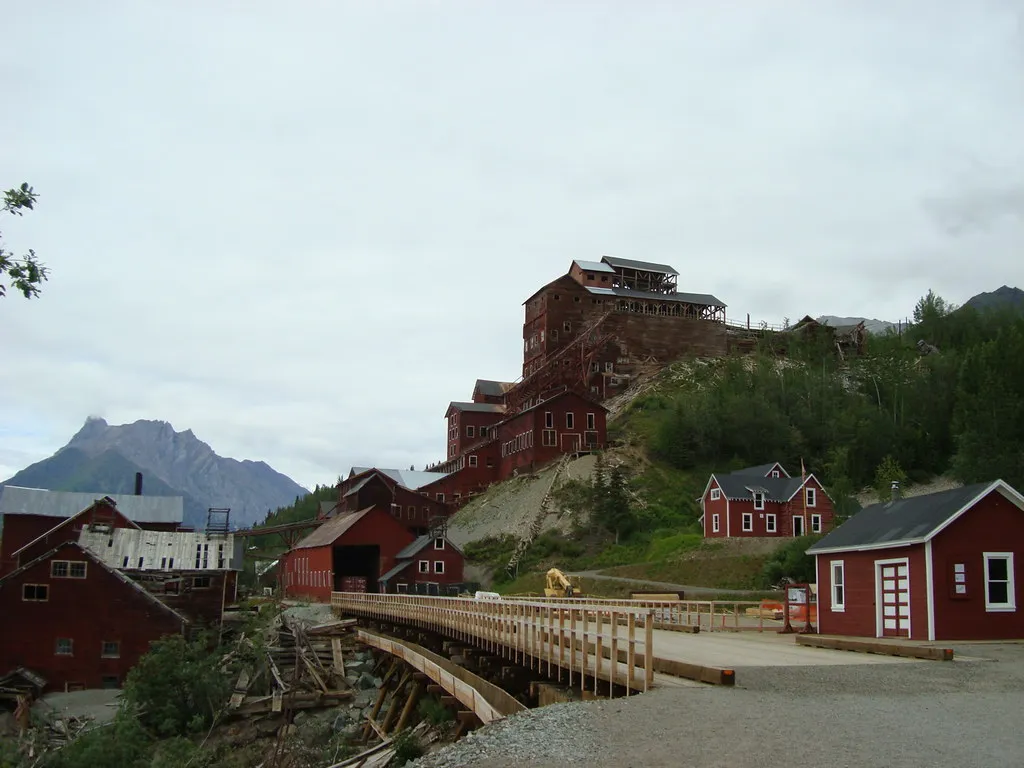
Located in Wrangell-St. Elias National Park and Preserve, the Kennecott Mines were once among the nation’s largest, and contained the last of the great high-grade copper ore deposits discovered in the American West.
By the time operations ceased in 1938, Kennecott had produced over 1.3 billion pounds of copper and 280 tons of silver, earning its backers more than $4 billion in today’s dollars.
By 1916, production had reached 108,372,783 pounds of copper worth $28,042,396. Kennecott was among the nation’s largest mines, alongside those at Butte, Montana, Bisbee, Arizona, and Bingham Canyon, Utah. During 1915 to 1922, it ranked 3rd to 7th in production of all the mines in the nation.
The Sudden Abandonment
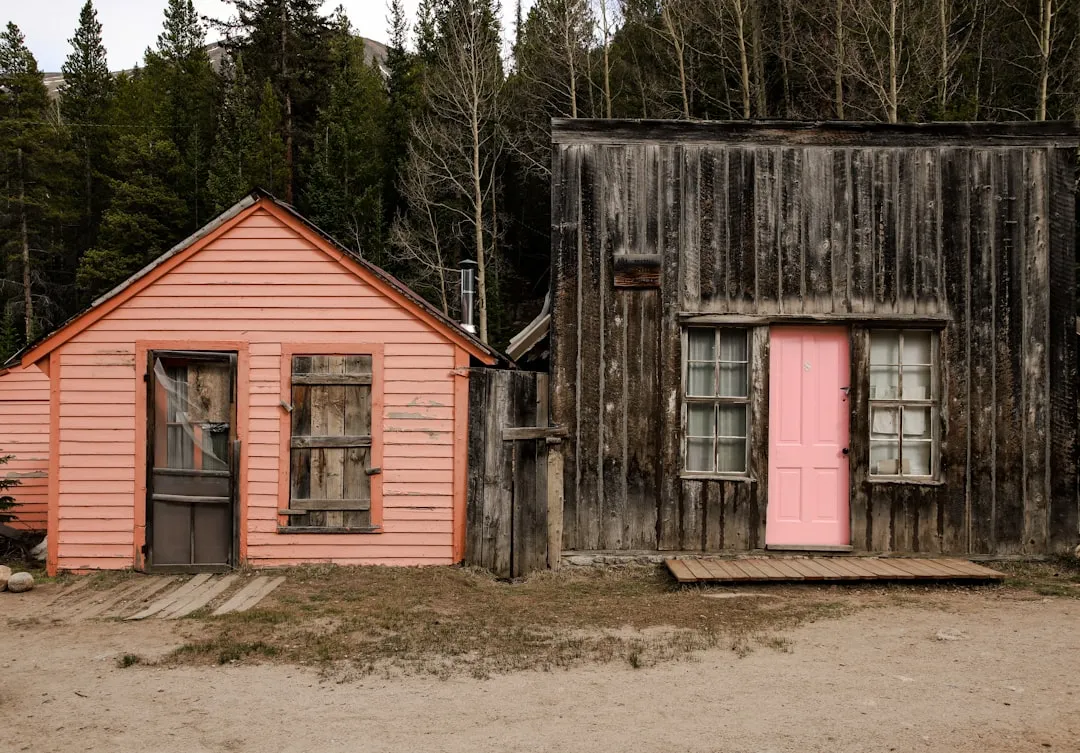
With the depletion of copper deposits and a sharp drop in ore prices, operations came to an abrupt halt in 1938. The workers left, and Kennecott became a true ghost town.
Within 35 years, the Kennecott Mines went from being an established mining camp, pumping out copper around the clock, to a ghost town. The speed of the departure was remarkable. Workers reportedly left personal belongings behind, as if they expected to return.
Mining operations occurred between 1901 and 1938, after which many of the buildings, structures and artifacts were abandoned in situ. That phrase “in situ” matters, because it’s precisely what makes Kennecott feel so eerie and so compelling today.
The Red Mill That Still Stands
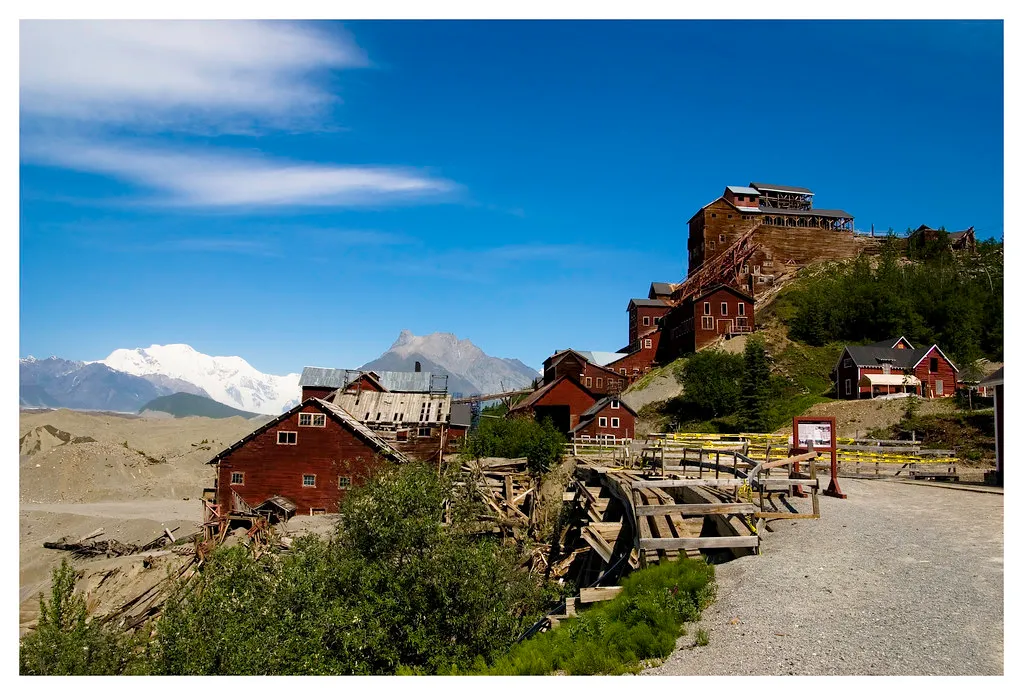
The company town of Kennecott was established adjacent to a glacier deep in the wilderness, with the iconic fourteen-story, ruby-red concentration mill as the centerpiece. It remains the most photographed structure in the entire park.
The iconic view in Kennicott is the giant red mill building from the old Kennecott Copper Company, which stands 14 stories above the Kennicott glacier. The different spellings are due to clerical mistakes on official paperwork a century ago.
For decades, the mill sat empty and abandoned, until 1998, when the National Park Service purchased the mill, power plant and many other camp buildings from private owners and began restoring them. You can take a tour of the mill, a 14-story behemoth that was used to process ore through a multistage process.
How to Actually Get There
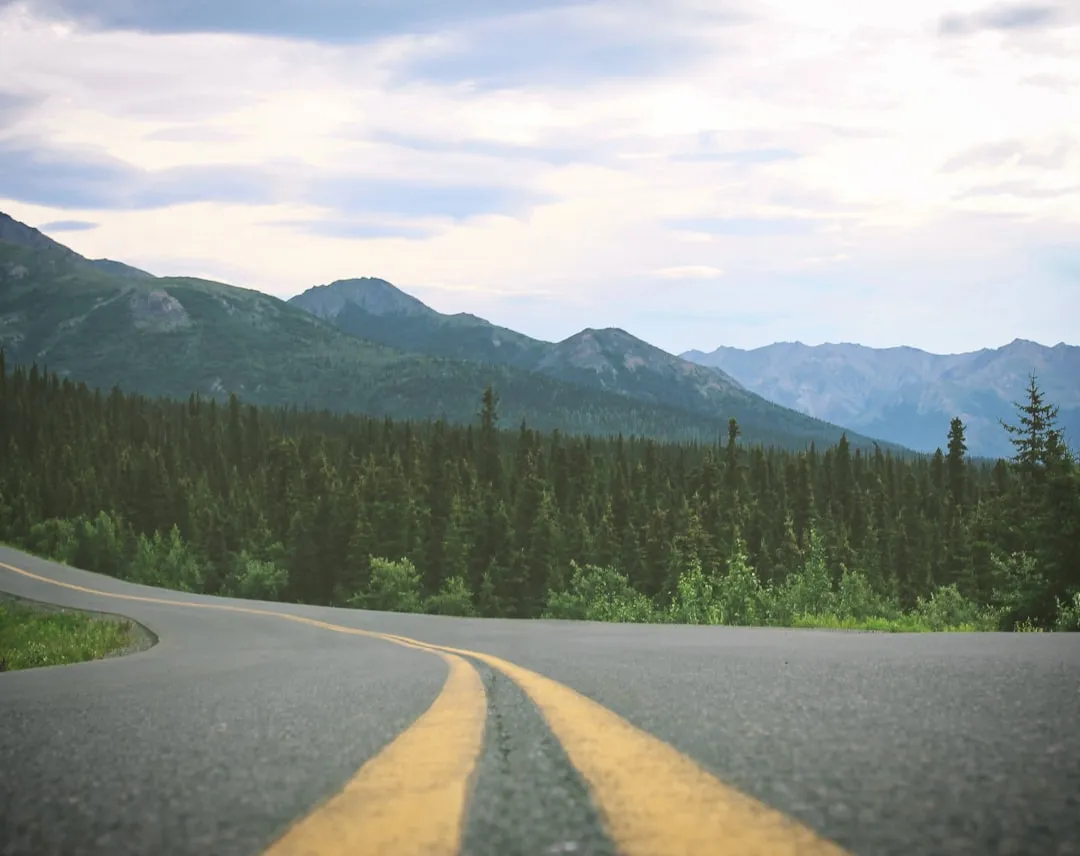
The journey to visit the Kennecott Ghost Town begins with a flight to Ted Stevens Anchorage International Airport. From there, it’s approximately a 314-mile drive to McCarthy, the nearest town.
The most budget-friendly way to reach Wrangell-St. Elias is by driving the McCarthy Road, a 60-mile unpaved route connecting the small town of Chitina to McCarthy. Chitina is easily accessible from the Richardson Highway, which links Valdez on the coast to Fairbanks.
The final 5 miles of the journey to Kennecott must be completed on foot or by a shuttle bus, as private vehicles aren’t allowed past this point. For those seeking a more scenic route, bush planes from Anchorage to McCarthy are also an option, providing breathtaking views of the Alaskan wilderness.
What Visitors Can Do There Today
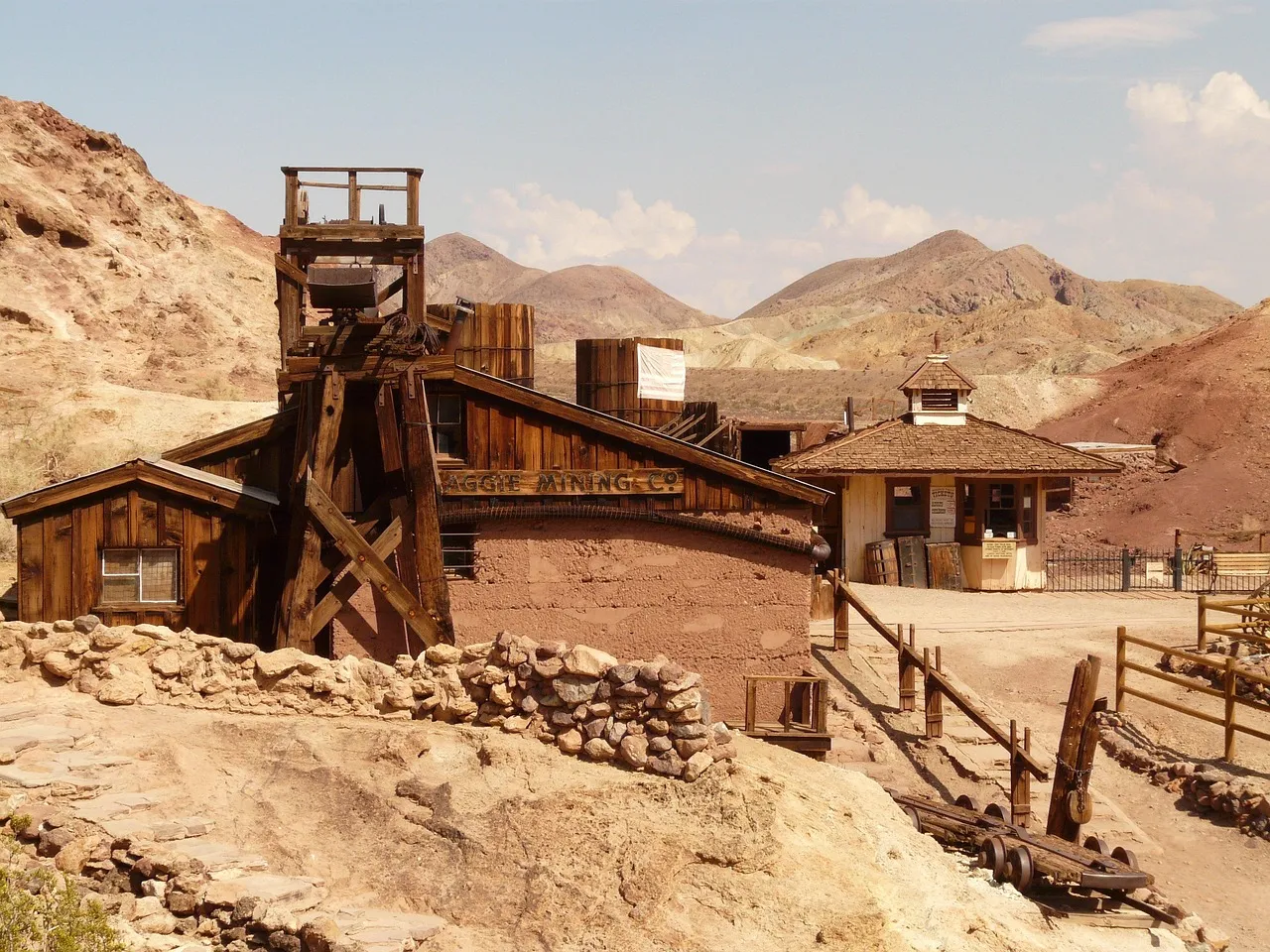
There are walking tours, informative guides, and even a dedicated museum. It’s arguably more popular today than it has been for the last 75 years.
Today, the towns offer visitors a unique Alaskan experience and make for an excellent jumping-off place for more extensive exploration of the wilderness backcountry. In McCarthy and Kennecott, you’ll find lodges, bed and breakfasts and a range of guided activities including glacier hikes, ice climbing, and river rafting.
The ideal time to visit Kennecott Ghost Town in Wrangell-St. Elias National Park is during the summer months, from June to September. During this time, you can expect moderate temperatures, generally ranging between 50 to 70 degrees Fahrenheit. Outside that window, access becomes genuinely difficult and many services close down entirely.
Preservation Efforts and the Future
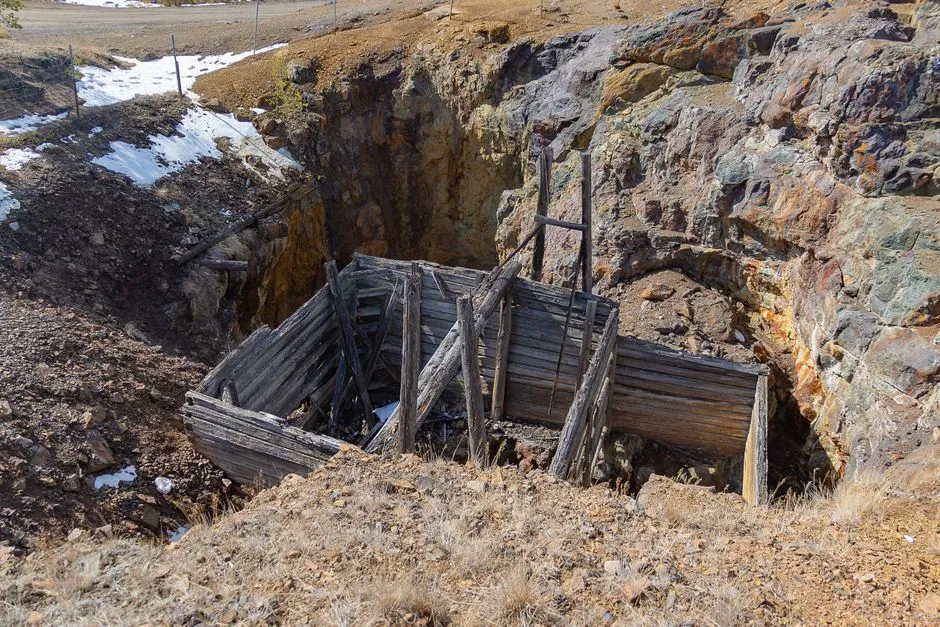
By designing the world’s first ammonia-leaching plant at the remote site, the Kennecott Copper Corporation was able to extract higher concentrates of ore from the low-grade ores which were once disregarded. That same industrial ingenuity is now part of what preservationists are working to protect.
While some of the buildings have been restored, many remain in a state of decay or have collapsed entirely. The Blackburn School building has been repurposed as the Kennecott Visitor Center.
As recently as May 2025, Wrangell-St. Elias National Park and Preserve announced visitor center hours for the 2025 season, with the Kennecott Visitor Center open from May 24 through September 5, daily from 9 a.m. to 4:30 p.m. The NPS continues to maintain active staffing and ranger-led programming at the site, keeping the story of Kennecott alive for each new generation of visitors who make the long journey in.
A Place Worth the Effort
Kennecott is not a destination that gives itself up easily. The roads are rough, the distances are real, and the convenience of a major tourist hub is simply absent. That’s exactly the point.
Ghost towns are special historic places, once thriving communities whose populations dwindled over time, often created by the search for gold, copper, silver and other valuable minerals. Some vanished entirely after the boom or were absorbed into newer settlements, but many of these towns still stand today, allowing us a nostalgic glimpse into the past. These places are where people ventured into remote areas to find their mineral fortune and endured the hardships of wilderness, wildlife and weather.
Kennecott is one of those rare places where the scale of human ambition and the indifference of wild nature feel equally matched. The glacier doesn’t care about the mill. The mountain doesn’t remember the miners. What remains is a remarkably preserved record of what people are willing to build, and leave behind, in pursuit of something worth having.
AI Disclaimer: This article was created with the assistance of AI tools and reviewed by a human editor.