
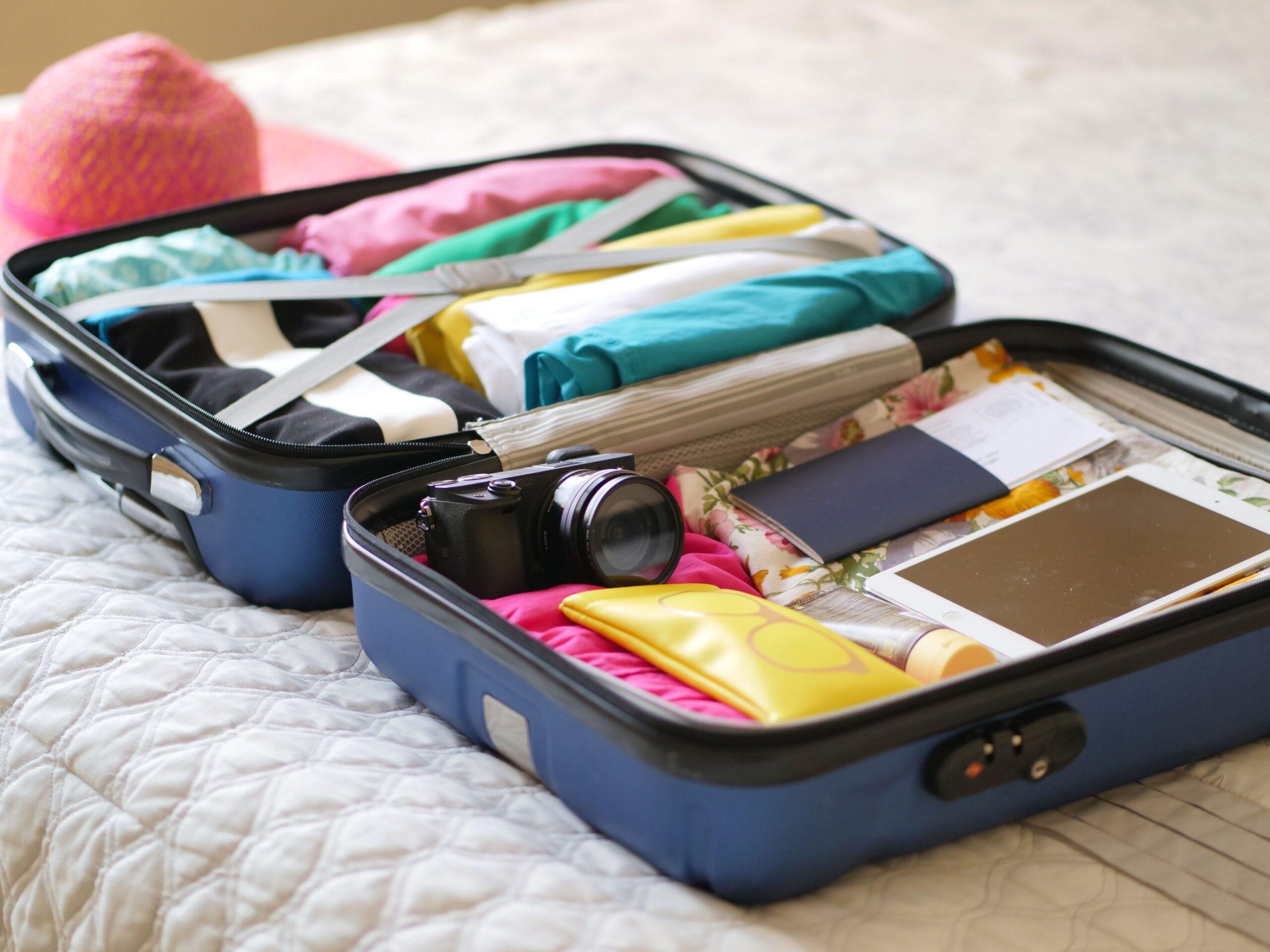
Start with a Packing List, Not Your Closet
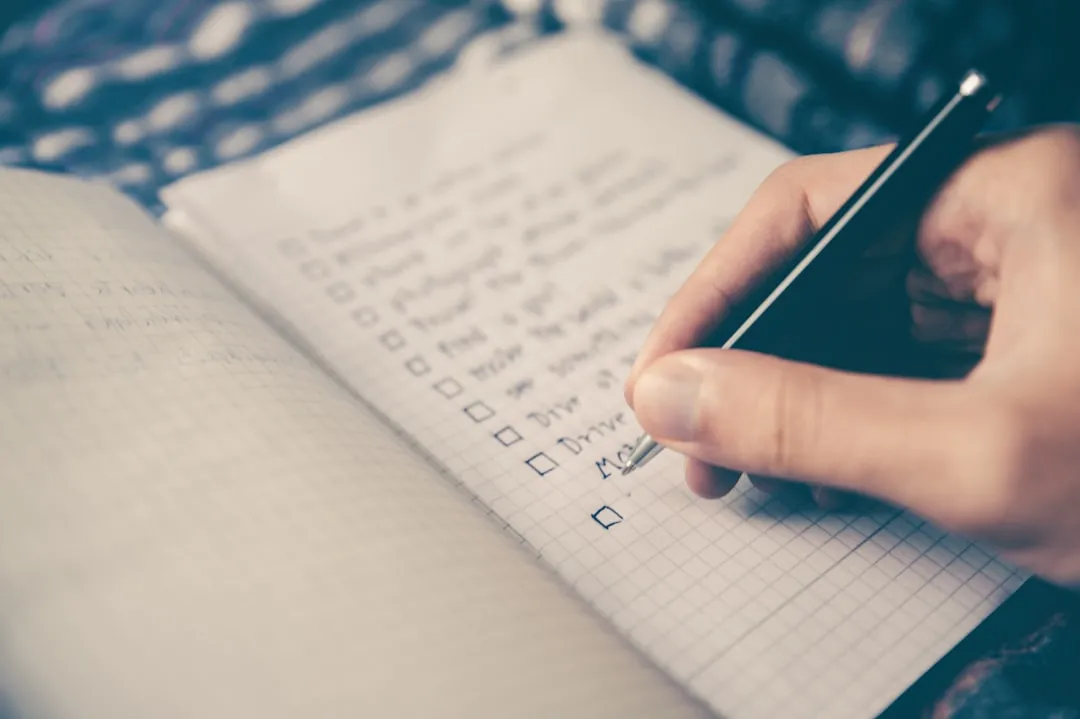
The single biggest time-waster in packing isn’t the folding or the zipping. It’s the back-and-forth decision-making at the closet. Writing a list before you open the suitcase prevents overpacking and reduces the chance of leaving something important behind. Think destination, duration, and planned activities, then commit to the list before a single item hits the bag.
Essential items include travel documents, credit cards, toiletries, medications, electronics, and chargers. Those are non-negotiables. Everything else should earn its place. A pre-trip list turns an open-ended question into a checklist, and checklists are almost always faster.
Choose Your Suitcase Intentionally
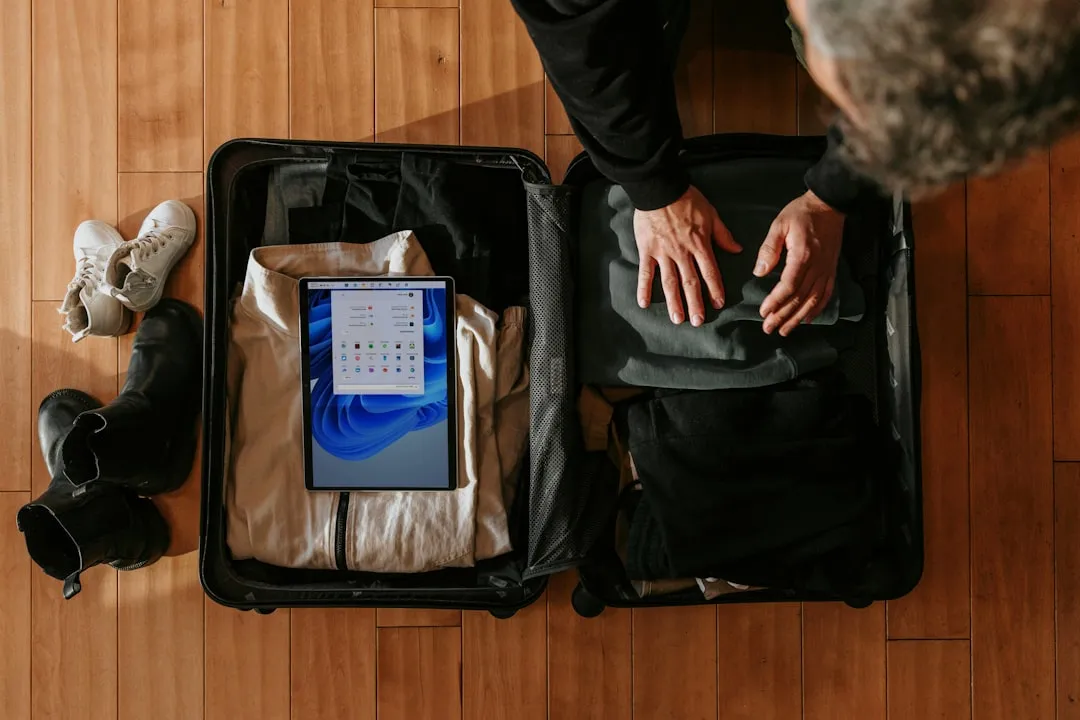
Choosing a suitable suitcase for your trip matters. Different airlines have different restrictions on sizes for carry-ons and checked bags. For carry-ons, you’re generally accepted at or under max linear dimensions of 155cm. For checked bags, you’re generally safe under 158cm max linear dimensions. Grabbing the wrong bag before you start packing creates problems you’ll spend the entire trip regretting.
You also want to consider the type of bag you enjoy traveling with, whether a shoulder bag, backpack, roller bag, hard shell, or soft shell. Your bag shouldn’t stress you out; it should make traveling easier. Soft-sided bags have a slight edge for squeezing into overhead compartments, while hard-shell cases offer better protection for fragile items.
Heavy Items First, Always
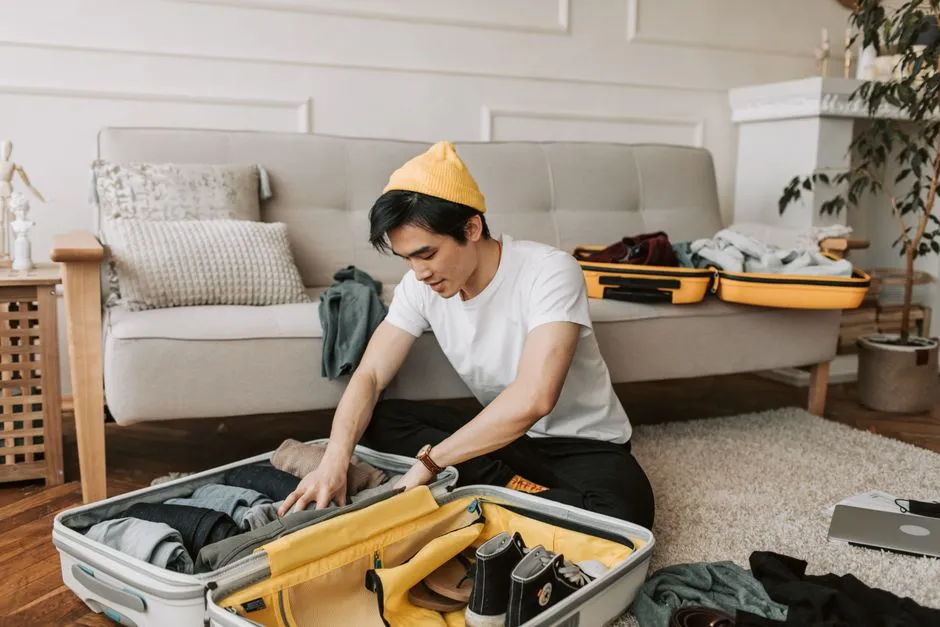
Layered packing involves stacking clothing by category or outfit, creating clean, organized layers inside your suitcase. Start with heavier items on the bottom and gradually layer lighter pieces on top. This isn’t just about organization. It’s about weight distribution. A suitcase that’s heavy on top tips awkwardly and shifts during transit.
Make sure to place the heavier items like jeans or jackets on the bottom. Shoes are dense and should also go at the bottom, ideally near the wheels. Stuff socks inside shoes to reclaim that hollow space and keep the shoes from being crushed flat.
Roll Casual Clothes, Fold Structured Ones
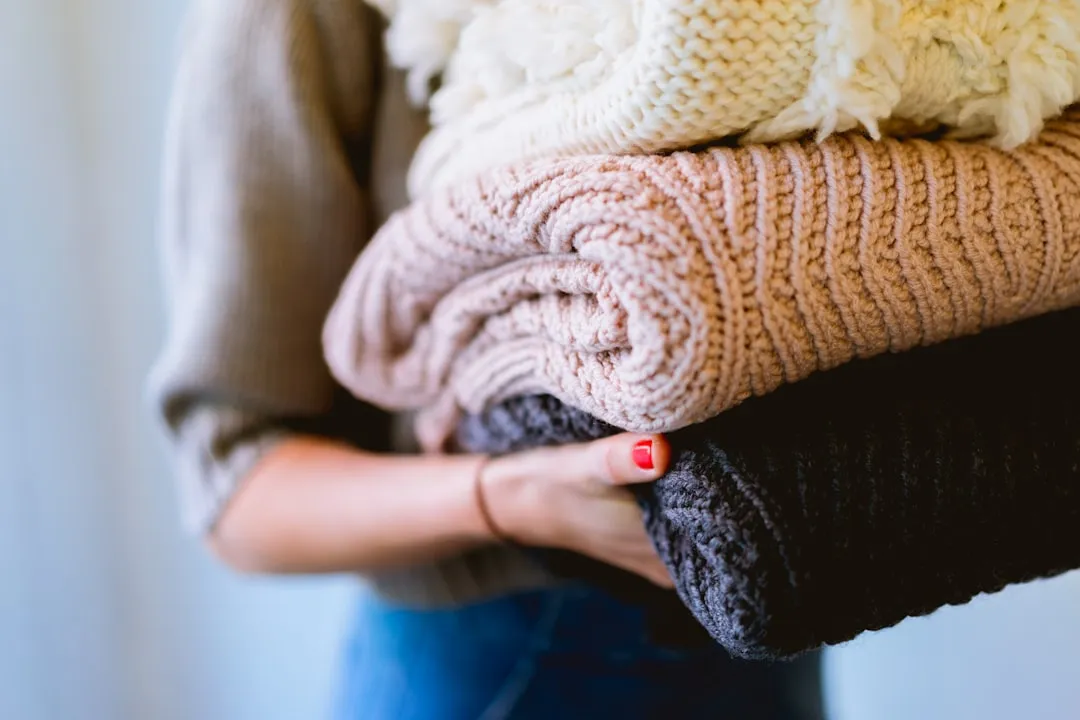
The rolling-versus-folding debate is one of the most well-worn arguments in travel. The practical answer, supported by multiple side-by-side tests, is that neither method wins across the board. While rolling has its advantages, traditional folding shouldn’t be dismissed entirely. Blazers, dress shirts, and other tailored items often fare better when folded.
Rolling clothes helps maximize space and is excellent for casual clothing such as t-shirts, jeans, and socks. Since rolled clothes compress easily, they take up less room inside your suitcase or backpack, making them a good choice for light packers. In a practical comparison test, using a standard carry-on suitcase for a seven-day trip, the hybrid approach where soft garments were rolled and the dress shirt and chinos were folded used approximately 85% of the suitcase’s internal space, leaving room for souvenirs, while packing everything folded filled the case completely, requiring compression straps to close.
You should roll clothing made from synthetic fabrics, casual clothing, socks and underwear, items made from wrinkle-resistant fabric, pants, and items that you would hang up at home. When in doubt about a fabric, fold it flat rather than risk a permanent crease.
Use Packing Cubes as Your Organizing Backbone
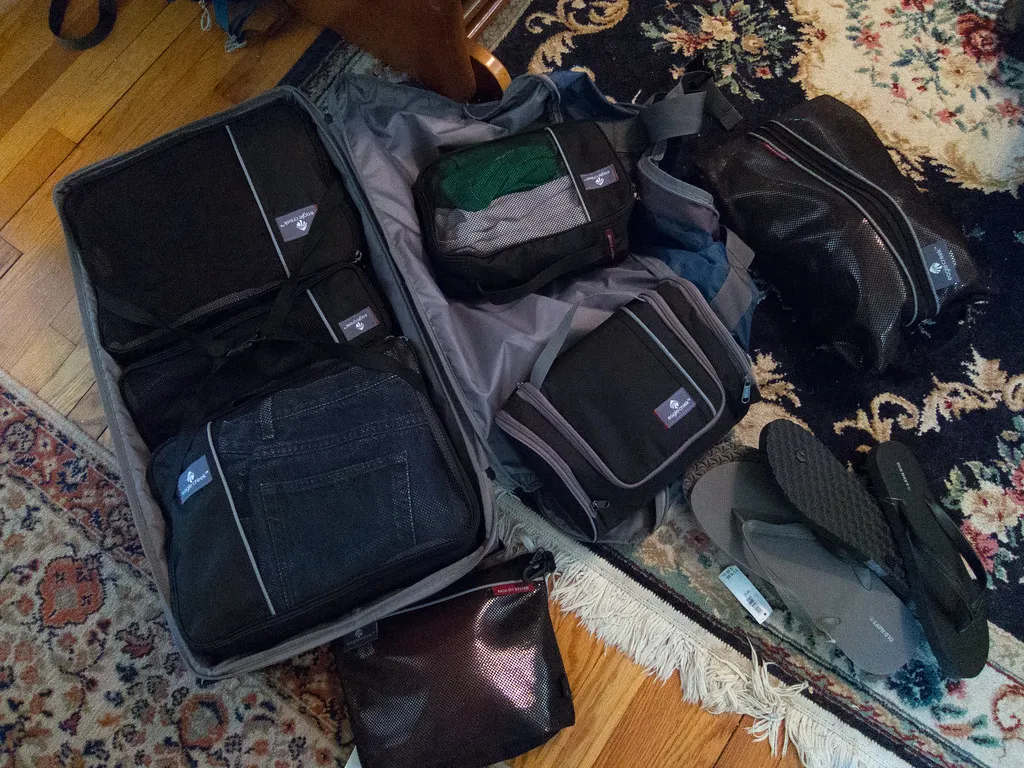
Packing cubes function like mini-luggage inside your suitcase or backpack, helping you better arrange your bag. You can use them to group clothing types separately, such as socks and underwear in one cube and shirts in another. The system sounds simple because it is, and that simplicity is exactly why it works so reliably.
Packing cubes are worth using to keep your luggage organized, separate dirty and clean clothes, or corral small items like electronics and cords. Generally speaking, packing cubes won’t save you space unless you previously packed with the “shove all my clean laundry in a suitcase” method. Their real value is that they eliminate the rummaging. You know which cube holds what, so you find things in seconds rather than minutes.
A compression cube, which is like an expandable suitcase in cube form, can squish bulky items like sweaters and jackets into more manageable parcels. These are worth prioritizing if you’re heading somewhere cold and need to pack layers without surrendering half your bag to a single fleece.
Pack Outfits, Not Categories
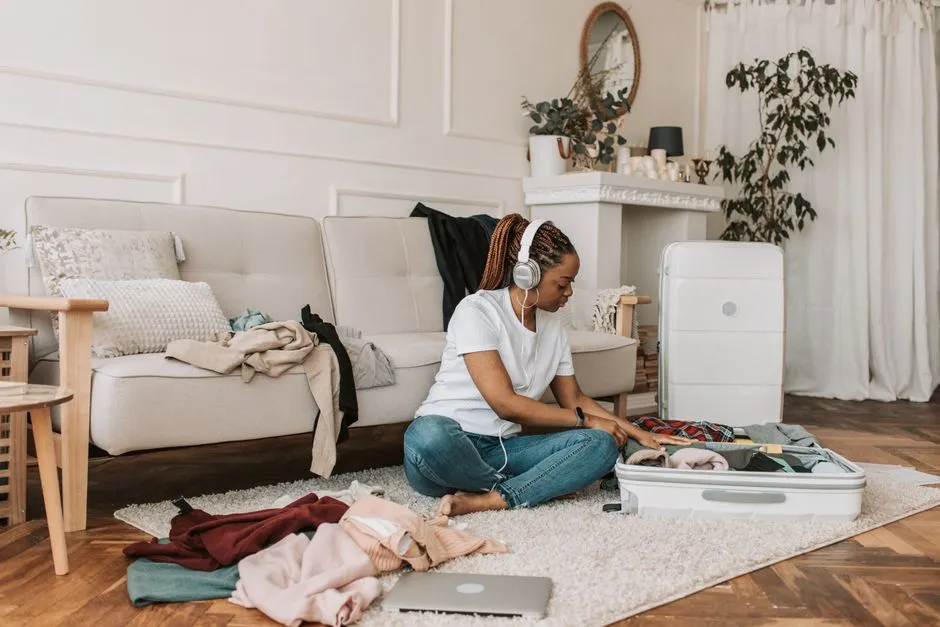
Layered packing by outfit involves stacking clothing by outfit, creating organized layers inside your suitcase. Starting with heavier items on the bottom and layering lighter pieces on top makes it easy to unpack or locate specific items without disturbing everything else. Layered packing is especially helpful for travelers who want a clear overview of their wardrobe.
When you pack by outfit rather than by clothing type, you also naturally catch what’s missing. A complete outfit with no shoes, no corresponding socks, or a top with no bottoms becomes obvious before you zip up. It removes a layer of mental load from the whole process and makes getting dressed at your destination far more straightforward.
Use the Bundle Wrapping Method for Wrinkle-Prone Items
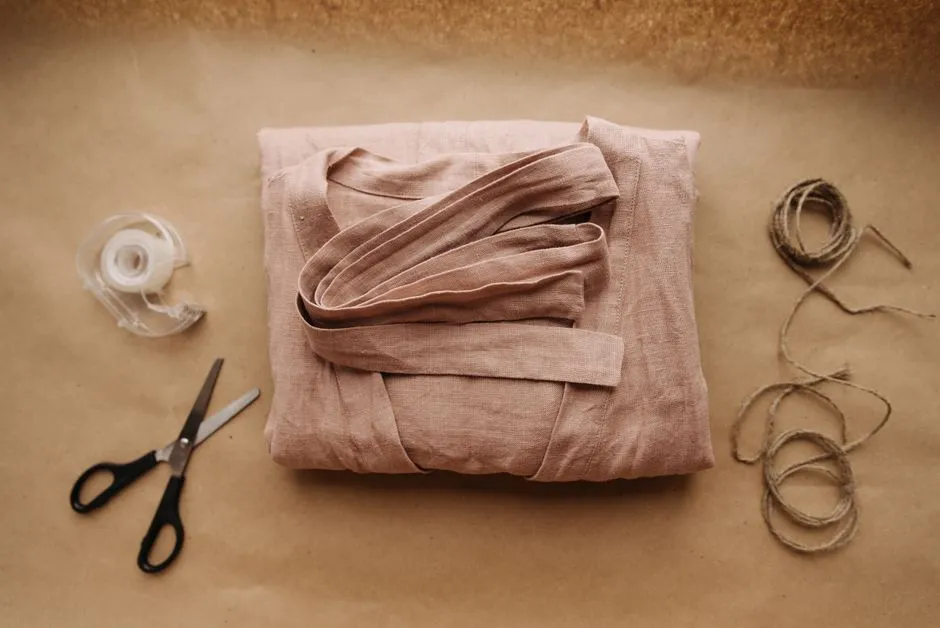
The bundle wrapping method minimizes folds and friction by layering clothing around a soft core. It’s a lesser-known technique, but experienced packers swear by it for formal trips where arriving without wrinkles genuinely matters. The idea is that a continuous wrap creates fewer individual crease points than traditional folding.
For added protection, place tissue paper or dry-cleaning bags between garments to reduce creasing even more. This works especially well for linen, silk, or wool, fabrics that crumple badly when folded. It takes an extra minute during packing, but it replaces a longer session with the hotel iron on the other end.
Fill Every Dead Space
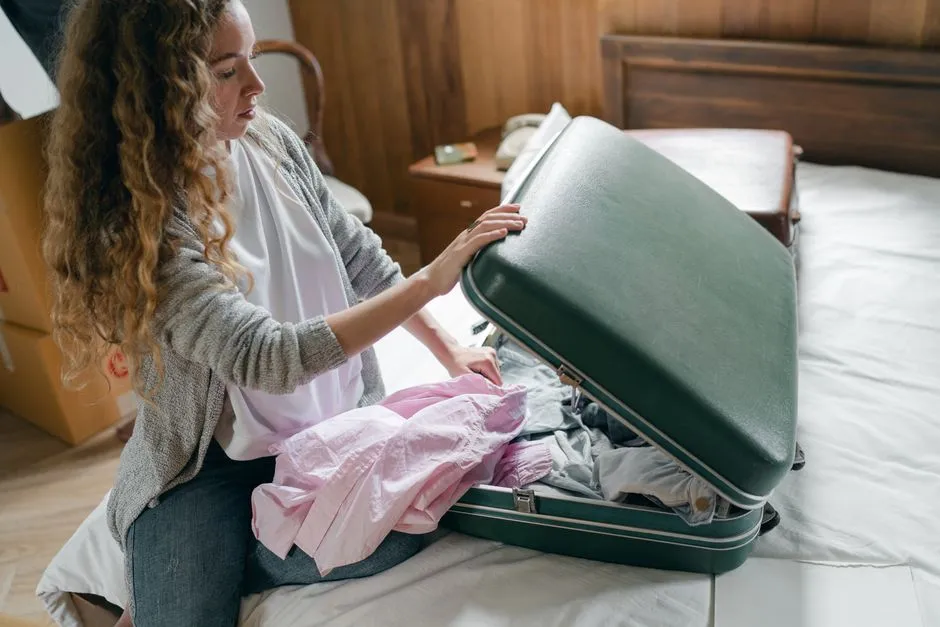
Dead space is the quiet enemy of efficient packing. The gaps around shoes, the hollow inside a hat, the corners near the zippers. Rolling’s biggest advantage is space efficiency, helping you fit more into the same bag and tuck clothes into corners you’d otherwise waste. The same thinking applies to every inch of the suitcase.
Socks, underwear, and small accessories are ideal gap-fillers. Charger cables can wind around the perimeter of the bag. A hat can house a pair of sunglasses and a small pouch. None of these are dramatic hacks. They’re small habits that collectively free up a surprising amount of room and reduce the need to sit on your suitcase just to zip it shut.
Keep Your Toiletry Bag Always Ready
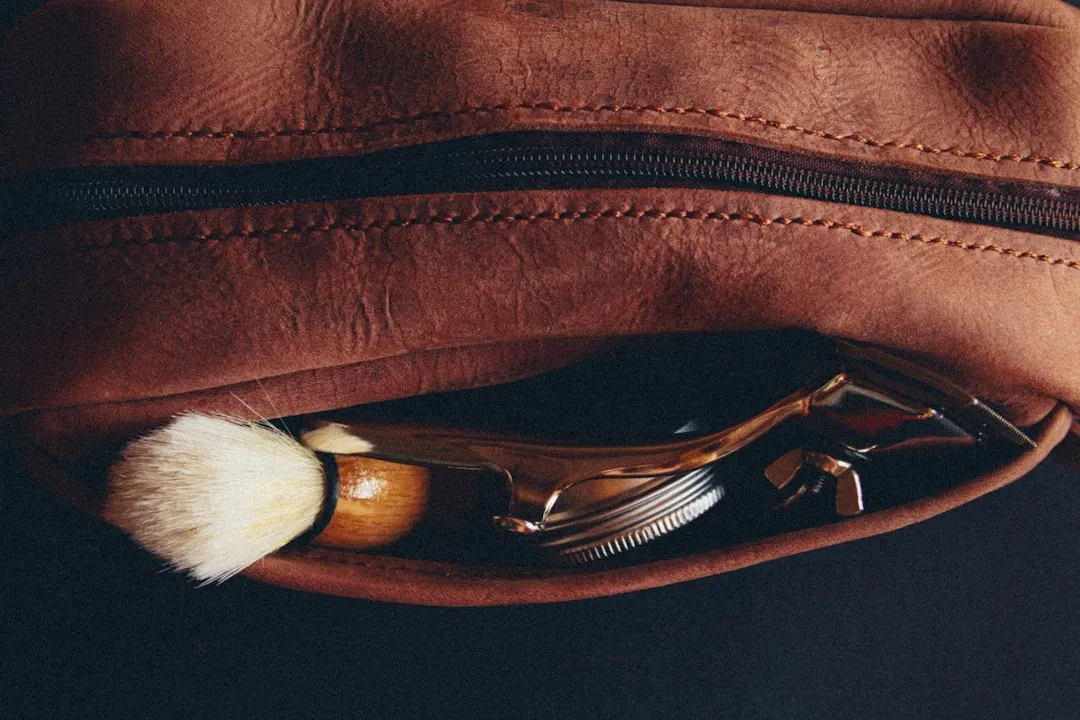
Consider keeping your toiletry bag always packed in your suitcase. Simply decant your favorite toothpaste, makeup, and other skincare items into reusable containers and keep them in your toiletry case so it’s always ready to go. This one habit alone can cut a meaningful chunk off your packing time, particularly for frequent travelers who find themselves repacking every few weeks.
A dedicated toiletry bag that never needs to be rebuilt from scratch keeps you from hunting down travel-sized products at the last minute. Pack travel-sized versions of your favorite products to save space and stay organized. Refillable bottles are a smart long-term investment here, both for space efficiency and for reducing single-use plastic waste on the road.
Pack Carry-On Essentials Last and On Top
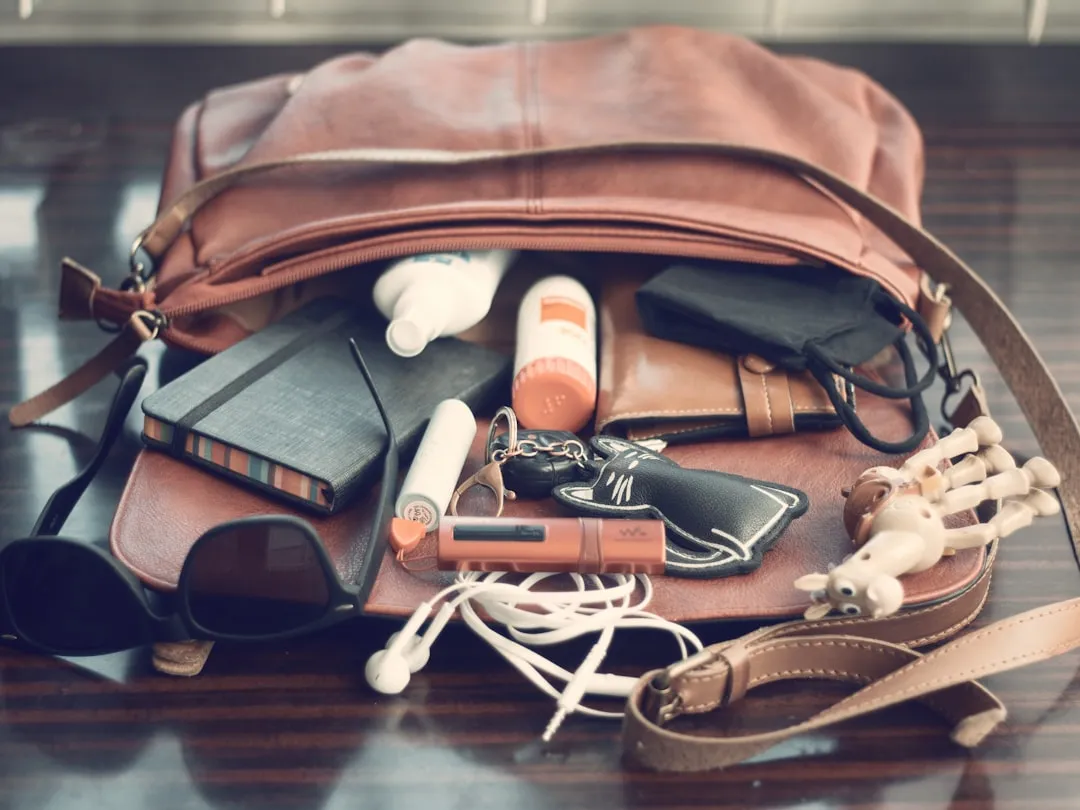
If you’ll be living out of your bag on a road trip or a multi-stop itinerary, rolling makes it easier to see everything at a glance and grab what you need without unpacking the whole suitcase. The same logic applies to what goes in last: anything you’ll need first should be most accessible.
Unpacking was faster with the rolled method because each item could be identified without disturbing others. Pair this with placing your first-night essentials, pajamas, a phone charger, your toiletry bag, right at the top of the main compartment. You’ll appreciate the thoughtfulness the moment you arrive at your hotel after a long flight.
The Takeaway
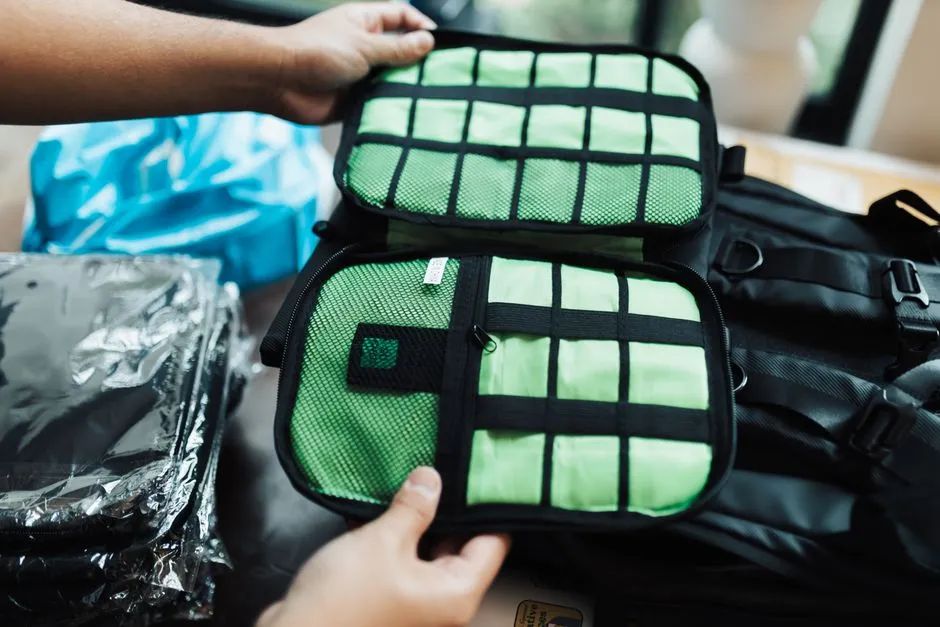
Good packing is a repeatable system, not a talent. The smartest way to pack usually isn’t choosing one method over the other, but combining them based on your clothing types, your bag size, and the nature of your trip. Heavy base, rolled casuals, folded formalwear, cubes for organization, dead space filled, and essentials accessible on top.
Once you do it this way a few times, it becomes second nature. The suitcase stops being a stressful puzzle and starts being a practical tool. That’s when travel actually begins, before you even leave the house.
AI Disclaimer: This article was created with the assistance of AI tools and reviewed by a human editor.