
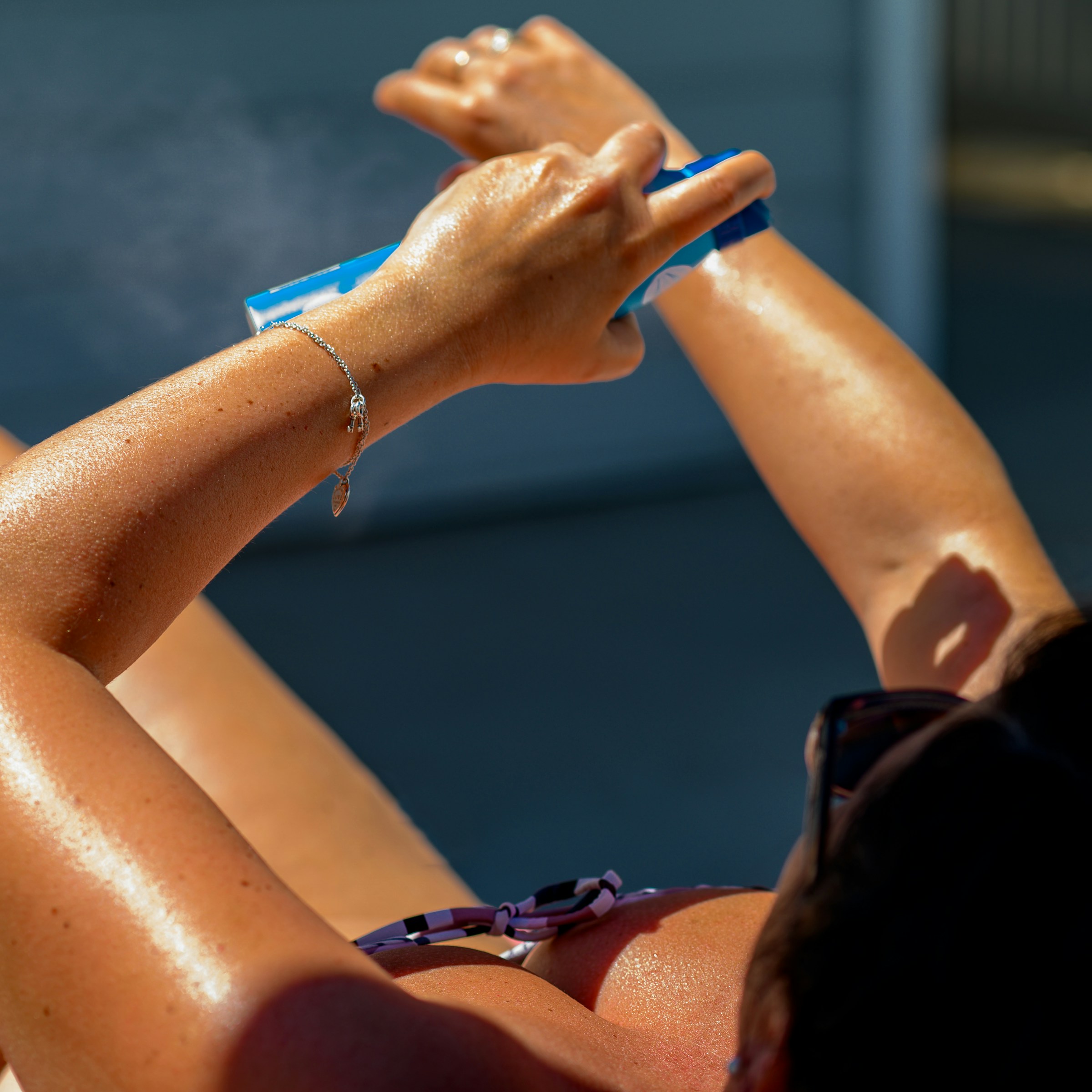

Most people arrive at the beach feeling prepared. They’ve packed the sunscreen, found a spot, shaken the bottle. What happens next, though, is almost always the same quiet mistake – and it costs them more than just a burn by the end of the day.
The truth is that knowing you need sun protection and actually using it correctly are two very different things. A stack of research published between 2023 and 2026 shows that even self-described regular sunscreen users consistently get several core habits wrong. This is especially true for travelers, who face unfamiliar UV conditions and tend to underestimate just how intense that first full beach day really is.
They Apply Sunscreen Too Late
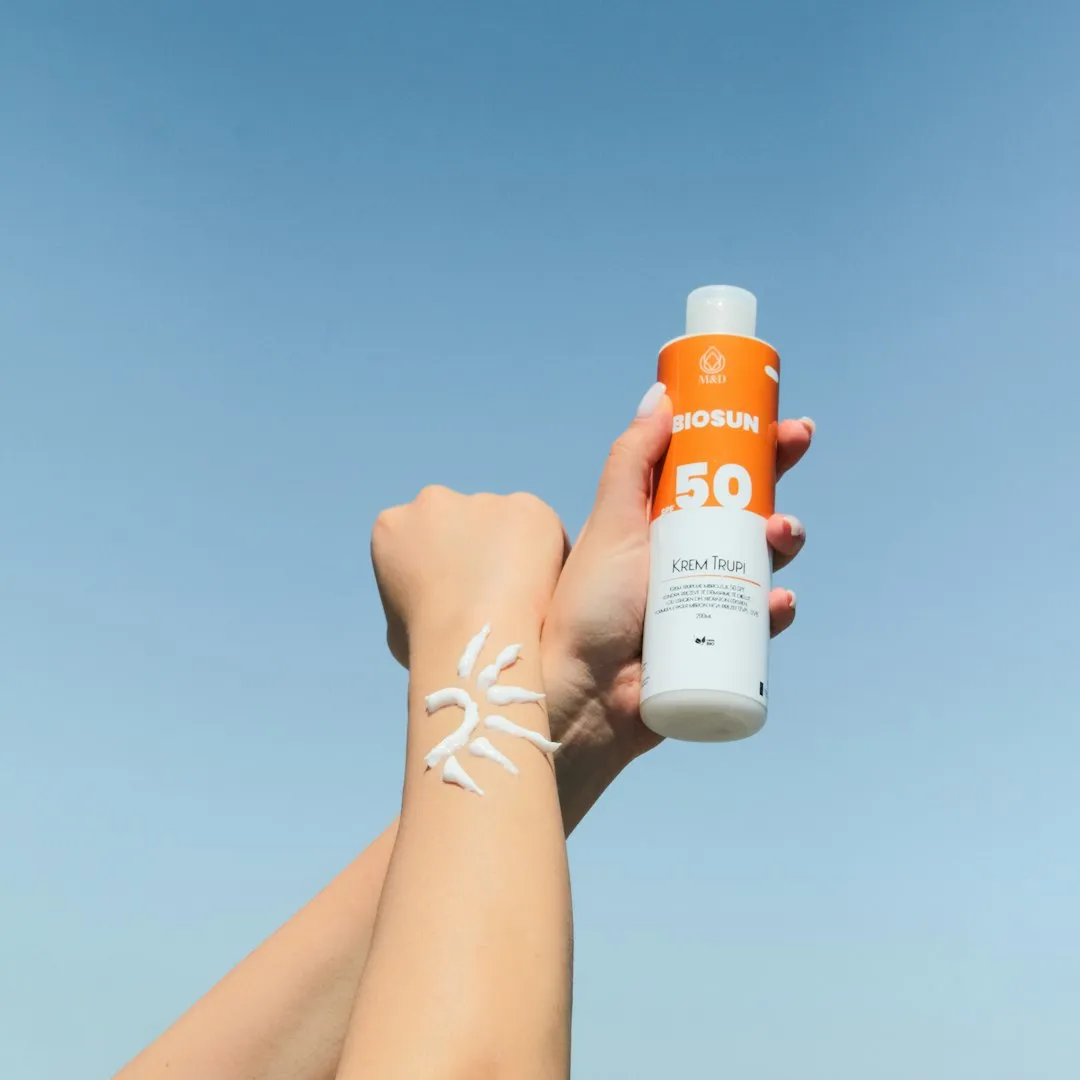
The single most common timing mistake is stepping onto the beach, spreading out a towel, and then reaching for the sunscreen. The universal rule from dermatologists is to apply sunscreen 15 to 30 minutes before sun exposure – a window that allows chemical sunscreens to absorb into the skin and physical formulas to form a protective layer.
Applying it too close to stepping outside means it hasn’t fully bonded to the skin, leaving gaps in protection. For travelers rushing to the water’s edge after a long travel day, this waiting period feels unnecessary. It isn’t. To achieve good protection, the World Health Organization recommends applying sunscreen thickly and evenly to all exposed skin 20 to 30 minutes before going outside.
They Use Far Too Little Product
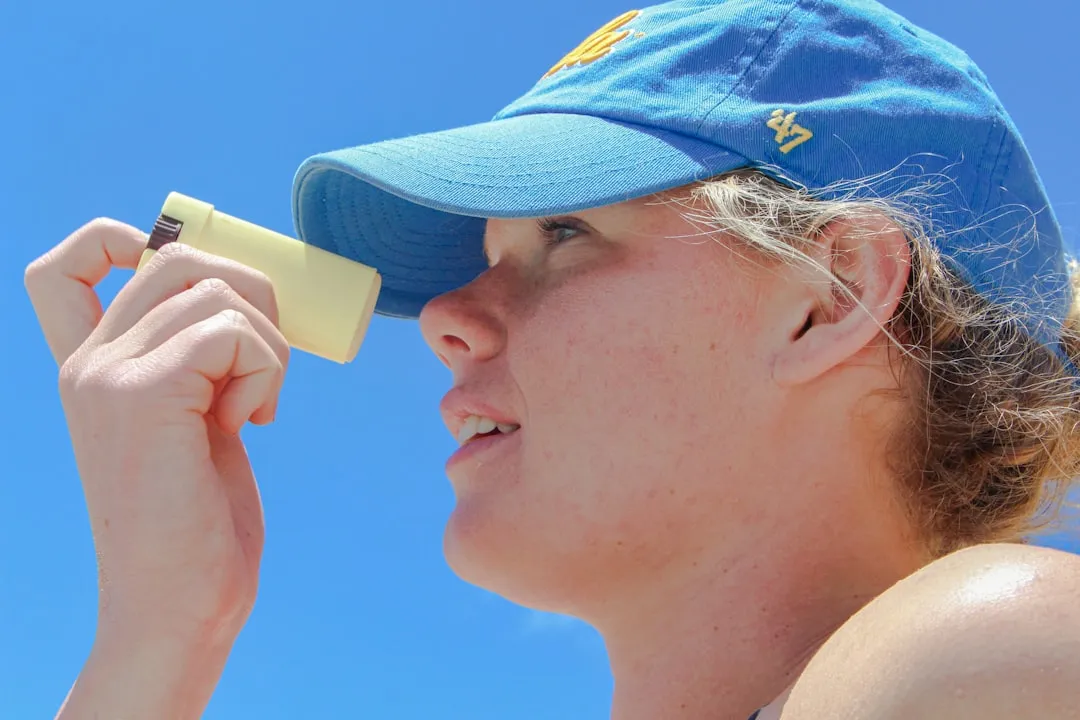
A number of studies have shown that most people do not apply sufficient amounts of sunscreen and therefore do not achieve the specified SPF. This is one of the most consequential errors, because the protection on the label is only real when you apply the right volume.
As many individuals only apply about 20 to 50 percent of the amount of sunscreen needed to achieve the SPF on the label, application of high-SPF sunscreens can help compensate. Still, the gap is striking. A study cited by the Skin Cancer Foundation showed that applying half the recommended amount of an SPF 50 product can drop effective protection to roughly SPF 7.
The teaspoon rule gives a useful visual guide: one teaspoon for the face, one for the head and neck, one for the front of the torso, another for the back, one for each arm, and two for each leg – a total of nine teaspoons, roughly the volume of a golf ball. Most travelers pack a single travel-size bottle and wonder why it runs out so fast.
They Skip Reapplication After Swimming
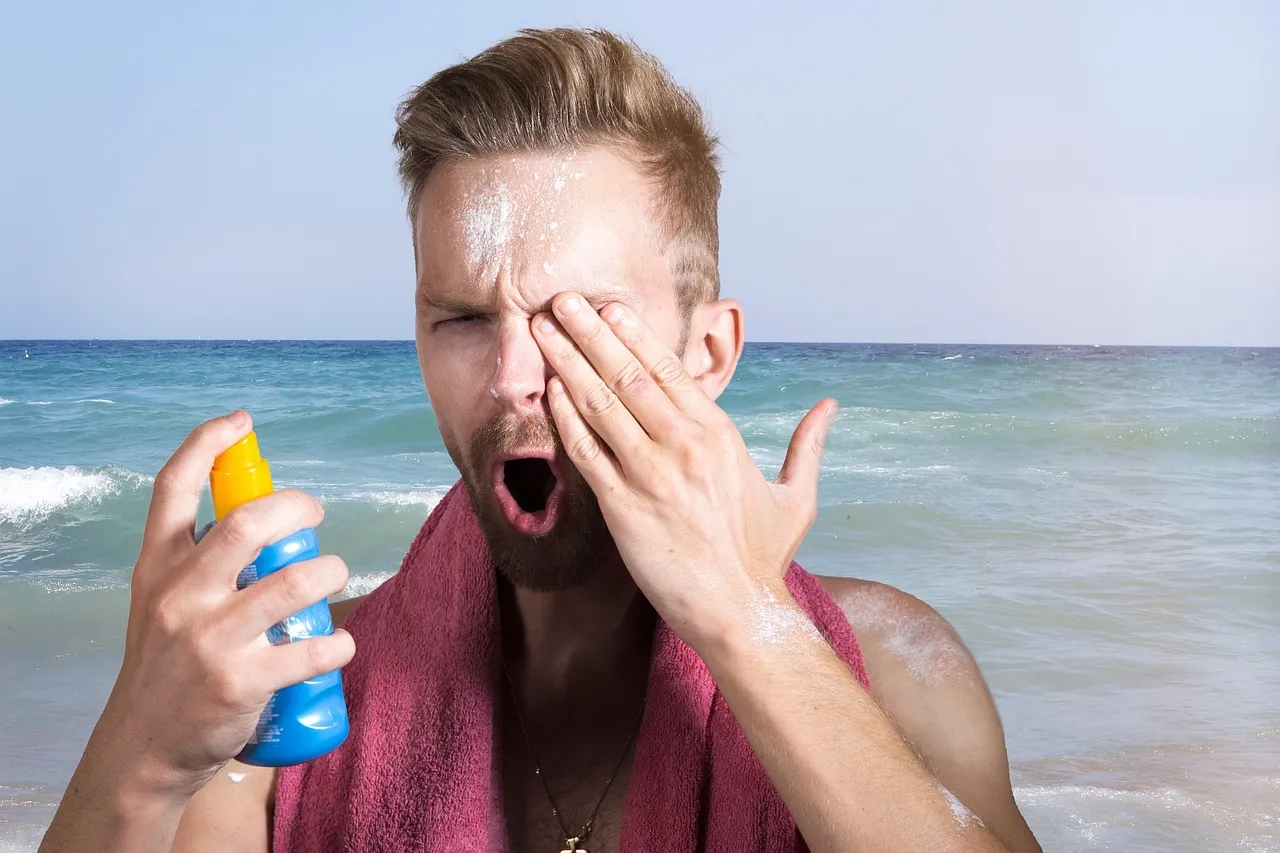
SPF products are not reapplied by approximately 20 to 60 percent of regular sunscreen users, depending on product category, and reapplication rates fall below one third on cloudy and partly cloudy days. At the beach, where swimmers go in and out of the water repeatedly, this is a serious gap.
You should reapply sunscreen every two hours, and especially after bathing and sweating, as sunscreen is wiped off when drying with a towel. Many travelers assume their “water-resistant” label means the protection holds regardless of how long they’re in the water. It doesn’t work that way – water resistance has defined limits set by regulators, and toweling off removes a meaningful portion of what’s left.
They Misread the “Water-Resistant” Label
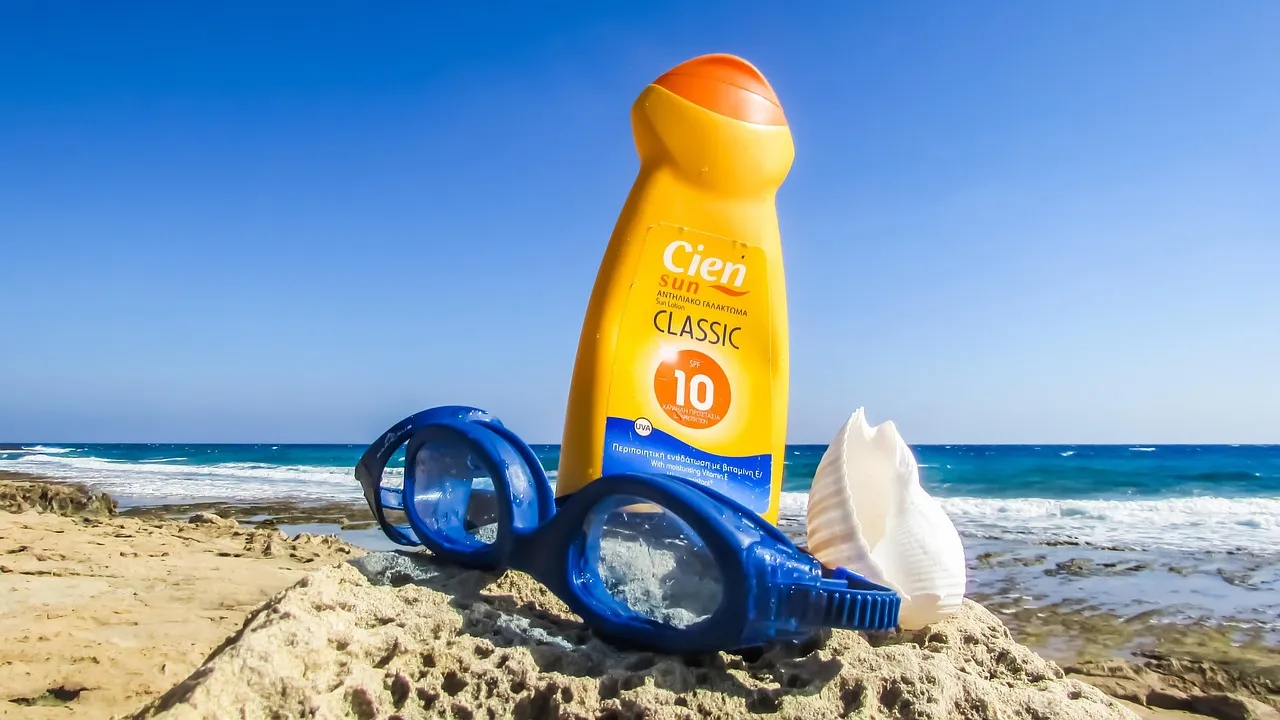
“Water-resistant” sounds reassuring, but it has a specific technical meaning. The FDA’s 2011 Final Rule describes the procedures for determining the 80-minute water-resistant SPF of over-the-counter sunscreen products. That means the clock starts ticking from the moment you enter the water, not from when you applied it on the sand.
Reapplication is recommended every two hours or every 40 to 80 minutes if swimming, surfing, or sweating heavily. On a first beach day, travelers often enter the ocean, come back, air-dry, and assume their original morning application is still doing its job. It isn’t – especially if they dried off with a towel, which removes much of what was left.
They Underestimate the UV Conditions for Travelers

International travelers who engage in outdoor activities are often exposed to more ultraviolet radiation than usual, especially if their travels take them to sunnier locations, lower latitudes, or higher elevations. Someone flying from a northern city to a Caribbean or Mediterranean beach in summer is walking into a genuinely different UV environment than their skin is used to.
Short bursts of high-intensity UV radiation, such as infrequent beach vacations, as well as frequent prolonged exposure, can cause acute effects like sunburn and delayed effects including sun damage, premature aging, and skin cancers. The occasional beach trip, counterintuitively, may carry more risk than regular moderate exposure precisely because the skin hasn’t had time to adapt. UV index readings of 9 to 11 are completely normal in summer across much of the US, Canada, and southern Europe, and UV 13 or above happens regularly in Florida, Hawaii, the Caribbean, and Central and South America year-round.
They Ignore the Peak Hour Window

Most travelers arrive at the beach late in the morning, which places them squarely inside the period of highest UV intensity. The sun is most intense during midday hours, so limiting time outside between 10 a.m. and 4 p.m. is strongly advised. This is the window when even SPF 30, if under-applied, is working against a much more aggressive radiation load.
Within 30 minutes of sun exposure at a UV index of 6 to 7, the sun can burn unprotected skin. A UV index reading of 11 or higher puts you in a very dangerous situation where damage can occur in less than 10 minutes on unprotected skin. Checking the daily UV index before heading out – something most travelers never do – takes under 30 seconds and genuinely changes how you plan your beach hours.
They Forget Specific Body Parts
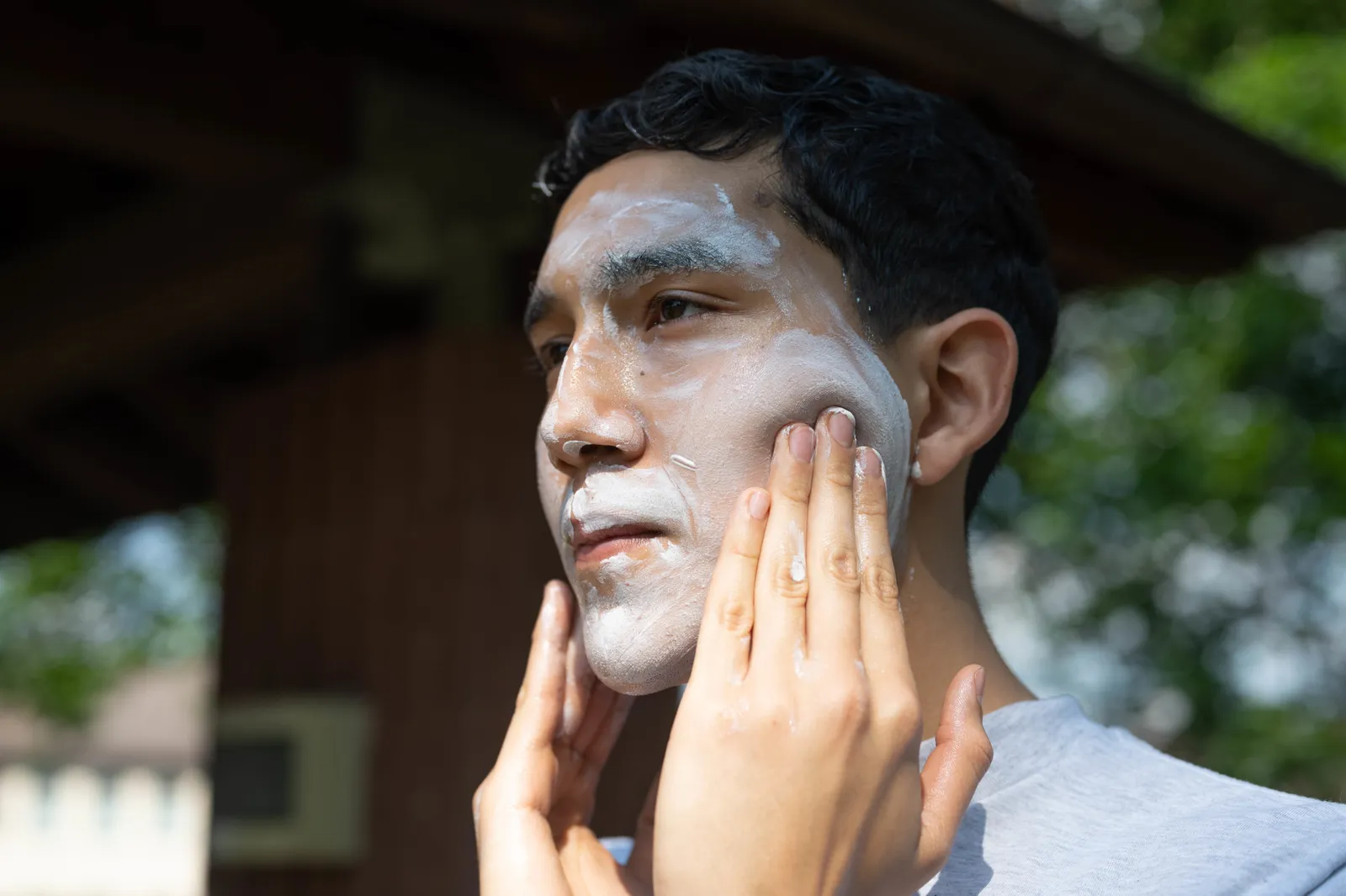
Shoulders and noses get covered. Ears, the tops of feet, the back of the neck, and the lips almost never do. It’s important not to forget to apply sunscreen to the tops of your feet, your neck, your ears, and the top of your head. These are the spots that show up red and painful by dinner, the ones that were simply overlooked in the rush to get into the water.
Particular attention should be paid to the most exposed parts of the body, such as the ears, nose, forehead, and neck. Skin cancer can also form on the lips, which is why applying a lip balm containing sunscreen with an SPF of 30 or higher is part of a complete sun protection routine. Travelers rarely think to pack SPF lip balm, but it belongs in the beach bag just like the main sunscreen bottle.
They Trust Clouds Too Much

Overcast mornings at the beach create a false sense of safety. People delay or skip sunscreen, reasoning that if the sky is grey, the risk is low. The science doesn’t support that reasoning. Up to 80 percent of UV rays can penetrate clouds, and UVA rays can even pass through windows – meaning your skin is still exposed while outdoors on cloudy days.
Sunscreen usage peaks during summer with sunny weather, but drops to approximately 50 percent and 30 percent on partly cloudy and fully cloudy days respectively, regardless of SPF product category. This is a consistent pattern in the data. The clouds that feel protective are largely cosmetic – the radiation is still reaching the skin.
They Rely on Makeup or Moisturizer SPF as a Substitute
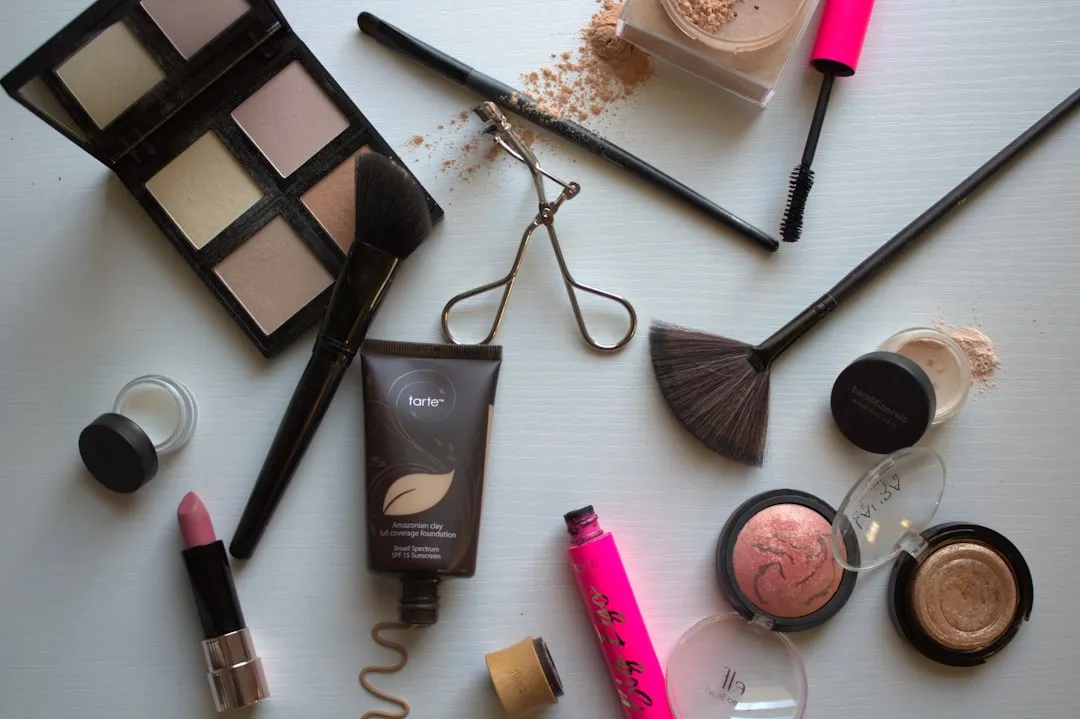
Some travelers, particularly those who use daily SPF moisturizers at home, assume their regular skincare routine carries over to the beach. It doesn’t. Foundation, tinted moisturizer, and powder with SPF can offer some added protection, but they shouldn’t replace a dedicated sunscreen – because to achieve the SPF listed on makeup products, you would need to apply far more product than most people typically use.
Makeup SPF should be thought of as a bonus, not as a primary defense against UV damage. At the beach, where sweat, humidity, and water are constant, any trace SPF in a tinted moisturizer evaporates from relevance fairly quickly. A broad-spectrum, dedicated sunscreen remains non-negotiable for a full beach day.
They Skip Broad-Spectrum and Reach for Any SPF Number
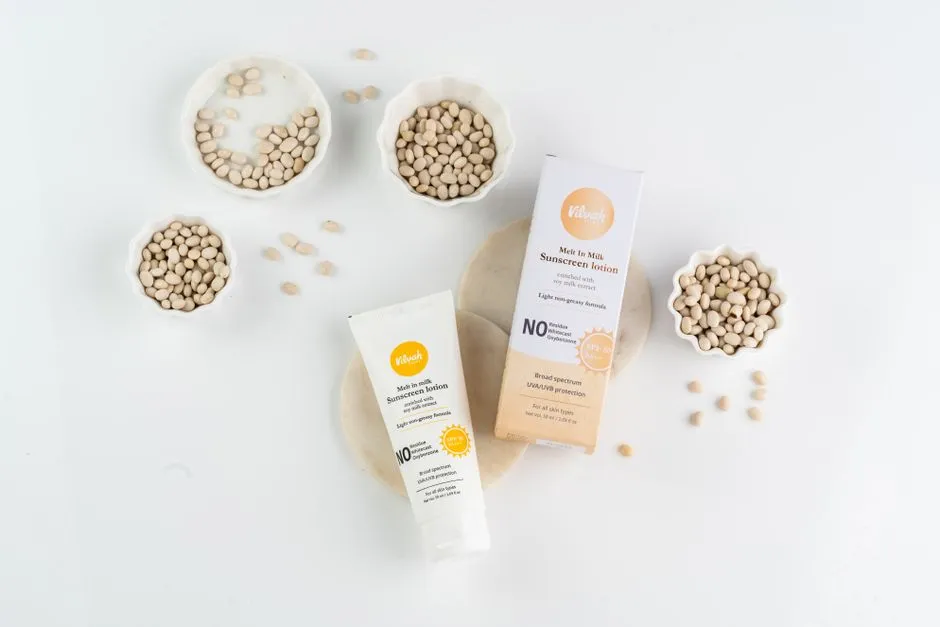
Dermatologists recommend a broad-spectrum sunscreen, meaning one that protects from both UVA and UVB ultraviolet radiation. UVA rays have a longer wavelength that penetrates deeper into the skin causing inflammation, wrinkles, and skin cancer, while UVB rays are shorter but lead to DNA damage that also causes skin cancer. Many travelers pick up whatever is available at the resort shop without checking whether the formula covers both spectrums.
Broad-spectrum SPF 30 sunscreen blocks approximately 97 percent of UVB rays when applied correctly at the standard 2 mg per square centimeter. The key phrase there is “when applied correctly.” The World Health Organization recommends applying a broad-spectrum sunscreen of at least SPF 30 liberally – roughly three to four heaped tablespoons for the entire adult body. Checking for the “broad-spectrum” label before buying matters more than chasing the highest SPF number on the shelf.
The Takeaway

Sun protection at the beach isn’t complicated in theory. Apply early, apply enough, cover every surface, reapply after water and every two hours – and choose a formula that covers both UVA and UVB rays. In practice, though, the first beach day almost always involves at least a few of these gaps, stacked quietly on top of each other.
The traveler who gets this right doesn’t need to forgo the water or hide in the shade all day. They just need to plan 20 minutes earlier, pack a generous amount of sunscreen, and build the habit of checking the UV index the same way they’d check the surf report. That small shift in routine is what separates a comfortable, genuinely protected beach day from one that ends with cooling aloe on sunburned skin back at the hotel.
AI Disclaimer: This article was created with the assistance of AI tools and reviewed by a human editor.