


The Scale of the Problem Is Bigger Than You’d Expect
Pool chair hogging has become one of the defining frictions of the modern resort experience, and according to travel columnist Dawn Gilbertson of The Wall Street Journal, it’s one of the biggest complaints many resorts face. This isn’t a niche grievance tucked away in TripAdvisor threads – it’s a mainstream issue that now shapes how guests choose where to book.
A Hotels.com poll found that roughly six in ten travelers consider reserving pool chairs to be downright rude. That’s a clear majority of guests who disapprove of the behavior, yet the practice continues season after season at resorts around the world.
1 a.m. Towel Drops: How Early Is Too Early?

In 2024, reports emerged that guests were heading down to the pool at a Portuguese hotel as early as 1 a.m. to reserve their spots. That’s not a misprint. People were sacrificing sleep, in the middle of the night, just to drape fabric over a chair.
At one Portuguese resort in 2024, staff reported guests arriving as early as 1 a.m. just to drape a towel over a chair and disappear back to bed – with the real problem being the empty chair sitting untouched for hours while other paying guests circled the deck with nowhere to sit. The irony of sacrificing rest on a holiday, in order to hoard a place to rest, seems lost on those doing it.
Tenerife’s Viral Moment and the 2 Million Views

In Tenerife, tourists have been spotted placing towels, bags, and flip-flops directly on concrete floors beside empty pools – sometimes as early as 6 a.m., before hotel staff even arrive to set up the loungers. The behavior has moved well beyond awkward and into the territory of spectacle.
One TikTok clip, now viewed over 2 million times, shows a line of beach bags and towels claiming invisible chairs, sparking outrage in comment sections and igniting debate over entitlement, etiquette, and the limits of resort hospitality. Once something goes viral at that scale, the hotel’s name goes with it – and not in a flattering way.
The Canary Islands received over 13 million visitors in 2024, and pressure on infrastructure, hotel staffing, and communal amenities has led to renewed calls for stricter tourism regulation.
When It Reached the Courtroom
The long-running holiday ritual known as the “sunbed wars” has now reached the courts. A German tourist won compensation after claiming he and his family were unable to use poolside loungers during a holiday in Greece, because other guests repeatedly reserved them with towels before sunrise.
David Eggert, 48, claimed his children were left lying on poolside concrete because every one of the 400 sunbeds at his luxury Greek island hotel had been reserved with towels. The Dusseldorf pilot, who paid more than £6,200 to take his wife and two children on holiday to Kos in 2024, won a payout after successfully bringing a case against his travel firm.
A court in Hanover awarded the family damages of nearly €987, after the traveler claimed that despite waking up at the crack of dawn every morning and conducting a 20-minute daily search for sun loungers, he was unable to secure any throughout the entire stay. That ruling sent a clear signal to the hospitality industry: failing to enforce your own policies can now have legal consequences.
The Gap Between Posted Rules and Actual Enforcement

Almost every property complained about already has a posted rule against towel reservation. The complaint is not that the hotel allows it – it’s that the hotel says it doesn’t allow it but does nothing about it. Enforcement, not policy, is the gap.
While many resort pools have signs informing guests that belongings used to “hold” sun loungers will be removed after a set period of time – usually 30 minutes to an hour – few have actually empowered their employees to enforce the rule. Staff who try to enforce policies often face pushback from guests who feel entitled to the spot they claimed at dawn.
Inconsistent enforcement may actually be worse than no enforcement at all. Several reviews describe receiving a warning card after 30 minutes while neighboring loungers sat empty for hours. Selective enforcement creates more disputes than no enforcement, because it adds a fairness layer to the existing capacity problem.
Fines, Flags, and Getting Called Out by Name
In parts of Spain, tourists have been threatened with a €250 fine for hogging a sun lounger, and some tour companies have been forced to revisit their policies on sunbeds. The financial deterrent is intentional – it’s aimed at making the cost of the habit feel real.
At one resort, a couple at an H10 property received warning cards after 30 minutes, while others left their towels on loungers for hours without consequence – inconsistent enforcement being the recurring theme in guest complaints. When enforcement is perceived as arbitrary, the resentment it produces can be worse than if nothing had been done at all.
Some hotels have moved further still, flagging repeat offenders by name at the front desk – a quiet but effective form of social accountability that guests find far more uncomfortable than a removed towel. It’s a small thing, but being personally identified by staff changes the dynamic considerably.
The Psychology Behind the Dawn Dash

Clinical psychologist Augusto Blanco attributes this behavior to anxiety and entitlement, explaining that some people have a scarcity mindset that makes them anxious about finding available space, and they decide to hog chairs or sunbeds even if they won’t use them for hours on end.
There’s also a competitive dimension that’s hard to ignore. Every peak season, resorts turn into a quiet battlefield as guests race down in flip-flops, towels flying, just to claim territory they won’t actually use for hours. Staff say some travelers now treat this like a competitive sport, comparing notes at breakfast about who beat whom to the best spots.
How Hotels Are Actually Solving It
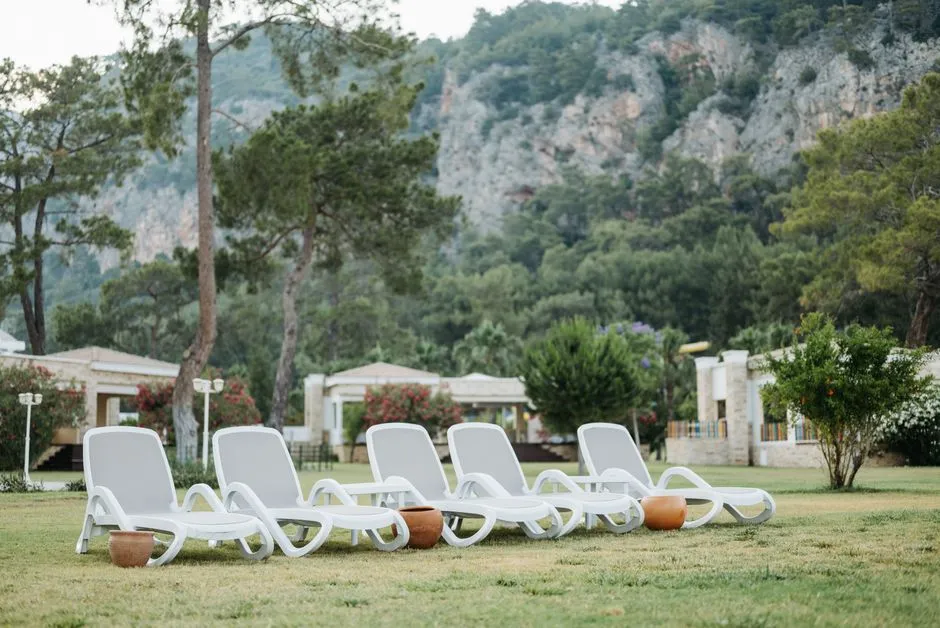
At Amanti MadeForTwo Hotels in Ayia Napa, guests are assigned their own designated sunbeds upon check-in for the duration of their stay, resulting in a stress-free sunbathing experience for everyone involved. It’s a straightforward fix that sidesteps the morning scramble entirely.
Amàre Beach Hotel Ibiza operates a no-reservation policy for sunbeds, removing towels and guest belongings after 30 minutes of non-use. If guests plan to have lunch at the restaurant, they can inform the customer service team poolside and the hotel will allow a longer reservation during the meal. That kind of nuanced, human-centered approach tends to work far better than a blanket rule posted on a laminated sign.
Some hospitality experts have proposed a hybrid model where guests can book sunbeds for defined two-hour windows, with bookings automatically canceled if the guest fails to show within 15 minutes – making the spot available to the next person in line.
Greece’s Beach Access Changes Are Adding Pressure
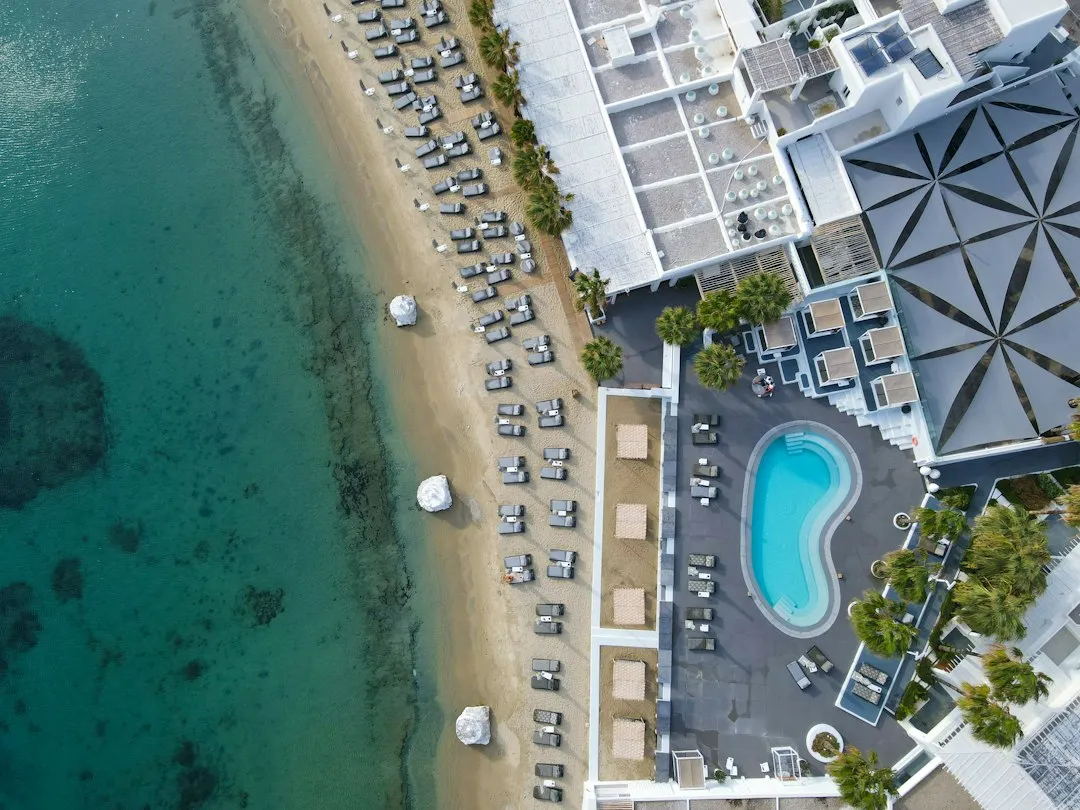
In April 2026, Greece named over 250 beaches where commercial sunbeds and umbrellas are off-limits entirely, a policy that increases pressure on remaining hotel pool capacity as a result. When public beach infrastructure shrinks, hotel pools absorb the excess demand – and the sunbed competition intensifies.
This kind of regulatory shift means that the towel-hogging problem at hotel pools is unlikely to ease on its own. Fewer accessible public sun loungers means more guests competing for the same hotel poolside real estate. The dynamics are structural, not just behavioral.
What Guests Actually Want from Hotels
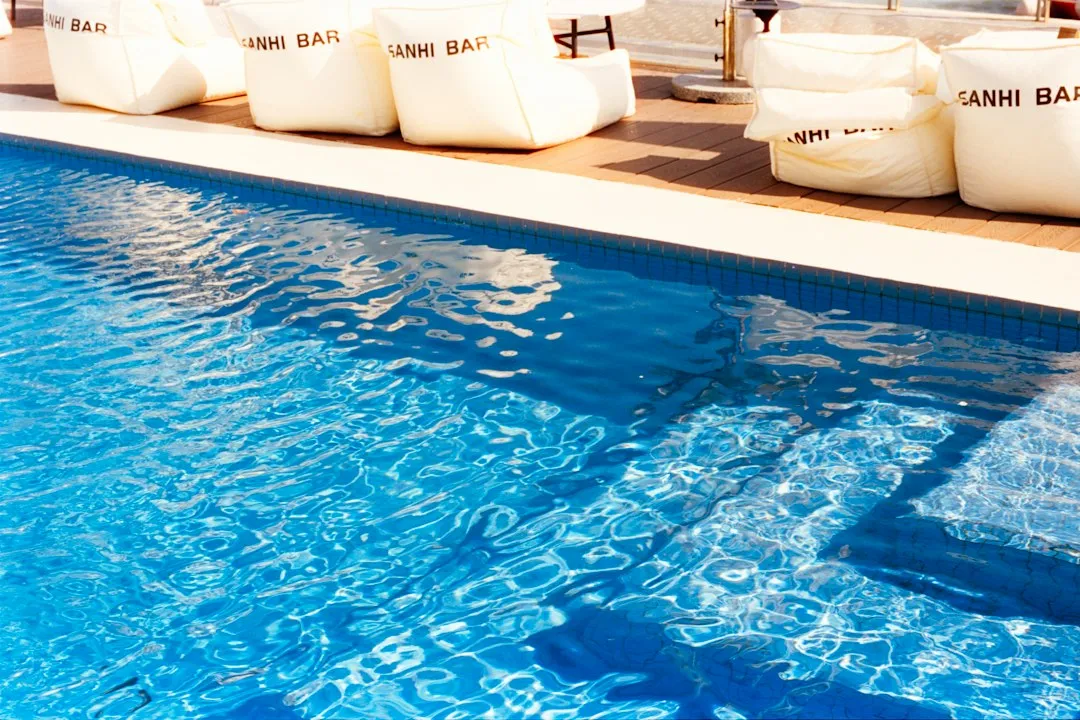
Guests want a system, not just a memo. The recurring question across travel forums is which hotels have a sensible allocation system – buyers actively want to book a property where the lounger problem has been operationally solved. Hotels that get this right are increasingly being rewarded with bookings from guests who specifically seek them out.
Hotels.com notes that Marriott’s Maui Ocean Club in Hawaii has adopted a policy where guests may only reserve one additional chair, and unattended items may be tagged and removed by pool security. Clear, consistently enforced rules appear to be the single most effective tool available to resort managers.
Hospitality workers say they’ve effectively become referees in tourist disputes, frequently asked to mediate between guests over pool etiquette, towel removal, and the fair use of limited shared resources. That’s not a sustainable situation for anyone – guests, staff, or the hotels themselves.
The Takeaway
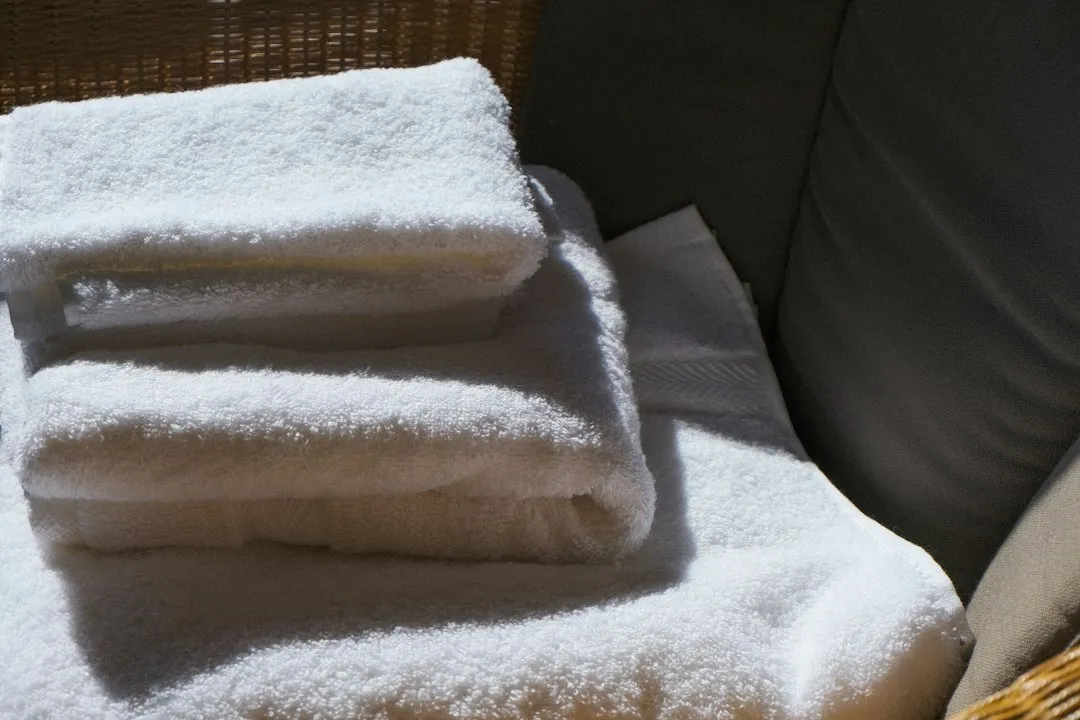
The sunbed reservation habit has moved from a mild social irritant to a documented source of guest conflict, legal liability, and brand reputation risk for hotels. The problem was always real. What’s changed is that the tools to address it – from allocation systems to 30-minute removal policies to named accountability – are now widely understood and actively sought out by travelers.
A towel on a chair is a small act. The ripple effects, it turns out, are anything but. Hotels that treat enforcement as optional are increasingly finding that their guests – and in some cases, the courts – disagree.
AI Disclaimer: This article was created with the assistance of AI tools and reviewed by a human editor.