


Clouds Are Not a Shield – The Numbers Tell the Story

Up to 80% of UV rays can penetrate through cloud cover and reach your skin, according to the American Academy of Dermatology and the World Health Organization. That figure doesn’t describe an edge case or an unusually thin cloud cover. It reflects typical overcast conditions on the kind of grey days that feel perfectly safe.
Up to 80% of solar UV radiation can penetrate light cloud cover, and the U.S. Environmental Protection Agency has included this in its public UV safety guidance for years. The core problem is that most people have no intuitive way to sense UV exposure when warmth and glare are absent. The sky offers no visible cue, and so most travelers simply don’t think to protect their skin.
UVA vs. UVB: Understanding Which Ray Travels Through Clouds

UVA rays have a longer wavelength than UVB rays and are able to pass through clouds and glass, and they account for up to 95% of the UV radiation that reaches the Earth’s surface. That’s not a small footnote. It means the overwhelming majority of the UV radiation bathing your skin on any given day – sunny or overcast – is the longer-wavelength, deeper-penetrating kind.
UVA is the type of UV radiation responsible for premature aging, hyperpigmentation, and collagen breakdown. UVB, which causes sunburn, is partially reduced by cloud cover, which is why you’re less likely to burn on an overcast day. This is where the myth gets its foothold. No sunburn means no problem, or so it seems. The reality is that damage is still accumulating, just silently.
The “Enhancement Effect”: When Cloudy Days Are Actually Worse

Here’s the part that surprises even well-informed travelers. Cloudy days can be more dangerous for the skin. Compared to a completely clear sky, studies have shown that partially cloudy, or even overcast skies, have increased UV radiation by 25% at the surface (enhancement effect) and DNA damage by up to 40%.
On partly cloudy days, clouds can increase your UV exposure, because they provide numerous edges and surfaces that reflect the UV rays rather than blocking them. Several studies suggest that reflection off the sides of cumulus clouds is one mechanism by which UV radiation can become focused. Travelers hiking, cycling, or exploring cities under dramatic, broken cloud cover may actually be receiving more UV radiation than they would on a clear afternoon.
The False Comfort of Cool Temperatures

People mistakenly associate two weather phenomena with UV radiation, namely perceived temperature and cloud cover. Although the sun may not feel as hot during overcast weather due to a reduction in the transmission of infrared radiation, UV radiation can penetrate through the clouds. Warmth and UV exposure are not the same thing, and confusing them is one of the most common mistakes travelers make.
Cloudy days can make you less cautious because they are cooler than sunny days, and therefore you may be tempted to stay outside longer on a cool, cloudy day. A traveler who would sensibly seek shade at midday in Marrakech might happily spend four hours wandering an open-air market under a grey sky in Edinburgh, fully unprotected and accumulating the same kind of cumulative UV burden.
Reflected UV: The Beach and Snow Problem

Snow, sand, and water reflect UV rays and increase your total exposure beyond what direct sunlight alone would deliver, which means overcast days at the beach or on the slopes can actually result in higher cumulative exposure than you would expect from looking at the sky. This is a particularly relevant fact for adventure travelers.
Fresh snow reflects up to 80% of UV rays, while water reflects 10–30%. So standing on a cloudy lakeshore or glacier-fed riverbank exposes you to direct and reflected UV, doubling your dose without thermal cues. Ski trips in the Alps or Andes under overcast skies are notorious for producing severe burns on travelers who trusted the cool, cloud-filtered air to keep them safe.
Windows, Cars, and Indoor Exposure

Both UVB and UVA rays can penetrate clouds, and UVA rays can penetrate glass, so even if it is a cloudy day, or you plan to be driving or indoors for most of the day, UV rays could still reach your skin. This matters for the kind of slow, ground-level travel so many people love: long train rides, hours in a rented car, mornings reading in a café window.
Windscreens are typically made from laminated glass for safety reasons, and that lamination provides effective UVA protection, blocking around 94% of UVA rays. Side windows, rear windows, and sunroofs are often made from standard tempered glass, and research shows the driver’s side window can transmit well over 70% of UVA radiation. It’s a sobering fact for anyone who has ever taken a long road trip through foggy highlands and assumed the overcast kept things safe.
The Skin Cancer Connection Travelers Often Overlook
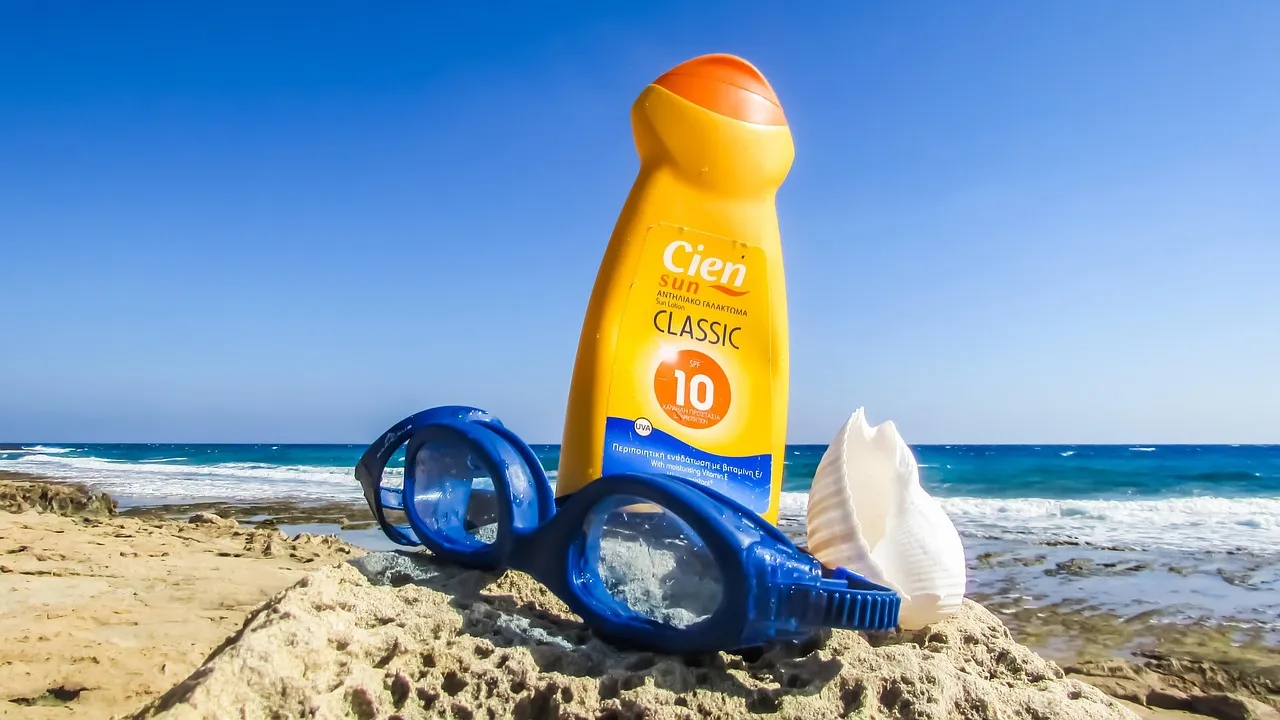
International travelers who engage in outdoor activities are often exposed to more UV radiation than usual, especially if their travels take them to sunnier locations, lower latitudes, or higher elevations. Even winter activities such as snow skiing can result in significant UV radiation exposure. Short bursts of high-intensity exposure, as well as frequent, prolonged, cumulative exposure, can cause acute effects and delayed effects from chronic exposure including sun damage, premature aging, cataracts, and skin cancers.
Studies have shown that consistent sunscreen use can reduce melanoma risk by 50% and squamous cell carcinoma by 40%. Those are meaningful numbers. The protection sunscreen offers isn’t cosmetic in the narrowest sense; it has real, documented implications for long-term health, particularly for frequent travelers who spend unusual amounts of time outdoors across varied climates and elevations.
Why Gen Z Travelers Are at Particular Risk
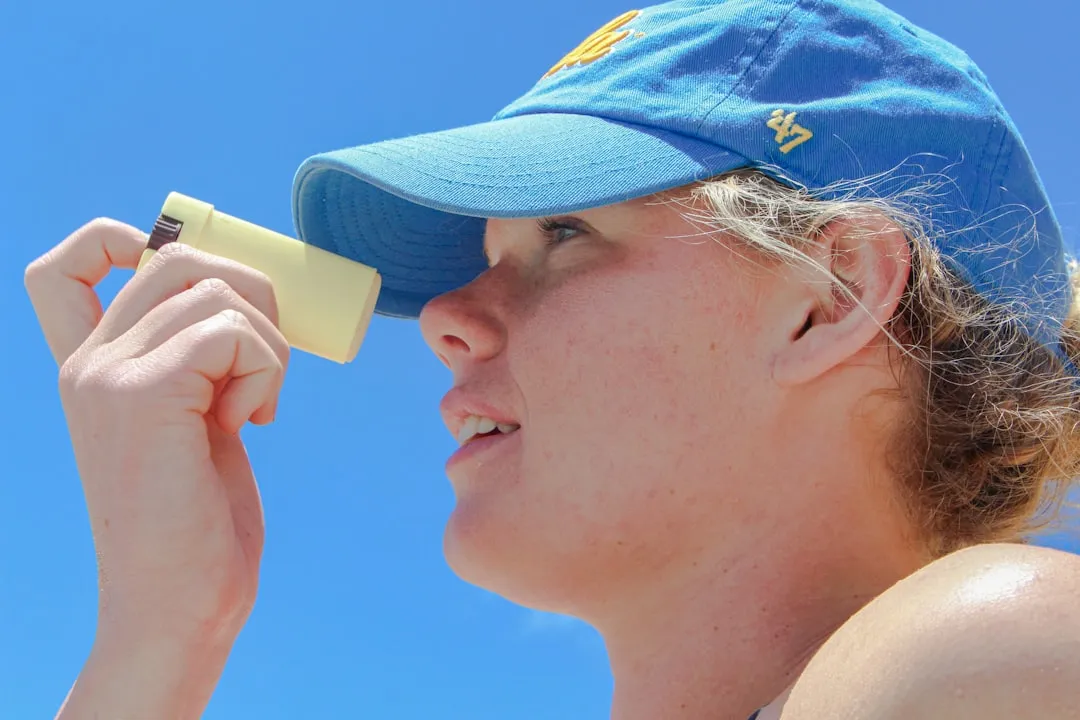
A recent American Academy of Dermatology survey of more than 1,000 U.S. adults reveals that many Americans are unwittingly increasing their skin cancer risk due to a lack of sun protection knowledge. Gen Z adults are less informed about how to protect themselves from the sun’s harmful rays and also more likely to believe myths and misconceptions that put them at further risk.
Nearly a quarter of all Gen Z survey respondents received a grade of “D” or “F” when surveyed on their knowledge of skin protection facts. For a generation that travels more independently, documents outdoor experiences obsessively, and often plans itineraries around moody, overcast landscapes, this knowledge gap has real consequences. Cloud-heavy destinations – think Iceland, the Scottish Highlands, coastal Japan in spring – are exactly where the myth does the most damage.
How to Check Your Real UV Risk Before You Step Outside

If you’re curious about how strong UV rays are, even on a cloudy day, check the UV Index, which can be found on most weather apps. It’s a tool that ranks the sun’s intensity on a scale of 1 to 11+. Dermatologists say that when the UV Index is 3 or higher, it’s especially important to protect your skin.
The UV Index doesn’t care whether the sky is blue or grey. A reading of 5 on a heavily overcast day in coastal Scotland means real exposure risk, and it appears on your phone’s weather forecast right next to the temperature. Building a habit of checking it before heading out – regardless of how the sky looks – is one of the simplest and most practical shifts a traveler can make.
What Proper Protection Actually Looks Like on a Cloudy Day
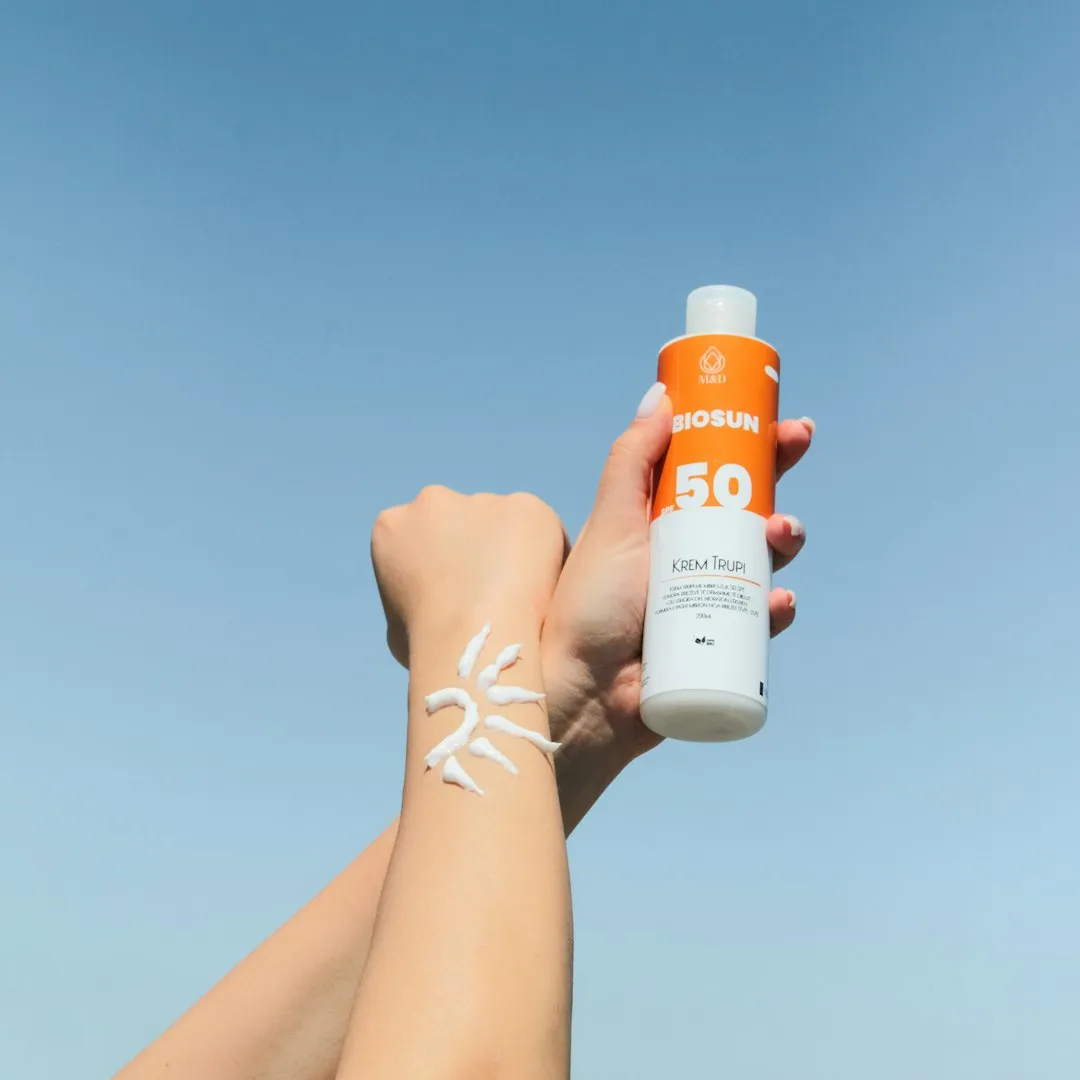
The American Academy of Dermatology recommends applying a broad-spectrum, water-resistant sunscreen with an SPF of 30 or higher, even on cloudy days, and reapplying every two hours when spending time outside, and immediately after swimming or sweating. Broad-spectrum matters because it signals protection against both UVA and UVB, not just the burning rays.
If you plan to be outdoors for an extended period of time, use at least SPF 30. Apply two tablespoons of sunscreen to the exposed areas of your face and body, using a nickel-sized amount on your face alone. Most people apply far less than the recommended amount, which can significantly reduce the stated SPF effectiveness. On a travel day with mixed weather, more is genuinely better.
The Takeaway for Every Traveler Who Trusts the Clouds
The cloudy-day sunscreen myth persists because it’s built on a misunderstanding that feels intuitive: no sun visible means no sun damage. The science, consistently, says otherwise. Cloud cover creates a dangerous illusion of safety. While thick storm clouds may block a large portion of visible light, they absorb only a fraction of UV radiation, especially UVA rays, which account for 95% of UV reaching Earth’s surface. UVA penetrates glass, clouds, and even light clothing with minimal attenuation.
Travel opens up all kinds of landscapes and weather conditions, many of them grey, cool, and seemingly benign. The most overcast destinations in the world – from Bergen to the Faroe Islands to Patagonia – still deliver meaningful UV exposure to anyone spending hours outdoors. Adjusting your sunscreen habits to match the science, rather than the sky, is a small change that carries a quiet, long-term reward: skin that reflects the care you gave it, wherever your travels took you.
AI Disclaimer: This article was created with the assistance of AI tools and reviewed by a human editor.