
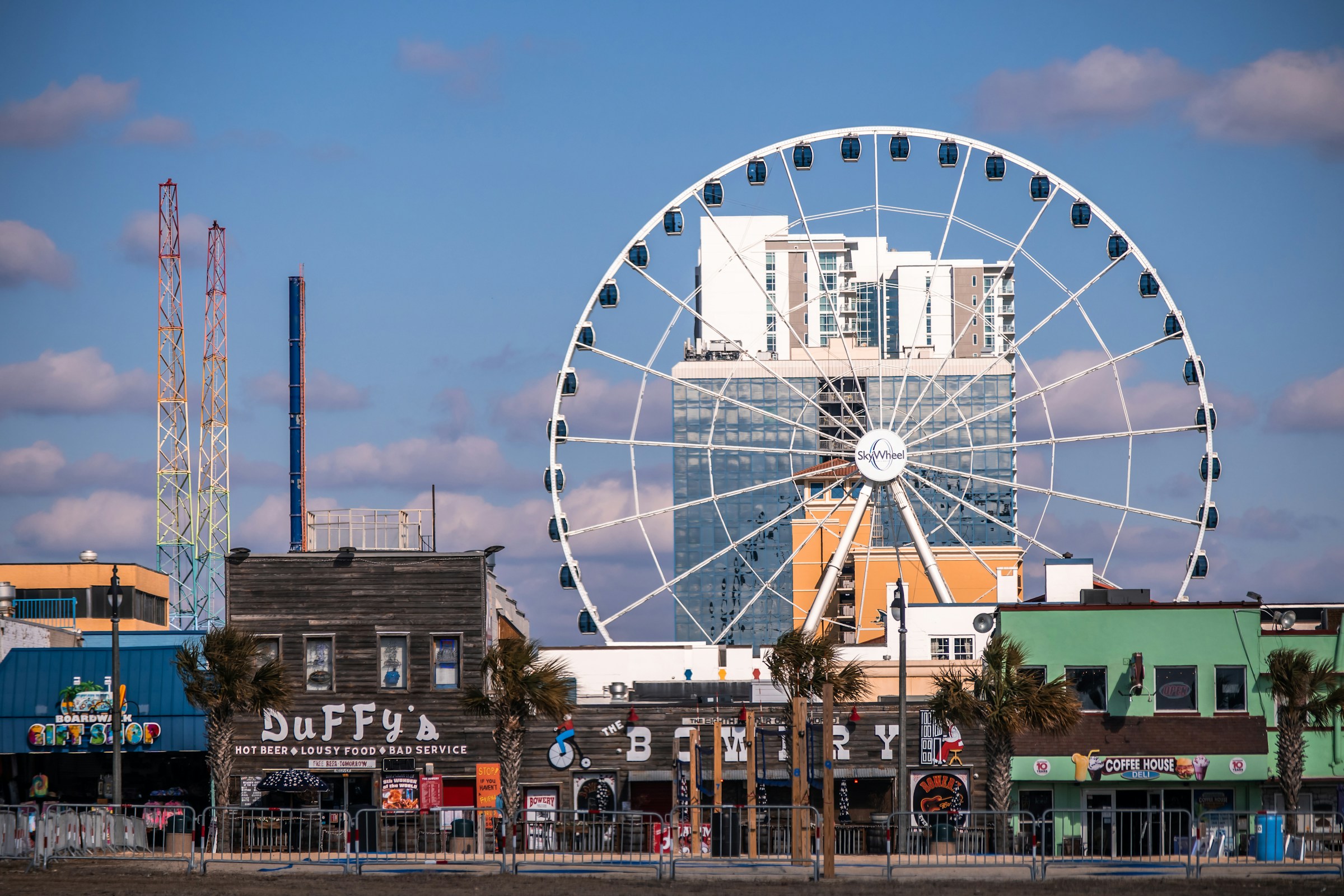

Before Myrtle Beach became a household name, it was dense coastal forest, logged by timber companies who had no idea they were laying the groundwork for one of the most-visited destinations in the United States. The story of how a scruffy stretch of South Carolina shoreline became a place where more than 18 million people vacation each year is part accident, part ambition, and part sheer good fortune.
The First People of the Grand Strand
Long before any resort was built or boardwalk laid, the land that would become Myrtle Beach was home to Indigenous communities. The area was originally inhabited by the Waccamaw Indians, and it did not see any significant growth until after the Civil War. Arrowheads, pottery fragments, and other cultural objects continue to surface in the region, offering glimpses into a way of life that preceded European contact by centuries.
A strong concentration of Waccamaw tribes lived in the area now known as Dog Bluff, an area of Horry County near Aynor that serves as the tribal grounds for the Waccamaw Indian People of Conway today. Their connection to this coastal landscape runs far deeper than any tourism statistic could measure.
Spain’s Failed First Settlement

Early attempts by European explorers to settle the Grand Strand were disastrous. Spaniard Lucas Vasques de Allyon founded the first colony in North America here in 1526, but the settlement was ravaged by disease, and the inhabitants perished within a year. It was a sobering beginning for a coastline that would one day attract millions of visitors seeking rest and pleasure.
History records that a party of Spaniards from Hispaniola were the earliest tourists here, landing first about 50 miles north of present-day Myrtle Beach. In 1526, they established the first European settlement in the U.S. about 30 miles to the south. The ambition was there early, even if the timing was catastrophically wrong.
Pirates, Plantations, and the Colonial Era
In the early 1700s, a landowner named Robert Francis Withers Allston received a 66,000-acre King’s grant for much of modern Myrtle Beach. Robert and his wife operated a plantation overlooking the tidal creek now known as Withers Swash before he became a state representative and the 67th governor of South Carolina. It was an era of rice and indigo cultivation, and the waters just offshore were anything but peaceful.
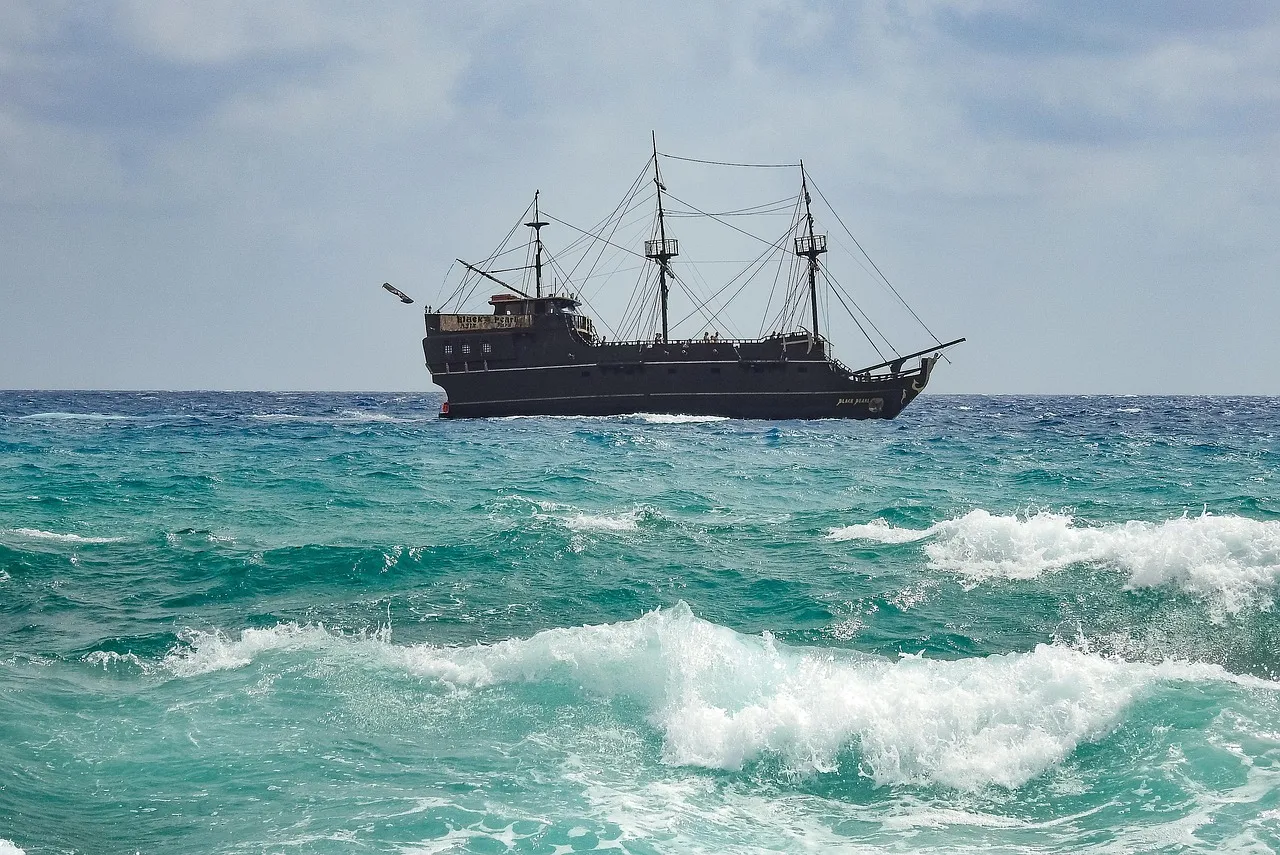
With rice and indigo cultivation thriving at plantations across the area and large-scale shipments being traded and delivered by boat, the seas soon became full of pirates. The most famous of these was Edward Teach, also known as Blackbeard, and his 40-gun ship The Queen Anne’s Revenge, which pillaged numerous vessels during “The Golden Age of Piracy” up until Teach’s capture in 1718. The South Carolina coast was, for a time, one of the most dangerous stretches of water in the Western world.
The Railroad That Changed Everything
The turning point came in the late 1800s when the Burroughs and Collins Company saw the potential in the untouched South Carolina beach. They built the Conway and Seashore Railroad in 1900 to transport timber from inland Conway to the coast, but the train soon began bringing something else: people. That shift from lumber haul to passenger service was the quiet pivot that launched everything.
The railroad’s arrival coincided with a growing national interest in seaside resorts and the health benefits of ocean air. Wealthy families from the Carolinas and beyond began to see the pristine beaches as potential retreat locations, leading to the first serious discussions about developing the area for tourism. The Grand Strand was no longer just a resource to be harvested. It was a destination.
How the Town Got Its Name
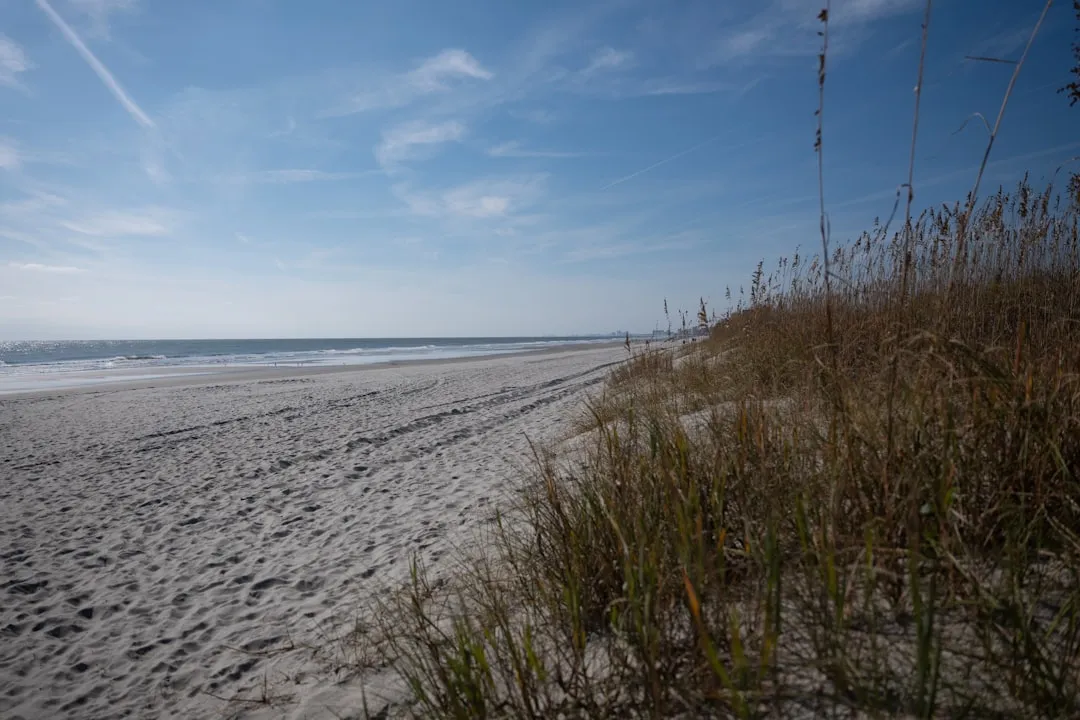
In 1900, the Seaside Inn was built to accommodate visitors to the area and a contest was held to rename the town, which up until that point was simply referred to as New Town. Inspired by the abundance of wax myrtle trees growing wild along the shoreline, Mrs. F.E. Burroughs suggested the name Myrtle Beach, and the town was born. It’s a deceptively simple origin for a name that now carries enormous weight in American travel culture.
In 1901, Franklin Burroughs established the Myrtle Beach Development Company and began the systematic development of what would become the resort city. That early corporate vision, planted in a region previously known for timber and poverty, would eventually grow into something far beyond anyone’s expectations.
From the Poorest County to a Tourist Economy
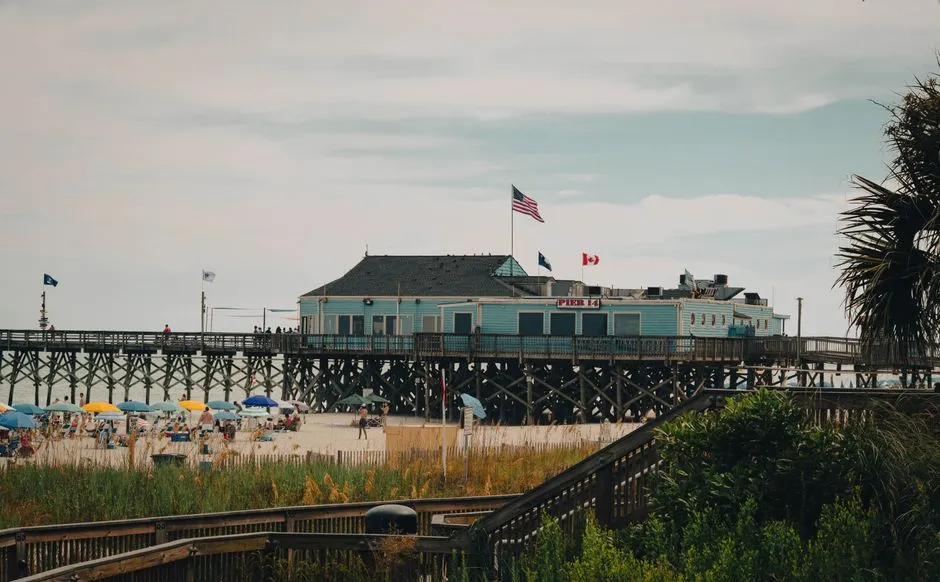
The 1860 census showed that Horry County was the poorest county in South Carolina. By 1920, Horry was the top tobacco producing county in the state and prospering. Tourism and agriculture were growing side by side, each feeding the region’s momentum in different ways.
Railway expansion in the 19th century democratized beach access, enabling working-class families to enjoy coastal holidays previously reserved for the wealthy. Myrtle Beach was no exception. Once the railroad connected the coast to the interior of the Carolinas, the idea of a beach vacation became available to people who had never imagined it.
World War II and the Military Chapter

World War II brought significant changes to Myrtle Beach, as it did to coastal communities throughout America. The area’s strategic location made it important for coastal defense, and military installations were established in the region. The Myrtle Beach Army Air Field was constructed, bringing military personnel and their families to the area and providing an economic boost during the war years.
During the 1970s, the area saw an explosion in the population as more service members who were stationed there decided to call the area home after their military time was up. That military-to-civilian migration created a loyal, permanent population base that helped sustain the tourism economy through leaner years.
Hurricane Hazel and the Unexpected Boom
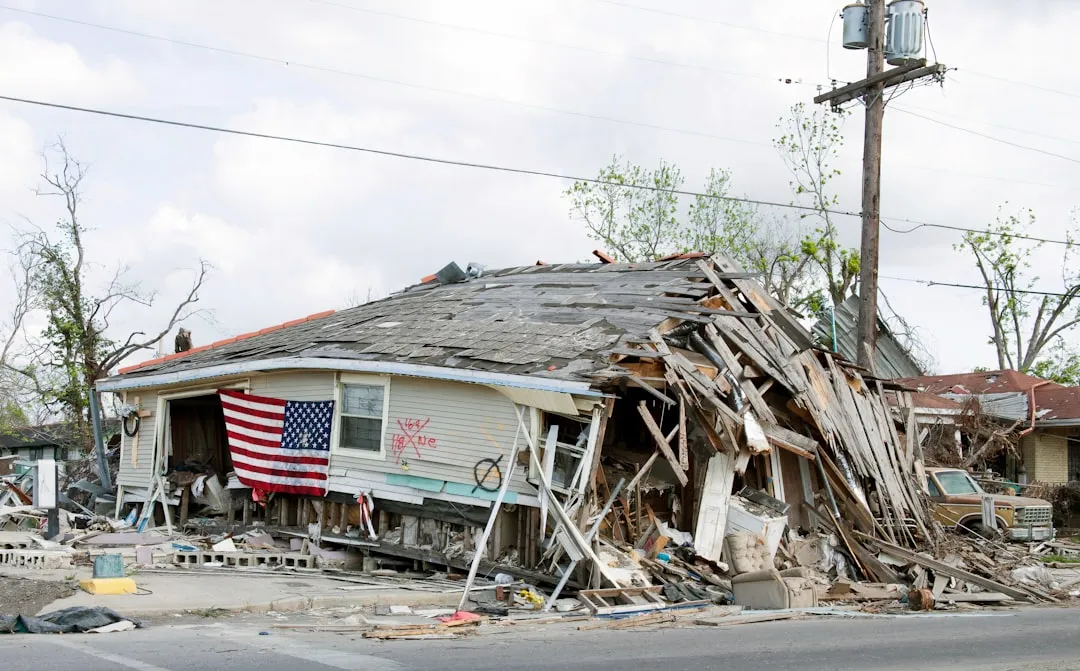
Hurricane Hazel swept through in 1954, demolishing much of the oceanfront property along the Grand Strand, but the destruction had an unintended consequence: it cleared the way for a first wave of low-rise hotels and modern development, triggering what would become the area’s first real tourism boom. Destruction, in this case, opened a door.
The present-day title of “Seaside Golf Capital of the World” may not have come about if not for Hurricane Hazel in 1954. Damage after Hazel was tremendous and widespread, and it was during the rebuilding process that early developers had the vision of Myrtle Beach as a golf destination. The number of golf courses along the Grand Strand now totals around 115.
The Decade That Made Myrtle Beach a National Name
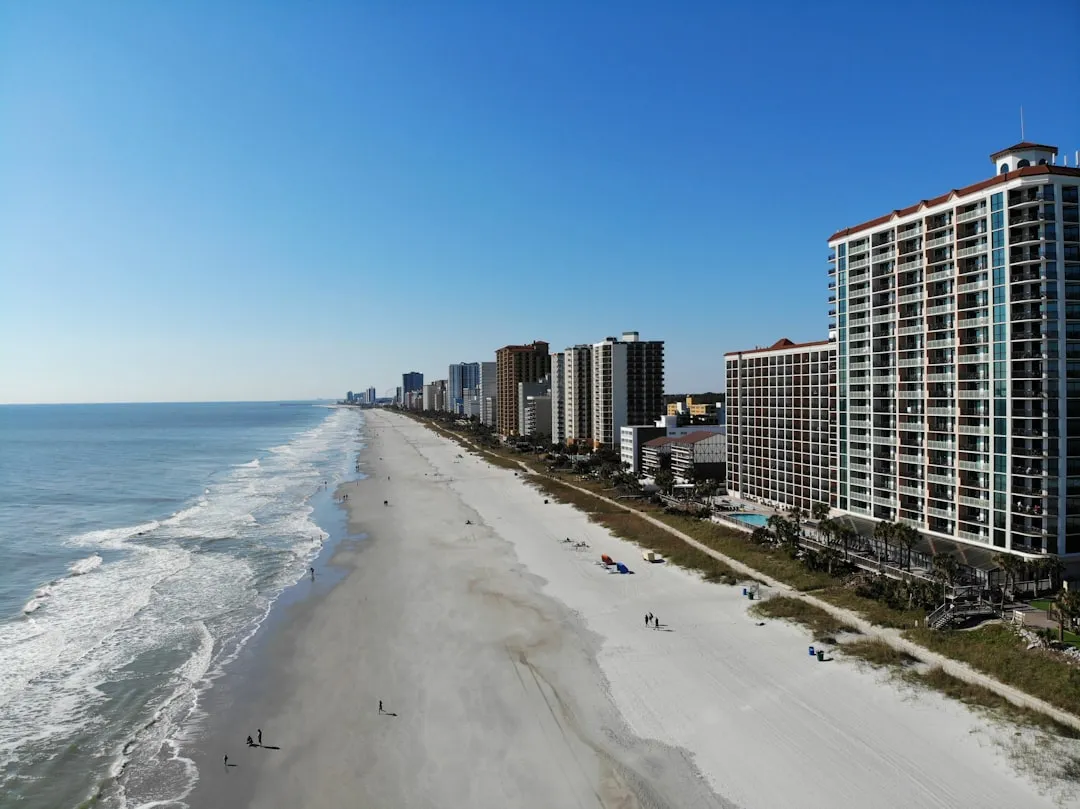
Fifty years ago, Myrtle Beach was a destination that most Americans outside the Carolinas had still never heard of. That was about to change in a hurry. The 1970s were the decade when Myrtle Beach stopped being a regional secret and became a national name.
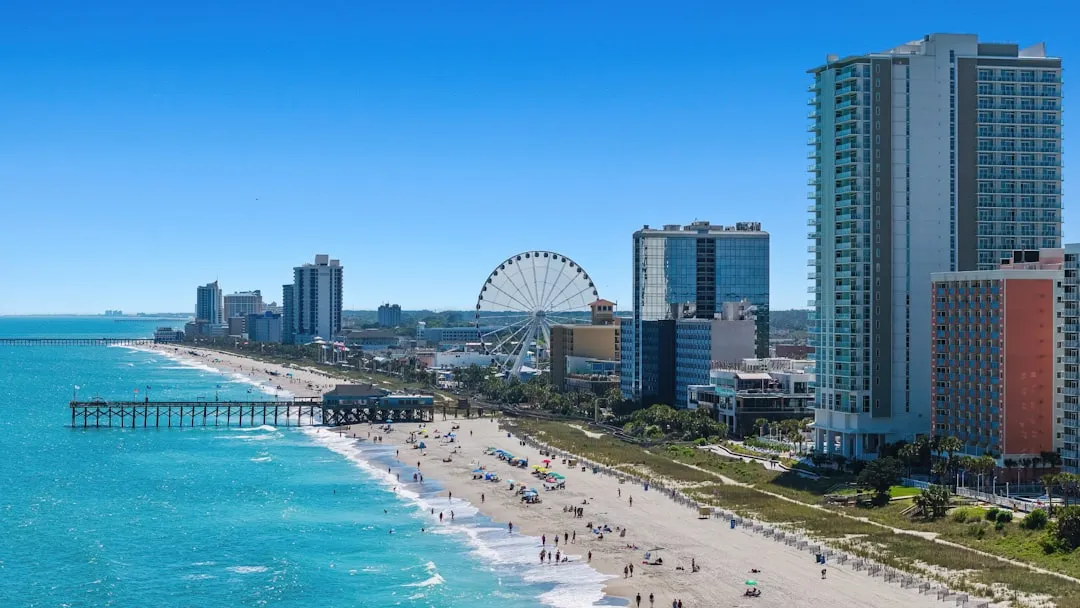
By analyzing search data across all 50 states, a 2025 report looked at over 100 popular beach destinations to see which were searched the most from out of state. The clear winner was Myrtle Beach, South Carolina. The East Coast’s all-purpose playground racked up top beach searches in 18 states. That is a remarkable reach for a town that began as a timber depot.
What the Numbers Look Like Today
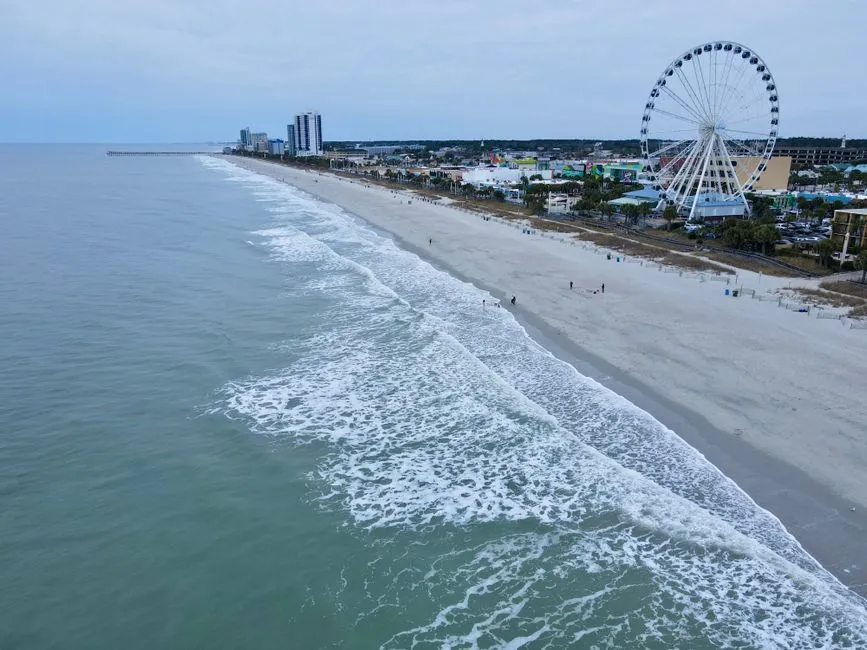
18.2 million visitors came to the Grand Strand in 2024, a record crowd, with nearly two-thirds coming back for return trips. Visitor spending reached $13.2 billion, a 5.3 percent increase over 2023. The scale of what grew from a single beachfront inn opened in 1901 is genuinely staggering.
Tourism supports nearly half the area’s jobs, with roughly 49 percent of the local labor force working in tourism-related fields. Visitors supply about 66 percent of local sales tax revenue, showing that tourism doesn’t just fill beds, it fills cash registers. The Grand Strand has more than 157,000 accommodation units spread across 425 hotels, condos, villas, and home rentals, on par with the room units in Las Vegas.
The Road Ahead for the Grand Strand
Hotel occupancy was down 3.3 percent in 2025 compared with 2024, and the tourism development fee fell by 4.4 percent, while the citywide accommodations tax saw a notable year-over-year decline. Economic headwinds, inflation, and shifting travel habits are real pressures for any destination this reliant on visitor spending.
The Chamber of Commerce’s plan includes focusing more efforts on drive markets, value-driven travelers, and maintaining visibility despite softer demand. Despite the dip, the chamber says Myrtle Beach remains resilient and is focusing on promoting experience and value as travel habits continue to evolve. The bones of this place, built on centuries of adaptation and reinvention, suggest that resilience is genuinely part of the local character.
What Makes a Beach Town Last
Few American destinations have traveled the distance that Myrtle Beach has, from Indigenous homeland to failed Spanish colony to pirate-riddled colonial coast, then timber depot, military base, hurricane-struck town, and finally one of the most searched travel destinations in the country. Each chapter left something behind that the next one built on.
The name itself, drawn from a wild shrub growing along a forgotten shoreline, still fits. There is something unpretentious and quietly tenacious about Myrtle Beach that its origin story explains better than any marketing campaign ever could. The town was never designed to be glamorous. It was designed to welcome people, and it has been doing exactly that for well over a century.
AI Disclaimer: This article was created with the assistance of AI tools and reviewed by a human editor.